22 Quiet Animals in the World: Silent Creatures You Should Know
Nature doesn’t always roar. Sometimes it just breathes, and moves, and says nothing at all. While lions roar and wolves howl, a whole different group of creatures gets by on stillness. These are the quiet animals in the world, the ones that skip the noise and let their actions speak instead.
You might picture the wild as a loud place, full of calls, growls, and chirps. But that’s only half the story. Many species survive by staying calm, blending in, and moving without a sound. This article walks you through 22 of the best examples of silent animals, explains why they stay so hushed, and shows you what their quiet habits can teach us about survival, patience, and balance. Grab a coffee. Let’s get into it.
What Makes an Animal Quiet?
What makes an animal quiet? It’s not just about volume. A quiet animal skips the loud calls other species use to claim territory, attract mates, or warn of danger. Instead, it relies on silent communication in animals, using scent, color, posture, or vibration to get the message across. Some species just don’t have the vocal equipment for loud sound. Others could make noise but choose stillness as a survival tool.
This kind of quiet often comes down to animal survival adaptations. Camouflage and silence work together for many species, letting them slip past predators or sneak up on prey. Quiet Animals Think of a spider waiting on its web or an owl gliding without a whisper of sound. These aren’t accidents. They’re the result of thousands of years of evolution shaping bodies and behaviors around one goal: staying alive without drawing attention. That single idea connects every animal on this list.
List of Quiet Animals in the World
Below, you’ll find 22 of the quietest animals on Earth, pulled from oceans, forests, deserts, and even your own backyard. Each one uses its own version of silence, whether that’s camouflage, slow movement, or a total lack of vocal cords. Some are quiet mammals, some are quiet reptiles, and a few call the ocean home as quiet sea animals.
Here’s a quick snapshot before we dive into each one.
| Animal | Class | Habitat | Main Quiet Trait |
| Sloth | Mammal | Rainforest | Slow movement, low energy use |
| Octopus | Cephalopod | Ocean | Camouflage-based signals |
| Snow Leopard | Mammal | Mountains | Stealth hunting |
| Koala | Mammal | Eucalyptus forest | Minimal vocalizing |
| Manatee | Mammal | Coastal waters | Gentle, slow grazing |
| Llama | Mammal | Grasslands | Humming instead of calls |
| Giraffe | Mammal | Savanna | Infrasound communication |
| Deer | Mammal | Forest/grassland | Scent and body language |
| Rabbit | Mammal | Meadows, burrows | Silent body cues |
| Owl | Bird | Forests worldwide | Silent flight feathers |
| Turtle | Reptile | Land and water | Slow, steady presence |
| Goldfish | Fish | Freshwater | Silent color-based signals |
| Jellyfish | Invertebrate | Ocean | No brain or vocal system |
| Butterfly | Insect | Gardens, meadows | Silent pollination |
| Bat | Mammal | Caves, trees | Echolocation, not calls |
| Shark | Fish | Ocean | Vibration sensing |
| Snake | Reptile | Varied habitats | Pheromone signals |
| Lizard | Reptile | Deserts, forests | Color-based signaling |
| Spider | Arachnid | Nearly everywhere | Web vibration signals |
| Crab | Crustacean | Coasts, ocean floor | Subtle movement cues |
| Snail | Mollusk | Gardens, forests | Chemical trails |
| Worm | Annelid | Soil | Silent underground work |
| Hedgehog | Mammal | Gardens, woodlands | Quiet nocturnal foraging |
| Eel | Fish | Rivers, oceans | Silent nighttime swimming |
Now let’s look closer at each one of these quiet wildlife species and see what makes them tick.
Sloth
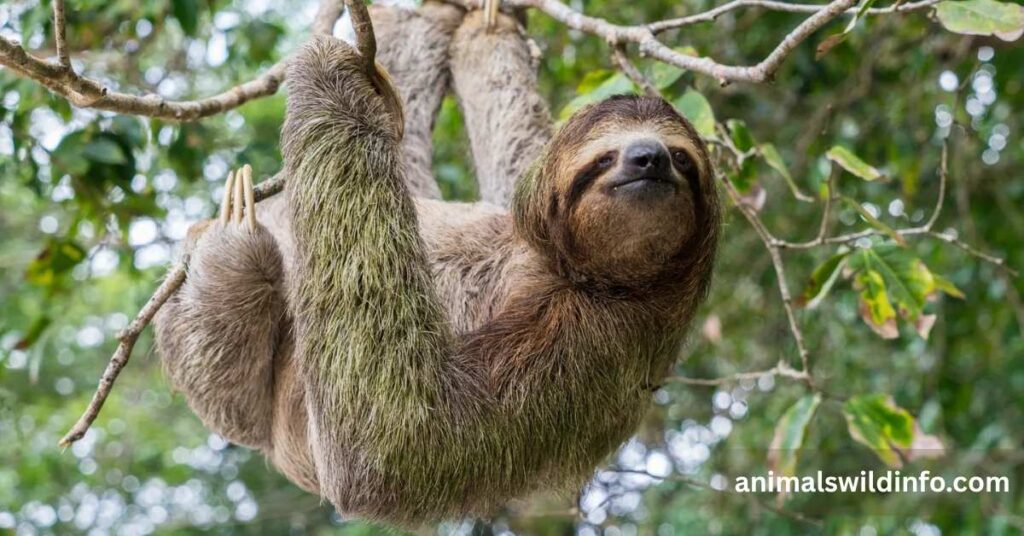
The sloth might be the poster child for calm animals. It moves so slowly that algae grows on its fur, and it rarely makes a sound beyond the occasional soft bleat. This slow pace isn’t laziness. It’s a smart way to save energy on a diet of leaves that offer very little nutrition.
Because it barely moves and barely speaks, the sloth avoids drawing attention from predators like harpy eagles. Its whole lifestyle points to one lesson: sometimes, doing less is doing enough. Quiet Animals That’s a solid case for quiet animal behavior as a full-time survival strategy rather than a personality quirk.
Octopus
An octopus can’t speak, growl, or call out, so it built an entirely different system. It shifts colors and textures across its skin in seconds, sending messages to other octopuses or scaring off threats. This is one of the clearest cases of animals that communicate without sound in the entire ocean.
Beyond its light show, the octopus solves puzzles, opens jars, and remembers faces. That kind of animal intelligence shows up more often in creatures that skip loud communication. Quiet Animals Instead of shouting for attention, the octopus quietly outsmarts its rivals and predators using nothing but color, texture, and a very sharp brain.
Snow Leopard
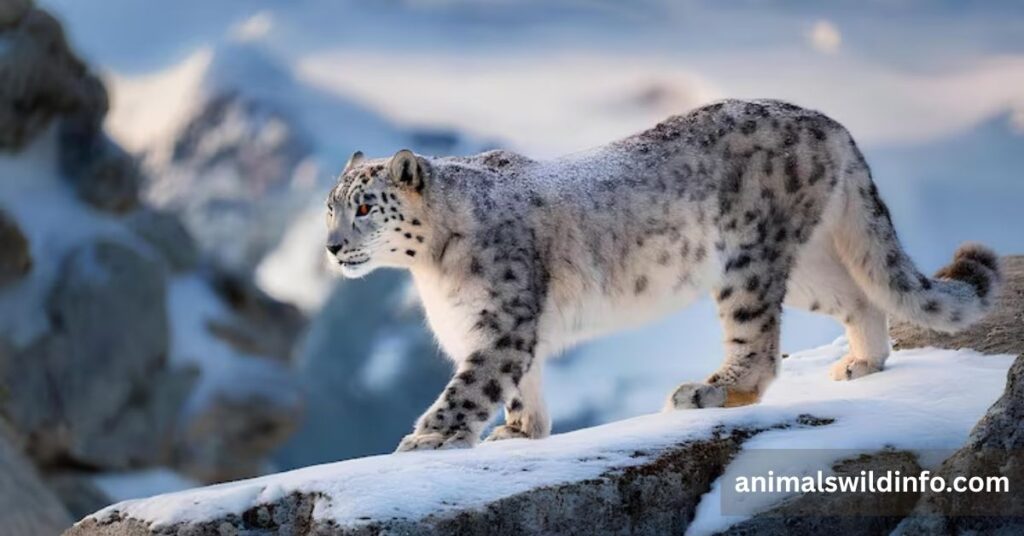
Deep in the mountains of Central Asia, the snow leopard earns its nickname, the “ghost of the mountains.” It hunts alone, moves without sound across rocky terrain, and rarely calls out to other leopards. This makes it one of the best examples of stealth hunting animals on the planet.
Its thick fur, long tail, and padded paws all work together to keep it silent while stalking prey. As a solitary predator, the snow leopard also shows how solitary animals often lean on quiet behavior rather than group communication. Conservation groups now track this elusive cat closely, since habitat loss threatens its already small population.
Koala
Koalas spend up to 20 hours a day sleeping, and even when awake, they rarely make noise beyond a low grunt during mating season. This makes them a textbook case of quiet living animals, content to nap in eucalyptus trees far from the noise of the forest floor.
Their diet of tough, low-nutrition leaves demands a slow, energy-saving lifestyle. Since koalas face little competition for food in their small communities, they don’t need loud calls to defend territory. Quiet Animals Their calm daily routine offers a strong example of how habitat and diet shape quiet animal facts across the mammal world.
Manatee
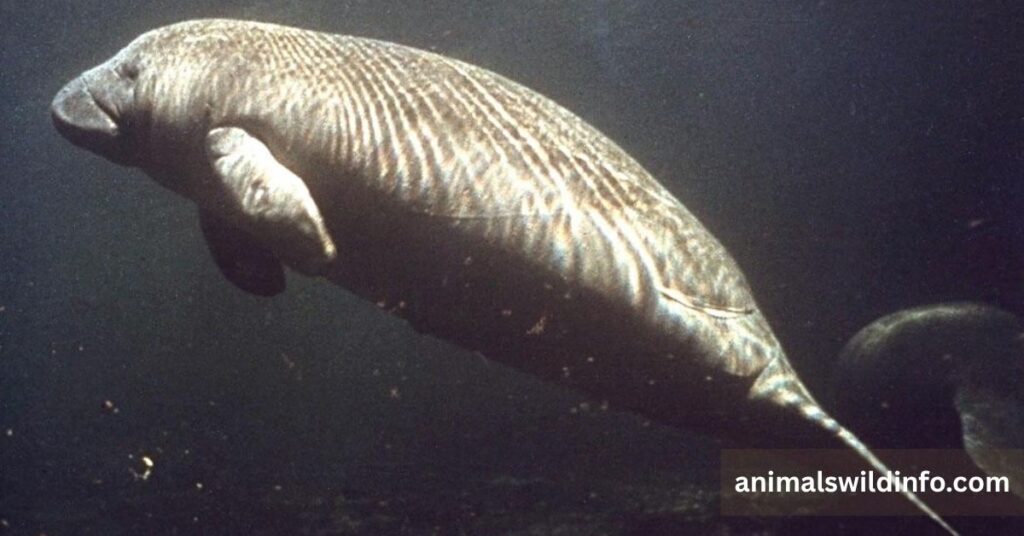
Manatees drift through warm coastal waters at a relaxed pace, grazing on sea grass without much fuss. Despite weighing up to 1,200 pounds, they move gently and rarely make sound, earning their nickname “sea cows.” They rank high among quiet ocean animals for good reason.
Their calm nature makes them vulnerable to boat strikes, since they don’t dart away quickly from danger. Still, their grazing habits support seagrass beds, which matters for overall ecological balance in coastal ecosystems. Quiet Animals Watching a manatee glide by feels like watching patience in motion.
Llama
Llamas trade loud calls for a soft hum, using this gentle sound to express contentment or mild concern. Compared to louder farm animals, llamas stand out as gentle animals with calm, steady personalities that make them popular in therapy programs.
They also communicate through posture and ear position, much like other quiet mammals on this list. Their quiet nature and steady pace make them excellent pack animals in the Andes Mountains, where a calm temperament matters more than speed or noise.
Giraffe
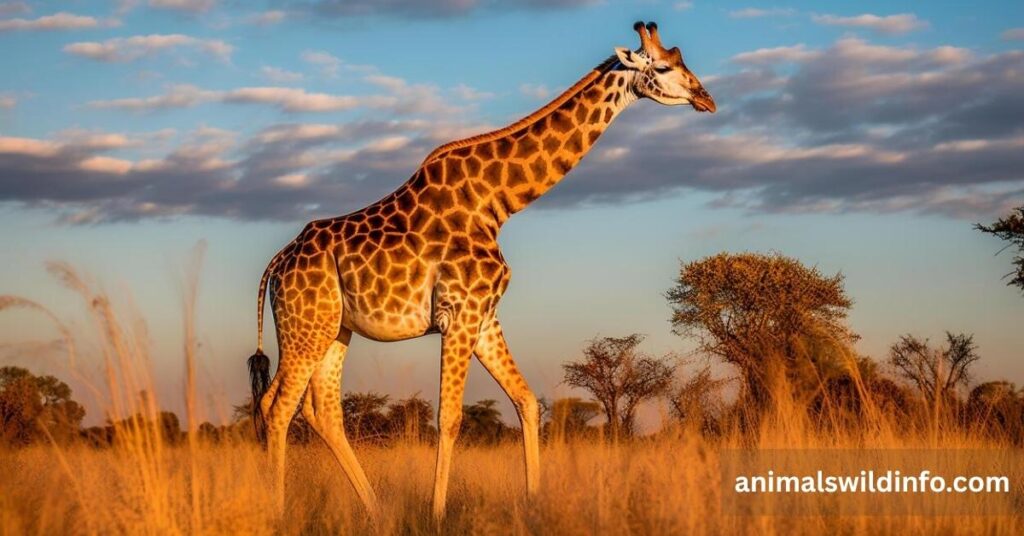
Giraffes look loud, given their towering height, but they’re actually one of the quietest large mammals around. They use infrasound communication, a low frequency sound below human hearing range, to stay in touch with their herd across long distances.
This silent method lets giraffes coordinate movement without alerting predators nearby. Their diet of acacia leaves also gives them enough hydration that they rarely need to visit water sources, cutting down on risky, exposed moments. Giraffes prove that size and volume don’t always go together.
Deer
Deer rely on non-verbal communication in animals far more than most people realize. Instead of calling out, they use scent marking, tail flicks, and body posture to signal danger, readiness to mate, or simple presence to other deer nearby.
This quiet system helps deer avoid predators like wolves and mountain lions. Quiet Animals Because deer live in such a wide range of habitats, from dense woods to suburban backyards, their silent signals adapt easily to different surroundings. It’s a strong example of wildlife adaptations built entirely around staying unnoticed.
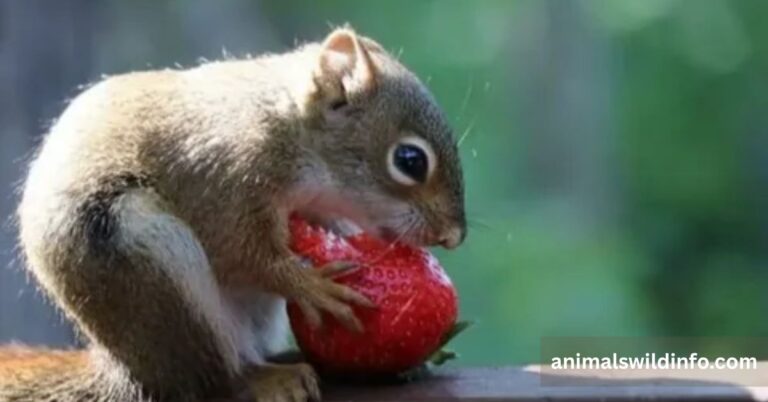
Rabbit
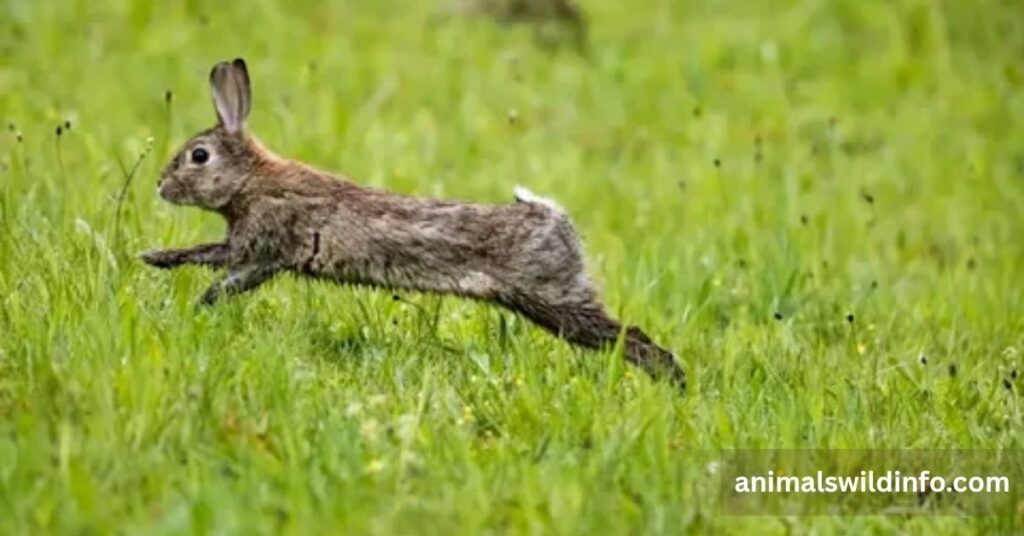
Rabbits speak through movement, not sound. A twitching nose, flattened ears, or a joyful hop called a “binky” all carry meaning without a single noise. This makes rabbits a favorite example of animal body language in casual nature writing.
Their quiet, watchful behavior also protects them from predators, since staying still and silent often beats running. Even as pets, rabbits keep this instinct, making them one of the more popular quiet pets for people who want a low-noise home companion.
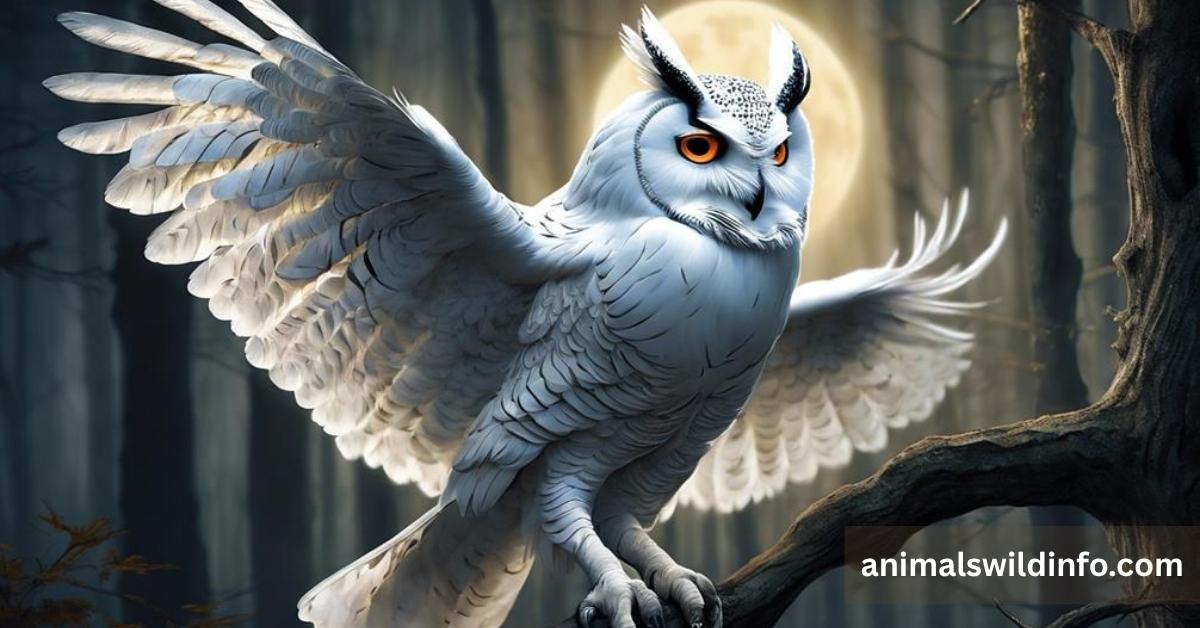
Owl
Owls fly in near-total silence, thanks to special feather edges that break up air turbulence. This adaptation makes them some of the most effective silent predators in the animal kingdom, able to swoop down on prey before it even senses danger.
Beyond their hunting skill, owls also help control rodent populations, supporting ecosystem balance in farmland and forests alike. Their calls, while sometimes eerie, happen far less often than their silent flights. Owls remind us that quiet can be just as powerful as speed.
Read More: 30 Most Energetic Animals on Earth (Ranked by Speed, Stamina & Activity)
Turtle
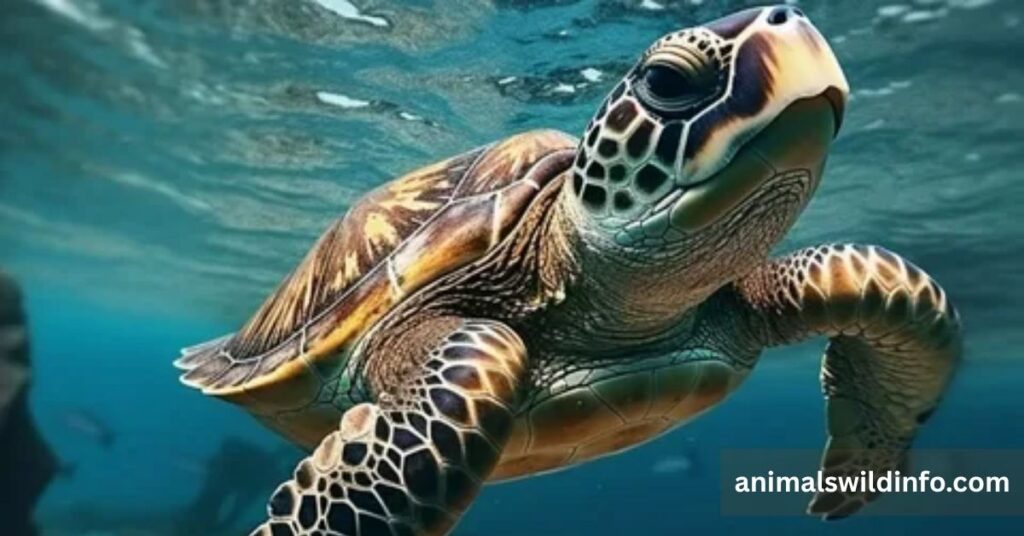
Turtles carry a calm, steady presence wherever they go, on land or in water. They rarely make sound and move at their own pace, which places them firmly among peaceful wild animals. Their shells offer protection, so they don’t need loud warnings to stay safe.
Despite their slow pace, turtles show sharp animal instincts, including the ability to navigate thousands of miles back to their birthplace. That combination of patience and precision makes turtles one of nature’s most underrated silent species.
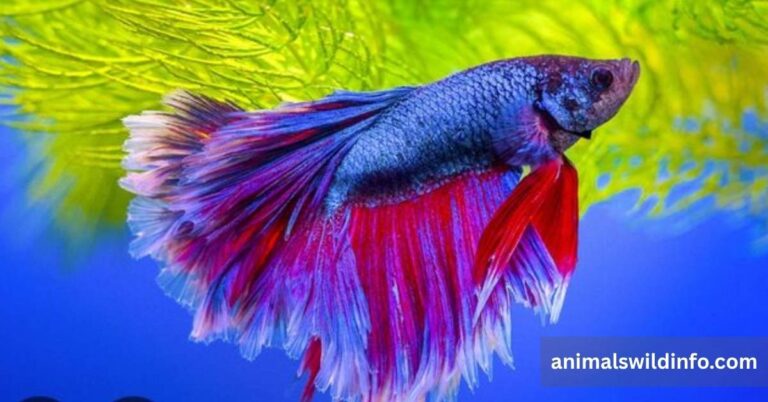
Goldfish
Goldfish live quiet lives underwater, using color changes and subtle movement instead of sound. Long dismissed as simple pets, they actually remember tasks for months and respond to training, showing real depth behind their calm appearance.
As one of the more common quiet ocean animals kept at home, goldfish also form loose social bonds with tank mates. Their silence isn’t a lack of personality. It’s just a different, water-based way of getting a message across.
Jellyfish
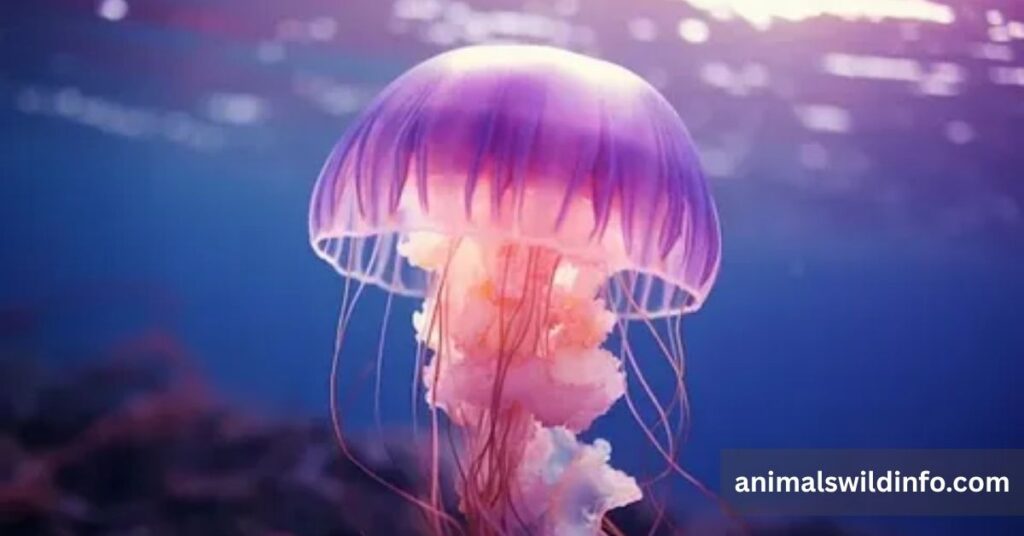
Jellyfish have survived for over 500 million years without a brain, heart, or vocal system. They drift through the ocean in near-total silence, making them one of the purest examples of noiseless animals on this list.
Some species glow through bioluminescence, using light instead of sound to ward off threats. Their long survival, despite such a simple body plan, shows how survival strategies don’t always require complexity. Sometimes drifting quietly through the current works just fine.
Butterfly
Butterflies flutter through gardens without a sound, quietly pollinating flowers as they go. Their role as silent pollinators supports plant life across entire ecosystems, even though most people barely notice them at work.
Beyond their beauty, butterflies use color and scent to communicate rather than sound, another clear case of silent communication in animals. Watching one land softly on a flower is a small reminder that quiet creatures often carry out the biggest jobs in nature.
Bat
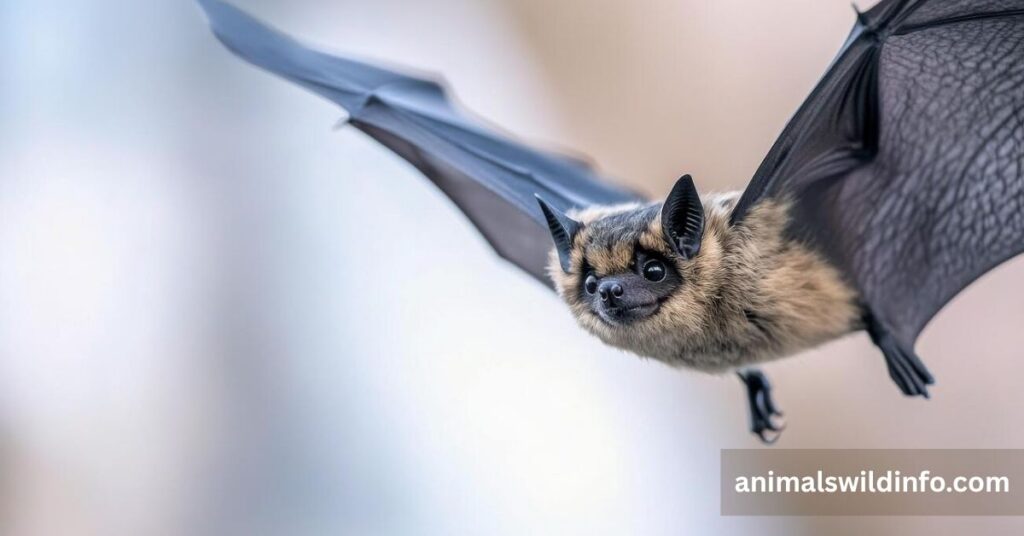
Bats use echolocation instead of vocal calls to navigate and hunt in total darkness. This system lets them “see” through sound waves without needing loud calls that would alert prey or predators, making them a fascinating case of nocturnal quiet animals.
Bat colonies also groom each other and share food, showing social bonds that don’t rely on noise. By controlling insect populations, bats support farmers and reduce the need for pesticides, adding real value to wildlife protection efforts across the country.
Shark
Sharks hunt using vibration-sensing organs called lateral lines, picking up on movement in the water rather than relying on sound. Quiet Animals This stealthy approach places sharks among the more surprising silent predators in the ocean.
Despite their fierce reputation, sharks move with careful, quiet precision rather than aggressive noise. Their sensitivity to water vibrations allows them to track prey from a distance, proving that even apex predators can thrive through silent movement instead of brute force.
Snake
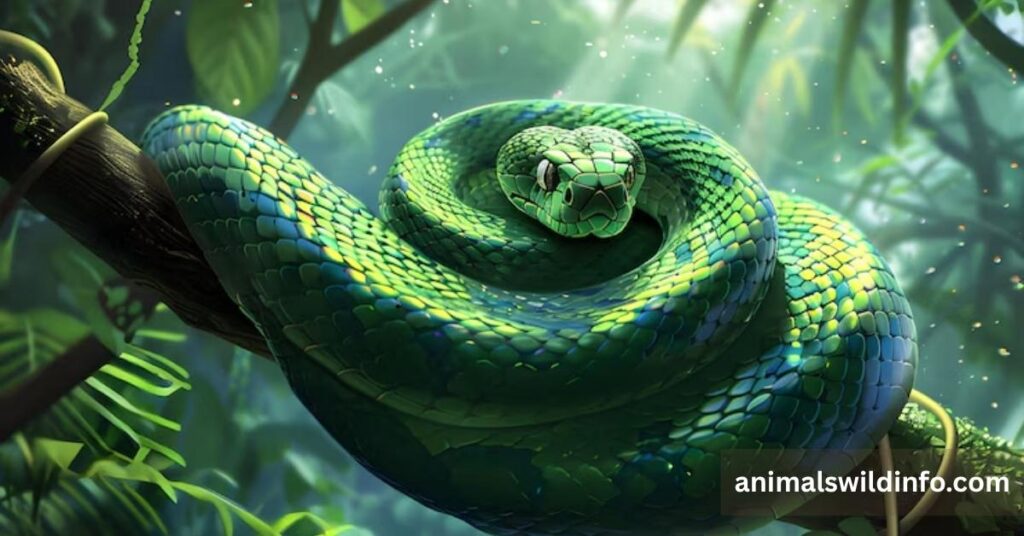
Snakes skip vocal calls entirely, relying instead on body language and pheromones to send messages. This puts them near the top of any list covering animals that rarely vocalize, since most species can’t produce sound beyond a hiss.
Their camouflage also plays a huge role, letting them blend into leaves, sand, or bark without effort. Quiet Animals Some species even show social behavior, forming communal dens during colder months. Snakes prove that quiet predators can still lead surprisingly social lives.
Read More: 22 Most Docile Animals in the World (With Pictures)
Lizard
Lizards use color changes and body posture instead of calls to communicate with other lizards. A male anole’s bright throat flash during mating season works as a silent signal, no sound needed at all.
This visual system supports natural camouflage, letting lizards blend into rocks, bark, or sand while still sending clear messages to nearby lizards. Their quiet, color-based communication style shows just how creative quiet reptiles can get without ever making a peep.
Spider
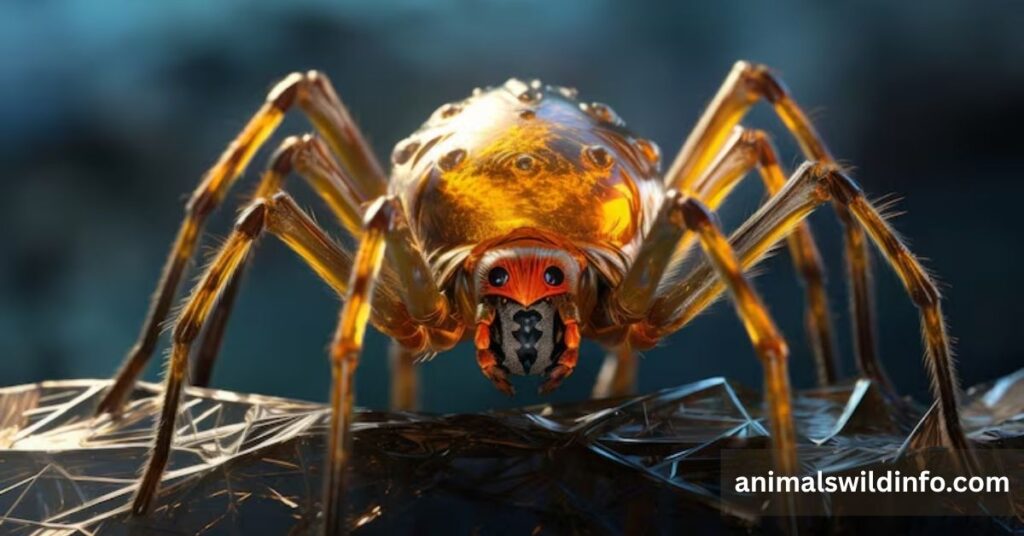
Spiders build silk webs that double as both home and hunting tool, reading vibrations instead of listening for sound. This makes web vibration one of the most important tools in silent communication in animals among insects and arachnids alike.
Some spiders, like jumping spiders, skip webs entirely and rely on sharp eyesight to pounce on prey. Others sit patiently, waiting for a vibration to signal a trapped meal. Either way, spiders quietly shape insect populations, keeping gardens and forests in check.
Crab
Crabs use subtle body movements and pheromones to communicate, staying quiet even in busy coastal environments. With over 6,800 species, crabs show huge variety in color and behavior while sharing this same low-noise communication style.
As scavengers, crabs help break down organic material, supporting ecological balance along coastlines. Their molting process, where they shed and regrow their exoskeleton, also reflects a quiet kind of resilience, renewing their bodies without any fuss or noise.
Snail
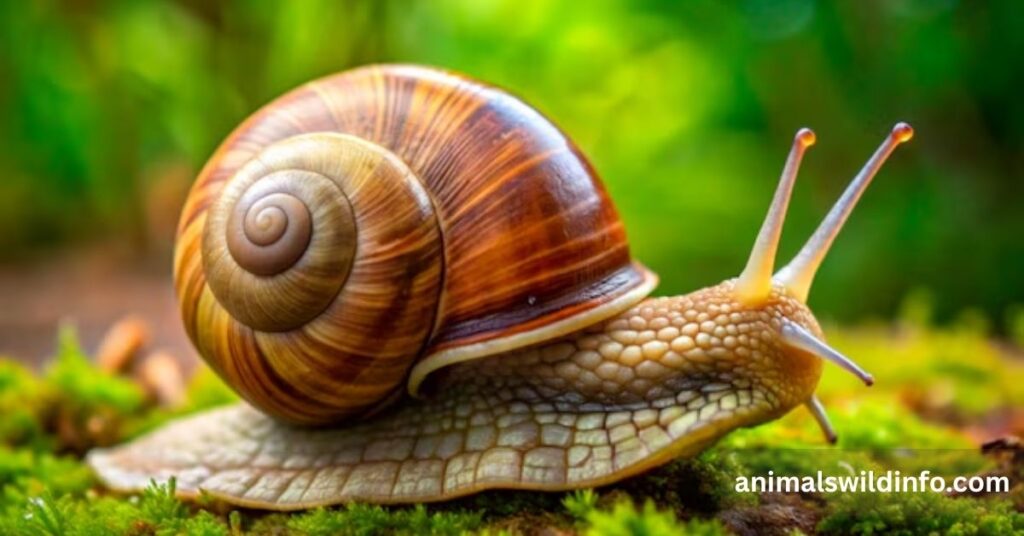
Snails move at a famously slow pace, gliding on a layer of mucus that helps with both movement and hydration. They communicate through chemical signals, another strong example of animals with silent behavior rather than sound-based systems.
Beyond their calm exterior, snails support soil health by breaking down organic matter. Their entire existence, from slow movement to silent chemical signals, shows how quiet forest animals and garden dwellers alike can still play a big role in biodiversity.
Worm
Worms live almost entirely underground, working quietly to break down organic matter and improve soil health. Their burrows aerate soil and support water drainage, making them essential to wildlife habitats even though most people never see them at work.
Worms also host countless microorganisms, creating a hidden ecosystem beneath our feet. This underground, silent movement through soil proves that some of nature’s most valuable work happens without any sound or attention at all.
Hedgehog
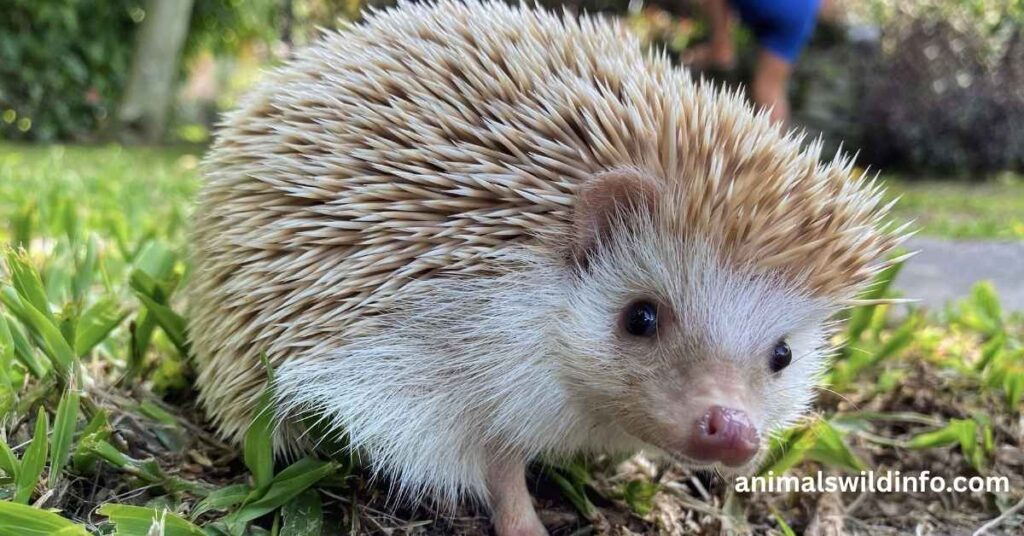
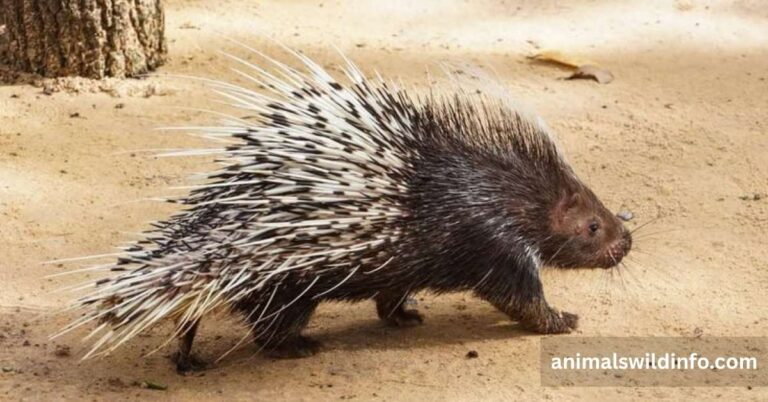
Hedgehogs forage quietly at night, using their sense of smell more than sound to find food. When threatened, they curl into a tight ball of spines instead of making noise, a defense mechanism that skips confrontation entirely.
This makes hedgehogs a strong example of animal defense mechanisms built around silence rather than aggression. Quiet Animals As backyard visitors in many parts of the world, hedgehogs show that even small, common creatures can carry big lessons about staying calm under pressure.
Eel
Eels swim through rivers and oceans mostly at night, moving with a quiet, snake-like motion that draws little attention. Their nocturnal habits and low visibility make them one of the more mysterious quiet sea animals on this list.
Some eel species travel thousands of miles to breed, navigating by instinct rather than any loud signal. Quiet Animals Their entire life cycle, from silent movement to long migration, reflects the same theme running through this whole article: staying quiet often means staying alive.
Why Are Some Animals Naturally Quiet?
Why are some animals quiet? The answer often comes down to survival pressure built up over generations. Prey animals stay quiet to avoid alerting predators, while predators stay quiet to avoid warning their next meal. Quiet Animals Over time, natural selection favors the quieter individuals in both groups, since noise tends to get animals caught or noticed at the wrong moment.
Habitat also shapes this behavior heavily. Dense forests, ocean depths, and underground burrows all reward stealth over volume, while open plains sometimes favor louder calls that travel across long distances. Quiet Animals This split explains why quiet forest animals often differ so much from loud savanna dwellers. Silence, in short, isn’t random. It’s shaped by exactly where an animal lives and what it needs to survive there.
Benefits of Being Quiet in the Wild
Staying quiet offers real, practical advantages across the animal kingdom. Predator avoidance tops the list, since silent movement and camouflage help prey animals slip past danger unnoticed. On the flip side, stealth hunting animals use that same silence to sneak up on prey, turning quiet into an offensive tool rather than just a defensive one.
Energy conservation matters too. Loud calls and constant movement burn calories that quiet animals save for more important tasks like foraging or raising young. Reduced conflict also plays a role, since silent body language often settles disputes between animals without the risk of a loud, dangerous confrontation. Owls whisper through the air instead of announcing their approach, and that whisper, quite literally, keeps them fed.
Read More: 20 Animals with Big Eyes That Will Surprise You (With Pictures)
Difference Between Quiet, Shy, and Silent Animals
These three words get used interchangeably, but they don’t mean the same thing. A quiet animal simply makes little noise by nature, regardless of its personality. A shy animal avoids contact or exposure, often hiding from humans or other animals even if it’s capable of making sound. A silent animal, meanwhile, physically produces little to no sound at all, sometimes because it lacks the vocal structures to do so.
| Trait | Meaning | Example |
| Quiet | Low vocal activity by nature | Giraffe, koala |
| Shy | Avoids exposure or interaction | Hedgehog, deer |
| Silent | Rarely or never produces sound | Jellyfish, worm |
Understanding this difference helps make sense of quiet wildlife overall. A giraffe, for example, is quiet but not shy, since it moves openly across open plains. A hedgehog is shy and quiet, hiding at the first sign of trouble. A jellyfish is fully silent, since it has no vocal system whatsoever.
Interesting Facts About Quiet Animals
Some quiet animal facts genuinely surprise people. Giraffes communicate using infrasound so low that human ears can’t detect it at all. Owls have specially shaped feathers that break up turbulence, letting them fly in near-total silence while hunting. Jellyfish have existed for over 500 million years without ever developing a brain or vocal cords.
Goldfish, despite old myths about a three-second memory, can actually remember tasks for months at a time. Sloths move so slowly that algae grows directly on their fur, giving them natural camouflage in the rainforest canopy. Bats “see” through sound using echolocation instead of eyes or vocal calls, proving that silence and precision can absolutely work together in the wild.
Conclusion
From the ocean floor to mountain peaks, quiet animals in the world prove that survival doesn’t require noise. Whether it’s a giraffe humming below human hearing range or a jellyfish drifting silently for millions of years, these creatures show that stillness carries its own kind of strength. Their quiet habits protect them, feed them, and keep entire ecosystems in balance.
Frequently Asked Questions
The jellyfish often takes the title of quietest animal, since it has no vocal cords, no brain, and no way to produce sound at all. It drifts silently through the ocean, relying entirely on movement and light rather than any form of vocal communication.
Sloths, giraffes, owls, koalas, and turtles all count as naturally quiet animals. Each one relies on body language, camouflage, or infrasound instead of loud calls, and each has evolved this quiet behavior as a direct survival strategy.
Hedgehogs, deer, and rabbits combine both quiet and shy traits, avoiding attention and contact while also making very little noise. These animals tend to freeze or hide first, only making sound as an absolute last resort.
The sloth stands out as one of the quietest large mammals, rarely vocalizing beyond an occasional soft bleat. Its slow movement and low energy lifestyle reinforce this quiet nature at every level.
Llamas and koalas both show calm, quiet personalities, using soft hums or gentle grunts instead of loud calls. Their relaxed body language and steady routines make them feel approachable and gentle compared to louder wild species.
Hedgehogs, deer, owls, snow leopards, and rabbits rank among the shyest animals in the wild, each avoiding direct contact with humans and other species whenever possible. Their shyness usually pairs with quiet, careful movement.
The snow leopard often earns the title of shyest animal, given how rarely it’s spotted in the wild despite its wide mountain range. Its solitary, elusive nature makes direct sightings incredibly rare, even for researchers who study it closely.