Top 20 Most Annoying Animals In The World (With Pictures & Facts)
Some animals just know how to test your patience. They buzz in your ear at night. They raid your trash cans. They leave a smell that won’t quit. This list covers the top 20 Most Annoying Animals In The World on the planet, and it explains exactly why they drive us crazy.
You’ll find annoying wildlife from every corner of the animal kingdom here. Insects, birds, and mammals all make the cut. Some are household pests. Others are backyard nuisance animals that show up the second you turn your back. By the end, you’ll know exactly which creatures top the list of annoying creatures, and why.
What Is the Most Annoying Animal in the World?
Ask ten people this question, and you’ll probably get ten different answers. But mosquitoes usually win the vote. They’re small, they’re silent until it’s too late, and they leave you with itchy bites that last for days. On top of that, they carry serious diseases. That combination makes them a strong pick for the most annoying animal on Earth.
Still, “most annoying” depends a lot on where you live. City dwellers might vote for pigeons or rats. Suburban homeowners often point to raccoons or Canada geese instead. Each of these irritating animals earns its spot on the list for a different reason, whether it’s noise, mess, or plain unpredictability.
Why Are Some Animals Considered Annoying?
Animals earn the “annoying” label for a handful of clear reasons. Some make loud vocalizations at the worst possible times. Others cause property damage through digging behavior or chewing. A few carry health risks that turn a simple backyard visit into a real concern. When an animal disrupts your daily routine, it quickly becomes a human nuisance animal in your eyes.
Urban growth plays a big role too. As cities expand, urban wildlife loses its natural habitat and moves closer to people. That shift creates more wildlife conflicts than ever before. Raccoons, foxes, and coyotes now wander through neighborhoods that used to be forest. This close contact is exactly why so many backyard animals feel like constant intruders.
What Makes an Animal Annoying?
A few traits show up again and again on this list. Persistence tops the chart. Nuisance animals rarely give up after one failed attempt at your trash can or garden. Boldness matters too. Many troublesome animals show almost no fear of humans anymore, especially in cities where food is easy to find.
There’s also a psychological piece to this puzzle. Humans hate feeling out of control, and pests are experts at taking control away from us. A mouse in the pantry, a wasp near the door, or a goose blocking your path all trigger the same frustrated reaction. That loss of control, more than anything else, is what turns a wild animal into a bothersome animal in our minds.
List of the Top 20 Most Annoying Animals in the World
This list mixes insects, birds, and mammals, ranked by how much chaos they bring to daily life. Each entry includes the scientific name, class, and diet, along with the real reasons people consider it one of the most pesky animals around.
| Animal | Class | Diet | Main Annoyance |
| Mosquitoes | Insecta | Parasitic (females) | Bites, disease |
| House Flies | Insecta | Omnivorous | Buzzing, contamination |
| Ticks | Arachnida | Parasitic | Disease transmission |
| Cockroaches | Insecta | Omnivorous | Infestation, allergens |
| Rats | Mammalia | Omnivorous | Damage, disease |
| Mice | Mammalia | Omnivorous | Home invasion |
| Pigeons | Aves | Herbivorous | Droppings, noise |
| Seagulls | Aves | Omnivorous | Food stealing |
| Crows | Corvidae | Omnivorous | Cawing, raiding |
| Canada Geese | Anatidae | Herbivorous | Aggression, mess |
| Raccoons | Mammalia | Omnivorous | Trash raiding |
| Squirrels | Sciuridae | Omnivorous | Garden damage |
| Monkeys | Mammalia | Omnivorous | Theft, mimicry |
| Wild Boars | Mammalia | Omnivorous | Crop destruction |
| Skunks | Mephitidae | Omnivorous | Bad odor |
| Foxes | Mammalia | Omnivorous | Screaming, raiding |
| Gnats | Insecta | Omnivorous | Swarming |
| Wasps | Insecta | Omnivorous | Painful stings |
| Hornets | Insecta | Omnivorous | Aggressive stings |
| Untrained Dogs | Mammalia | Omnivorous | Barking, chaos |
Mosquitoes
Scientific Name: Culicidae Class: Insecta Diet: Parasitic (females), Herbivorous (males)
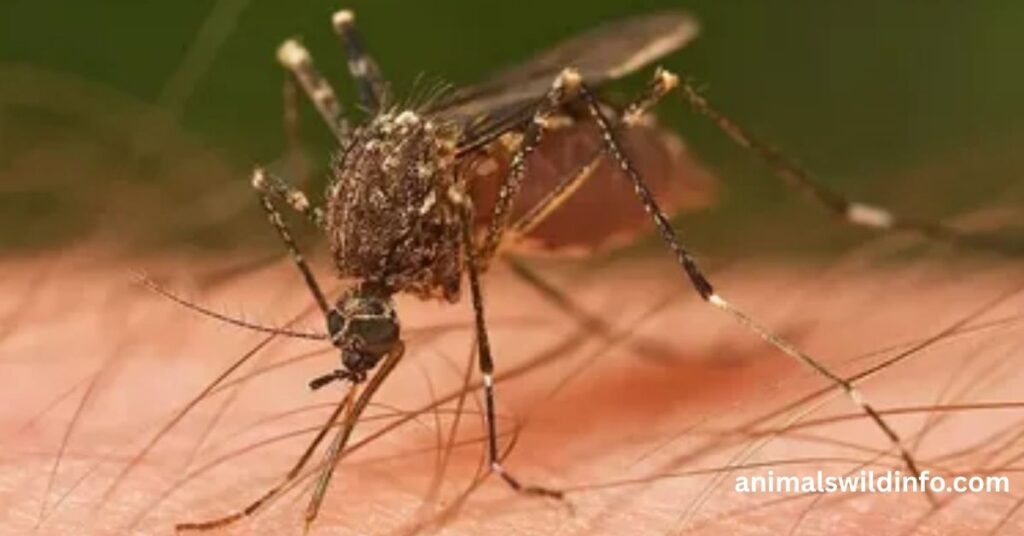
Mosquitoes might be tiny, but they cause outsized problems. That constant buzzing near your ear at night can ruin a good night’s sleep in seconds. Once they land, the real trouble starts. Their bites itch for days, and worse, they act as disease vectors for illnesses like malaria, dengue, and West Nile virus. Female mosquitoes need blood to lay eggs, which explains why only females bite. They’re drawn to body heat, carbon dioxide, and even certain scents, so some people get bitten far more than others at the exact same barbecue.
Read More: Top 13 Animals Without Tails (With Pictures, Facts & Habitats)
House Flies
Scientific Name: Musca domestica Class: Insecta Diet: Omnivorous
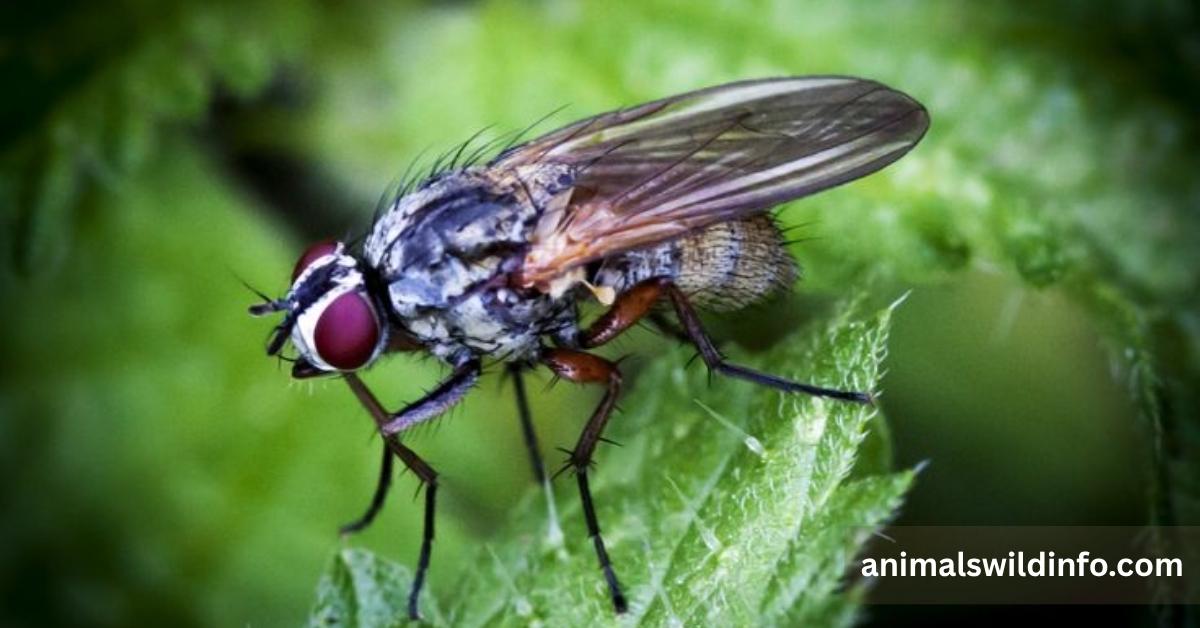
House flies land on your food, then land on garbage minutes later. That habit makes them a real food contamination risk in any kitchen. Their rapid reproduction rate is honestly impressive; a handful of flies can multiply into a full infestation within days. Add their erratic flight pattern and nonstop buzzing, and you’ve got one of the most common pests in homes across the country. Fortunately, they also break down organic waste in nature, so they’re not entirely without purpose.
Ticks
Scientific Name: Ixodida Class: Arachnida Diet: Parasitic
Ticks are patient hunters. They wait in tall grass, then latch onto anything warm-blooded that walks by. Unlike louder pests, ticks stay silent and nearly invisible, which makes them one of the sneakiest parasitic insects on this list (technically arachnids, but the comparison holds). Their bite alone rarely hurts, but the aftermath can be serious. Lyme disease and Rocky Mountain spotted fever both spread through tick bites, turning a simple hike into a genuine public health concern.
Cockroaches
Scientific Name: Blattodea Class: Insecta Diet: Omnivorous
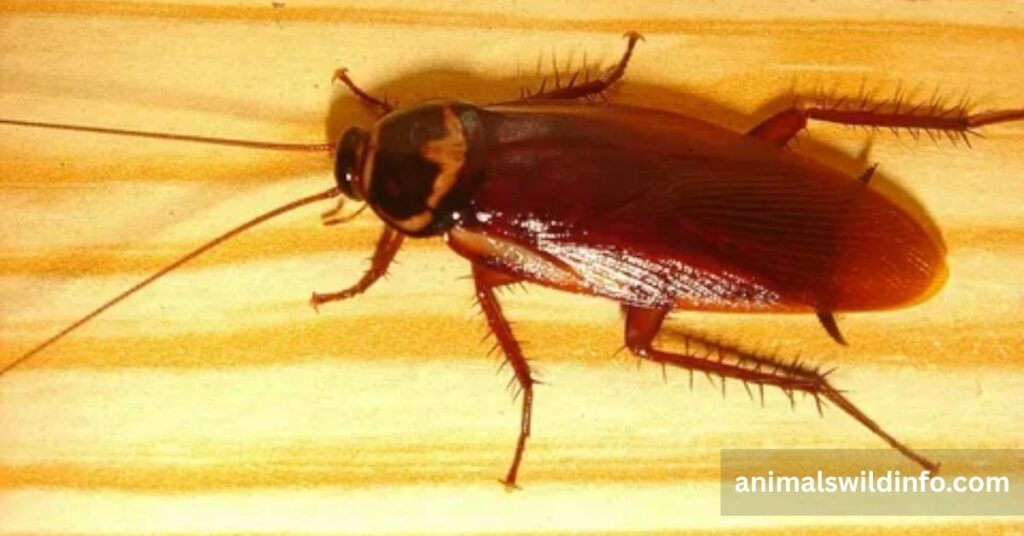
Few creatures trigger instant disgust like a cockroach skittering across the kitchen floor. These resilient insects survive almost anywhere, and once they move in, a full pest infestation often follows fast. Their droppings and shed skin can trigger allergic reactions and worsen asthma symptoms, especially in kids. Cockroaches also carry bacteria on their legs as they crawl through drains and trash before wandering onto your countertop. That combination of speed, resilience, and filth earns them a permanent spot among the most hated household pests.
Rats
Scientific Name: Rattus Class: Mammalia Diet: Omnivorous
Rats thrive in cities precisely because they’re smart. Studies show they can solve mazes, remember pathways, and even form social bonds with each other. That intelligence, though, makes them tough to control once they settle into a building. Their constant gnawing causes real electrical wire damage, and that alone creates fire hazards inside walls and attics. On top of the property damage, rats carry diseases like leptospirosis and hantavirus, adding a genuine health risk to what already feels like a losing battle against household rodents.
Mice
Scientific Name: Mus musculus Class: Mammalia Diet: Omnivorous
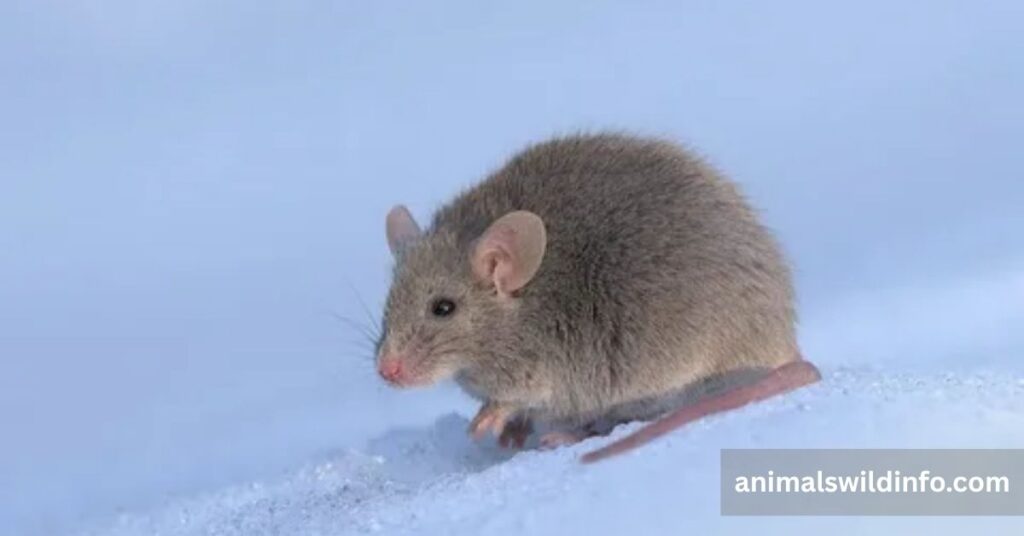
Mice squeeze through gaps the size of a dime, which makes home infestation almost impossible to fully prevent. Once inside, they raid pantries, chew through boxes, and scurry through walls at night. That rustling sound alone causes serious sleep disruption for a lot of homeowners. Despite the frustration, mice are surprisingly clever. They navigate mazes with ease and remember food sources long after their first visit, which is exactly why one mouse rarely stays a lone problem for long.
Pigeons
Scientific Name: Columbidae Class: Aves Diet: Herbivorous
Pigeons earned the nickname “sky rats” for a reason. Their constant cooing and nonstop scavenging make them one of the most recognizable urban pests in the country. Their droppings pile up fast on buildings, cars, and sidewalks, corroding metal and staining stone over time. Despite the bad reputation, pigeons are remarkably smart. They recognize themselves in mirrors and once served as long-distance messengers thanks to their homing instincts, proving there’s more going on behind those beady eyes than most people realize.
Seagulls
Scientific Name: Larinae Class: Aves Diet: Omnivorous
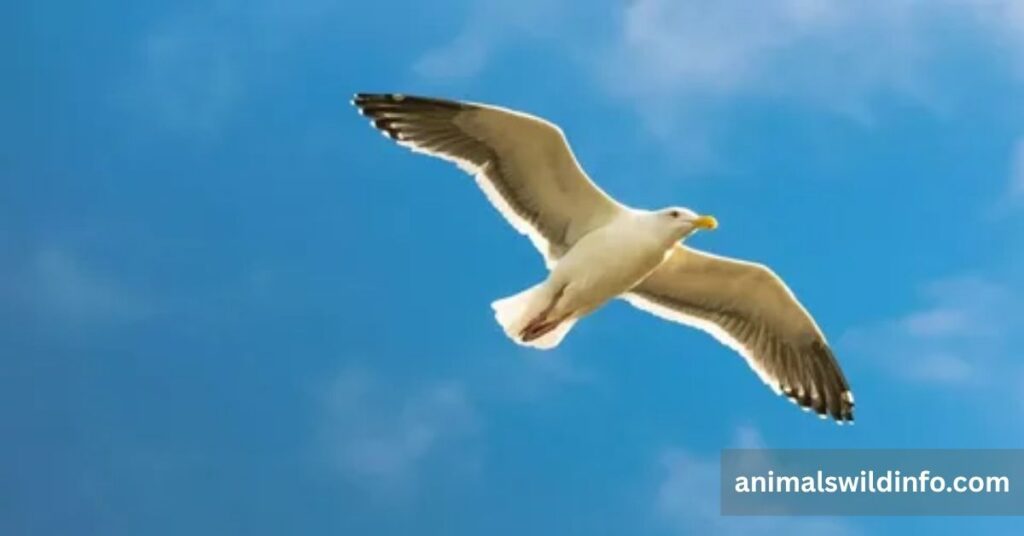
Anyone who’s had a sandwich snatched mid-bite at the beach knows exactly why seagulls make this list. Their food stealing habits are bold, fast, and shockingly accurate. These birds hunt in groups, squawking loudly while circling anyone holding food outdoors. Their adaptability is honestly impressive though. Seagulls thrive from coastal cliffs to busy parking lots, proving they can exploit almost any environment humans create. Still, that boldness makes a peaceful beach day feel more like a heist movie.
Read More: Top 12 Animals Like Porcupines (With Pictures & Amazing Facts)
Crows
Scientific Name: Corvus Class: Aves Diet: Omnivorous
Crows are loud, and they know exactly how to use that volume. Their sharp cawing at dawn counts as genuine noise pollution for anyone hoping to sleep in. Beyond the noise, crows are shockingly intelligent. Researchers have shown that crows recognize individual human faces and can hold grudges for years against people who’ve bothered them. That memory, combined with their habit of raiding trash and crops, makes crows one of the more calculating annoying birds on this entire list.
Canada Geese
Scientific Name: Branta canadensis Class: Aves Diet: Herbivorous

Canada geese show almost no fear, especially during nesting season. Their territorial behavior turns parks and golf courses into danger zones, with geese hissing and charging at anyone who wanders too close. Beyond the aggression, their droppings coat lawns and walking paths in large numbers, creating a genuine lawn damage problem for property owners. Their loud honking rounds out the package, echoing across neighborhoods near lakes and ponds well into the evening hours.
Raccoons
Scientific Name: Procyon lotor Class: Mammalia Diet: Omnivorous
Raccoons are the masked bandits of suburban life. Their dexterous paws let them open latches and lids that would stop most other animals, turning garbage scavenging into an art form. These nocturnal animals cause real chaos after dark, tipping over trash cans and leaving a mess by morning. Their intelligence rivals some primates, which explains why they’re so hard to outsmart. Raccoons also carry rabies and roundworm, adding a genuine health risk behind that cute, curious face.
Squirrels
Scientific Name: Sciuridae Class: Mammalia Diet: Omnivorous
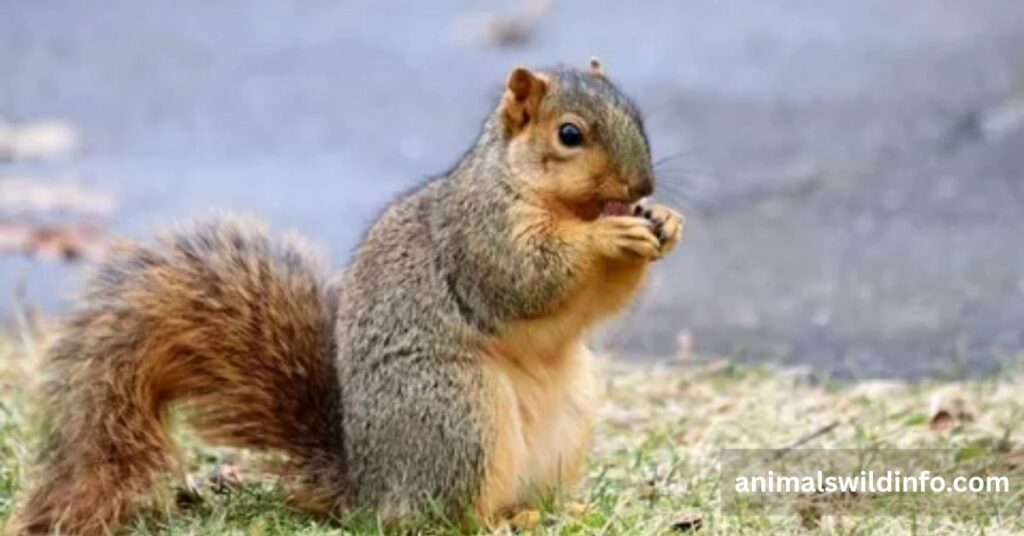
Squirrels look harmless until they take over your bird feeder completely. Their acrobatic skills let them leap incredible distances, easily bypassing whatever “squirrel-proof” defense you’ve bought. Beyond the feeder raids, squirrels dig through flower beds and chew through wiring in attics, causing frustrating garden damage and structural problems alike. On the flip side, their habit of burying nuts actually helps forests regenerate, so this garden pest does contribute something useful to the ecosystem.
Monkeys
Class: Mammalia Diet: Omnivorous
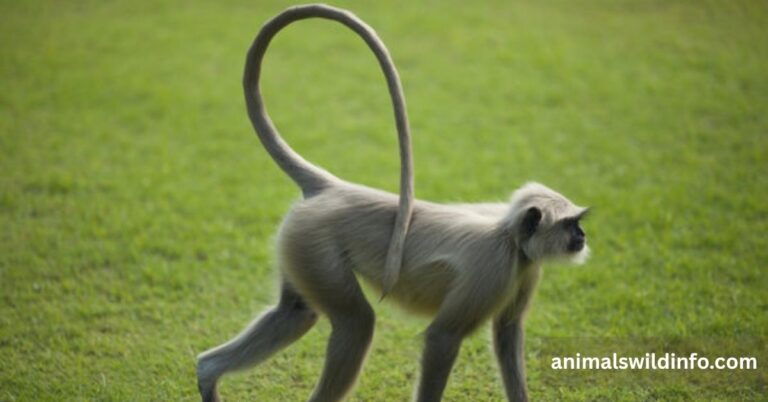
In many tourist destinations, monkeys have become bold, fearless thieves. They snatch sunglasses, phones, and food right out of people’s hands, then watch from a safe distance as their victims scramble. Their mimicry of human behavior is fascinating, but it also fuels their success as skilled scavengers. Troops of monkeys navigate urban landscapes with ease, raiding picnic areas and open windows alike. That blend of intelligence and boldness makes monkeys unpredictable, and occasionally unnerving, wherever people and wildlife overlap.
Wild Boars
Scientific Name: Sus scrofa Class: Mammalia Diet: Omnivorous
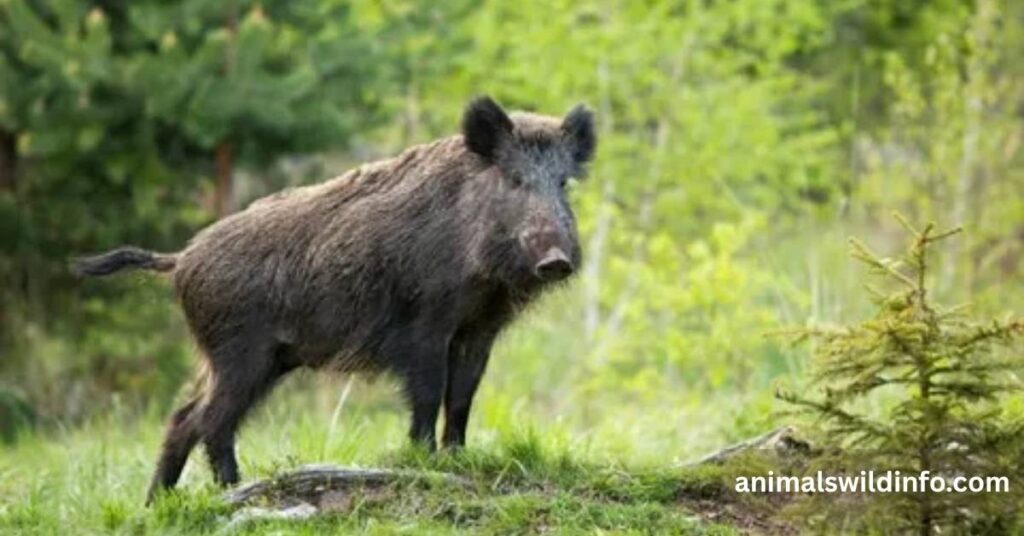
Wild boars combine strength with stubborn persistence. Their powerful tusks and snouts make crop destruction shockingly easy, tearing through farmland overnight. These animals have also expanded into suburban areas, digging up lawns and gardens in search of food. What makes wild boars especially frustrating is how quickly they learn. They adapt to traps and human intervention fast, and since they usually travel in groups, one boar sighting often means several more are close behind.
Skunks
Scientific Name: Mephitidae Class: Mammalia Diet: Omnivorous
Skunks rely on a defensive spray that clears out any threat within seconds. That sulfur-based spray isn’t just gross, it’s genuinely hard to remove from skin, fur, or fabric. Beyond the odor, skunks dig through lawns hunting for grubs, leaving small holes scattered across the yard. Despite their reputation, skunks help control insect populations and clean up carrion in the wild. Still, most homeowners would rather admire that ecological benefit from a very safe distance.
Foxes
Scientific Name: Vulpes Class: Mammalia Diet: Omnivorous
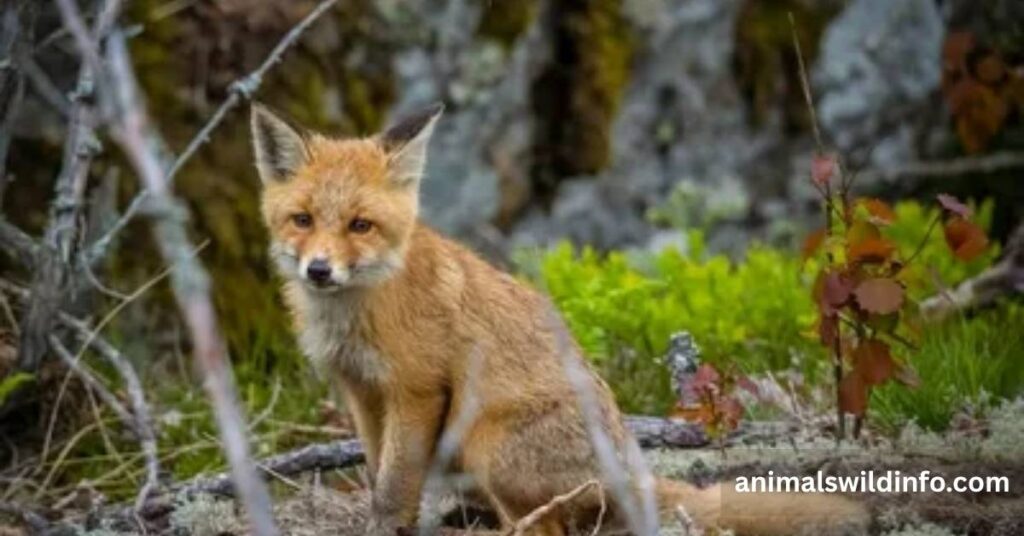
Foxes bring both mischief and mystery to any neighborhood they visit. Their sharp, sudden screams at night catch most people off guard, sounding far more alarming than an actual threat. These clever animals scavenge through gardens and trash with ease, and their growing comfort in cities only adds to the frustration. Foxes are impressively adaptable, blending into urban wildlife populations while still holding onto their wild instincts, which makes them tricky to predict or deter.
Gnats
Class: Insecta Diet: Omnivorous
Gnats might be small, but a swarm of them can ruin an entire outdoor gathering. These swarming insects hover near faces and food, drawn to any damp, humid environment nearby. A single patch of standing water is often enough to invite a cloud of them to your backyard. Despite the irritation, gnats do serve a purpose in nature. They pollinate certain plants and act as a food source for birds and other insects, quietly supporting the ecosystem even while ruining your picnic.
Wasps
Scientific Name: Vespidae Class: Insecta Diet: Omnivorous
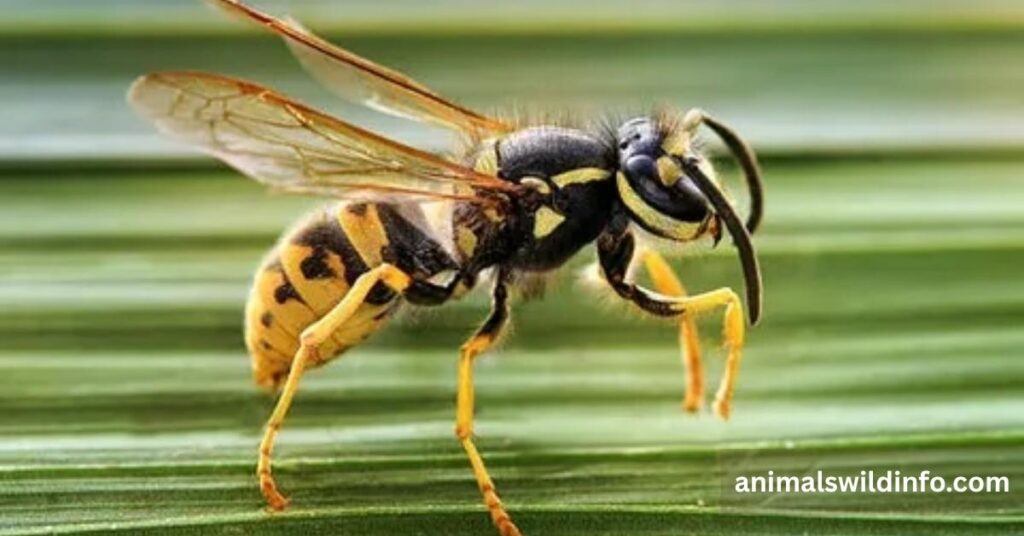
Wasps defend their nests with real aggression, and their sting genuinely hurts. Unlike bees, wasps can sting multiple times, which makes an accidental disturbance far more dangerous. Their nesting habits often place them right where people gather, under eaves, in sheds, or near porches, setting the stage for painful encounters. Wasps do help control other insect populations, acting as natural pest control in gardens. That said, most people would still rather admire their usefulness from indoors.
Hornets
Scientific Name: Vespa Class: Insecta Diet: Omnivorous
Hornets take aggressive behavior a step further than their wasp cousins. Their stings deliver more venom, and they’re quick to swarm if their nest feels threatened. Hornets tend to build nests close to homes, tucked into trees, wall cavities, or attic spaces, which raises the odds of a dangerous surprise encounter. Multiple stings from an agitated hornet nest can trigger a real medical emergency, making this one of the more genuinely risky entries among the most disease-carrying animals and dangerous insects on this list.
Read More: Top 20 Animals That Eat Frogs (With Pictures & Interesting Facts)
Untrained Dogs
Scientific Name: Canis lupus familiaris Class: Mammalia Diet: Omnivorous

An untrained dog can turn a quiet walk into total chaos. Constant barking, jumping, and leash-pulling test the patience of neighbors and owners alike, creating real outdoor nuisance situations in shared spaces like parks and sidewalks. That said, most of this behavior comes down to a lack of training rather than any real aggression. With consistent guidance, most dogs calm down fast, proving this entry is less about the animal itself and more about the effort put into raising it.
Loud and Annoying Animals
Some entries on this list earn their spot purely through volume. Canada geese honk relentlessly near parks and lakes. Crows caw before sunrise. Seagulls screech over any open food source. These loud animals create genuine noise pollution in both cities and quiet suburbs, disrupting peaceful mornings and evenings alike.
There’s real science behind all that noise. Many of these noisy animals vocalize for territorial reasons, mating calls, or alarm warnings meant for others of their species. Humans just happen to be caught in the crossfire. Once you understand the purpose behind the sound, it’s easier to see these calls as communication rather than pure chaos, even if that knowledge doesn’t make 6 a.m. crow calls any easier to sleep through.
Surprising Facts About Annoying Animals
Behind every annoying habit sits a surprisingly smart survival strategy. Pigeons recognize their own reflection in a mirror, a skill shared with very few other species. Only female mosquitoes bite, since they need blood protein to lay eggs, while males live entirely on nectar. Raccoons show problem-solving skills that rival some primates, opening latches that would stump most household pets.
These facts reveal something important about wildlife species we tend to dismiss too quickly. Many so-called pesky animals actually play useful ecological roles. Flies decompose organic waste. Wasps control other insect populations naturally. Skunks clean up carrion and manage grub populations in lawns. Once you look past the irritation, most of these creatures are just doing what nature designed them to do, even if that means bothering us along the way.
Final Thoughts
The world’s most annoying creatures aren’t villains, they’re survivors. Mosquitoes, raccoons, and geese have all adapted brilliantly to a world reshaped by humans, and that adaptability is exactly why they keep showing up in our daily lives. Their persistence, boldness, and cleverness might frustrate us, but it also says something impressive about how resilient wildlife can be.
Instead of pure frustration, it helps to approach these encounters with a bit of humor and a lot of prevention. Secure your trash cans. Use insect repellent during peak season. Give geese and skunks plenty of space. Small changes like these go a long way toward keeping the human nuisance animals on this list at a respectful distance, while still letting you appreciate just how tough and clever they really are.
Frequently Asked Questions
Most people rank the mosquito as the most annoying animal in the world. Its constant buzzing, itchy bites, and role in spreading serious diseases make it hard to beat for sheer irritation. Few creatures cause both minor discomfort and real health risks in equal measure.
Canada geese, crows, and seagulls all rank among the loud and annoying animals people complain about most. Their honking, cawing, and screeching often happen early in the morning or during outdoor gatherings, making peace and quiet hard to come by near parks, lakes, or beaches.
Certain animals target humans because of scent, body heat, or easy access to food. Mosquitoes detect carbon dioxide and body warmth from a distance. Raccoons and seagulls learn to associate humans with an easy meal. This isn’t personal, it’s simply an efficient survival strategy shaped by proximity to people.
Mosquitoes generally top the list due to their bites and disease risk, though raccoons and geese rank high in urban and suburban areas.
There’s no single official answer, but mosquitoes, house flies, and rats consistently rank among the most disliked annoying wildlife globally.
Mosquitoes, cockroaches, rats, wasps, hornets, ticks, house flies, raccoons, Canada geese, and skunks typically make up most lists of the most hated backyard pests and urban pests.
Among insects specifically, mosquitoes and wasps are usually named the most annoying, thanks to their bites, stings, and disease transmission risks.