Top 22 Animals With Flippers (With Pictures & Fascinating Facts)
Have you ever watched a seal glide through the waves and wondered how it moves so smoothly? Animals with flippers make ocean travel look easy. From giant whales to tiny otters, these creatures use paddle-shaped limbs to push through water with grace.
This guide covers 22 amazing flippered animals, how their bodies work, and why flippers matter so much for survival. Let’s dive in.
What Are Flippers?
Animal flippers are limbs that evolved for swimming instead of walking. They’re modified limbs, flattened and wide, built to push water instead of grip land. Think of them as nature’s paddles. Unlike fins, which grow directly from a fish’s skeleton, flippers come from bones that once supported legs or arms.
So what are flippers, exactly? They’re a mix of bone, muscle, and skin, shaped by millions of years of aquatic adaptation. Whales, seals, turtles, and even penguins all carry this same basic blueprint, just tweaked for their own lifestyle. That’s flipper anatomy at work: one idea, many versions.
Why Do Animals Have Flippers?
Why animals have flippers comes down to one simple thing: survival in water. Life in the ocean rewards speed, control, and endurance. A body built for walking just doesn’t cut it once you’re chasing fish or escaping a shark. Over time, legs flattened, toes fused, and bones shortened. That’s flipper evolution in a nutshell.
The purpose of flippers goes beyond simple movement, too. They help with steering, balance, and even temperature control in cold water. This is where marine evolution gets clever. A humpback whale’s flipper and a sea turtle’s flipper look nothing alike, yet both solve the same problem: how do you move fast when you’re not on land anymore?
Common Features of Animals With Flippers
Despite their differences, most flippered mammals and reptiles share a few traits. They tend to have a streamlined body, smooth and torpedo-shaped, which cuts down drag in the water. Their bones are often shorter and flatter than land animals, and their digits, the finger-like bones inside a flipper, are usually fused together under a layer of skin.
| Feature | Purpose |
| Streamlined body | Reduces drag, boosts speed |
| Flattened bones | Creates paddle shape |
| Fused digits | Adds strength and rigidity |
| Blubber layer | Provides insulation and buoyancy |
| Reduced limb length | Improves hydrodynamic efficiency |
These shared features aren’t a coincidence. They show up again and again because they work. When you’re swimming for your life, a hydrodynamic body isn’t a luxury. It’s a requirement.
List of Animals With Flippers
Here’s the full rundown of 22 fascinating ocean animals with flippers, ranging from the biggest whale on Earth to a platypus that barely counts, but still deserves a mention.
Blue Whale
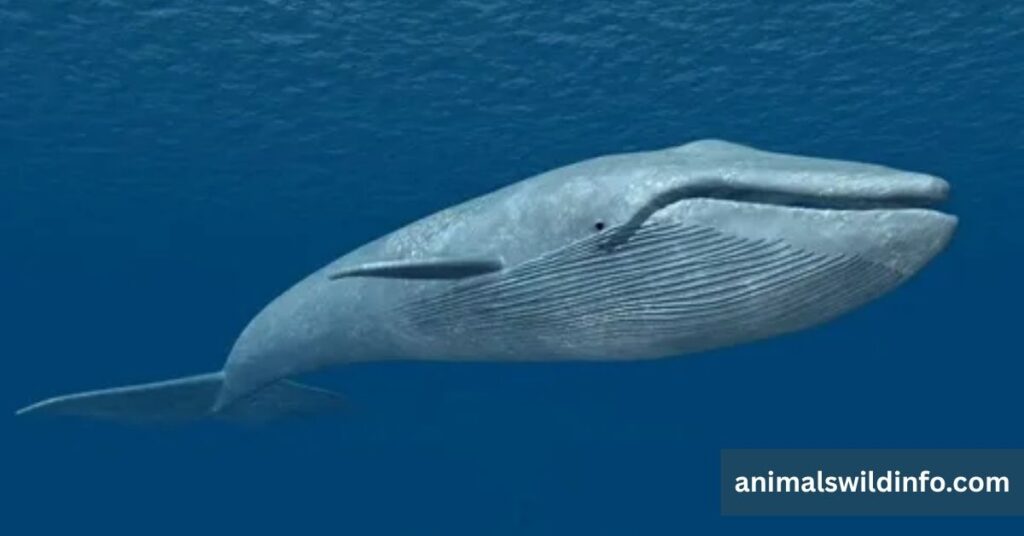
The blue whale is the largest animal to ever live, and its flippers, though small next to its massive body, help it turn and balance with surprising precision. This gentle giant of the marine food chain relies on blubber insulation to survive freezing ocean depths while chasing swarms of krill. Despite weighing up to 200 tons, the blue whale moves with quiet elegance, proving that size and grace aren’t opposites.
Humpback Whale
Humpback whales use their long, wing-like flippers for more than just swimming. They slap the water’s surface, wave them during courtship, and even use them to herd fish into tight balls for feeding. This kind of social marine mammal behavior shows real intelligence. Their songs, paired with their acrobatic breaches, make them one of the most beloved whales among researchers and tourists alike.
Read More: Top 18 Animals That Growl (With Pictures & Amazing Facts)
Orca (Killer Whale)
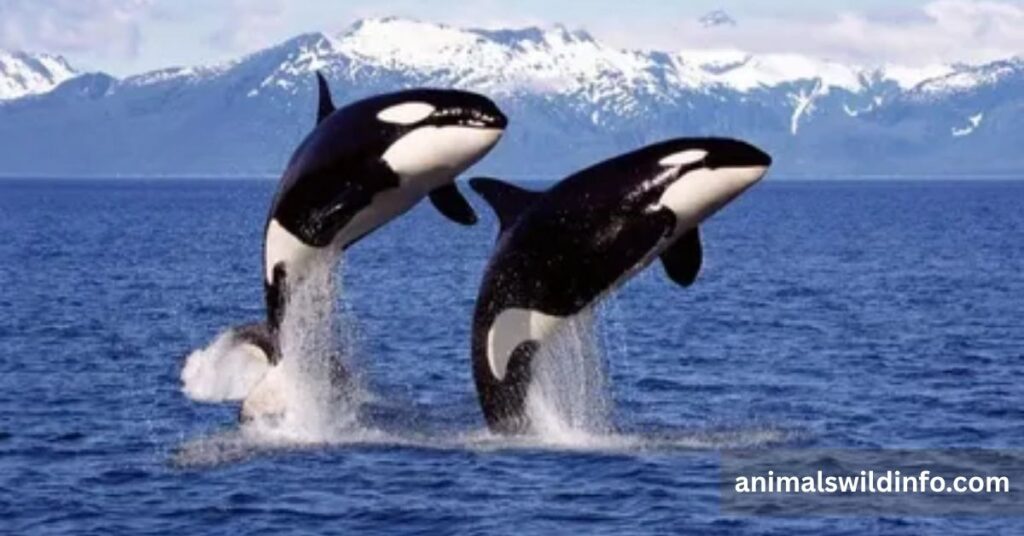
The orca, or killer whale, hunts with teamwork rarely seen outside human societies. Living in tight-knit pods, these ocean predators use their strong flippers for quick turns while chasing seals, fish, or even other whales. Their echolocation skills let them track prey in murky water, and their complex vocal dialects vary from pod to pod, almost like regional accents.
Beluga Whale
Beluga whales stand out with their pale white skin and flexible neck, a rare trait among cetaceans. Their rounded flippers help them navigate the icy waters of the Arctic, where they hunt fish and squid beneath thick sea ice. Belugas are famously vocal, earning the nickname “sea canaries” for their wide range of clicks, whistles, and squeals used in underwater navigation.
Bottlenose Dolphin
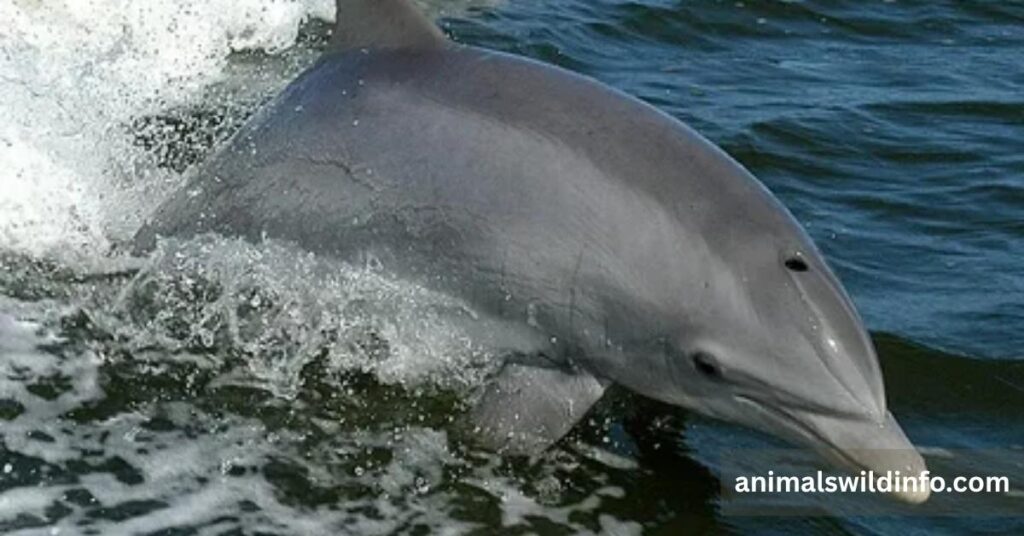
Bottlenose dolphins are playful, curious, and remarkably smart. Their flippers give them sharp control during high-speed chases and acrobatic leaps, which helps with both hunting and play. As highly social marine mammals, dolphins form lifelong bonds within their pods, and studies suggest they even call each other by name using signature whistles.
Dall’s Porpoise
Dall’s porpoise might be small, but don’t let that fool you. It’s one of the fastest marine mammals in the ocean, reaching speeds that rival small boats. Its compact, muscular flippers give it the burst of speed needed to escape predators and ride the bow waves of passing ships, a favorite pastime for this energetic little swimmer.
Harbor Seal
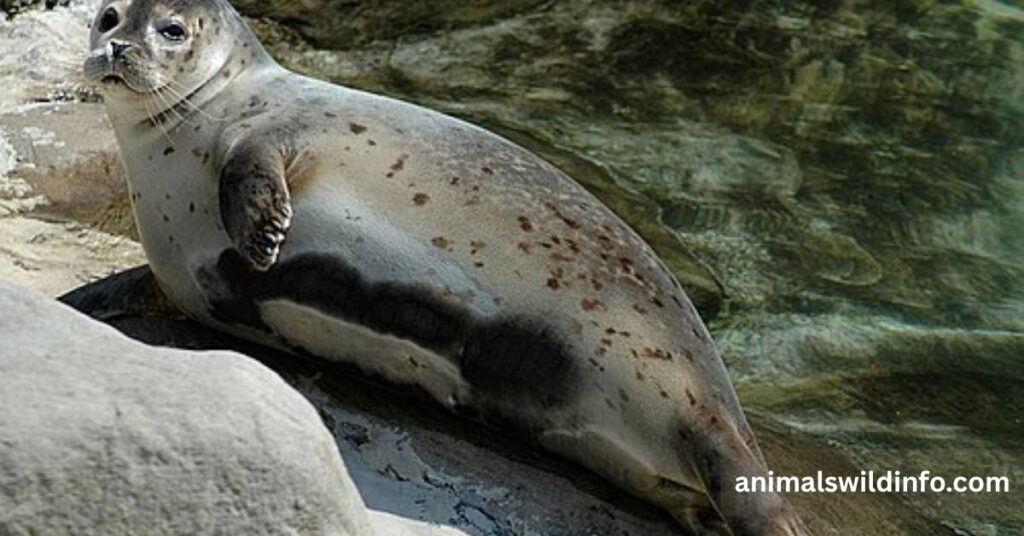
Harbor seals are coastal regulars, often spotted lounging on rocks along the shoreline. Their flippers work well both in water and on land, letting them shuffle onto beaches to rest between dives. As true pinnipeds, harbor seals can dive several hundred feet deep while hunting fish, holding their breath for close to half an hour at a time.
Elephant Seal
Male elephant seals are enormous, sometimes weighing over 4,000 pounds, and their flippers help propel that massive body through deep water with surprising speed. These deep diving animals can plunge thousands of feet below the surface in search of squid. Their loud, trumpeting calls during mating season are impossible to miss along the California coast.
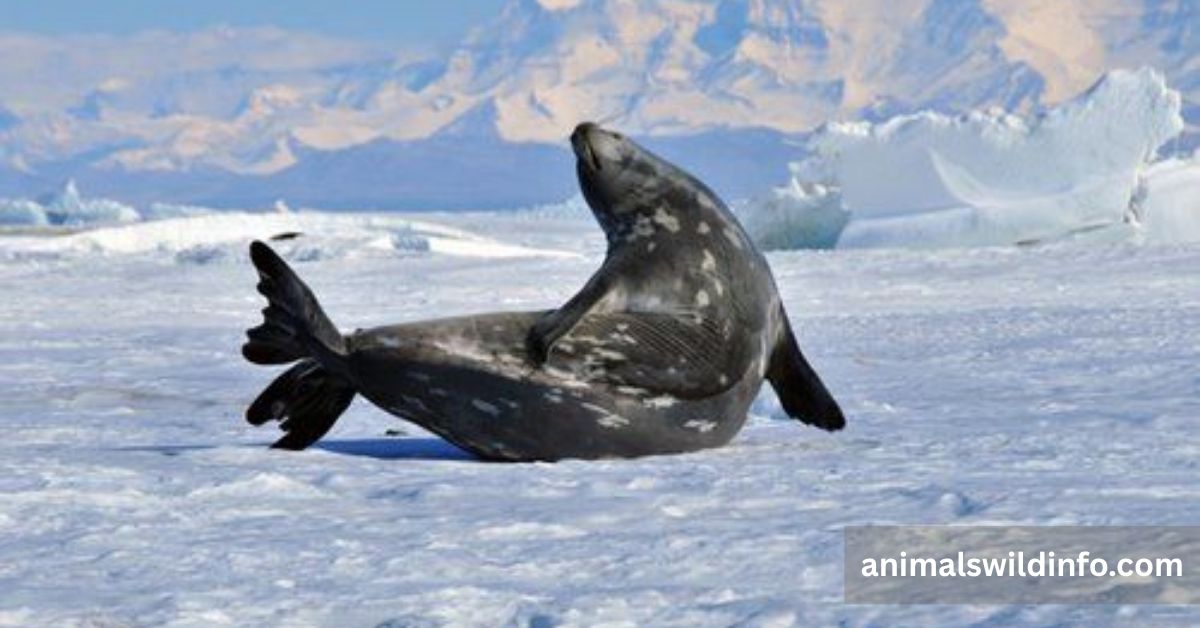
Leopard Seal
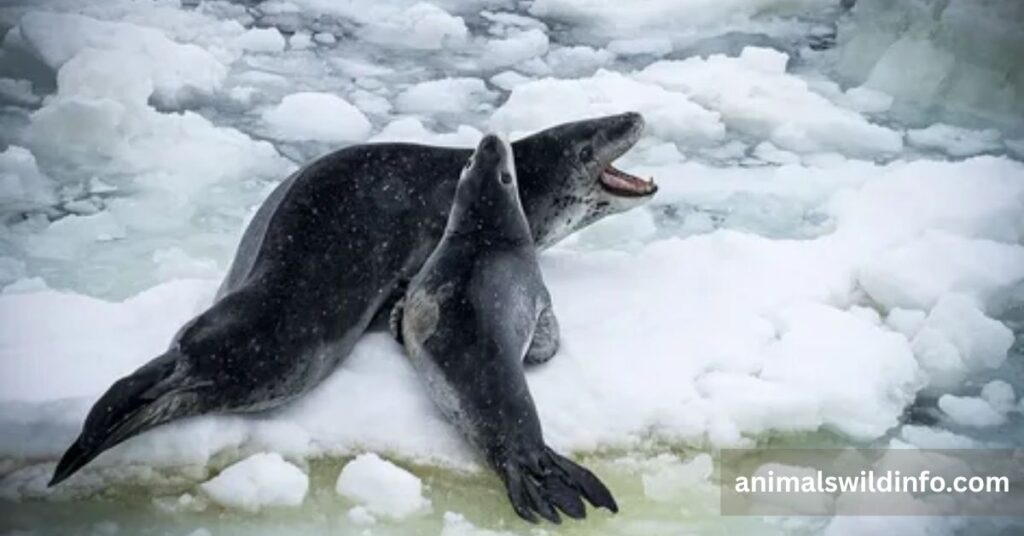
The leopard seal is one of Antarctica’s top ocean predators, known for its spotted coat and powerful jaw. Its flippers allow for sudden bursts of speed underwater, useful when ambushing penguins near the ice edge. Despite its fierce reputation, the leopard seal also plays a key role in the region’s fragile marine food web.
Monk Seal
Monk seals are among the rarest marine species on the planet, with both Hawaiian and Mediterranean populations facing serious threats. Their flippers help them navigate warm coastal waters where they hunt fish and octopus. Conservation groups now track monk seal populations closely, since wildlife conservation efforts remain critical for their survival.
California Sea Lion
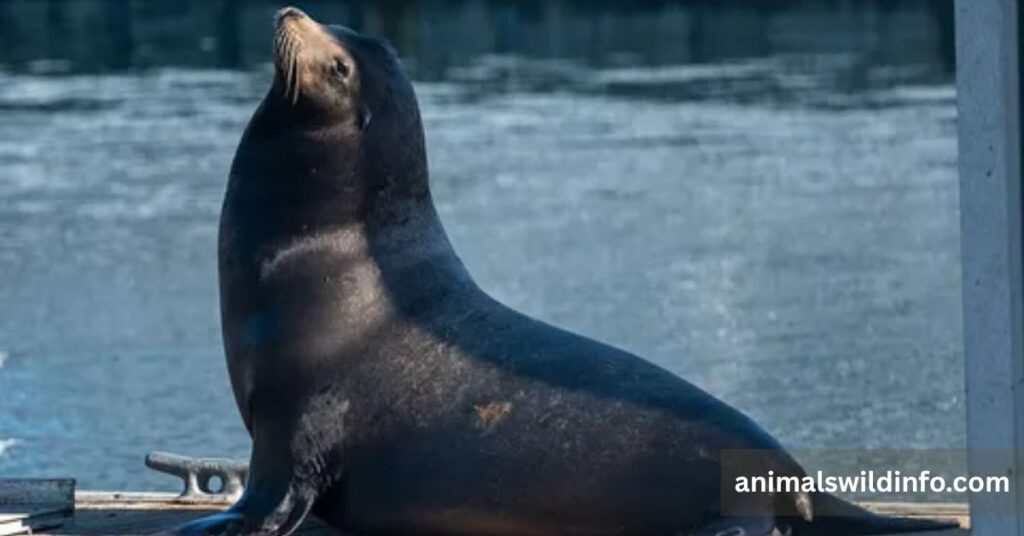
California sea lions are the acrobats of the marine world, often seen balancing balls at aquariums or performing rescue work with the military. Their front flippers, longer and more flexible than a true seal’s, let them “walk” on land, unlike seals that must wriggle. This makes them faster and more agile out of the water too.
Walrus
Walruses use their flippers to haul their massive bodies onto ice floes, where they gather in noisy, crowded herds. Their tusks, made of ivory, help them break through ice and establish dominance, while their sensitive whiskers detect clams buried in the seafloor. Walruses are a familiar symbol of Arctic marine animals and cold-weather survival.
Manatee
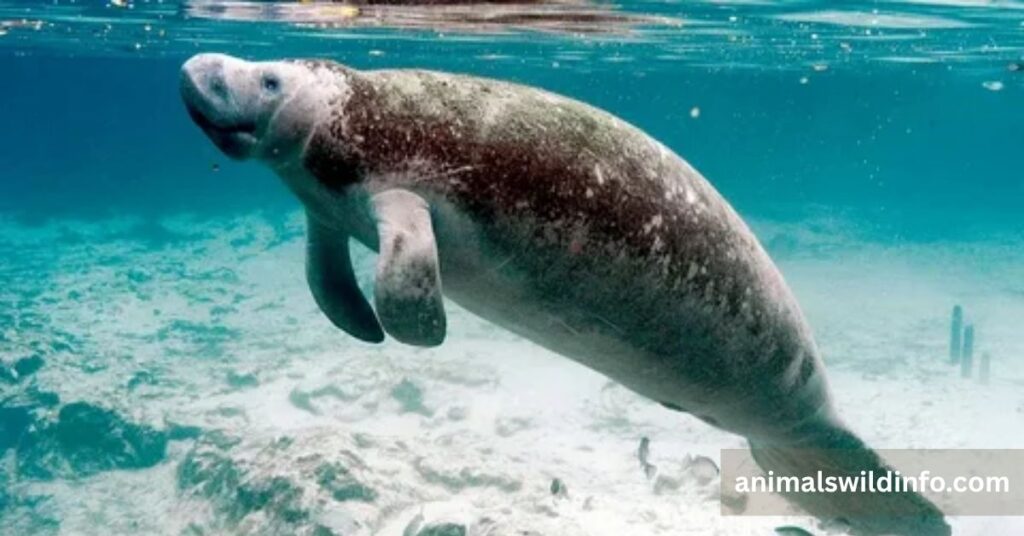
Manatees, often called sea cows, move slowly and peacefully through warm coastal waters, using their paddle-like flippers to steer while grazing on seagrass. Unlike sleeker swimmers, manatees prioritize control over speed. As gentle marine herbivores, they play a major role in keeping seagrass ecosystem health in balance along Florida’s coastline.
Dugong
Dugongs are close cousins of the manatee, though they prefer the warm coastal waters of the Indian and Pacific Oceans. Their flippers help them root through the seabed for seagrass, their primary food source. Dugongs face growing threats from coastal development, making them an important focus for ocean biodiversity protection efforts.
Read More: 17 Incredible Animals With Scales You Should Know (With Pictures)
Green Sea Turtle
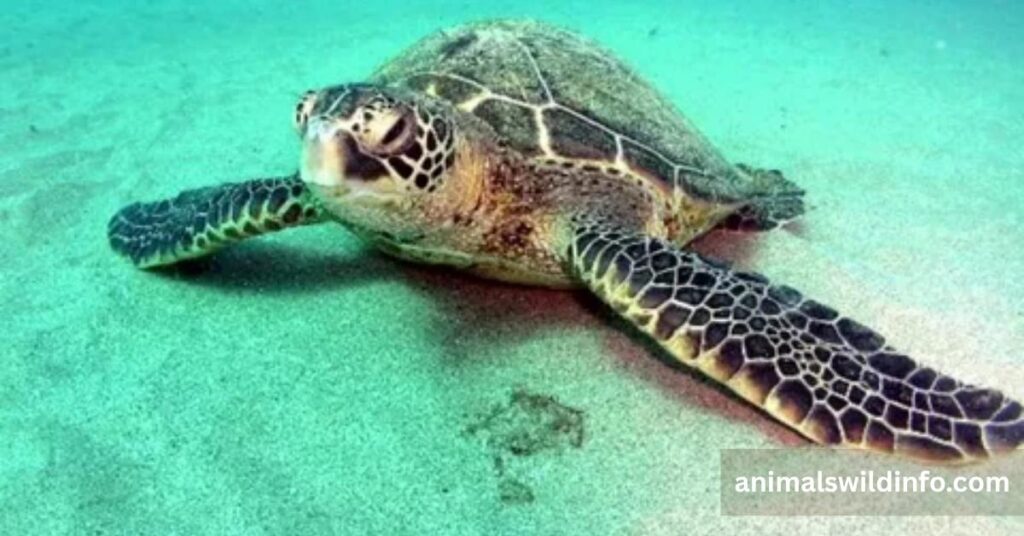
Green sea turtles glide through tropical waters using large, paddle-shaped front flippers built for long-distance swimming. As one of the best-known sea turtles, they graze on seagrass and algae, helping maintain healthy coral reef ecosystem balance. Green sea turtles can travel thousands of miles between feeding grounds and nesting beaches.
Leatherback Sea Turtle
The leatherback is the largest sea turtle alive, and unlike its relatives, it has a soft, leathery shell instead of a hard one. Its powerful flippers let it dive deeper than almost any other reptile, chasing jellyfish through the open ocean. Leatherbacks are true long-distance travelers, crossing entire oceans during their marine migration.
Loggerhead Sea Turtle
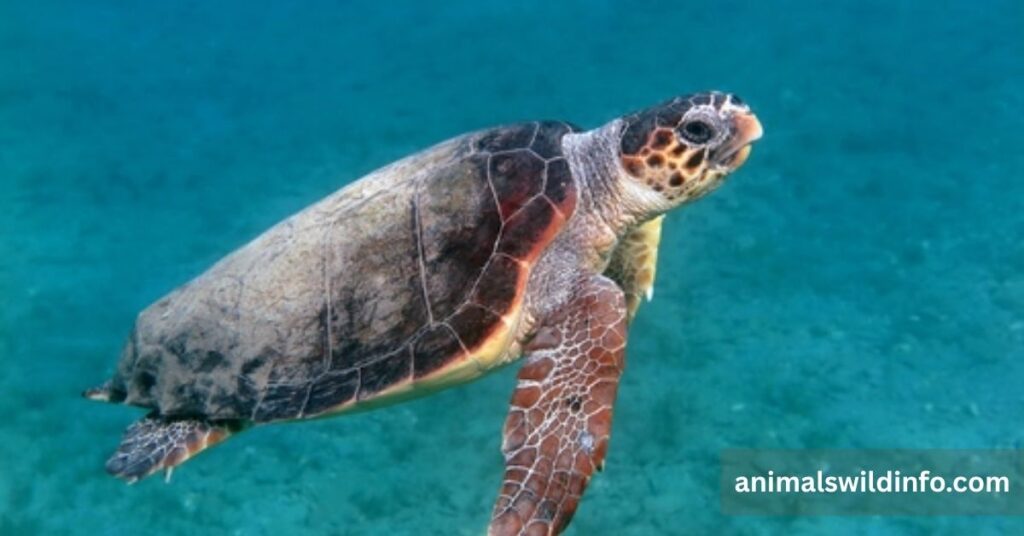
Loggerhead sea turtles are known for their oversized heads and powerful jaws, perfect for crushing shellfish and crabs. Their flippers provide steady, reliable propulsion across long stretches of open ocean. Loggerheads nest along many U.S. coastlines, making them one of the more familiar marine reptiles for American beachgoers.
Emperor Penguin
Emperor penguins are built for Antarctica’s brutal cold, and their small, stiff flippers work more like underwater wings than paddles. As flightless birds, they’ve traded flying for diving, reaching depths that would stun most seabirds. Male emperors famously incubate a single egg through the harshest winter conditions on Earth.
King Penguin
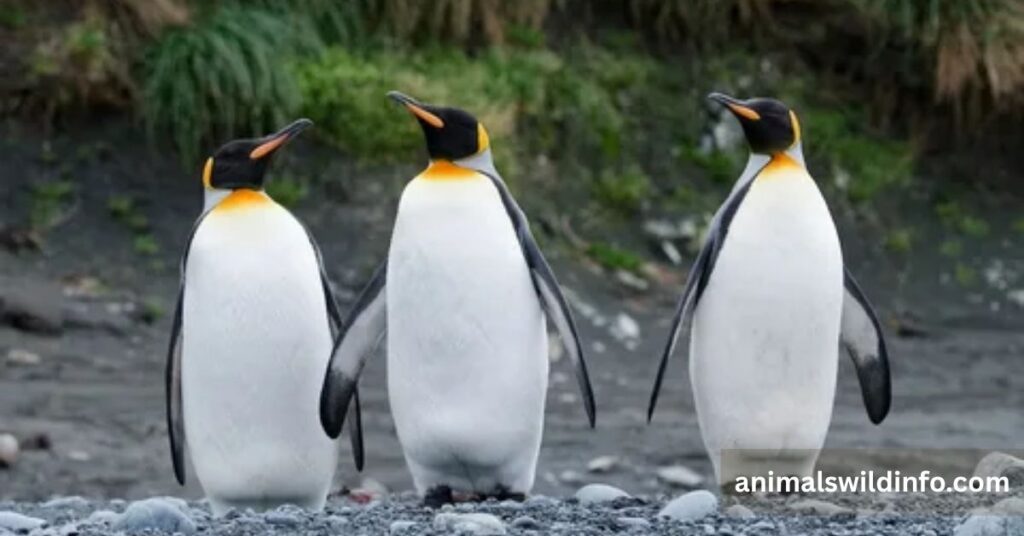
King penguins are the second-largest penguin species, with sleek flippers that let them dive over 300 meters in search of fish and squid. Their bright orange neck patches make them easy to spot among Antarctic wildlife. King penguins form massive breeding colonies, where their unique calls help mates find each other in the crowd.
Galápagos Penguin
The Galápagos penguin is the only penguin species found north of the equator, thriving in surprisingly warm waters. Its flippers work just as hard as those of its cold-climate cousins, helping it hunt small fish near the shoreline. As one of the more unusual tropical marine animals, it has adapted heat-coping tricks other penguins never needed.
Sea Otter
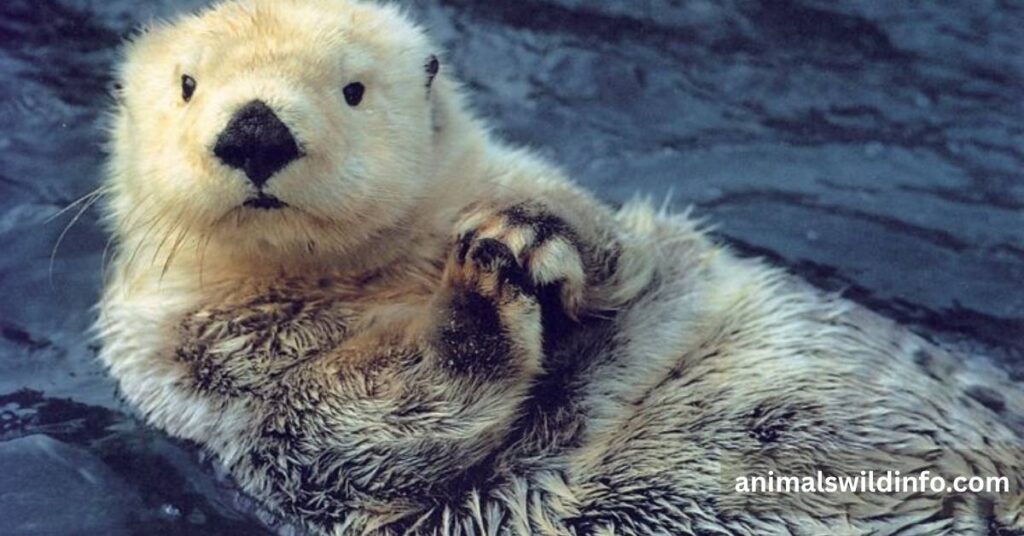
Sea otters use their flippers for both swimming and grooming, spending hours keeping their dense fur clean and insulated. Unlike blubber-based mammals, otters rely almost entirely on fur for warmth, making grooming a survival skill. As a keystone species, sea otters help control sea urchin populations, protecting kelp forests along the coastal ecosystems of the Pacific.
Platypus
The platypus is an odd one on this list, since its webbed feet act more like paddles than true flippers. Still, this egg-laying mammal shows off remarkable aquatic adaptations, including electroreception that helps it hunt underwater in complete darkness. Found only in Australia, the platypus remains one of evolution’s strangest experiments.
Read More: Top 17 Animals That Are Like Raccoons (With Pictures & Fun Facts)
Types of Animals With Flippers
Not every flippered creature belongs to the same group, and understanding these categories helps make sense of just how varied aquatic vertebrates really are. Some are warm-blooded mammals, others cold-blooded reptiles, and a few are birds that gave up flying altogether. Grouping them this way also reveals how differently evolution solved the same basic problem.
Marine Mammals
This category covers whales, dolphins, porpoises, seals, sea lions, and walruses. These animals breathe air, nurse their young, and often form tight social groups, making them some of the most studied aquatic mammals on Earth.
Sea Turtles
Sea turtles are marine reptiles, cold-blooded and shell-covered, that rely entirely on flippers for movement in water. Unlike mammals, they lay eggs on land but spend nearly their entire lives at sea.
Flightless Birds
Flightless birds like penguins have swapped wings for flippers, trading the sky for the ocean. Their bones are denser than flying birds, which helps them dive instead of soar.
Semi-Aquatic Mammals
Animals like otters and the platypus split their time between land and water. Their flippers or webbed limbs aren’t as specialized as a whale’s, but they still provide excellent swimming efficiency for animals living a double life.
How Flippers Help Animals Survive
Flippers do more than move an animal from point A to point B. They’re survival tools, shaped by millions of years to solve some very specific problems that come with life underwater.
Swimming Faster
Propulsion in water depends on surface area and stroke power, and flippers deliver both. A dolphin’s tail and flippers work together to reach speeds that would be impossible with legs alone.
Steering and Balance
Steering and balance rely heavily on front flippers, which act like rudders. Whales and seals tilt and angle their flippers to change direction instantly, even at high speed.
Diving to Great Depths
Some deep diving animals, like elephant seals, use their flippers to control descent and ascent, conserving oxygen along the way. This precision matters when a dive can last over an hour.
Hunting and Catching Prey
Hunting underwater requires quick bursts of speed and sharp turns, both powered by flipper strength. Orcas and leopard seals rely on this agility to corner fast-moving prey.
Escaping Predators
Predator avoidance often comes down to raw speed, and flippers provide the thrust needed for a fast getaway. Sea turtles, despite their bulky shells, can burst into surprisingly quick sprints when threatened.
Interesting Facts About Animals With Flippers
Some facts about flippered animals sound almost too strange to be true. Sea otters, for example, hold hands while sleeping to avoid drifting apart in the current. Walrus tusks can grow up to three feet long, while a blue whale’s heart alone can weigh as much as a small car.
Other facts highlight how connected these species are to ocean ecosystems. Manatees help keep seagrass beds healthy, sea otters protect kelp forests, and sea turtles support coral reef balance by grazing on algae. Every flipper function, from steering to diving, ties back to a much bigger picture: marine biodiversity depends on these animals doing their jobs well.
Final Thoughts
Animals with flippers show just how creative evolution can get when survival is on the line. From the mighty blue whale to the humble platypus, each species found its own way to master aquatic locomotion. Their flippers tell a story of adaptation, patience, and millions of years of trial and error.
Protecting these creatures matters more than ever. Many face threats from pollution, habitat loss, and climate change, putting real pressure on fragile aquatic ecosystems. Supporting marine conservation efforts today helps ensure that future generations still get to watch a whale breach or a sea turtle glide through clear blue water.
FAQ’s
Animals with flippers are often called marine mammals, marine reptiles, or simply flippered animals, depending on their species and classification.
A flipper is a limb, not an animal itself. It’s a modified arm or leg found in aquatic vertebrates like whales, seals, and turtles.
Sea turtles have four flippers, two in front and two in back, which they use together for powerful, coordinated swimming.
The humpback whale has the largest flippers of any animal, sometimes reaching up to 16 feet long, nearly one-third of its body length.