Top 20 Dirtiest Animals in the World (With Pictures & Surprising Facts)
Nature doesn’t care about clean floors or fresh soap. Some creatures thrive in mud, waste, and rot. Others feed on things most of us wouldn’t touch with gloves on. This list explores the dirtiest animals in the world, and why their messy habits actually matter.
You’ll meet filthy animals that roll in mud on purpose, insects that eat garbage for a living, and birds that clean up after death itself. Some of these unclean animals carry real health risks. Others just look gross while doing important work. Either way, you’re about to see the animal kingdom’s messiest side, and you might walk away with a new respect for it.
List of the Top 20 Dirtiest Animals in the World
Ranking the world’s dirtiest animals isn’t just about mud and stink. It comes down to habits, diet, and how each creature interacts with decaying organic matter and waste. Some of these messiest animals roll in filth on purpose. Others simply live near it because that’s where their food is. Below, you’ll find all 20 animals, from massive mammals to tiny insects, each with its own strange relationship to dirt.
Every entry includes the scientific name, class, and diet, so you know exactly what you’re dealing with. You’ll also see real facts about why these animals behave the way they do, not just surface-level jokes about smell. Let’s start with one of the messiest mammals on the planet.
Hippopotamus
Scientific Name: Hippopotamus amphibius Class: Mammalia Diet: Herbivore
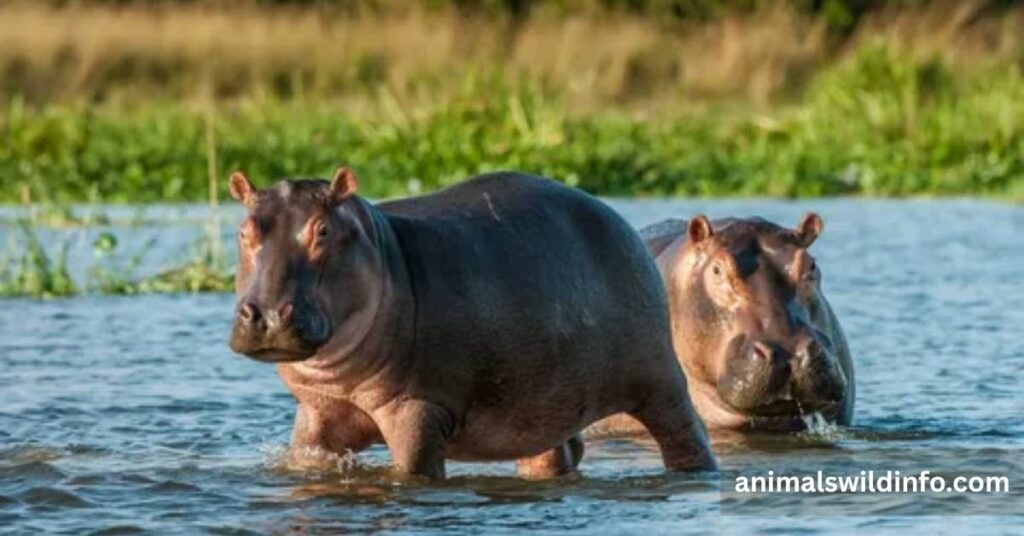
The hippo looks calm floating in a river, but don’t let that fool you. These animals produce a thick, reddish secretion nicknamed “blood sweat.” It’s actually a mix of oil and sweat that protects their skin from sun and infection. Add in the fact that hippos defecate in the same water they wallow in, and you’ve got one of the messiest mammals around. Despite the mess, their waste fertilizes aquatic ecosystems and feeds fish downstream, showing how even filthy habits support nutrient cycling in nature.
Pig
Scientific Name: Sus scrofa domesticus Class: Mammalia Diet: Omnivore
Pigs get blamed for being dirty mammals, but the truth is more complicated. They can’t sweat properly, so mud helps them cool off and avoid sunburn. This is a survival trick, not laziness. Given a real choice, pigs actually keep separate areas for sleeping and going to the bathroom. That’s more organized than most people expect from an animal famous for wallowing.
Wild Boar
Scientific Name: Sus scrofa Class: Mammalia Diet: Omnivore
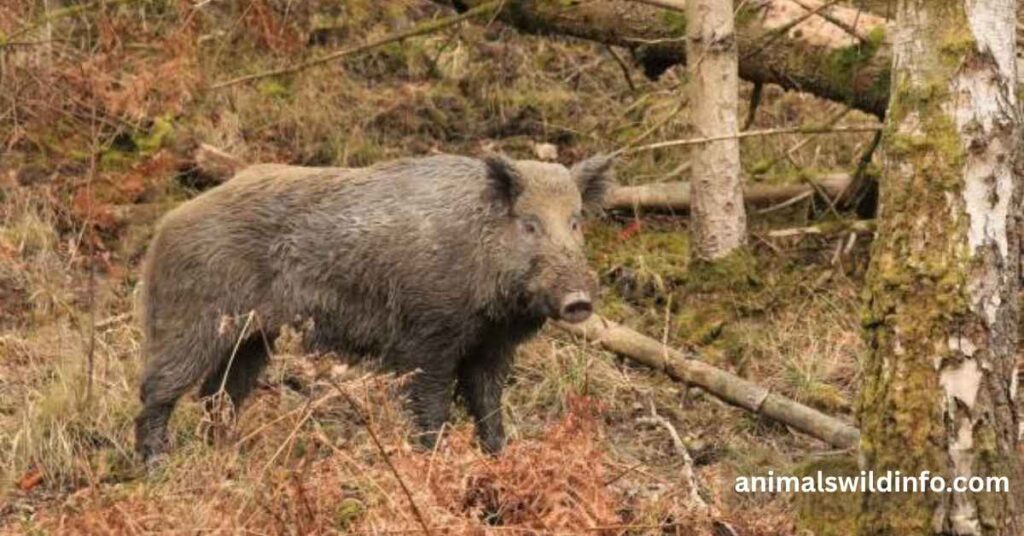
Wild boars are the untamed cousins of domestic pigs, and they’re just as fond of mud. Rolling around helps them fight off ticks and other parasites clinging to their skin. Their digging habits tear up soil while foraging for roots, which sounds destructive but actually helps seeds spread and germinate. So while they look like mud-loving animals with no manners, they’re quietly reshaping the forest floor for the better.
Read More : Top 10 Animals Like Mongoose (With Pictures & Fascinating Facts)
Rat
Scientific Name: Rattus norvegicus Class: Mammalia Diet: Omnivore
Few creatures carry the “dirty” label as heavily as rats. They live in sewers, dig through trash, and have been linked to disease outbreaks throughout history, including the plague. Rats are classic disease-carrying animals, capable of transmitting pathogens through bites, droppings, and contaminated food. Yet they’re also remarkably smart. Rats form social groups, communicate through scent and sound, and adapt to almost any environment humans throw at them, sewers included.
Cockroach
Scientific Name: Periplaneta americana Class: Insecta Diet: Omnivore
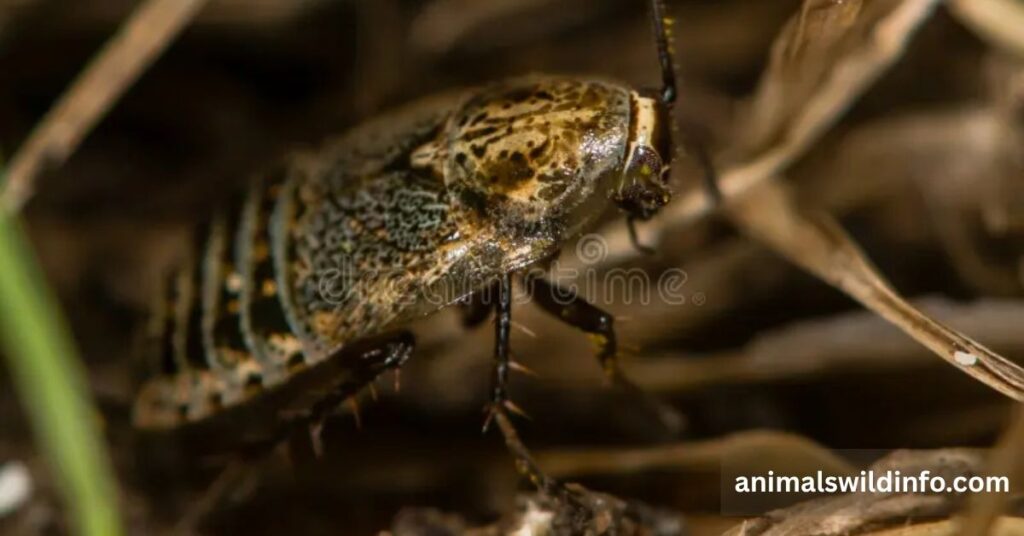
Cockroaches are the poster child for gross animals, and for good reason. They can survive in filthy, bacteria-loaded environments that would kill most other insects. Their bodies pick up harmful microbes as they crawl through kitchens, drains, and trash. Still, cockroaches serve as decomposers, breaking down organic waste and recycling nutrients back into ecosystems most humans never think about.
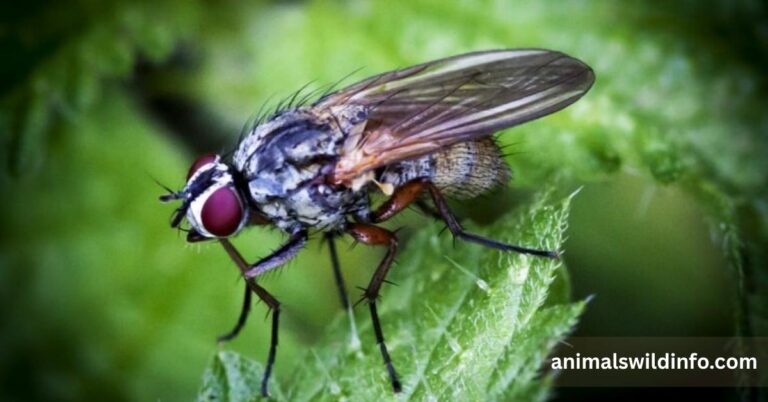
Housefly
Scientific Name: Musca domestica Class: Insecta Diet: Omnivore
Houseflies land on rotting carcasses, feces, and garbage, then fly straight to your kitchen counter. That habit alone makes them a textbook example of animals that spread germs. Their bodies transport bacteria and viruses between contaminated and clean surfaces within seconds. On the flip side, houseflies speed up decomposition, helping break down waste faster than it would break down on its own.
Pigeon
Scientific Name: Columba livia Class: Aves Diet: Omnivore
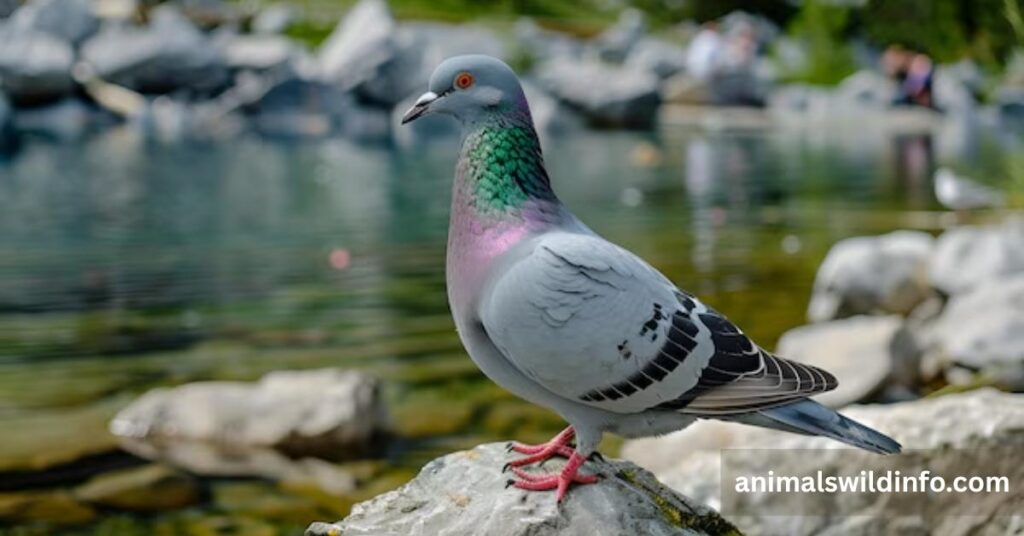
City pigeons thrive on human leftovers, making them classic urban pests in nearly every major U.S. city. Their droppings pile up on buildings and sidewalks, sometimes carrying fungal spores linked to respiratory issues in people with weak immune systems. Despite this, pigeons show impressive homing instincts and memory. They’re proof that urban wildlife doesn’t need pristine conditions to succeed, just consistent food and a place to roost.
Crow
Scientific Name: Corvus brachyrhynchos Class: Aves Diet: Omnivore
Crows rummage through trash bags with startling precision, tearing them open to get at food waste inside. Their communal roosting sites often become covered in droppings, affecting soil and plant health nearby. But don’t underestimate them. Crows recognize human faces, solve multi-step puzzles, and pass problem-solving skills down to their young, making them some of the smartest dirty birds on this list.
Vulture
Class: Aves Diet: Carnivore / Scavenger
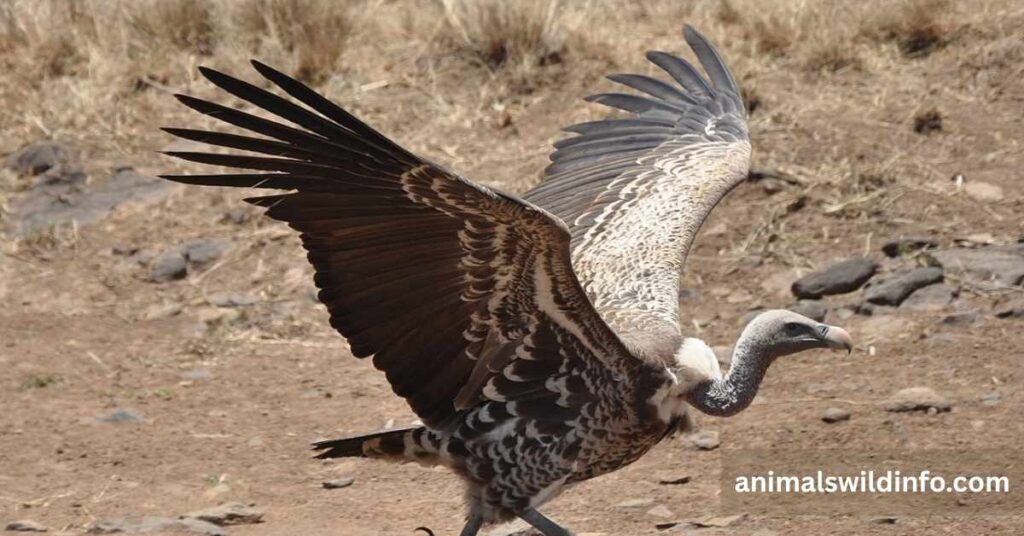
Vultures might be the most important scavenger birds on Earth. Their stomach acid is strong enough to destroy anthrax, botulism, and other dangerous bacteria found in dead animals. This lets them safely eat rotting carcasses that would kill nearly any other creature. Their bald heads aren’t just for show, either. Less feathering means fewer places for bacteria to cling to after a messy meal, keeping vultures cleaner than their diet would suggest.
Marabou Stork
Scientific Name: Leptoptilos crumenifer Class: Aves Diet: Carnivore / Scavenger
Nicknamed the “undertaker bird” for its hunched posture and bald head, the marabou stork feeds heavily on carrion and animal waste in East and Central Africa. Like vultures, its featherless head helps it avoid infection while digging into decaying flesh. Marabou storks often gather near landfills and slaughterhouses, feeding on garbage and scraps humans leave behind. Unpleasant as it looks, this scavenging behavior keeps disease from spreading through decomposing remains left out in the open.
Read More: Top 15 Animals With Bushy Tails (With Pictures & Fascinating Facts)
Hyena
Scientific Name: Crocuta crocuta Class: Mammalia Diet: Carnivore / Scavenger
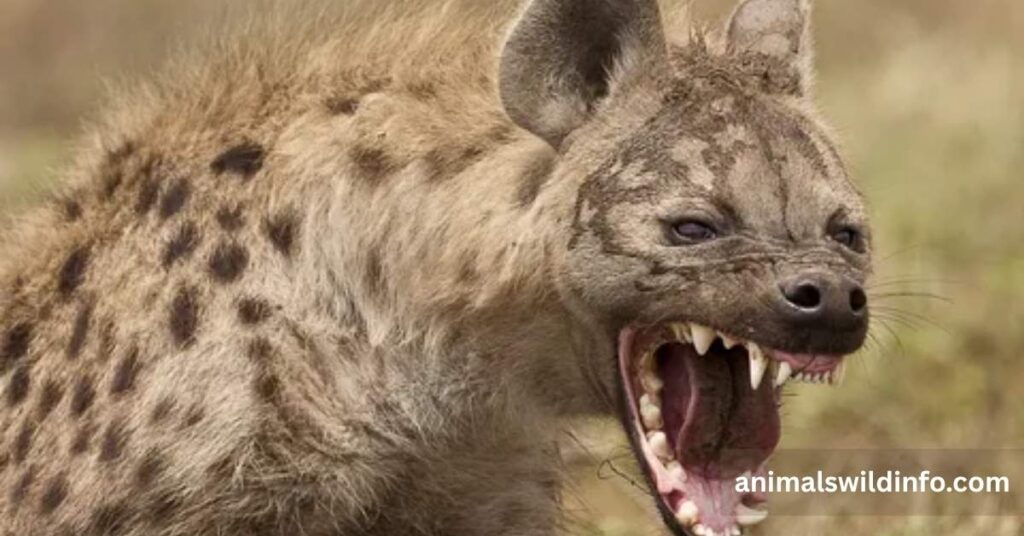
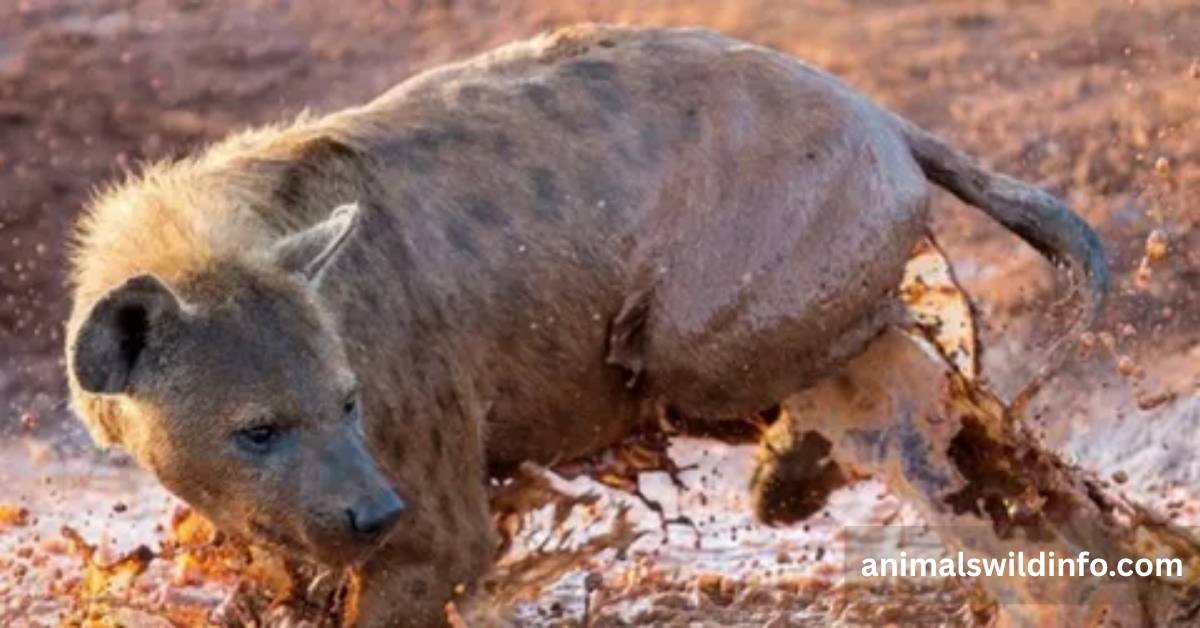
Hyenas have a reputation as filthy, opportunistic scavengers, and they do eat carcasses other predators leave behind. Their digestive systems handle bacteria and parasites that would sicken most mammals, acting almost like a biological filter. What surprises people is their hygiene. Hyenas groom themselves and other pack members regularly, and they live in tightly bonded social groups with clear hierarchies, more organized than their messy reputation suggests.
Raccoon
Scientific Name: Procyon lotor Class: Mammalia Diet: Omnivore
Raccoons have turned garbage-eating into an art form. Their dexterous paws let them open trash cans, unlatch gates, and dig through bins most animals can’t touch. This makes them common disease carriers in suburban areas, since they can transmit rabies and roundworm through contact or droppings. Even so, raccoons help control insect populations and spread seeds through their droppings, quietly supporting ecosystem balance in the neighborhoods they raid.
Dung Beetle
Class: Insecta Diet: Coprophagous
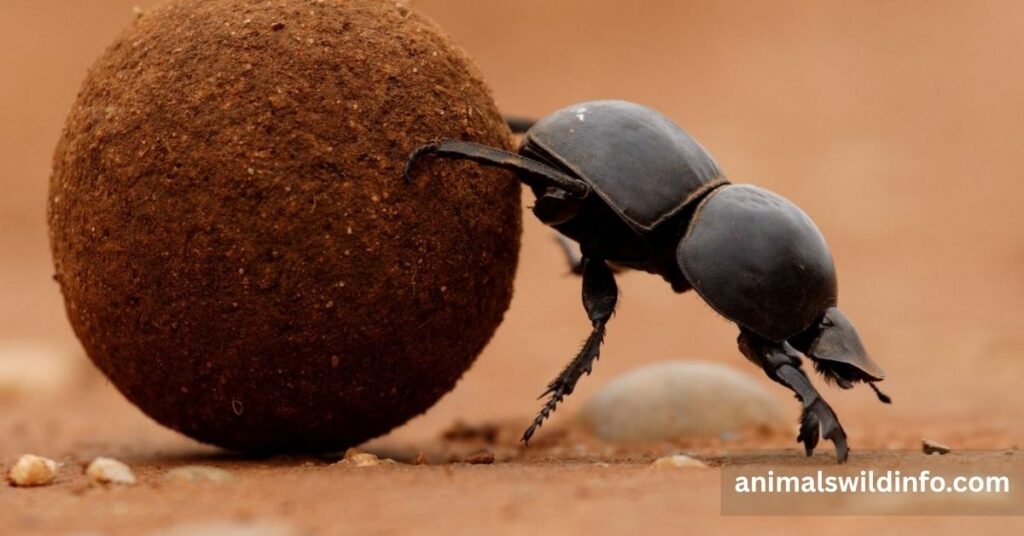
Dung beetles eat and breed almost entirely in dung, making them one of the most literal waste-eating animals around. They roll animal droppings into balls, bury them, and lay eggs inside, recycling nutrients straight back into the soil. Some species even navigate using the Milky Way to travel in a straight line while rolling their prize. Far from being filthy pests, dung beetles are considered some of nature’s best natural cleaners, preventing waste buildup across grasslands and farms.
Sloth
Scientific Name: Bradypus variegatus Class: Mammalia Diet: Herbivore
Sloths move so slowly that algae actually grows on their fur, giving them a greenish tint. This isn’t accidental filth. It works as camouflage and attracts insects that sloths eat directly off their coat. Sloths also descend from trees only once a week to relieve themselves, a habit scientists still debate the reason for. Despite looking like one of the dirtiest wildlife species around, this slow, grimy lifestyle actually helps them avoid predators in the rainforest canopy.
Cape Buffalo
Scientific Name: Syncerus caffer Class: Mammalia Diet: Herbivore
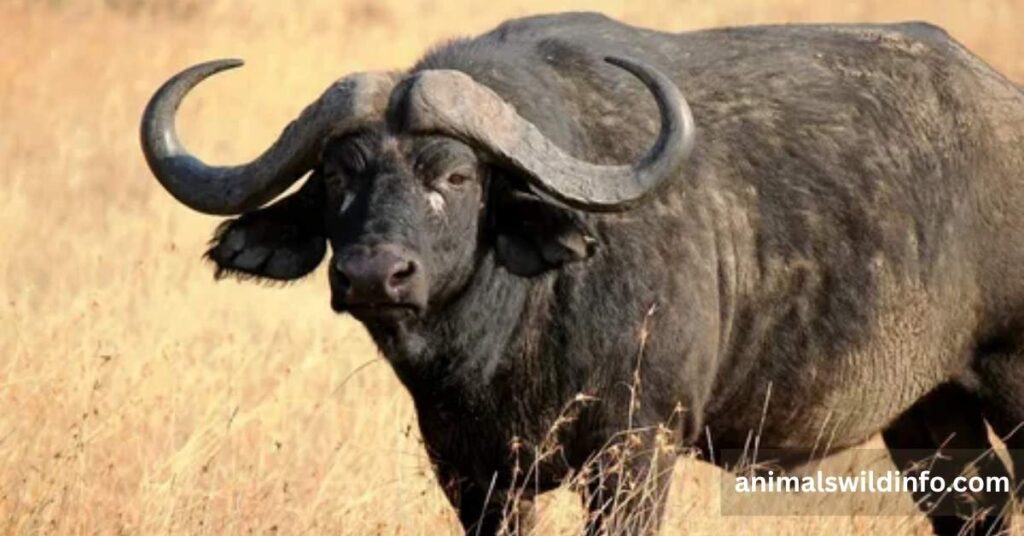
Cape buffalo wallow in mud constantly, coating their skin in a thick layer of muck. This isn’t laziness. The mud blocks biting insects and shields their skin from harsh African sun. Interestingly, the mud on their hide hosts microorganisms that may help fight off harmful pathogens, creating an odd symbiotic relationship. So while Cape buffalo look like some of the nastiest grazers around, their filthy coating doubles as protective armor.
American Bison
Scientific Name: Bison bison Class: Mammalia Diet: Herbivore
America’s most iconic mammal isn’t exactly tidy. Bison roll in dust and mud in a behavior called wallowing, leaving behind large bare patches across grasslands. This habit helps regulate body temperature and keeps biting insects away during hot summers. Wallowing also shapes the landscape itself, creating shallow depressions that collect rainwater and support unique plant life, proof that even mud wallowing mammals leave a lasting mark on their environment.
Bat
Class: Mammalia Diet: Varies (Insectivore, Frugivore, or Nectarivore)
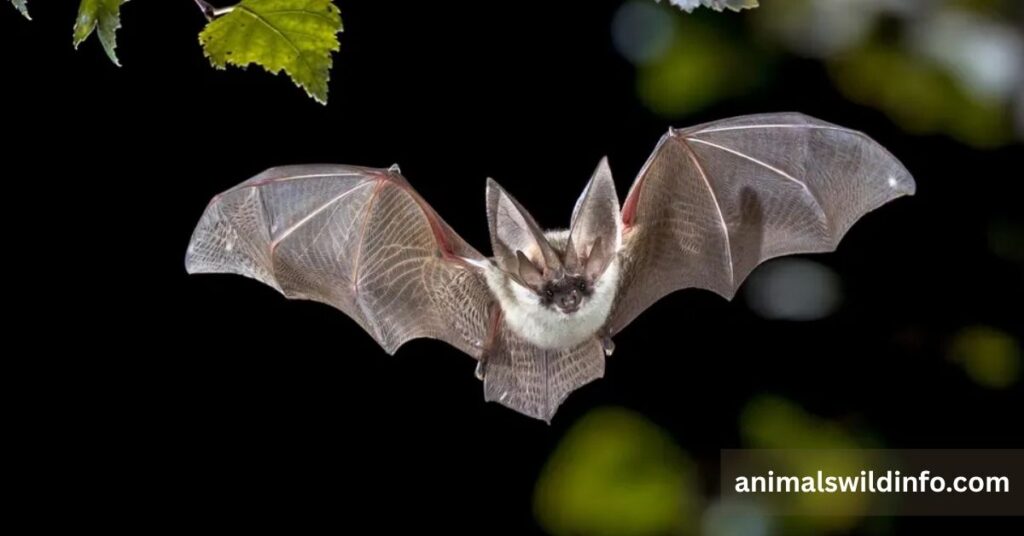
Bats roost by the thousands in caves, attics, and hollow trees, leaving behind massive piles of guano. That waste, while smelly, is loaded with nutrients and often harvested as fertilizer. Bats are also known disease vectors, capable of carrying viruses that can jump to humans under the right conditions. Still, most bats spend their nights eating insects or pollinating plants, making them far more helpful to wildlife ecology than their reputation suggests.
Tasmanian Devil
Scientific Name: Sarcophilus harrisii Class: Mammalia Diet: Carnivore / Scavenger
Tasmanian devils have jaws strong enough to crush bone, and they use them to devour entire carcasses, fur, bones, and all. This scavenging habit leaves little waste behind in the Australian bush, making them efficient carrion feeders. Sadly, a contagious facial tumor disease has devastated wild populations in recent decades, and conservationists are racing to protect the species. Messy eaters they may be, but Tasmanian devils play a real role in keeping their ecosystem clean of dead animal remains.
Hagfish
Class: Myxini Diet: Carnivore / Scavenger
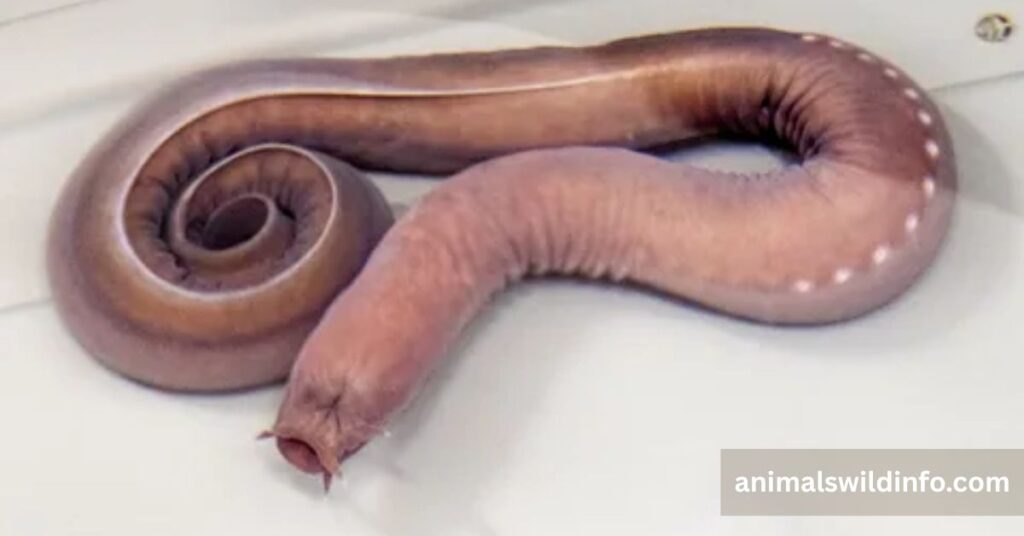
Hagfish live on the ocean floor and burrow into dead or dying fish to feed from the inside out. When threatened, they release a thick, gel-like slime that can clog a predator’s gills within seconds. This defense mechanism, combined with their taste for rotting carcasses, makes hagfish one of the slimiest and strangest carrion eaters in the ocean. Despite the ick factor, they clean up dead matter that would otherwise pile up on the seafloor.
Read More: Top 15 Animals That Eat Rabbits (With Pictures & Fascinating Facts)
Narrow-mouthed Frog
Class: Amphibia Diet: Carnivore
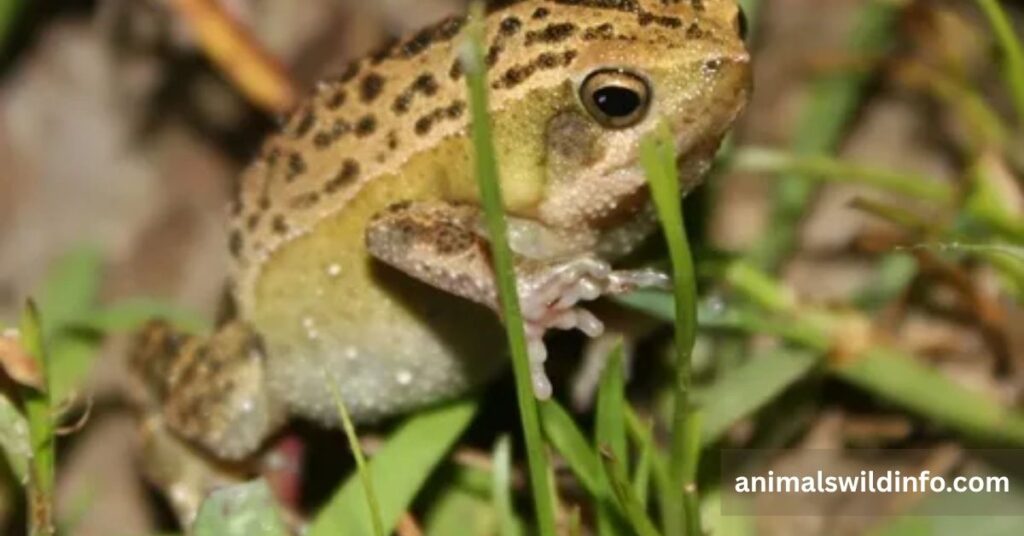
Narrow-mouthed frogs live in damp, often murky habitats filled with decaying leaves and organic debris. Their permeable skin absorbs water easily, but it also absorbs bacteria and environmental toxins just as fast. This trait makes them parasite hosts and leaves them vulnerable to pollution and fungal infections like chytridiomycosis. It’s a reminder that living close to filth comes with real risks, even for creatures built to handle it.
Why Are Some Animals Considered Dirty?
Calling an animal “dirty” usually comes down to a few things: what it eats, where it lives, and how it behaves. Creatures that feed on animal waste, dig through landfill sites, or spend their time in sewage and mud naturally pick up a filthy reputation. Add in visible parasites, strong odors, or messy eating habits, and humans quickly label a species as gross, even when science tells a different story.
The truth is, most animals labeled dirty aren’t behaving irrationally. Mud wallowing cools skin and repels insects. Scavenging prevents disease from spreading through rotting remains. What looks like poor environmental hygiene to us is often a smart survival strategy shaped by millions of years of environmental adaptation.
Dirty Animals in the World: A Closer Look
Beyond the individual profiles, it helps to zoom out and look at the bigger picture. Which animal actually deserves the “dirtiest” title? Why do some of these creatures matter more than their reputation suggests? And how much of what we believe about filthy animals is actually myth?
The next few sections break down the real risks, real benefits, and real misunderstandings tied to some of the messiest creatures on Earth. This is where facts replace assumptions, and where you’ll see just how much ecosystem balance depends on animals most people would rather avoid.
Which Animal Is the Dirtiest?
If you’re asking what is the dirtiest animal in the world, cockroaches and rats usually top the list, thanks to their constant contact with bacteria, pathogens, and human waste. Hippos deserve an honorable mention too, given how much time they spend surrounded by their own waste in shared water. There’s no single scientific ranking, but based on contamination risk and habitat, cockroaches edge out the competition as the most consistently filthy creature most people encounter.
Why Some Dirty Animals Are Important for Nature
Vultures, dung beetles, and hyenas all handle waste management duties that keep ecosystems from drowning in dead matter and droppings. Without scavengers breaking down rotting carcasses, disease would spread far more easily through wild populations. These animals act as nature’s cleanup crew, quietly preventing outbreaks that could otherwise wipe out entire species. Removing them from an ecosystem doesn’t make things cleaner. It makes things far worse.
Dirty Animals That Can Spread Diseases
Rats, bats, raccoons, and pigeons all rank among the more common animals that spread germs to humans. Rats have historically been tied to the plague, while bats carry viruses capable of zoonotic diseases under specific conditions. Raccoons can transmit rabies through bites or scratches, and pigeon droppings sometimes carry fungal spores harmful to people with weakened immune systems. None of this means these animals are evil. It just means basic sanitation and distance matter when they show up near your home.
Common Myths About Dirty Animals
One popular myth claims pigs are naturally filthy by nature, when really they just lack sweat glands and use mud to cool down. Another myth suggests bats are flying disease bombs, when in reality only a small fraction ever carry harmful pathogens. People also assume dirty-looking animals offer nothing to the environment, ignoring how scavengers and decomposers quietly support nutrient recycling every single day. Most “dirty” animal myths fall apart once you look at the actual wildlife ecology behind the behavior.
Final Thoughts
Dirt, mud, and waste might look repulsive to us, but they mean something different in the animal kingdom. Every creature on this list, from the humble dung beetle to the massive hippo, has adapted its messy habits for survival. Some regulate body temperature. Others digest harmful microbes that would kill lesser creatures. A few simply clean up after death itself, preventing disease from spreading unchecked across entire habitats.
So the next time you spot a pigeon digging through garbage or a hog rolling in mud, remember there’s more happening than meets the eye. These dirty animals aren’t failures of nature. They’re specialists, built for jobs most other species couldn’t handle. Understanding that shifts the conversation from disgust to genuine appreciation for how ecosystems actually function.
Comparison Table: Top Dirtiest Animals at a Glance
| Animal | Class | Diet | Dirt Factor | Ecological Role |
| Hippopotamus | Mammalia | Herbivore | Waste-filled water wallowing | Fertilizes aquatic ecosystems |
| Pig | Mammalia | Omnivore | Mud wallowing | Soil aeration, seed spreading |
| Wild Boar | Mammalia | Omnivore | Mud rolling, digging | Soil disruption, germination |
| Rat | Mammalia | Omnivore | Sewer dwelling, disease risk | Urban decomposer |
| Cockroach | Insecta | Omnivore | Bacteria carrier | Organic waste breakdown |
| Housefly | Insecta | Omnivore | Pathogen spreader | Decomposition speed-up |
| Pigeon | Aves | Omnivore | Droppings, fungal spores | Urban adaptability |
| Crow | Aves | Omnivore | Trash scavenging | Seed and pest control |
| Vulture | Aves | Carnivore/Scavenger | Carrion feeding | Disease prevention |
| Marabou Stork | Aves | Carnivore/Scavenger | Landfill and carcass feeding | Waste cleanup |
| Hyena | Mammalia | Carnivore/Scavenger | Carcass scavenging | Nutrient recycling |
| Raccoon | Mammalia | Omnivore | Trash raiding | Seed dispersal |
| Dung Beetle | Insecta | Coprophagous | Feeds on feces | Nutrient cycling champion |
| Sloth | Mammalia | Herbivore | Algae-covered fur | Camouflage, insect symbiosis |
| Cape Buffalo | Mammalia | Herbivore | Mud coating | Parasite control |
| American Bison | Mammalia | Herbivore | Dust wallowing | Landscape shaping |
| Bat | Mammalia | Varies | Guano accumulation | Insect control, pollination |
| Tasmanian Devil | Mammalia | Carnivore/Scavenger | Carcass consumption | Waste elimination |
| Hagfish | Myxini | Carnivore/Scavenger | Slime, carcass feeding | Seafloor cleanup |
| Narrow-mouthed Frog | Amphibia | Carnivore | Bacteria-absorbing skin | Wetland bioindicator |
Frequently Asked Questions
The top 10 usually include the cockroach, rat, housefly, hippopotamus, pig, vulture, hyena, raccoon, pigeon, and dung beetle. Each one earns its spot through either bacteria-carrying habits, scavenging behavior, or constant contact with waste and decay.
Most experts point to the cockroach as the nastiest overall, given its ability to survive in almost any filthy environment while carrying harmful pathogens on its body. Hagfish come in a close second thanks to their slime and carcass-feeding habits.
Pigs generally win this comparison, mainly due to their mud-wallowing behavior used for cooling off. Cows graze in cleaner, drier conditions most of the time and don’t rely on mud the same way, though both can carry zoonotic diseases under poor farm conditions.
By death toll, mosquitoes rank as the deadliest animal on Earth, spreading malaria and other diseases responsible for hundreds of thousands of deaths yearly. It’s a reminder that “dirty” and “dangerous” don’t always mean the same thing in the animal kingdom.