Top 17 Thickest Skin Animals in the World (With Pictures & Amazing Facts)
Nature builds some pretty tough bodies. Some animals carry skin so thick it can stop a spear, shrug off a bite, or block out desert heat like a shield. If you’ve ever wondered about the thickest skin animals on Earth, you’re about to meet some real heavyweights, and the science behind them is more interesting than you’d guess.
Think about it for a second. A rhino can walk straight through thorny brush without slowing down. A walrus can lounge on Arctic ice for hours without shivering. None of that happens by accident. It’s the result of the thickest skin in the animal kingdom doing exactly what it evolved to do.
This guide walks you through all 17 of them. You’ll see how thick skin protects animals, why it evolved, and which creature actually wins the title of toughest hide on the planet. Along the way, you’ll pick up real thick skin facts, not just trivia, but the actual biology behind why these animals look and behave the way they do. Grab a coffee. This one’s a fun ride through wildlife adaptations you probably never learned in school.
What Are Thickest Skin Animals?
When people talk about thick skin animals, they mean creatures whose outer layer, the epidermis, and the layer beneath it, the dermis, grow far beyond what you’d expect. We’re not talking paper-thin coverings here. Some of these animals carry skin that measures inches deep, not millimeters. That thickness isn’t random, either. It’s a direct answer to whatever danger the animal faces most, whether that’s a predator’s teeth, a blazing sun, or freezing arctic water.
Scientists who study animal anatomy point out that skin thickness usually correlates with body size and habitat risk. Bigger animals tend to carry thicker hides simply because they have more surface area to defend and more weight to insulate. Smaller animals, meanwhile, often rely on speed or camouflage instead, since carrying heavy armor would slow them down too much to be worth it.
It also helps to know that “thick” and “tough” aren’t always the same thing. A rhinoceros has both. A honey badger, on the other hand, has skin that’s tough and loose rather than especially deep. This article covers thick skin examples from every corner of the animal kingdom, so you’ll see mammals, reptiles, and marine giants side by side. By the end, you’ll understand the science behind skin thickness in animals and why it matters so much for survival, plus how each species tailors its hide to its own particular slice of the natural world.
Why Do Some Animals Have Thick Skin?
Thick skin didn’t just show up overnight. It’s the product of millions of years of natural selection, where animals with tougher hides survived longer and passed those genes along. This is thick skin evolution in action, and it shows up in five main survival jobs that skin performs across the wild. Each job solves a different problem, and most animals on this list actually rely on two or three of these benefits at once.
First, thick skin gives predator defense and stops bites or claws from reaching vital organs. This alone can turn a near-fatal attack into a survivable one, buying an animal enough time to fight back or flee. Second, it protects animals during fights with rivals of their own kind, which matters a lot during mating season, when males often clash head-on for dominance.
Third, thick skin helps with thick skin prevents dehydration, especially for desert dwellers that can’t afford to lose water through their skin under a brutal sun. Fourth, it shields against harsh weather, from arctic cold to blistering heat, giving animals a built-in layer of body insulation that works around the clock without any effort on the animal’s part.
Fifth, it acts as insect protection, keeping biting flies and parasites from reaching sensitive tissue underneath, which matters more than people realize since constant insect harassment can drain an animal’s energy over time. Put all five together, and you get one of the smartest survival mechanisms nature has ever designed, one that keeps working whether an animal lives in a frozen sea or a sunbaked desert.
List of Thickest Skin Animals in the World
Here’s the full lineup. Each of these animals earned its spot through a mix of thick mammal skin, thick reptile skin, or specialized marine adaptations. Let’s break down what makes each one so tough.
African Elephant
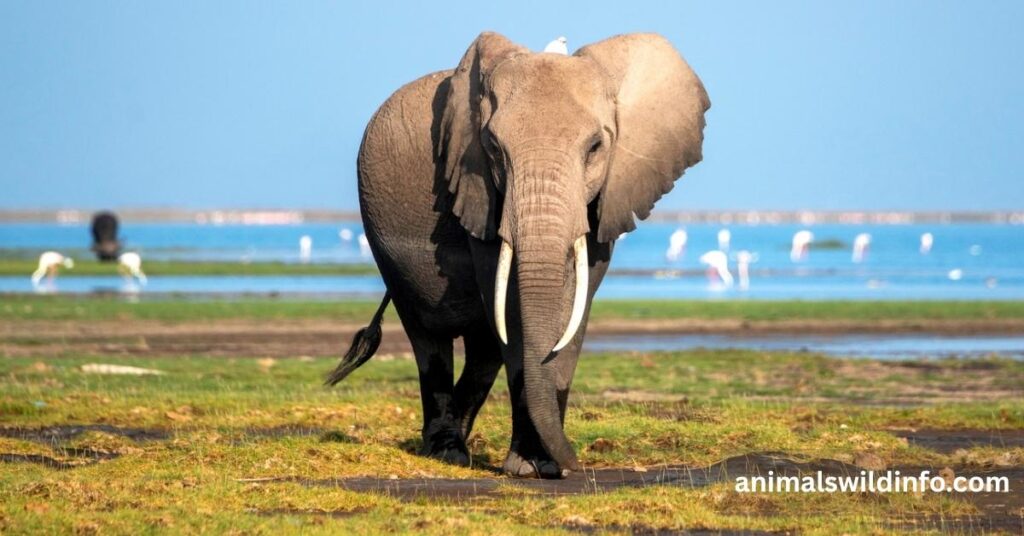
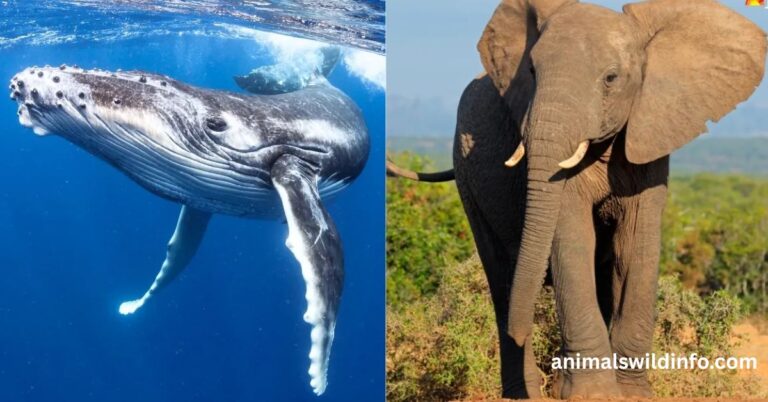
Elephant skin thickness reaches about one inch, or roughly 2.5 centimeters, in places like the back and sides. That’s thick enough to stop a thorn bush without a second thought. Yet here’s the twist: elephant skin is packed with nerve endings, so despite the bulk, these animals can feel a fly land on them.
Elephants also cake themselves in mud, which acts as natural sun protection and helps with moisture retention during hot African days. Wrinkles across the skin’s surface aren’t just cosmetic, either. They trap extra moisture and increase surface area, helping elephants cool down faster in open, shade-free grasslands.
Read More: 17 Incredible Animals With Scales You Should Know (With Pictures)
Rhinoceros
Rhinoceros skin runs about two inches thick in the toughest spots, built mostly from dense collagen fibers instead of fur. This gives rhinos a natural armor plate without needing scales or shells. Interestingly, rhino skin has no sweat glands, so these animals rely on mud wallows for cooling and UV protection, turning what looks like a dirty habit into a smart survival trick. Despite all that toughness, rhino skin can still crack and get sunburned if it dries out for too long, which is exactly why wallowing isn’t optional behavior for these animals.
Hippopotamus
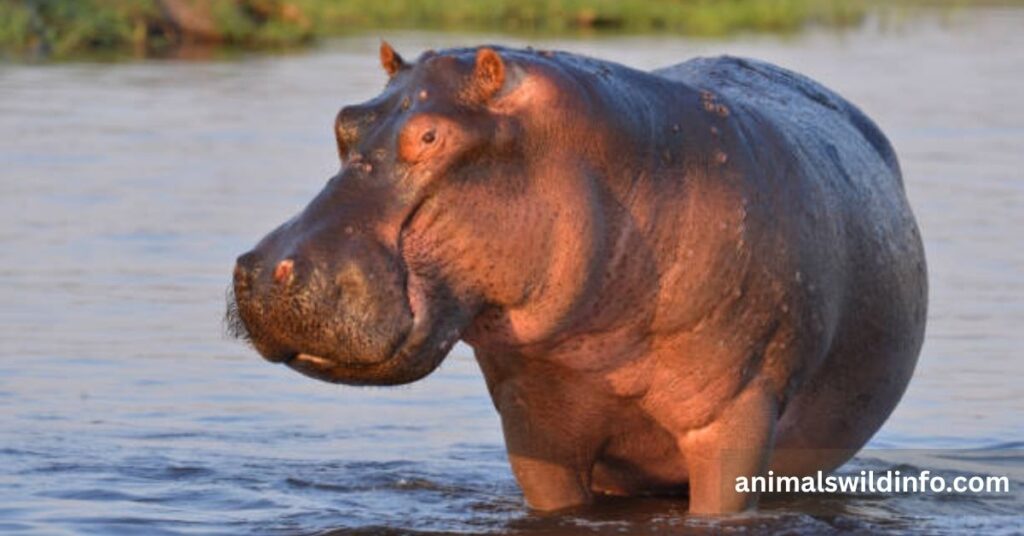
Hippopotamus skin measures close to two inches thick, and it comes with a strange bonus feature. Hippos secrete a reddish substance nicknamed “blood sweat,” which works as a natural sunscreen and antibacterial coating.
Don’t let the tough exterior fool you, though. Hippo skin dries out fast and cracks without water, so these animals stay near rivers and lakes almost constantly for water conservation and comfort. That’s also why hippos spend most daylight hours submerged, only coming out at night to graze once the sun’s harshest rays have faded.
Crocodile
Crocodile skin stands out because of osteoderms, bony deposits embedded right into the hide that work like built-in body armor. This is reptilian armor at its finest, giving crocodiles both flexibility and serious protection in the same package.
Hidden within that tough exterior sit sensory receptors so sensitive they can detect the tiniest ripple in water, making crocodiles deadly ambush hunters despite their armored look. Even more surprising, these receptors work almost like fingertips, letting a crocodile gently pick up its own hatchlings in its jaws without harming them.
Blue Whale
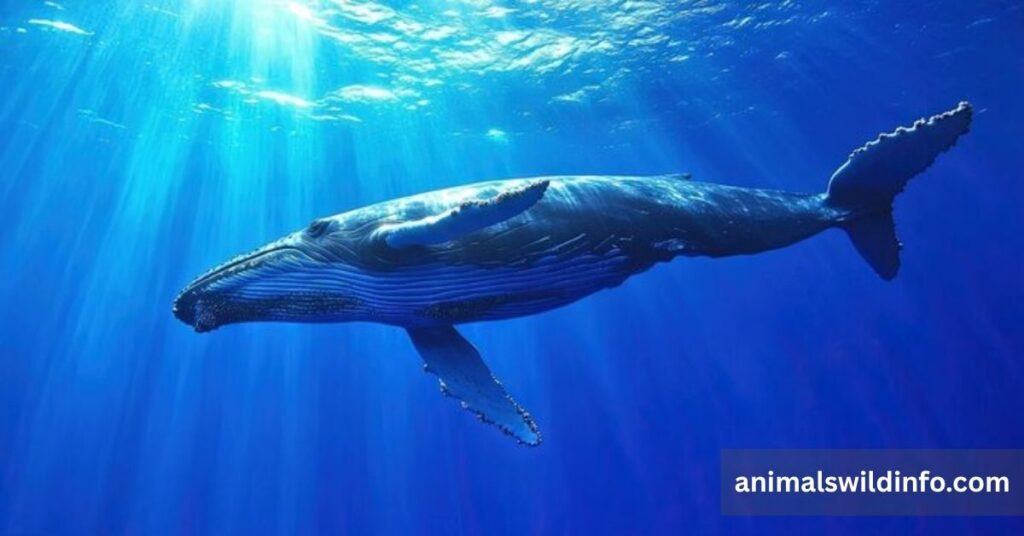
The blue whale skin sits on top of an enormous blubber layer that can measure several inches deep, built for insulation in freezing ocean depths. Skin thickness estimates vary by source, but researchers generally agree it ranks among the deepest in the marine world.
Blue whale skin also sheds constantly, which helps get rid of parasites and keeps the surface relatively clean despite living in an ocean full of tiny hitchhikers. Scientists studying marine adaptation often use skin patches shed by blue whales to track health and genetics without ever having to capture the animal itself.
Sperm Whale
Sperm whale skin is famous for being unusually thick, built to handle crushing pressure during deep dives that can reach thousands of feet. Along with a dense blubber layer, this skin supports both thermoregulation and buoyancy control, letting sperm whales hunt giant squid in total darkness far below the surface.
Scars from these deep-sea battles often stay visible for life, turning each whale’s skin into a kind of biography. Researchers can actually identify individual sperm whales just by matching these unique scar patterns across years of sightings.
Whale Shark
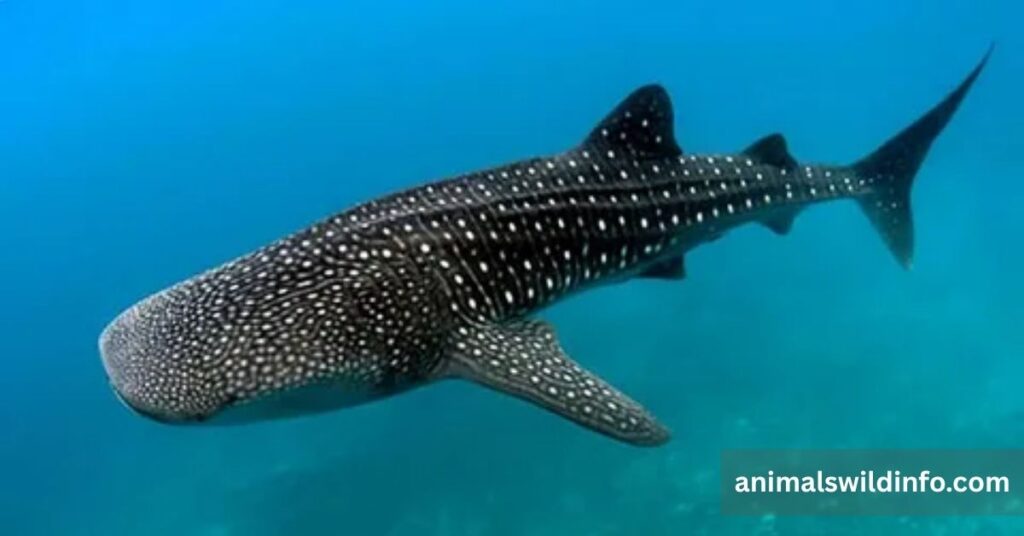
Whale shark skin can reach up to four inches thick, making it one of the toughest hides among marine animals with thick skin. Covered in tiny tooth-like structures called dermal denticles, this skin reduces drag in water while adding a layer of abrasion resistance.
Despite being the largest fish in the ocean, whale sharks feed only on plankton, proving size and thick skin don’t always mean predator status. Their skin pattern of pale spots is unique to each individual, so much so that scientists use photo databases to track specific whale sharks across entire oceans.
Walrus
Walrus skin can measure up to six inches thick in certain spots, especially around the neck and shoulders. Combined with a heavy blubber layer, this gives walruses serious arctic adaptation, letting them survive freezing waters that would kill most mammals within minutes.
Walrus skin also carries visible scars from tusk fights, a kind of natural record of dominance battles among males. Interestingly, walrus skin can shift color depending on blood flow, turning pinkish in warm sun as blood vessels expand to release heat.
Read More: Top 17 Animals That Are Like Raccoons (With Pictures & Fun Facts)
Armadillo
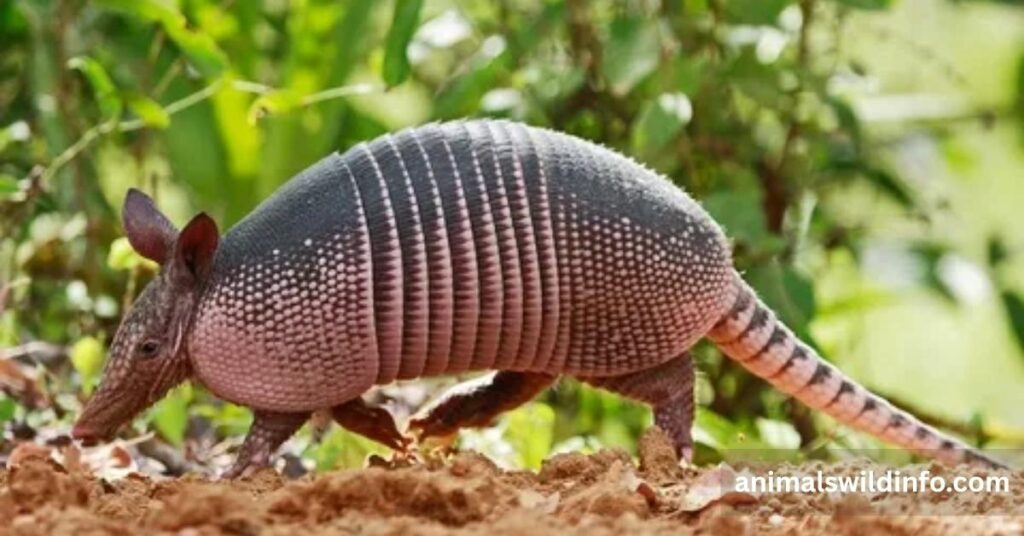
Armadillo armor comes from bony plates coated in keratin, the same protein found in human fingernails. This natural body armor measures only a few millimeters thick, yet it’s dense enough to deflect claws and even some bites.
Armadillos can roll into a tight ball when threatened, turning their segmented armor into a nearly complete shield with no soft spots exposed. Not every species can fully curl up, though. Only a few, like the three-banded armadillo, can seal themselves completely, while others rely more on speed and burrowing to escape danger.
Honey Badger
Honey badger skin isn’t especially thick by the numbers, but it’s incredibly loose, which turns out to be the real secret weapon. That looseness lets a honey badger twist inside its own skin during an attack, so it can turn around and bite back even while something else has a grip on it.
This unusual setup, paired with raw fearlessness, makes the honey badger one of nature’s toughest pound-for-pound survivors. Their reputation for taking on animals many times their size has made them something of an internet legend, though the real biology behind that toughness is impressive enough without any exaggeration.
American Bison
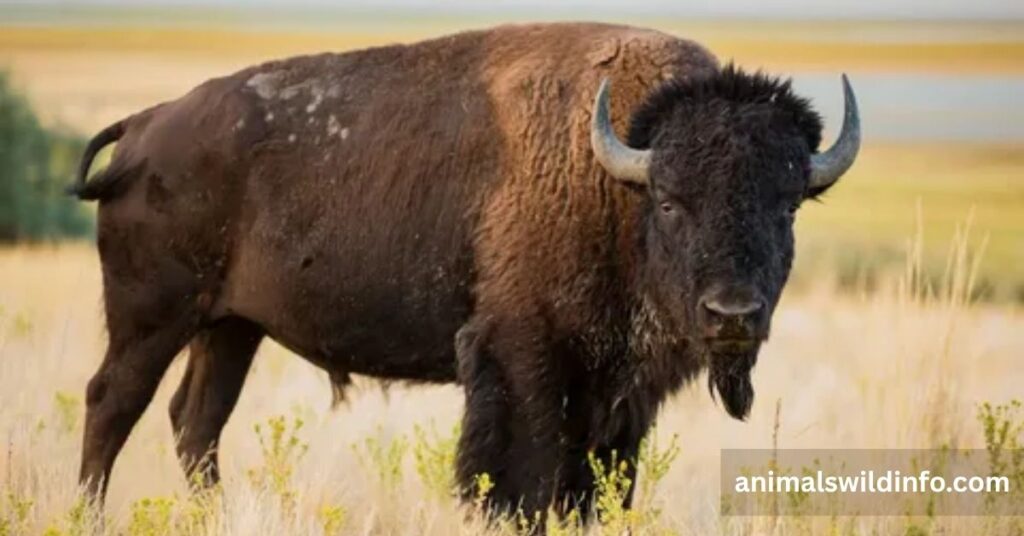
Bison hide reaches close to two inches thick across the shoulders and neck, an area that takes the brunt of impact during head-butting contests. This thickness also works as insect protection, blocking biting flies that swarm the open plains where bison graze.
During breeding season, that same tough hide lets males clash without serious injury, which keeps rivalries from turning deadly. Bison also shed thick winter fur each spring, revealing just how much of their bulk comes from hide and muscle rather than fur alone.
Grizzly Bear
Grizzly bear hide can reach around two and a half inches in the toughest areas, giving these bears real predator defense against rivals and even other bears. This thickness works alongside a thick fat layer underneath, offering solid body insulation through freezing mountain winters.
It’s a strange contrast, since the same bear that can shrug off deep scratches also gently nurtures cubs for years. That contrast is exactly what makes grizzlies such a fascinating case study in mammalian adaptation, where the same trait serves both offense and pure survival comfort.
Wild Boar
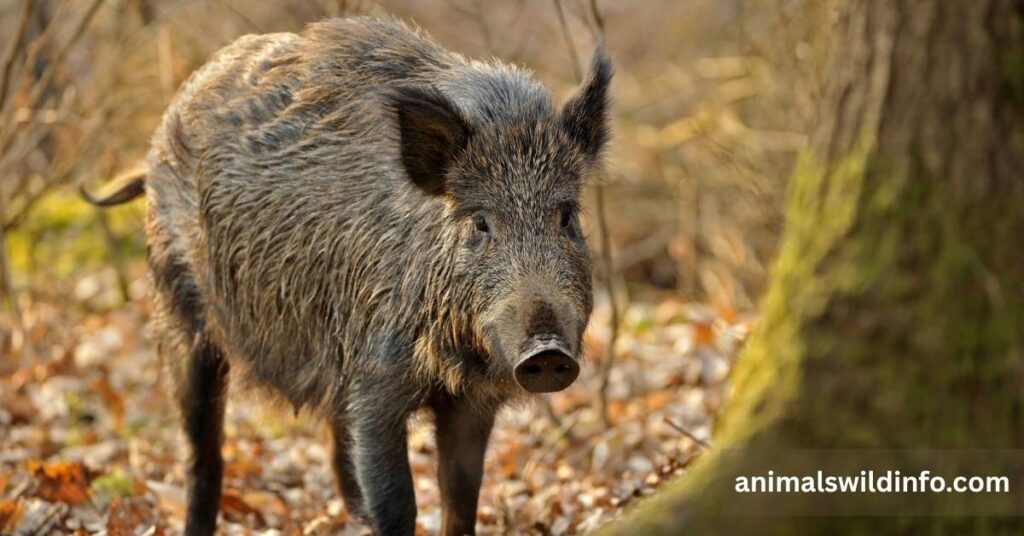
Wild boar hide carries a rough, bristly texture built for pushing through thorny brush without a scratch. Underneath that tough exterior sits a layer of fat that supports both injury prevention and insulation in colder climates.
Wild boars also heal fast from minor wounds, a trait that helps them survive frequent skirmishes with rivals and close calls with predators. Older males often develop an even thicker layer of hardened tissue across the shoulders, sometimes called a “shield,” built specifically for tusk-to-tusk combat.
Cape Buffalo
Cape buffalo hide measures close to an inch thick, tough enough to handle both predator attacks and the brutal African sun. Herds of buffalo rely on this durability to survive skirmishes with lions, often fighting back hard enough to injure or kill an attacking predator.
Thicker-skinned buffalo also appear more resistant to certain diseases, hinting at a link between hide strength and overall herd health. Cape buffalo are also known to hold grudges against hunters who wound but fail to kill them, circling back later in a way few other grazing animals ever attempt.
Camel
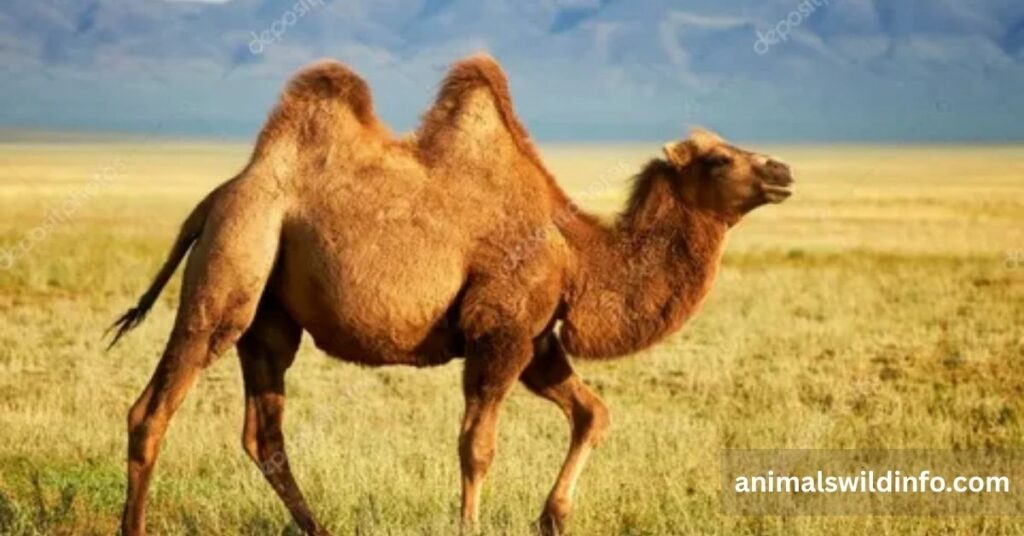
Camel skin adaptation centers around water conservation, with skin about half an inch thick that limits water loss in blistering desert heat. This tough layer also blocks abrasive sand and reflects intense sunlight, both critical for survival in open desert terrain.
Camel hide has long been prized by desert communities for crafting durable goods, proving its toughness holds up well past the animal’s own lifetime. Camels also barely sweat until their body temperature climbs well past what most mammals could tolerate, another trick that keeps precious water locked inside for as long as possible.
Giraffe
Giraffe skin runs about half an inch thick, offering solid protection against thorny acacia trees that make up much of their diet. Beneath the surface sits a layer of specialized fat that helps with moisture retention in dry savanna conditions.
Every giraffe carries a unique skin pattern, similar to a fingerprint, which researchers use to identify individuals across large herds. Blood vessels beneath giraffe skin also help regulate the intense pressure needed to pump blood all the way up that long neck to the brain.
Read More: Top 22 Animals With Flippers (With Pictures & Fascinating Facts)
Manatee
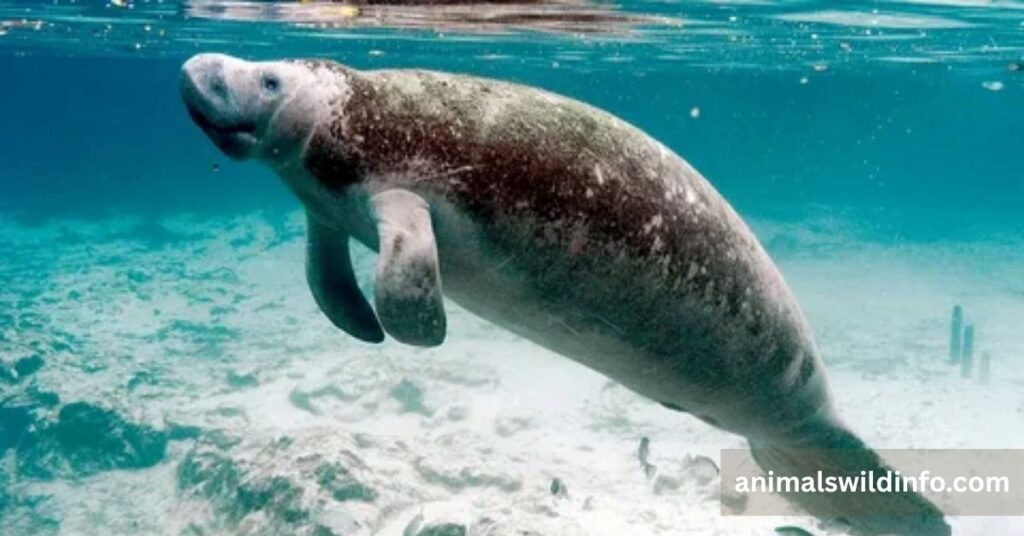
Manatee skin measures close to an inch thick, tough enough to handle sharp coral and floating debris in shallow coastal waters. Interestingly, manatee skin often hosts algae and small barnacles, creating a tiny floating ecosystem on the animal’s back. This relationship isn’t just cosmetic, either.
Some researchers believe the microbial community living on manatee skin may help fight off infections in these gentle, slow-moving giants. Manatees also shed their outer skin layer regularly, a process that helps them stay clean despite spending their entire lives in murky, algae-filled waters.
Which Animal Has the Thickest Skin?
Based on measured thickness alone, the whale shark and sperm whale rank among the top contenders, with skin reaching several inches in the densest areas. Among land animals, the walrus and elephant lead the pack, though the walrus edges ahead thanks to skin that can reach six inches in spots exposed to the harshest arctic conditions.
So, which animal has the thickest skin overall? Marine giants generally win this contest because ocean life demands extra insulation and pressure resistance that land animals simply don’t need. Still, elephants deserve credit for combining serious thickness with unmatched sensitivity, a rare balance in the animal kingdom.
It’s worth remembering that exact measurements vary between individual animals, and even between different studies. Age, habitat, and diet all play a role in how thick an animal’s hide grows over its lifetime, so these figures work best as general ranges rather than fixed numbers carved in stone.
Thickest Skin Animals Comparison Table
| Animal | Estimated Skin Thickness | Main Purpose |
| Walrus | Up to 6 inches | Arctic insulation, fight protection |
| Whale Shark | Up to 4 inches | Abrasion resistance, drag reduction |
| Grizzly Bear | Up to 2.5 inches | Predator defense, insulation |
| Elephant | Up to 2.5 cm (1 inch) | Sun protection, injury prevention |
| Rhinoceros | Up to 2 inches | Body armor, thermoregulation |
| Hippopotamus | Up to 2 inches | Sun protection, moisture retention |
| Crocodile | Up to 2 inches | Predator defense, sensory function |
| Bison | Up to 2 inches | Fight protection, insect defense |
| Manatee | Up to 1 inch | Abrasion resistance, habitat protection |
| Cape Buffalo | Up to 1 inch | Predator defense, disease resistance |
| Giraffe | Up to 0.5 inch | Thorn protection, moisture retention |
| Camel | Up to 0.5 inch | Water conservation, sun protection |
| Armadillo | A few millimeters (bony plates) | Body armor, injury prevention |
| Honey Badger | Thin but loose | Twisting defense, bite resistance |
| Sperm Whale | Several inches | Pressure resistance, thermoregulation |
| Blue Whale | Several inches | Insulation, parasite resistance |
| Wild Boar | Moderate, bristly texture | Brush protection, wound healing |
Amazing Facts About Animals With Thick Skin
Some of these thick skin facts sound almost made up, but they’re all rooted in real biology. Elephants can feel a single fly land on their back despite carrying skin an inch thick, proving that toughness and sensitivity aren’t opposites. Crocodile skin contains pressure sensors so fine they can detect a single ripple from a fish swimming nearby, even in total darkness.
Giraffes carry skin patterns as unique as fingerprints, letting researchers track individuals across huge herds for decades. Meanwhile, honey badgers can twist almost completely inside their own loose skin, a trick that lets them counterattack even mid-bite. And whale sharks, despite their armored hide, feed entirely on plankton, making them gentle giants wrapped in one of the toughest hides in the ocean.
Armadillos take things even further, since some species can hold their breath for several minutes while crossing rivers underwater, letting their heavy armor sink them like a tiny tank. Rhinos, despite carrying two inches of collagen-packed hide, remain surprisingly fast, capable of short sprints that would surprise anyone who assumes thick skin means slow and clumsy. Even camels join the list of surprises, since their thick hide works alongside a hump full of fat rather than water, busting one of the most common myths about desert survival.
How Thick Skin Helps Animals Survive
Thick skin isn’t just a passive feature. It actively shapes how animals hunt, rest, fight, and travel across some of the harshest places on Earth. Each of the next four sections breaks down a specific survival job that thick hide performs in the wild, and together they explain why this trait keeps reappearing across such different species.
Protection Against Predators
Thick hide often means the difference between a scratch and a fatal wound during a predator attack. Cape buffalo and bison both rely on tough skin to survive clashes with lions or wolves, sometimes walking away from fights that would kill a thinner-skinned animal. This kind of predator defense buys precious seconds during an attack, which can be all an animal needs to escape or fight back. Even a partial bite that would cripple a smaller creature might barely leave a mark on an animal built with this kind of natural padding.
Surviving Extreme Weather
From arctic walruses to desert camels, thick skin plays a massive role in habitat adaptation across extreme climates. Walrus hide combined with blubber blocks out freezing water, while camel skin limits water loss under a blazing sun. Both examples show how environmental adaptation shapes skin thickness based purely on where an animal lives. It’s a reminder that there’s no single “best” skin thickness in nature, only the thickness that fits a particular climate and lifestyle.
Defense During Territorial Battles
Bulls, bison, and grizzly bears all use thick hide to survive rough physical contests with rivals of their own species. This kind of defensive evolution lets animals compete for mates or territory without constantly risking serious injury.
Without this built-in armor, many species would face far higher death rates just from internal competition alone. Over time, this pressure has pushed certain body regions, like the neck and shoulders, to grow noticeably thicker than the rest of the body.
Protection From Parasites and Insects
Thick skin also blocks biting insects that spread disease and cause constant irritation across grazing lands. Bison and elephants both benefit from this kind of parasite resistance, letting them graze for hours without being driven to exhaustion by pests. It’s a quieter benefit compared to predator defense, but over a lifetime, it matters just as much for overall health. Animals without this protection often burn extra energy swatting, shaking, or fleeing from insects, energy that thick-skinned species can save for feeding and resting instead.
Thick Skin vs Tough Skin: What’s the Difference?
People often mix up “thick” and “tough,” but they’re not the same thing in animal physiology. Thickness refers to actual depth, like the inches of hide on a rhino or elephant. Toughness, on the other hand, refers to durability and resistance to tearing, which can exist even in skin that isn’t particularly deep.
The honey badger proves this perfectly. Its skin isn’t unusually thick, yet it’s tough enough to resist bites and stings thanks to its loose, flexible structure. Meanwhile, an elephant has both traits at once: real depth plus genuine durability. Understanding this difference helps explain why some smaller animals still rank among the toughest survivors in the wild, even without carrying the bulk of a rhino or hippo.
This distinction also matters for scientists studying biological adaptation across different species. A creature doesn’t need enormous size to develop serious defenses. Sometimes a clever structural trick, like loose, twist-friendly skin, can outperform sheer bulk when it comes to actual survival odds in a real fight.
Final Thoughts
The animals on this list show just how creative evolution can get when survival is on the line. Whether it’s a walrus built for arctic seas or a camel built for scorching sand, thick skin proves that wildlife biology always finds a way to match form with function. Every inch of hide on this list tells a story about habitat adaptation, patience, and millions of years of trial and error.
From the loose, twist-friendly hide of a honey badger to the six-inch armor of a walrus, each species on this list solved the same basic problem in its own unique way. That variety is really the whole point. Nature rarely repeats the exact same solution twice, and that’s exactly what makes studying wildlife survival adaptations so endlessly interesting.
Next time you see a photo of an elephant, a rhino, or a whale shark, take a second look at that skin. It’s not just a covering. It’s armor, insulation, and a survival tool all rolled into one, shaped by the exact challenges each animal faces every single day in the wild.
Frequently Asked Questions
The walrus generally holds the title among land and semi-aquatic mammals, with skin reaching up to six inches thick in some areas. Marine giants like the whale shark and sperm whale also rank near the top when comparing overall hide depth. Exact rankings shift depending on which body part gets measured, since thickness often varies a lot between the neck, back, and belly on the same animal.
The honey badger often gets this title, not because its skin is deep, but because it’s loose and flexible enough to resist bites and twist during an attack. This combination of looseness and durability makes it one of the toughest hides pound for pound, especially when you consider how small the animal is compared to predators it regularly stands up to.
Elephant skin measures around one inch, or 2.5 centimeters, thick in tougher areas like the back and legs. Despite this thickness, elephant skin remains highly sensitive thanks to a dense network of nerve endings underneath.
The walrus and whale shark both have skin considerably thicker than a rhinoceros, with measurements reaching several inches deep. Marine mammals in general tend to carry thicker skin than most land animals, largely due to cold-water insulation needs.
Hippos need thick skin for protection during territorial fights with rivals, since these clashes can turn violent fast. Their skin also secretes a natural reddish substance that works as sunscreen, helping prevent sunburn during long hours spent partially submerged in African rivers and lakes.