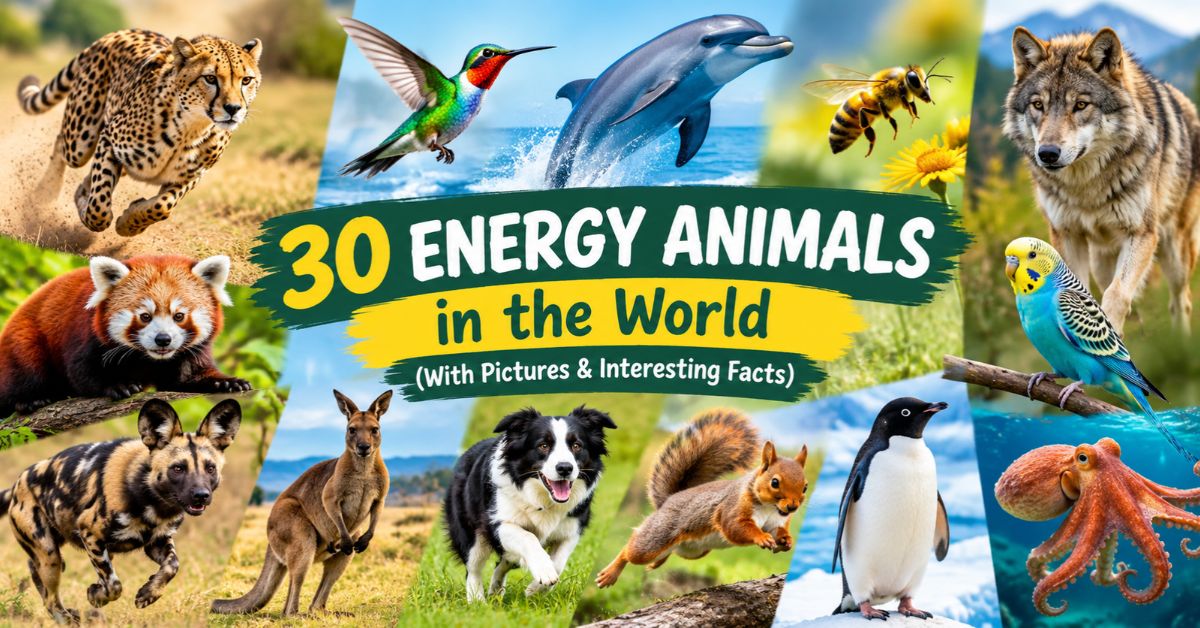
30 Energy Animals in the World (With Pictures & Interesting Facts)
Ever watched a hummingbird hover and wondered how it never gets tired? Energy animals fascinate us for good reason. Some sprint at lightning speed. Others fly across whole oceans. A few simply never sit still. In this guide, you’ll meet 30 high-energy animals from every corner of the world. Each one burns fuel in its own special way.
You’ll see the most energetic animals in the world, plus a few big surprises. You’ll also learn how they compare, what drives them, and which ones make good pets. Grab a snack and settle in. This tour is packed with fun facts.
Quick Reference Table of Energy Animals
Short on time? Start here. This table shows all 30 energy animals at a glance. You can skim it in about a minute. Then jump to any animal that catches your eye.
The table has four parts. “Type” tells you the animal group. “Energy style” shows if the animal relies on speed, aerobic endurance, or constant motion. “Standout fact” gives one quick reason it earns a spot. The last column takes you straight to its section.
What Are Energy Animals?
So what are energy animals? Simply put, they’re species that burn a lot of fuel. They run fast. They fly far. Some never stop moving. Scientists call this fuel use energy expenditure. It measures how many calories an animal burns each day. This group includes active wildlife species as well as lively pets. Education World explains that animals get their energy from food. That energy started as sunlight. Plants capture it first. Plant eaters pass it along. Meat eaters then collect it from their prey.
People often ask, what are the most energetic animals in the world? The answer depends on how you count. A cheetah burns huge energy in seconds. A shrew burns it all day long. An Arctic tern burns it across whole continents. Each animal follows a different plan. That’s why this list mixes birds, insects, mammals, and even an octopus.
Speed vs. Stamina vs. Daily Activity
What is the difference between speed and stamina in animals? Think of three kinds of athletes. A sprinter wins in seconds. That’s sprint speed. A marathon runner keeps going for hours. That’s aerobic endurance. A restless toddler never stops moving. That’s sustained activity across the whole day. A cheetah plays the sprinter.
An Arctic tern plays the marathon runner. A shrew plays the toddler. Speed depends on muscle power and quick bursts. Stamina depends on oxygen and steady fuel. Daily energy depends on daily activity patterns and a big appetite. Some animals known for stamina also sprint well. The pronghorn is the best example. It runs fast and keeps going for miles. Knowing these three types will help you read the rest of this list.
Why Do Some Animals Have More Energy Than Others?
Why do some animals burn so much more fuel? Size comes first. Small bodies lose heat fast. So small animals run a hot metabolism. That makes them high-metabolism animals. A mouse burns far more energy per gram than an elephant. Still, the elephant burns more in total. Diet matters too. Nectar and insects give quick fuel. Climate adds pressure as well.
Cold water forces sea otters to eat all day. Lifestyle plays a role too. Hunters and migrants need strong bodies. So which animals have high metabolic rates? Mostly tiny, warm-blooded ones like hummingbirds and shrews. The clock matters as well. Active daytime animals like squirrels work in the sun. Nocturnal animals like the Tasmanian devil wake at dusk.
Top 30 Energy Animals in the World
Ready for the main event? Here are 30 animals that never seem to slow down. Some are famous. Others will surprise you. Together, they answer a big question: which animals have the most energy? You’ll find sprinters, marathon fliers, tiny buzzing insects, and bouncy pets.
Each entry has a quick story and a fun fact. You’ll also see how each animal uses speed, stamina, or constant motion. Many of these are animals with remarkable athletic abilities. Others just love to play. Let’s meet them one by one.
See Also: Top 18 Animals With Sharp Claws (With Pictures & Amazing Facts)
Pronghorn
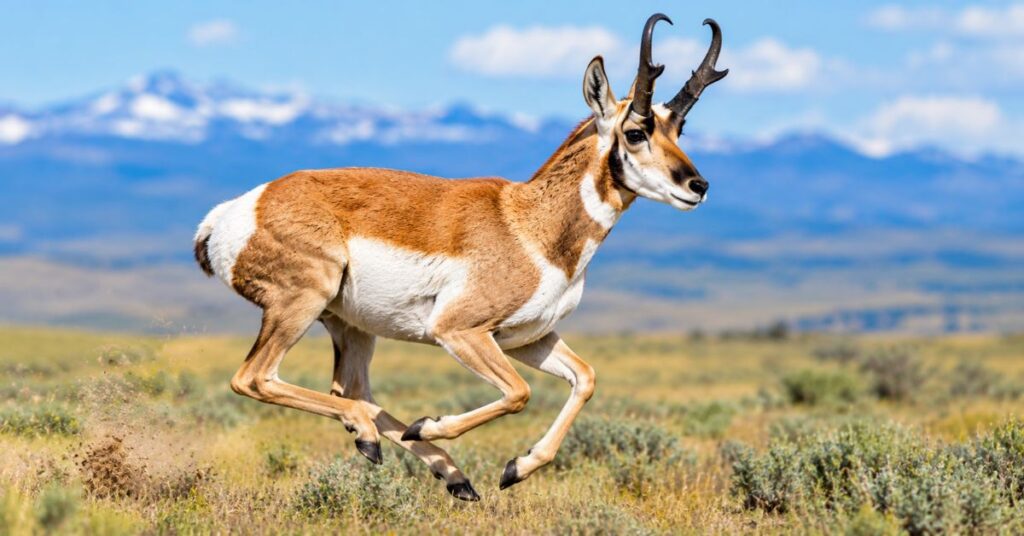
Meet the pronghorn. It roams the grasslands of North America. Many people call it the best of the fast-running animals. A pronghorn can hit about 55 mph. Even better, it holds a strong pace for miles. That makes it one of the animals that run fast and keep going. So what animals can run fast for long distances? The pronghorn tops the list. Its huge lungs and big heart fuel its aerobic endurance. Its light legs boost its locomotion. Scientists think it evolved to outrun ancient fast predators that no longer exist. That speed stayed in its body long after the danger vanished. Few endurance runners in nature can match it.
Hummingbird
The hummingbird is a tiny engine. Its wings beat dozens of times each second. In small species, the heart can top 1,000 beats a minute during flight. That’s why it feeds every few minutes on nectar and insects. Its metabolism ranks among the highest of any backbone animal. At night, it can slip into a deep rest called torpor.
This saves precious fuel. During spring migration, the ruby-throated hummingbird crosses the Gulf of Mexico in one long flight. That trip can stretch around 500 miles. No wonder it’s one of the small animals with lots of energy. It also shows how small animals that move quickly pay a high fuel price.
Cheetah
The cheetah stars among the fastest land animals. It can reach about 60 to 70 mph in a short chase. It gains speed in seconds. Most chases last under a minute. These animals that sprint rely on pure sprint speed and big muscle power. Yet cheetahs rest a lot. A National Geographic report describes a study that tracked daily energy use in cheetahs and mountain lions.
The team found that big cats lounge to save fuel. Then they spend it on big meals. Luke Dollar of National Geographic’s Big Cats Initiative said you want “the biggest bang for your energetic buck.” It’s a neat case study in smart energy expenditure. These animals with exceptional speed rank high among the fastest animals on Earth.
Dolphin
Dolphins never seem bored. They race boats. They leap from the water. They toss seaweed to each other. These are some of the most playful animals in the world. A bottlenose dolphin can swim about 20 mph in bursts. Pods travel many miles each day while searching for food. Their hunting behavior is a team effort. They herd fish into tight balls. Then they take turns feeding. Dolphins even sleep with half the brain awake. That lets them keep rising for air. Between play, travel, and teamwork, they join the list of animals with high activity levels in the sea.
African Wild Dog
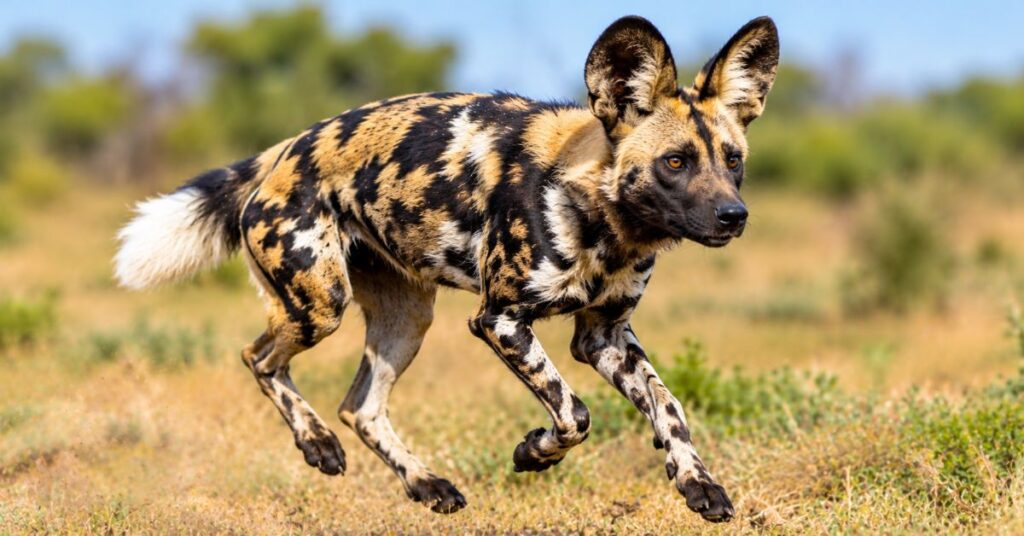
The African wild dog is a tireless pack hunter. It lives in sub-Saharan Africa. A pack can chase prey for miles. Individual dogs can run about 37 mph. Studies often report a hunt success rate far above that of lions. Their secret is teamwork and stamina. Dogs take turns leading the chase. That’s smart hunting behavior. They roam huge territories too. These animals with great endurance also share food with pups and sick pack mates. So when people ask which animals are known for speed and endurance, this dog deserves a spot near the top.
Ant
Ants never clock out. A colony works day and night. Workers dig, carry, guard, and gather food. Many species haul loads several times heavier than their own bodies. The Saharan silver ant sprints across scorching sand at roughly 100 body lengths per second. That’s wild. Ants rank high among active insects. Their foraging behavior follows scent trails. One scout finds food. Others follow the path. Few animals that are constantly moving can match them. Add up thousands of workers, and one colony burns huge energy.
Squirrel
Squirrels turn a park into a gym. They climb, leap, chase, and dig all day. A gray squirrel can jump about 10 feet between branches. These active daytime animals start at sunrise. Their foraging behavior is legendary. In fall, they bury thousands of nuts. Some they forget. Those nuts grow into new trees. Squirrels show real agility when they race along thin branches. They’re animals that jump high and far for their size. They’re also energetic small mammals that rarely sit still. Winter slows many of them down. Spring brings the frenzy right back.
Arctic Tern
No animal flies farther than the Arctic tern. Each year, it travels from the Arctic to Antarctic waters and back. That round trip can top 44,000 miles. Over a 30-year life, it adds up to about three trips to the Moon and back. Few migratory animals come close. These animals with incredible endurance use wind patterns to save fuel. They also snack on small fish along the way. So which animal has the best stamina? Many experts point to this bird. It’s one of the best animals that travel long distances. It also chases summer at both ends of the Earth. That means it sees more daylight than most creatures.
Kangaroo
Kangaroos hop like living springs. Their big tendons store energy with each landing. Then they release it on the next bounce. That saves fuel at moderate speeds. A red kangaroo can reach about 35 mph in short bursts. It can also clear a tall fence. These are true animals that jump high. They also count as animals with remarkable athletic abilities. Their locomotion is unlike any other large mammal. Strong hind legs deliver the muscle power for each bound. They cross dry Australian land to find food and water. Young males also box and wrestle. These play fights build strength and skill.
See Also: Top 22 Animals With Flippers (With Pictures & Fascinating Facts)
Border Collie
The Border Collie is the champion of high-energy dog breeds. Farmers bred it to herd sheep all day. That job demands sustained activity and sharp focus. A working collie can cover many miles in a day. Today, these dogs shine in agility, frisbee, and obedience. One famous Border Collie named Chaser learned the names of more than 1,000 toys.
That shows how smart they are. They’re animals with boundless energy and busy minds. The exercise needs of active dogs like this go far beyond a walk. They need a job. Without one, they may chew your sofa or herd your kids. Plan for mental stimulation for energetic pets as well.
Dragonfly

Dragonflies are the fighter jets of the insect world. They fly forward, backward, and sideways. They can hover in place. Their four wings move on their own. That gives them amazing agility. These animals with amazing agility catch prey mid-air with a very high success rate. Some studies say it tops 90 percent. That’s elite hunting behavior. Some species also make a famous migration. The globe skimmer crosses the Indian Ocean over several generations. Those trips cover thousands of miles. Dragonflies rank among the fast-flying animals in the insect group. They’re also agile animals by any standard.
Shrew
The shrew lives life on fast-forward. It’s tiny. In the smallest species, its heart can beat over 1,000 times a minute. Its metabolism runs so high that it must eat every few hours. It may eat close to its own body weight daily. That makes it one of the most energetic small mammals. So which small animals have the highest energy levels? The shrew is a top contender. It hunts insects, worms, and snails. It can’t survive a long fast. Shrews stay busy day and night. That makes them small animals with lots of energy. They’re also a great example of animals with high activity levels.
Honey Bee
Honey bees buzz with purpose. A worker may fly several miles from the hive to find nectar. Her wings beat about 200 times a second. That’s the buzz you hear. In her whole life, one worker makes only about one twelfth of a teaspoon of honey. So a hive needs thousands of workers. These active insects also dance to share food locations. That’s clever foraging behavior. In summer, a worker’s life is short because the work is so hard. Honey bees are a perfect example of sustained activity inside a team.
Wolf
Wolves are true long-distance runners. A pack can travel 10 to 30 miles a day while searching for prey. They trot at a steady pace for hours. When the chase starts, they can sprint near 35 mph. That mix of aerobic endurance and sprint speed makes them animals with high stamina. Their hunting behavior relies on teamwork. Pack members spread out and tire the prey. Then they strike. Their daily activity patterns shift with the seasons. In winter, they roam even farther. Wolves play too. Pups wrestle and chase. That play builds skills for adult life.
Siberian Husky
Huskies were bred to pull sleds across icy land. They’re among the animals known for stamina. Racing teams can cover well over 100 miles in a day. In 1925, a relay of dog teams raced life-saving medicine to Nome, Alaska. A Siberian Husky named Togo led one team on a leg of about 260 miles. That story shows the sustained activity these dogs can handle. As pets, they’re also high-energy dog breeds. The exercise needs of active dogs like this are big. A short walk won’t do. They love running, hiking, and pulling. They also escape fences, so secure your yard.
See Also: Top 30 Greedy Animals in the World (With Pictures & Fascinating Facts)
Jack Russell Terrier
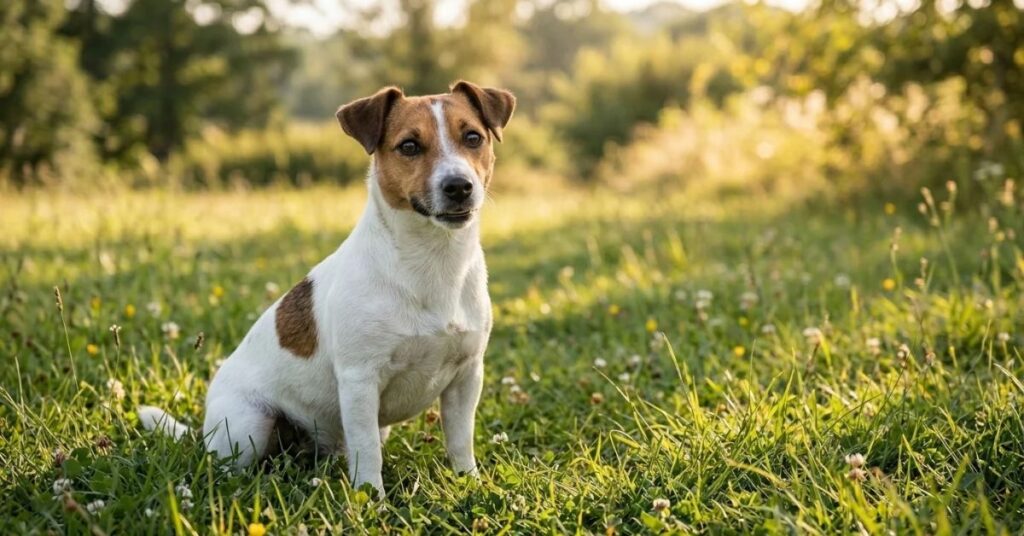
The Jack Russell Terrier proves size isn’t everything. It’s small. Its drive is huge. Breeders in 19th-century England developed it for fox hunting. It had to keep up with horses and dive into burrows. That demands strong muscle power and stamina. Today, it’s one of the best playful pet animals that never runs out of steam. A Jack Russell can chase a ball for hours. It also digs and barks when bored. Mental stimulation for energetic pets matters a lot here. Puzzle toys and training games help. These small animals that move quickly also think fast.
Sea Otter
Sea otters play hard and eat harder. They have no blubber. They rely on dense fur and a fast metabolism to stay warm. An adult may eat up to a quarter of its body weight daily. Their foraging behavior includes diving for urchins, crabs, and clams. They use rocks as tools to crack shells. Between meals, they groom, float, and wrestle. Pups slide and tumble in the water. High energy expenditure keeps them busy. So what are the most playful animals in the world? Sea otters often make the shortlist. They’re surely among the most playful animals in cold waters.
Chimpanzee
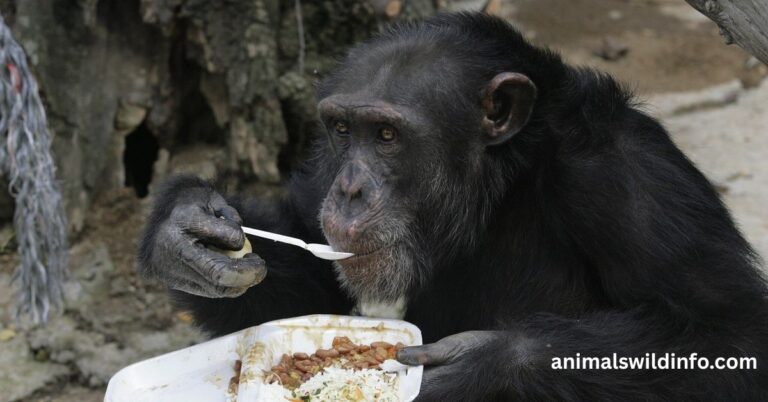
Chimpanzees are clever and constantly in motion. They climb trees, walk long distances, and build a fresh nest every night. They travel a few miles a day searching for fruit. Their foraging behavior includes cracking nuts and fishing for termites with sticks. Their muscle power is huge. A chimp is far stronger than a human of similar size. Their daily activity patterns mix play, grooming, and social drama. Young chimps wrestle and chase each other. They rank among the most active animals in the primate family.
Baby Goat
A baby goat is pure joy. These kids jump, spin, and bounce off walls. People call it frolicking. Play helps them build balance, agility, and strength. Within days of birth, a kid can scramble up a pile of hay. Farmers see them as playful animals and playful pet animals on small farms. They nibble, climb, and explore all day. Goats are also surprisingly good climbers. They scale rocks and even trees. That shows real agility. Kids nap in short, deep bursts. Then they restart. That earns them a place among animals with boundless energy.
Capuchin Monkey
Capuchin monkeys stay busy from dawn to dusk. They live in Central and South America. They search for fruit, insects, and small prey. Their foraging behavior is clever. Some capuchins use stones to crack hard nuts. They leap between branches with ease. They’re animals that are constantly moving. Their small size also means a high metabolism. They play and groom to bond with the troop. Zoos give them puzzle feeders because their minds need work. Few active daytime animals show such a mix of brains and energy.
Swallow
Swallows catch dinner in mid-air. They glide and dart over fields all day. Barn swallows migrate from North America to South America. That’s thousands of miles twice a year. Among fast-flying animals, swallows are small but mighty. They’re also active songbirds. Their twittering song carries across farms. Their agility lets them snap up flies in tight turns. They even drink and bathe on the wing. That lifestyle puts them among the animals with high activity levels. Their yearly migration adds even more miles to the tally.
Hare
Hares are built for escape. Their long hind legs power big leaps. A European hare can reach about 45 mph. They zigzag to confuse foxes and eagles. These are animals that run fast and turn even faster. They’re agile animals that change direction in a flash. Unlike rabbits, baby hares are born with fur and open eyes. They run within hours. In spring, hares box and chase each other. That’s where the saying “mad as a March hare” comes from. They’re true fast-running animals with plenty of agility.
Ferret
Ferrets nap up to 18 hours a day. Then they explode. They dash, twist, hop sideways, and tumble in what owners call the weasel war dance. A ferret is one of the playful pet animals that people adore. It’s also one of the high-energy pets that suit patient owners. Ferrets love tunnels, boxes, and toys. They also steal socks. Their long, flexible bodies give them wild agility. They need out-of-cage time every day. These small animals that move quickly love hide-and-seek. Check local laws first, because some places limit ferret ownership.
Tasmanian Devil
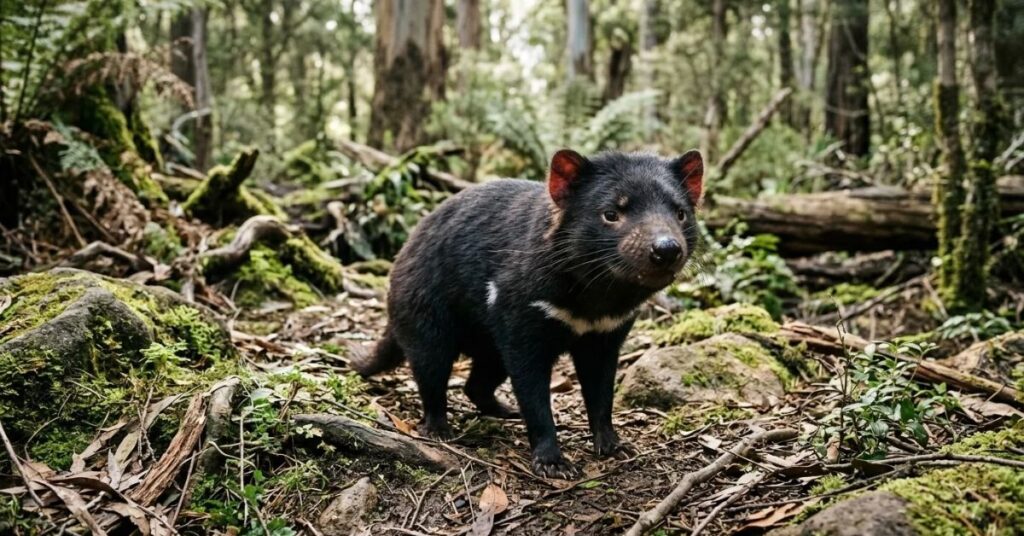
Tasmanian devils are rowdy night workers. They live only on the island of Tasmania. Among nocturnal animals, they stand out for noise and bite power. They can trot for miles in a single night. Reports suggest they may roam up to about 10 miles in search of food. Their hunting behavior and scavenging help clean the bush. They also sprint in short bursts when needed. They climb well too. When threatened, they scream and bare their teeth. That wild display scares off rivals. Conservation groups now work hard to protect them from a contagious cancer.
See Also: Top 17 Thickest Skin Animals in the World (With Pictures & Amazing Facts)
Peregrine Falcon
The peregrine falcon is the speed king of the sky. In a dive called a stoop, it can top 200 mph. That makes it the fastest animal on the planet. It fits perfectly among the fastest animals on Earth. It folds its wings and drops like a bullet. Its hunting behavior targets other birds in mid-air. These fast-flying animals also show amazing agility. Pesticides like DDT once pushed them close to extinction. Bans and careful rescue work brought them back. Today, they even nest on city skyscrapers.
Squirrel Monkey
Squirrel monkeys are tiny acrobats. They live in the forests of Central and South America. A troop can include dozens of members. They run along branches and leap across gaps. They’re animals with amazing agility and animals that are constantly moving. Their long tails help them balance. They eat fruit and insects. Their foraging behavior keeps them busy all day. A high metabolism fuels their frantic pace. They’re loud too. They chatter, squeal, and call to stay in touch. That’s real sustained activity in a small package.
Adélie Penguin
Adélie penguins thrive in Antarctica. They walk across sea ice to reach open water. They swim fast to hunt krill. They also slide on their bellies to save effort. This move is called tobogganing. It helps their locomotion on slick ice. During breeding season, they trek long distances to nesting colonies.
That makes them strong animals that travel long distances. Their yearly migration follows the sea ice. They can launch out of the water onto ice in a single jump. That takes major muscle power. They also steal pebbles from neighbors for nests. That shows their feisty side.
Mustang Horse
The Mustang horse roams the American West. These wild horses descend from animals brought by Spanish explorers. They travel many miles to reach water. Rough ground doesn’t slow them down. Mustangs show strong aerobic endurance and tough hooves. They’re animals with great endurance.
Riders also use hardy horses in long-distance races of 50 to 100 miles. A horse’s heart and lungs adapt well to such sustained activity. Wild herds gallop across open land just for the joy of it. People respect animals that run fast and keep going.
Parakeet (Budgerigar)
Budgerigars are lively little parrots. In the wild, they live in large flocks across inland Australia. They wander far to find water and seeds. Their flocks can look like green and yellow clouds. As pets, they’re active pet birds that love toys, mirrors, and swings. They chatter all day. One budgerigar named Puck knew more than 1,700 words. That record shows their brainpower. They’re small animals with lots of energy. They need daily time outside the cage plus safe things to chew. Many owners call them high-energy pets with big personalities.
Octopus
Octopuses surprise people. They’re soft-bodied. Yet they move with flair. They crawl, swim, and jet through water. They squeeze through tiny gaps. They also open jars and solve puzzles. Their hunting behavior includes ambush and quick strikes. They use jet propulsion to escape danger. That burst costs a lot of energy. So an octopus rests in its den between hunts. Still, its curiosity keeps it busy. It shows animals with remarkable athletic abilities in the water. It even has three hearts and blue blood.
See Also: Top 20 Dirtiest Animals in the World (With Pictures & Surprising Facts)
Energy Animals Compared by Speed and Stamina
Who wins, the sprinter or the marathon runner? It depends on the race. A cheetah wins a short dash. An Arctic tern wins a global journey. Each animal fits a different kind of contest. That’s why comparing them helps you see the full picture.
The table below puts eight stars side by side. Notice how the numbers differ. Speed gives big bursts. Stamina gives huge distance. Tiny animals trade both for a racing heart. Use this chart to see which high-energy animals fit each style.
| Animal | Key Number | Energy Style | Why It Stands Out |
| Peregrine Falcon | 200+ mph in a dive | Burst speed | Fastest animal alive |
| Cheetah | 60 to 70 mph | Burst speed | Fastest on land |
| Pronghorn | About 55 mph, sustained for miles | Speed + endurance | Best mix of both |
| Hare | About 45 mph | Burst speed | Zigzag escape artist |
| Arctic Tern | About 44,000 miles a year | Endurance | Longest migration |
| Wolf | 10 to 30 miles a day | Endurance | Steady pack traveler |
| Siberian Husky | 100+ miles a day in races | Endurance | Born to pull |
| Hummingbird | 1,000+ heartbeats a minute | Constant motion | Racing metabolism |
Energy Animals Known for Their Speed
Speed is thrilling to watch. The peregrine falcon leads the sky with dives above 200 mph. The cheetah leads the land with a blazing sprint. The pronghorn and the hare come next. These animals with exceptional speed use light bones, big muscles, and strong lungs. Most are animals that sprint to catch food or escape danger. Speed costs a lot of fuel. So these animals rest often. That’s the trade. Fast bursts demand big muscle power. Rest restores it. Together, these stars are the fastest animals on Earth and the fastest land animals in their regions.
Animals With the Greatest Endurance
Endurance beats speed over long trips. The Arctic tern flies pole to pole. Wolves trot for hours across snow. Siberian Huskies pull sleds for days. Mustang horses cross rough land with little rest. These animals with the best stamina use fuel slowly and steadily. Their bodies burn fat well. Their hearts and lungs deliver oxygen to tired muscles. Many are also migratory animals or long-distance runners. So which animals are known for speed and endurance? The pronghorn wins again. It’s the rare endurance runner in nature that also sprints.
Small Energy Animals With Surprising Activity Levels
Small animals can be big on energy. A shrew eats almost nonstop. A hummingbird feeds every few minutes. Honey bees and ants work from dawn to dusk. Squirrel monkeys leap all day. These small animals with lots of energy run hot because small bodies lose heat quickly. So their metabolism stays high. Their daily energy expenditure is large compared with their size. That’s why they’re always hunting for food. They’re also small animals that move quickly and live at a fast pace. Their lives are short but intense.
Energy Animals vs. Hyperactive Animals
Is an energetic animal the same as a hyperactive one? Not quite. Natural energy is healthy. It fits an animal’s job in the wild. A wolf travels miles because it must hunt. A shrew eats all day because its metabolism demands it. These behaviors help the animal survive. They show normal daily activity patterns. They also match the animal’s body and habitat.
Hyperactivity looks different. It often appears when an energetic animal has no outlet. Think of a Border Collie stuck in a small apartment all day. It may bark, chew, or pace. That’s stress, not natural energy. So which animals need the most daily exercise? Working dogs like collies and huskies top the list. Give them a job and space. Then their energy turns into joy instead of trouble.
Can Energy Animals Make Good Pets?
Some energy animals make wonderful pets. Others belong in the wild. Dogs like the Border Collie, Siberian Husky, and Jack Russell Terrier love active homes. Ferrets and budgerigars also suit patient owners. But you can’t keep a shrew, hummingbird, or African wild dog as a pet. They need wild habitats and special care. So what are the best high-energy animals for active owners? Dogs, ferrets, and budgies top the list.
Before you adopt, think about your daily routine. High-energy pets need time, space, and patience. They also need mental stimulation for energetic pets, such as puzzle toys and training. The table below shows what each pet needs. Pick a match for your lifestyle. A good match brings years of fun. A poor match brings stress for both of you.
| Pet | Good for Active Owners? | Daily Needs |
| Border Collie | Yes | 2+ hours of exercise, plus training and a job |
| Siberian Husky | Yes | Long runs or hikes, plus a secure yard |
| Jack Russell Terrier | Yes | Fetch, digging games, and puzzle toys |
| Ferret | Yes | Several hours of out-of-cage play |
| Budgerigar | Yes | Time outside the cage, toys, and company |
| Wild species like the shrew or hummingbird | No | Need wild habitats and expert care |
Frequently Asked Questions
What Are the Most Energetic Animals in the World?
The most energetic animals in the world depend on how you measure energy. For speed, the cheetah and peregrine falcon lead. For stamina, the Arctic tern and pronghorn shine. For constant motion, the hummingbird and shrew win. Add ants, honey bees, and dolphins, and you get a long list of high-energy animals. Each one earns its place in a different way.
Which Animal Has the Best Stamina?
Many experts pick the Arctic tern for the best stamina in the air. It flies about 44,000 miles each year. On land, the pronghorn is a top choice. It sprints and then keeps running for miles. Wolves and Siberian Huskies also rank high. These are all animals known for stamina. They burn fuel slowly and keep going when others stop.
What Is the Best High-Energy Pet?
The best pick depends on your lifestyle. For runners and hikers, a Siberian Husky or Border Collie is great. For smaller homes, a ferret or budgerigar can work. Each one needs daily play and training. Remember, high-energy pets thrive with routine. Match the animal to your time, space, and patience before you adopt.
Which Small Animal Has the Most Energy?
The shrew and hummingbird are the top picks. Both have hearts that can beat over 1,000 times a minute. Both must eat all day to fuel their tiny bodies. If you want a pet, the ferret and budgerigar are lively choices. They’re small animals with lots of energy and big personalities.
Are Energy Animals Always Fast?
No. Many energy animals are busy rather than fast. Ants and honey bees work all day without breaking speed records. Sea otters spend huge energy on staying warm and finding food. Octopuses rest often but move with power when needed. Speed is one kind of energy. Stamina and constant activity are others.
Why Do Some Animals Have Higher Activity Levels?
Several factors drive animals with high activity levels. Body size matters, because small bodies burn fuel faster. Diet matters, because nectar and insects give quick energy. Climate matters, because cold weather demands more heat. Lifestyle matters too. Hunters, migrants, and playful young animals all burn more fuel. Together, these factors shape each species’ daily activity patterns.
Final Thoughts
Energy comes in many forms. A cheetah shows raw speed. An Arctic tern shows endless stamina. A shrew shows nonstop motion. Add playful dolphins, bouncy baby goats, and curious octopuses, and the list feels even richer. These energy animals remind us how varied life can be. They also show how bodies and habitats shape behavior.
Which of these 30 amazed you most? Maybe it’s the tiny hummingbird or the mighty pronghorn. Share your favorite in the comments. If you own a lively pet, tell us how you keep it happy. And if this guide helped you, pass it along to a fellow animal lover.