Top 17 Animals That Are Like Raccoons (With Pictures & Fun Facts)
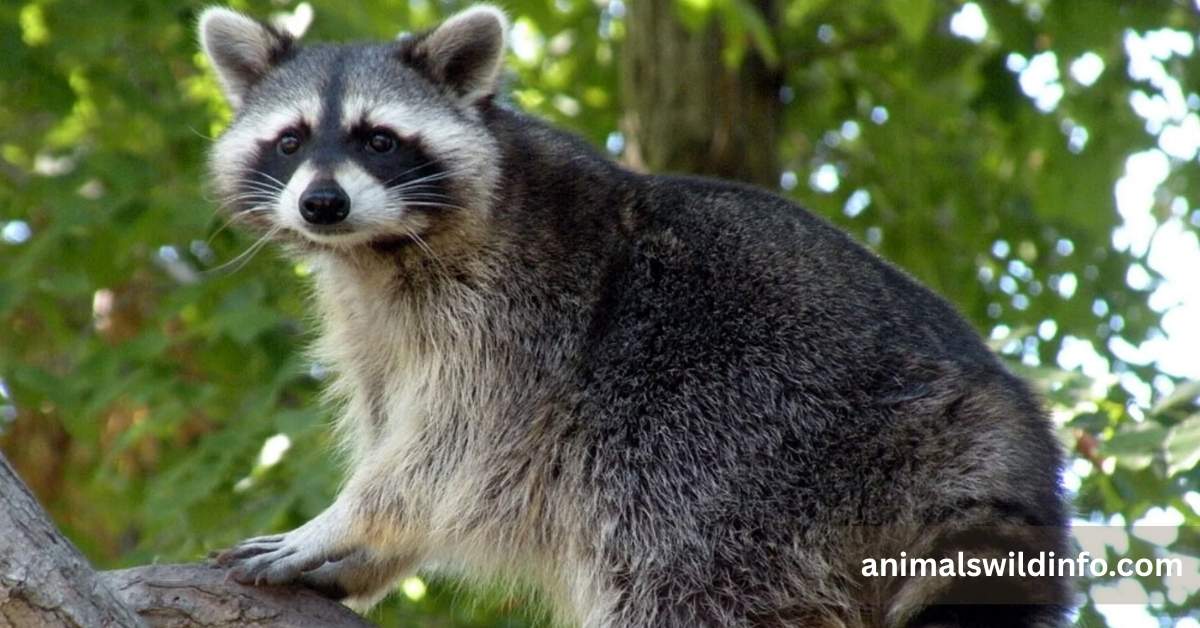
Raccoons aren’t the only masked bandits in the wild. Nature has built a whole cast of clever, ring-tailed, night-prowling creatures that look and act a lot like them. Some share their family tree. Others just evolved similar tricks for similar problems. Either way, you’re about to meet the strangest, cutest, and most surprising animals like raccoons on the planet.
This guide covers seventeen animals similar to raccoons, from tiny tree-dwellers in Central America to tough survivors in the Arctic. Animals That Are Like Raccoons You’ll see their scientific names, their diets, and the fun facts that make each one worth knowing. By the end, you won’t just recognize a raccoon. You’ll spot its cousins, too.
List of Animals That Are Like Raccoons
Below, you’ll find seventeen raccoon-like animals that share a mask, a bushy tail, clever paws, or all three. Most belong to the same family as raccoons, called Procyonidae. Others come from completely different branches of the mammal family tree, yet they still ended up looking strangely familiar. That’s the magic of evolution at work.
Each entry below includes the animal’s scientific name, its home region, and its diet. Some are nocturnal mammals that only come out after dark. Others are active during the day. A few even make surprising house pets, while others need wide-open wilderness to thrive. Here’s the full lineup, followed by a quick-reference table.
| Animal | Scientific Name | Region | Diet |
| Ringtail | Bassariscus astutus | Southwestern USA, Mexico | Omnivore |
| Coati | Nasua narica | Central & South America | Omnivore |
| Cacomistle | Bassariscus sumichrasti | Central America | Omnivore |
| Kinkajou | Potos flavus | Central & South America | Omnivore |
| Northern Olingo | Bassaricyon gabbii | Central America | Omnivore |
| Olinguito | Bassaricyon neblina | Andes (South America) | Omnivore |
| Japanese Raccoon Dog | Nyctereutes procyonoides viverrinus | Japan | Omnivore |
| Red Panda | Ailurus fulgens | Himalayas | Omnivore |
| Common Genet | Genetta genetta | Europe & Africa | Omnivore |
| Palm Civet | Paradoxurus hermaphroditus | Southeast Asia | Omnivore |
| Burmese Ferret-Badger | Melogale personata | Southeast Asia | Omnivore |
| Fisher | Pekania pennanti | North America | Carnivore |
| Marten | Martes americana | North America & Europe | Omnivore |
| American Badger | Taxidea taxus | North America | Carnivore |
| Wolverine | Gulo gulo | Arctic & Subarctic | Omnivore |
| Skunk | Mephitis mephitis | North America | Omnivore |
| Fox | Vulpes vulpes | Worldwide (Northern Hemisphere) | Omnivore |
Ringtail
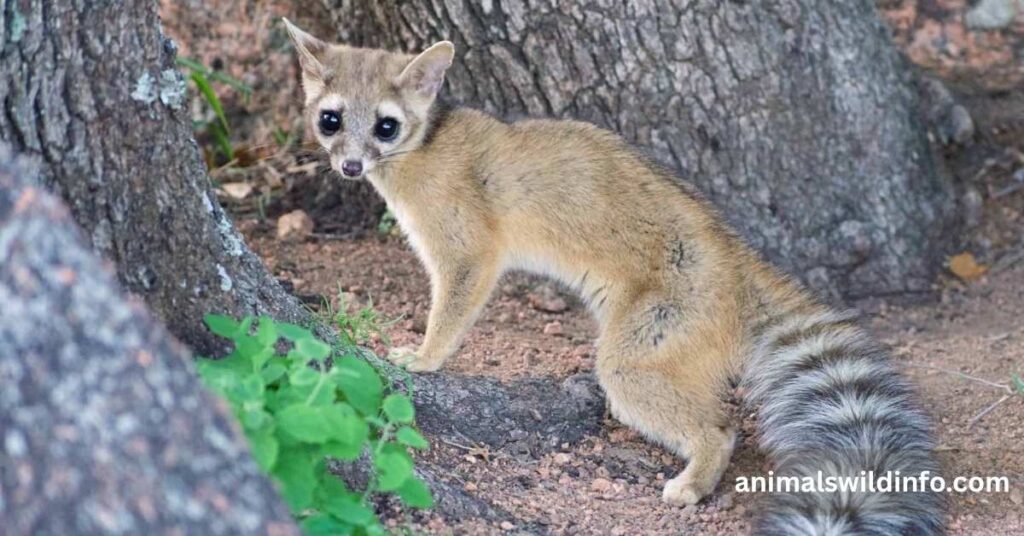
The ringtail looks like a raccoon that skipped dessert. It’s slimmer, quicker, and built for scrambling across rocky cliffs in the American Southwest. Its huge dark eyes help it hunt at night, and its long, ringed tail works almost like a tightrope walker’s pole. Locals sometimes call it a “miner’s cat,” even though it isn’t a cat at all. It’s actually one of the closest living relatives of the raccoon, and it shares that same curious, problem-solving streak that makes raccoon lookalikes so fun to watch.
Coati (Coatimundi)
Picture a raccoon with a longer nose, a taller stance, and a much busier social calendar. That’s the coati, sometimes called the coatimundi. Unlike raccoons, which mostly forage alone at night, coatis travel in noisy daytime bands, snuffling through leaf litter with their flexible snouts. They’re excellent climbers too, often seen napping high in the canopy after a long morning of foraging. Watching a troop of coatis dig through a forest floor feels a bit like watching a group of overly enthusiastic dogs on a treasure hunt.
Read More: Top 30 Greedy Animals in the World (With Pictures & Fascinating Facts)
Cacomistle
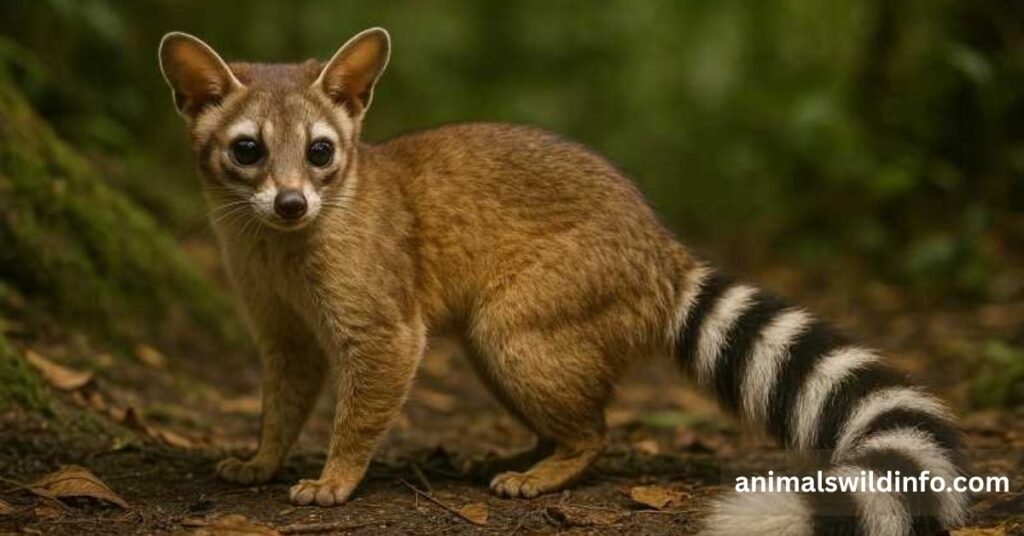
The cacomistle is often mistaken for its cousin, the ringtail, and honestly, that’s an easy mistake to make. It has the same lanky build and striped tail, but it tends to live in wetter, more tropical parts of Central America. Cacomistles are more social than ringtails, sometimes grooming each other or foraging in loose pairs. They eat fruit, insects, and small vertebrates, switching menus depending on the season. If raccoons are the neighborhood’s clever scavengers, cacomistles are their shy, jungle-dwelling relatives who rarely get noticed.
Kinkajou
Nicknamed the “honey bear,” the kinkajou has a raccoon’s mischievous personality wrapped in golden fur. It uses a prehensile tail, something raccoons don’t have, to hang from branches while it reaches for fruit and nectar. Kinkajous are surprisingly social for tree-climbing mammals, often traveling and grooming in small family units. Their calls range from soft chirps to sharp screeches, and at night, the rainforest canopy practically hums with their chatter. Because they’re so gentle-looking, kinkajous have unfortunately become popular in the exotic pet trade, though wildlife experts strongly discourage that trend.
Northern Olingo
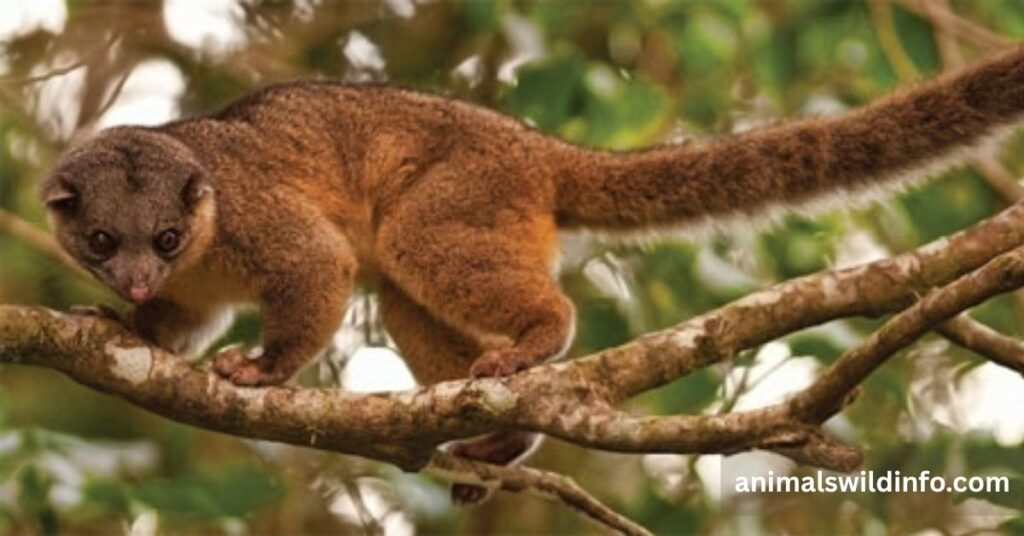
The Northern Olingo rarely touches the ground. It spends almost its entire life in the treetops of Central America’s cloud forests, leaping between branches with the confidence of a trapeze artist. Its wide eyes and slender frame give it a raccoon-like appearance, but its lifestyle couldn’t be more different. Where raccoons raid trash cans, olingos raid fruit trees, quietly slipping through the mist-covered canopy. Scientists once lumped several olingo species together until careful research revealed distinct types, proving how much biodiversity still hides in these forests.
Olinguito
For decades, biologists thought the olinguito was just a smaller olingo. Then, in 2013, researchers confirmed it as an entirely new species, the first new carnivore discovered in the Americas in over three decades. It lives high in the Andean cloud forests, wrapped in a thick, teddy-bear-like coat that helps it handle the cold, misty air. Despite its raccoon-family roots, the olinguito eats mostly fruit, making it an important seed disperser for its ecosystem. Its late discovery is a reminder that even now, the wild world still keeps secrets.
Japanese Raccoon Dog (Tanuki)
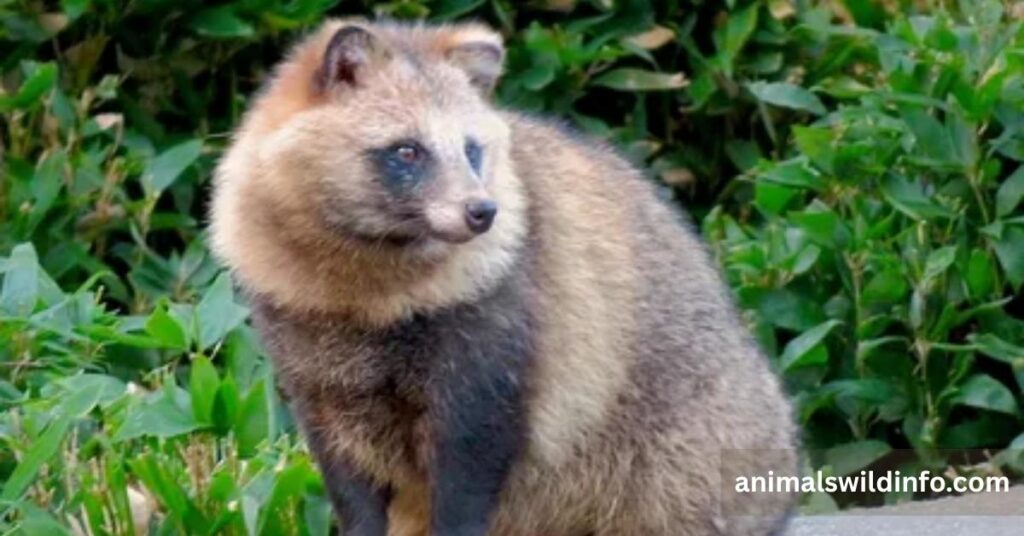
Don’t let the name fool you. The Japanese Raccoon Dog, known locally as the tanuki, isn’t a raccoon at all. It belongs to the dog family, yet its masked face and round body make it an obvious visual match. In Japanese folklore, tanuki are shape-shifting tricksters, often shown with oversized bellies and mischievous grins. In real life, they’re opportunistic omnivores, adapting to both wild forests and city parks with ease. Few animals that look like raccoons carry this much cultural weight, appearing in centuries of stories, art, and even modern video games.
Red Panda
With its rust-colored coat and masked face, the red panda might be the most photogenic name on this list. It lives in the misty bamboo forests of the Himalayas, using sharp claws and a long tail for balance while it climbs. Despite its name, it isn’t closely related to the giant panda. Genetically, red pandas sit in their own unique family, though scientists have long debated how closely they connect to raccoons. Their diet leans heavily on bamboo, but they’ll also eat fruit, eggs, and insects when the opportunity arises.
Common Genet
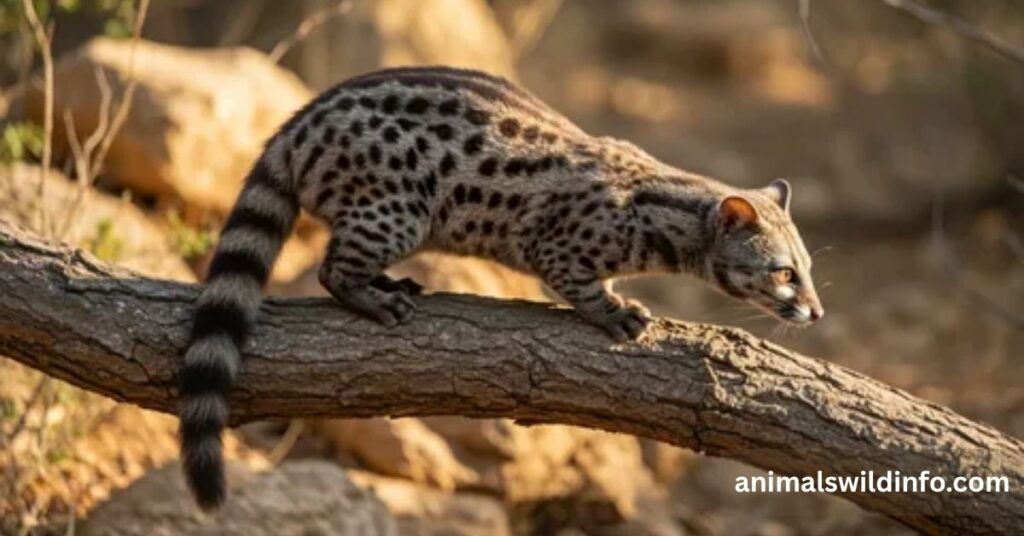
The common genet looks like someone crossed a cat with a raccoon, then added leopard spots for flair. Native to Europe and Africa, genets are exceptional climbers and nighttime hunters, using their long tails for balance on thin branches. Their masked eye markings and ringed tails give them an unmistakable resemblance to raccoons, even though they belong to the Viverridae family. Genets hunt small rodents, birds, and insects with quiet precision, relying on stealth rather than raw speed. In parts of rural Europe, they’ve even been semi-domesticated to help control household pests.
Palm Civet
The palm civet has one particularly famous claim to fame: it’s the animal behind kopi luwak, one of the world’s most expensive coffees. Found across Southeast Asia, this nocturnal climber eats coffee cherries, and the beans that pass through its digestive system produce a uniquely smooth brew. Beyond the coffee connection, palm civets are agile, tree-loving omnivores with a masked face reminiscent of raccoons. They spend most of their lives in the forest canopy, only coming down to forage when fruit runs low. Their quiet, solitary habits make them tricky to spot despite their wide range.
Read More: Top 18 Animals That Growl (With Pictures & Amazing Facts)
Burmese Ferret-Badger
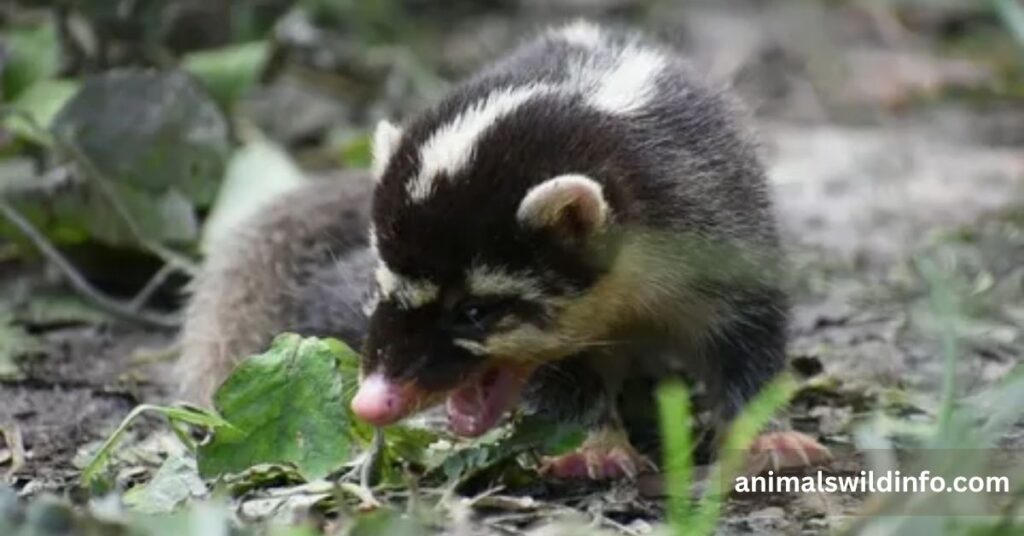
Small, striped, and endlessly curious, the Burmese Ferret-Badger thrives across the forests and farmlands of Southeast Asia. Its compact body and masked face create an instant visual link to raccoons, even though it’s part of a completely different mammal group. This little forager eats insects, small mammals, and fruit, adjusting its diet depending on what the season offers. Ferret-badgers are known for surprisingly expressive vocal communication, using chirps and grunts to interact with others nearby. Despite living close to humans in many areas, they remain one of the least-studied animals on this entire list.
Fisher
The fisher is a powerful, fast-moving hunter found across North American forests, and it’s one of the few animals bold enough to prey on porcupines. Its dark, sleek fur and low-slung body give it a raccoon-adjacent silhouette, but its hunting style is all business. Fishers are solitary and territorial, covering large ranges in search of squirrels, rabbits, and birds. Unlike raccoons, they rarely scavenge near human settlements, preferring dense, undisturbed woodland. Their reputation as fierce, efficient predators has made them a subject of both respect and folklore among trappers and hikers alike.
Marten
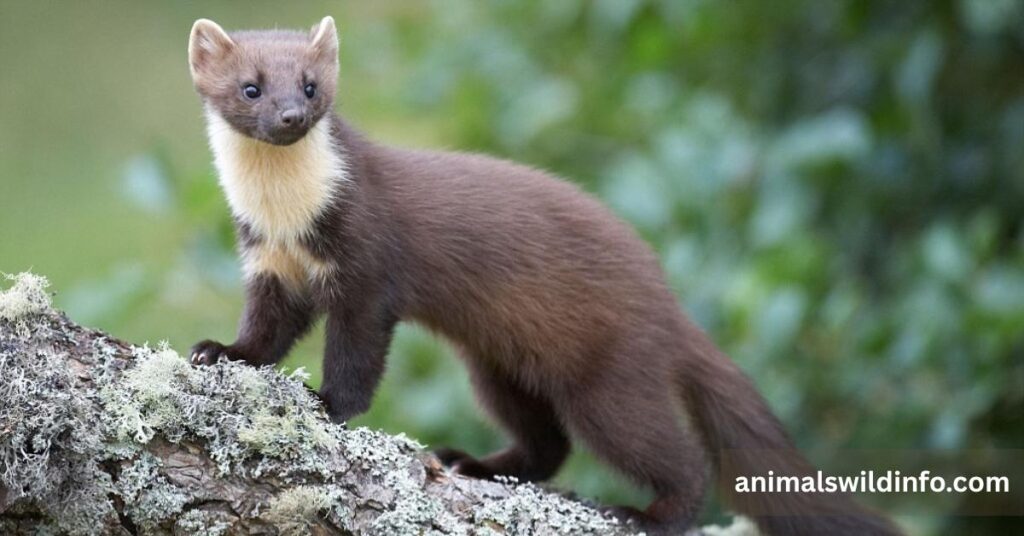
Sleek, quick, and endlessly curious, the marten spends much of its life chasing squirrels through the treetops. Found across North America and parts of Europe, martens combine sharp senses with real climbing skill, letting them thrive in dense forest mammals communities. Their diet includes birds, rodents, and insects, though they’ll happily eat berries when meat is scarce. Martens communicate through a range of chirps and whistles, adding a surprisingly vocal layer to their otherwise solitary lifestyle. Their luxurious fur historically made them a prized target for trappers, which pushed some populations toward serious decline.
American Badger
Built low, wide, and powerful, the American Badger digs its way through life rather than climbing it. Its masked facial pattern echoes a raccoon’s look, but everything else about this animal says “built for burrowing.” Using massive claws, badgers excavate rodents from underground tunnels with astonishing speed and strength. They’re mostly solitary, though breeding season sometimes brings temporary family groups together. Native to the grasslands and prairies of North America, badgers play an important ecological role by controlling rodent populations and aerating soil through their extensive digging.
Wolverine
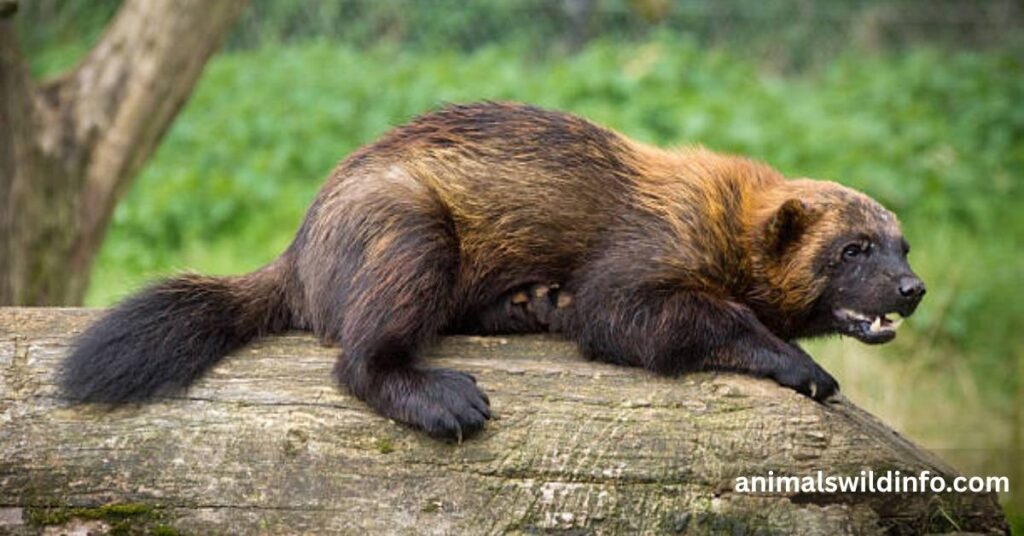
Few animals earn a reputation quite like the wolverine. Despite weighing less than most house dogs, this Arctic and subarctic mammal is famous for its sheer toughness, sometimes even driving off animals many times its size. Its dark fur, bushy tail, and stocky build echo a raccoon’s shape, though the resemblance ends there fast. Wolverines are solitary scavengers and hunters, covering huge territories in search of carrion, small mammals, or berries. They’re built for cold, brutal environments where few other wild animals like raccoons could survive for long.
Skunk
Everyone knows the skunk for one very specific defense mechanism, but there’s more to this animal than its spray. Skunks are dexterous foragers, using their front paws to dig through soil, trash, or leaf litter much like raccoons do. Their black-and-white coloring isn’t a mask exactly, but it creates the same unmistakable, easy-to-spot pattern. Skunks are true omnivorous mammals, eating everything from insects and small rodents to garden vegetables and fallen fruit. Their comfort around human neighborhoods has earned them the same “trash panda” nickname often given to raccoons themselves.
Fox
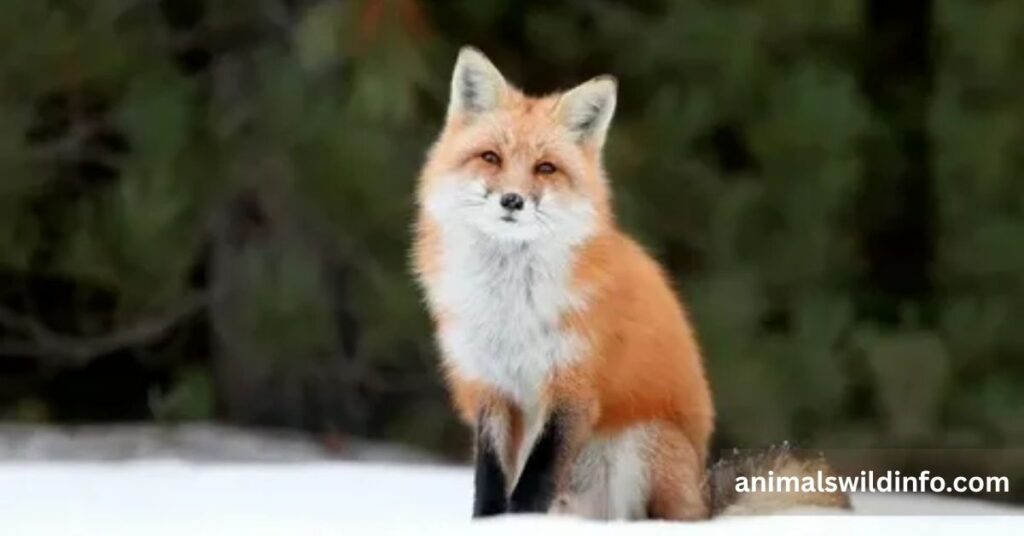
The fox rounds out this list as one of the most widespread and adaptable animals in the Northern Hemisphere. Found in forests, farmland, deserts, and even major cities, foxes share a raccoon’s knack for thriving wherever food is available. Their reputation for cunning isn’t just folklore either, since foxes show genuine problem-solving skills when hunting or avoiding predators. Both foxes and raccoons hunt mostly at night, relying on sharp senses to navigate the dark. That shared nocturnal lifestyle, paired with their opportunistic diets, explains why the two are so often compared.
Read More: 17 Incredible Animals With Scales You Should Know (With Pictures)
Why Do These Animals Look Like Raccoons?
Nature has a funny habit of reusing good designs. When unrelated animals face similar challenges, like hunting at night or climbing trees, they often evolve similar solutions, even without sharing recent ancestry. Scientists call this convergent evolution, and it explains why a genet from Europe and a ringtail from Arizona can look so alike despite living continents apart. Masked mammals with dark eye patches often gain better night vision by reducing glare, which is exactly why so many nocturnal species share that same “bandit” look.
Body shape follows a similar pattern. Bushy-tailed animals use their tails for balance while climbing, and a ringed pattern may help with visual signaling between family members in low light. Mammals with dexterous paws, like coatis and kinkajous, evolved that flexibility because it helps them forage in tight spaces, whether that’s a hollow log or a fruit-laden branch. The raccoon’s toolkit isn’t unique. It’s simply one especially successful version of a formula that keeps showing up across the animal kingdom.
How Are These Animals Different from Raccoons?
Looks can be deceiving, and that’s certainly true here. Many animals related to raccoons on this list, like the tanuki or the genet, aren’t part of the Procyonidae family at all. The tanuki belongs to Canidae, the dog family, while the genet belongs to Viverridae, a group that also includes civets. Even within Procyonidae, differences run deep. Coatis are social and diurnal, while raccoons are largely solitary and active at night, showing that shared ancestry doesn’t guarantee shared habits.
Diet and defense also set these animals apart. Red pandas eat almost exclusively bamboo, a stark contrast to the raccoon’s famously flexible appetite. Skunks rely on a chemical spray for protection, something no raccoon can do, while badgers dig instead of climb, favoring underground burrows over treetop dens. Even social structure varies wildly, from the tight troops of coatis to the fiercely solitary wolverine. These differences prove that a similar face doesn’t always mean a similar life.
Where Are Animals Like Raccoons Found?
Wildlife similar to raccoons turns up on nearly every continent in the Northern Hemisphere, plus a good chunk of Central and South America. North American mammals on this list include the ringtail, fisher, marten, badger, skunk, and fox, all thriving across forests, prairies, and even suburban backyards. Head further south, and you’ll find Central American mammals like the coati, cacomistle, and kinkajou living in dense rainforests and cloud-covered mountains, where warm, humid air supports year-round foraging.
Cross the ocean, and the pattern continues. Japan is home to the tanuki, while the common genet and palm civet cover ground across Europe, Africa, and Southeast Asia. The red panda claims the misty bamboo forests of the Himalayas, and the wolverine survives in some of the coldest, harshest terrain on Earth. From tropical rainforest mammals to Arctic survivors, this group proves that the raccoon’s basic blueprint works in almost any climate, given the right adaptations.
Can Any of These Animals Be Kept as Pets?
A few of these animals occasionally show up in the exotic pet trade, though it’s worth thinking twice before bringing one home. The kinkajou is probably the most commonly kept, thanks to its gentle look and social nature, though it requires specialized care, a warm climate, and often a state permit in the USA. The common genet also appears in some private collections, valued for its cat-like temperament, but it still carries strong wild instincts that don’t disappear with domestication.
Most of the animals on this list, though, simply aren’t suited for home life. Wolverines, badgers, and fishers need enormous territories and specialized diets that no household can realistically provide. Red pandas are protected and endangered, meaning private ownership is illegal in most places anyway. Wildlife experts generally recommend supporting accredited sanctuaries or zoos instead, since these organizations can meet an exotic animal’s real needs far better than any backyard enclosure ever could.
Final Thoughts
From the misty cloud forests of the Andes to the icy stretches of the Arctic, animals like raccoons show up in more places, and more forms, than most people realize. Some, like the coati and ringtail, share a direct family connection. Others, like the tanuki and genet, simply evolved similar tricks for similar problems, proving just how creative nature can be when solving the puzzle of survival. Each species brings its own twist on the raccoon’s now-familiar formula of curiosity, cleverness, and adaptability.
Next time you spot a masked face in the woods, don’t assume it’s a raccoon right away. It might be a ringtail scaling a canyon wall, a coati snuffling through leaf litter, or a genet balancing on a branch halfway across the world. Take a moment to appreciate these lesser-known mammal species, and consider supporting local wildlife conservation efforts. The more we understand these creatures, the better equipped we are to protect the wild spaces they call home.
Frequently Asked Questions
The ringtail and the coati are two of the closest matches, both belonging to the same Procyonidae family as the raccoon. They share the ringed tail, the masked face, and the same curious, foraging nature that makes raccoons so recognizable.
The ringtail is generally considered the closest living relative of the raccoon in North America. It shares the same family, similar body proportions, and comparable nocturnal habits, making it the nearest true match on this entire list.
Beyond the ringtail and coati, animals like the kinkajou, cacomistle, olinguito, and Northern Olingo all belong to the same procyonid family. Further afield, the tanuki, genet, and red panda offer a similar look without the shared bloodline.
The Japanese Raccoon Dog, or tanuki, is a great example. It belongs to the dog family, not the raccoon family, yet its masked face and round body fool plenty of people. The common genet and palm civet create similar confusion despite their unrelated ancestry.