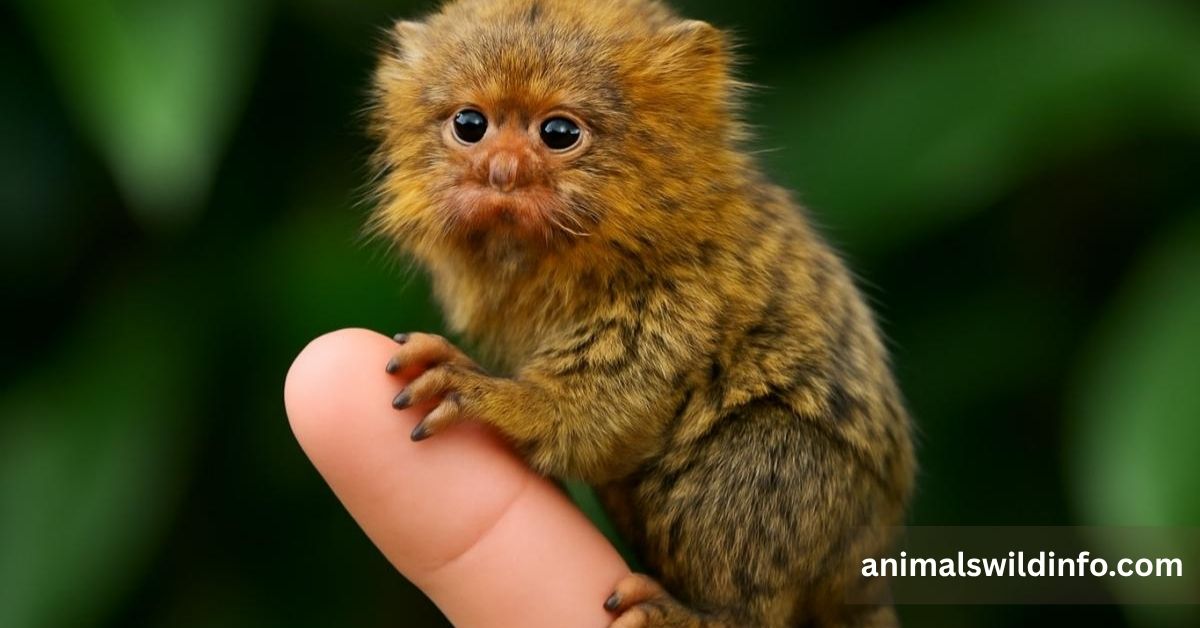
15 Amazing Tiny Monkey Breeds You Need to See (With Pictures)
Some monkeys could curl up in the palm of your hand. Others weigh less than a bag of sugar. If you thought all primates swung around like chimpanzees, think again. The world of small monkey species is stranger, smaller, and far more colorful than most people realize.
This guide walks you through 13 of the most fascinating tiny monkey breeds on Earth, from the world’s smallest primate to a tamarin sporting a mustache that would make any barber proud. You’ll learn where these tiny primates live, what they eat, and why some of them make headlines while others stay hidden deep in the rainforest canopy. Whether you’re curious about pet monkeys, obsessed with wildlife trivia, or just love a good animal fact, you’re in the right place.
What Are Small Monkey Breeds?
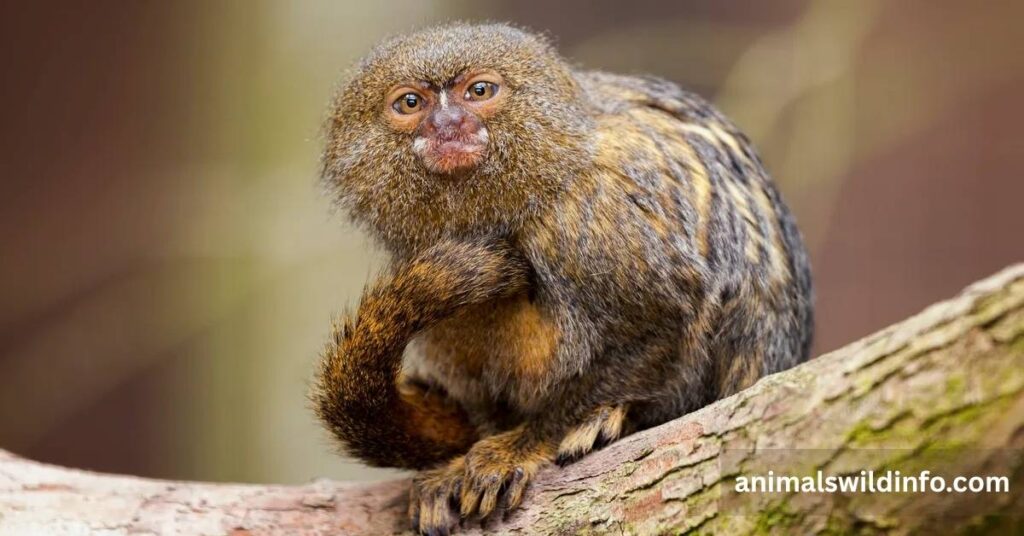
Small monkey breeds are, unsurprisingly, the pint-sized members of the primate family. Most of these tiny primates fall under the New World monkeys category, meaning they hail from Central America and South America rather than Africa or Asia. Their size ranges wildly, from a few ounces to a few pounds, yet each species packs impressive intelligence and complex social behavior into a small frame.
The bulk of these smallest primates belong to two closely related families: marmosets and tamarins, both part of the Callitrichidae group. Their compact bodies evolved for a reason. Living high in the forest canopy rewards agility over bulk, and a lighter body makes leaping between thin branches far safer. That single adaptation explains why so many arboreal monkeys stayed small while their cousins elsewhere grew larger.
List of the Smallest Monkey Breeds
Before jumping into each profile, here’s a quick snapshot of where these monkey species rank by size and home region. Consider this your cheat sheet for the rest of the article.
| Monkey | Approx. Weight | Native Region |
| Pygmy Marmoset | 100-150 g | Amazon Rainforest |
| Common Marmoset | 250-350 g | Brazil |
| Silvery Marmoset | 300-400 g | Brazilian Rainforest |
| Goeldi’s Monkey | 400-680 g | Western Amazon Basin |
| Golden Lion Tamarin | 450-800 g | Brazil (Atlantic coast) |
| Cotton-Top Tamarin | 410-450 g | Colombia |
| Red-Handed Tamarin | 400-550 g | Northern South America |
| Graells’s Tamarin | 300-500 g | Bolivia, Peru |
| Emperor Tamarin | 300-500 g | Amazon Basin |
| Squirrel Monkey | 500-1,100 g | South America |
| Talapoin Monkey | 800 g-1.4 kg | Central Africa |
| Dusky Titi Monkey | 800-1,200 g | South America |
| Capuchin Monkey | 1.3-4.8 kg | Central and South America |
Now, let’s meet each one of these small but mighty primates up close.
Pygmy Marmoset
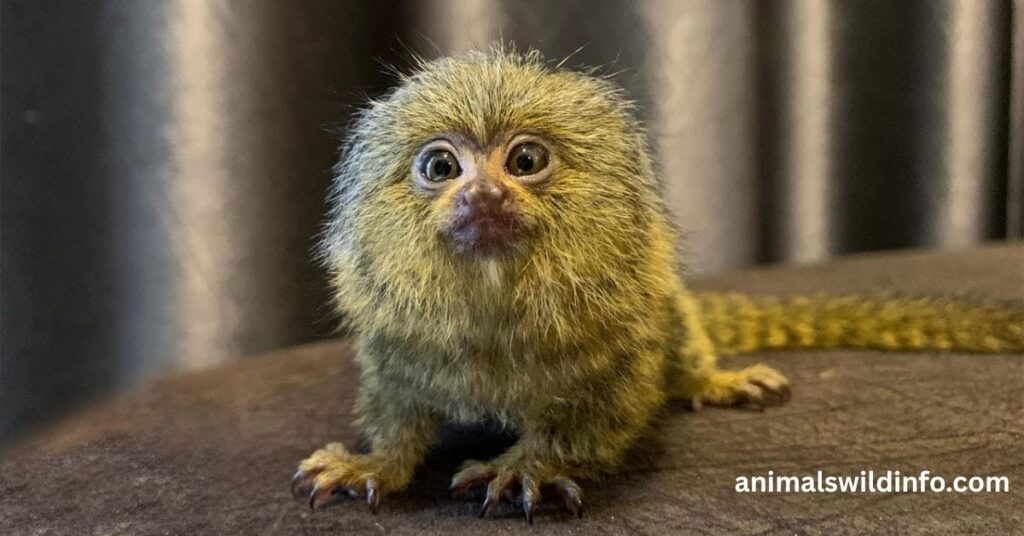
The Pygmy Marmoset, scientific name Cebuella pygmaea, holds the title of the world’s smallest monkey, weighing barely 100 to 150 grams and measuring just under 5 inches long. Native to the Amazon Rainforest, this tiny creature spends its days gnawing on tree bark to feed on tree sap, using specialized teeth built just for that purpose.
Despite its size, the Pygmy Marmoset shows sharp monkey intelligence and strong family bonds, living in tight groups that rarely stray far from a single feeding tree. Its claw-like nails give it excellent grip while climbing, making it one of the most impressive tree-dwelling monkeys relative to its size. If you ever get the chance to see one, you’ll understand instantly why it draws so much attention despite fitting in your palm.
Read More: 22 Most Docile Animals in the World (With Pictures)
Common Marmoset
Callithrix jacchus, better known as the Common Marmoset, lives across the forests of Brazil in tight social groups with a clear hierarchy. This species communicates through a wide range of trills and chirps, and its complex monkey communication style reflects a surprisingly rich social structure for such a small animal.
Its diet leans heavily on insects and tree sap, which shapes both its foraging habits and its role within the forest canopy ecosystem. The Common Marmoset has also grown popular in the exotic pet trade, though experts warn that isolating such a social creature can cause real stress. Anyone considering one of these exotic monkeys as a pet should think hard about the social needs involved first.
Silvery Marmoset
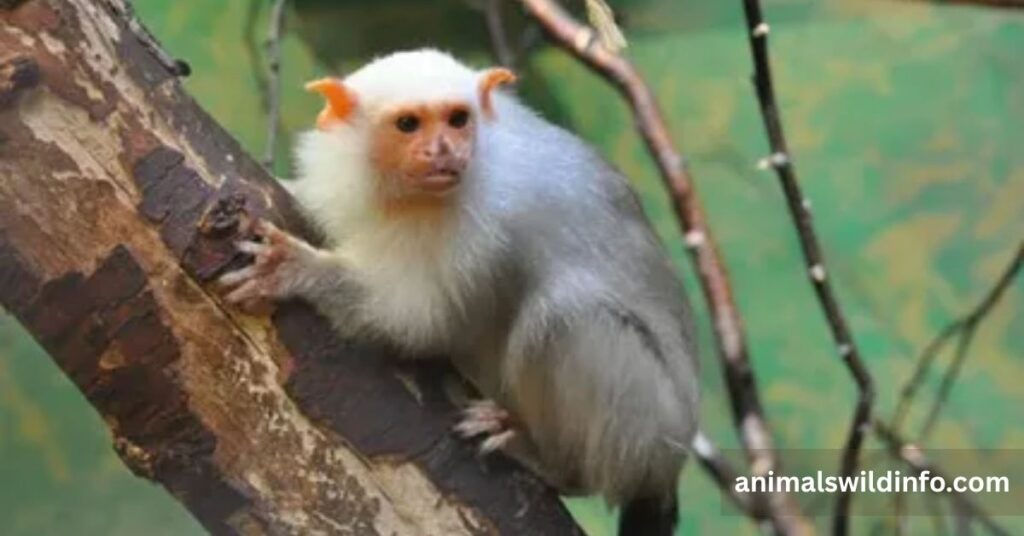
The Silvery Marmoset, or Mico argentatus, stands out with its shimmering silver-white fur against the green backdrop of the Brazilian Rainforest. This small primate moves through the trees with impressive agility, hunting insects and foraging for fruit along the way.
Beyond its striking appearance, the Silvery Marmoset plays a key role in seed dispersal, helping regenerate the very forest it calls home. Its social groups stay close-knit, relying on vocal calls to keep track of each other across dense foliage. For anyone fascinated by monkeys with white fur, this species offers one of the most visually striking examples in the wild.
Goeldi’s Monkey (Goeldi’s Marmoset)
Goeldi’s Monkey occupies an unusual spot in primate classification. Though it looks like a typical marmoset, scientists place it in its own genus due to key differences in tooth structure and behavior. Found across the western Amazon Basin, this monkey species stands out with its dark, almost black fur and preference for foraging closer to the ground than most of its canopy-dwelling relatives.
Unlike many small monkeys that stick strictly to the treetops, Goeldi’s Monkey shows real flexibility in habitat use, moving between lower branches and forest floor debris to find insects, fungi, and fruit. This adaptability makes it a fascinating case study in monkey adaptations, showing that even closely related species can carve out very different survival strategies within the same rainforest.
Golden Lion Tamarin
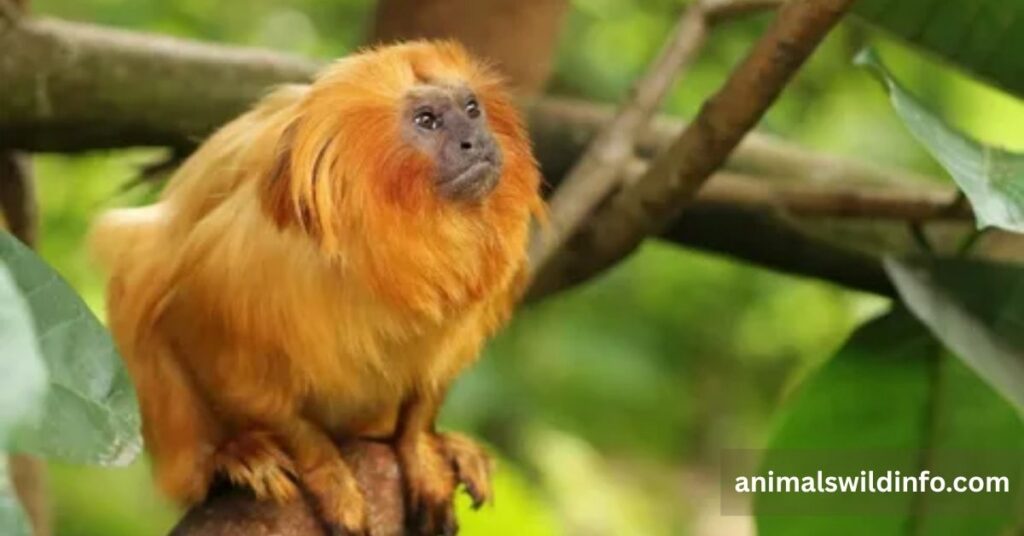
With its fiery orange mane and expressive face, the Golden Lion Tamarin, or Leontopithecus rosalia, ranks among the most recognizable tiny monkey breeds on this list. Native to Brazil’s Atlantic coastal forests, this species relies on strong family cooperation, living in groups of up to six that work together to raise young and defend territory.
Conservation success stories don’t come easy, but the Golden Lion Tamarin offers one of the better examples in wildlife conservation history. Once critically endangered due to deforestation, targeted breeding and habitat protection programs have helped stabilize wild populations. Its ongoing recovery highlights just how much difference focused animal conservation efforts can make for endangered primates.
Cotton-Top Tamarin
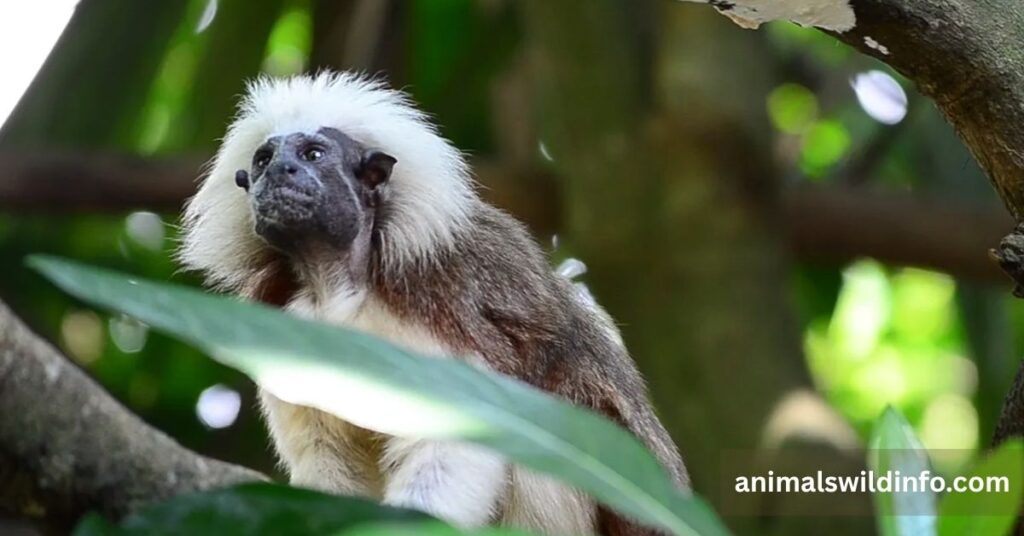
The Cotton-Top Tamarin, scientific name Saguinus oedipus, sports a shock of white fur atop its head that looks like it walked straight out of a rock concert. Native to the tropical forests of Colombia, this small primate lives in tight family units and communicates through an impressive range of chirps and whistles.
Unfortunately, the Cotton-Top Tamarin ranks among the most endangered monkey species alive today, threatened heavily by habitat loss and the illegal pet trade. Conservationists now push ecotourism as an alternative economic model, giving local communities a reason to protect forests rather than clear them. Every wild sighting of this tamarin serves as a reminder of how fragile its future really is.
Read More: 20 Animals with Big Eyes That Will Surprise You (With Pictures)
Red-Handed Tamarin
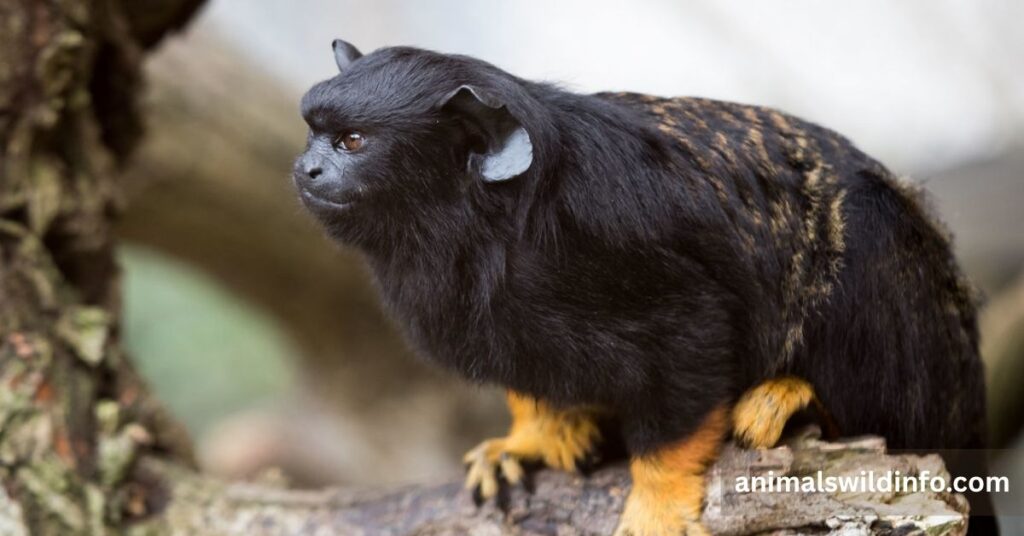
Bright orange limbs against a jet-black body make the Red-Handed Tamarin, or Saguinus midas, instantly recognizable in the wild. Found across northern South America, this species thrives on a mixed diet of fruit, insects, and small vertebrates, foraging with impressive speed through the forest canopy.
What makes this tamarin truly special is its cooperative streak. Red-Handed Tamarins often team up with capuchin monkeys, sharing lookout duties to spot predators and locate food sources faster. This kind of cross-species teamwork shows off remarkable monkey social behavior, proving that survival in the rainforest sometimes depends on friendships beyond your own family tree.
Graells’s Tamarin
Native to the forests of Bolivia and Peru, Graells’s Tamarin, scientifically known as Leontocebus graellsi, combines golden and black fur into a striking coat pattern. This small monkey lives in tight family groups, filling the canopy with constant chatter that reflects both bonding and coordination during foraging trips.
As a reliable seed dispersal agent, Graells’s Tamarin helps maintain plant diversity throughout its habitat, something researchers increasingly recognize as vital to overall biodiversity. Sadly, like so many of its cousins, this tamarin faces mounting pressure from deforestation across its native range. Protecting species like this one means protecting the entire ecosystem they help sustain.
Emperor Tamarin
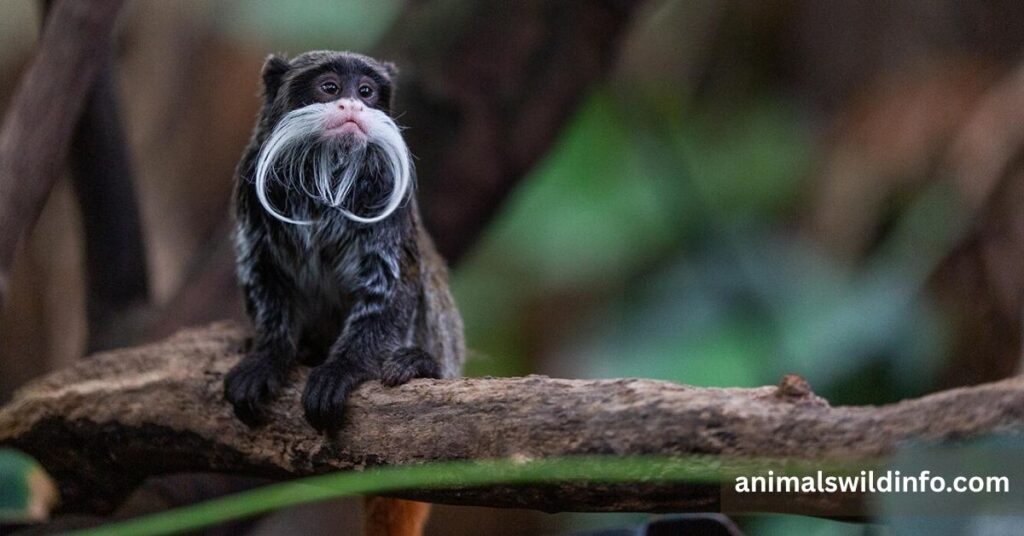
You can’t mistake the Emperor Tamarin once you spot that signature white mustache curling from its upper lip. Living across the Amazon Basin, this small primate earned its regal name thanks to a resemblance some 19th-century biologists spotted between the tamarin and a German emperor’s iconic facial hair.
Beyond the novelty of its look, the Emperor Tamarin displays playful, highly social behavior, living in groups that rely on grooming and vocal calls to strengthen bonds. Its diet of fruit, insects, and small prey keeps it constantly active throughout the forest canopy. Wildlife photographers often single this species out as one of the most charismatic cute small monkey breeds in the Amazon.
Squirrel Monkey
Fast, playful, and endlessly curious, the Squirrel Monkey, or Saimiri sciureus, ranks among the most agile of all tropical monkeys. Its yellow-black fur and expressive face make it instantly likable, and its acrobatic leaps through the canopy showcase serious athletic ability for such a small body.
Beyond the fun factor, Squirrel Monkeys display complex vocal communication and tight-knit family structures that reinforce cooperative behavior. Their diet leans frugivorous, though they’ll happily supplement it with insects and small vertebrates when the opportunity arises. This flexible approach to feeding helps explain why Squirrel Monkeys thrive across such a wide range of rainforest monkeys habitats in South America.
Talapoin Monkey
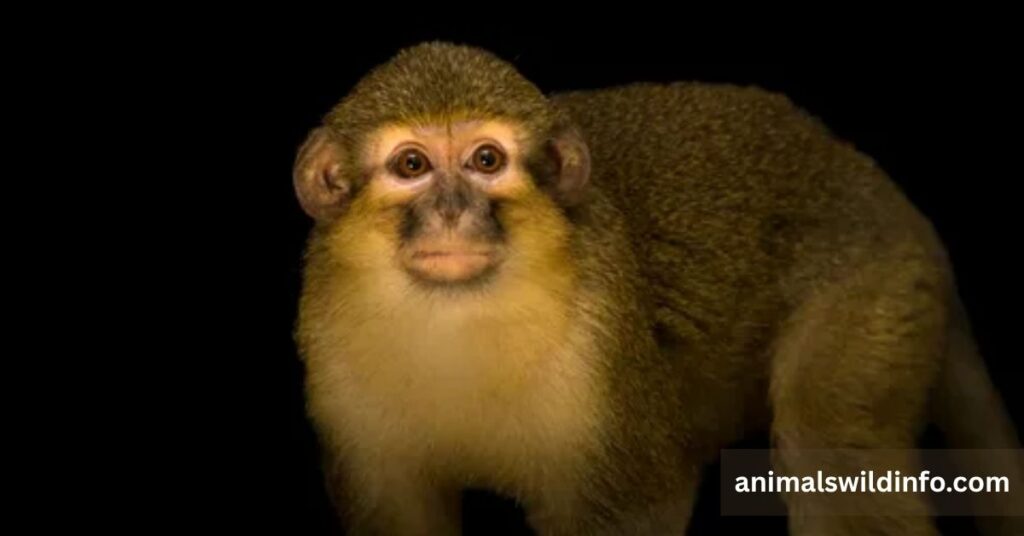
While most of this list calls South America home, the Talapoin Monkey, or Miopithecus talapoin, hails from the swamps and forests of Central Africa instead. Weighing between roughly 4 and 10 pounds, this species lives in surprisingly large groups, sometimes numbering up to 30 individuals.
Talapoins rely on a wide vocal range to alert their group of danger and coordinate movement while foraging. Though not currently listed among endangered primates, habitat loss still threatens their long-term survival. Their unique position as one of the few tiny monkey breeds found outside the Americas makes them a fascinating outlier on any list of small primates.
Dusky Titi Monkey
The Dusky Titi Monkey, scientifically labeled Callicebus moloch, wins points for loyalty. This species forms strong pair bonds, often staying with the same partner for life, grooming and embracing each other in ways that highlight deep monkey social behavior. Its dark, dense fur provides excellent camouflage against the shadows of the forest understory.
Titi monkeys rely heavily on their prehensile tails to navigate between branches, and their diet of fruits and leaves places them firmly among the important seed dispersal contributors of their ecosystem. Sadly, ongoing deforestation across South America continues to shrink their available habitat. Protecting titi populations means protecting the quiet, tangled forest layers they call home.
Capuchin Monkey
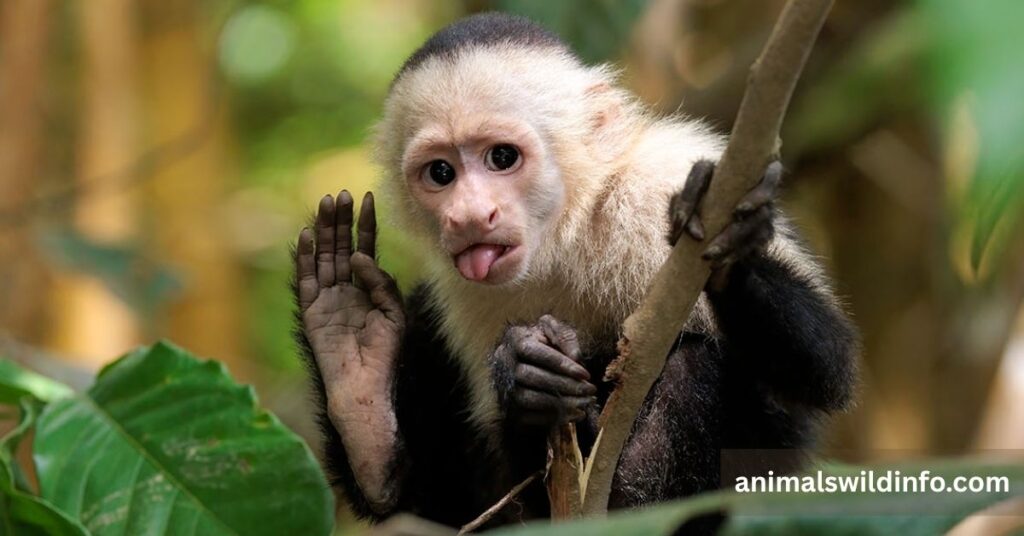
No list of clever primates is complete without the Capuchin Monkey, famous for its problem-solving skills and tool use. Native to Central and South America, capuchins have been observed cracking nuts with stones and using sticks to extract insects, behavior that places them among the most intelligent monkeys in the entire animal kingdom.
Capuchins form complex social groups built on cooperation, and researchers have documented behavior that looks strikingly close to empathy. In captivity, they bond closely with human caretakers, though experts warn that keeping such an intelligent, socially demanding animal as a pet raises serious ethical questions. Anyone drawn to Capuchins should look first toward sanctuaries and conservation programs rather than private ownership.
Are Tarsiers Really Monkeys?
Here’s a fact that surprises a lot of people. The tarsier often shows up on lists of tiny monkey breeds, yet it isn’t technically a monkey at all. Tarsiers belong to a separate primate group called prosimians, more closely related to lemurs than to marmosets or tamarins. Their massive eyes, nocturnal habits, and ability to rotate their heads almost fully around set them apart from true monkeys in some important biological ways.
Even so, tarsiers deserve a mention here since so many people search for them alongside genuine small monkey species. Native to Southeast Asia, these nocturnal primates hunt insects using extraordinary hearing and jumping ability that rivals any frog. So while you can admire the tarsier’s tiny frame right alongside a Pygmy Marmoset, just remember you’re technically looking at two very different branches of the primate family tree.
Read More: 22 Quiet Animals in the World: Silent Creatures You Should Know
Marmosets vs. Tamarins: What’s the Difference?
At first glance, marmosets and tamarins look nearly identical, and honestly, that confusion makes sense. Both belong to the Callitrichidae family, both stay small, and both live in tight social groups across South America. However, a few key differences set them apart once you know what to look for.
Marmosets typically have shorter lower canine teeth, giving their jaw a slightly different shape suited for gnawing bark to reach tree sap. Tamarins, on the other hand, sport longer canines built more for a diet centered on fruit and insects. The table below breaks down these differences clearly.
| Trait | Marmoset | Tamarin |
| Canine teeth | Shorter, blunt | Longer, sharp |
| Primary diet | Tree sap, insects | Fruit, insects |
| Jaw structure | Adapted for gnawing bark | Adapted for biting fruit |
| Example species | Common Marmoset, Silvery Marmoset | Golden Lion Tamarin, Cotton-Top Tamarin |
Once you know these small anatomical clues, telling marmosets and tamarins apart gets a lot easier, even from photos alone.
Can Small Monkeys Be Kept as Pets?
The idea of owning a tiny monkey sounds charming, and honestly, who wouldn’t want a Pygmy Marmoset perched on their shoulder? But pet monkeys come with far more baggage than most people expect. Laws vary heavily by state across the US, with some banning private primate ownership outright and others requiring strict permits, enclosure standards, and veterinary oversight.
Beyond legality, the ethical questions run deep. Small monkeys are intensely social animals, and isolating one from its own kind often leads to serious behavioral and psychological stress. Their specialized diets, long lifespans, and complex monkey care requirements demand a level of commitment most households simply can’t provide. If you love these species, consider supporting accredited sanctuaries or ethical ecotourism instead of pursuing private ownership.
How to Identify Tiny Monkey Species
Spotting the difference between similar-looking small monkeys gets easier once you know what details to check. Start with size and overall body shape, since even a few ounces of difference can help narrow down the species. Next, look closely at fur color and pattern, since traits like a golden mane, a white crest, or silvery fur often point directly to a specific species.
Facial features offer another reliable clue. The Emperor Tamarin’s white mustache and the Cotton-Top Tamarin’s fluffy crest both work as instant identifiers once you know to look for them. Finally, consider location and habitat, since knowing whether you’re in the Amazon Basin, coastal Brazil, or Central Africa can immediately rule out several species from your list. Combine these four factors, size, color, facial markings, and region, and you’ll identify most tiny monkey breeds with real confidence.
Conclusion
From the palm-sized Pygmy Marmoset to the mustached Emperor Tamarin, tiny monkey breeds prove that small size never means small personality. These animals build tight family bonds, communicate through surprisingly complex calls, and play essential roles in keeping rainforest ecosystems healthy through seed dispersal and insect control.
Next time you come across one of these species, whether in a documentary, a sanctuary, or a research article, take a moment to appreciate just how much life fits into such a small frame. Protecting their rainforest homes means protecting an entire web of biodiversity that depends on them.
Frequently Asked Questions
The Pygmy Marmoset holds this title, weighing around 100 to 150 grams and measuring under 5 inches in body length. It lives across the Amazon Rainforest, feeding mainly on tree sap and insects.
That’s subjective, but the Emperor Tamarin, with its curling white mustache, and the Cotton-Top Tamarin, with its fluffy white crest, both rank as fan favorites for their distinctive, charming looks.
Marmosets have shorter canine teeth built for gnawing tree bark to reach sap, while tamarins have longer canines suited for a fruit and insect-based diet. Both belong to the same Callitrichidae family, though their feeding adaptations differ.
The Pygmy Marmoset takes this title once again, standing as the smallest confirmed monkey species on Earth by both weight and body length.
Common examples include the Pygmy Marmoset, Common Marmoset, Silvery Marmoset, Golden Lion Tamarin, Cotton-Top Tamarin, Red-Handed Tamarin, Emperor Tamarin, Squirrel Monkey, Talapoin Monkey, and Dusky Titi Monkey.
Yes, several species qualify as genuinely tiny, including the Pygmy Marmoset and Common Marmoset, both of which weigh under half a pound as fully grown adults.
Marmosets and tamarins both fit this description well, known for their expressive faces, small size, and playful, social behavior within tight family groups.