30 Skinny Animals in the World: Fascinating Facts & Pictures
Some animals survive by being big. Others survive by being thin. Skinny animals are proof that nature doesn’t need bulk to win. A slim body can mean more speed. It can mean better balance. It can mean the animal fits into places bigger creatures never could.
This guide covers 30 of the world’s most slim-bodied creatures. You’ll meet long-necked animals, skinny birds, tiny reptiles, and fish so thin they look like ribbons. Each one has a story about survival, and each one shows how body shape shapes destiny in the wild. Let’s dig in.
What Are Skinny Animals?
Skinny animals are creatures with a naturally lean body structure. This isn’t about being unhealthy or underfed. It’s a body adaptation built over thousands of years of evolution. Some species carry very little fat. Others have a lightweight skeleton that keeps them fast and flexible. Think of a greyhound next to a bulldog. Both are healthy dogs. One just has a streamlined body built for speed.
This trait shows up across every animal group. You’ll find thin reptiles, slim fish, skinny insects, and even tiny mammals with almost no body fat at all. What connects them is physical characteristics shaped by their habitat, their diet, and their role in the food chain.
Why Are Some Animals Naturally Skinny?
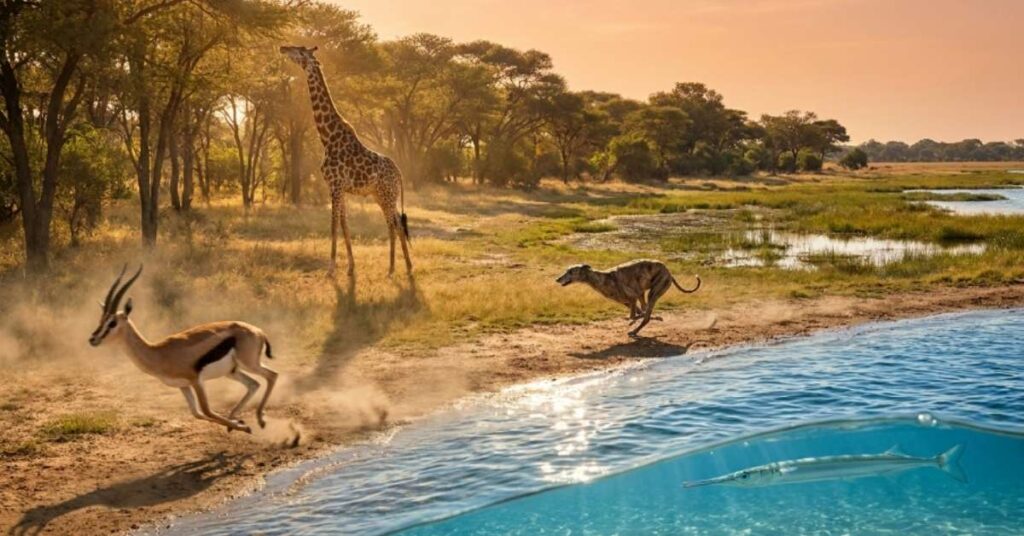
Natural selection rewards whatever helps an animal survive long enough to reproduce. For many species, that means staying light. A lean body burns less energy. It moves faster. It hides easier. Over generations, this body type becomes the norm for the whole species, not just a lucky few individuals.
Habitat plays a huge role too. Desert animals often go thin to release heat faster. Forest dwellers may stay slim to slip through branches. Ocean predators develop a streamlined body to cut through water with less drag. In every case, the goal is the same: survival strategy built directly into the body.
Top 30 Skinny Animals in the World
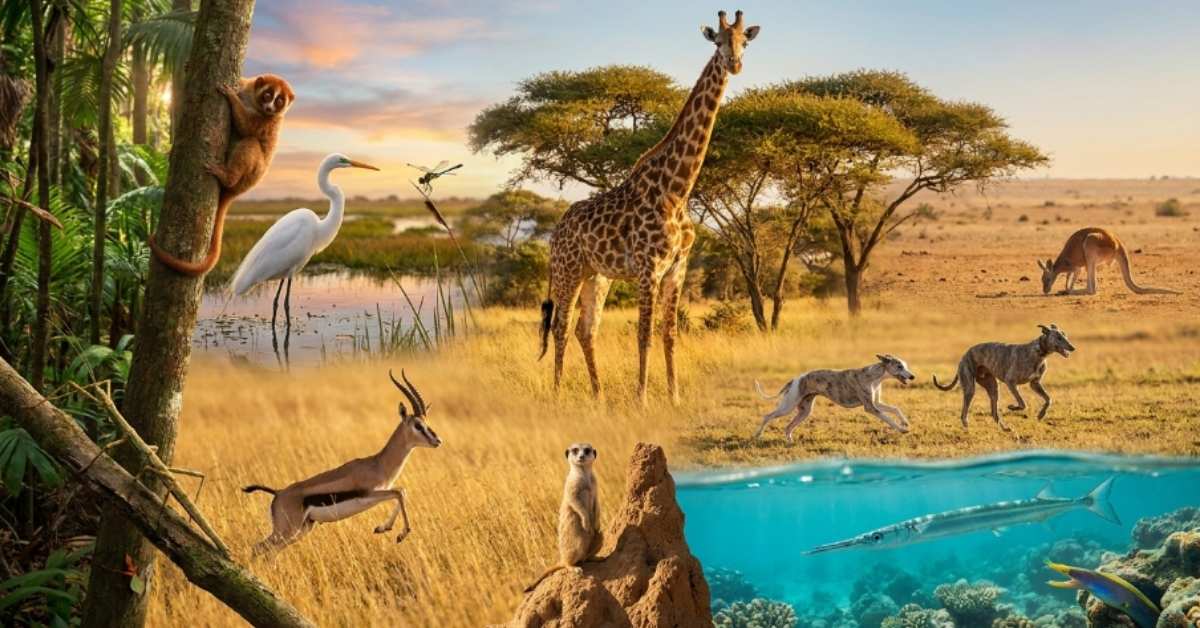
Here’s the full list. Each animal below made the cut for its elongated body, its narrow-bodied frame, or its record-setting slimness. You’ll find real facts, real habitats, and real reasons why staying thin works so well for them.
1. Great Egret
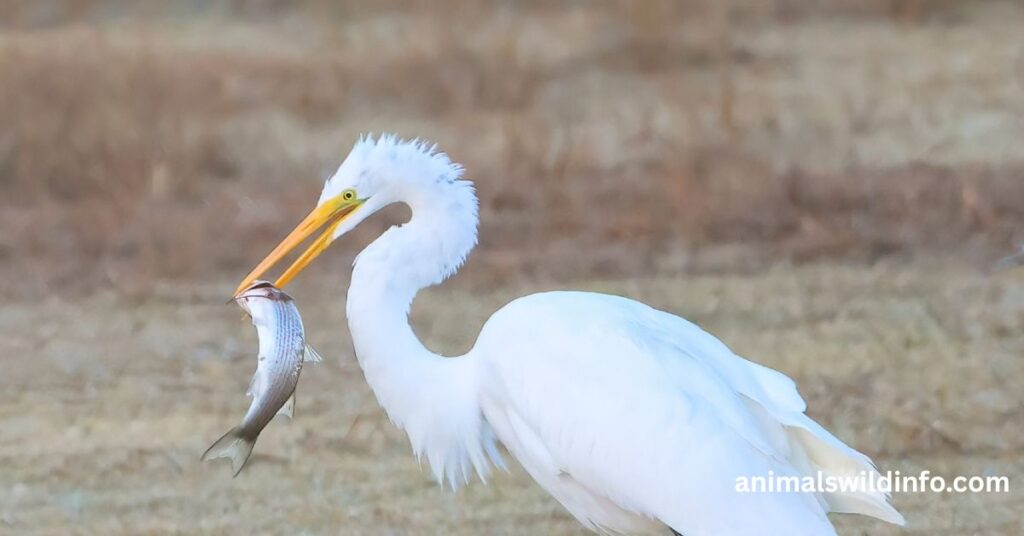
The Great Egret is one of the most graceful wetland birds on the planet. Its long neck and thin legs make it a textbook example of skinny birds built for hunting. It wades through shallow water, holding perfectly still, then strikes at fish with sudden speed. This patience-then-precision method makes it a skilled predator despite its delicate frame. Its white feathers and slender shape make it a favorite subject for photographers. The Great Egret also shows strong habitat flexibility, living in marshes, ponds, and coastal wetlands across the world. As wetlands shrink, this bird’s presence signals a healthy ecosystem, making it an important species for conservation efforts.
2. Common House Gecko
Small, quick, and often spotted on a wall near a porch light, the Common House Gecko is a classic example of thin reptiles thriving in human spaces. Its elongated body and minimal limbs give it a sleek, efficient shape for climbing. This gecko communicates through clicks and chirps, which is rare among reptiles. It hunts insects at night, making it a helpful, natural pest controller. Found across warm regions worldwide, it adapts easily to both wild and urban wildlife habitats. Its light frame lets it scale walls and ceilings with ease, something a bulkier lizard could never manage as smoothly.
See Also: 15 Animals That Eat Seeds: Fascinating Seed-Eating Animals
3. Meerkat
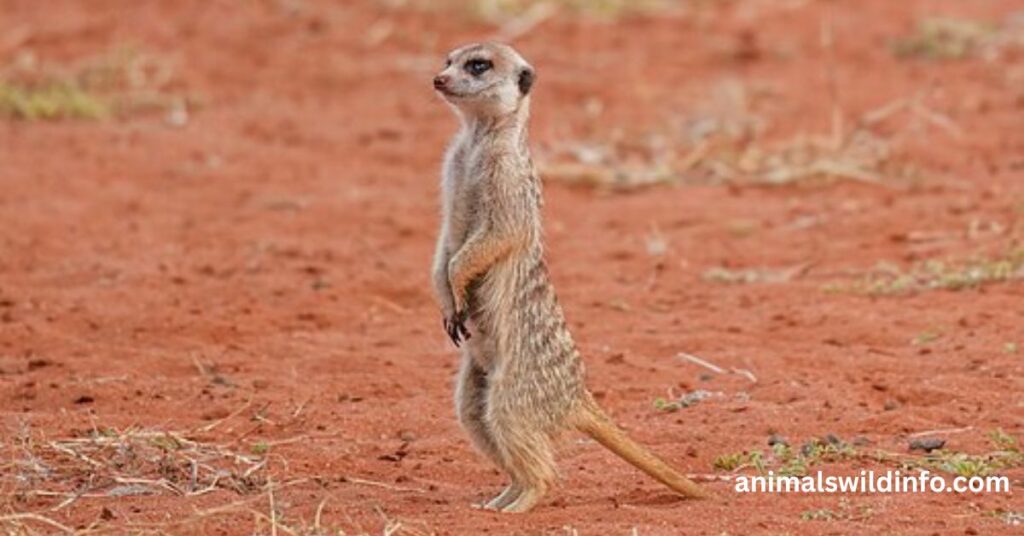
Meerkats are small, social mammals known for standing upright on their hind legs. Their lean body and narrow torso help them stay alert, scanning the horizon for danger. They live in tight groups called mobs, working together through animal behavior that looks almost human. Some meerkats forage while others act as lookouts, shouting alarm calls when a predator appears. This teamwork is a major reason meerkats survive so well in the harsh Kalahari Desert. Their thin build isn’t just for looks. It helps them dig fast, move fast, and dart into burrows the second danger shows up.
4. Gazelle
Few animals capture grace like the gazelle. This slender herbivore has thin, powerful legs built for one thing: speed. Gazelles can hit 60 kilometers per hour, and their leaping ability, called stotting, can send them six feet into the air. This jump isn’t random. It’s a signal to predators that says, “You won’t catch me.” Living in herds across grasslands and savannas, gazelles use group awareness alongside raw speed to survive. Their agile hunters natural enemies, like cheetahs, rarely succeed unless they catch a gazelle off guard. In open terrain, being thin and fast beats being big and strong.
5. Giraffe
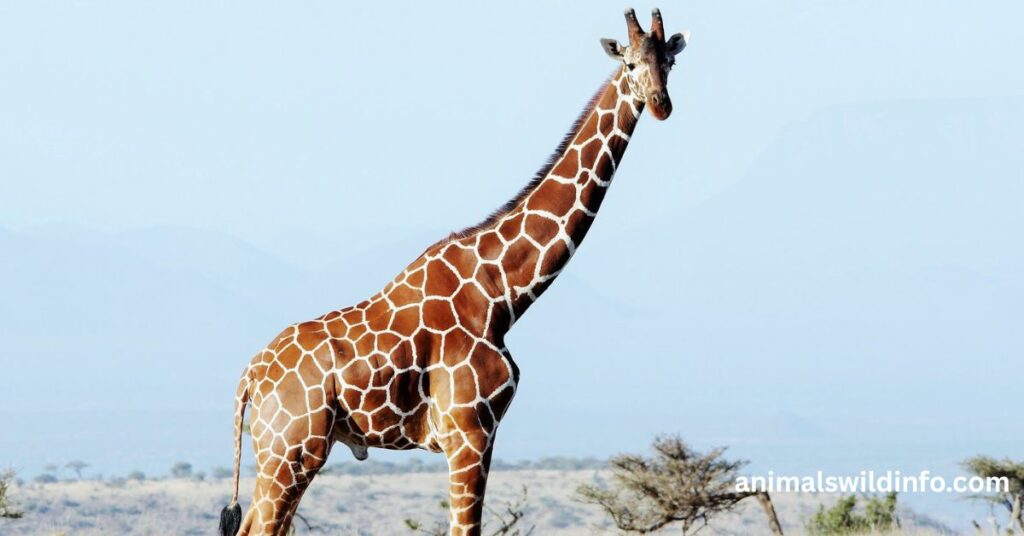
The giraffe holds the title for tallest land animal, and its long-legged mammals frame and stretched neck make it one of the most recognizable skinny animals on Earth. That neck isn’t just for show. It lets giraffes reach leaves other herbivores simply can’t, giving them access to food with almost no competition. Males also use their necks in “necking” battles, swinging their heads to prove dominance. Being tall and thin comes with risk though. Giraffes are more exposed to predators, so they rely on sharp eyesight and group grazing to stay safe. Their body shape is a trade-off between reach and vulnerability, and evolution clearly decided reach was worth it.
6. Needlefish
Needlefish live up to their name. Their elongated body and sharp jaw make them look like a spear built by nature. These marine predators dart through coastal waters, striking small fish and crustaceans with incredible accuracy. Their thin shape reduces water resistance, letting them move fast without wasting energy. Some needlefish species can even leap out of the water, gliding short distances to escape danger or close in on prey. This combination of speed and precision makes them efficient hunters despite their fragile appearance.
7. Stoat
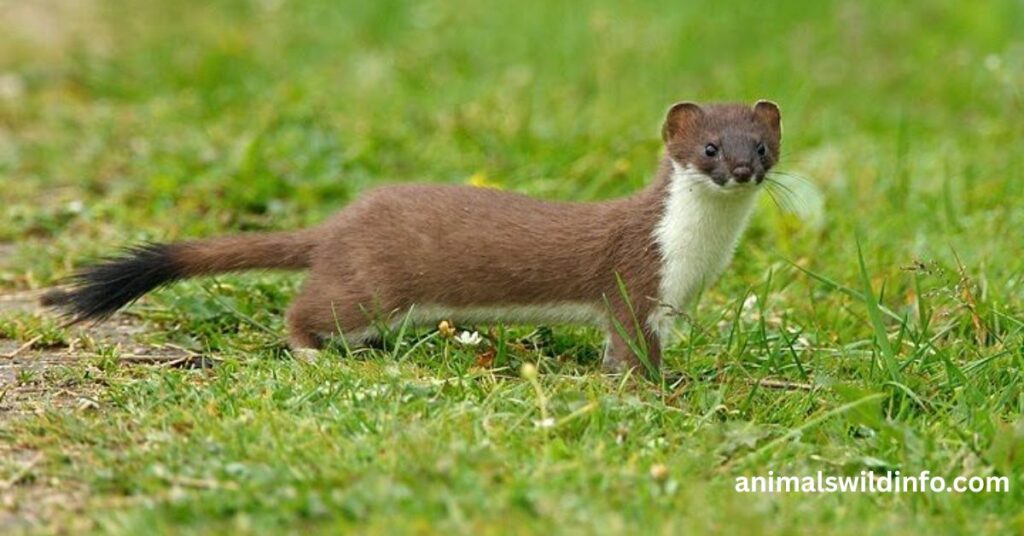
The Stoat is a small but fierce predator with a flexible body that lets it chase prey into tight burrows. Despite its size, it can take down animals far larger than itself, like rabbits. Its coat changes color with the seasons, brown in summer and white in winter, giving it natural camouflage year-round. Stoats also perform a strange, playful dance to distract prey before striking. This clever survival strategy shows that a thin frame doesn’t mean weak. In the world of small carnivores, the stoat proves that speed and cunning beat raw size every time.
8. Brookesia Micra Chameleon
This chameleon is one of the smallest reptiles on Earth, measuring less than an inch long. Its tiny, miniature reptiles body lets it disappear into leaf litter on the forest floor of Madagascar. Instead of relying on size for protection, it relies entirely on camouflage and stillness. Scientists see this species as a signal of ecosystem health. If Brookesia micra disappears from an area, it often means the forest is struggling. Small as it is, this chameleon carries big weight in conversations about biodiversity and habitat loss.
See Also: Top 19 Dirtiest Animals in the World (With Pictures)
9. Carolina Mantis
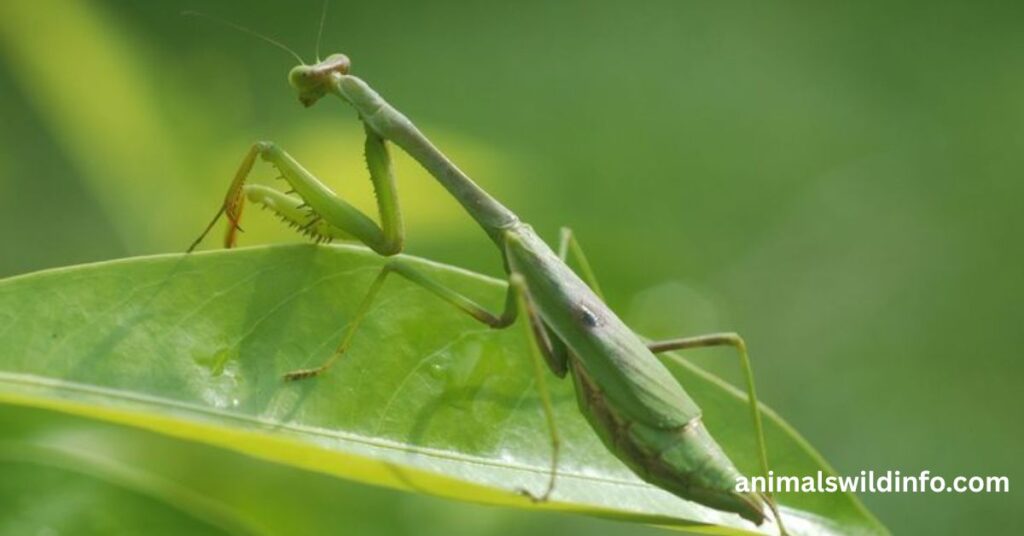
With a triangular head and a narrow-bodied frame, the Carolina Mantis is built for ambush. It blends into leaves and grass, waiting motionless before striking prey with lightning speed. Its slim shape helps it slide into tight garden spaces unnoticed. Mating season brings a dark twist. Female mantises sometimes eat their partners after mating, a behavior tied to reproductive success. Beyond the drama, this insect plays a useful role as a natural pest controller, helping balance ecological balance in gardens and grasslands across the eastern United States.
10. Whippet
The Whippet is one of the fastest skinny dog breeds in the world, built for short bursts of incredible speed. Its streamlined body and deep chest give it the lung capacity needed for quick sprints. Despite its athletic build, the Whippet is famous for being gentle and affectionate at home. Many owners call them “45 mph couch potatoes” because they love napping just as much as running. This mix of raw speed and calm temperament makes the Whippet a popular pick for families who want an athletic yet low-maintenance dog.
11. Alpaca
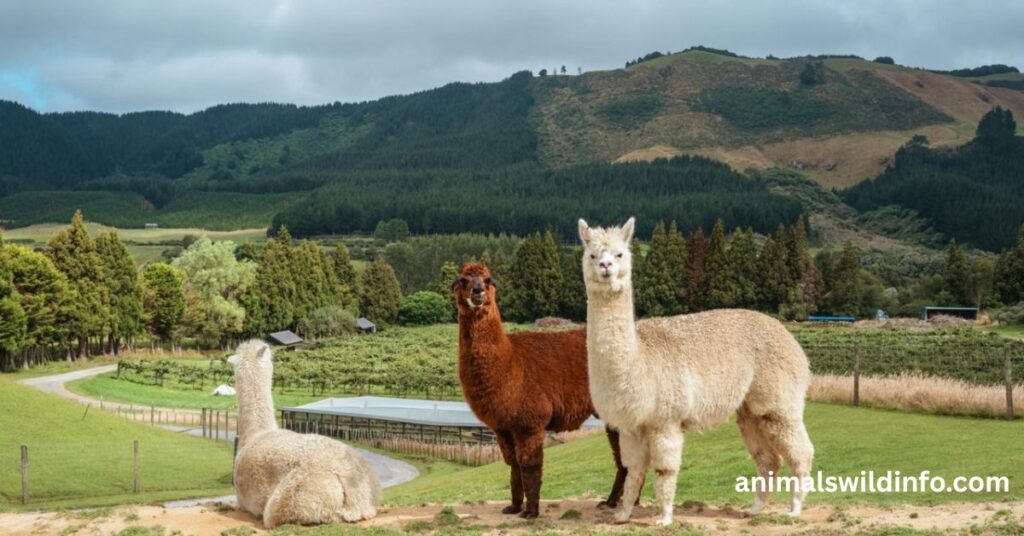
Alpacas may look fluffy, but underneath that fleece is a genuinely slender mammal frame. Their long, narrow neck helps them graze efficiently in the thin mountain air of the Andes. Alpacas live in social herds, forming gentle hierarchies based on age rather than aggression. Their fiber is prized worldwide because producing it requires far less land and water than raising sheep. This makes alpacas a smart, eco-friendly choice for sustainable farming, all while showing off one of the more elegant body shapes in the mammal world.
12. Greyhound
Bred for centuries as racing dogs, the Greyhound has a lean body animals build that lets it reach speeds up to 45 miles per hour. Its narrow waist and deep chest are pure engineering for speed. Yet despite this racing background, Greyhounds are famously relaxed at home. They’re often called gentle giants of the sighthound world, content to lounge for most of the day. Low grooming needs and a calm nature make them ideal companions, proving once again that a thin, athletic body doesn’t always mean a high-energy personality.
13. Stick Bug
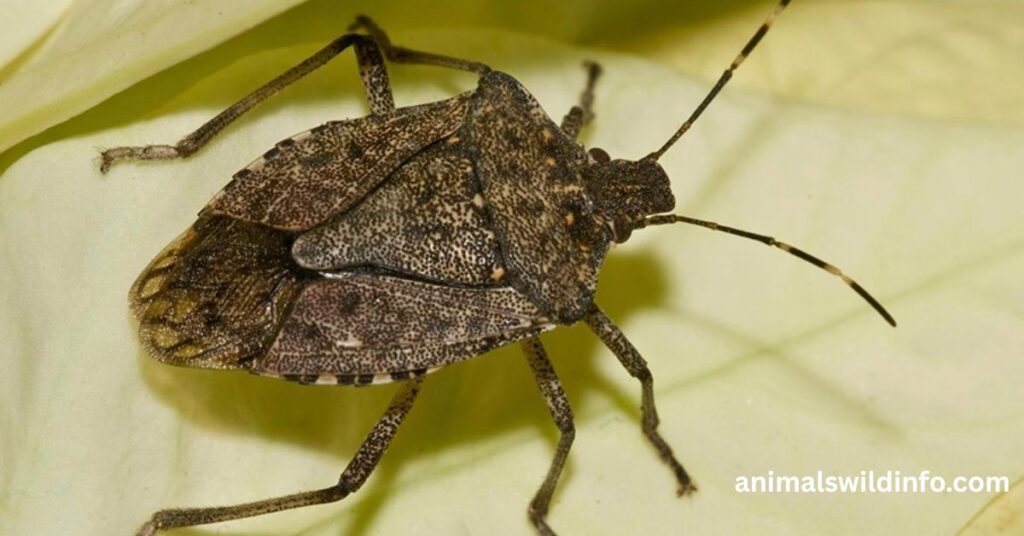
Stick bugs are masters of disguise. Their elongated body looks exactly like a twig, which keeps them safe from birds and other predators. This is one of the best examples of camouflage animals in the entire insect world. Many stick bug species reproduce without mating at all, a process called parthenogenesis, which helps populations grow even when males are scarce. Their slow, careful movements add to the illusion, since sudden motion would give away their disguise instantly. Simplicity, in this case, is the ultimate survival tool.
14. Red Slender Loris
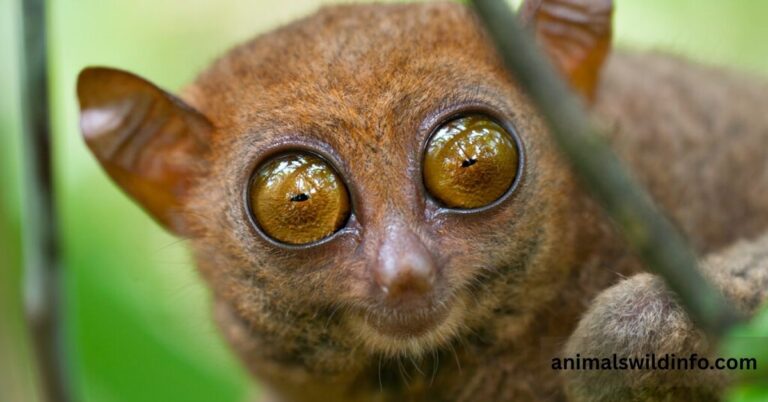
This small, nocturnal mammal has enormous eyes and impossibly long limbs. Native to the forests of South Asia, the Red Slender Loris hunts insects at night, helping control populations that would otherwise grow out of control. When threatened, it can freeze completely still for hours, a defense that works well against predators relying on movement to spot prey. Sadly, habitat loss and illegal poaching have pushed this creature toward endangered species status, making conservation efforts increasingly urgent.
See Also: Top 15 Animals With the Biggest Brains (With Pictures)
15. Shortfin Mako Shark
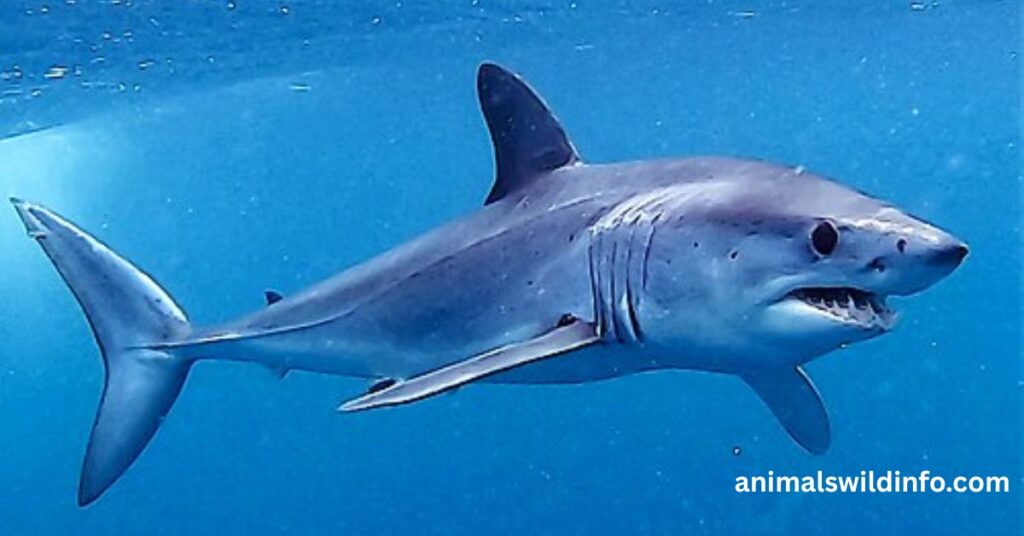
Few marine predators move as fast as the Shortfin Mako Shark. Its streamlined body lets it reach speeds up to 45 miles per hour, making it the fastest shark species in the ocean. Mako sharks are even warm-blooded, an unusual trait that lets them hunt in colder waters where other sharks struggle. They’re known for a hunting technique called porpoising, leaping out of the water to build momentum. This apex predator plays a key role in keeping fish and squid populations balanced across ocean ecosystems.
16. Kangaroo
Kangaroos combine a lean upper body with powerful hind legs, letting them leap up to 30 feet in a single bound. This unique locomotion style saves energy over long distances, which matters a lot in Australia’s dry, wide-open terrain. Kangaroos live in social groups called mobs, communicating through body language to stay coordinated. Female kangaroos can even adjust the nutritional content of their milk depending on their joey’s needs, a remarkable example of biological flexibility built right into their body adaptations.
17. Spotted Garden Eel
Found buried in sandy ocean floors, the Spotted Garden Eel keeps most of its elongated body hidden, leaving only the top half exposed to feed on passing plankton. Large colonies of these eels sway together in ocean currents, creating a strange, beautiful field-like effect underwater. Their spotted patterns help with camouflage and also let individuals recognize each other within the colony. This social, burrowing lifestyle makes them one of the more unusual ocean creatures on this list.
See Also: Top 14 Strongest Birds in the World (Ranked by Power & Strength)
18. Etruscan Shrew
Weighing less than a coin, the Etruscan Shrew is the smallest mammal on Earth by mass. This tiny mammal has a heart rate that can exceed 1,000 beats per minute, forcing it to eat almost constantly just to survive. Its speed and tiny size let it slip through leaf litter unnoticed by most predators. Despite its size, it plays a big role in controlling insect populations, proving that even the smallest vertebrates can matter enormously to an ecosystem.
19. Dragonfly
Dragonflies are some of the most skilled aerial insects on the planet. Their thin, elongated bodies and wide wingspan allow them to hover, dart, and even fly backward with total control. As natural predators, they help keep mosquito populations in check, which makes them useful allies for humans too. Because dragonflies are sensitive to pollution, their presence in an area often signals clean water and a healthy ecosystem. With more than 3,000 species worldwide, they’re a strong example of insect predators doing quiet but important ecological work.
20. Ferret
Ferrets bring playful energy wrapped in a slim-bodied frame. Domesticated originally for hunting, they’ve become popular pets thanks to their curious, mischievous personalities. Ferrets are highly social animals, often needing companionship from other ferrets to stay happy. Their long, narrow bodies let them squeeze into small spaces, a trait inherited from their wild burrowing ancestors. This blend of intelligence, energy, and physical flexibility makes them one of the more entertaining slender mammals to observe.
21. Ribbon Eel
The Ribbon Eel looks almost unreal, with a thin, wavy body and bright coloring that shifts as it matures. Young ribbon eels are black, adults turn blue, and older females turn yellow, an unusual trait tied to their unique reproductive cycle. Found in coral reefs, this eel spends most of its life with just its head poking out from a crevice, waiting to ambush small fish. Its narrow shape lets it hide in gaps far too small for most ocean creatures to use as shelter.
22. Asian Grass Lizard
This lizard has an extremely long, thin tail that can stretch to nearly three times its body length. Found across grasslands and light forests in Asia, the Asian Grass Lizard uses its slender shape to move quickly through dense vegetation. If caught by a predator, it can detach its tail and escape, a classic defense trick among thin reptiles. This ability to sacrifice part of its body for survival shows just how far evolution will go to keep a species alive.
23. Flying Dragon Lizard
Native to Southeast Asian rainforests, the Flying Dragon Lizard has flaps of skin along its ribs that unfold like wings, letting it glide between trees. Its lightweight, narrow frame is essential for this gliding ability, since a heavier body would make gliding far less efficient. This unusual locomotion style helps it avoid ground predators entirely while searching for food and mates high in the forest canopy, making it one of the more surprising tree-dwelling animals on this list.
24. Threadsnake
Threadsnakes are among the thinnest snakes in the world, some no wider than a strand of spaghetti. Their tiny, elongated body lets them burrow underground, feeding mostly on ant and termite larvae. Because they spend most of their life hidden underground, threadsnakes are rarely seen by humans, despite living across warm regions worldwide. Their small size and secretive habits make them one of the most overlooked thin reptiles in the animal kingdom, even though they play a quiet role in controlling insect populations.
25. Slender Salamander
True to its name, the Slender Salamander has an unusually long, thin body and short limbs. Found mostly along the west coast of North America, it thrives in damp forest floors and leaf litter. Unlike many amphibians, it doesn’t need standing water to reproduce, laying eggs in moist soil instead. This adaptation lets it survive in habitats other amphibians can’t use as easily, giving it a wider range across forest wildlife habitats.
26. Bee Hummingbird
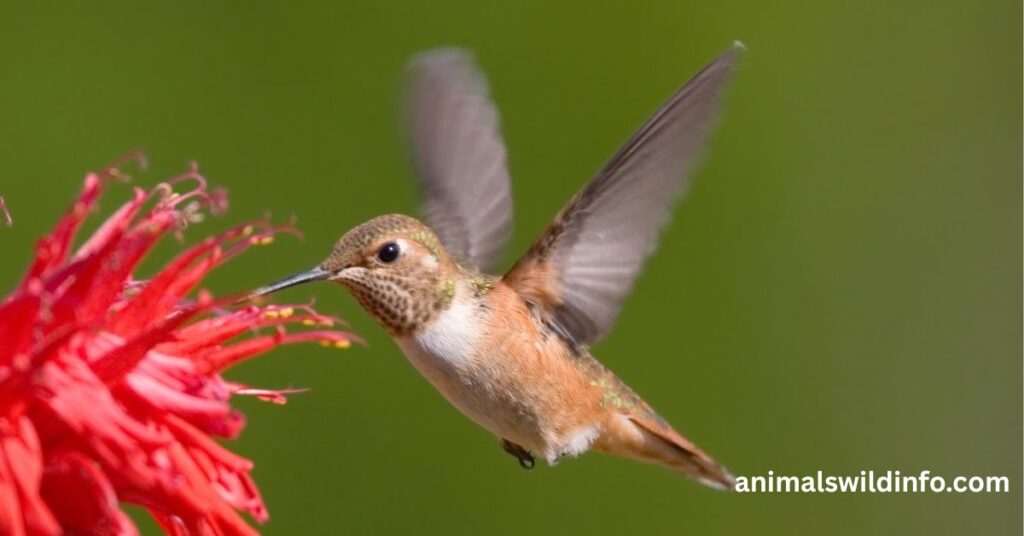
The Bee Hummingbird is the smallest bird on Earth, weighing about as much as a paperclip. Its tiny size and rapid wingbeats, up to 80 times per second, let it hover in place while feeding on nectar. Native to Cuba, this bird burns energy so fast that it must feed constantly throughout the day. Despite its size, it plays an important role as a pollinator, linking it directly into the local food chain and ecological balance of its habitat.
27. Royal Antelope
The Royal Antelope is the smallest antelope species in the world, standing just around 10 inches tall at the shoulder. Its thin legs and small frame let it move silently and quickly through dense West African forest undergrowth. When startled, it can leap several feet into the air to escape danger, a defense strategy common among small prey species. Its size makes it vulnerable to many predators, so speed and stealth are its main tools for survival.
See Also: 9 Woodpeckers in Wisconsin (Pictures, Identification & Where to Find Them)
28. Pygmy Marmoset
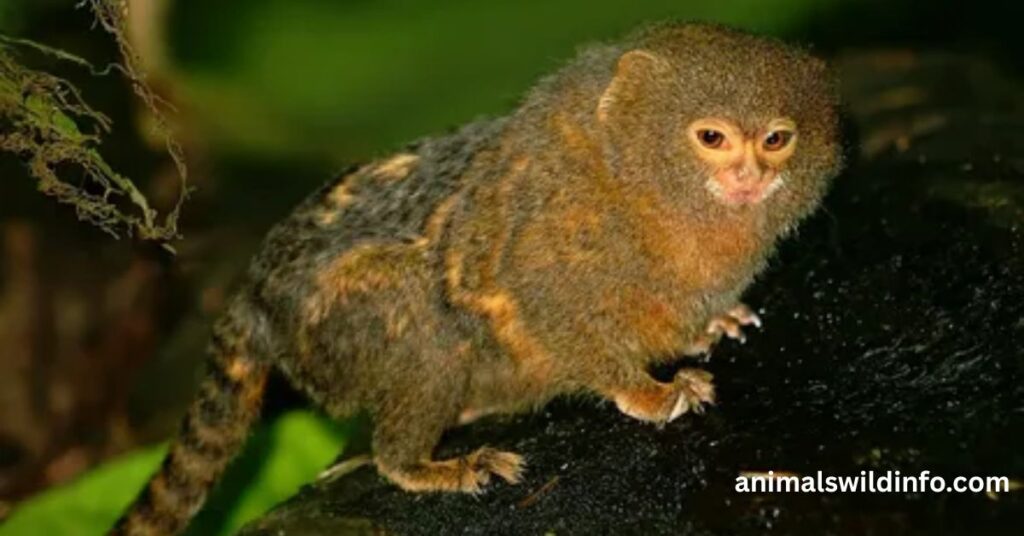
Weighing less than a stick of butter, the Pygmy Marmoset is the smallest monkey species in the world. Its lightweight body lets it move easily through thin branches high in the Amazon rainforest canopy. Pygmy marmosets live in small family groups and communicate using a wide range of calls, some too high-pitched for humans to hear. Their diet consists largely of tree sap, which they access using specialized teeth built for gouging bark, a clever animal adaptation unique to this tiny primate.
29. Butterflyfish
Butterflyfish are thin, flat, and brightly colored, making them some of the most recognizable slim fish on coral reefs. Their narrow bodies let them slip between coral branches to feed on small invertebrates and coral polyps. Many species form lifelong pairs, swimming together across the reef in a coordinated, graceful pattern. Because they’re highly sensitive to changes in water quality, butterflyfish populations are often used by scientists as an indicator of overall marine ecosystems health.
30. Arboreal Minute Salamander
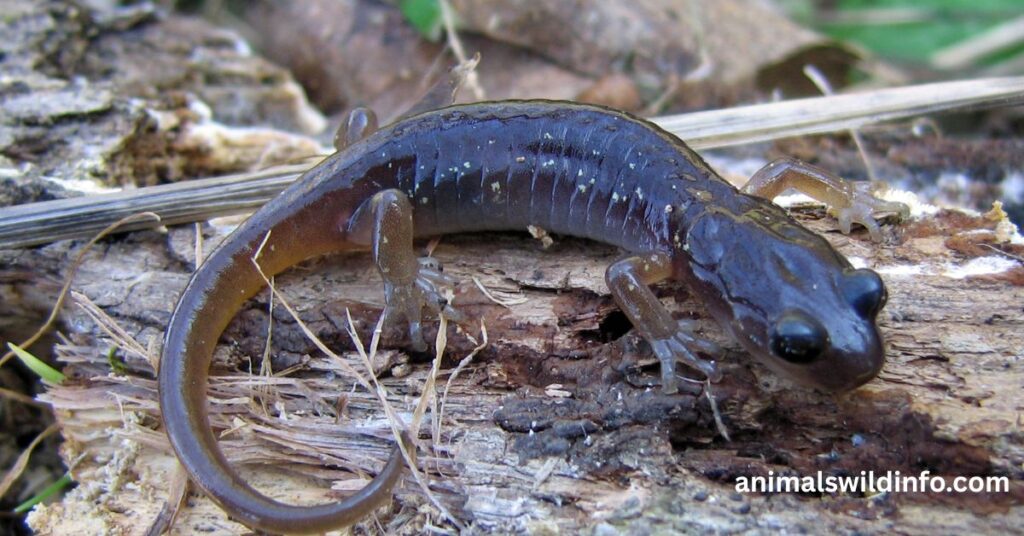
Among the smallest salamanders on Earth, the Arboreal Minute Salamander lives high in cloud forest trees across parts of Central America. Its tiny, narrow body allows it to move along thin branches and leaves without detection. Because it spends nearly its entire life in the forest canopy, very little is known about its full behavior, and scientists still consider it one of the more mysterious tree-dwelling animals in the amphibian world. Habitat loss puts this species at real risk, adding urgency to ongoing forest conservation work.
Characteristics of Skinny Animals
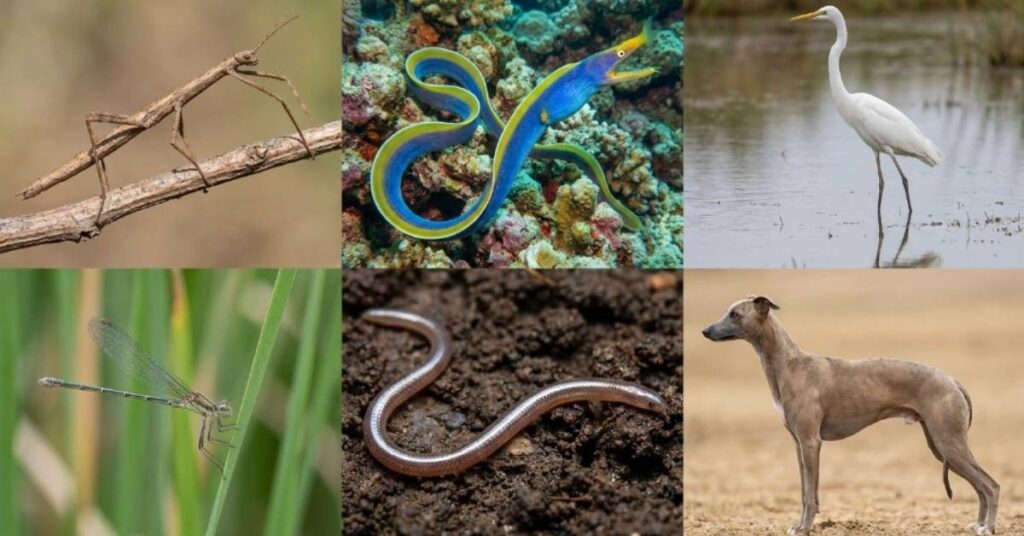
Across all 30 species, a few traits repeat again and again. Most skinny animals share a lightweight skeleton, thin limbs, and a body built for either speed or stealth rather than raw power. These traits aren’t random. They’re the direct result of natural selection favoring whatever helps a species survive in its specific habitat.
Understanding these shared traits helps explain why such different animals, from insects to mammals to fish, ended up with similar body types. Nature keeps reaching for the same solution because it simply works.
Lightweight Body Structure
A lightweight skeleton means less energy spent on movement. This matters most for animals that rely on quick bursts of speed or long hours of flight, like dragonflies and hummingbirds.
Long and Slender Limbs
Long-legged mammals like the giraffe and gazelle use their limbs for reach, speed, or both. Longer limbs also often mean a longer stride, which translates directly into faster movement across open terrain.
Fast Movement and Agility
Fast-running animals and swift animals like the whippet and greyhound show how a lean body converts directly into speed. Less mass means less resistance, which means quicker acceleration and tighter turns.
Adaptations for Hunting or Escaping Predators
Some skinny animals use their shape to hunt, like the mantis and stoat. Others use it purely for predator avoidance, like the stick bug and threadsnake. Either way, body shape becomes a direct survival tool.
Where Do Skinny Animals Live?
Skinny animals show up in nearly every ecosystem on Earth, from dry deserts to deep coral reefs. Their body shape often reflects the specific demands of their habitat, whether that means squeezing through tight spaces or moving fast across open ground.
Below is a quick breakdown of where different types of slender creatures tend to thrive, and why their environment shaped them this way.
| Habitat | Example Animals | Why Slim Works Here |
| Forests | Stick bug, slender salamander, chameleon | Camouflage and tight spaces |
| Grasslands and Savannas | Gazelle, giraffe, meerkat | Speed and visibility |
| Deserts | Alpaca, threadsnake | Heat regulation and energy saving |
| Oceans and Coral Reefs | Needlefish, mako shark, butterflyfish | Reduced drag for fast swimming |
| Wetlands | Great egret, spotted garden eel | Reach and stealth in shallow water |
Forests
Dense forest wildlife often favors slim, camouflaged bodies. Stick bugs and chameleons use their shape to disappear entirely into their surroundings, avoiding predators without ever needing to run.
Grasslands and Savannas
Open terrain rewards speed above almost everything else. Savanna animals like gazelles and giraffes rely on long limbs and clear sightlines to spot danger early and outrun it.
Deserts
Thin bodies release heat faster, which matters enormously in desert animals trying to survive extreme temperatures. Less body mass also means less energy needed to travel long distances between food and water.
Oceans and Coral Reefs
Water resistance shapes everything for aquatic animals. A streamlined body cuts through currents with far less effort, giving predators like the mako shark a serious hunting advantage.
Wetlands
Shallow water habitats favor long legs and narrow bodies. This lets wetland birds like the Great Egret wade quietly while hunting, without disturbing the water or alerting nearby prey.
Why Being Skinny Helps These Animals Survive
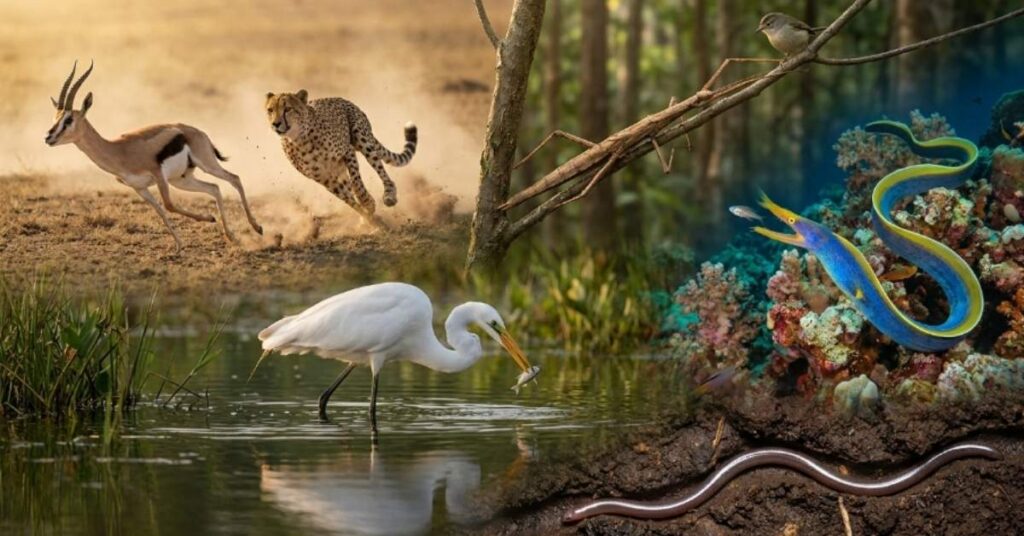
Staying thin isn’t a weakness in the wild. For many species, it’s the entire survival strategy. From outrunning predators to hiding in impossibly small spaces, a slim body opens doors that a bulkier one simply can’t.
Here’s a closer look at exactly how slimness translates into a real survival advantage across different species and situations.
Faster Speed
Less mass means less effort required to move fast. This is why so many of the fastest animals, like gazelles and mako sharks, also happen to be among the leanest.
Better Camouflage
A thin, elongated body blends into branches, leaves, and coral far more easily than a bulky one. This is core to how camouflage animals like stick bugs and chameleons avoid detection entirely.
Easier Hunting
Lean predators like the stoat and mantis rely on precision, not power. A slim frame lets them move quietly and strike with speed before prey even notices them.
Escaping Predators
For prey species, being thin often means being fast. Kangaroos and gazelles use quick, unpredictable movement patterns that heavier animals simply cannot match.
Living in Small Spaces
Narrow bodies fit into burrows, cracks, and coral gaps that would trap larger animals entirely. This is a major reason threadsnakes, eels, and shrews survive so well in tight environments.
Skinny Animals vs Fat Animals: What’s the Difference?
The difference between skinny and fat animals comes down to body adaptations built for very different purposes. Fat-bodied animals often store energy for cold climates or long migrations, while thin-bodied animals typically prioritize speed, stealth, or squeezing into tight spaces.
Neither body type is better overall. Each one simply fits a different survival strategy shaped by habitat and lifestyle.
| Trait | Skinny Animals | Fat Animals |
| Body Fat Function | Minimal, used for movement efficiency | Insulation and stored energy |
| Best Suited Habitat | Hot climates, tight spaces, open terrain | Cold climates, harsh winters |
| Primary Advantage | Speed and stealth | Warmth and endurance |
| Example Species | Greyhound, gazelle, mako shark | Polar bear, walrus, seal |
Fun Facts About Skinny Animals
A few surprising details make these animals even more impressive once you know the numbers behind them.
| Animal | Fun Fact |
| Etruscan Shrew | Heart rate can top 1,000 beats per minute |
| Kangaroo | Can leap up to 30 feet in a single bound |
| Bee Hummingbird | Weighs about as much as a paperclip |
| Brookesia Micra Chameleon | One of the smallest reptiles ever recorded |
| Mako Shark | Fastest shark species, reaching 45 mph |
| Gazelle | Can jump six feet high while stotting |
| Dragonfly | Can fly backward and hover in place |
| Threadsnake | Some species are thinner than a pencil |
Frequently Asked Questions
What is the skinniest animal in the world?
The Etruscan Shrew is widely considered the skinniest and smallest mammal by mass. Its tiny body structure allows it to survive on constant feeding and rapid movement.
Which animal has the longest skinny body?
The threadsnake and needlefish both stand out for their extremely elongated body, built for burrowing and fast swimming.
What is the tallest skinny animal?
The giraffe holds this title, combining height with a naturally lean body built for reaching high foliage.
Which animals are skinny?
Many species across every animal group qualify, including gazelles, greyhounds, needlefish, dragonflies, and stick bugs, each shaped by its own habitat and survival strategy.
Which animal is the slimmest?
Threadsnakes are often cited as the slimmest reptiles, with some no wider than a piece of spaghetti.
What is a tall, skinny animal?
The giraffe again fits this description best, thanks to its long neck and narrow legs built for both height and reach.
What are the small 5 animals?
Commonly referenced small species include the Etruscan Shrew, Bee Hummingbird, Pygmy Marmoset, Royal Antelope, and Brookesia Micra Chameleon, all known for their tiny, lightweight frames.
Conclusion
Being thin isn’t a flaw in nature. It’s a finely tuned survival strategy built through millions of years of evolution. From the towering giraffe to the microscopic Etruscan Shrew, every animal on this list proves that body shape matters just as much as size or strength.
These 30 creatures show the incredible range of biodiversity on our planet, and remind us why protecting wildlife habitats matters so much. As ecosystems face growing pressure from habitat loss and climate change, understanding these animals is a small but meaningful step toward better conservation. Next time you spot a slender creature in the wild, you’ll know exactly why nature built it that way.
Read More Also: animalswildinfo.com