Top 20 Animals That Eat Frogs (With Pictures & Interesting Facts)
Picture a quiet pond at dusk. Crickets chirp. Water ripples softly. Then, in one quick snap, a frog vanishes. That’s nature at work. Frogs sit right in the middle of the food chain, and dozens of hungry hunters know it.
This guide covers 20 animals that eat frogs, plus other frog predators, how frogs defend themselves, and what else threatens these small but mighty amphibians. You’ll find real facts, a full list, and useful tables along the way.
Why Frogs Are Important in the Food Chain
Frogs do double duty in nature. They eat huge numbers of insects, slugs, and worms, so they act as natural pest control for gardens and farms. At the same time, frogs feed countless other creatures further up the food web. Without frogs, this predator-prey relationship would break down fast, and insect populations would explode.
Frogs also tell us how healthy an ecosystem really is. Their thin, permeable skin absorbs everything around them, including pollution. Scientists call them an indicator species because a drop in frog numbers often signals trouble in a wetland ecosystem long before other warning signs appear. That’s why keeping ecological balance matters so much for amphibian populations everywhere.
What Animals Eat Frogs?
So many creatures hunt frogs that it’s honestly hard to keep count. Birds swoop down from above. Snakes slither through the grass. Fish lurk beneath lily pads. Even other frogs join in the feast sometimes. Wildlife predators of every shape and size have found a way to make frogs part of their diet.
Most of this hunting happens near water, since that’s where frogs live and breed. Pond predators, marsh predators, and freshwater predators all overlap in the same soggy neighborhoods. Some hunters are carnivorous animals built purely for meat, while others are omnivorous animals that snack on frogs only when the opportunity shows up. Below, you’ll find the full rundown of who’s eating whom.
List of Animals That Eat Frogs
Here’s a quick-reference table before we dive into each animal one by one.
| Number | Animal |
| 1 | Snakes |
| 2 | Raccoons |
| 3 | Cranes |
| 4 | Skunks |
| 5 | Alligators |
| 6 | Herons |
| 7 | Owls |
| 8 | Otters |
| 9 | Monitor Lizards |
| 10 | Pike |
| 11 | Opossums |
| 12 | Turtles |
| 13 | Largemouth Bass |
| 14 | Foxes |
| 15 | Hawks |
| 16 | Other Frogs |
| 17 | Eels |
| 18 | Crows |
| 19 | Coyotes |
| 20 | Salamanders |
Snakes
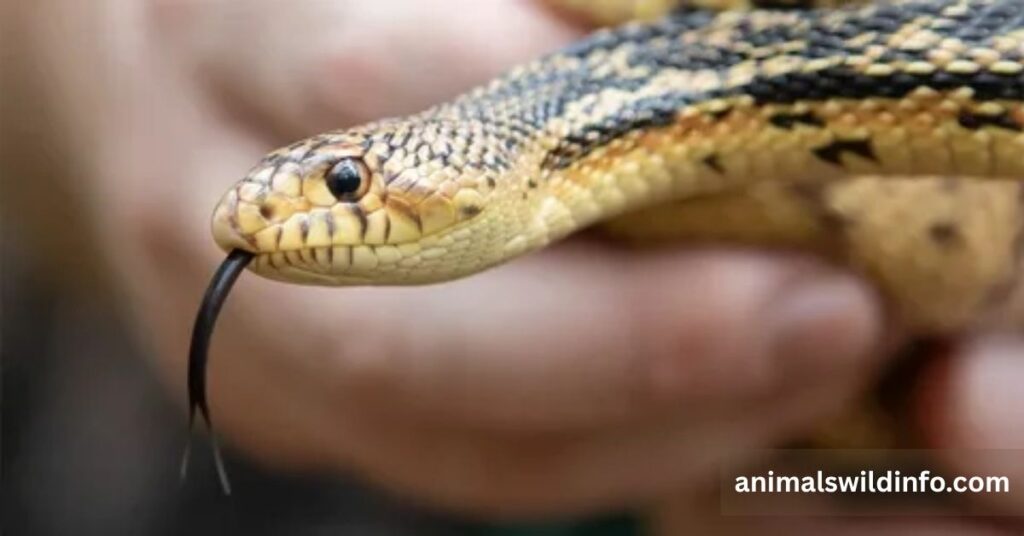
Snakes that eat frogs rank among the most skilled hunters in the animal kingdom. Garter snakes rely on camouflage and patience, waiting until a frog hops too close before striking. Water snakes take a different route and dive right into ponds, since they’re strong swimmers built for aquatic predators work. Both types swallow their prey whole, and both count as classic reptiles that eat frogs, especially in warm, wet regions across the USA.
Read More: Are There Badgers in Maine? 14 Facts, Habitat, Sightings & Interesting Information
Raccoons
Raccoons look cute, but they’re clever, opportunistic hunters. As mammals that eat frogs, raccoons use their dexterous front paws to flip rocks and logs near ponds, searching for hiding amphibians. They tend to target smaller frogs and tadpoles first, since these are easier to catch. When a bigger frog shows up, raccoons sometimes use nearby stones to help crack open tougher skin, showing real problem-solving skill for a backyard visitor.
Cranes
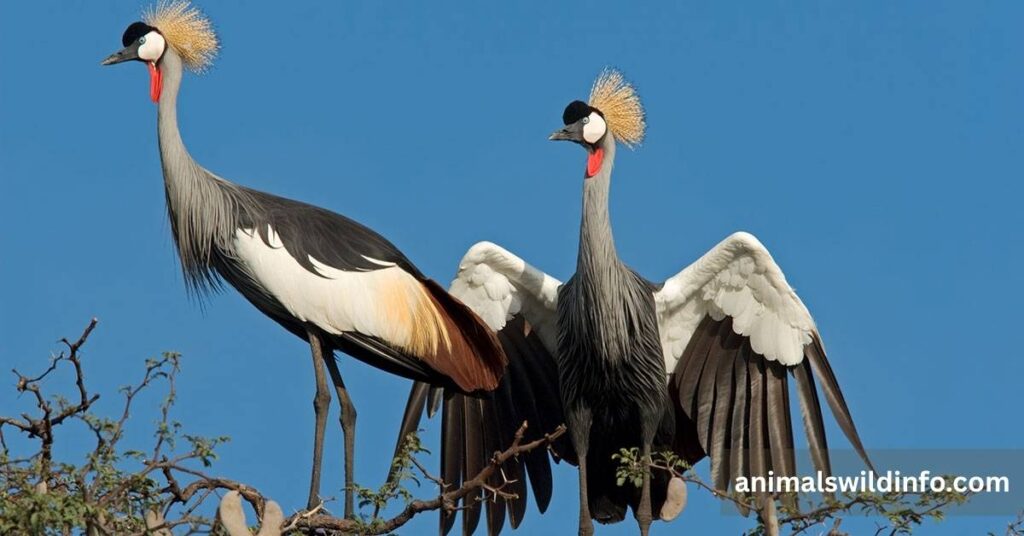
Cranes bring grace and precision to frog hunting. These tall wading birds stand still for long stretches, then strike with lightning speed once a frog moves. Their long legs let them wade through shallow marsh water without disturbing it, which makes them stealthy frog-eating birds. Cranes rely on sharp eyesight and patience rather than speed, and that combination works well in open wetlands across much of North America.
Skunks
Most people know skunks for their smell, not their hunting skills, but skunks are surprisingly capable omnivorous animals. They use a strong sense of smell to sniff out frogs hiding in damp leaf litter or under logs. Interestingly, skunks show a tolerance for certain toxins that some frog species produce as defense. That tolerance gives skunks an edge that many other wildlife predators simply don’t have.
Alligators
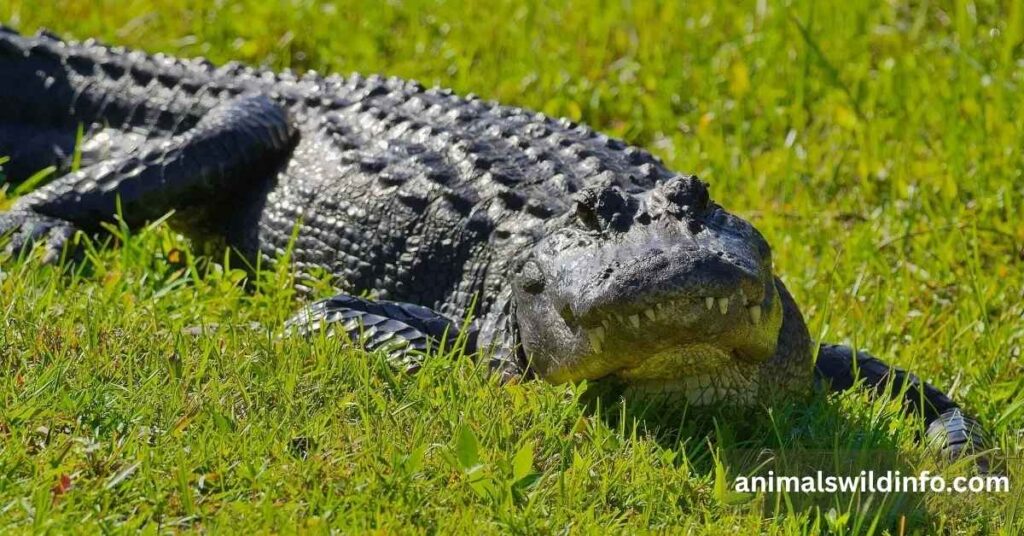
Alligators rule freshwater habitats as true apex predators, and frogs make up a small but steady part of their diet. These reptiles ambush prey in murky water, using stealth rather than speed to close the gap. Frogs become an easy target during breeding season, when their croaking calls give away their location. Alligators don’t hunt frogs exclusively, but they’ll happily snap one up when the chance arises.
Herons
Herons might be the most patient hunters on this entire list. They stand motionless at the water’s edge for minutes at a time, barely blinking, until a frog swims within striking range. Their long necks and sharp beaks let them snatch prey in a split second. As classic wetland frog predators, herons adjust their hunting spots based on the season, following frog populations wherever they gather to breed.
Owls
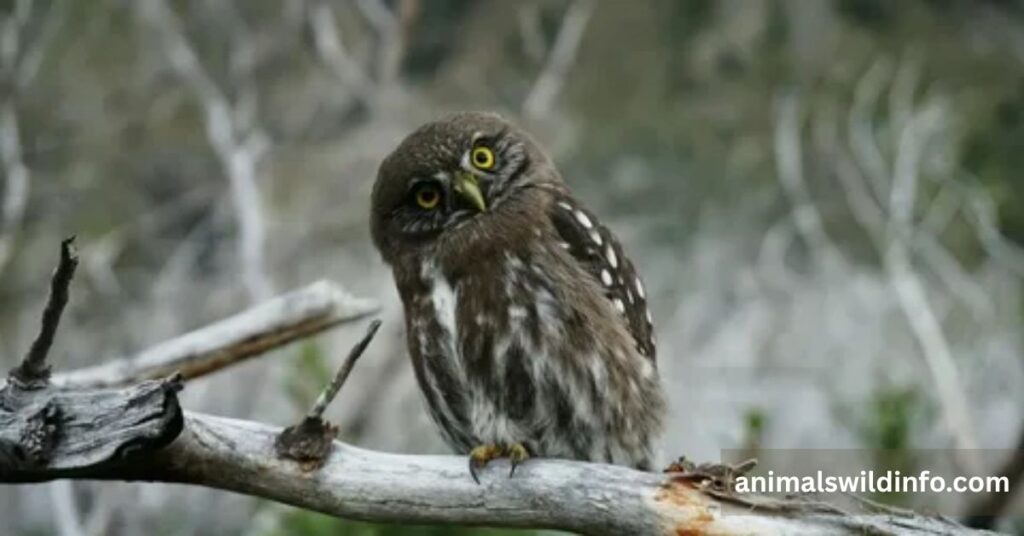
Owls hunt frogs after dark, using near-silent flight and incredible night vision to their advantage. As nocturnal predators, they rely on sharp hearing to detect the faint croak of a hidden frog in tall grass. The Great Horned Owl, in particular, adapts its diet based on what’s available, and frogs often become a reliable food source during wet seasons. Their stealth hunting style makes them tough to spot coming.
Otters
Otters combine playfulness with serious hunting skill. These aquatic predators dive and twist through water with ease, chasing down frogs hiding among reeds or buried in mud. Their paws are dexterous enough to pin a slippery frog in place before eating it. Otters also show signs of intelligence beyond simple hunting, since some have been seen using rocks as tools when cracking open other prey.
Monitor Lizards
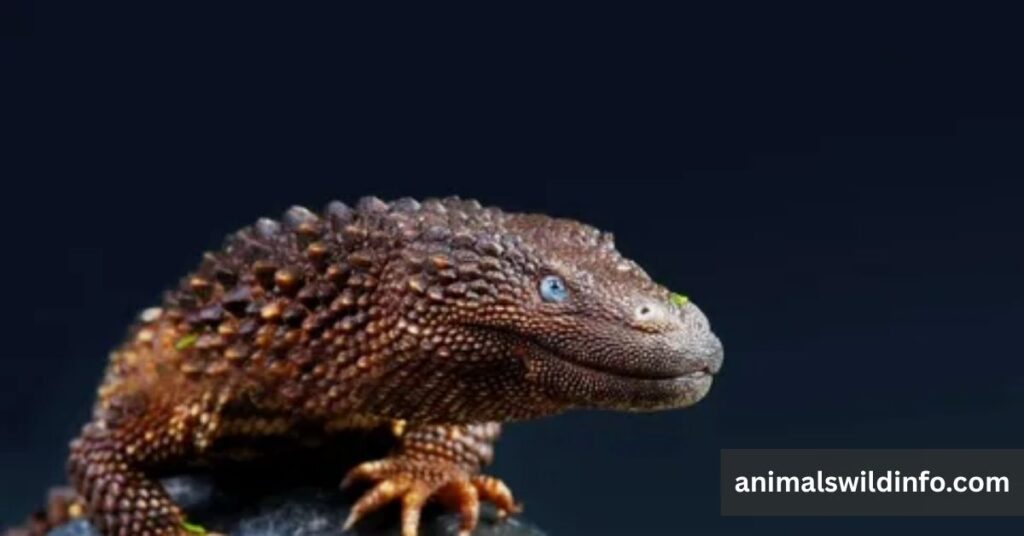
Monitor lizards track frogs using an extraordinary sense of smell, flicking their forked tongues to taste the air for scent trails. As large reptiles that eat frogs, they can tackle bigger amphibians that smaller predators would struggle with. Some species use ambush tactics, staying frozen in place until the perfect moment arrives. Their size and strength make them formidable amphibian predators in tropical and subtropical regions.
Pike
Pike are freshwater fish with a fearsome reputation, thanks to razor-sharp teeth and a nearly endless appetite. As fish that eat frogs, pike hide among submerged plants, staying completely still until a frog swims too close. Their explosive burst of speed makes escape almost impossible once they strike. In lakes and rivers where frogs are common, pike become one of the most efficient frog-eating fish around.
Read More: Top 13 Animals Without Tails (With Pictures, Facts & Habitats)
Opossums
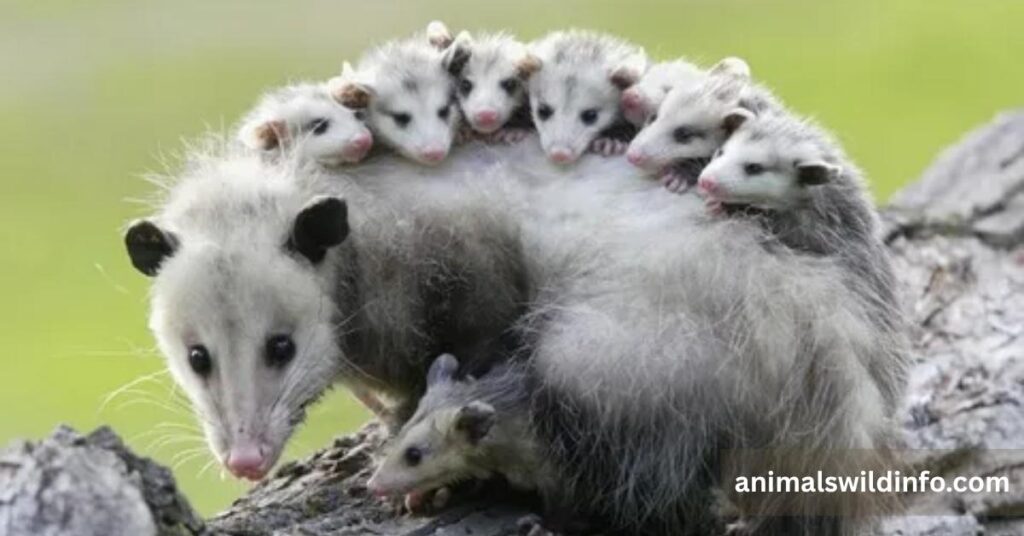
Opossums often go unnoticed, but they’re steady, opportunistic foragers with a taste for frogs. As nighttime wanderers, opossums use a strong sense of smell to track amphibians hiding in moist soil or under leaves. Interestingly, opossums show resistance to certain toxins found in frog skin, letting them safely eat species that would poison other predators. That resistance makes opossums unusually well-suited amphibian predators.
Turtles
Turtles seem slow and harmless, but several species hunt frogs with real skill. Snapping turtles, for example, use powerful jaws to grab both adult frogs and tadpoles without much effort. Their shells provide natural camouflage, letting them wait motionless until prey swims close. Softshell turtles take a faster approach, chasing down frogs with quick bursts of speed rather than relying purely on ambush tactics.
Largemouth Bass
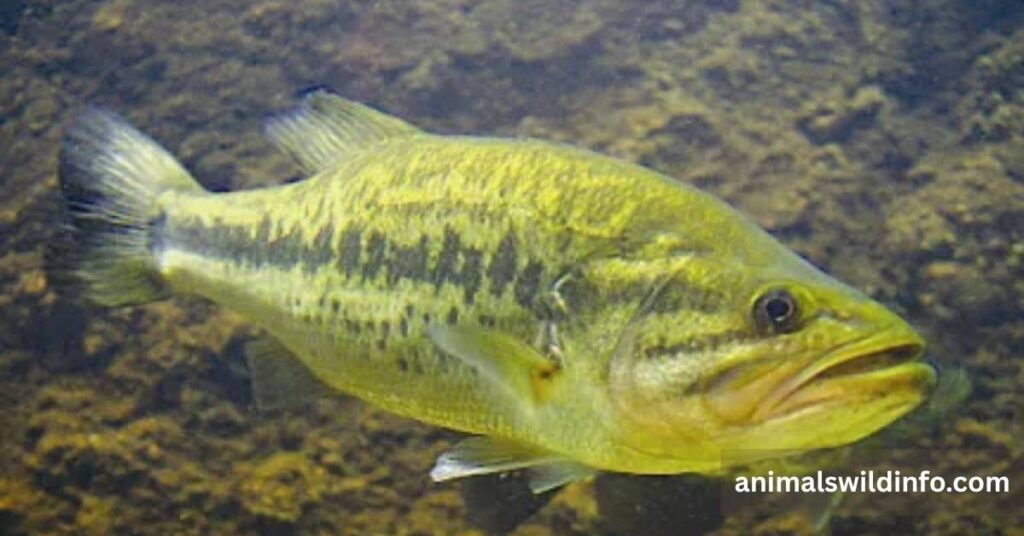
Largemouth bass are aggressive freshwater fish known for their size and appetite. During warmer months, when frogs stay active near the surface, bass strike from below with startling speed. Their keen eyesight helps them spot frogs resting on lily pads or swimming near shore. As one of the more common frog-eating fish in American lakes, largemouth bass play a real role in local pond ecosystems.
Foxes
Foxes adapt their diet based on what’s available each season, and frogs sometimes make the list. Red foxes, common across North America and Europe, hunt in wetland areas where frogs gather in large numbers. Their agile movement helps them navigate soft, marshy ground without much trouble. As omnivorous animals, foxes treat frogs as a seasonal bonus rather than a daily staple, especially during warmer months.
Hawks
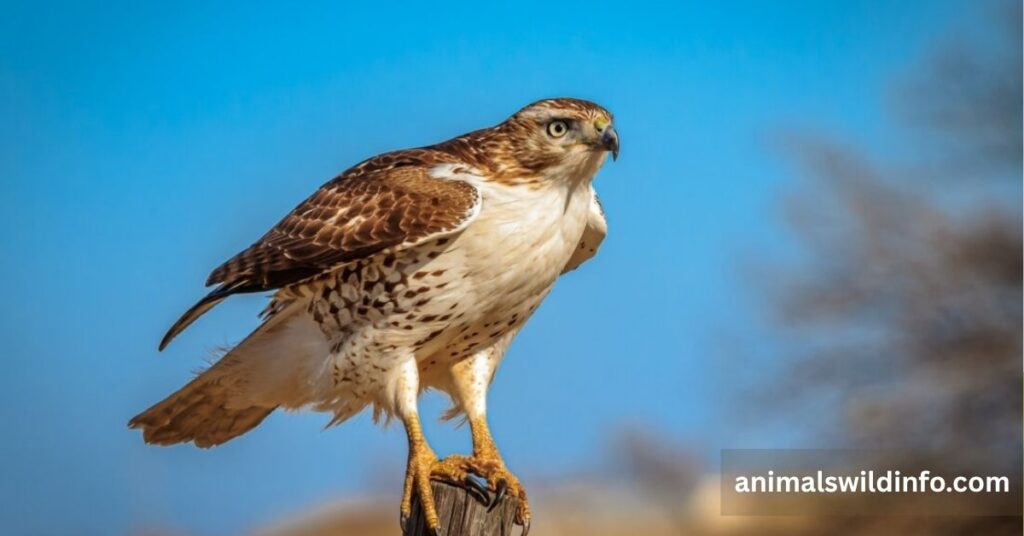
Hawks hunt from above, scanning open ground for any sign of movement below. Once they spot a frog, they dive fast, using sharp talons to snatch their meal in one clean motion. Different hawk species prefer different terrain, since red-tailed hawks favor open fields while sharp-shinned hawks hunt in wooded areas. Both count among the more skilled frog-eating birds found across the United States.
Other Frogs
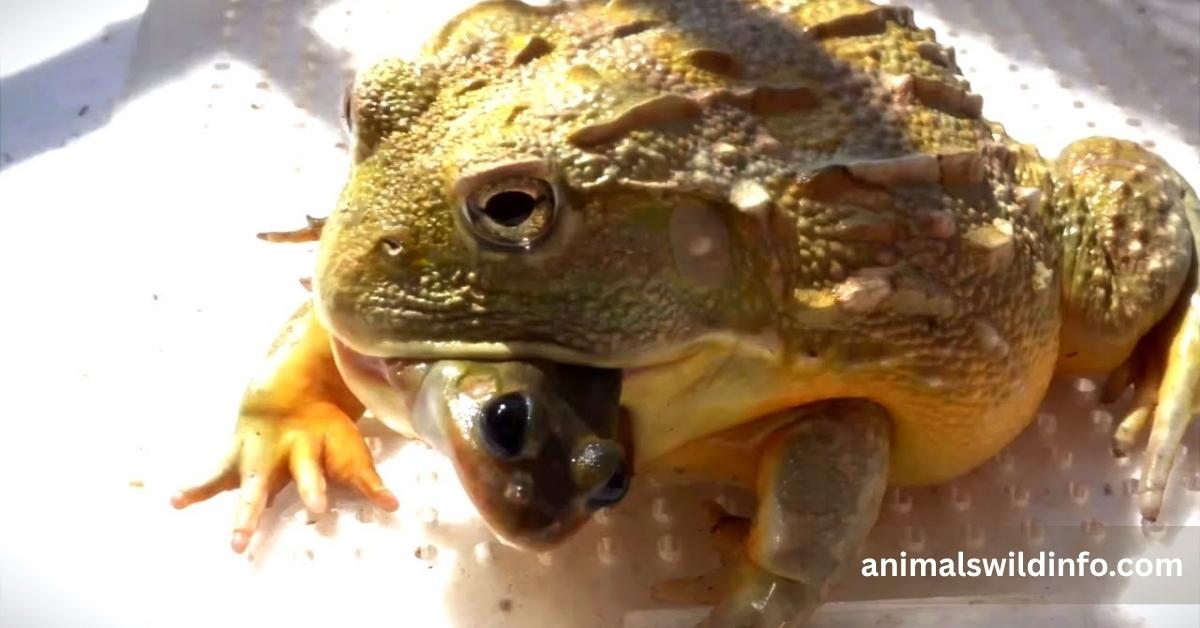
Frogs sometimes eat their own kind, a behavior known as cannibalism. This happens most often when food runs scarce or competition gets fierce. Species like the African Clawed Frog have been observed eating smaller frogs or even tadpoles from their own species. As surprising as it sounds, this ruthless behavior helps some frog populations survive tough conditions when other food sources disappear.
Eels
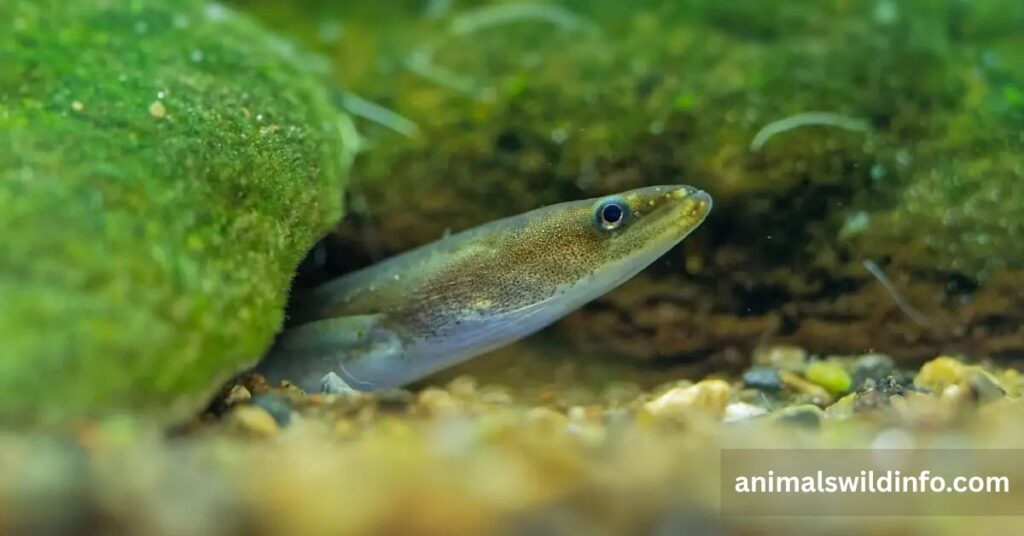
Eels move like shadows through murky water, and that stealth makes them effective frog hunters. These freshwater predators rely on a strong sense of smell rather than sharp eyesight, since visibility underwater is often poor. Eels tend to hunt at night, sneaking up on frogs resting near the muddy bottom. Their slender bodies let them slip into tight spaces where frogs often try to hide.
Crows
Crows are smart, resourceful birds that adapt their diet to whatever’s around. As opportunistic feeders, crows will snatch up frogs, tadpoles, or even frog eggs when they find them. Their intelligence lets them learn hunting patterns quickly, and some crows have been seen working together to flush frogs out of hiding. That teamwork makes crows surprisingly effective frog-eating birds.
Coyotes
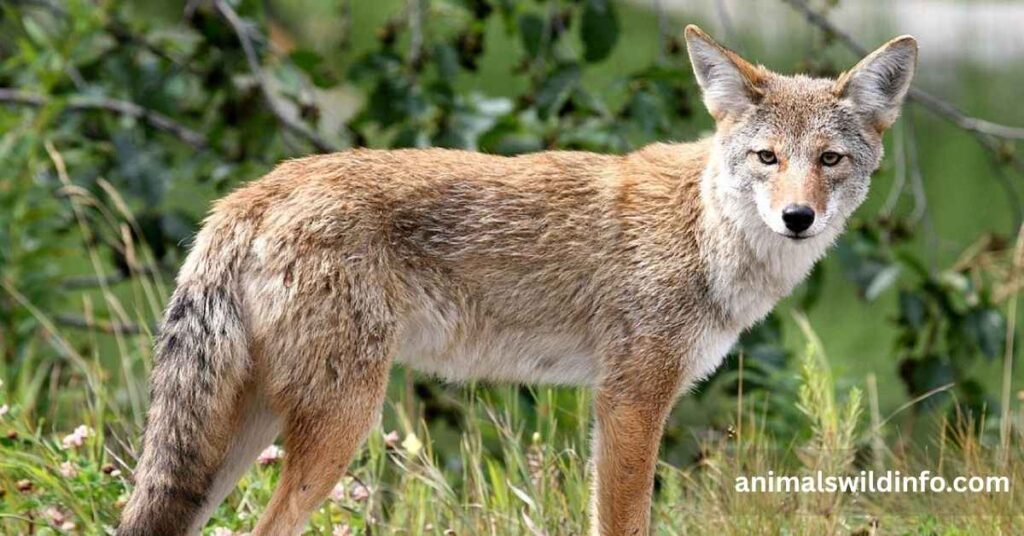
Coyotes are flexible hunters that rarely turn down an easy meal. While larger prey like rabbits and rodents make up most of their diet, coyotes will eat frogs when they come across them near streams or ponds. Their sharp sense of smell helps them locate amphibians hiding in damp grass. As adaptable mammals that eat frogs, coyotes thrive in both rural and suburban settings across the USA.
Salamanders
Salamanders might look like frogs’ cousins, but some species actually prey on them. Larger salamanders, especially those living in ponds and streams, will eat frog eggs, tadpoles, and even small adult frogs. As amphibians that eat frogs, salamanders rely on quick, snapping bites to catch prey underwater. This makes them one of the more unexpected entries among predators of tadpoles and young frogs.
Read More: Top 12 Animals Like Porcupines (With Pictures & Amazing Facts)
Other Common Frog Predators
Beyond the 20 animals above, entire categories of creatures rely on frogs as a food source. Grouping them by type helps show just how widespread frog predation really is across different habitats. From the sky to the water to the forest floor, frogs face threats from nearly every direction imaginable.
Each group brings its own hunting style, shaped by animal adaptations built over generations. Birds rely on eyesight and speed, while fish depend on stealth and ambush. Mammals use smell and dexterity, and reptiles combine patience with raw strength. Together, these groups keep the amphibian food chain balanced across countless freshwater ecosystems.
Birds
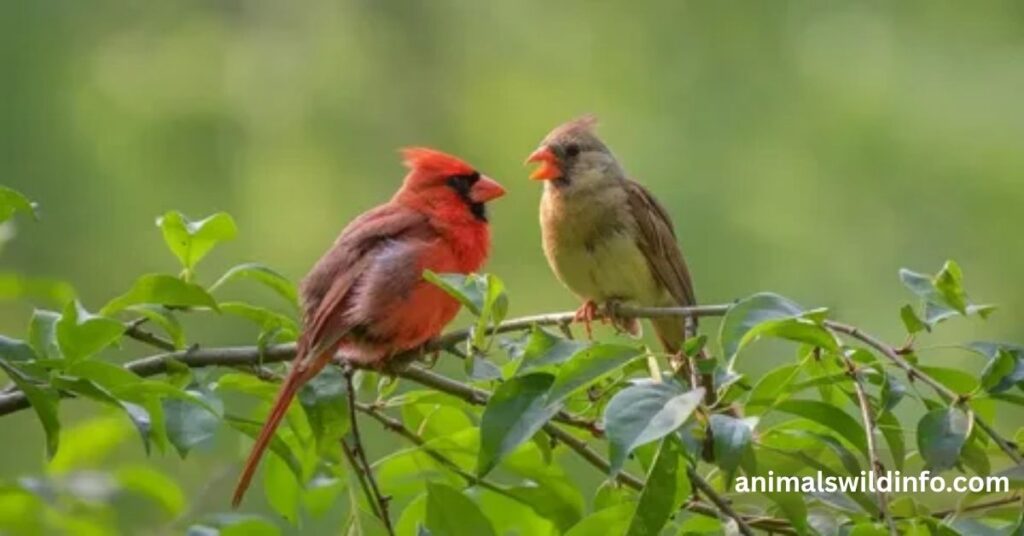
Birds make up one of the largest groups of frog predators in the wild. Herons, cranes, hawks, owls, and crows all hunt frogs using different techniques, from patient stalking to fast aerial dives. Sharp eyesight and quick reflexes give birds a major advantage near open water. Wetlands across the USA support huge numbers of these hunters year-round.
Reptiles
Reptiles bring cold-blooded patience to frog hunting. Snakes, alligators, monitor lizards, and turtles all use stealth, camouflage, or raw strength to catch their prey. Many reptiles are ambush predators, waiting motionless for the right moment to strike. Their slower metabolism means they don’t need to eat often, but frogs remain a reliable meal when hunger strikes.
Fish
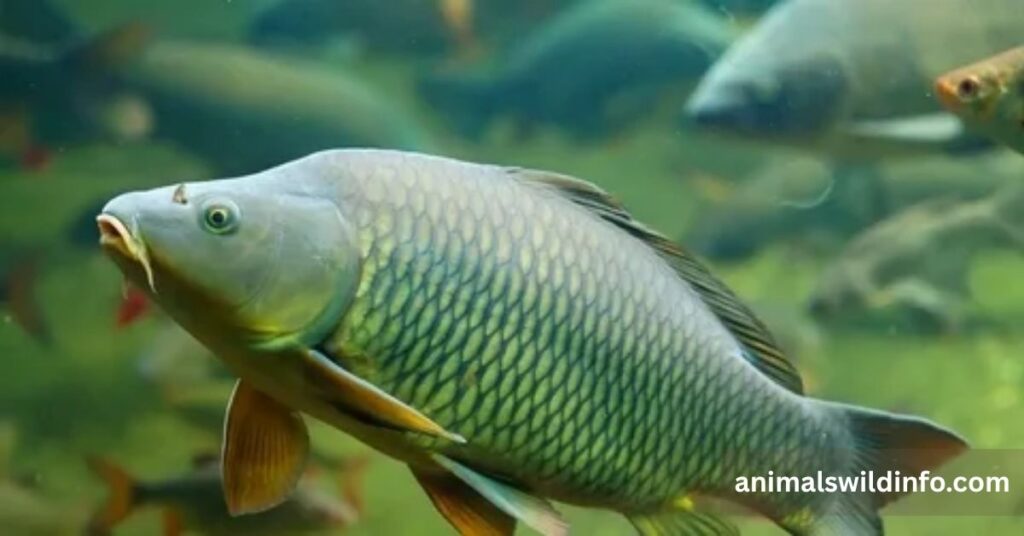
Fish dominate frog hunting underwater, especially in lakes, rivers, and ponds. Pike, largemouth bass, and eels all rely on speed, stealth, or scent to track down frogs and tadpoles. These frog-eating fish often strike from below, catching prey resting near the surface off guard. Their role in the aquatic food web helps keep frog populations in check across freshwater habitats.
Mammals
Mammals bring versatility to the hunt, since many are opportunistic feeders rather than strict frog specialists. Raccoons, otters, skunks, foxes, coyotes, and opossums all eat frogs when the chance arises, often alongside a much wider diet. Their paws, noses, and problem-solving skills give them tools that other predators lack. This flexibility helps mammals thrive in diverse swamp habitats and suburban areas alike.
Humans
Humans affect frog populations both directly and indirectly. In some cultures, frog legs remain a popular dish, creating direct demand for wild and farmed frogs. Indirectly, human activity like habitat destruction, pollution, and pesticide use harms frog populations even more than direct hunting does. Protecting wetland habitats from human impact matters just as much as managing natural predators.
How Frogs Protect Themselves From Predators
Frogs aren’t defenseless, even against skilled hunters. Many species rely on camouflage to blend into leaves, bark, or muddy water, making them nearly invisible to passing predators. Others produce toxic skin secretions strong enough to deter most attackers, while their powerful hind legs allow for quick, unpredictable jumps that throw off pursuit.
Behavior plays a huge role in frog survival too. Many species stay active only at night, avoiding daytime hunters entirely. Some freeze in place and play dead when threatened, while others rely on loud warning calls to alert nearby frogs of danger. Group living also helps, since more eyes and ears mean predators get spotted sooner, giving frogs a better shot at amphibian survival.
Other Threats Facing Frogs
Predators aren’t the only danger frogs face today. Habitat loss ranks among the biggest threats, as wetlands get drained or developed for farming and housing. Pollution from pesticides and industrial runoff seeps into ponds and streams, harming frogs through their sensitive, absorbent skin. Climate change adds even more pressure, shifting rainfall patterns and disrupting breeding cycles.
Disease poses a serious risk too, especially a fungal infection known as chytrid fungus, which has wiped out entire frog populations in some regions. Invasive species also compete with native frogs for food and space, sometimes preying on eggs and tadpoles directly. Together, these threats make wildlife conservation efforts more urgent than ever for protecting global biodiversity.
What Do Frogs Eat?
Frogs aren’t just prey, they’re hunters too. Tadpoles mostly eat algae and tiny plant matter, using their diet to fuel rapid growth before metamorphosis. Once frogs mature, their diet shifts dramatically toward insects, spiders, worms, and other small invertebrates. This shift supports their role in biological control, since frogs consume huge numbers of pests that would otherwise damage crops and gardens.
Larger frog species take things further, sometimes eating small vertebrates like mice, small fish, or even other frogs. This carnivorous diet helps bigger species meet their energy needs, especially in food-rich wetland environments. Diet often depends on frog size, habitat, and the season, showing just how adaptable these amphibians really are within the wider natural ecosystem.
Types of Frogs
Frogs come in far more variety than most people realize. Tree frogs cling to leaves and branches using sticky toe pads, while true toads have drier, bumpier skin built for life on land. Aquatic frogs spend most of their lives in water, rarely venturing onto dry ground except to breed or bask nearby.
Poison dart frogs stand out with bright, warning colors that signal danger to predators, a defense strategy built entirely around animal adaptations. In the United States, common species include the American Bullfrog, Spring Peeper, and Green Frog, each suited to different pond ecosystems and river ecosystems across the country. This diversity helps explain why so many predators find frogs such a reliable food source.
Final Thoughts
Frogs sit at the center of a busy, complicated food web, hunted by birds, mammals, reptiles, fish, and even other frogs. Every predator on this list plays a part in keeping ecosystem balance intact, from silent night hunters like owls to patient ambush artists like herons. That pond at dusk isn’t quiet by accident, it’s full of predators and prey locked in an ancient rhythm.
Protecting frogs means protecting the wetlands, marshes, and rivers they call home. Healthy freshwater ecosystems support both frogs and the countless predators that depend on them. Next time you hear a chorus of croaks near a pond, remember just how many creatures are listening too, waiting for their next meal.
FAQ’s
Snakes likely eat frogs more consistently than any other predator group, thanks to their wide range and varied hunting styles. Species like garter snakes and water snakes specialize in catching frogs across nearly every wetland habitat in the USA.
Yes, snakes eat frogs regularly. Many species, especially those living near ponds and marshes, rely on frogs as a major part of their diet throughout the warmer months.
Frogs face many enemies, but habitat loss and pollution often cause more harm than any single predator. Among animal predators, snakes and wading birds like herons pose the most consistent threat.
Snakes and herons both rank near the top, since both hunt frogs frequently and across wide territories. Alligators and large fish like pike also consume significant numbers where frog populations are dense.
Yes, certain lizards, especially monitor lizards, actively hunt and eat frogs. Their strength and sharp sense of smell make them effective predators of both small and larger frog species.
Frog predators include snakes, birds like herons and hawks, mammals like raccoons and otters, fish like bass and pike, and reptiles like alligators and turtles. Even other frogs sometimes prey on smaller members of their own species.