22 Most Docile Animals in the World (With Pictures)
Some animals just make you feel calm. You watch them, and your shoulders drop a little. That’s the magic of docile animals. They move slow. They trust easy. They don’t pick fights.
In this guide, you’ll meet the most docile animals in the world. Some live in your house. Some live in the wild. All of them share one thing: a gentle nature that makes them safe to be around. You’ll learn what are docile animals, see real examples of docile animals, and get a full list of docile animals with pictures.
What Makes an Animal Docile?
A docile animal has a calm disposition. It doesn’t attack first. It doesn’t panic fast. Instead, it studies a situation before it reacts. This trait comes from a mix of things: genetics, upbringing, and natural habitat. Some species just evolved this way. Others learned it through domestication.
Docility isn’t about being weak. A horse is strong. A cow is heavy. Yet both stay calm around people. This mix of size and peaceful nature is what makes large docile animals so fascinating. Scientists call this calm personality a survival trait. Animal behavior experts also link it to social hierarchy. Animals that live in groups often learn to cooperate instead of fight. That cooperation builds trust. And trust is the heart of every gentle temperament.
Quick List of the Most Docile Animals
Here’s a fast look at all 22 animals covered in this guide. Use this table to jump to any section you like.
| Animal | Type | |
| 1 | Dogs | Domestic mammal |
| 2 | Cats | Domestic mammal |
| 3 | Horses | Domestic mammal |
| 4 | Rabbits | Domestic mammal |
| 5 | Cows | Farm animal |
| 6 | Sheep | Farm animal |
| 7 | Domestic Goats | Farm animal |
| 8 | Guinea Pigs | Small rodent |
| 9 | Capybaras | Wild rodent |
| 10 | Quokkas | Wild marsupial |
| 11 | Llamas | Farm animal |
| 12 | Giant Pandas | Wild mammal |
| 13 | Elephants | Wild mammal |
| 14 | Dolphins | Aquatic mammal |
| 15 | Manatees | Aquatic mammal |
| 16 | Giant Tortoises | Reptile |
| 17 | Sloths | Wild mammal |
| 18 | Doves | Bird |
| 19 | Swans | Bird |
| 20 | Deer | Wild mammal |
| 21 | Bearded Dragons | Reptile |
| 22 | Bats | Mammal |
22 Most Docile Animals in the World
Now let’s meet each animal up close. You’ll see why each one earns a spot on this list of calmest mammals, peaceful marine animals, and calm reptiles.
1. Dogs
Dogs are the classic companion animals. They read your face. They sense your mood. This emotional intelligence in animals makes dogs one of the best gentle pets on Earth.
A well-raised dog shows loyal animals behavior every single day. It waits by the door. It rests its head on your lap. Breeds like Golden Retrievers and Labradors rank among the most family-friendly animals you can bring home. Dogs also work as therapy animals in hospitals and schools, calming anxious patients with just their presence.
2. Cats
Cats seem independent, but many are deeply affectionate animals. A slow blink from a cat is a sign of trust. It’s their quiet way of saying “I feel safe with you.”
Cats also show strong social bonding with their owners, even if they act aloof at times. Ragdolls and Scottish Folds are known as calm pet species, often choosing a nap over a fight. Their curiosity and soft nature make them beginner-friendly pets for first-time owners.
3. Horses
Horses are large docile animals with real strength, yet they rarely use it against people. They sense your emotions and often mirror them back. This is why horses work so well in emotional healing programs.
Because of their size and relaxed nature, horses are often called nature’s gentle giants of the farm world. They form close bonds with humans through daily grooming and riding. This human-animal relationship grows stronger with trust and gentle handling over time.
4. Rabbits
Rabbits are small, soft, and full of curiosity. They’re one of the easiest animals to handle, especially for kids learning to care for a pet. Their twitching nose and soft fur make them instantly loveable.
Rabbits are highly social animals. They use ear movements and body position to talk to you. This makes them great for anyone who wants a gentle pet mammal without loud noise or big space needs.
5. Cows
Cows are surprising in how deeply they bond. These calm farm animals form lifelong friendships within their herd. Studies show cows get stressed when separated from close companions, proving real emotional bonding exists among them.
Their herbivore diet and slow pace add to their peaceful image. Farmers often say happy cows produce better milk. That’s a small but real example of how animal welfare connects directly to results on the farm.
6. Sheep
Sheep get called simple, but that’s unfair. They recognize faces, both human and sheep. This memory skill shows real intelligent animals behavior hiding behind their quiet, wooly look.
Sheep rely on strong herd behavior for safety. They stick together, move together, and warn each other of danger through sound. This teamwork is a great example of social bonding in the wild and on the farm.
Read More: 25 Animals That Gallop (With Pictures and Fun Facts)
7. Domestic Goats
Goats are playful, curious, and surprisingly smart. They climb, they explore, and they often follow their owners around like a dog would. This makes them one of the more loving animals on any small farm.
Goats also show strong nurturing behavior toward their young. Their social herds work on trust and cooperation. Raising goats teaches kids about care and responsible pet ownership in a hands-on way.
8. Guinea Pigs
Guinea pigs are tiny but full of personality. They squeak, purr, and “wheek” with excitement when they see food or their favorite person. These sounds are part of their charm as friendly rodents.
They’re easy to handle and don’t bite without reason. That makes them one of the easiest pets to handle for young children. Guinea pigs also enjoy company, so keeping a pair often leads to a happier, calmer pet.
9. Capybaras
Capybaras are the internet’s favorite chill animal. These giant rodents lounge near water and rarely show any signs of aggression. Even predators seem to leave them alone, almost out of respect.
Capybaras are true social animals. They live in groups, groom each other, and even let birds sit on their backs. This calm coexistence makes them a top pick among wild gentle animals today.
10. Quokkas
Quokkas are famous for their permanent smile. Found mostly in Australia, these small marsupials show almost no fear of humans. Tourists often describe them as the nicest animal in the world to photograph.
Despite living in the wild, quokkas show low-aggression behavior around visitors. This makes them one of the safest wild animals to encounter, as long as people treat them with respect and don’t feed them by hand.
11. Llamas
Llamas look tough but act gentle. They form strong bonds within their herd and often calm down nervous livestock just by their presence. Farmers sometimes use llamas to guard sheep, since their calm confidence keeps predators away.
Llamas also read human emotion well. Their expressive faces and quiet humming sounds make them popular in therapy programs. This blend of strength and softness places llamas among the most trusted companion animals on any farm.
12. Giant Pandas
Giant pandas move slow and eat almost nonstop. Their herbivore diet of bamboo keeps them relaxed most of the day. Despite their size, pandas rarely show aggression unless truly provoked.
Pandas are solitary by nature, but they’re not hostile. Their slow, deliberate movements reflect a deep peaceful lifestyle. As one of the biggest docile animals in the wild, pandas remind us that size and gentleness can live in the same body.
13. Elephants
Elephants show emotional depth that rivals humans. They mourn their dead. They comfort each other with trunk touches. This level of empathy in animals is rare and deeply moving to witness.
Elephants live in tight family groups led by an older female. Their communication includes low rumbles that travel for miles. As some of the giant gentle animals of Africa and Asia, elephants prove that true strength includes patience and care.
14. Dolphins
Dolphins are smart, playful, and deeply social. They’ve been seen helping injured pod members stay afloat. Some accounts even describe dolphins guiding lost swimmers safely back to shore.
This kind of non-violent behavior toward other species is rare in the wild. Dolphins use whistles and clicks to talk, showing advanced communication in animals. Their friendly nature makes them one of the top friendliest wild animals in our oceans.
15. Manatees
Manatees drift slowly through warm coastal waters, eating sea grass and minding their own business. Their nickname, “sea cow,” fits their calm, unhurried lifestyle perfectly.
These gentle swimmers often approach boats out of pure curiosity rather than fear. As peaceful marine animals, manatees remind visitors why wildlife conservation matters so much, since their calm nature makes them vulnerable to boat strikes and habitat loss.
16. Giant Tortoises
Giant tortoises can live over 100 years, moving at their own unhurried pace the entire time. Found mainly in the Galápagos Islands, they show almost no aggression toward humans or each other.
Their slow “headbutting” during social moments is more about bonding than fighting. As one of the most calm reptiles on this list, giant tortoises show that a peaceful coexistence with nature can last a lifetime, sometimes even longer than our own.
17. Sloths
Sloths move so slowly that algae grows on their fur. This isn’t laziness. It’s a survival trait that keeps them safe from predators who rely on movement to spot prey.
Sloths rarely show any aggressive behavior. Their quiet, slow lifestyle makes them one of the most relaxed animals in the rainforest canopy. They spend most of their day resting, a true example of a calm disposition in the wild.
18. Doves
Doves are a global symbol of peace, and their behavior backs that reputation. Their soft cooing sound creates a calming effect wherever they nest.
Doves form strong pair bonds and share parenting duties equally. This cooperative style of nurturing behavior makes them stand out among peaceful wildlife. Their quiet, gentle presence is why doves remain one of the most loved bird species worldwide.
Read More: 30 Most Energetic Animals on Earth (Ranked by Speed, Stamina & Activity)
19. Swans
Swans glide across water with elegant, graceful movements. Most swan pairs stay together for life, showing deep loyalty rarely seen in the animal kingdom.
Their calm exterior can shift quickly if their young feel threatened. This shows that even the gentlest creatures carry strong protective instincts. Swans prove that gentle creatures can still stand firm when it truly matters.
20. Deer
Deer look delicate, but they adapt well to many environments, from deep forests to quiet suburbs. Their large eyes and soft steps give them a naturally peaceful nature.
Deer live in groups led by an older female, who teaches younger deer how to survive. Their instinct is to freeze and assess before running, a mix of caution and calm that keeps them safe. This balance places deer firmly among the more docile wildlife in North America.
21. Bearded Dragons
Bearded dragons are one of the best gentle pets in the reptile world. They tolerate handling well and often seem to enjoy sitting on a shoulder while their owner walks around the house.
These lizards recognize their owners and respond to gentle touch and voice. As popular exotic pets, bearded dragons show that reptiles can be just as affectionate as furry animals, making them a great pick for reptile lovers who want a calm, easy companion.
22. Bats
Bats get a bad reputation, but most of the 1,400+ species are harmless. They spend their nights eating insects and fruit, playing a hidden role in keeping ecosystems balanced.
Bats live in large colonies and communicate through complex sound patterns. This social structure shows real adaptability and teamwork. As misunderstood but harmless animals, bats deserve a spot among nature’s quiet, cooperative creatures.
How to Tell if an Animal Is Docile
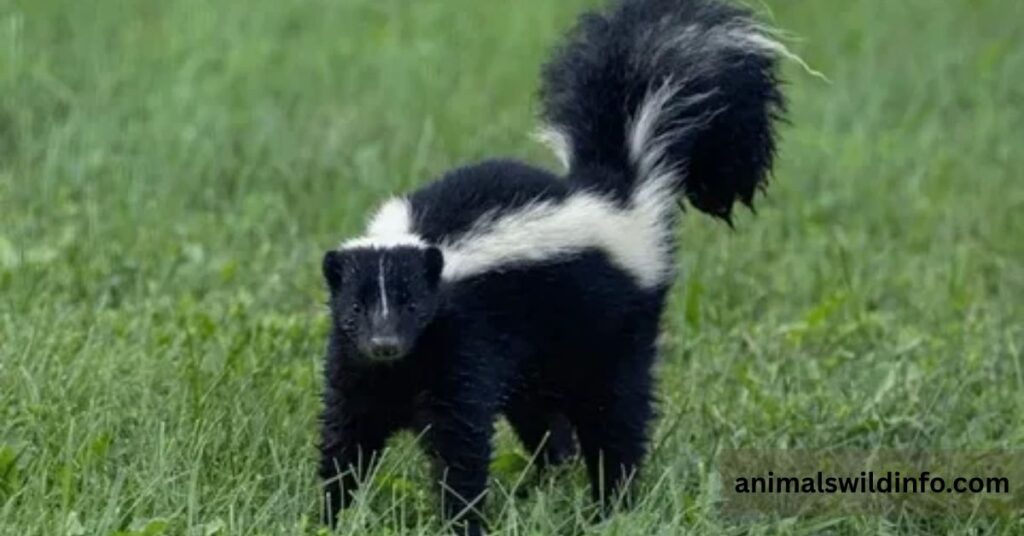
Spotting a calm animal isn’t hard once you know the signs. Watch the body first. A relaxed animal moves slow. Its ears sit loose, not pinned back. Its eyes stay soft, not wide or fixed. These signals show up across species, from a horse in a paddock to a dog on your couch. Reading this body language takes practice, but it becomes second nature over time.
Context matters too. The same animal can act differently depending on its environment. A dog raised around loud chaos may act more guarded than one raised in a calm environment. That’s why animal behavior experts always look at background, not just a single moment. True docility shows up consistently, not just when things are easy.
Can Docile Animals Become Aggressive?
Yes, even the calmest creature has limits. Fear is the biggest trigger. Pain is another. And nothing shifts an animal’s mood faster than a threat to its young. A swan that glides peacefully one moment can turn fierce the next if a predator gets close to its cygnets.
This doesn’t erase an animal’s gentle reputation. It just proves that peaceful creatures still carry survival instincts underneath their calm exterior. Even the most peaceful animal on this list can react if it feels cornered or unsafe. Respecting space is the simplest way to avoid triggering that shift.
Why Some Animals Are Naturally Calm
Some species evolved without natural predators, so they never needed sharp defensive instincts. Islands like the Galápagos and Rottnest, home to giant tortoises and quokkas, produced animals with almost no fear response. Without threats, there was no need to stay on edge.
Domestication changed things too. Centuries of breeding turned wild wolves into loyal dogs and wild boars into calm pigs. This process favored calm mammals that worked well with humans. Over time, gentler traits got passed down again and again, shaping the gentle mammals we know today.
Benefits of Keeping Docile Animals as Pets
A calm pet makes daily life easier. There’s less stress for the owner and less risk for kids or guests. Low-aggression animals are simply safer to have around a busy household.
Docile pets also build stronger bonds faster. Trust grows quickly when an animal doesn’t flinch or bite out of fear. This is part of why therapy animals are almost always chosen from naturally calm species. A gentle pet turns caregiving into connection, not just chores.
Wild vs. Domestic Docile Animals
Not every gentle animal lives in a house. Some roam free in forests, oceans, and grasslands. The table below compares a few examples from each group.
| Category | Examples | Key Trait |
| Domestic | Dogs, cats, goats, rabbits | Bred over generations for close human contact |
| Wild | Manatees, deer, giant tortoises, quokkas | Naturally calm due to few predators or slow lifestyle |
Wild docile animals still need distance and respect. Their calm nature doesn’t mean they enjoy handling the way a pet might. Supporting wildlife protection and ecosystem balance helps these gentle wild species stay safe in their natural habitat, away from unnecessary human contact.
Frequently Asked Questions
What Are the Top 5 Friendliest Animals?
Dogs, horses, dolphins, elephants, and rabbits often top the list. Each one shows strong social bonds and low aggression toward humans.
What Is the Most Peaceful Animal?
Many experts point to the giant tortoise. Its slow pace and calm behavior make it a strong pick for the most peaceful animal title.
What Is the Chillest Animal in the World?
The capybara wins this title in most polls. It stays relaxed around nearly every other species, including natural predators.
What is the most chill animal?
Quokkas come close too. Their permanent smile and fearless approach toward humans make them one of the calmest creatures on Earth.
What are the shy 5 animals?
Deer, sloths, manatees, doves, and rabbits tend to avoid conflict and stay quiet around unfamiliar faces.
What animal is shy but strong?
The horse fits this description well. It’s powerful enough to defend itself but usually chooses calm over confrontation.
What animal is the calmest?
Sloths often rank first here. Their slow movement and low-stress lifestyle set the bar for a truly calm disposition.
Conclusion
Gentle animals live all around us, in our homes, on farms, and deep in the wild. From loyal dogs to slow-moving sloths, these creatures remind us that strength and softness can exist together. Understanding animal welfare and practicing responsible pet ownership helps protect this gentle side of nature, both in our own backyards and across the wild places these animals call home.
Whether you’re picking a new pet or just admiring wildlife from afar, these 22 animals prove one simple thing: calm hearts come in every shape and size.