Top 23 Animals With Long Tails (With Pictures & Amazing Facts)
Nature loves a good tail. Some animals swing from it. Some balance on it. Some even fight with it. If you’ve ever wondered why certain creatures carry around such a long, swishy body part, you’re in the right place. This guide covers 23 of the most fascinating animals with long tails, from jungle canopies to open oceans.
You’ll meet mammals, reptiles, a shark, and even a bird. Each one uses its tail in a different way. Some rely on a prehensile tail to grab branches. Others use a muscular tail for speed. By the end, you’ll know exactly why long-tailed animals turned out this way, and you’ll never look at a tail the same again.
What Makes an Animal’s Tail So Long?
A tail’s length comes down to bones, muscle, and evolution working together. Most long-tailed vertebrates have extra caudal vertebrae, the small bones that run from the spine to the tip of the tail. More vertebrae mean more flexibility. Add strong muscle groups around those bones, and you get a tail that can grip, whip, or steer with real force. This is basic animal anatomy, but it produces wildly different results depending on where a species lives.
Habitat plays a huge role too. Arboreal animals that spend their lives in trees often develop long, flexible tails for climbing and swinging. Ground dwellers tend to use theirs for balance while running. Ocean animals shape their tails for swimming. This is tail adaptation in action, and it’s one of the clearest examples of natural selection shaping a body part to fit a lifestyle.
Why Do Animals Have Long Tails?
A long tail rarely serves just one purpose. It’s a survival tool first. Many wildlife adaptations revolve around solving a specific problem, and tails often solve several at once. A tail might keep an animal from tipping over, help it cross open water, or send a signal to a rival. This flexibility explains why tails show up in such different forms across the animal kingdom.
Evolutionary biology also plays into this. Over thousands of generations, animal evolution rewards traits that improve survival odds. A longer tail that helps a monkey avoid falling from a branch gets passed down. A tail that lets a lizard escape a predator’s grip gets passed down too. Bit by bit, these small advantages built the wide range of tails we see in wildlife with long tails today.
List of Animals With Long Tails
Below is a quick reference table before we look at each animal in detail.
| Number | Animal | Tail Highlight |
| 1 | Spider Monkey | Prehensile, grips like a hand |
| 2 | Thresher Shark | Used as a hunting whip |
| 3 | Giant Anteater | Balance and display |
| 4 | Snow Leopard | Counterweight on cliffs |
| 5 | Cheetah | Steering at high speed |
| 6 | Clouded Leopard | Canopy balance |
| 7 | Giraffe | Fly swatter and signal |
| 8 | Tree Kangaroo | Climbing support |
| 9 | Red Kangaroo | Third leg for hopping |
| 10 | Ring-Tailed Lemur | Visual signaling |
| 11 | Black-and-White Ruffed Lemur | Canopy rudder |
| 12 | Howler Monkey | Fifth limb |
| 13 | Angola Colobus | Acrobatic balance |
| 14 | Ring-Tailed Coati | Group navigation flag |
| 15 | Green Iguana | Whip-like defense |
| 16 | Long-Tailed Grass Lizard | Regenerating tail |
| 17 | Chameleon | Gripping coil |
| 18 | Jerboa | Jump stabilizer |
| 19 | Squirrel | Rudder and blanket |
| 20 | Pangolin | Anchor while foraging |
| 21 | Leopard Whipray | Venomous defense |
| 22 | Peacock | Courtship display |
| 23 | Red Fox | Warmth and balance |
Spider Monkey
Scientific Name: Ateles | Class: Mammalia | Diet: Frugivore/Omnivore
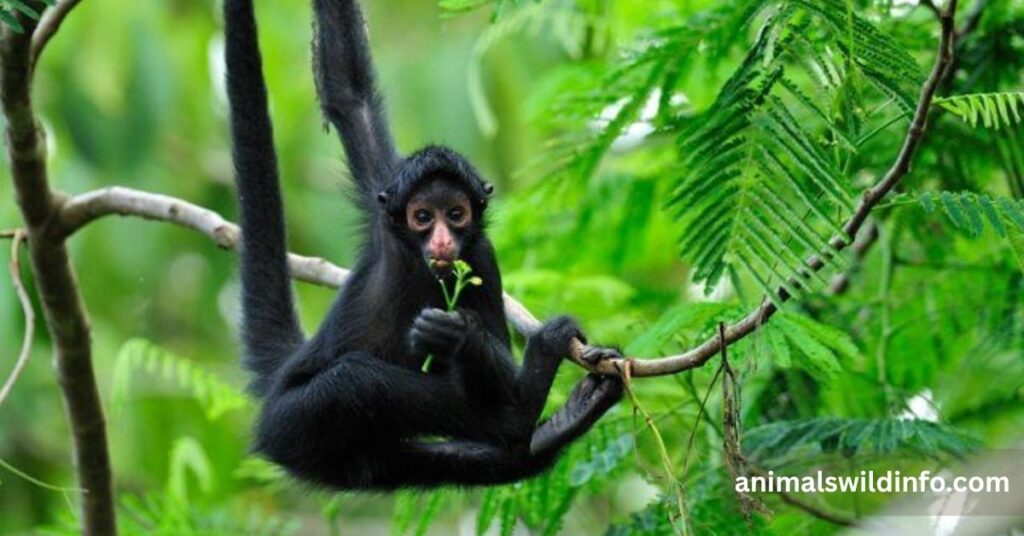
The spider monkey is one of the best-known long-tailed primates in Central and South America. Its prehensile tail works almost like a fifth limb. It grips branches, carries weight, and lets the monkey swing through the forest canopy without ever touching the ground. This tail can stretch nearly as long as the monkey’s whole body, which is rare even among animals with prehensile tails.
Life in the trees demands more than just grip strength, though. Spider monkeys use their tails during social moments too, touching or wrapping them around troop mates. This small gesture builds trust within the group. Sadly, habitat loss keeps shrinking their range, making this clever tree-dwelling animal a growing conservation concern across its native forests.
Thresher Shark
Scientific Name: Alopias | Class: Chondrichthyes | Diet: Carnivore
Few marine animals with long tails hunt quite like the thresher shark. Its tail for hunting can stretch half the length of its whole body. The shark whips this tail through schools of small fish, stunning several at once before feeding. It’s a wild sight if you ever catch it on video, and it shows how a tail can double as a weapon.
This hunting style takes real coordination and speed. Threshers also breach the surface during social moments, which researchers believe ties into communication among peers. Add a sleek, streamlined body built for long-distance swimming, and you get one of the ocean’s more surprising examples of tail functions in animals.
Giant Anteater
Scientific Name: Myrmecophaga tridactyla | Class: Mammalia | Diet: Insectivore
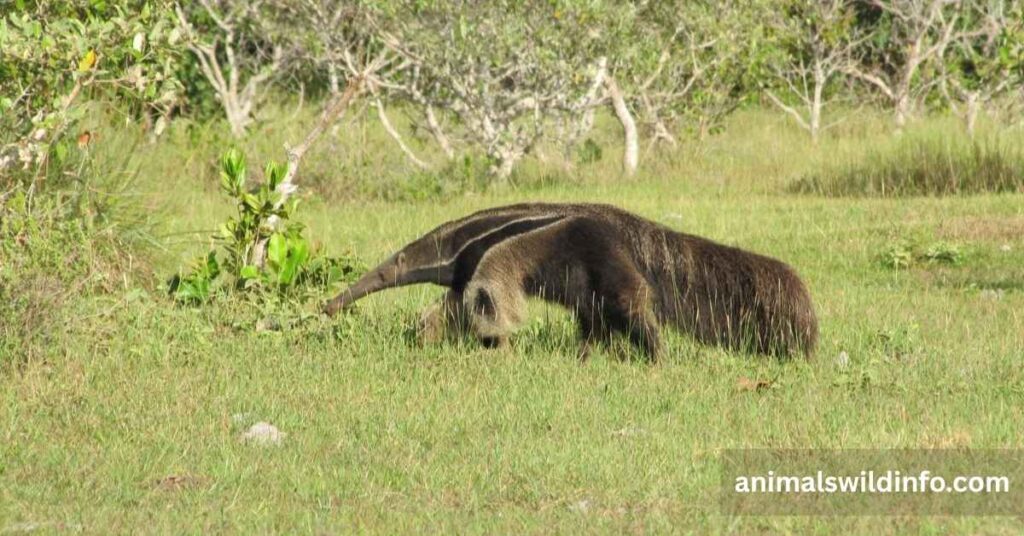
The giant anteater pairs its famous snout with a long, bushy tail that can reach 24 inches. This tail helps with balance as the anteater pushes through thick underbrush in South America. It’s a great example of tail for defense too, since a raised tail makes the animal look bigger and more intimidating to any nearby predator.
This solitary hunter relies on sharp claws for defense, but its tail adds another layer of protection. As it wanders in search of ants and termites, the tail sways for stability with every step. It’s subtle, but it’s exactly the kind of habitat adaptation that keeps a slow-moving animal safe in a predator-filled world.
Snow Leopard
Scientific Name: Panthera uncia | Class: Mammalia | Diet: Carnivore
High in the mountains of Central and South Asia, the snow leopard relies on a thick tail that can grow up to three feet long. This balancing tail works as a counterweight on narrow, rocky ledges. Without it, this elusive cat couldn’t move with the same confidence across steep cliffs and icy slopes.
The tail isn’t just for movement, though. Snow leopards wrap it around their bodies for warmth on freezing nights, showing another kind of tail for warmth. It also plays a role in communication, since these cats use tail position and movement to signal comfort or presence to others nearby. Few mammals with long tails put theirs to so many uses at once.
Cheetah
Scientific Name: Acinonyx jubatus | Class: Mammalia | Diet: Carnivore
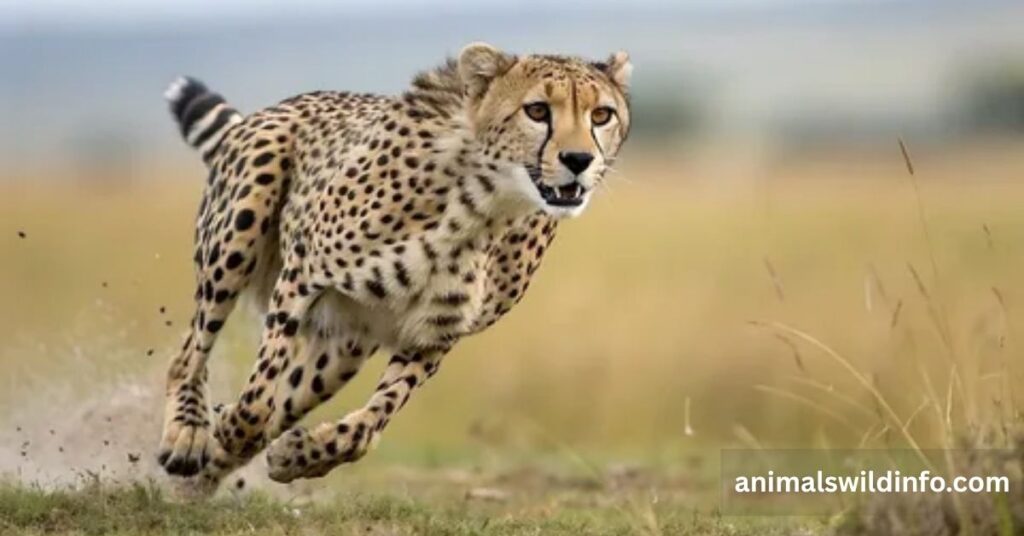
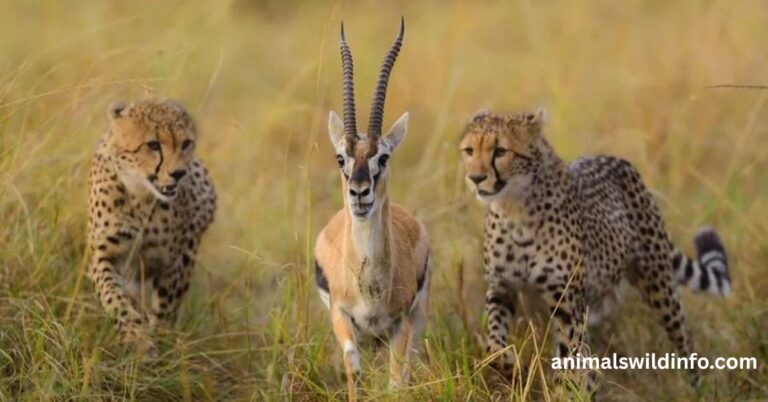
When a cheetah hits 70 miles per hour, its long tail becomes a steering wheel. This tail for hunting acts as a counterbalance during sharp turns, letting the cheetah change direction mid-sprint without losing its footing. That kind of control is exactly what separates a successful chase from a missed meal.
The tail also plays a role off the racetrack. Cheetahs sometimes raise their tails as a signal during group hunts, helping coordinate movement across open grassland. This mix of speed and subtle communication makes the cheetah a standout example of animal locomotion built entirely around a single, powerful body part.
Clouded Leopard
Scientific Name: Neofelis nebulosa | Class: Mammalia | Diet: Carnivore
The clouded leopard lives across the treetops of Southeast Asia, and its long, muscular tail can measure up to 30 inches. This gives the cat serious balance and stability while leaping between branches high above the forest floor. Watching one move, you’d think the tail was spring-loaded.
Beyond function, the tail carries the same spotted pattern as the rest of the body. That pattern isn’t just for looks. It provides camouflage against dappled light in the canopy, helping the leopard stay hidden while it stalks prey. Few animals blend form and function this well.
Giraffe
Scientific Name: Giraffa camelopardalis | Class: Mammalia | Diet: Herbivore
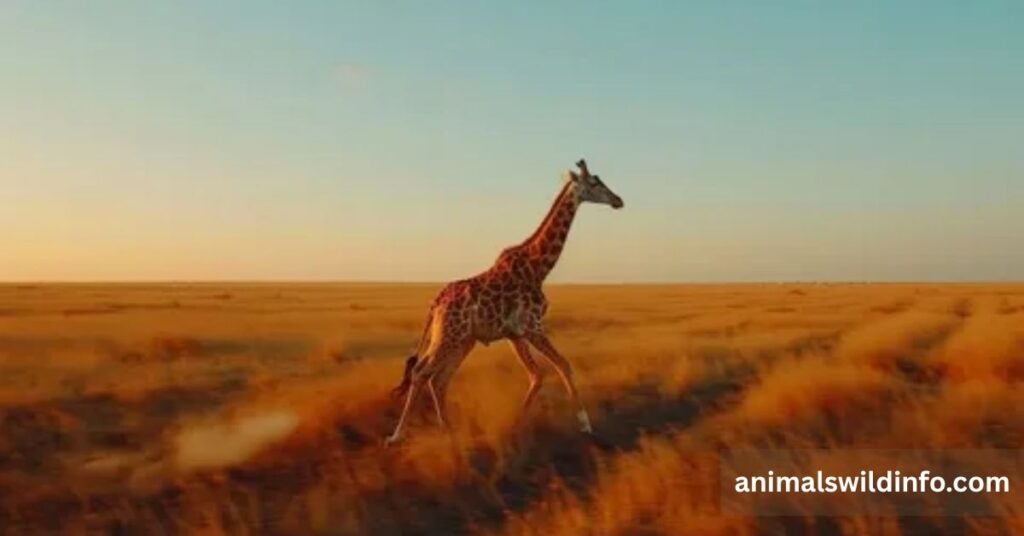
At roughly three feet long, the giraffe’s tail may look simple, but it does real work. It swats away flies and insects across the African savanna, keeping the giraffe comfortable during long grazing sessions. That’s a basic but essential form of animal behavior shaped entirely by environment.
The tail also expresses mood. A quick flick can signal irritation, while a relaxed tail suggests calm within the herd. Set against the giraffe’s towering neck and legs, this tail adds a surprising layer of social communication to an animal already famous for its unusual shape.
Tree Kangaroo
Scientific Name: Dendrolagus | Class: Mammalia | Diet: Herbivore
Unlike their ground-based cousins, tree kangaroos climb for a living, and their long, muscular tails make that possible. Found in New Guinea’s forests, this tail provides balance and stability while the animal moves between branches high above the ground, a skill most kangaroo species never need.
Researchers have also observed tree kangaroos using tail gestures during mating season and territorial disputes. This adds a social layer to what already looks like an impressive physical feat. It’s a strong reminder that tail adaptation shapes more than movement. It shapes relationships within a species too.
Read More: Top 15 Weakest Animals in the World (With Pictures & Fun Facts)
Red Kangaroo
Scientific Name: Macropus rufus | Class: Mammalia | Diet: Herbivore
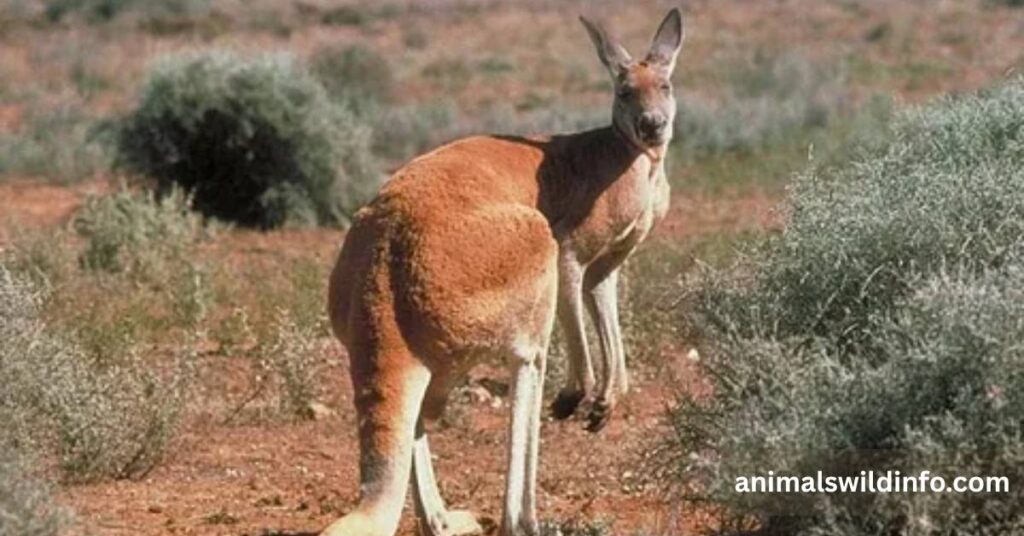
The red kangaroo’s tail can stretch up to a meter long, acting almost like a third leg. This balancing tail supports the kangaroo’s body while hopping at speeds up to 35 miles per hour across Australia’s outback. Without it, that kind of speed simply wouldn’t be possible.
Socially, the tail does even more. Kangaroos use tail posture to express dominance or submission within a mob, a subtle but important form of visual signaling. It’s easy to overlook a tail this size, but it plays a starring role in both movement and group dynamics.
Ring-Tailed Lemur
Scientific Name: Lemur catta | Class: Mammalia | Diet: Omnivore
Native to Madagascar, the ring-tailed lemur carries a striking black-and-white striped tail that’s often longer than its own body. This tail helps with balance while leaping between branches, but it’s just as important as a signal flag within the group as lemurs move through dense forest.
Lemurs also perform “tail displays” to assert dominance or attract a mate, waving their tails like a banner. This kind of social communication matters even more in thick forest, where sound doesn’t always travel well. Few long-tailed primates rely on visual signals quite this heavily.
Black-and-White Ruffed Lemur
Scientific Name: Varecia variegata | Class: Mammalia | Diet: Frugivore
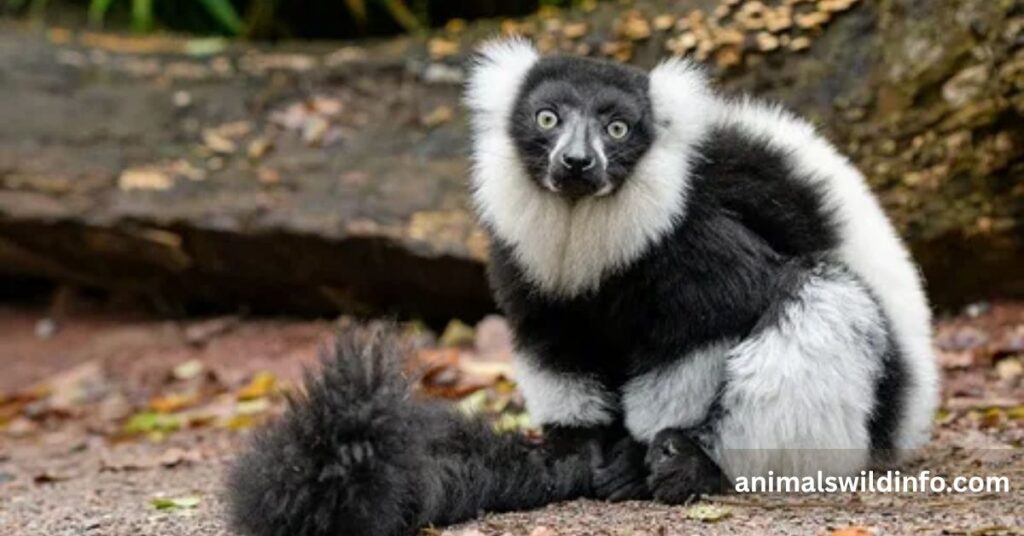
This Madagascar native uses its long tail as a rudder while leaping through the canopy. The tail’s length nearly matches its body, giving it precise control during sharp turns between branches. That kind of control matters when a missed landing means a long fall.
Beyond movement, the tail helps express emotion during social exchanges, reinforcing bonds within the group. Paired with bold black-and-white fur, this long-tailed creature puts on quite a show as it moves through Madagascar’s lush, high-canopy habitat.
Howler Monkey
Scientific Name: Alouatta | Class: Mammalia | Diet: Herbivore/Frugivore
Best known for its booming call, the howler monkey also carries a powerful prehensile tail that works as a true fifth limb. This long-tailed monkey grips branches with ease, letting it move through the rainforest canopy while foraging for fruit and leaves.
The tail supports social life too. Alongside those famous vocal calls, expressive tail movement helps convey emotion and maintain order within the troop. Between the sound and the tail, howler monkeys have two powerful tools for staying connected across a noisy, crowded rainforest.
Angola Colobus
Scientific Name: Colobus angolensis | Class: Mammalia | Diet: Herbivore
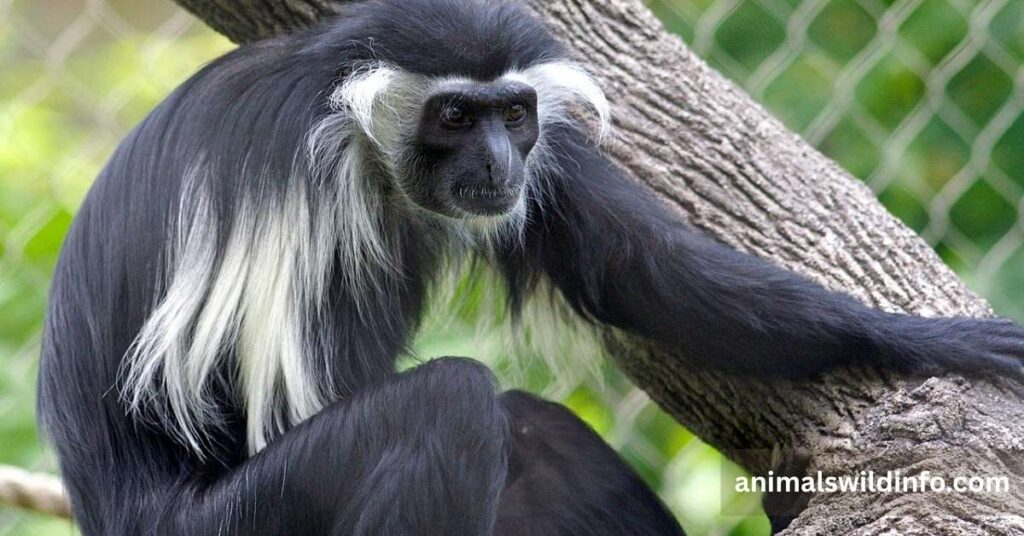
The Angola colobus carries a tail that can stretch up to three feet, supporting acrobatic movement through the forests of Angola. This tail acts as a balancing tool during dramatic leaps between branches, letting this primate move with real confidence high above the ground.
Social behavior matters here too. Colobus monkeys live in small groups and communicate through vocal calls paired with expressive tail movement. As deforestation threatens their habitat, understanding these behaviors becomes part of broader wildlife conservation efforts across the region.
Ring-Tailed Coati
Scientific Name: Nasua nasua | Class: Mammalia | Diet: Omnivore
Found across Central and South America, the ring-tailed coati holds its long, banded tail upright while traveling in groups. This works like a built-in flag, letting other coatis follow along even through thick, low-visibility forest. It’s a clever, practical form of animal behavior.
Coatis also show strong cooperation within their bands, grooming and foraging together often. Some have even been seen balancing food with one paw while using the tail to stay steady. That kind of coordination shows real intelligence behind this long-tailed creature’s daily routine.
Green Iguana
Scientific Name: Iguana iguana | Class: Reptilia | Diet: Herbivore
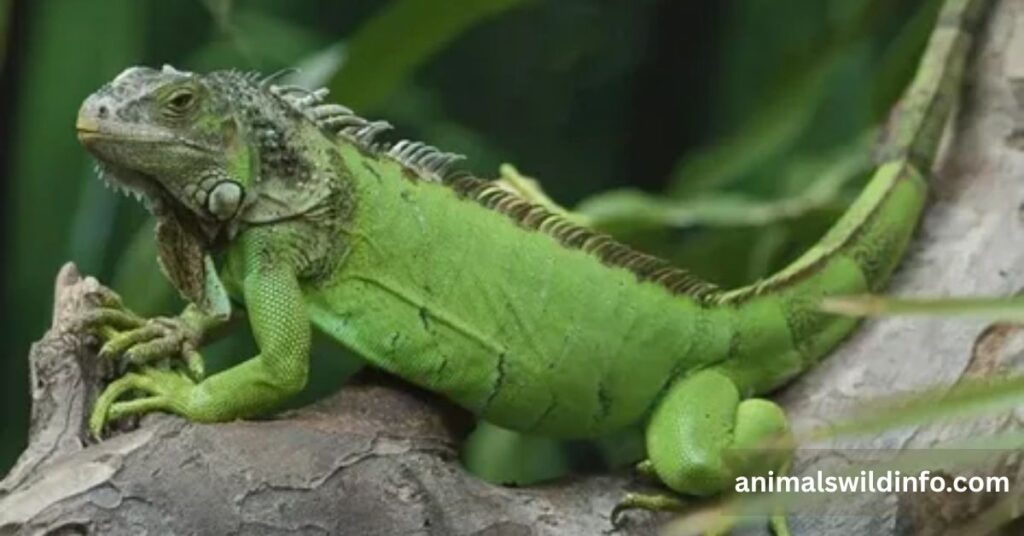
The green iguana is one of the more recognizable reptiles with long tails, with a tail that can make up more than half its total body length. This whip-like tail serves as a powerful defense tool. A well-aimed strike can drive off a predator that gets too close.
Iguanas also use their tails while swimming, propelling themselves through water with side-to-side motion. This dual-purpose design, part weapon and part paddle, makes the green iguana a strong example of how reptilian adaptation solves more than one problem at once.
Long-Tailed Grass Lizard
Class: Reptilia | Diet: Insectivore
This slender lizard often has a tail longer than the rest of its body, an unusual trait even among long-tailed reptiles. The tail provides balance while moving through grassland, and it also plays a role in camouflage, helping the lizard blend into its surroundings and avoid unwanted attention.
What makes this lizard especially interesting is its ability to regrow a lost tail. If a predator grabs hold, the lizard can shed the tail and escape, then regenerate a new one over time. It’s a remarkable survival adaptation built entirely around a body part most animals can’t afford to lose.
Read More: Top 18 Animals With Sharp Claws (With Pictures & Amazing Facts)
Chameleon
Scientific Name: Chamaeleonidae | Class: Reptilia | Diet: Insectivore
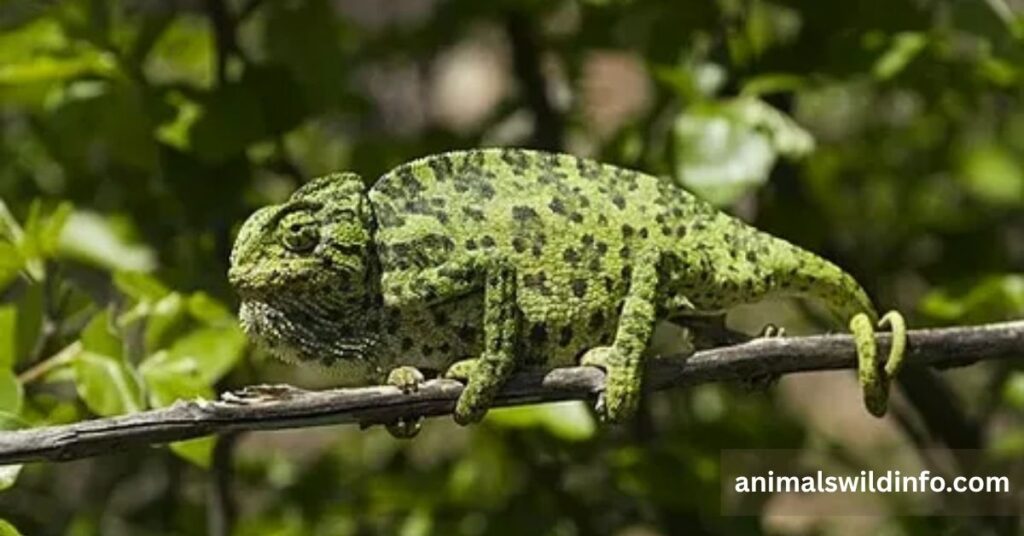
Famous for changing color, the chameleon also carries a prehensile tail that works like a coiled spring. It wraps securely around branches, giving this reptile a steady grip while it scans for insects. Without this tail, the chameleon’s slow, careful movement through trees wouldn’t be nearly as safe.
The tail also plays a quiet role in communication. When threatened, a chameleon may sweep its tail in a specific way to warn off rivals. Paired with its color-changing skin, this makes the chameleon one of nature’s more layered examples of functional anatomy.
Jerboa
Class: Mammalia | Diet: Omnivore/Herbivore
Found across the deserts of North Africa and Asia, the jerboa is a small rodent with a surprisingly long, tufted tail. This balancing tail helps the jerboa land safely after leaps that can stretch up to three meters, a huge distance for such a small body.
The tail also helps with temperature control. Jerboas wrap it around their bodies on cold desert nights, a clear case of tail for warmth. Combined with its role in signaling between individuals, this tail makes the jerboa far more capable than its tiny size might suggest.
Squirrel
Scientific Name: Sciuridae | Class: Mammalia | Diet: Omnivore
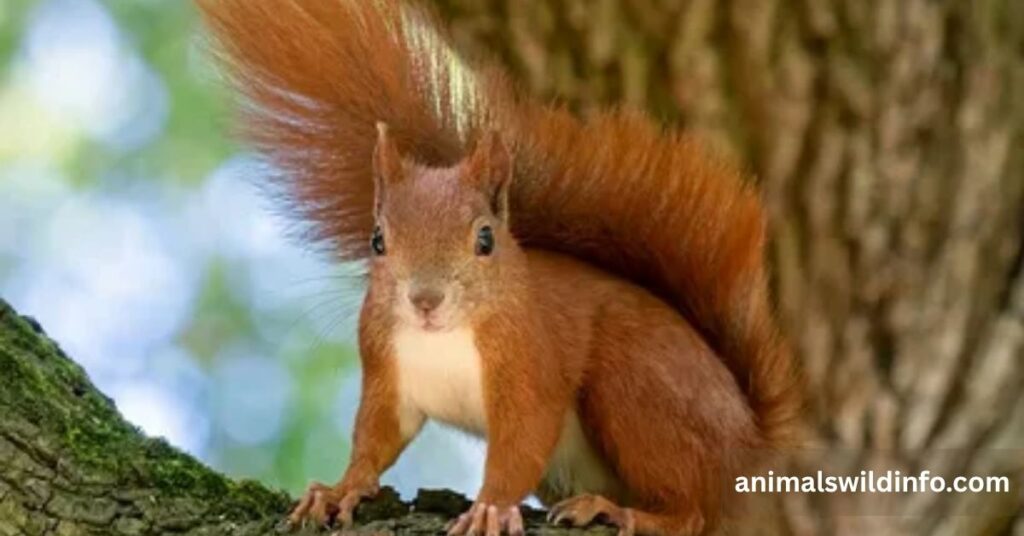
Squirrels are one of the most familiar animals with bushy tails in the United States, and that fluffy tail does real work. It acts like a rudder while jumping between branches, helping the squirrel stick tricky landings with confidence during fast, high-up movement through the trees.
The tail also acts as an emotional signal, flicking during alarm or lifting during excitement. On cold days, squirrels wrap their bushy tails around themselves like a blanket. It’s a small but clever bit of wildlife anatomy that covers balance, communication, and warmth all at once.
Pangolin
Class: Mammalia | Diet: Insectivore
The pangolin relies on a long, flexible tail to anchor itself securely while it forages for ants and termites. This tail for climbing pairs with the pangolin’s armor of keratin scales, giving it both mobility and protection in a single package rarely seen elsewhere in nature.
Recent research also suggests pangolins use tail movement as part of a more complex social structure than once believed. As illegal poaching continues to threaten the species, understanding these behaviors adds urgency to ongoing wildlife conservation work protecting this quiet, often misunderstood animal.
Leopard Whipray
Scientific Name: Himantura leoparda | Class: Chondrichthyes | Diet: Carnivore
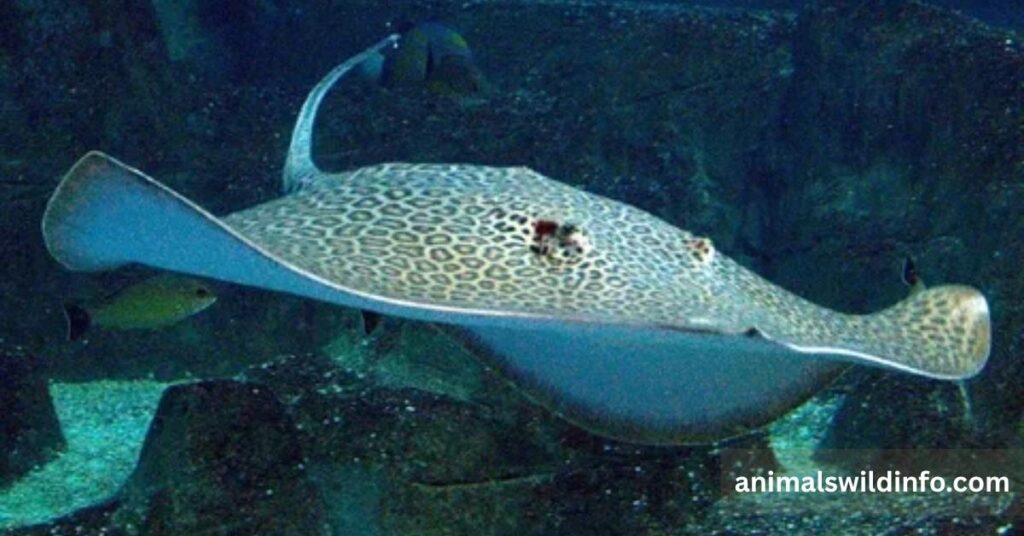
The leopard whipray carries a tail that can stretch up to two meters, making it one of the most striking marine animals with long tails. This tail helps the ray blend into sandy seabeds across the Indo-Pacific, while also stirring up sediment to reveal hidden prey below.
That length hides a serious defense mechanism too. The tail houses venomous spines, giving predators a strong reason to keep their distance. As human activity increasingly reaches coastal waters, this ray’s unique marine adaptation highlights just how delicate ocean ecosystems really are.
Read More: Top 30 Most Shy Animals in the World (With Pictures & Fascinating Facts)
Peacock
Scientific Name: Pavo cristatus | Class: Aves | Diet: Omnivore
Technically, the peacock’s famous display comes from long tail-covert feathers rather than the tail itself, but the visual effect is unmatched. This dramatic fan plays a central role in courtship, with males spreading their feathers to attract a mate through pure visual signaling.
Beyond looks, this display also signals health and genetic quality to potential partners. The brighter and fuller the display, the more likely a male is to catch attention. It’s a vivid, colorful example of how animal behavior can turn a body part into a full performance.
Red Fox
Scientific Name: Vulpes vulpes | Class: Mammalia | Diet: Omnivore
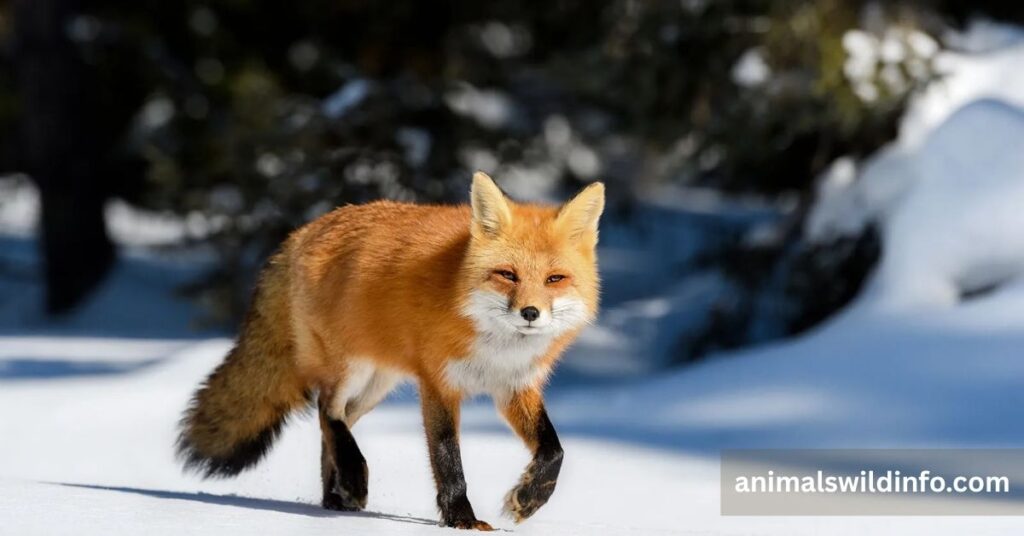
Common across the United States, the red fox carries a thick, bushy tail that supports balance while running and turning quickly through brush and open terrain. This tail also helps the fox keep warm, wrapping around its body during cold nights much like a built-in blanket.
The tail plays a role in communication too, with position and movement signaling mood to other foxes nearby. Between balance, warmth, and signaling, the red fox’s tail shows just how much functional anatomy can pack into one simple-looking feature.
Common Uses of Long Tails in Animals
Across all 23 animals above, a few clear patterns keep showing up. Tails solve real problems, whether that’s staying upright, staying warm, or staying safe from predators. Grouping these functions together makes it easier to see just how much work a single body part can do.
Below, we break these purposes into five main categories. Each one draws on examples from the list above, showing how similar tail shapes lead to very different outcomes depending on habitat and lifestyle.
Balance and Stability
Balance ranks among the most common reasons animals evolve long tails. Cheetahs, squirrels, and snow leopards all rely on tail movement to stay upright during fast or unpredictable motion. This kind of counterbalance turns a simple appendage into a survival tool during high-speed chases or steep mountain crossings.
Swimming and Steering
In water, tails work more like rudders than balance beams. Thresher sharks and leopard whiprays both use their tails to steer and, in the shark’s case, to hunt. This kind of marine adaptation shows how the same basic body part changes shape entirely once an animal moves from land to sea.
Climbing and Gripping
Arboreal species like spider monkeys, howler monkeys, and chameleons depend on a prehensile tail for climbing and gripping branches. This tail acts as an extra hand, supporting an entire arboreal lifestyle built around tree climbing and swinging through trees without ever touching solid ground.
Communication and Courtship
Some tails exist mainly to be seen. Ring-tailed lemurs, peacocks, and red kangaroos all use tail position or display as a form of social communication. Whether signaling dominance or attracting a mate, this kind of visual signaling plays a major role in group dynamics and reproduction.
Defense Against Predators
Finally, tails protect. Giant anteaters raise theirs to look bigger, long-tailed grass lizards can shed and regrow theirs, and leopard whiprays carry venomous spines for a serious last resort. This defensive behavior proves that a tail can be just as useful for staying alive as it is for getting around.
Interesting Facts About Animals With Long Tails
A few standout facts make this topic even more fun to explore. The thresher shark’s tail can equal half its total body length, making it one of the most dramatic examples of tail for hunting in the ocean. The spider monkey’s tail is strong enough to support its entire body weight while hanging from a branch, a rare feat among long-tailed species.
Meanwhile, the long-tailed grass lizard can fully regenerate a lost tail, and the jerboa can leap nearly three meters using its tail for balance alone. These details highlight just how varied tail functions in animals really are, from hunting tools to built-in survival mechanisms.
| Fact | Animal |
| Longest tail relative to body | Long-Tailed Grass Lizard |
| Tail used as a weapon | Thresher Shark |
| Venomous tail | Leopard Whipray |
| Tail that regrows | Long-Tailed Grass Lizard |
| Tail acts as a fifth limb | Spider Monkey, Howler Monkey |
Conclusion
Long-tailed animals remind us just how creative evolution can get when solving a single problem. Some tails balance, some steer, some fight, and some simply say hello to a neighbor. Across mammals, reptiles, birds, and even sharks, this one feature keeps proving its worth in completely different environments.
Next time you spot a squirrel darting up a tree or a fox trotting through your backyard, take a second look at that tail. It’s doing more work than you’d think, and it’s one more reason to appreciate the sheer variety of life sharing this planet with us.
FAQ’s
Many animals carry unusually long tails, including the spider monkey, thresher shark, giant anteater, and red kangaroo. Each one uses its tail differently, based on its habitat and lifestyle.
There’s no single scientific term for this. Most people simply describe them as long-tailed animals or long-tailed species, since the trait spans mammals, reptiles, birds, and marine life.
The thresher shark holds one of the most dramatic examples, with a tail stretching up to half its total body length. Among land mammals, the long-tailed grass lizard often has a tail longer than its own body.
Smaller examples include the jerboa, squirrel, and chameleon. Despite their size, each relies on its tail for balance, warmth, or gripping branches while climbing.