Top 8 Dangerous Animals in Aruba: Some Can Be Deadly
Aruba looks like paradise. White sand. Turquoise water. Sunshine almost every day. But here’s something most travel guides won’t tell you: this island also hides a surprising list of dangerous animals in Aruba. Some slither through rocky trails. Some drift quietly through coastal waters. A few can actually hurt you if you’re not careful.
This guide walks you through the most dangerous animals in Aruba, from venomous snakes to massive ocean predators. You’ll learn what makes each creature risky, where it lives, and how to avoid a bad encounter. Think of this as your friendly, no-nonsense Aruba animal guide before your next trip.
List of Dangerous Animals in Aruba
Aruba’s wildlife splits into two worlds. On land, you’ll find snakes, lizards, and reptiles suited to a dry, desert landscape. Offshore, the Caribbean Sea hides sharks, jellyfish, and other marine animals that call the reef home. Together, they make up a small but fascinating slice of Caribbean wildlife.
Below is the full list of animals in Aruba that deserve your respect. We’ll break down each one, so you know exactly what you’re dealing with before you hike a trail or jump in the water.
| Animal | Scientific Name | Danger Level | Habitat |
| Aruba Island Rattlesnake | Crotalus durissus unicolor | High (venomous) | Rocky terrain, desert scrub |
| Baker’s Cat-Eyed Snake | Leptodeira bakeri | Low-Moderate (mildly venomous) | Rocky terrain, dry brush |
| Common Boa Constrictor | Boa constrictor | Moderate (nonvenomous snake) | Scrubland, rocky outcrops |
| Green Iguana | Iguana iguana | Low (defensive bite/scratch) | Desert landscape, trees |
| Jellyfish | Varies by species | Moderate (sting risk) | Coastal waters |
| Caribbean Reef Shark | Carcharhinus perezi | Low (rare attacks) | Coral reefs |
| Hammerhead Shark | Sphyrna species | Low (rare attacks) | Open water, reef edges |
| Whale Shark | Rhincodon typus | Very Low (filter feeder) | Open ocean |
Aruba Island Rattlesnake
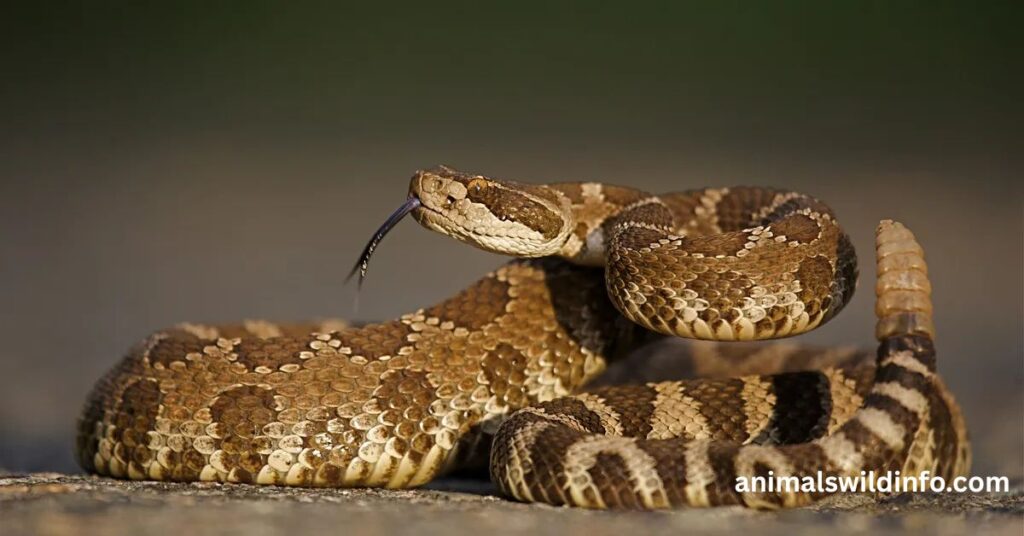
The Aruba Island Rattlesnake is the island’s most feared reptile, and for good reason. This is a true venomous snake, found nowhere else on Earth. It thrives in the dry, rocky terrain that covers much of Aruba’s interior, using its sandy-brown scales to disappear against the landscape. A snake bite from this animal is rare, but it happens, and it always calls for immediate medical care. Despite its reputation, the rattlesnake avoids people whenever it can. It would rather slip away quietly than strike, which tells you a lot about its natural wildlife behavior.
Read More: Top 20 Animals That Live in Rivers (With Pictures & Facts)
Baker’s Cat-Eyed Snake
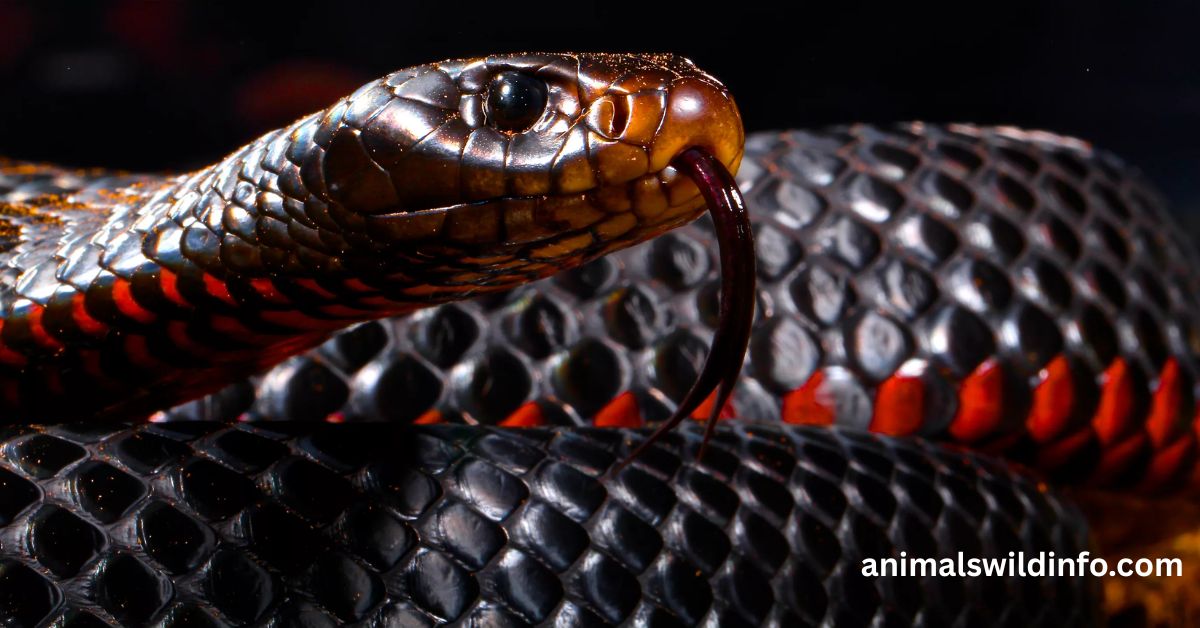
Next up is Baker’s Cat-Eyed Snake, a smaller and lesser-known snake habitat dweller. It hunts at night, using slit-like pupils to track small lizards across the dry brush. This snake carries mild venom, mostly used to subdue prey rather than defend against humans. Bites are uncommon, but they can still cause discomfort and swelling. If you’re hiking after dark, watch your step. This shy predator prefers to stay hidden, so most people never even know it’s nearby.
Common Boa Constrictor
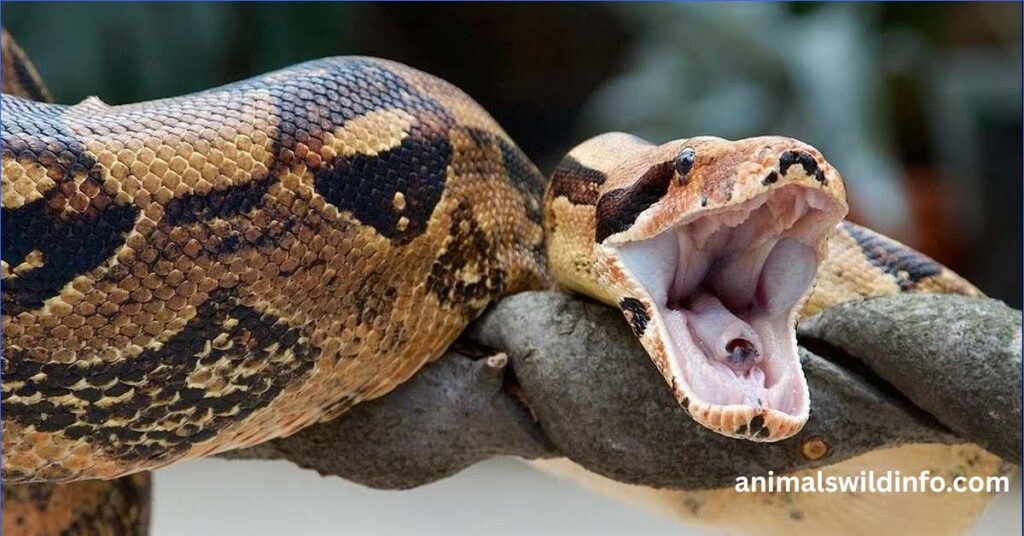
The common boa constrictor doesn’t rely on venom at all. Instead, it wraps around its prey and squeezes, a hunting method built entirely on raw strength. These snakes can stretch past 10 feet long, which sounds terrifying, but they’re actually a nonvenomous snake with a calm, reclusive personality. Boas would much rather hide in the brush than face a human. Encounters are rare, and when they do happen, most people walk away with nothing more than a good story.
Green Iguana
You’ll spot the green iguana almost everywhere in Aruba, from backyard gardens to rocky hillsides. This reptile looks intimidating with its spiky crest and long claws, but it’s actually a peaceful herbivore. The danger only shows up when you corner one. A threatened iguana can deliver a sharp bite or a nasty scratch, its version of animal defense. Leave it alone, and it’ll return the favor.
Jellyfish
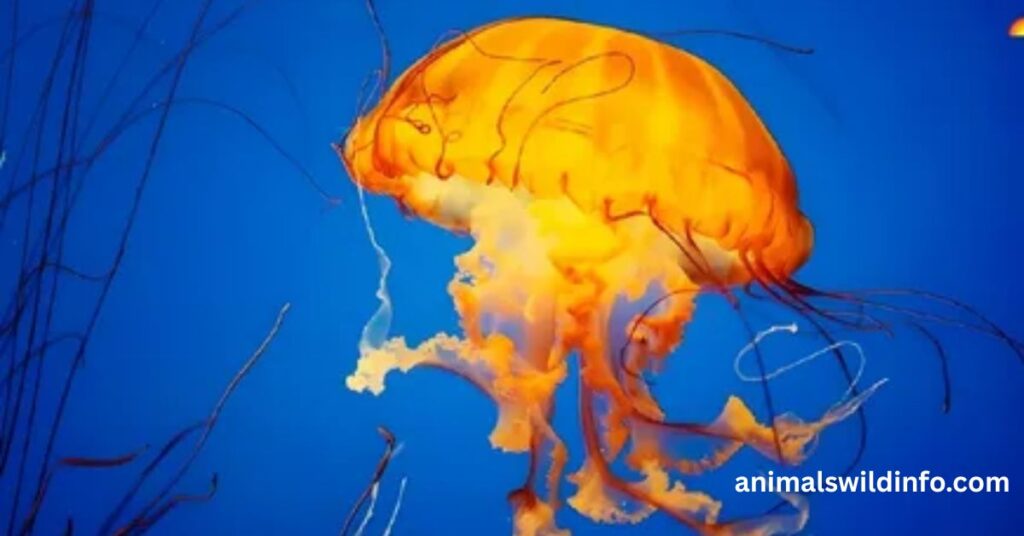
Not every threat in Aruba lives on land. Jellyfish drift through the coastal waters year-round, and a few species pack a painful punch. The Portuguese Man o’ War stands out as the biggest concern, trailing long tentacles that deliver a jellyfish sting capable of causing redness, swelling, and sharp pain. Some people even develop allergic reactions. Stings tend to spike during certain seasons, so it pays to check local conditions before you swim.
Read More: Top 15 Animals That Waddle Amazing Waddling Animals With Pictures
Caribbean Reef Sharks
The Caribbean reef shark patrols Aruba’s coral reefs, and honestly, it’s more curious than aggressive. These sleek predators help control fish populations, keeping the entire reef ecosystem in balance. Divers often describe reef shark encounters as calm and even magical, since these sharks tend to keep their distance unless provoked. Still, they’re wild predators, and a healthy dose of caution goes a long way underwater.
Hammerhead Sharks
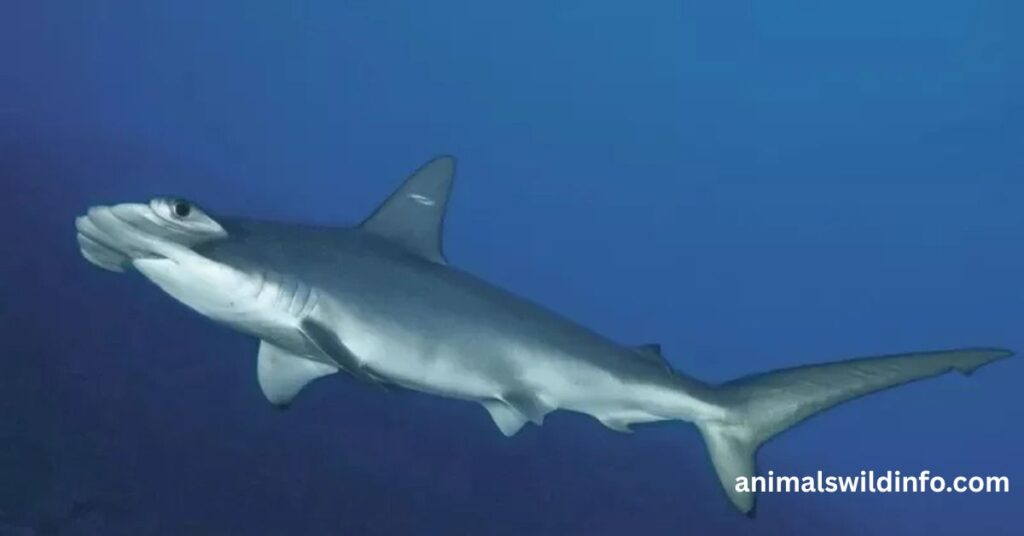
With its wide, unmistakable head shape, the hammerhead shark is one of the ocean’s strangest-looking hunters. Despite the intimidating appearance, hammerheads rarely bother humans. They often travel in schools, especially during mating season, which means shark encounters near Aruba tend to involve groups rather than lone predators. Most divers who spot one describe it as a thrilling, once-in-a-lifetime moment rather than a dangerous one.
Read More: Are Kangaroos Smart? Interesting Facts About Kangaroo Intelligence
Whale Sharks
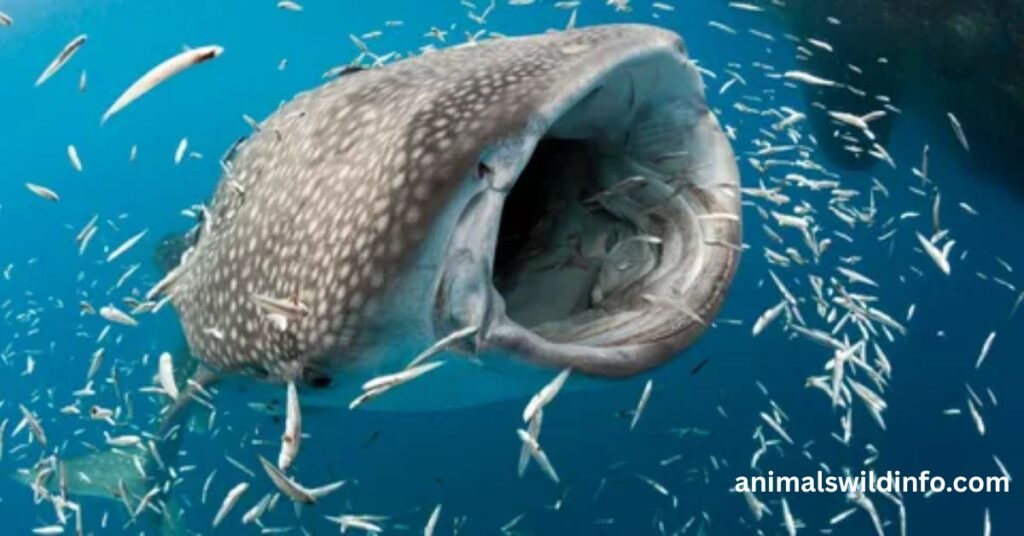
Don’t let the size fool you. The whale shark can grow up to 40 feet long, making it the largest fish in the ocean, yet it poses almost zero threat to humans. This gentle giant filters plankton through its gills as it glides through open water. Swimming beside one feels less like an encounter with a predator and more like floating next to a slow-moving island. It’s one of the most unforgettable wildlife encounters Aruba has to offer.
How Dangerous Are Animals in Aruba?
Let’s be honest. Most trips to Aruba end with nothing more exciting than a sunburn. Dangerous wildlife in Aruba does exist, but serious incidents remain rare. The Aruba Island Rattlesnake and a handful of marine stingers pose the real risks, while creatures like the whale shark and green iguana look scarier than they actually are.
The key is understanding the difference between a potentially dangerous animal and an actual threat. A snake hiding under a rock isn’t hunting you. A shark gliding past a reef isn’t stalking you either. Both are simply living in their natural habitat. Respect that space, and your odds of a bad encounter drop close to zero.
Aruba Wildlife Safety Tips
Good Aruba wildlife safety comes down to common sense more than luck. A few smart habits can turn a risky situation into a non-event, whether you’re hiking through the desert or swimming near the reef. Wildlife safety tips like these work because they respect the animal’s space instead of testing it.
Follow the guidance below, and you’ll dramatically lower your chances of any unwanted wildlife encounters during your stay.
Avoid Touching or Approaching Wild Animals
Animal attack prevention starts with one simple rule: keep your hands to yourself. Never pick up a snake, corner an iguana, or reach toward marine life you don’t recognize. Most animal defense reactions happen because a person got too close, not because the animal went looking for trouble.
Swim Only in Designated Areas
Swimming safety in Aruba means sticking to marked beaches with lifeguards nearby. These areas get monitored for jellyfish blooms and other dangerous sea creatures, giving you an extra layer of protection. Unmarked or remote coves might look tempting, but they carry more unknowns.
Be Careful When Hiking in Snake Habitats
Snake safety while hiking starts with your footwear. Closed shoes and long pants reduce your risk dramatically. Stick to marked trails, watch where you place your hands and feet on rocky terrain, and never reach into holes or under rocks without checking first.
Keep a Safe Distance From Marine Wildlife
Ocean safety and snorkeling safety both depend on distance. Admire sharks, jellyfish, and other ocean wildlife from a few feet away rather than swimming directly toward them. Safe wildlife viewing protects both you and the animal, and it keeps the encounter enjoyable instead of stressful.
Final Thoughts
Aruba’s nature and wildlife add a layer of adventure to an already beautiful island. Yes, a few dangerous creatures in Aruba deserve your attention, from the venomous rattlesnake to the occasional jellyfish sting. But none of them should keep you from enjoying your trip.
Respect the Aruba ecosystem, follow basic safety habits, and you’ll walk away with great memories instead of a scary story. Wildlife protection works both ways. Give these animals their space, and Aruba will keep showing you why it’s one of the most beautiful corners of the Caribbean.
Frequently Asked Questions
Got more questions about Aruba animal safety? Here are quick answers to the ones travelers ask most.
These cover everything from shark risks to snake identification, so you can head into your trip fully informed.
Are There Dangerous Sharks in Aruba?
Yes, several shark species swim in Aruba’s waters, including reef sharks and hammerheads. Dangerous encounters remain extremely rare, and most sharks avoid humans entirely.
What Is the Most Common Animal in Aruba?
The Aruba whiptail lizard holds that title. This small, fast-moving reptile appears almost everywhere, from beaches to rocky trails across the island.
Are There Monkeys in Aruba?
No. Aruba’s dry climate doesn’t support native wildlife like monkeys. The island’s animal life leans toward reptiles, birds, and marine species suited to a desert environment.
Are Aruba Rattlesnakes Dangerous to Humans?
Yes, a bite can be serious and requires immediate medical attention. However, this snake is reclusive by nature and avoids humans whenever possible, making bites uncommon.
Are There Poisonous Snakes in Aruba?
Aruba is home to venomous snakes of the Caribbean, including the Aruba Island Rattlesnake and Baker’s Cat-Eyed Snake. Both carry venom, though bites happen rarely and rarely turn fatal with prompt treatment.