Top 18 Animals With Long Horns (With Pictures & Amazing Facts)
Nature loves a good pair of horns. Across deserts, mountains, and open grasslands, you’ll find some of the most striking long horned animals on Earth. Some grow horns that twist like a corkscrew. Others carry horns that curve backward in a smooth, elegant arc. A few even carry horns that stretch longer than the animal’s own body.
In this guide, you’ll meet 18 incredible animals with horns from Africa, Asia, and North America. You’ll learn how their horns grow, what they’re used for, and why they matter so much to survival. Whether you love wildlife conservation, animal facts, or you’re just horn-curious, this list has something for you.
What Are Long-Horned Animals?
Long-horned animals are mammals that grow permanent horns made of a hard protein called keratin. This is the same material found in your fingernails. Unlike antlers, these horns don’t fall off each year. They grow continuously, layer by layer, for the animal’s whole life.
Most horned mammals on this list belong to the bovid family. That includes cattle, antelope, buffalo, and wild goats. You’ll also find one surprising exception near the end of the list: the white rhinoceros, whose horn isn’t made of bone at all. From African mammals roaming the savanna to Asian mammals climbing steep cliffs, these creatures show just how varied horn adaptation can get.
List of Animals With Long Horns
Below, you’ll find all 18 animals in this guide. Each one carries its own record-breaking horns and a story worth knowing. Take a look at the quick summary table first, then scroll down to learn more about each species.
| Animal | Scientific Name | Average Horn Length | Region |
| Ankole-Watusi | Bos taurus | Up to 8 feet (tip to tip) | East Africa |
| Texas Longhorn | Bos taurus | Up to 7 feet (tip to tip) | United States |
| Greater Kudu | Tragelaphus strepsiceros | Up to 72 inches | Southern & Eastern Africa |
| Giant Eland | Taurotragus derbianus | Up to 47 inches | Central & West Africa |
| Common Eland | Taurotragus oryx | Up to 30 inches | Southern & Eastern Africa |
| Asian Water Buffalo | Bubalus bubalis | Up to 6.5 feet (tip to tip) | South & Southeast Asia |
| Wild Yak | Bos mutus | Up to 40 inches | Tibetan Plateau, Himalayas |
| African Buffalo | Syncerus caffer | Up to 40 inches (span) | Sub-Saharan Africa |
| Sable Antelope | Hippotragus niger | Up to 65 inches | Southern & Eastern Africa |
| Scimitar Oryx | Oryx dammah | Up to 50 inches | North Africa (wild-extinct) |
| Gemsbok | Oryx gazella | Up to 45 inches | Southern Africa |
| Addax | Addax nasomaculatus | Up to 43 inches | Sahara Desert |
| Markhor | Capra falconeri | Up to 5 feet | Central Asia |
| Alpine Ibex | Capra ibex | Up to 3 feet | European Alps |
| Bighorn Sheep | Ovis canadensis | Up to 3.3 feet | North America |
| Pronghorn | Antilocapra americana | Up to 20 inches | North America |
| Springbok | Antidorcas marsupialis | Up to 19 inches | Southern Africa |
| White Rhinoceros | Ceratotherium simum | Up to 5 feet (front horn) | Southern & Eastern Africa |
Ankole-Watusi
Class: Mammalia | Diet: Herbivore
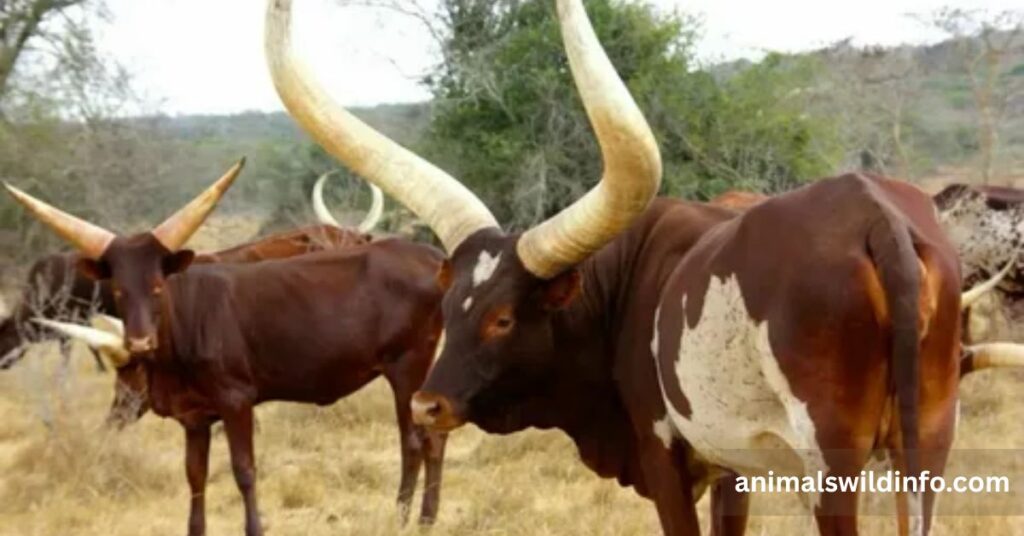
The Ankole-Watusi might carry the most jaw-dropping horns of any long-horn cattle breed alive today. Tip to tip, its horns can stretch past 8 feet. That’s wider than most doorways. These giant, curved horns aren’t just for looks, though. They’re packed with blood vessels that help the animal cool down in East Africa’s brutal heat, acting almost like a built-in air conditioner.
Herders in Uganda, Rwanda, and Tanzania have raised this breed for centuries, treating the cattle as a symbol of wealth and status rather than just livestock. You’ll often see them at cultural ceremonies, where their backward-curving horns steal the spotlight. Because of their deep cultural roots, protecting the Ankole-Watusi means protecting a piece of living history too.
Read More: Top 20 Clumsy Animals in the World (With Pictures & Surprising Facts)
Texas Longhorn
Class: Mammalia | Diet: Herbivore
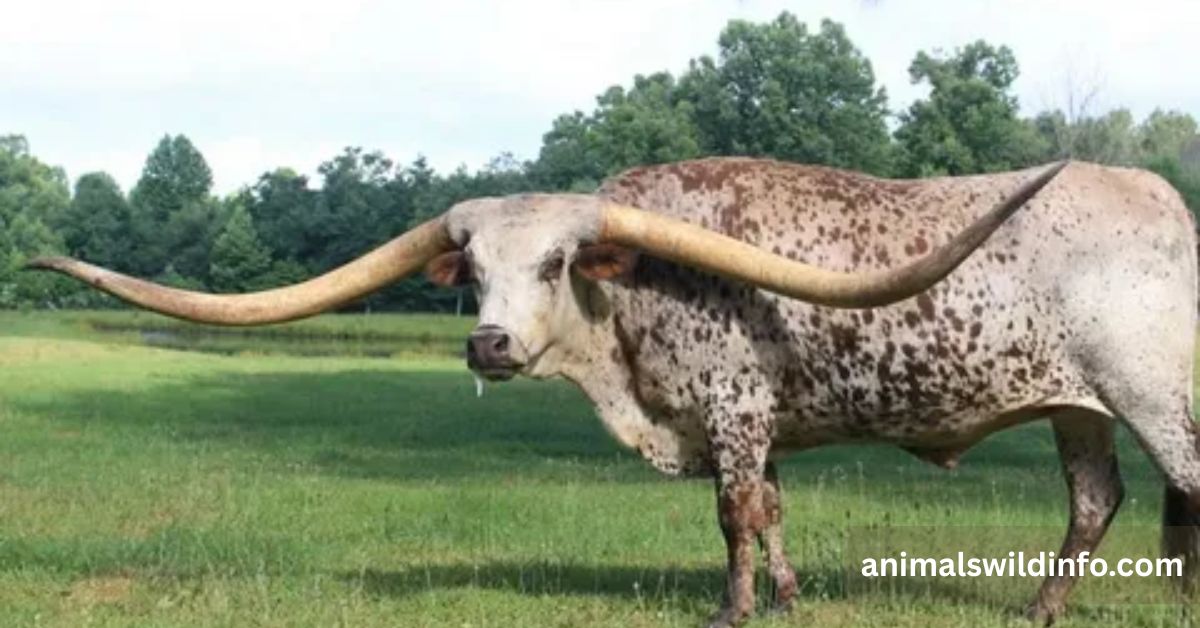
Ask any American to picture a horned animal, and the Texas Longhorn probably comes to mind first. This breed descended from Spanish cattle brought to the Americas back in the 1500s, and centuries of rough, open-range living shaped it into something tough and self-reliant. Its horns can reach 7 feet across, and they aren’t just decoration.
Wild herds once used them for predator protection and to compete over food and water during dry spells. Today, the Texas Longhorn stands as a proud state symbol, showing up in rodeos, ranch logos, and even college mascots. Its genetic diversity, born from loose breeding standards, actually makes it hardier than many modern cattle breeds, which is a nice reminder that nature sometimes does a better job than we do.
Greater Kudu
Class: Mammalia | Diet: Herbivore
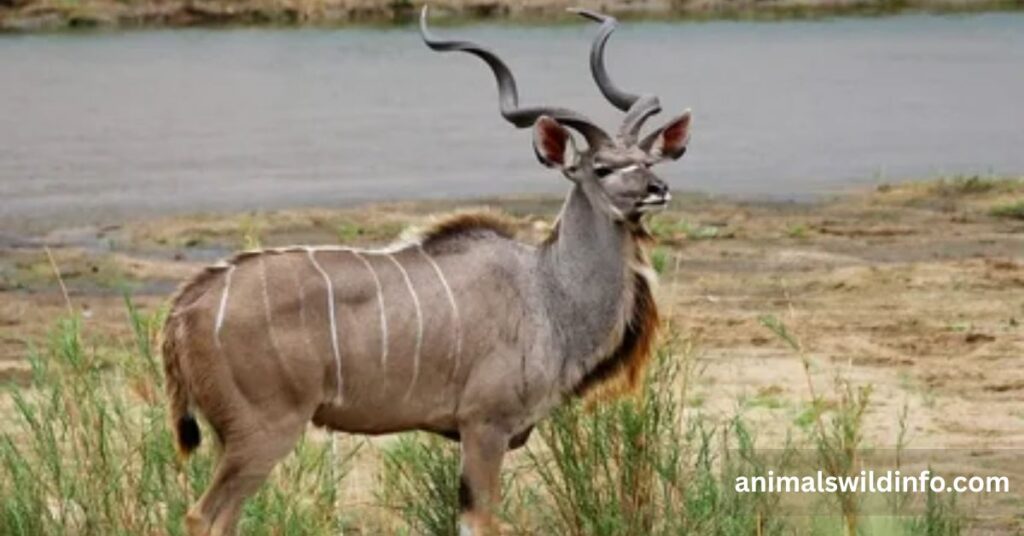
The Greater Kudu wears some of the most beautiful spiral horns in the animal kingdom. Males can grow horns up to 72 inches long, twisting in two and a half graceful turns. These aren’t just for show during mating displays. Rival males use them in intense male competition, locking horns and pushing against each other to prove strength.
Despite their size, kudus move through thick brush with surprising ease, tilting their heads back so the horns lie flat against their spine. Large, satellite-dish ears give them sharp hearing, which helps them detect lions and leopards long before danger gets close. Watching a kudu bound over a fence in one smooth leap is honestly one of nature’s quiet showstoppers.
Giant Eland
Class: Mammalia | Diet: Herbivore
The Giant Eland holds the title for the longest horns among all antelope species, often reaching 47 inches. These heavy, ridged, spiral horns come in handy during horn jousting matches, where males lock and twist horns to settle disputes over rank. But there’s more to this animal than combat.
Giant Elands can survive long stretches without drinking water at all, pulling moisture straight from the leaves and shrubs they eat. That’s a serious survival strategy for life in the dry woodlands of Central and West Africa. Their calm, semi-nomadic lifestyle lets them follow the rains, always chasing fresh grazing ground across the African savanna.
Common Eland
Class: Mammalia | Diet: Herbivore
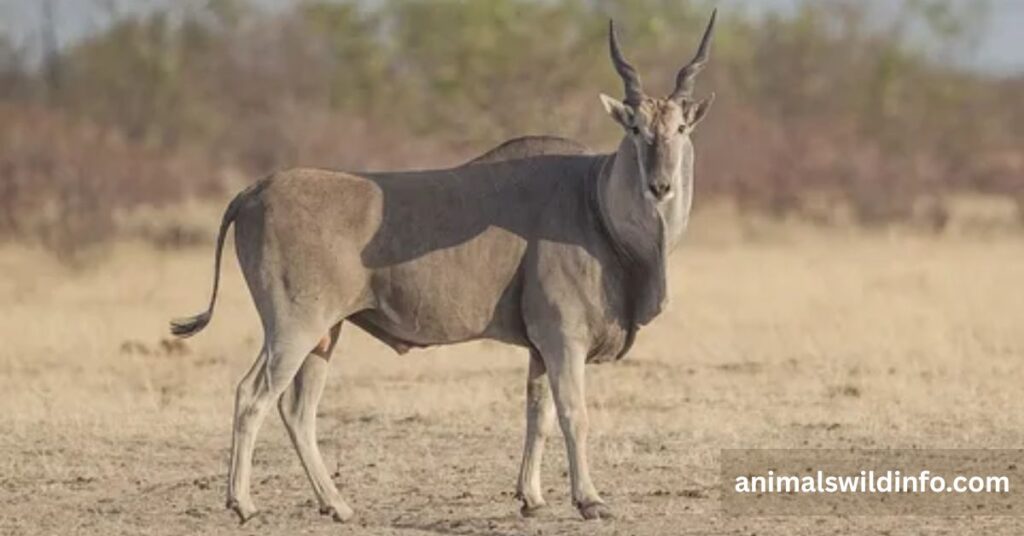
The Common Eland is the Giant Eland’s slightly smaller cousin, though “smaller” is relative since it’s still one of the largest antelope species on Earth. Its horns grow straighter and shorter, usually maxing out around 30 inches, with a tight spiral pattern near the base.
Both males and females grow horns, which is fairly rare among antelope species, and females often use theirs for territorial defense just as much as males use theirs for dominance behavior. Common Elands roam wide across Southern Africa and East Africa in loose, ever-shifting herds. Interestingly, they can jump nearly 8 feet straight up from a standing position, which seems almost impossible for an animal that can weigh over 1,500 pounds.
Asian Water Buffalo
Class: Mammalia | Diet: Herbivore
Few Asian mammals carry horns as massive as the Asian Water Buffalo. Its thick, curved horns can stretch 6.5 feet from tip to tip, giving it one of the widest horn spans of any living bovine. These horns aren’t just tools for social hierarchy battles within the herd. They’ve also become a working symbol of rural life across South and Southeast Asia, where farmers rely on these animals to plow flooded rice paddies.
Water buffalo thrive in wet, marshy conditions that would exhaust most other grazing mammals, wallowing in mud to cool off and avoid biting insects. Their bond with human farmers runs so deep that entire farming traditions depend on this one horned herbivore.
Wild Yak
Class: Mammalia | Diet: Herbivore
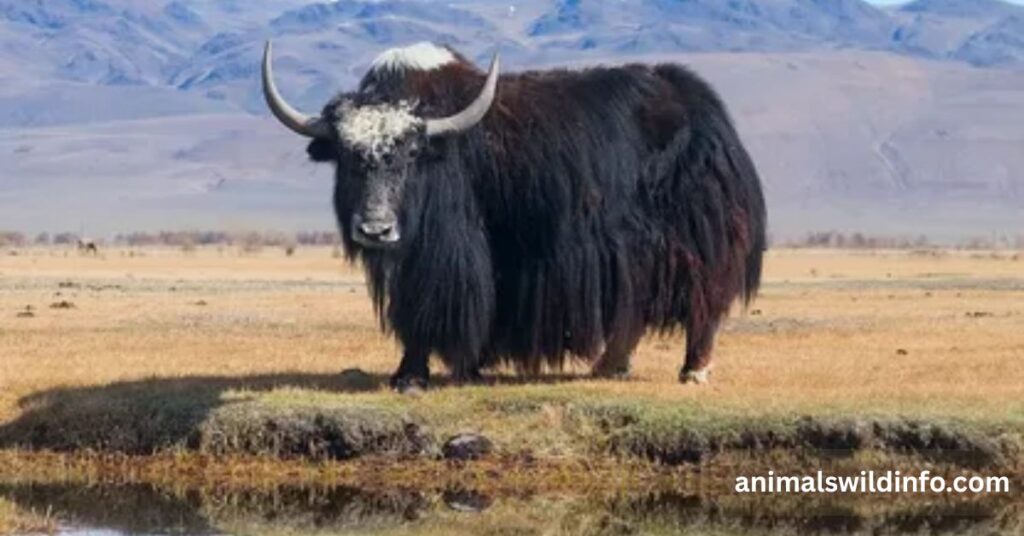
Life above 15,000 feet sounds brutal, yet the Wild Yak has fully adapted to it. Found across the Tibetan Plateau and the Himalayas, this shaggy giant grows horns up to 40 inches long, useful for both foraging through snow and fending off predators like wolves. Wild Yaks live in small herds with strong family bonds, and mothers guard their calves fiercely against any threat. Beyond their tough exterior, these animals quietly support their mountain ecosystems by fertilizing the soil as they graze across high-altitude grasslands. As climate change reshapes their icy home, protecting Wild Yaks has become an urgent conservation priority for the region.
African Buffalo
Class: Mammalia | Diet: Herbivore
The African Buffalo carries a set of fused, helmet-like horns called a “boss,” which can span nearly 40 inches across the head. This isn’t just armor. It’s a genuine weapon, one that’s helped this animal earn a reputation as one of the more dangerous African mammals you can encounter on foot.
Buffalo herds stick together for protection, and when a predator like a lion attacks, the whole group can turn the tables, using their horns to fight back as a unit. Horn size and shape often signal age, health, and rank, letting other buffalo size each other up without needing a fight every time. It’s a smart, almost silent form of communication built entirely out of bone and keratin.
Read More: Top 15 Animals That Eat Honey (With Pictures & Fascinating Facts)
Sable Antelope
Class: Mammalia | Diet: Herbivore
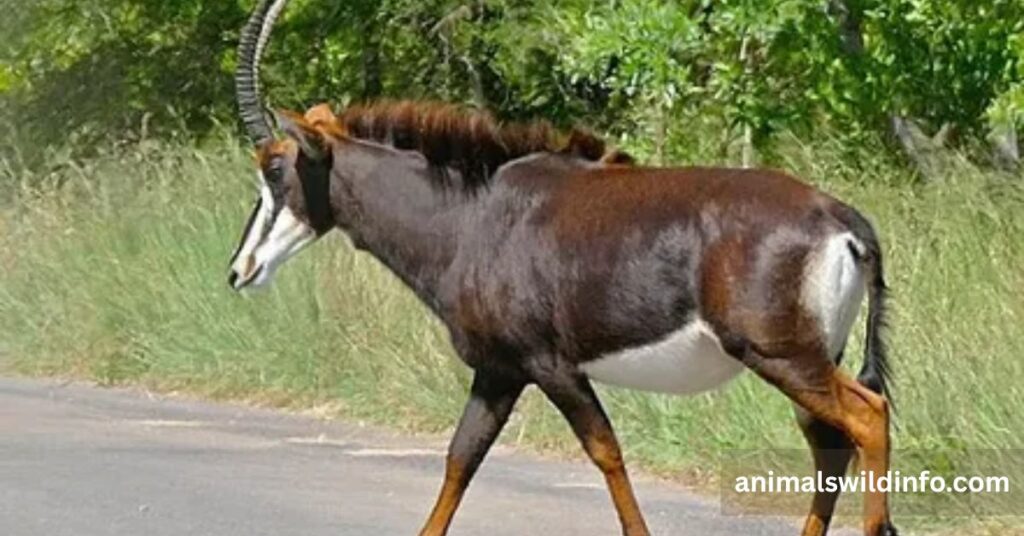
With horns curving up to 65 inches long, the Sable Antelope looks like something drawn straight out of a fantasy illustration. These long, ringed, backward-arching horns play a central role in mating displays, where males clash and twist in ritual combat to prove their fitness. But the horns work just as well against real threats, since Sable Antelopes have been known to kill attacking lions in self-defense.
They live in structured herds with a clear social hierarchy, and younger males often practice sparring long before they’re old enough to compete seriously. Found across Southern Africa and East Africa’s woodlands, the Sable Antelope pairs raw toughness with striking, almost regal beauty.
Scimitar Oryx
Class: Mammalia | Diet: Herbivore
The Scimitar Oryx, sometimes called the Scimitar-Horned Oryx, is named for its long, curved horns that resemble the blade of a scimitar sword. These sword-like horns can reach 50 inches and once helped the species survive brutal conditions across North Africa’s desert edges. Sadly, this animal is now extinct in the wild, wiped out by overhunting and habitat loss by the early 2000s.
Thankfully, captive breeding programs have kept the species alive, and reintroduction efforts in Chad have started returning Scimitar Oryx to protected reserves. Its story stands as a powerful case study in what wildlife conservation can accomplish when people commit to it early enough, even if “early enough” came a little too late here.
Gemsbok
Class: Mammalia | Diet: Herbivore
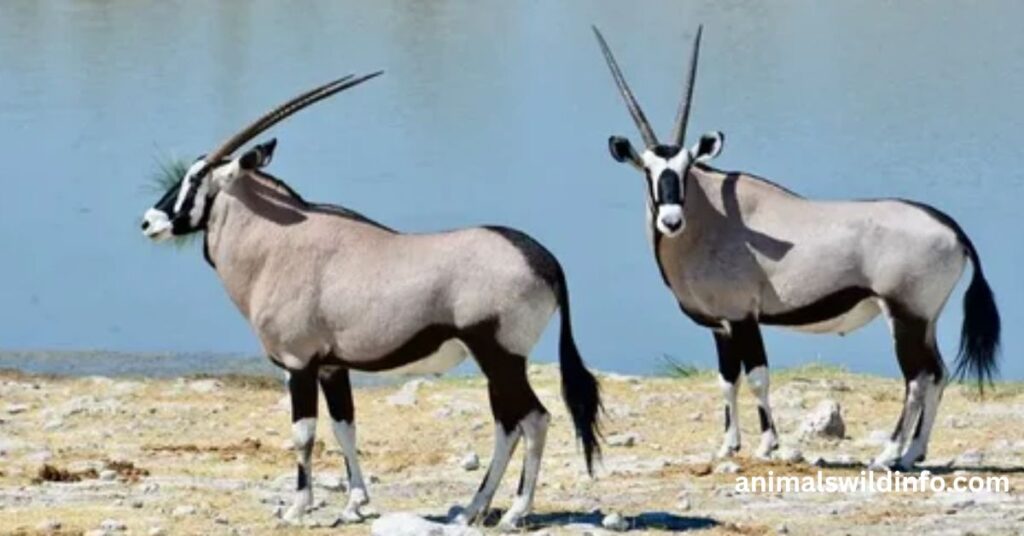
The Gemsbok is a striking desert antelope built for survival in some of the harshest, driest terrain on the planet. Its long, straight horns can grow to 45 inches, running almost perfectly parallel like a pair of spears. Unlike most horned animals, both male and female Gemsbok grow horns of nearly equal length, which makes telling the sexes apart from a distance surprisingly tricky.
These animals can raise their own body temperature by several degrees rather than sweating, saving precious water in the blazing Kalahari sun. That single trick alone shows just how far evolutionary adaptation can push a species toward pure desert survival.
Addax
Class: Mammalia | Diet: Herbivore
Deep in the Sahara Desert lives the Addax, a pale, almost ghost-like antelope with tightly twisted, spiral horns reaching up to 43 inches. This is one of the most critically endangered exotic horned animals on Earth, with only a small number left roaming wild.
Addax can go their entire lives without drinking standing water, pulling every drop of moisture from the desert plants they graze on. Their wide, flat hooves work like natural snowshoes, spreading their weight across loose desert sand. Conservationists consider the Addax a flagship species for Saharan wildlife conservation, since saving it means protecting an entire fragile desert ecosystem around it.
Markhor
Class: Mammalia | Diet: Herbivore
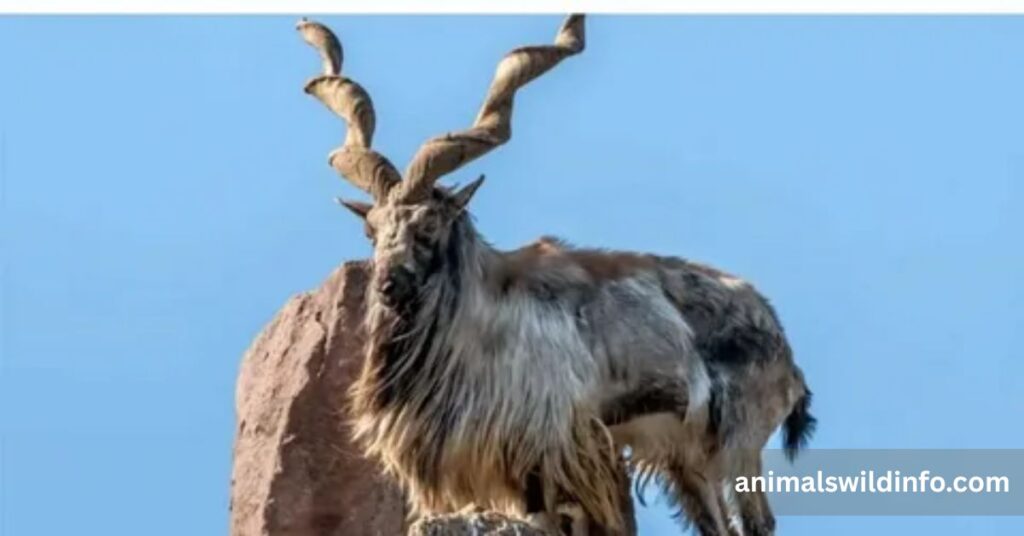
The Markhor is often called the king of wild goats, and its corkscrew horns explain why. These dramatic, twisted horns can reach a full 5 feet in length, spiraling upward like something out of a fairy tale. As a rugged mountain goat built for Central Asia’s steep, rocky slopes, the Markhor uses incredible balance and grip to scale near-vertical cliffs most predators can’t follow.
During breeding season, males clash horns in loud, echoing battles that can be heard across entire valleys. Once endangered, the Markhor has slowly recovered thanks to community-led conservation programs, and it now proudly holds the title of Pakistan’s national animal.
Alpine Ibex
Class: Mammalia | Diet: Herbivore
High in the European Alps, the Alpine Ibex carries long, ridged, backward-curving horns that can stretch up to 3 feet. Both horn size and curve pattern reveal the animal’s exact age, since new ridges form every year like rings on a tree. Alpine Ibex are exceptional climbers, capable of scaling near-vertical dam walls and cliff faces that look almost impossible to grip.
Young ibex practice head-butting games early in life, building the strength and skill they’ll need for real male competition later on. Once hunted to near extinction in the 1800s, this mountain ecosystem icon has made a remarkable comeback across the Alps today.
Bighorn Sheep
Class: Mammalia | Diet: Herbivore
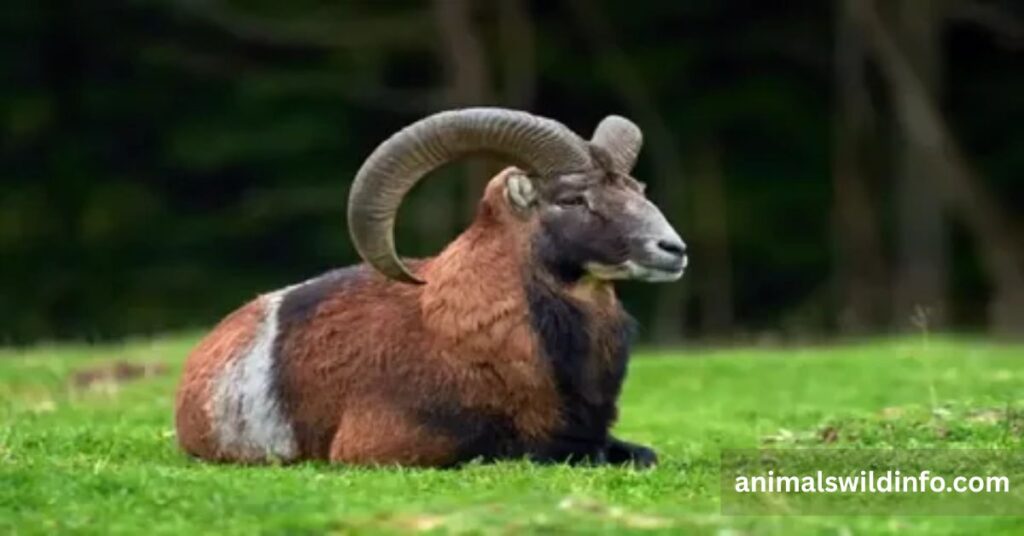
Bighorn Sheep are famous for their massive, tightly curved horns, which can weigh up to 30 pounds on a mature ram. During breeding season, males settle disputes with head-on collisions, running at each other and crashing horns together with a crack that can echo for miles. This isn’t reckless violence.
Their skull structure absorbs the shock through a thick, spongy bone layer built specifically for this kind of impact. Bighorn Sheep live in tight social groups, and younger members often follow experienced elders to learn safe routes across steep, rocky terrain. Watching a herd move confidently along a cliff edge is a genuine lesson in wildlife adaptation done right.
Pronghorn
Class: Mammalia | Diet: Herbivore
Despite the nickname “American antelope,” the Pronghorn isn’t a true antelope at all, and its horns prove it. Unlike every other animal on this list, the Pronghorn actually sheds the outer sheath of its horns every year, then regrows a fresh one, which makes it a strange in-between of horns and antlers. This unique horn structure hasn’t slowed it down one bit.
Pronghorns can run up to 55 miles per hour, making them the fastest land mammal in North America, and second in the world only to the cheetah. Their real advantage isn’t speed alone, though. It’s stamina, letting them outlast predators over long chases across the open plains rather than relying on a single fast burst.
Read More: 12 Incredible Animals That Sleep a Lot You Need to Know
Springbok
Class: Mammalia | Diet: Herbivore
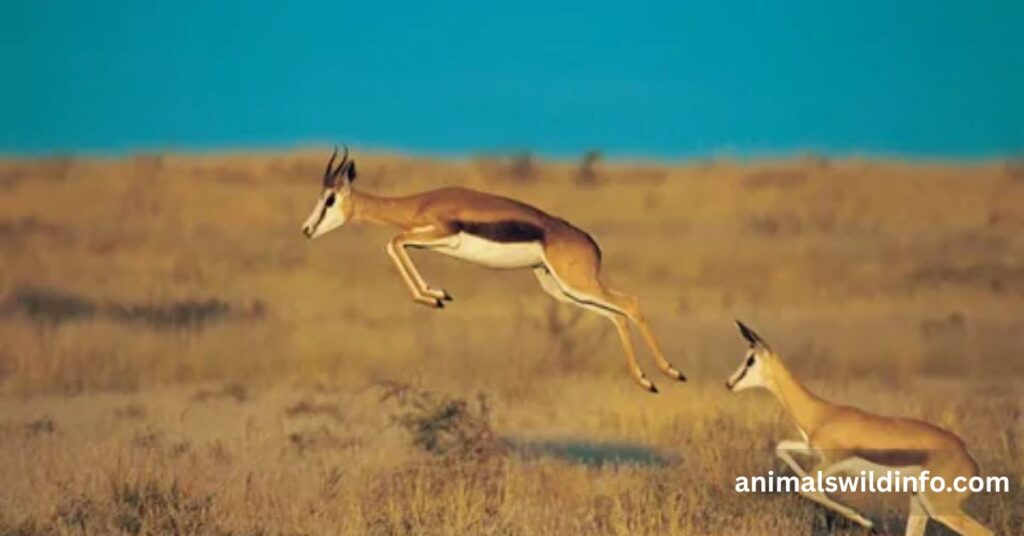
The Springbok is small compared to most animals on this list, but its slender, curved horns and unmistakable energy make it stand out anyway. Horns can reach 19 inches, curving gently backward, and they play a key role in dominance behavior during breeding season sparring matches.
What really sets the Springbok apart, though, is “pronking,” a bouncy, stiff-legged jump that can launch the animal 10 feet into the air. Scientists believe this flashy display signals fitness to both predators and rivals, essentially saying “don’t bother chasing me, I’m too strong to catch.” As South Africa’s national animal, the Springbok remains one of the most recognizable faces of the African savanna.
White Rhinoceros
Class: Mammalia | Diet: Herbivore
Unlike every other animal on this list, the White Rhinoceros doesn’t grow true horns at all. Its front horn, which can reach 5 feet long, is made of tightly packed keratin fibers instead of the bone-core horns found in cattle and antelope. This distinction hasn’t spared it from danger, though.
Poaching driven by the illegal horn trade has pushed the White Rhinoceros toward serious population decline across Southern Africa and East Africa. These massive herbivores live in loosely organized groups called crashes, and males use their horns in dominance battles to control prime grazing territory. Protecting this species has become one of the most urgent fights in modern wildlife conservation, and every year without progress puts their future further at risk.
Which Animal Has the Longest Horns?
Ask ten wildlife fans this question, and you might get ten different answers, because it really depends on how you measure. If you’re counting total horn span from tip to tip, the Ankole-Watusi wins easily, with some bulls reaching a jaw-dropping 8 feet across. But if you’re measuring single-horn horn length along its curve, the Giant Eland and Greater Kudu both push past 45 to 72 inches of pure spiral growth.
So which one truly holds the record for the longest horns in the world? Most wildlife experts give the edge to the Ankole-Watusi for total span, and the Greater Kudu for the longest single curved horn ever measured. It really comes down to what you’re asking: widest reach, or longest individual horn. Either way, both animals easily earn a spot among the biggest horned animals alive today.
Horns vs. Antlers: What’s the Difference?
It’s easy to mix up horns and antlers, but they’re actually built completely differently. Permanent horns grow continuously throughout an animal’s life, covered in a hard keratin sheath over a bony core, and they never fall off naturally. You’ll find them on cattle, antelope, goats, and sheep, and in many species, both males and females grow them.
Antlers work the opposite way. They’re made of solid bone, they branch out into points, and animals like deer, elk, and moose shed and regrow them every single year. Only males typically grow antlers, with caribou being one rare exception where females grow them too. So next time you spot a rack of branching bone on a deer, you’ll know right away it isn’t a horn at all, even if people casually call it one.
Why Do Animals Have Long Horns?
Horns didn’t evolve just to look impressive. Every twist, curve, and ridge serves a real purpose tied to survival, reproduction, or social standing within the herd. Understanding why these structures exist helps explain so much about animal behavior in the wild.
Below, you’ll find the four biggest reasons horned wildlife grows such elaborate headgear, from predator protection to territory control.
Defense Against Predators
For many horned herbivores, horns are the first and last line of defense. A charging African Buffalo or Sable Antelope can seriously injure or even kill an attacking lion, which is exactly why predators often avoid healthy, horned adults and target the young or weak instead. This kind of natural deterrent shapes hunting behavior across entire ecosystems, proving that a good set of horns can be worth more than raw speed.
Fighting for Mates
During breeding season, horns become the main tool for winning over a mate. Males lock horns, push, twist, and sometimes clash head-on in dramatic mating displays meant to prove strength and genetic fitness. The winner typically earns breeding rights, which means horn size and fighting skill directly shape the next generation of the herd.
Establishing Dominance
Not every horn battle ends in real combat. Much of dominance behavior among horned animals plays out through posturing, sizing up horn length, and controlled sparring rather than actual violence. This lets herd members figure out their social hierarchy without constant risky fights, saving energy and reducing injury across the group.
Protecting Territory
Horns also help animals defend grazing land, water sources, and breeding grounds from rivals. This kind of territorial defense matters most in resource-scarce environments like deserts and dry savannas, where competition for food and water can get intense fast. A strong set of horns often settles disputes before they even escalate into a fight.
Interesting Facts About Animals With Long Horns
Some of the strangest facts about horned animals barely get any attention, yet they’re honestly some of the coolest details in the animal kingdom. The Pronghorn, for example, sheds its horn sheath every year like a snake shedding skin, something no true antelope does. Meanwhile, the White Rhinoceros’s horn isn’t bone at all. It’s solid keratin, similar to a tightly packed clump of hair, which is exactly why poachers’ claims about its “medicinal” value have zero scientific backing.
Cultural history runs just as deep as the biology here. The Texas Longhorn became a proud state symbol built from tough, mixed Spanish cattle genetics, while the Ankole-Watusi has been treated as a marker of wealth and status across East Africa for centuries. Even the Markhor, with its corkscrew horns, holds the honor of being Pakistan’s national animal. From exotic horned animals roaming the Sahara to icons of the American plains, these creatures prove that biodiversity always finds a way to surprise you.
Conclusion
From the sweeping horns of the Texas Longhorn to the corkscrew twist of the Markhor, long horned animals show just how creative evolution can get. Every curve, spiral, and ridge tells a story of survival, competition, and adaptation built over thousands of years. Whether it’s a desert-dwelling Addax conserving water or a Bighorn Sheep absorbing bone-rattling impacts, these animals prove that horns are so much more than decoration.
Many of these species now face real threats from poaching, habitat loss, and climate change. Protecting them means protecting entire ecosystems, from the African savanna to the icy peaks of the Himalayas. The next time you spot a photo of a horned animal, you’ll hopefully see more than just an impressive set of horns. You’ll see millions of years of natural selection at work.
Frequently Asked Questions
The Ankole-Watusi holds the record for the widest horn span, reaching up to 8 feet tip to tip. For the longest single curved horn, the Greater Kudu and Giant Eland both come close, often exceeding 45 inches.
The Gemsbok and Scimitar Oryx both grow long, nearly straight horns, some reaching up to 50 inches. These horns run almost parallel, making both animals easy to identify at a glance.
Many animals qualify, including the Texas Longhorn, Ankole-Watusi, Greater Kudu, and Asian Water Buffalo. Each one grows horns well over 2 feet long, with several exceeding 5 feet.
“Longhorn” most commonly refers to a specific cattle breed, the Texas Longhorn, known for its wide, sweeping horns. It descended from Spanish cattle brought to the Americas in the 1500s.
Common animals with horns include cattle, goats, sheep, buffalo, and many antelope species. Both farm animals and wild species can grow permanent horns, unlike deer, which grow antlers instead.
The White Rhinoceros grows one of the largest single horns, reaching up to 5 feet long. The Ankole-Watusi and Asian Water Buffalo also carry some of the widest horn spans among mammals with horns.