9+ Amazing Animals That Are Not Mammals (With Pictures & Facts)
Nature loves variety. Walk through a forest, dive into the ocean, or peek into your backyard, and you’ll spot creatures that break every rule you thought you knew about animals. Animals That Are Not Mammals Not everything with a backbone nurses its young or grows fur. In fact, most of the animal kingdom falls outside the mammal category entirely.
This guide walks you through non mammal animals, their traits, and some surprising facts that might just change how you see wildlife. You’ll meet birds, fish, reptiles, and amphibians. You’ll also discover a strange twist: some non mammalian species produce milk-like fluids, even though they’re not mammals at all. Ready to dive in? Let’s start with the basics.
What Are Mammals?
Before you can understand animals that aren’t mammals, you need a clear picture of what makes a mammal a mammal. Mammalia is the scientific class that includes humans, dogs, whales, and thousands of other species. Every member shares a few defining traits, and these traits set the stage for everything else in this article.
Mammals didn’t just appear overnight. They evolved over millions of years, branching off from early vertebrates and adapting to nearly every corner of the planet. From tiny bats to massive elephants, mammals show incredible range. But that range still fits within a tight biological definition, which we’ll break down next.
Characteristics of Mammals
Mammals share a short list of must-have features. They have mammary glands, which produce milk to feed their babies. They also grow hair or fur at some point in their lives, even if it’s just a few whiskers. Mammals are endothermic animals, meaning they generate their own body heat instead of relying on the sun. Most give birth to live young rather than laying eggs, though a few oddballs like the platypus break that rule too.
How Mammals Differ From Other Animals
Here’s where things get interesting. Mammals stand apart from other vertebrates because of that milk-and-fur combo. Birds lay eggs and grow feathers instead. Fish breathe underwater through gills. Reptiles and amphibians run cold, relying on their surroundings for warmth. This difference in animal physiology creates the dividing line between mammals and everyone else in the animal kingdom.
What Are Non-Mammal Animals?
So, what is a non mammal? Simply put, it’s any creature that doesn’t belong to the Mammalia class. That covers a massive slice of wildlife species, from sparrows outside your window to sharks patrolling the deep sea. Non mammal animals make up the vast majority of life on Earth, and they come in wildly different shapes, sizes, and survival strategies.
Understanding this category matters because it highlights just how diverse biological classification really is. You’ll find creatures that fly, swim, crawl, and slither, each one shaped by millions of years of evolution. Some lay eggs. Some breathe through gills. Some regulate their temperature using the environment around them instead of their own internal furnace.
Main Characteristics of Non-Mammals
Characteristics of non mammals vary a lot depending on the group, but a few patterns show up again and again. Many are ectothermic animals, meaning they depend on outside heat sources to stay warm. Most are egg-laying animals rather than live-bearers. Their bodies are often covered in feathers, scales, or smooth skin instead of fur. These traits reflect different paths of adaptation, each one fine-tuned for a specific habitat.
Major Groups of Non-Mammal Animals
Types of non mammal animals fall into a few major buckets: birds, fish, reptiles, and amphibians. Each group represents a distinct branch of vertebrate classification, with its own body plan and survival tricks. Together, they account for an enormous share of the planet’s species diversity. Let’s take a closer look at each one, along with a few standout examples that prove just how strange and wonderful animals other than mammals can be.
List of Animals That Are Not Mammals
Here’s where the real fun begins. Below, you’ll find detailed examples of non mammals, ranging from familiar backyard birds to bizarre milk-producing insects. Each entry includes key facts, so you’ll walk away with genuine, useful knowledge about these creatures.
Read More: Top 12 Animals Like Porcupines (With Pictures & Amazing Facts)
Birds
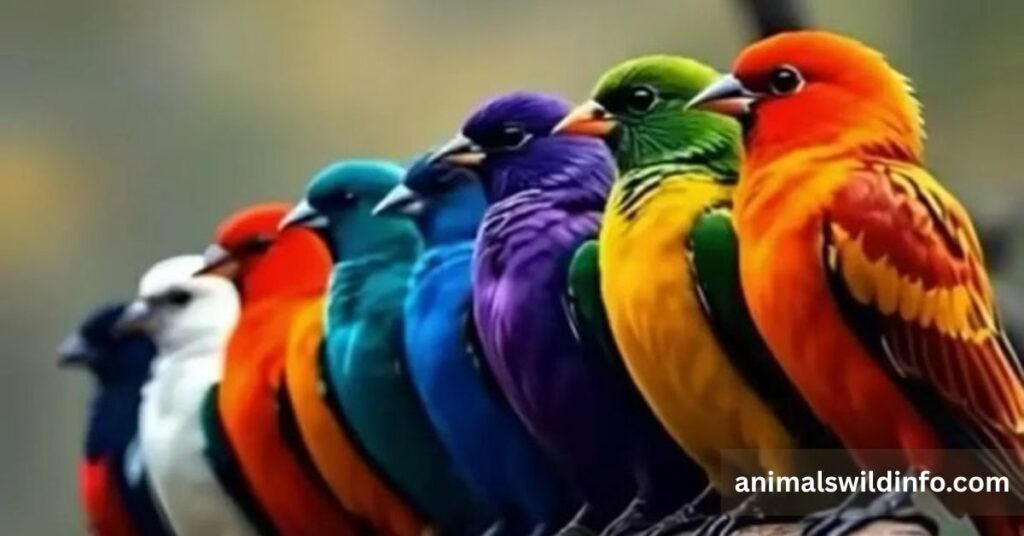
Birds rule the skies, and their defining trait is simple: feathers. No other animal group has them. Feathers do more than help birds fly. They insulate against cold, attract mates through color, and even help some species swim underwater. Birds also lay eggs rather than giving birth, which places them firmly outside the mammal category. From tiny hummingbirds to massive albatrosses, bird species show incredible variety in size, diet, and behavior. Some, like crows, display problem-solving skills that rival primates, proving that intelligence isn’t limited to mammals.
Bird species number in the thousands worldwide, and they’ve adapted to nearly every habitat on Earth. You’ll find penguins in Antarctica and parrots in tropical rainforests. Despite this range, all birds share that same core biology: feathers, beaks, and egg-laying reproduction. This consistency across such different environments shows how powerful evolutionary adaptation can be.
Fish
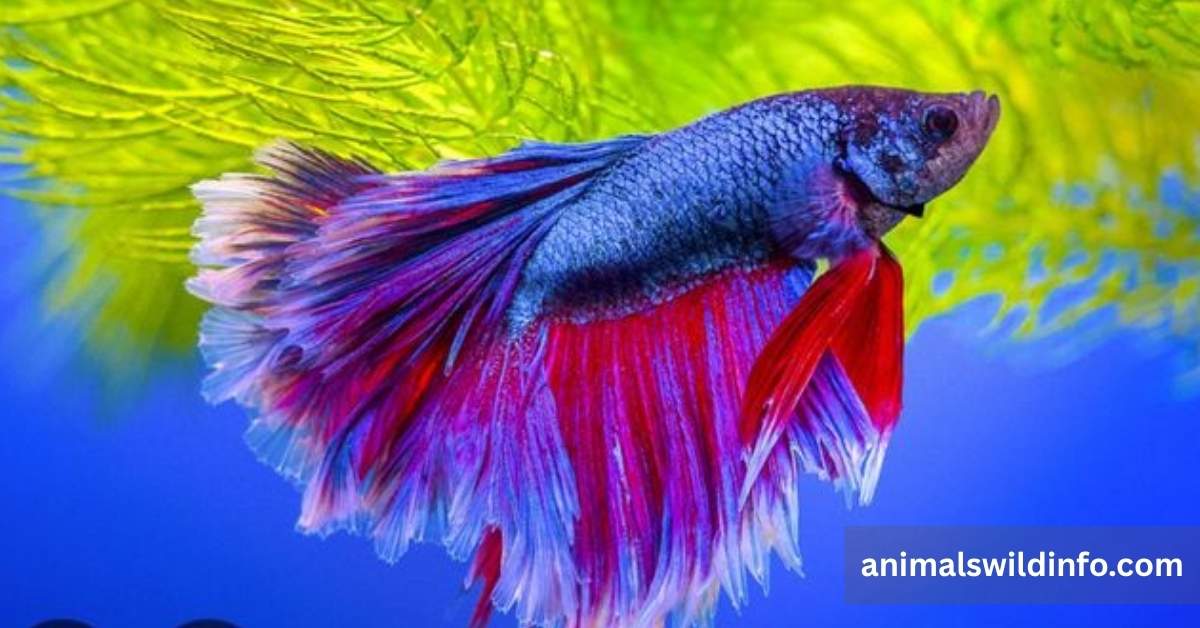
Fish solved a problem mammals never had to face: how to breathe underwater. Through gill breathing, fish extract oxygen directly from water, letting them thrive in oceans, rivers, and lakes without ever surfacing for air. This single adaptation opened up nearly three-quarters of the planet’s surface for fish to colonize. Unlike mammals, most fish are cold-blooded, so their body temperature shifts with the surrounding water.
Fish species display stunning diversity, from the bioluminescent creatures of the deep sea to the colorful residents of coral reefs. Many fish, like clownfish, form complex social groups and use color patterns to communicate. Others, like parrotfish, play critical roles in keeping coral reefs healthy by grazing on algae. As aquatic animals, fish remind us that life doesn’t need lungs or fur to flourish.
Reptiles
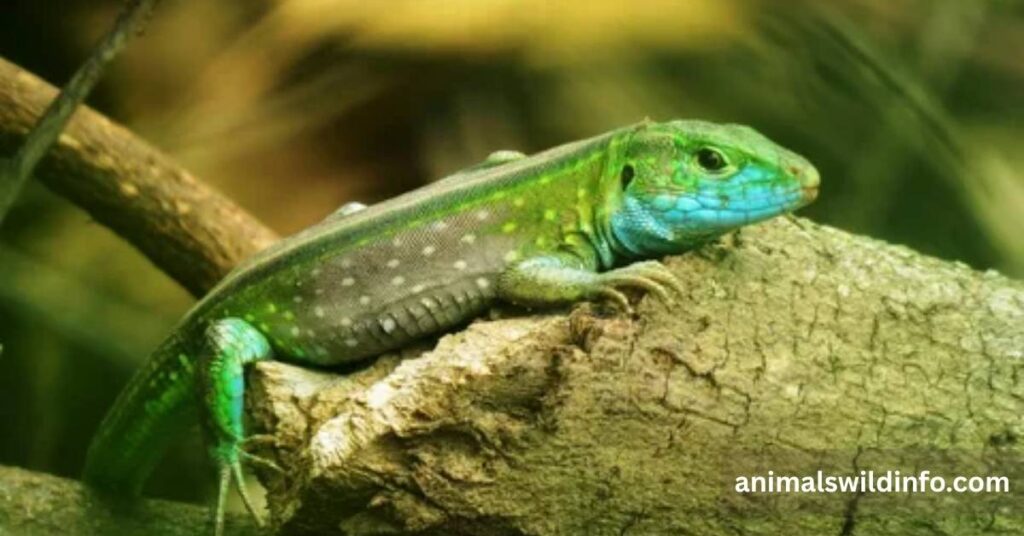
Reptiles carry a reputation for being cold and calculating, and in one sense, that’s literally true. As cold-blooded animals, reptiles depend on their environment to regulate body temperature. You’ll spot lizards basking on rocks for exactly this reason. Snakes, turtles, and crocodiles all fall under this reptile species umbrella, each covered in protective scales instead of fur or feathers.
Reptiles have thrived for hundreds of millions of years, and their survival tricks are remarkable. Some species enter brumation, a hibernation-like state that helps them survive harsh winters by slowing their metabolism way down. Chameleons change color not just for camouflage, but to communicate and regulate heat. These animal adaptations show just how resourceful cold-blooded creatures can be, even without the metabolic boost that warm-blooded mammals enjoy.
Amphibians
Amphibians live a double life, literally. Frogs, salamanders, and caecilians spend part of their existence in water and part on land, a lifestyle that shapes everything about their biology. Amphibian skin plays a huge role here. It’s permeable, letting amphibians absorb oxygen and moisture directly through their skin. That same permeability makes them extremely sensitive to pollution, which is why scientists often use amphibians as indicators of ecosystem health.
Some amphibians pull off tricks that sound like science fiction. The axolotl, for example, can regrow entire limbs, along with parts of its heart and brain. This regenerative ability has caught the attention of medical researchers hoping to apply similar principles to human healing. Bright colors on certain frogs aren’t just decoration either. They warn predators about toxicity, a survival strategy built entirely around visual signaling.
Great White Shark
Scientific Name: Carcharodon carcharias Class: Chondrichthyes
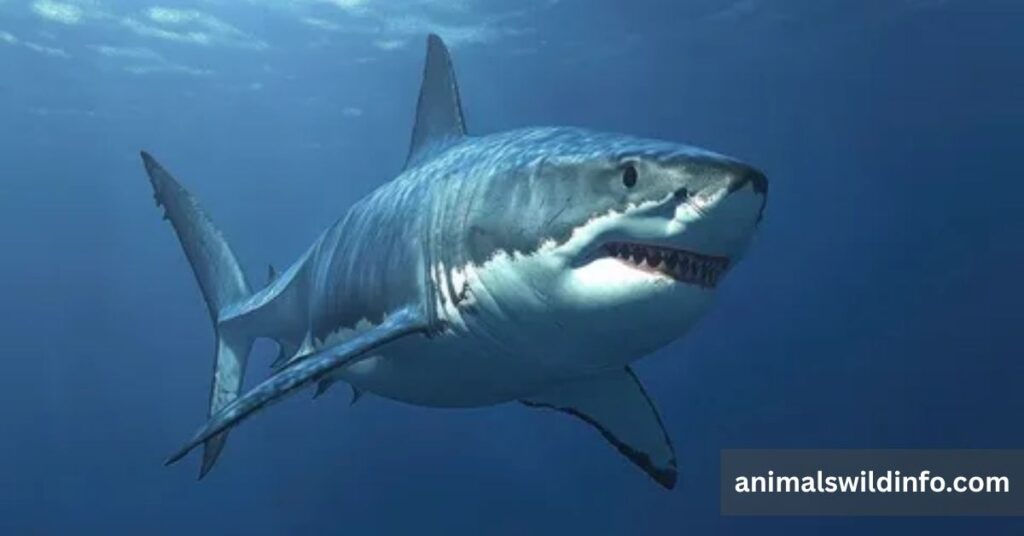
The Great White Shark dominates ocean headlines, and for good reason. As an apex predator, it sits at the top of the marine food chain. But beyond its hunting prowess, this shark has a reproductive twist worth noting: instead of laying eggs externally, embryos develop inside the mother’s body and hatch there, a process called ovoviviparity. This approach gives baby sharks a much safer start in life compared to species that release eggs into open water.
Flamingo
Scientific Name: Phoenicopteridae Class: Aves
Few birds turn heads quite like the Flamingo, with its bright pink feathers and impossibly long legs. That pink color actually comes from pigments in the algae and crustaceans flamingos eat. Beyond their looks, flamingos raise their chicks using a fluid produced in their digestive tract, a behavior we’ll explore in detail in the next section.
Emperor Penguin
Scientific Name: Aptenodytes forsteri Class: Aves
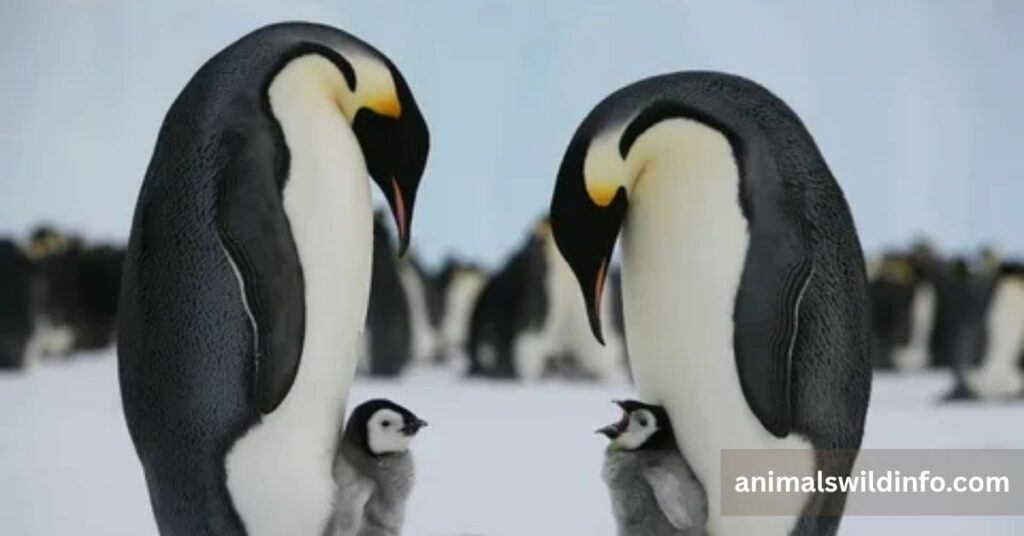
The Emperor Penguin survives conditions that would kill most animals within hours. Antarctic winters bring brutal cold and howling winds, yet these birds incubate their eggs right through it. Males hold the egg on their feet for about two months, fasting the entire time while females forage at sea. It’s one of the most extreme examples of parental care found anywhere in the animal kingdom.
Cockroach
Scientific Name: Blattodea Class: Insecta
Most people see the Cockroach as nothing more than a pest, but this insect has some genuinely fascinating biology. Certain species produce a nutrient-dense fluid to feed their young, packed with proteins that scientists are now studying for potential applications in human nutrition. It’s a strange reminder that even the creatures we swat away can hold scientific value.
Read More: Top 20 Animals That Eat Frogs (With Pictures & Interesting Facts)
Pigeons and Doves
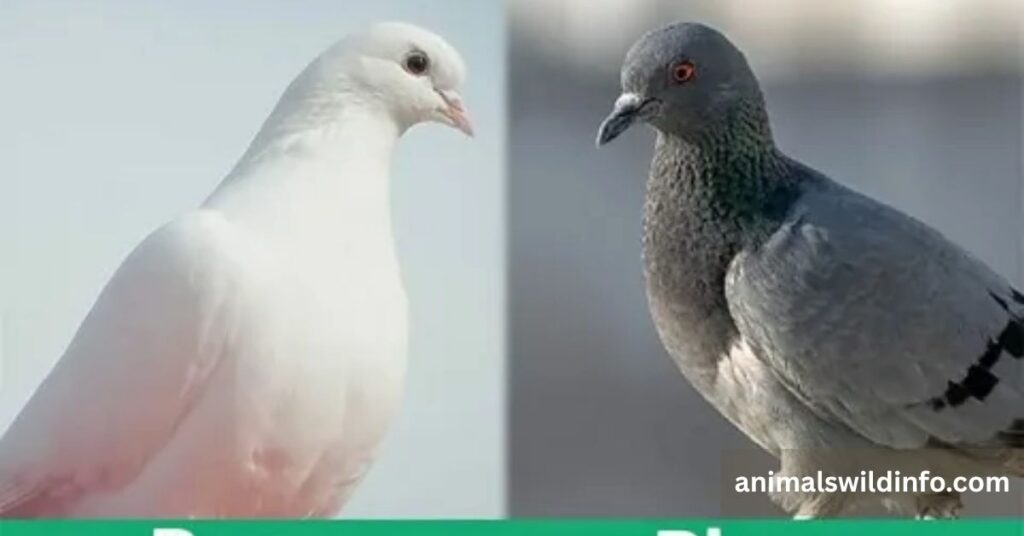
Pigeon and Dove species share a rare trait among birds: both parents take turns producing a nutrient-rich fluid to feed their chicks. This shared parenting responsibility strengthens the bond between mates and ensures chicks get consistent nourishment during their first few vulnerable days of life. We’ll dig deeper into exactly how this works in the next section.
Non-Mammal Animals That Produce Milk-Like Secretions
Here’s a fact that surprises almost everyone: milk production isn’t exclusive to mammals. A handful of animals that produce milk-like secretions exist outside the mammal class entirely, and their methods look nothing like traditional nursing. These adaptations evolved independently, proving that nature often arrives at similar solutions through completely different paths.
This phenomenon, sometimes called convergent evolution, shows up across sharks, birds, and even insects. Each species developed its own version of “milk” to solve the same basic problem: how to give offspring the best possible start. Let’s break down exactly how each of these creatures pulls it off.
Great White Sharks
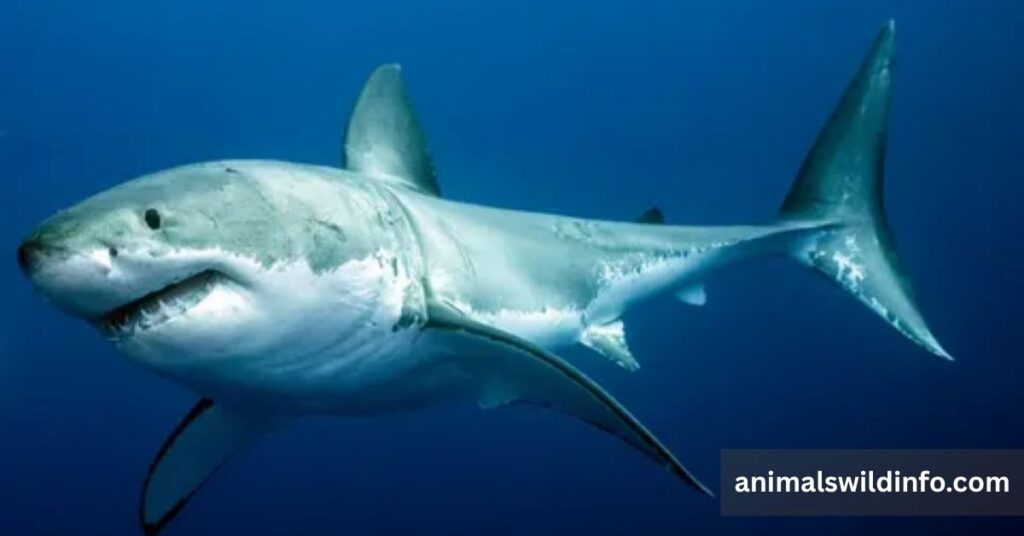
Shark uterine milk isn’t produced by mammary glands. Instead, specialized tissue inside the mother shark secretes a nutrient-rich substance directly to developing embryos during gestation. This internal nourishment system supports shark reproduction by giving pups a strong head start before they’re even born, boosting survival odds in the unforgiving open ocean.
Flamingos
Flamingo milk, technically known as crop milk, comes from specialized cells lining the digestive tract rather than mammary tissue. This secretion is loaded with fats and proteins, exactly what growing chicks need. Both parent flamingos take part in feeding, which is unusual among birds and highlights just how much parental care these animals invest in their young.
Emperor Penguins
Emperor penguin chicks rely on a substance produced in the parent’s esophagus rather than a stomach or crop. This fluid, high in fat and protein, gets regurgitated directly to hungry chicks during those brutal early weeks of Antarctic life. Given how scarce food can be in this environment, this adaptation often means the difference between survival and starvation for young penguins.
Cockroaches
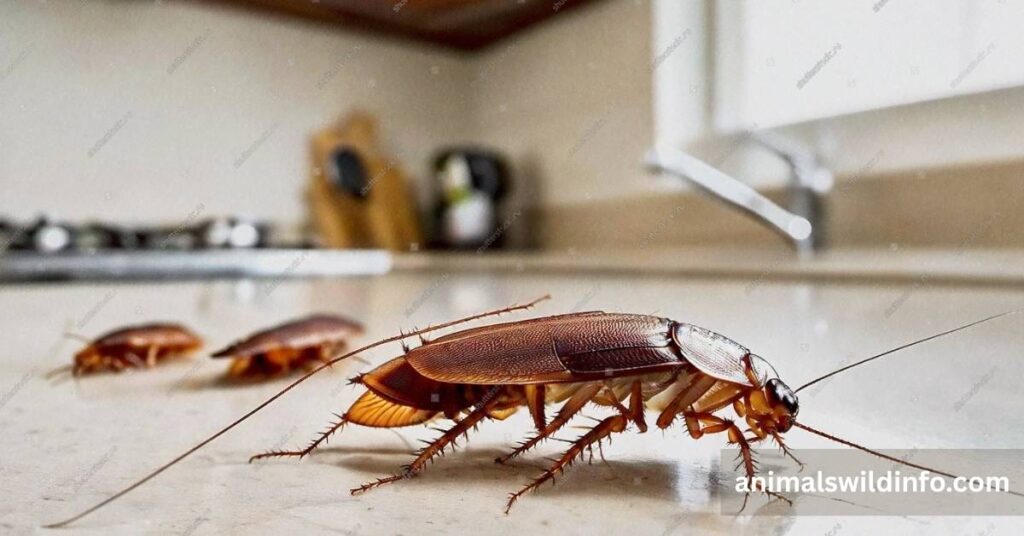
Cockroach milk comes from a structure called the brood sac, and it’s unlike anything else on this list. The secretion actually crystallizes inside the offspring’s gut, creating a slow-release source of nutrition. Researchers studying cockroach milk crystals have found them incredibly protein-dense, sparking interest in potential uses for human nutrition and food science down the road.
Pigeons and Doves
Pigeon milk forms inside the crop, a pouch located in the bird’s throat. Unlike mammalian milk, it’s thick and cheese-like rather than liquid. Both parents produce and share feeding duties, regurgitating this substance directly into their chicks’ mouths. This process, known as crop milk in birds, represents one of the clearest examples of birds that produce milk in the entire animal world.
Read More: Top 20 Most Annoying Animals In The World (With Pictures & Facts)
Mammals vs Non-Mammals: Key Differences
When you line up mammals vs non mammals side by side, the contrasts become obvious fast. These differences aren’t random. Each trait reflects millions of years of adaptation to specific environments and survival pressures. Understanding these distinctions helps clarify exactly where the line falls in animal classification.
The table below breaks down the core differences across five major categories. Use it as a quick reference whenever you need to settle a debate about whether a creature counts as a mammal or not.
| Category | Mammals | Non-Mammals |
| Body Covering | Hair or fur | Feathers, scales, or smooth skin |
| Reproduction | Mostly live birth | Mostly egg laying, some exceptions |
| Body Temperature | Endothermic animals (warm-blooded) | Mostly ectothermic animals (cold-blooded), birds are an exception |
| Feeding Their Young | True milk from mammary glands | Milk-like secretions or regurgitation, varies by species |
| Habitat | Land, sea, and air | Land, sea, freshwater, and air |
Body Covering
Mammals grow hair or fur, full stop. Non-mammals take a completely different approach. Birds rely on feathers for flight and insulation. Reptiles and fish depend on scales for protection. Amphibians go a different route entirely, using thin, permeable skin that helps with gill breathing-adjacent respiration through their surface.
Reproduction
Animal reproduction looks dramatically different across these groups. Most mammals give birth to live young, nurturing them internally until they’re ready for the world. Most egg-laying animals, on the other hand, deposit eggs outside the body, whether in nests, water, or sand. A few species blur this line, like the ovoviviparous Great White Shark, proving that biology rarely fits into perfectly neat boxes.
Body Temperature
Warm-blooded versus cold-blooded might be the most fundamental split in this entire comparison. Warm-blooded animals, including mammals and birds, burn energy internally to maintain a steady body temperature no matter the weather. Cold-blooded vertebrates, like reptiles, fish, and amphibians, depend on their surroundings instead, which is why you’ll see lizards sunbathing on warm rocks every chance they get.
Feeding Their Young
This is where things get genuinely surprising. Mammals feed babies with true milk from mammary glands. But as you’ve already learned, several non mammalian species have evolved their own milk-like alternatives, from crop milk in birds to shark uterine secretions. These adaptations prove that nourishing offspring doesn’t require the exact biological toolkit mammals use.
Habitat
Animal habitats span the entire globe, and both mammals and non-mammals have carved out niches everywhere. Marine animals like sharks and fish dominate the oceans. Flying animals like birds command the skies. Land animals and freshwater animals fill nearly every remaining ecological gap. This spread across habitats highlights the incredible flexibility of life on Earth, regardless of which class an animal belongs to.
Why Some Non-Mammals Produce Milk-Like Fluids
So why would evolution push such different creatures toward a similar solution? The answer comes down to survival math. Newborn and newly hatched animals are extremely vulnerable, and a concentrated, easy-to-digest food source dramatically boosts their odds of making it through those critical early days. Whether it’s a shark pup, a penguin chick, or a baby cockroach, the same evolutionary pressure applies: feed your young efficiently, or risk losing them.
This pattern is a textbook case of convergent evolution, where unrelated species independently develop similar traits because they face similar problems. Sharks, birds, and insects aren’t related in any close sense, yet they all arrived at milk-like nourishment through completely separate evolutionary paths. It’s a powerful reminder that wildlife evolution doesn’t follow a single script. Instead, nature keeps finding new ways to solve old problems, which is exactly what makes biodiversity so endlessly fascinating.
Conclusion
Animals that are not mammals make up the overwhelming majority of life on this planet, and they’ve earned every bit of the spotlight. From feathered fliers to cold-blooded reptiles, from gill-breathing fish to milk-producing cockroaches, this group showcases just how creative evolution can get. Each species you’ve read about here represents a unique solution to the universal challenge of survival.
Understanding non mammal animals isn’t just a fun trivia exercise. It deepens your appreciation for wildlife conservation and the delicate balance that keeps ecosystems running. The next time you spot a bird at your feeder or a lizard on a fence, you’ll know exactly how much biological ingenuity went into making that creature what it is.
Frequently Asked Questions
Plenty of animals fall outside the mammal category. Birds, reptiles, fish, and amphibians all qualify as non mammalian species. Each group has its own defining traits, like feathers, scales, or gills, that separate them from true mammals.
No, a shark is not a mammal. Sharks belong to a group called elasmobranchs, and they have cartilage skeletons instead of bone. They breathe through gills and reproduce very differently than mammals do.
Yes, despite living underwater, a whale is absolutely a mammal. Whales are warm-blooded animals, they breathe air through lungs, and they give birth to live young, which they then nurse with milk.
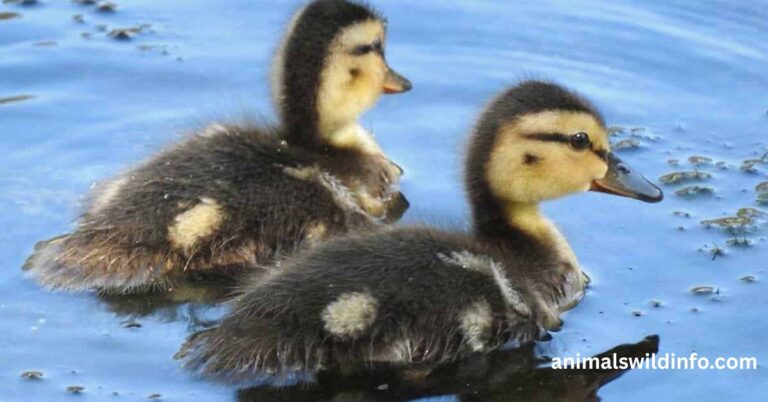
No, a duck is a bird, not a mammal. Ducks lay eggs, grow feathers, and lack mammary glands entirely, placing them firmly in the non-mammal category.
No, penguins are birds too, even though they can’t fly. They lay eggs and have feathers, just like other bird species, which rules out mammal classification despite their warm-blooded biology.
No, frogs are amphibians. They lay eggs in water, breathe partly through their skin, and undergo metamorphosis, none of which lines up with mammalian traits.
Many marine animals are not mammals, including sharks, fish, jellyfish, and octopuses. Only a handful of ocean dwellers, like whales and dolphins, actually count as mammals despite living entirely in water.