Top 18 Animals With Sharp Claws (With Pictures & Amazing Facts)
Claws look simple. But they’re not. A claw can dig a den, climb a tree, or end a fight in one swipe. Animals with sharp claws show up in every corner of the wild, from rainforest canopies to frozen tundra. Some use curved claws to grip bark.
Others use digging claws to build a home underground. In this guide, you’ll meet 18 of the most fascinating clawed animals on Earth, learn what makes their claws so special, and see how these tools shape survival in the wild.
What Are Sharp Claws?
A claw is a hard, curved tip made of keratin, the same protein found in your fingernails. But sharp animal claws do a lot more than a human nail ever could. They grip bark, tear flesh, dig soil, and hold prey in place. Claw shape tells you a lot about how an animal lives. Long, hooked claws usually belong to climbers or hunters. Flat, wide claws often belong to diggers.
Not every clawed animal uses its claws the same way, though. A house cat’s claw and a grizzly bear’s claw share the same basic material, yet they serve very different jobs. Size, curve, and strength all shift depending on habitat and diet. That variety is what makes animal claws such a rich topic for anyone curious about wildlife adaptations.
What Is the Difference Between Claws and Talons?
Claws and talons aren’t the same thing, even though people mix them up often. Claws belong to mammals and reptiles, and they help with gripping, digging, or climbing. Talons belong to birds of prey, like eagles and owls, and they’re built for one job: catching and killing prey in midair or from above. When it comes to claws vs talons, the biggest difference is grip strength and curve angle. Talons curve more sharply and clamp down with crushing force, while most claws are built for versatility across many tasks.
Why Do Animals Have Sharp Claws?
Claws exist because survival demands tools. Hunting animals need something to grip and kill prey. Burrowing animals need something to break through dirt and rock. Climbing species need traction on bark or stone.
And nearly every clawed creature can use its claws for self-defense mechanism purposes when a bigger predator shows up. Claws are, in short, one of nature’s most efficient multi-purpose tools, and they’ve been shaped by millions of years of evolutionary adaptation.
Top 18 Animals With Sharp Claws
This list covers a wide range of species, from tiny moles to massive bears. You’ll find carnivorous mammals, omnivorous bears, reptiles, and birds of prey, each with claws built for a different kind of life. Some dig. Some climb. Some kill in a single strike.
Every entry below includes the animal’s scientific name, class, and diet, followed by a closer look at how its claws work and why they matter.
Sloth
Scientific name: Bradypus (three-toed) and Choloepus (two-toed) Class: Mammalia Diet: Herbivore
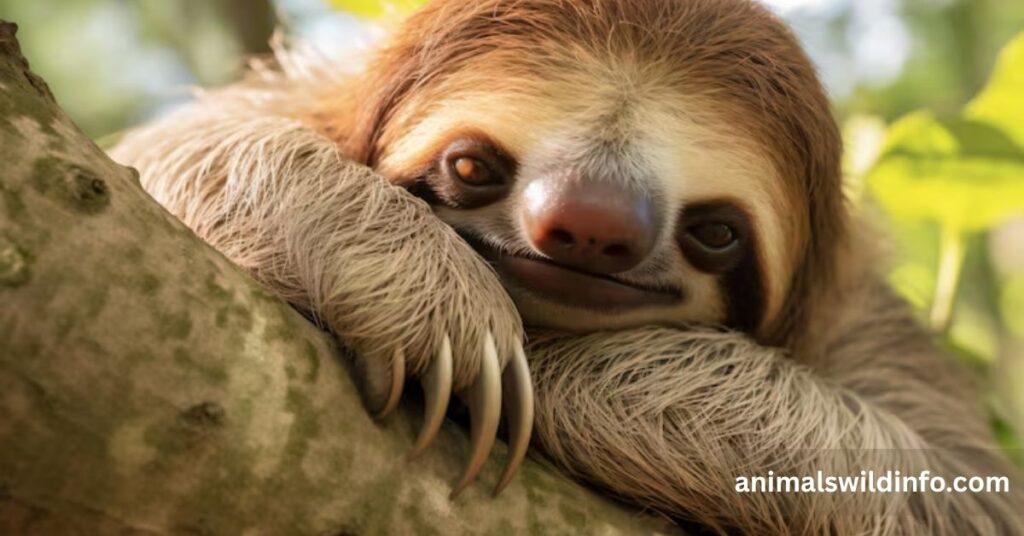
The sloth moves slowly, but its claws don’t mess around. These curved hooks can grow up to four inches long, and they let the sloth hang from branches for hours without using much energy at all. That’s not laziness. It’s smart design. A sloth’s claws lock into place, so the animal can rest, sleep, and even give birth while dangling upside down.
If a predator gets too close, though, a sloth can swing those claws with surprising force. It’s one of the more overlooked examples of claws for survival, since most people picture sloths as harmless. In reality, a sloth’s claw swipe can leave a nasty gash, which is exactly why jaguars think twice before attacking one out in the open.
Harpy Eagle
Scientific name: Harpia harpyja Class: Aves Diet: Carnivore
Few birds command as much respect as the Harpy Eagle. Its talons can reach five inches long, rivaling the claws of a grizzly bear, and its grip strength is often compared to a big cat’s bite force. This makes the Harpy Eagle one of the most feared rainforest predators, capable of snatching monkeys and sloths right out of the trees.
What sets this eagle apart isn’t just size. It’s patience. Rather than chasing prey through open sky, the Harpy Eagle waits, watches, and strikes with precision. Its hunting claws close around a target instantly, and once locked in, escape is nearly impossible. Deforestation threatens this bird’s habitat, though, which puts pressure on one of nature’s most impressive prey capture specialists.
Read More: Top 22 Mischievous Animals in the World (With Pictures & Amazing Facts)
Giant Armadillo
Scientific name: Priodontes maximus Class: Mammalia Diet: Omnivore
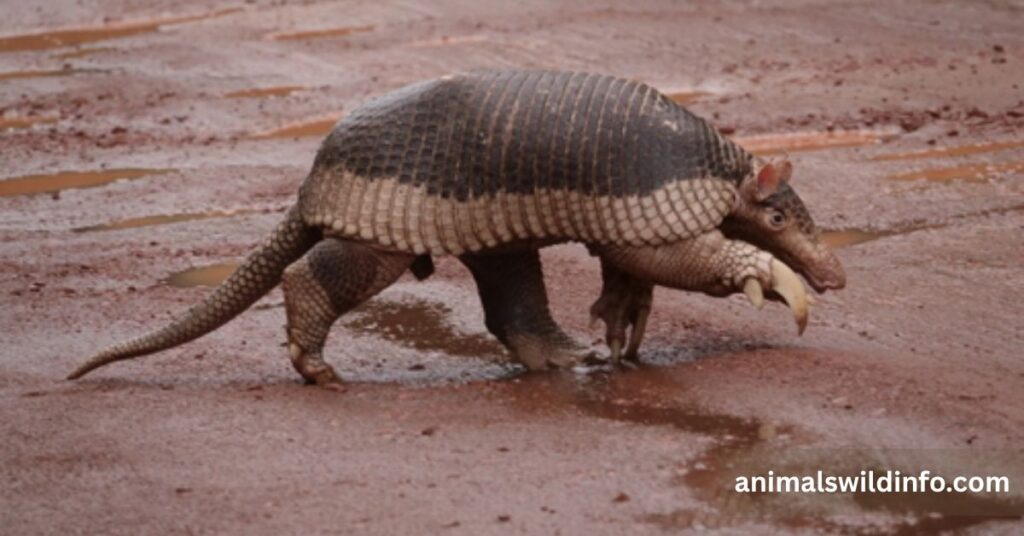
The Giant Armadillo holds a surprising title: it has the longest claws of any land mammal on Earth, stretching up to eight inches on its front feet. That single claw, usually the third digit, works like a shovel and a crowbar combined, letting the armadillo tear into termite mounds as if they were made of paper.
Beyond feeding, these digging claws double as an escape tool. A threatened Giant Armadillo can vanish underground in minutes, digging a tunnel faster than most predators can react. It’s a shy, nocturnal animal, and its claws are the main reason it survives despite rarely fighting back directly.
Tiger
Scientific name: Panthera tigris Class: Mammalia Diet: Carnivore
The tiger carries retractable claws that stay sharp because they’re tucked away when not in use. This keeps them from wearing down on rocks or dirt, so when the moment comes to strike, the claws are razor ready. A tiger’s claw can reach four inches, and combined with raw muscle power, it delivers a blow strong enough to break bone.
Both the Siberian Tiger and the Bengal Tiger rely on these claws for more than hunting. Scratching trees marks territory, leaving both a visual scar and a scent signal for rival tigers. So a tiger’s claw isn’t just a weapon. It’s also a message board, of sorts, written in bark and scent.
Star-Nosed Mole
Scientific name: Condylura cristata Class: Mammalia Diet: Carnivore
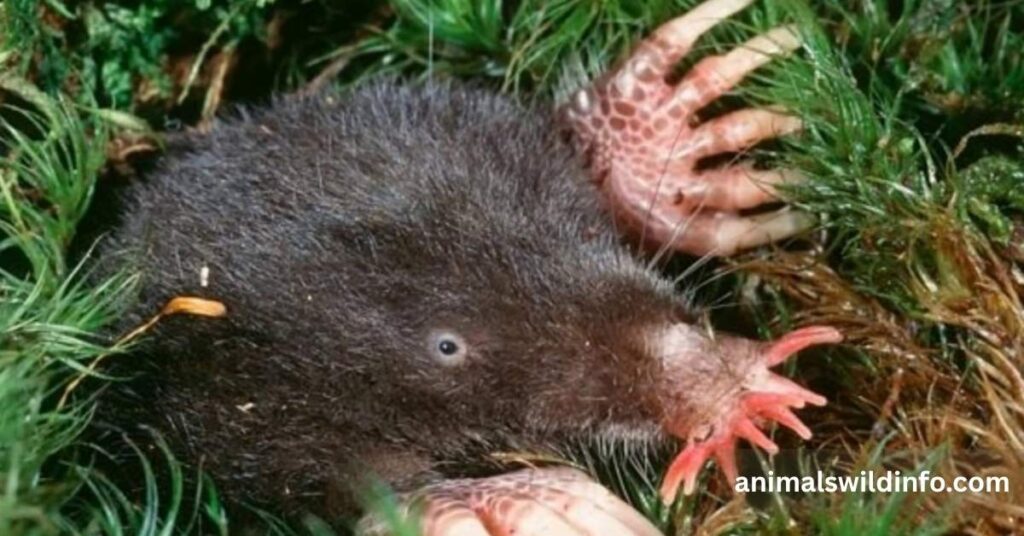
Most people know the Star-Nosed Mole for its bizarre, tentacle-covered nose. But its claws deserve credit too. Built for speed underground, these claws slice through wet soil almost like tiny blades, letting the mole tunnel at an incredible pace compared to its body size.
This is a classic case of burrowing animals using specialized tools to thrive in a habitat most creatures avoid. While the star-shaped nose detects prey through touch, the claws do the physical work of getting there fast. Together, they make this mole one of the most efficient hunters in the underground world, even though it’s barely bigger than a human thumb.
American Badger
Scientific name: Taxidea taxus Class: Mammalia Diet: Carnivore
The American Badger digs like it’s got somewhere urgent to be. Its claws, sometimes reaching over an inch and growing to several inches on the front paws, let it tunnel into the ground at astonishing speed, chasing rodents straight into their own burrows.
But these aren’t just digging claws. When cornered, a badger turns defensive fast, using the same claws to fend off coyotes and even larger threats. It’s stocky, low to the ground, and built like a tank, and its claws reflect that same tough, no-nonsense approach to survival.
Great Horned Owl
Scientific name: Bubo virginianus Class: Aves Diet: Carnivore
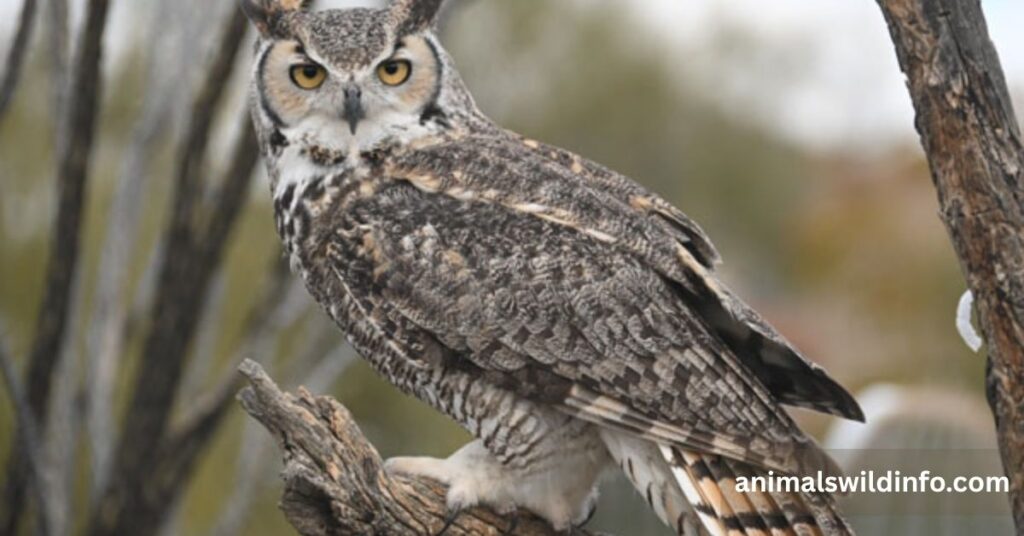
As one of the most skilled nocturnal hunters in North America, the Great Horned Owl relies on talons that clamp down with bone-crushing force. Its grip strength lets it take down prey many times its own size, including skunks and even other birds of prey.
Unlike eagles that rely on speed, this owl leans on stealth. Silent flight, thanks to specially shaped feathers, lets it approach unnoticed before its predator claws do the rest. It’s a perfect example of how wildlife survival often depends less on brute force and more on timing.
Lion
Scientific name: Panthera leo Class: Mammalia Diet: Carnivore
The lion, often called an apex predator, carries retractable claws reaching about 1.5 inches. That might sound small next to a tiger, but paired with raw strength, a lion’s claws can bring down prey many times its size, from zebras to young buffalo.
Claws also play a social role among lions. Sparring matches within a pride use claws in controlled, non-lethal ways to establish rank. And when climbing isn’t the plan, claws still help with balance and traction while sprinting across open grassland during a hunt.
Read More: Top 20 Amazing Animals With Big Ears (With Pictures & Fun Facts)
Giant Anteater
Scientific name: Myrmecophaga tridactyla Class: Mammalia Diet: Insectivore
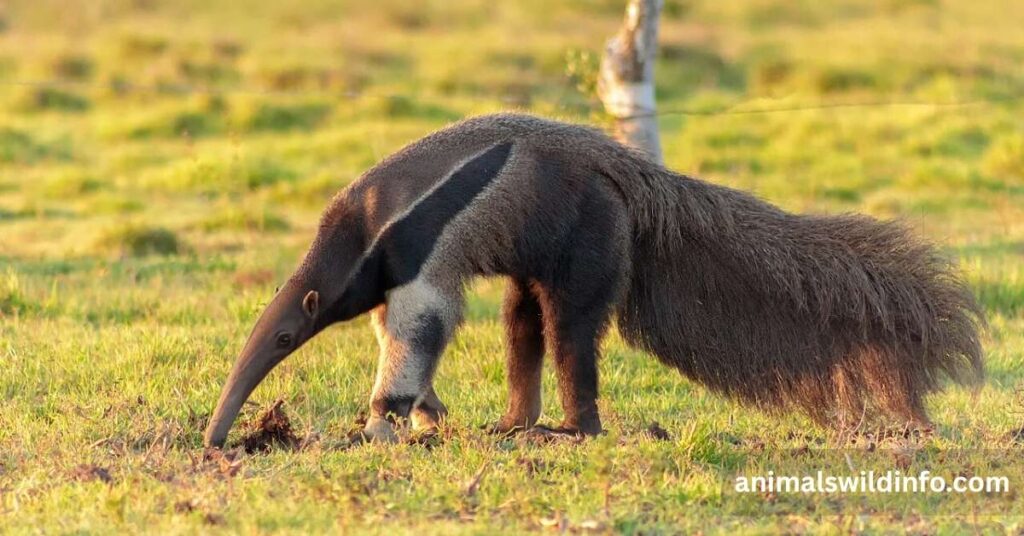
The Giant Anteater belongs to a small group of insect-eating mammals with claws built like precision tools. Reaching up to four inches, these claws tear open ant and termite mounds with ease, exposing thousands of insects in seconds.
When danger appears, though, this usually shy animal transforms. Rising on its hind legs, a Giant Anteater can use its claws to fend off jaguars and pumas, delivering slashes strong enough to cause serious injury. It’s a rare mix of gentle forager and capable fighter, all thanks to one set of claws doing double duty.
Grizzly Bear
Scientific name: Ursus arctos horribilis Class: Mammalia Diet: Omnivore
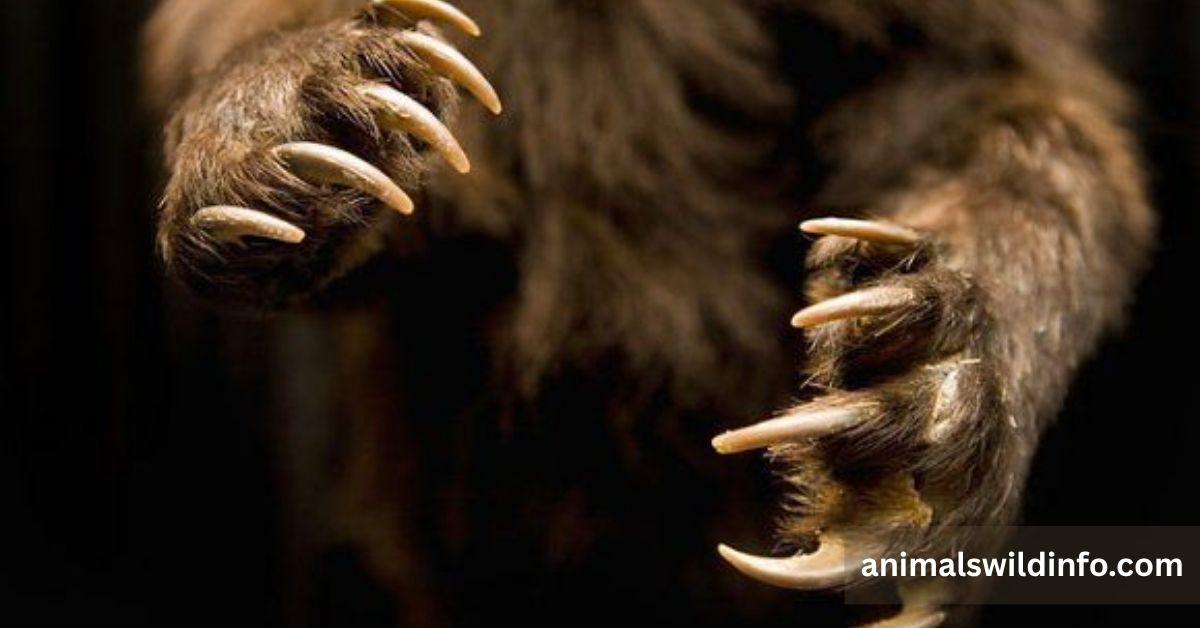
Among the animals with the biggest claws in animals conversations always include, the Grizzly Bear stands tall. Claws can reach four inches long, and they’re not just for defense. Grizzlies use them constantly, digging up roots, flipping logs, and tearing into fallen trees to find grubs and insects.
Come winter, those same claws help carve out a den for hibernation. It’s a great example of excavating dens as a survival skill, not just a hunting one. Few animals show this level of range from one single body part, switching from forager to architect depending on the season.
House Cat
Scientific name: Felis catus Class: Mammalia Diet: Carnivore

Even the friendly House Cat curled up on your couch carries a legacy of wild instinct in its claws. These small, retractable hooks stay sharp for pouncing, climbing, and gripping, echoing behaviors passed down from wild ancestors thousands of years ago.
Scratching isn’t just a bad habit, either. It keeps claws in shape and gives cats an outlet for stress and energy. That instinct to scratch furniture or posts links directly back to claw anatomy, since a dull claw would be useless for climbing or catching prey in the wild.
Wolverine
Scientific name: Gulo gulo Class: Mammalia Diet: Carnivore
The Wolverine has a reputation far bigger than its size. Its curved claws let it dig through snow and ice with ease, uncovering food in some of the harshest, coldest environments on the planet. Despite its modest build, a wolverine can take down prey several times its own weight.
Claws also give this animal serious climbing ability, letting it scale trees and rocky cliffs to escape danger or scout territory. Combine that with raw stubbornness, and you get one of the toughest small predators in the northern wilderness, built almost entirely around what its claws can do.
American Alligator
Scientific name: Alligator mississippiensis Class: Reptilia Diet: Carnivore
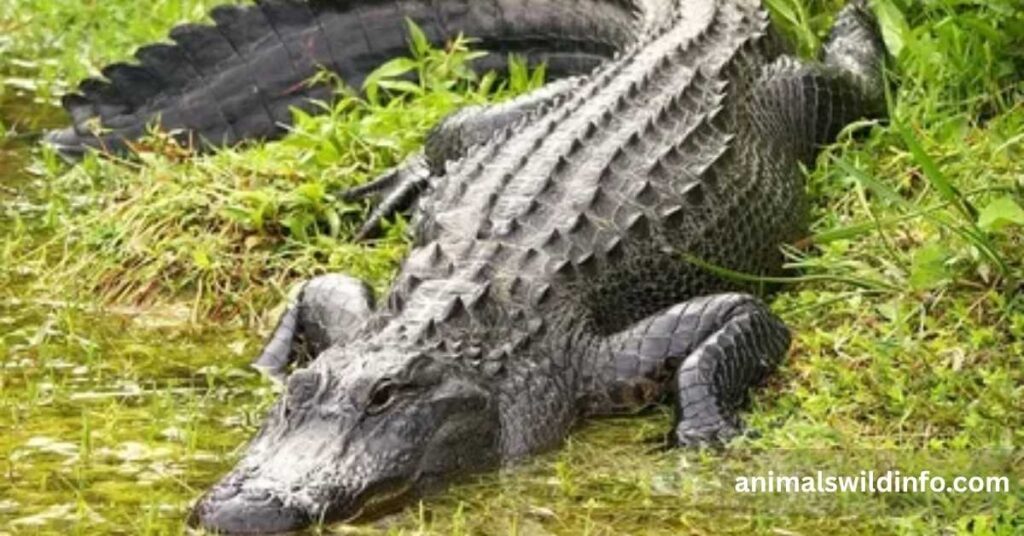
Reptile claws don’t get talked about as much as mammal claws, but the American Alligator proves they matter just as much. Found on its webbed feet, these claws help the alligator move across mud, grip riverbanks, and even climb low branches when needed.
During a hunt, claws anchor the alligator’s body, giving it stability as its jaws do the real damage. That combination of jaw power and claw grip makes this reptile a formidable terrestrial predator, one that can handle both water and land with equal confidence.
Mountain Lion
Scientific name: Puma concolor Class: Mammalia Diet: Carnivore
Also called a cougar or puma, the Mountain Lion carries retractable claws that stay sharp by staying tucked away until needed. These claws stretch close to two inches and give the animal excellent climbing ability across steep, rocky terrain.
Much like other big cats, a mountain lion uses claws for more than hunting. Scratching trees leaves scent markers, a form of territorial marking that keeps rival cats informed without any direct confrontation. It’s quiet communication, written entirely through claw marks on bark.
Komodo Dragon
Scientific name: Varanus komodoensis Class: Reptilia Diet: Carnivore
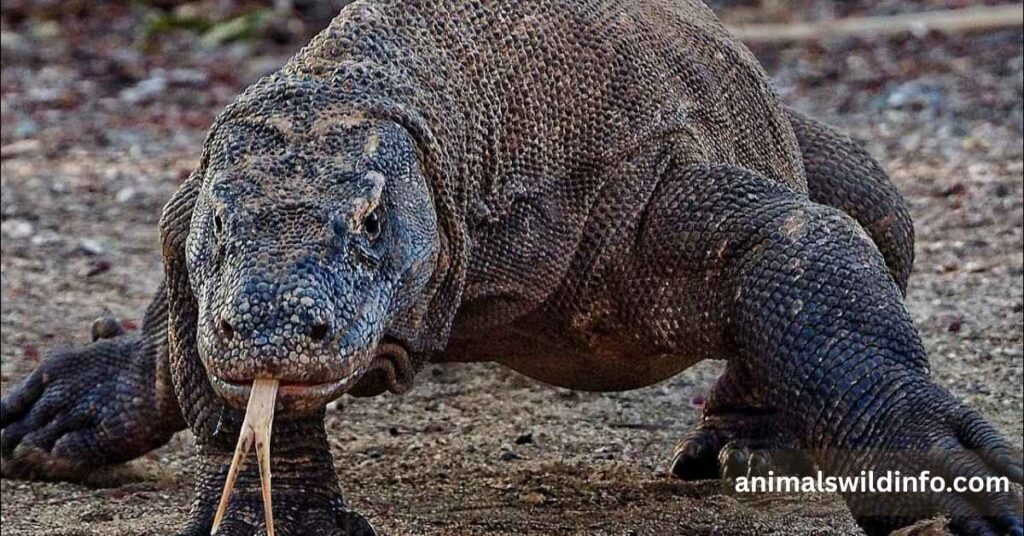
The Komodo Dragon, the largest lizard alive today, wields claws up to three inches long that work like built-in knives. During an ambush, these claws grip and tear at prey, setting up the kill alongside the dragon’s infamous bite.
What makes this predator especially dangerous is the combination of claw damage and bacteria-laden saliva, which weakens prey even after it escapes an initial attack. Add in strong digging and climbing skills, and you get one of the most complete reptile claws setups anywhere in the animal kingdom.
American Black Bear
Scientific name: Ursus americanus Class: Mammalia Diet: Omnivore
The American Black Bear carries claws built for versatility rather than pure combat. Measuring over two inches, they’re ideal for climbing trees, tearing open logs, and digging up roots and grubs, matching the bear’s flexible, opportunistic diet.
These claws also help with something less obvious: object manipulation. Black bears can peel bark, flip rocks, and pry open tight spaces with surprising dexterity. It’s a reminder that claw strength isn’t always about violence. Sometimes it’s just about getting dinner.
Read More: Top 15 Weakest Animals in the World (With Pictures & Fun Facts)
Bald Eagle
Scientific name: Haliaeetus leucocephalus Class: Aves Diet: Carnivore
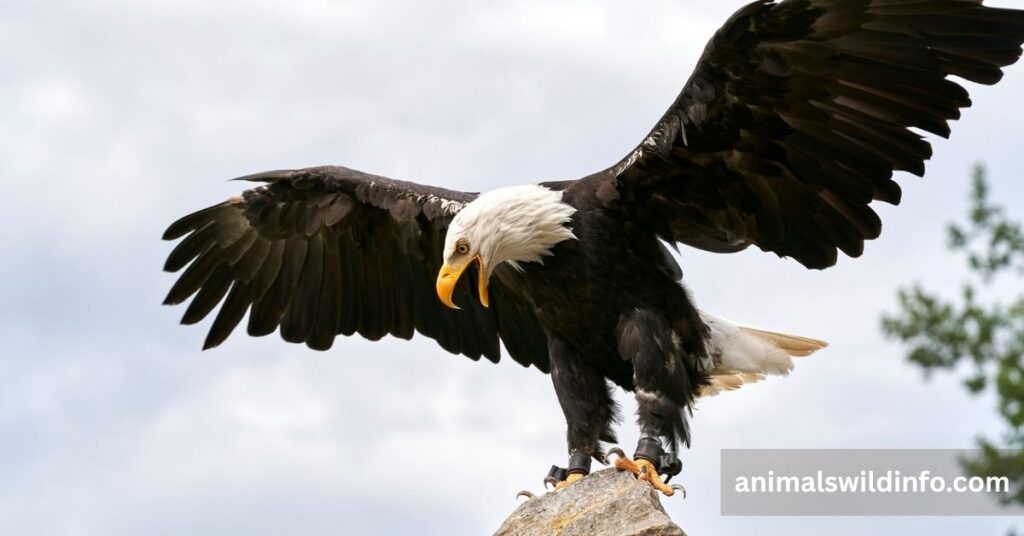
America’s national bird, the Bald Eagle, carries talons reaching about two inches, built specifically for snatching fish straight out of the water. A unique toe arrangement gives this eagle an especially strong grip, letting it fly off with a slippery catch in one clean motion.
While fish make up most of its diet, the Bald Eagle isn’t picky when food runs low. It’ll scavenge or hunt small mammals when needed, proving that even one of the most iconic strongest talons in the sky knows how to adapt when circumstances change.
Jaguar
Scientific name: Panthera onca Class: Mammalia Diet: Carnivore
The Jaguar stands out among big cats for one brutal skill: it kills by piercing skulls or shells directly, rather than suffocating prey like lions or tigers often do. Its claws grip tightly enough to hold onto thrashing prey like caimans, giving the jaguar time to land that decisive bite.
Beyond hunting, these claws make the jaguar an excellent climber, letting it escape threats or ambush prey from above in dense rainforest canopy. As one of the most powerful rainforest predators in the Americas, the jaguar shows just how far claw strength and precision can go.
Animals With the Largest Claws on Earth
When people search for the longest claws on Earth, a handful of species come up again and again. Claw length depends on diet, habitat, and hunting style, so it’s no surprise that diggers and climbers dominate this list. Below is a quick comparison of the animals known for having the biggest claws in animals discussions worldwide.
| Animal | Scientific Name | Max Claw Length |
| Giant Armadillo | Priodontes maximus | Up to 8 inches |
| Harpy Eagle | Harpia harpyja | Up to 5 inches |
| Giant Anteater | Myrmecophaga tridactyla | Up to 4 inches |
| Grizzly Bear | Ursus arctos horribilis | Up to 4 inches |
| Siberian Tiger | Panthera tigris | Up to 4 inches |
| Sloth | Bradypus / Choloepus | 3–4 inches |
| Komodo Dragon | Varanus komodoensis | Up to 2 inches |
Giant Armadillo (Up to 8 Inches)
No land mammal beats the Giant Armadillo when it comes to raw claw length. That eight-inch front claw isn’t for show. It’s a survival tool built specifically for ripping open termite mounds that would stop most other animals cold.
Harpy Eagle (Up to 5 Inches)
The Harpy Eagle’s talons rival mammal claws in size, and they come with a grip force that few birds can match. This combination makes it one of the most efficient aerial hunters in the entire rainforest ecosystem.
Giant Anteater (Up to 4 Inches)
Four-inch claws let the Giant Anteater tear through tough termite mounds daily. These same claws double as serious self-defense weapons against jaguars, proving that size and function often go hand in hand.
Grizzly Bear (Up to 4 Inches)
The Grizzly Bear’s claws support digging, foraging, and den-building all at once. Few animals put four-inch claws to such varied daily use, switching tasks depending on the season and available food.
Siberian Tiger (Up to 4 Inches)
As the largest tiger subspecies, the Siberian Tiger carries claws that match its massive frame. These claws support both hunting in deep snow and gripping large prey during a takedown.
Sloth (3–4 Inches)
It’s easy to underestimate the sloth, but its long, curved claws rank among the longest relative to body size in the animal kingdom. They exist almost entirely for gripping branches, not fighting.
Komodo Dragon (Up to 2 Inches)
While shorter than the others on this list, the Komodo Dragon’s claws still pack serious damage, especially when combined with its size and bite. Claw length isn’t everything when raw power backs it up.
How Animals Use Their Sharp Claws
Claws aren’t one-trick tools. Across the animal kingdom, they handle wildly different jobs depending on the species and its lifestyle. Some animals rely almost entirely on claws for feeding, while others use them mainly for climbing or protection.
Understanding these categories helps explain why claw shape varies so much from one species to another. A digging claw looks nothing like a hunting claw, and a defensive claw often looks nothing like either.
Hunting and Catching Prey
Predators like the jaguar, lion, and Harpy Eagle depend on sharp claws to secure prey before delivering a killing bite. Without that initial grip, most prey capture attempts would fail, since struggling animals can easily slip free otherwise.
Climbing Trees
Tree-climbing mammals like sloths and black bears rely on curved claws to grip bark securely. This climbing ability opens up food sources, escape routes, and safe resting spots that ground-based predators simply can’t reach.
Digging Burrows
Species like the American Badger and Star-Nosed Mole use claws built specifically for digging behavior. These claws let them create shelter, chase prey underground, or escape predators in seconds flat.
Self-Defense
Even non-aggressive animals like sloths and anteaters rely on claws when threatened. A single defensive swipe can be enough to convince a predator that easier prey exists elsewhere.
Holding and Tearing Food
Bears, big cats, and reptiles alike use claws to hold food steady while tearing it apart. This grip-and-tear method makes feeding faster and more efficient, especially with tougher prey like turtles or large mammals.
Interesting Facts About Animals With Sharp Claws
Claws come with plenty of surprising details that most people never learn. Here’s a quick table of fun, bite-sized facts worth knowing.
| Fact | Animal |
| Has the longest claws of any land mammal | Giant Armadillo |
| Grip strength rivals a big cat’s bite force | Harpy Eagle |
| Claws stay retracted to remain sharp | House Cat, Tiger, Mountain Lion |
| Uses claws to dig winter dens | Grizzly Bear |
| Claws help detect prey through touch combined with its nose | Star-Nosed Mole |
| Can rise on hind legs to fight off jaguars | Giant Anteater |
| National bird with a specialized toe grip for fishing | Bald Eagle |
Final Thoughts
Sharp claws tell a story about survival, one written in bone and keratin rather than words. From the towering strength of the Grizzly Bear to the quiet precision of the Star-Nosed Mole, every clawed animal on this list has found its own way to thrive using this single, adaptable tool.
Claws remind us that nature rarely settles for one-size-fits-all solutions. Instead, evolution shapes each claw to match its owner’s exact needs, whether that’s digging, climbing, hunting, or simply hanging on for dear life. Next time you spot an animal’s claw, whether on a house cat or in a nature documentary, you’ll know there’s a lot more going on than meets the eye.
Frequently Asked Questions
Many animals have sharp claws, including tigers, grizzly bears, jaguars, sloths, and the Giant Armadillo. Claw sharpness depends on diet and lifestyle, with hunters and diggers usually carrying the sharpest, most specialized claws.
Birds of prey like the Harpy Eagle, Bald Eagle, and Great Horned Owl all carry sharp talons. These talons are built for gripping and killing prey, and they differ from claws mainly in curve and crushing strength.
The Grizzly Bear and Giant Armadillo are often cited among the animals with the strongest claws, thanks to their size and digging power. The Harpy Eagle also ranks high, given its bird-world grip strength.
Both the lion and tiger carry sharp, retractable claws, but tigers usually have slightly longer claws, reaching up to four inches. Lions rely more on group hunting, while tigers depend heavily on solo ambush tactics backed by their claws.