Top 15 Dangerous Animals in the Philippines (With Images)
The Philippines pulls in millions of travelers every year. Beaches glow turquoise. Jungles hum with life. But this postcard-perfect nation also hides some seriously dangerous wildlife.
From venomous snakes in rice paddies to jellyfish drifting near popular dive spots, dangerous animals in the Philippines live closer to daily life than most tourists realize. This guide walks you through the fifteen creatures that top the list, why they’re risky, and what you should do if you ever cross paths with one.
You’ll meet crocodiles that can outweigh a small car. You’ll learn why a snail’s shell can hide a deadly harpoon. And you’ll pick up real safety tips you can use on your next trip to these islands. Let’s dig into the world of wildlife in the Philippines.
Comparison Table: Dangerous Animals in the Philippines
| Rank | Animal | Class | Primary Danger |
| 1 | Saltwater Crocodile | Reptilia | Powerful bite, ambush attacks |
| 2 | Philippine Cobra | Reptilia | Neurotoxic venom |
| 3 | Bull Shark | Chondrichthyes | Aggressive bites |
| 4 | Box Jellyfish | Cubozoa | Venomous stings |
| 5 | Titan Triggerfish | Actinopterygii | Territorial bites |
| 6 | Lionfish | Actinopterygii | Venomous spines |
| 7 | Centipede | Chilopoda | Venomous bite |
| 8 | Stonefish | Actinopterygii | Toxic venomous spines |
| 9 | Yellow-Lipped Sea Krait | Reptilia | Venomous bite |
| 10 | Cone Snail | Gastropoda | Venomous harpoon sting |
| 11 | Mosquito | Insecta | Disease transmission |
| 12 | Wild Boar | Mammalia | Charging attacks, tusks |
| 13 | Scorpion | Arachnida | Venomous sting |
| 14 | Black Widow Spider | Arachnida | Venomous bite |
| 15 | Blue-Ringed Octopus | Cephalopoda | Deadly neurotoxin |
List of Dangerous Animals in the Philippines
This archipelago sits inside one of the richest biodiversity hotspots on Earth. That’s great news for nature lovers. It also means dangerous Filipino animals show up in forests, rivers, farmland, and coral reefs alike.
Below, you’ll find all fifteen Philippine animals known for causing harm. Each one gets a quick fact box, followed by details on habitat, behavior, and why it earns a spot on this list.
Saltwater Crocodile
Scientific Name: Crocodylus porosus Class: Reptilia Diet: Carnivore
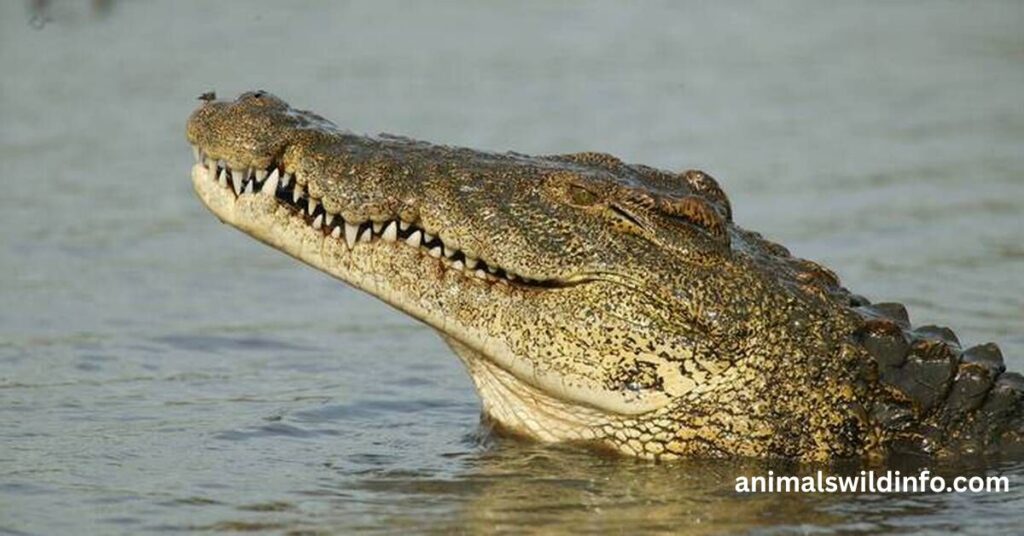
The saltwater crocodile holds the title of largest living reptile on the planet. It thrives in mangrove swamps, rivers, and coastal areas across the Philippines. This reptile moves easily between freshwater and saltwater habitats. That flexibility makes it one of the most feared animals in the region. Some individuals stretch past 20 feet long. Their powerful bite can crush bone in an instant. As an apex predator, it sits at the very top of its food chain.
Don’t let the size fool you into thinking it’s a mindless killer, though. These crocodiles show real parental care, guarding nests and hatchlings with fierce loyalty. Attacks on humans do happen, especially near crocodile habitat zones where fishing and farming push people closer to the water. Wildlife officials in Mindanao and Palawan track crocodile activity closely for this reason. Respect their space, and you’ll likely never have a problem.
Philippine Cobra
Scientific Name: Naja philippinensis Class: Reptilia Diet: Carnivore
The Philippine Cobra ranks among the most dangerous venomous snakes in the Philippines. This hooded snake lives in lowland forests and agricultural areas, often near rice fields where rodents gather. Its neurotoxin attacks the nervous system fast. A bite left untreated can lead to respiratory failure within hours. That’s a sobering fact for hikers and farmers who share its territory.
What sets this species apart is its unusual defense trick. It can spit venom directly at a threat’s eyes from several feet away. This venom spitting behavior helps it fend off predators without wasting a bite. Despite the danger, the cobra plays a useful role by controlling the rodent population in farming communities. Locals in rural Luzon know to watch their step around tall grass and stone walls, where cobras like to hide.
Read More: 7 Interesting Facts About Porcupines in Georgia You Should Know
Bull Shark
Scientific Name: Carcharhinus leucas Class: Chondrichthyes Diet: Carnivore
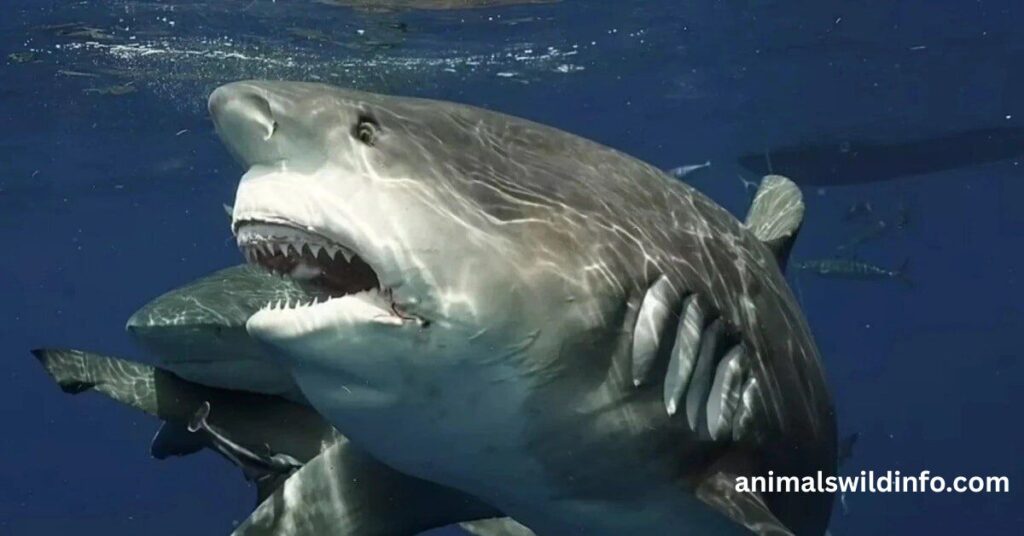
Few sharks adapt like the Bull Shark. It swims comfortably through saltwater, freshwater, and brackish water, which lets it travel far up rivers and estuaries. You might expect this aggressive shark near Cebu’s coastline, but it also shows up in lakes and river systems across Mindanao. That range surprises a lot of people. Few marine predators can claim that kind of territory.
This shark’s powerful jaws and serrated teeth make it one of the more dangerous dangerous marine animals swimming Philippine waters. It doesn’t need much provocation to strike, especially when it feels cornered or territorial. Swimmers near river mouths should stay alert, particularly during murky water conditions when visibility drops. Bull sharks rely on their other senses to hunt when they can’t see well, and that can lead to mistaken identity bites.
Box Jellyfish
Scientific Name: Chironex fleckeri Class: Cubozoa Diet: Carnivore
The Box Jellyfish drifts through warm coastal waters with a nearly invisible, translucent body. Its cube-shaped bell and trailing tentacles make it one of the stealthiest venomous marine animals around. Thousands of stinging cells line each tentacle, ready to fire venom into anything that brushes against them. A sting can trigger intense pain, paralysis, and in severe cases, death.
Here’s something most people don’t know: this jellyfish has up to 24 eyes. That sensory setup lets it actively navigate rather than just drift with the current. Its venom targets the heart and nervous system directly, which explains why reactions happen so quickly. Beachgoers in areas with box jellyfish blooms should check local warnings before swimming, especially during the months when jellyfish numbers spike.
Titan Triggerfish
Scientific Name: Balistoides viridescens Class: Actinopterygii Diet: Omnivore
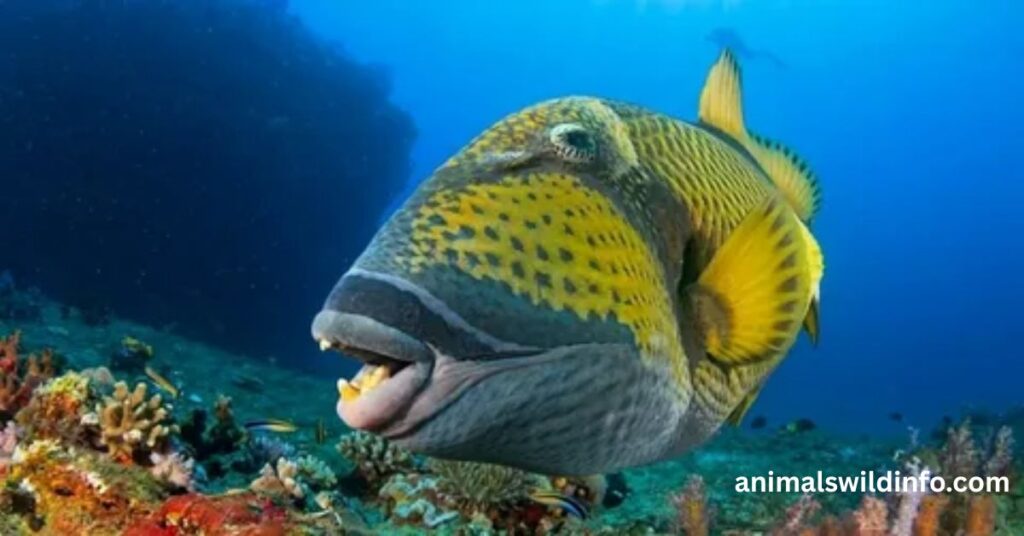
The Titan Triggerfish patrols coral reefs with striking colors and a temper to match. During breeding season, this fish shows intense territorial behavior, guarding its nest against anything that gets too close. Divers who wander into that zone often get a firsthand look at its aggressive behavior. Its powerful jaws can deliver a bite strong enough to break coral, let alone skin.
That nest defense instinct explains most triggerfish encounters with divers. Snorkelers sometimes mistake the fish’s curiosity for friendliness, not realizing they’ve entered a cone-shaped defense zone around the nest. Swim away calmly rather than toward the surface, since triggerfish tend to attack upward. Beyond the risk, this fish helps keep reef algae in check, supporting the wider marine ecosystem.
Lionfish
Scientific Name: Pterois volitans Class: Actinopterygii Diet: Carnivore
With fan-like fins and bold stripes, the Lionfish looks almost too pretty to be dangerous. But its venomous spines deliver a sting that causes serious pain and swelling. Native to the Indo-Pacific, this species has spread well beyond its original range and now threatens coral reefs and coastal lagoons throughout Southeast Asia. It’s become a textbook example of an invasive species disrupting local biodiversity.
Its appetite is the real problem. Lionfish eat smaller reef fish at a pace that outcompetes native predators, throwing off the balance of the whole marine ecosystem. Divers should never touch or corner a lionfish, since the painful sting comes from direct contact with those spines. Local dive operators in the Philippines now run lionfish culls to help protect native fish populations.
Centipede
Class: Chilopoda Diet: Carnivore
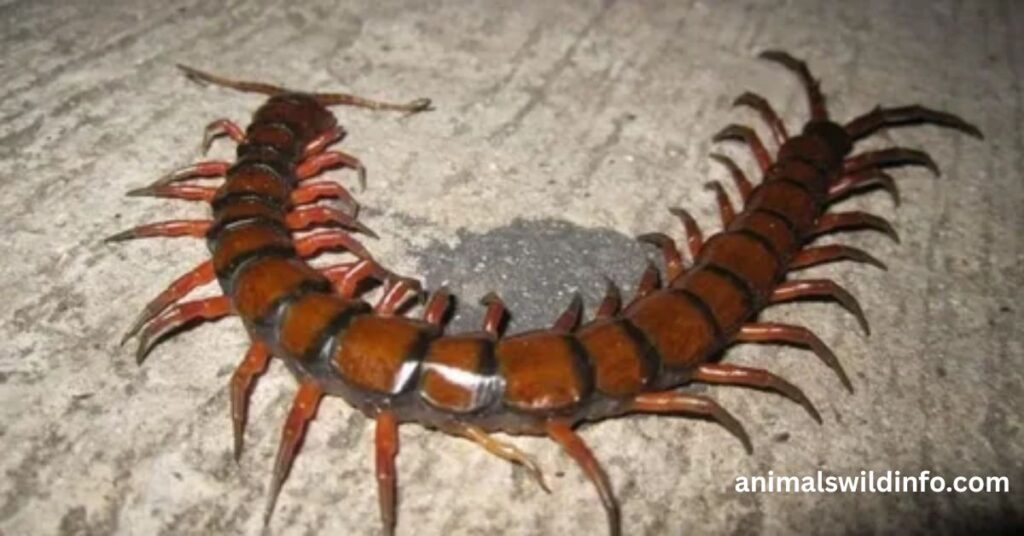
The Philippine centipede rarely gets the spotlight, but it deserves respect. This creature’s elongated body and multiple legs let it move at surprising speed through leaf litter and damp soil. Its venomous fangs deliver a painful bite that can cause swelling, fever, and intense discomfort. Anyone allergic to the venom may need real medical care.
As a predator, the centipede hunts insects and even small vertebrates in its tropical habitat. That role actually helps keep pest populations in check around homes and farms. Most bites happen when people accidentally step on one barefoot at night. A flashlight and closed shoes go a long way toward avoiding an unpleasant surprise.
Stonefish
Scientific Name: Synanceia verrucosa Class: Actinopterygii Diet: Carnivore
Few creatures blend into their surroundings like the Stonefish. Its mottled skin mimics rocks and coral so well that swimmers often step on it without ever seeing it coming. This camouflage turns the stonefish into a deadly ambush predator, hiding on the sandy ocean floor or rocky substrate near coral reefs until prey swims close.
The real danger sits along its back. Its venomous spines carry some of the most toxic venom found in any fish species. A sting causes agonizing pain almost instantly, along with swelling and, in rare cases, more serious complications. Wading shoes offer solid protection in shallow reef areas where stonefish tend to settle. Despite its fearsome reputation, this fish quietly supports the reef food chain as both predator and prey.
Read More: Top 10 Mammals That Cannot Jump (With Pictures & Amazing Facts)
Yellow-Lipped Sea Krait
Scientific Name: Laticauda colubrina Class: Reptilia Diet: Carnivore
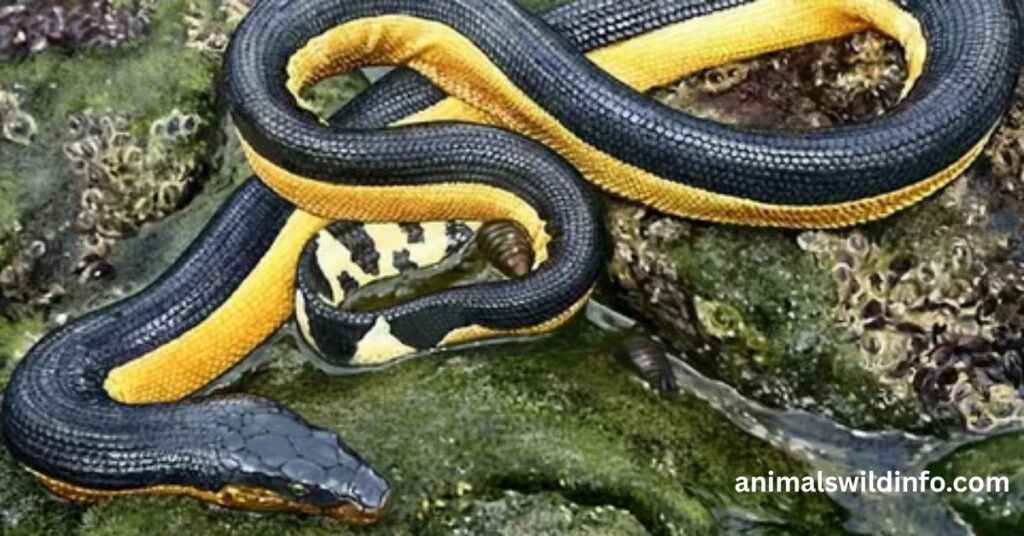
The Yellow-Lipped Sea Krait stands out with its banded body and bright yellow lips. As a sea snake, it’s built for life in the water, yet it still breathes air like any land reptile. This marine predator hunts eels in coral reefs and rocky crevices, using a venomous bite to subdue prey quickly within its underwater habitat.
What surprises a lot of beachgoers is its habit of coming ashore. Sea kraits bask on rocks or lay eggs on land, particularly during mating season. Despite carrying potent venom, attacks on humans stay rare, since this snake prefers retreat over confrontation. Give it space if you spot one on a beach walk, and it’ll likely slip back into the surf on its own.
Cone Snail
Class: Gastropoda Diet: Carnivore
Don’t judge this one by its shell. The Cone Snail looks like a harmless collector’s item, but it hides a venomous harpoon capable of delivering a lethal dose of neurotoxins. As a marine mollusk, it lives among coral reefs, waiting to strike unsuspecting fish or curious humans who pick it up.
A sting can cause paralysis and, in severe cases, respiratory failure within hours. Ironically, researchers now study cone snail venom for potential pain medication, since its compounds interact with the nervous system in unique ways. Still, that medical promise doesn’t make the venomous sting any less dangerous to a swimmer. Never handle a cone snail shell, even an empty-looking one, without knowing for certain it’s not occupied.
Mosquito
Scientific Name: Culex pipiens Class: Insecta Diet: Males feed on nectar (herbivore); females are blood-feeding (hematophagous)
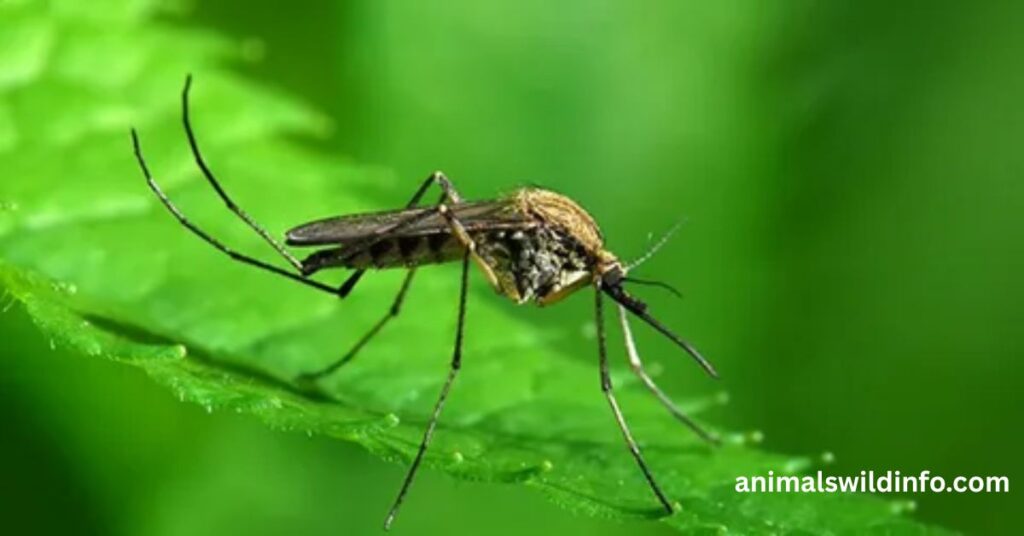
It’s easy to overlook something so small, but the mosquito causes more harm across the Philippines than nearly any other creature on this list. As a major mosquito vector, it spreads dengue fever, chikungunya, and the Zika virus through everyday mosquito bites. The country’s tropical climate keeps breeding conditions active almost year-round, especially in urban centers like Manila.
Stagnant water in old tires, buckets, or clogged gutters gives mosquitoes exactly what they need to multiply fast. Public health campaigns push residents to clear standing water regularly, since even a bottle cap of rainwater can host larvae. Travelers should pack insect repellent and wear long sleeves during dawn and dusk hours, when mosquitoes feed most actively. It’s a small habit that prevents a genuinely serious illness.
Wild Boar
Scientific Name: Sus scrofa Class: Mammalia Diet: Omnivore
Locals call it baboy ramo, and it roams the dense forest habitat and rural farmland of the Philippine countryside. The wild boar looks stocky and slow, but don’t be fooled. When threatened or protecting young during breeding season, it becomes one of the more unpredictable aggressive animals in the region.
Sharp tusks and raw speed make a cornered boar genuinely dangerous, capable of injuring hikers or farmers within seconds. That said, this animal contributes real ecological value through seed dispersal, helping forests regenerate naturally as it forages. Understanding its defensive behavior helps you avoid surprise encounters. If you spot one on a trail, back away slowly rather than running, since sudden movement can trigger a charge.
Scorpion
Class: Arachnida Diet: Carnivore
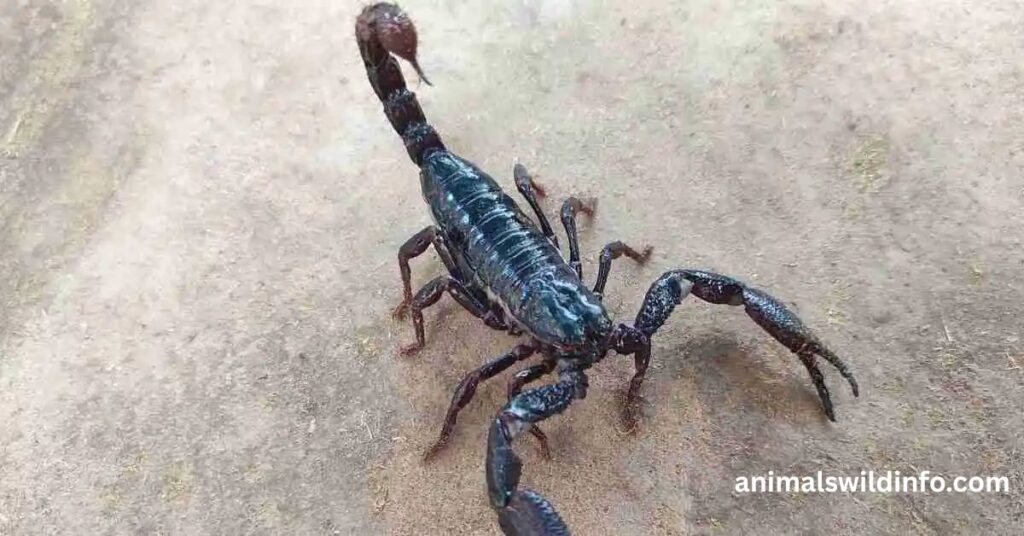
More than 20 scorpion species live across the Philippines, hiding in tropical foliage, underbrush, and beneath rocks. A scorpion sting can cause sharp pain, swelling, and in some cases, a stronger reaction depending on the species and the person’s sensitivity. The Philippine forest scorpion, in particular, has a reputation for defending itself aggressively when disturbed.
Despite the fear factor, scorpions provide genuine pest control by hunting insect populations in gardens and forest floors. Most stings happen accidentally, often when someone reaches into a woodpile or turns over a rock without checking first. Shaking out shoes and gloves before use is a simple habit that prevents most encounters. Give these arachnids their space, and they’ll return the favor.
Black Widow Spider
Scientific Name: Latrodectus mactans Class: Arachnida Diet: Carnivore
The Black Widow Spider carries one of the most recognizable warning signs in nature: a glossy black body marked with a red hourglass marking. Despite its fearsome reputation, this spider prefers to avoid conflict. Its venomous bite typically happens only when the spider feels cornered or threatened directly.
Once it does bite, though, the spider venom can cause intense muscle cramps and other symptoms requiring prompt medical attention. Black widows favor dark, undisturbed spots like gardens, basements, and woodpiles, which puts rural households at higher risk of accidental contact. A quick check before reaching into storage boxes or garden equipment goes a long way toward staying safe.
Read More: Top 20 Animals With Spots (With Pictures & Amazing Facts)
Blue-Ringed Octopus
Scientific Name: Hapalochlaena lunulata Class: Cephalopoda Diet: Carnivore
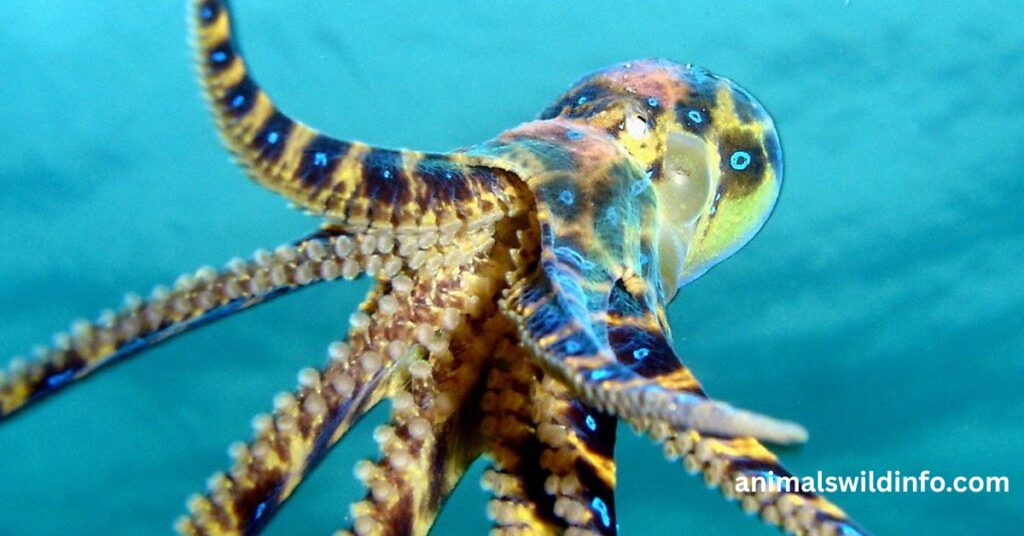
Small enough to fit in your palm, the Blue-Ringed Octopus ranks among the most lethal creatures in Philippine waters despite its size. Its glowing blue rings flash as a warning before it strikes. This tiny cephalopod carries tetrodotoxin, a neurotoxin so potent it can cause paralysis and respiratory failure within minutes of a bite.
Its greatest defense, though, is staying hidden. Camouflage lets it blend seamlessly into rocks and coral within its marine habitat, which means most people never see it until it’s too late. Divers and snorkelers should never touch small, unfamiliar octopuses no matter how harmless they appear. A creature this small demands serious respect, and immediate medical attention after any bite can make the difference between recovery and tragedy.
Why Are These Animals Dangerous in the Philippines?
The Philippines sits inside a hotspot of Philippine biodiversity, packed with tropical forests, coral reefs, and coastal waters all within short distances of each other. That density means native animals live closer to human activity than in many other countries. Warm year-round temperatures also keep tropical wildlife active constantly, unlike regions where cold winters slow animal activity down for months at a time.
Add rapid tourism growth and expanding farmland into the mix, and human-wildlife conflict becomes almost inevitable. Fishermen wade into crocodile habitat. Hikers cross paths with wild boars in mountainous regions. Divers brush against coral reef animals without realizing the risk. Understanding this overlap helps explain why so many dangerous species call the Philippines home, and why wildlife safety matters more here than in many other travel destinations.
What Should You Do if You Encounter a Dangerous Animal?
Staying calm matters more than anything else in the moment. Most animal attacks happen because a creature feels cornered or threatened, not because it’s hunting a human on purpose. Back away slowly rather than running, and avoid sudden movements that could trigger defensive predatory behavior. Keep a safe distance whenever possible, whether you’re facing a snake on a trail or a triggerfish near a reef.
If a bite or sting does happen, treat it as a medical situation right away. Keep the affected area still, note the time of the incident, and seek medical attention immediately, especially with venomous species like cobras, cone snails, or the blue-ringed octopus. For marine stings, rinse with vinegar or hot water depending on the creature, since treatment varies by species. Basic snorkeling safety and diving safety habits, like never touching unfamiliar sea life, prevent the vast majority of these encounters before they start.
Final Thoughts
The Philippines offers travelers something rare: raw, untamed nature sitting right beside world-class beaches and cities. That mix of beauty and risk is part of what makes this country so unforgettable. Knowing which hazardous wildlife to watch for doesn’t mean you should stay away. It just means you’ll explore smarter.
Respect goes both ways here. These animals aren’t lurking around every corner waiting to strike. Most simply want to be left alone. A little awareness, some wildlife awareness habits, and a healthy respect for animal defense instincts will keep your trip safe and memorable for all the right reasons.
FAQ’s
What are the top 3 deadliest animals?
The mosquito, saltwater crocodile, and Philippine cobra rank among the deadliest, based on both disease transmission and direct attack risk.
What is the biggest predator in the Philippines?
The saltwater crocodile holds this title, growing past 20 feet and ranking as the largest living reptile on Earth.
What is the top 1 safest place in the Philippines?
Boracay consistently ranks as one of the safest and most tourist-friendly destinations, with low rates of dangerous wildlife encounters and strong local infrastructure.
Are There Dangerous Insects in the Philippines?
Yes. Mosquitoes, centipedes, and scorpions all pose real risks through bites, stings, and disease transmission, making basic precautions worthwhile for residents and visitors alike.
Do the Philippines Have Any Large Predatory Animals?
Yes. Saltwater crocodiles and bull sharks both qualify as large apex predators, capable of serious harm in both freshwater and marine environments.