Top 15 Most Humble Animals in the World (With Pictures)
Some animals never chase the spotlight. They just live quietly, help each other out, and get on with their day. That’s what makes them humble animals. This list looks at fifteen of the most humble animals in the world, and it shows you exactly what makes each one special.
You’ll meet gentle animals that comfort their friends, loyal animals that stick by humans for life, and social animals that build tight family units without any drama. Every animal here proves that strength doesn’t need to shout. Sometimes it just needs to show up.
List of the Most Humble Animals in the World
This list covers fifteen of the most humble animals in the animal kingdom. Each one shows calm behavior, strong social bonds, or a deep connection with people. You’ll notice a pattern fast: humble animals rarely fight for attention, yet they earn respect anyway.
Below, you’ll find a quick comparison table first. After that, each animal gets its own breakdown, including scientific name, class, diet, and the specific behavior that makes it stand out.
| Animal | Scientific Name | Class | Diet | Known For |
| Horses | Equus Caballus | Mammalia | Herbivore | Quiet service and trust |
| Dolphins | Delphinus Delphis | Mammalia | Carnivore | Helping injured pod members |
| Camels | Camelus | Mammalia | Herbivore | Endurance without complaint |
| Elephants | Loxodonta | Mammalia | Herbivore | Grief and family bonds |
| Cows | Bos Taurus | Mammalia | Herbivore | Gentle, low-conflict nature |
| Sheep | Ovis Aries | Mammalia | Herbivore | Flock loyalty and memory |
| Deer | Cervidae | Mammalia | Herbivore | Alertness without aggression |
| Rabbits | Oryctolagus Cuniculus | Mammalia | Herbivore | Quiet cooperation |
| Dogs | Canis Lupus Familiaris | Mammalia | Omnivore | Unconditional loyalty |
| Turtles | Testudines | Reptilia | Omnivore | Patient, steady survival |
| Goats | Capra Aegagrus Hircus | Mammalia | Herbivore | Curious, low-ego problem solving |
| Pigeons | Columba Livia | Aves | Omnivore | Devoted pair bonding |
| Giraffes | Giraffa Camelopardalis | Mammalia | Herbivore | Gentle protection of the herd |
| Pandas | Ailuropoda Melanoleuca | Mammalia | Herbivore | Solitary, non-aggressive nature |
| Manatees | Trichechus | Mammalia | Herbivore | Slow, peaceful temperament |
Horses
Scientific Name: Equus Caballus Class: Mammalia Diet: Herbivore
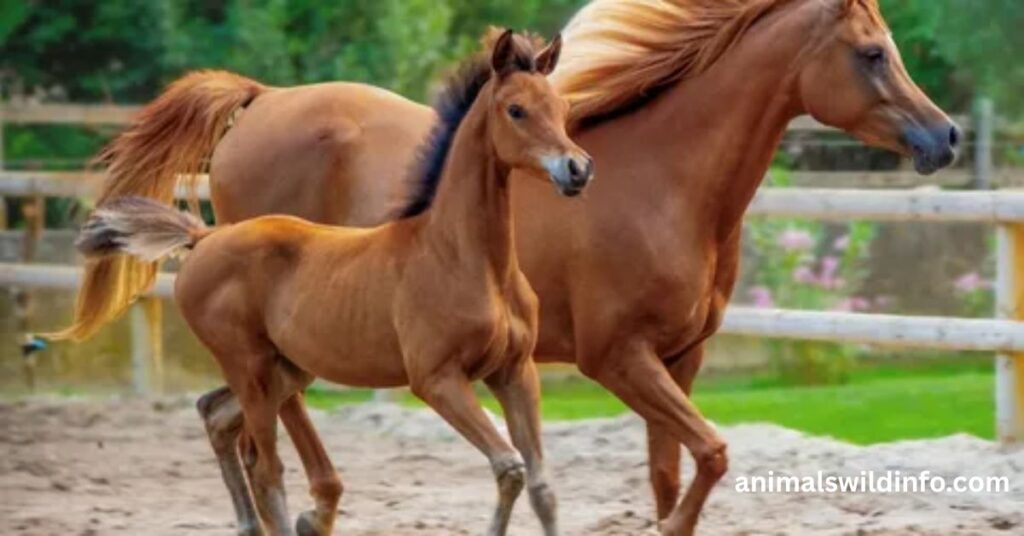
Horses show a kind of quiet strength that’s hard to find elsewhere. They work hard for humans, from farm fields to therapy centers, and they rarely ask for credit. A horse reads your body language before you even speak. That’s real emotional intelligence in animals, and it’s part of why horses build such a strong human-animal bond. They stay calm under pressure, and they form lasting friendships within their herd. Ask any rider, and they’ll tell you a horse’s gentle demeanor feels almost human at times.
Read More: Top 20 Animals With Spots (With Pictures & Amazing Facts)
Dolphins
Scientific Name: Delphinus Delphis Class: Mammalia Diet: Carnivore
Dolphins live in tight pods, and they take care of each other without hesitation. Scientists have watched dolphins support injured pod members, pushing them to the surface so they can breathe. That’s altruistic behavior at its clearest. Dolphins also use clicks and whistles to talk, which counts as advanced non-verbal communication layered with vocal signals. Their social structure runs on trust, and their playful nature hides a deeply cooperative behavior pattern most people never notice.
Camels
Scientific Name: Camelus Class: Mammalia Diet: Herbivore
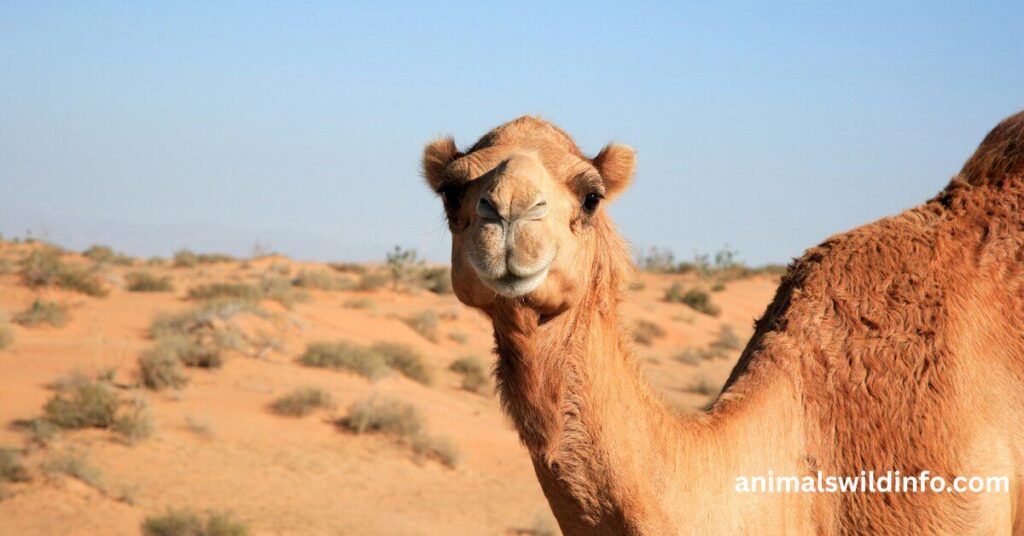
Camels earned the nickname “ships of the desert” for good reason. They carry heavy loads across brutal heat, and they rarely complain. That’s pure animal resilience. Their bodies store fat instead of water, which lets them survive for days without drinking. Beyond biology, camels build real trust with their handlers. Nomadic communities have relied on them for centuries, and that long history reflects a deep human-animal relationship built on patience and quiet cooperation.
Elephants
Scientific Name: Loxodonta Class: Mammalia Diet: Herbivore
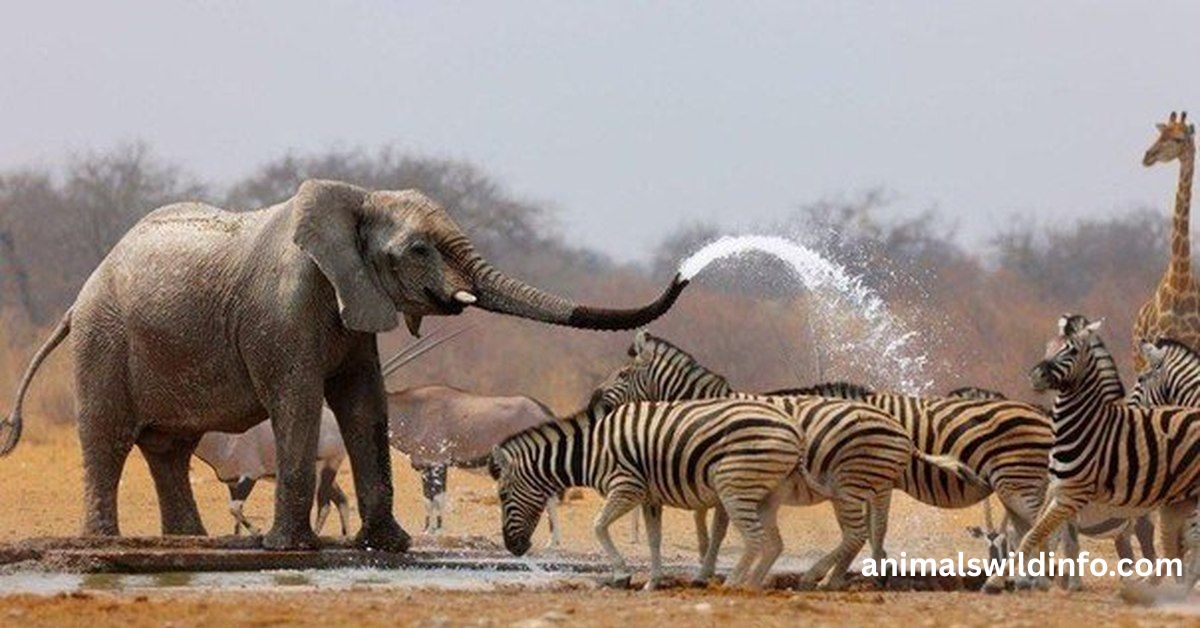
Elephants show some of the clearest animal emotions on the planet. They mourn their dead, they comfort distressed herd members, and they remember individuals for decades. This isn’t guesswork. Researchers have documented elephants touching the bones of relatives long after death, which points to real grief. Their family bonds run deep, and younger elephants learn survival skills by watching elders. That kind of teaching reflects patience, not dominance, which is exactly why elephants rank among the most compassionate animals alive today.
Cows
Scientific Name: Bos Taurus Class: Mammalia Diet: Herbivore
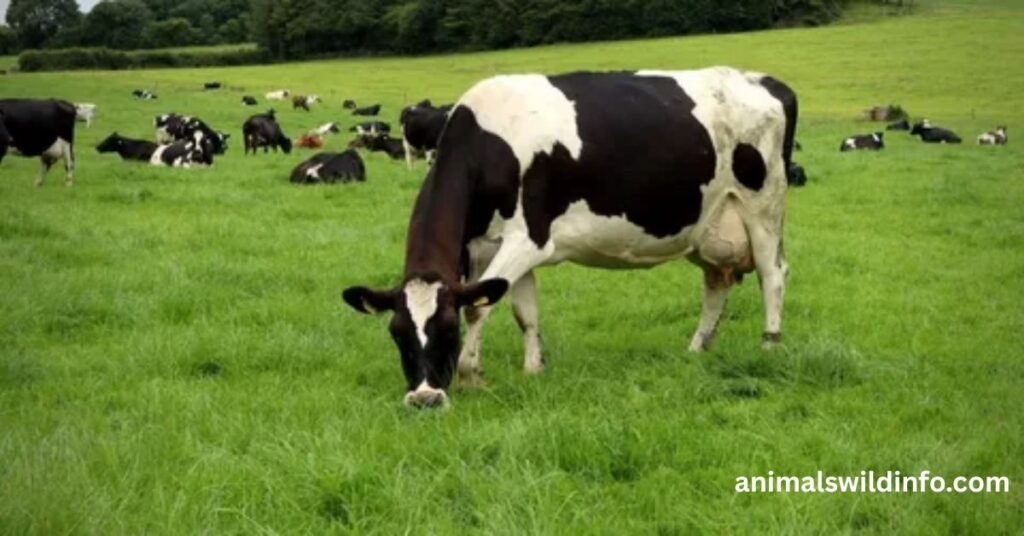
Cows get overlooked constantly, yet they carry a surprisingly gentle personality. They form close friendships within the herd, and they get visibly stressed when separated from their favorite companions. Farmers who work closely with cattle often describe individual personalities, from shy to bold. That variety points to real animal personality, not just instinct. Cows also show caring behavior toward calves, nudging and grooming them for comfort. Their peaceful temperament makes them one of the most docile animals in any farm setting.
Sheep
Scientific Name: Ovis Aries Class: Mammalia Diet: Herbivore
Sheep stick together, and that flocking instinct isn’t just about safety. It reflects a genuine desire for companionship. Each sheep has its own bleat, and flock members recognize each other by sound alone. Studies have even shown sheep can remember human faces for years, which is impressive social behavior for an animal often called simple-minded. Their calm, steady nature under a shepherd’s care shows real trust. Few animals demonstrate modest behavior as consistently as sheep do, day after day.
Deer
Scientific Name: Cervidae Class: Mammalia Diet: Herbivore
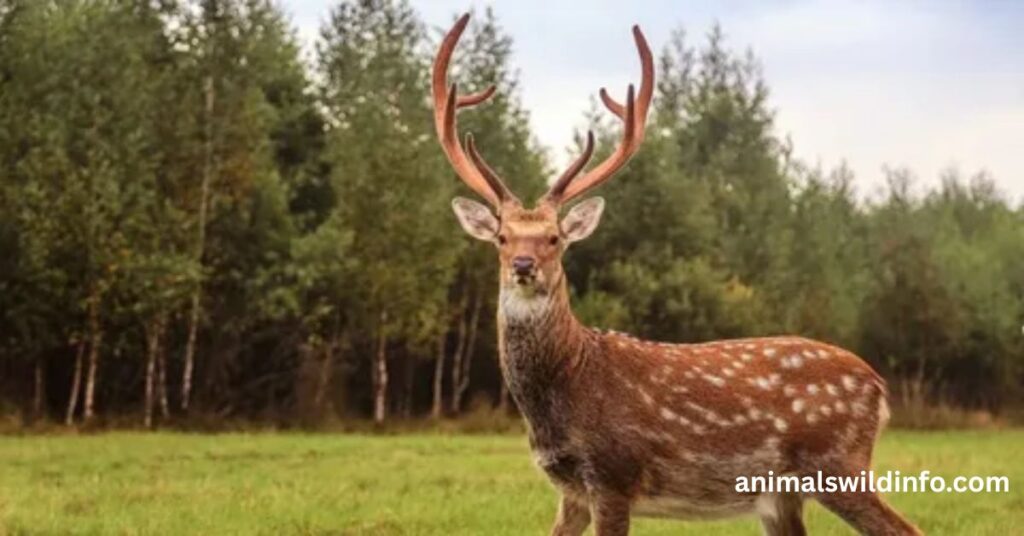
Deer move through forests with a calm temperament that rarely tips into aggression. They stay alert for predators, yet they avoid conflict whenever possible. Mothers protect fawns fiercely, but even that protection stays quiet and controlled rather than loud or showy. Deer communicate through subtle body signals, tail flicks, and soft grunts, which counts as effective non-verbal communication. Their unassuming nature helps them blend into forest life, surviving through caution instead of confrontation. That’s adaptability in its purest form.
Rabbits
Scientific Name: Oryctolagus Cuniculus Class: Mammalia Diet: Herbivore
Rabbits live in underground warrens, working together to dig tunnels and raise young. That teamwork reflects cooperative behavior on a small, quiet scale. Rabbits rarely fight within their own groups, and they groom each other to strengthen social bonding. Pet owners often notice how affectionate animals rabbits can become once they trust you. They thump their feet to warn others of danger, which protects the whole group instead of just themselves. That instinct alone shows a selfless behavior built into their survival instincts.
Read More: Top 20 Animals With Spots (With Pictures & Amazing Facts)
Dogs
Scientific Name: Canis Lupus Familiaris Class: Mammalia Diet: Omnivore

Dogs might be the most obvious example of loyal companions on this entire list. They read human moods fast, and they offer comfort without being asked. That sensitivity reflects genuine empathy in animals, not simple training. A dog waiting by the door after a hard day teaches a quiet lesson about unconditional loyalty. Their bond with humans goes back thousands of years, built on trust between humans and animals that keeps growing stronger. Few creatures blend kindness and devotion as naturally as dogs do.
Turtles
Scientific Name: Testudines Class: Reptilia Diet: Omnivore
Turtles have survived for over 200 million years, and they didn’t do it by rushing. Their slow pace reflects quiet strength, not weakness. Each shell carries a unique pattern, almost like a fingerprint, telling a story of survival across changing environments. Sea turtles graze on seagrass, which keeps marine ecosystems healthy and balanced. That role supports biodiversity far beyond their own species. Turtles prove that resilience doesn’t always look dramatic. Sometimes it just means outlasting everything else.
Goats
Scientific Name: Capra Aegagrus Hircus Class: Mammalia Diet: Herbivore
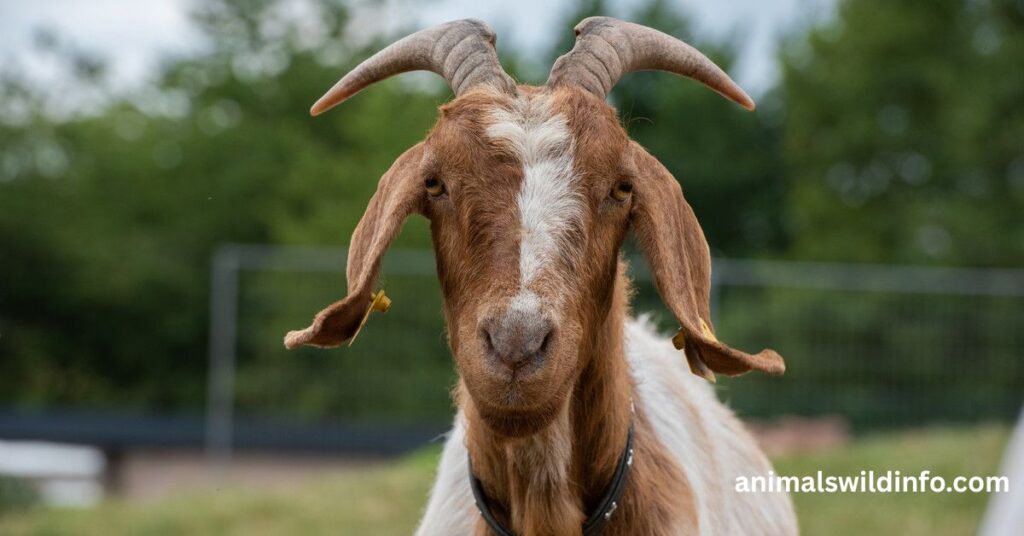
Goats bring curiosity and problem-solving skills without any of the ego you’d expect from a smart animal. They figure out puzzles, remember solutions for years, and still stay easygoing around humans. That combination makes goats surprisingly intelligent animals with a humble character to match. Herds establish social order calmly, usually through subtle body posture rather than fighting. Goats also show real affection, leaning into people they trust. Their friendly animals reputation on farms comes from years of gentle, low-drama interaction.
Pigeons
Scientific Name: Columba Livia Class: Aves Diet: Omnivore
Pigeons get a bad reputation in cities, but their private lives tell a different story. They mate for life, and both parents share the work of feeding their young. That kind of devotion reflects strong family bonds rarely mentioned in casual conversation. Pigeons also navigate incredible distances using magnetic fields and landmarks, a skill that once made them vital messengers during wartime. Their loving animals instincts, paired with quiet persistence, make pigeons one of the more underrated examples of humble nature in the wild.
Giraffes
Scientific Name: Giraffa Camelopardalis Class: Mammalia Diet: Herbivore
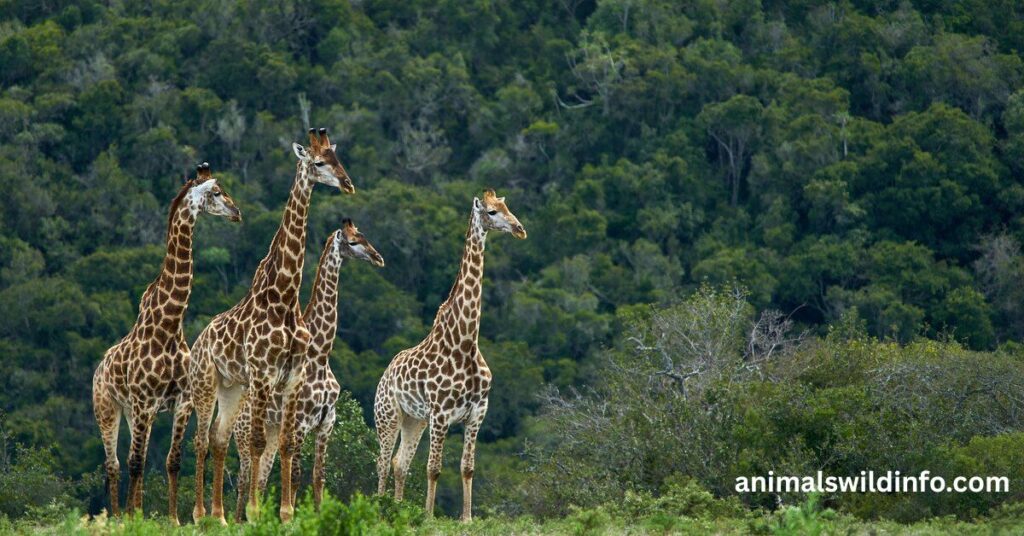
Giraffes tower over the savanna, yet they rarely use that size to intimidate. Instead, they stay watchful, alerting other animals to nearby predators through their height advantage. That protective instinct benefits the whole ecosystem, not just giraffes themselves. Mothers form loose nursery groups, watching over calves together in a shared system of caring for others. Giraffes communicate through soft hums and body posture, a gentle form of social bonding that fits their oddly peaceful personality despite their massive frame.
Pandas
Scientific Name: Ailuropoda Melanoleuca Class: Mammalia Diet: Herbivore
Pandas live mostly solitary lives, yet they show almost no aggression toward other pandas they meet. Their peaceful nature comes through in slow movements and a diet built almost entirely around bamboo. Mothers care for cubs with intense focus, carrying them everywhere for the first months of life. That devotion reflects patient, hands-on parenting rarely seen in solitary species. Pandas have also become a global symbol of wildlife conservation, reminding people that gentle, low-conflict animals still deserve protection and a stable natural habitat.
Read More: Top 15 Dangerous Animals in the Philippines (With Images)
Manatees
Scientific Name: Trichechus Class: Mammalia Diet: Herbivore
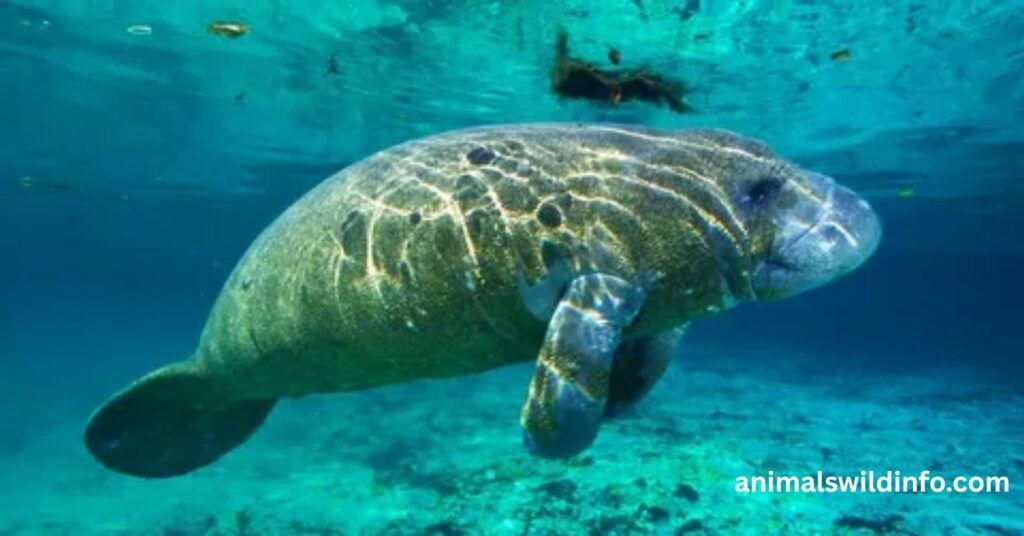
Manatees drift through warm coastal waters at a slow, unhurried pace, earning them the nickname “sea cows.” Their calm nature shows in everything they do, from gentle grazing on seagrass to relaxed interactions with other manatees. They rarely show aggression, even toward humans who swim nearby. That gentle response has made manatees popular among conservationists working to protect their natural habitat from boat traffic and habitat loss. Manatees prove that a slow pace and a peaceful behavior can still capture the world’s attention.
What Makes an Animal Humble?
Humility in the animal kingdom doesn’t work the way it does for people. Animals don’t think about pride or ego. Instead, humble behavior shows up as cooperation, patience, and a lack of unnecessary conflict. An elephant comforting a herd member, or a horse quietly serving its rider, both reflect this same humble nature. These animals don’t dominate for the sake of it. They contribute, protect, and support without demanding anything back.
Scientists studying animal behavior often point to social structure as the clearest sign of humility. Animals that live in herds, flocks, or pods tend to prioritize group survival over individual glory. That means sharing food, warning others of danger, and comforting distressed members. This pattern shows up again and again across species, from dogs to dolphins, and it reflects real emotional awareness built into their natural behavior.
Humble Animal Behaviors and Characteristics
Most gentle animals share a few common traits. They avoid unnecessary aggression, they communicate clearly within their group, and they build strong relationships that last for years. Watch a herd of elephants or a pod of dolphins, and you’ll notice how much energy goes into supporting each other. That’s not an accident. It’s a survival strategy built on cooperation and trust, refined over generations.
These animals also show empathy in ways that surprise researchers. Dogs sense sadness. Elephants recognize grief. Rabbits warn their group before saving themselves. This kind of caring behavior doesn’t come from training alone. It reflects something deeper, a genuine awareness of others within their social structure. That awareness, paired with patience and steady communication, is what makes these animals feel so remarkably humble to watch.
Final Thoughts on Humble Animals
The world is full of animals that never ask for attention, yet they deserve plenty of it. From the quiet endurance of camels to the emotional depth of elephants, humble animals in the world remind us that strength doesn’t require noise. Their kindness, loyalty, and steady adaptability deserve real appreciation, not just a passing glance.
Protecting these animals means protecting their natural habitat and supporting conservation efforts that keep their populations healthy. Every species on this list plays a role in biodiversity, whether that’s grazing seagrass, pollinating plants, or simply keeping an ecosystem balanced. The most humble animal in the world doesn’t need a trophy. It just needs a safe place to live, and a little recognition for the quiet work it does every single day.
Frequently Asked Questions
What Animal Is Known for Its Kindness?
Elephants top most lists for kindness. They comfort distressed herd members, mourn their dead, and show patience while raising young. Their empathy extends beyond their own family group, making them one of the clearest examples of kindness in the wild.
What Is the Most Humble Animal in the World?
Many experts point to the elephant or the horse as the most humble animal in the world. Both species combine quiet strength with deep social bonds, serving their groups or human companions without seeking attention in return.
Which Animal Is Considered the Most Selfless?
Dolphins are often called the most selfless animals. They help injured pod members reach the surface to breathe, and they cooperate closely within their pod. That kind of teamwork puts group survival ahead of individual gain.
Which Animal Is Known for Being Loyal?
Dogs are widely known as the most loyal animals on Earth. Bred alongside humans for thousands of years, dogs form deep emotional bonds with their owners and often show unwavering devotion, even in difficult situations.
Are Humble Animals Friendly With Humans?
Yes, most humble animals build strong, friendly relationships with humans. Horses, dogs, and even goats trust people who treat them with patience and care. That trust often grows into a lasting human-animal bond over time.
What Are Some Examples of Humble Animal Behavior?
Examples include elephants comforting grieving herd members, dolphins helping injured companions, and horses working calmly alongside humans without resistance. Sheep remembering human faces and rabbits warning their group of danger also count as humble behavior.