Top 30 Most Shy Animals in the World (With Pictures & Fascinating Facts)
Some animals want the spotlight. Others want to disappear the second you look at them. That second group is what this article is all about. Shy animals live all over the planet, from dense rainforests to open deserts, and most of us will never see one in the wild.
This guide walks you through the most timid animals on Earth. You’ll learn what makes an animal shy, why some wildlife that avoids people does it on purpose, and where these creatures actually live. You’ll also meet 30 secretive animals, one at a time, with real facts about each one. Let’s get into it.
What Are Shy Animals?
Shy animals aren’t a scientific category. Biologists don’t sort species into “bold” and “shy” folders. But anyone who watches wildlife for long enough notices a pattern. Some animals freeze at the first sign of a human. Others bolt. And some just vanish into the brush before you even know they were there. These are the quiet animals, the ones built by evolution to stay unseen.
This kind of behavior shows up across nearly every branch of the animal kingdom. You’ll find introverted animals among mammals, birds, and even amphibians. The trait isn’t random. It usually comes from a mix of body size, predator pressure, and habitat. A small, soft-bodied creature in a forest full of hungry hawks has good reason to stay reserved.
What Makes an Animal Shy?
Shyness in wildlife often starts with genetics. Some species are simply wired for caution, the same way some house cats hide from strangers while others walk right up. But learned behavior plays a role too. An animal that grows up dodging predators learns fast that staying hidden keeps it alive. Sharp hearing, a strong nose, or sensitive whiskers all help an animal detect danger before danger detects it, which only reinforces the habit of staying out of sight.
Why Some Animals Avoid Humans
Animals afraid of humans usually learned that fear for a reason. Humans have hunted, trapped, and pushed into wild spaces for centuries, so many species now treat people the same way they’d treat a lion or a wolf. Add in noise, unfamiliar scents, and fast movement, and it’s easy to see why so much timid wildlife keeps its distance. Even animals that have never been directly harmed by a person often inherit this caution from their parents or their instincts.
Common Traits of Shy Animals
Most animals with shy behavior share a short list of habits. Many are nocturnal, moving under cover of darkness when fewer predators (and people) are around. Others rely on camouflage, blending so well into bark, sand, or leaf litter that a person can walk right past one. Small group sizes or fully solitary living show up often too. And when danger gets close, the classic freeze-or-flee response kicks in, whether that means going perfectly still or sprinting for cover.
List of the Most Shy Animals in the World
Here’s the full list of shy animals you came here for. This lineup spans deserts, wetlands, mountains, and rainforests, and includes everything from a housecat-sized fox to a bird that looks like it walked out of a dinosaur movie. A few of these, like the Kakapo and the Aye-Aye, are so elusive that scientists still don’t fully understand their habits.
Before the full profiles, here’s a quick snapshot table so you can see the whole group at a glance.
| Animal | Class | Typical Habitat | |
| 1 | Red Panda | Mammal | Mountain forests |
| 2 | Koala | Mammal | Eucalyptus forests |
| 3 | Tarsier | Mammal | Tropical forests |
| 4 | Meerkat | Mammal | Deserts and grasslands |
| 5 | Aye-Aye | Mammal | Rainforests |
| 6 | Slow Loris | Mammal | Rainforests |
| 7 | Deer | Mammal | Forests and grasslands |
| 8 | Cheetah | Mammal | Grasslands |
| 9 | Red Squirrel | Mammal | Coniferous forests |
| 10 | Hedgehog | Mammal | Grasslands and gardens |
| 11 | Sloth | Mammal | Rainforest canopy |
| 12 | Saola | Mammal | Mountain forests |
| 13 | Snow Leopard | Mammal | Mountains |
| 14 | Kiwi | Bird | Forests |
| 15 | Quokka | Mammal | Islands and scrub |
| 16 | Dik-Dik | Mammal | Savanna |
| 17 | Pangolin | Mammal | Forests and grasslands |
| 18 | Maned Wolf | Mammal | Grasslands |
| 19 | Binturong | Mammal | Rainforests |
| 20 | Aardvark | Mammal | Savanna |
| 21 | Giant Panda | Mammal | Bamboo forests |
| 22 | Axolotl | Amphibian | Freshwater lakes |
| 23 | Fossa | Mammal | Rainforests |
| 24 | Kangaroo | Mammal | Grasslands |
| 25 | Giant Anteater | Mammal | Grasslands and forests |
| 26 | Okapi | Mammal | Rainforests |
| 27 | Fennec Fox | Mammal | Deserts |
| 28 | Kakapo | Bird | Forests |
| 29 | Platypus | Mammal | Freshwater rivers |
| 30 | Shoebill | Bird | Wetlands |
Red Panda
Scientific Name: Ailurus fulgens Class: Mammalia Diet: Omnivore
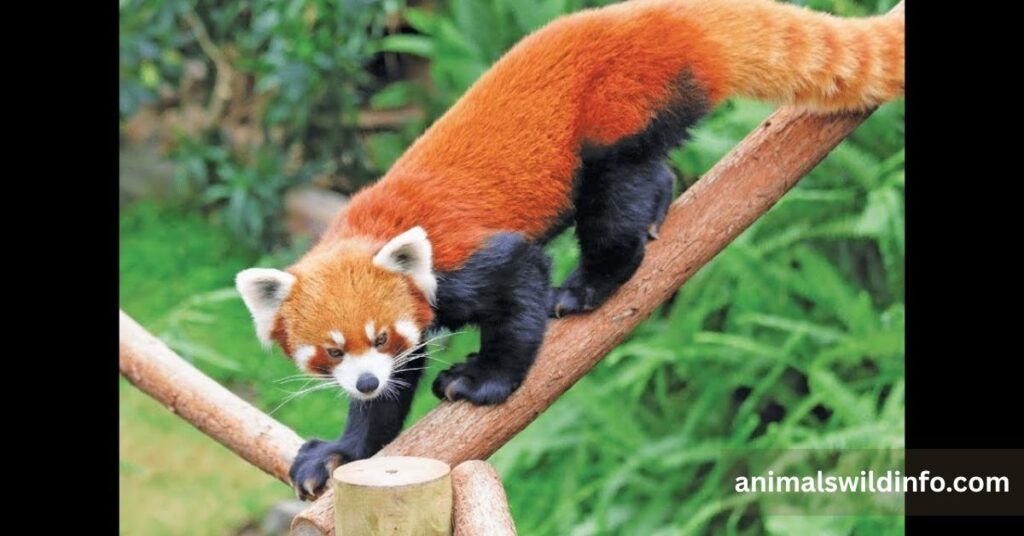
The red panda looks like a cross between a raccoon and a fox, with rust-colored fur that blends perfectly into the moss and red-brown bark of its mountain forest home. This is one of the more rare shy animals left in the wild, and its population keeps shrinking as bamboo forests disappear across Nepal, China, and Myanmar. It moves slowly through the treetops and prefers total solitude over any kind of group living.
When a red panda senses danger, it doesn’t fight. It rolls onto its back, tucks its head, and waits the threat out, a defensive move that says a lot about its gentle nature. This animal camouflage works so well that hikers often walk within a few feet of one without noticing. Conservationists now treat the red panda as a flagship species for wildlife conservation across the Himalayas.
Koala
Scientific Name: Phascolarctos cinereus Class: Mammalia Diet: Herbivore
Koalas spend nearly 20 hours a day sleeping, tucked high in eucalyptus branches where predators rarely bother to look. This isn’t laziness. It’s survival. Eucalyptus leaves take huge amounts of energy to digest, so the koala’s body forces it to rest constantly, which happens to keep it out of sight for most of the day. You could call the koala one of the more cute shy animals on this list, since its sleepy, low-key lifestyle doubles as a defense strategy.
Koalas communicate through deep, guttural bellows that carry surprising distance for such a quiet-seeming animal. Mothers keep joeys tucked in a pouch for months, then carried on the back, which keeps the young completely hidden from ground predators. This pairing of stillness and protectiveness makes the koala a textbook example of animals with cautious behavior.
Tarsier
Scientific Name: Tarsiidae Class: Mammalia Diet: Carnivore
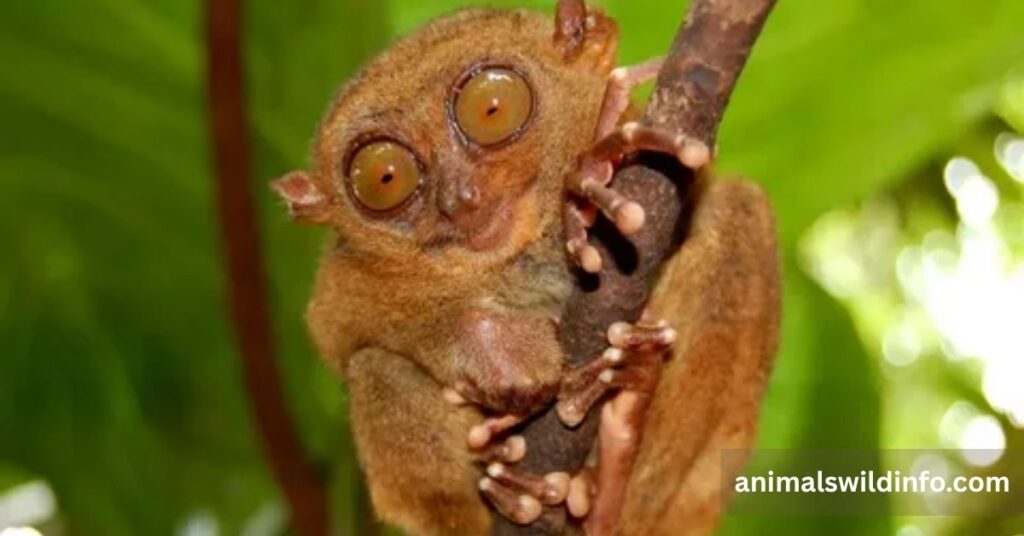
Tarsiers are tiny primates from Southeast Asia with eyes so large that each one weighs more than the animal’s own brain. Those eyes exist for one reason: hunting in total darkness. As nocturnal mammals, tarsiers do almost everything at night, sleeping through the day in tree hollows where nothing can find them. Their oversized eyes can’t rotate, so instead the tarsier can spin its head almost all the way around, a trick that helps it stay alert without ever needing to expose its position.
This species can leap more than 20 times its own body length between branches, making it one of the more agile secretive mammals in the animal kingdom. That leap serves two purposes: catching insects mid-air and escaping anything that gets too close. Between the hearing, the eyes, and the jumping, the tarsier has built an entire life around staying just out of reach.
Meerkat
Scientific Name: Suricata suricatta Class: Mammalia Diet: Omnivore
Meerkats live in tight family groups across the deserts of southern Africa, and while they’re famous for standing upright on watch duty, they’re actually quite cautious around anything unfamiliar. One meerkat always stands guard while the rest of the group forages, a habit that reflects predator avoidance at its most organized. The sentinel barks out different alarm calls depending on whether the threat comes from the air or the ground.
Despite their bold reputation from nature documentaries, meerkats retreat into burrow systems the moment real danger shows up. These tunnels can run many feet underground with multiple exits, giving the whole group a fast escape route. It’s a strong example of how animal survival strategies can combine teamwork with genuine shyness toward outsiders.
Aye-Aye
Scientific Name: Daubentonia madagascariensis Class: Mammalia Diet: Omnivore
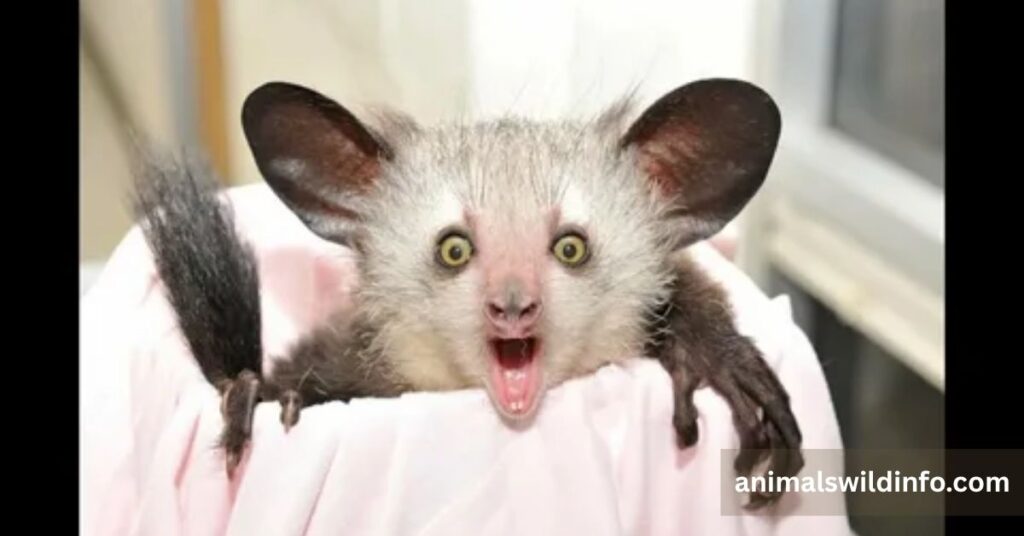
The aye-aye might be the strangest primate alive, with bat-like ears, rodent-style teeth, and one impossibly thin middle finger used for fishing grubs out of tree bark. Found only in Madagascar, this nocturnal mammal taps on wood to listen for hollow spots where insects hide, a hunting method scientists call percussive foraging. Local superstitions once painted the aye-aye as a bad omen, which sadly led to it being killed on sight in some villages.
That history has pushed the aye-aye toward the endangered shy animals category, and today it survives mostly in protected rainforest patches. It sleeps in a different nest almost every day, a habit that keeps predators from ever learning its routine. Few animals on this list embody elusive wildlife species as completely as the aye-aye does.
Slow Loris
Scientific Name: Nycticebus Class: Mammalia Diet: Omnivore
Slow lorises move through the rainforest canopy with almost eerie precision, never rushing, never snapping a twig. This deliberate pace, paired with huge round eyes, gives them a strange kind of grace. They’re also one of the only venomous primates on Earth, producing a toxin from a gland near the elbow that they lick and mix with saliva before biting.
That venom backs up a personality that otherwise leans entirely toward caution. Slow lorises stay hidden during the day and only move at night, communicating through soft clicks and gentle touches within small family units. Their popularity in the illegal pet trade has made wild populations increasingly rare, turning this once-common species into one of the more endangered shy animals in Southeast Asia.
Read More: Top 22 Mischievous Animals in the World (With Pictures & Amazing Facts)
Deer
Scientific Name: Cervidae Class: Mammalia Diet: Herbivore
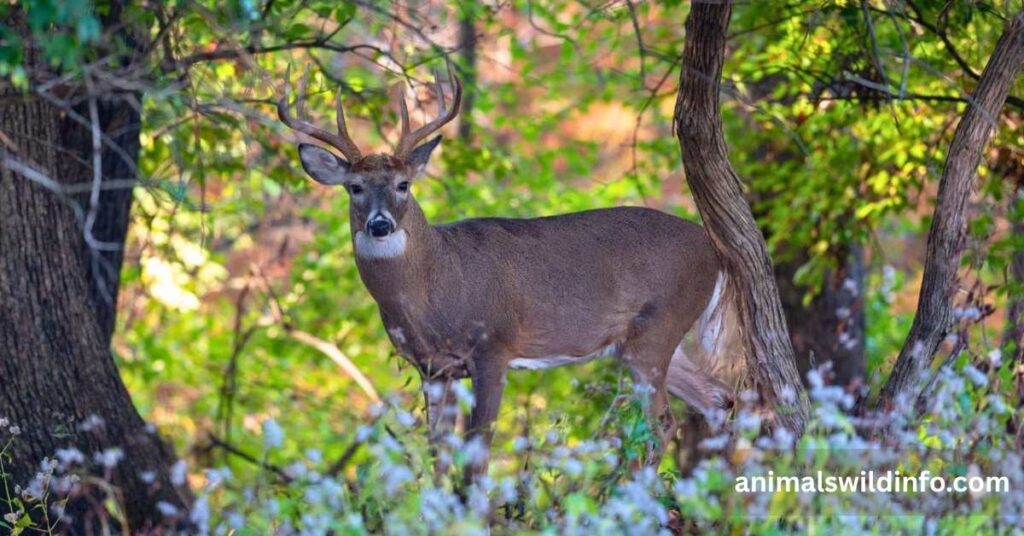
Deer live across nearly every continent except Antarctica, and their survival comes down almost entirely to awareness. Their large, rotating ears pick up sounds from nearly any direction, and their wide-set eyes give them a nearly 300-degree field of view. That combination makes deer some of the more alert forest animals around, able to detect a snapping branch long before a predator gets close.
A deer’s first instinct when startled is to freeze, blending its brown coat into tree trunks and shadows. Only when a threat gets too close does it break into a sprint, often bounding in unpredictable zigzags to throw off a chaser. Fawns stay hidden in tall grass for their first weeks of life while the mother forages nearby, a strategy built entirely around animals that hide.
Cheetah
Scientific Name: Acinonyx jubatus Class: Mammalia Diet: Carnivore
Cheetahs get famous for speed, but few people talk about how shy they actually are compared to lions or hyenas. A cheetah avoids conflict whenever possible, since its lightweight, aerodynamic body built for sprinting can’t survive a real fight. Instead of roaring, cheetahs chirp and purr, sounds that feel almost more like a housecat than an apex predator.
This cautious streak shapes how cheetahs hunt and raise young. Mothers keep cubs hidden in dense grass for the first two months, moving the den site often to avoid detection by lions and hyenas. Even adult cheetahs prefer to hunt alone or in small sibling groups, staying away from crowded feeding grounds where bigger predators might steal a kill or pick a fight.
Red Squirrel
Scientific Name: Sciurus vulgaris Class: Mammalia Diet: Omnivore
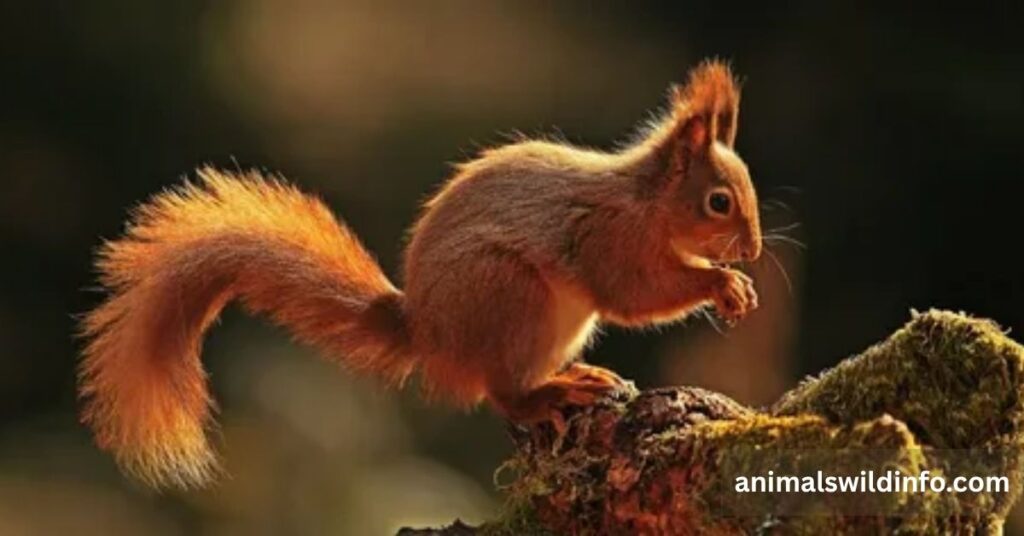
Red squirrels have a reputation for being skittish, and that reputation is well earned. Living in coniferous forests across Europe and parts of Asia, they forage alone and rely on quick, darting movements to escape hawks and pine martens. Their bushy tails aren’t just for balance either; they also act as a signal flag, flicking rapidly when the squirrel senses something nearby.
Despite their small size, red squirrels play a big role in forest health by burying nuts and seeds they never dig back up, which helps new trees grow. This behavior links directly to wildlife biodiversity, since a shy little forager ends up shaping the whole ecosystem around it. Competition from the invasive grey squirrel has made red squirrels increasingly rare across parts of the UK, pushing them further into isolated woodland pockets.
Hedgehog
Scientific Name: Erinaceinae Class: Mammalia Diet: Omnivore
Hedgehogs curl into a tight, spiky ball the instant they sense danger, a defense so reliable that most predators simply give up and move on. This nocturnal habit keeps them active while most bigger animals sleep, letting them forage for insects and worms with far less risk. Their eyesight is actually quite poor, so hedgehogs lean hard on smell and hearing to get around, a trait common among many quiet forest animals.
Outside of a short mating season, hedgehogs live entirely alone, crossing paths with others of their kind only briefly. That solitary lifestyle, combined with their prickly armor, makes them one of the more classic examples of mammals that live alone succeeding through pure defense rather than speed or strength. Garden hedgehogs across the US and UK have declined sharply in recent decades due to habitat loss and busy roads.
Sloth
Scientific Name: Folivora Class: Mammalia Diet: Herbivore
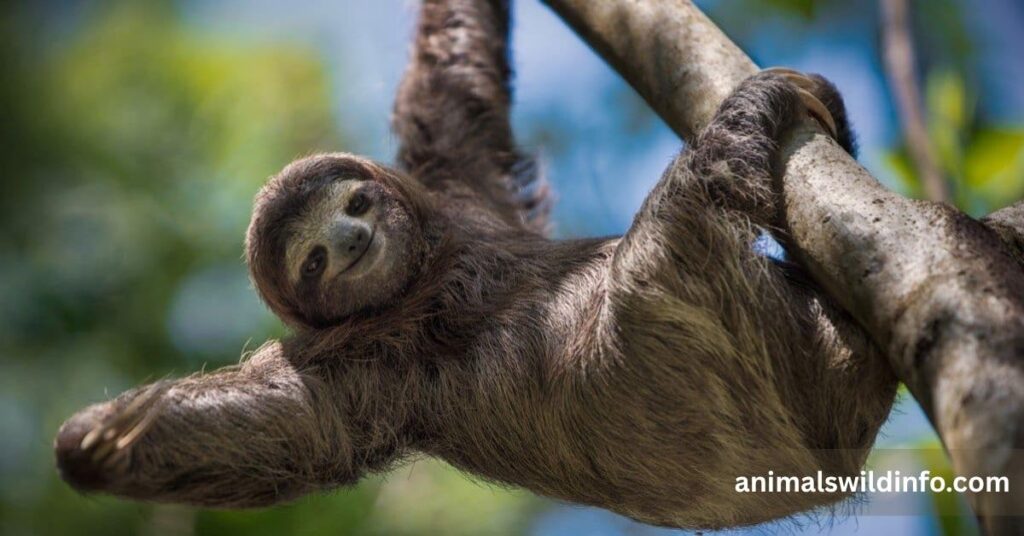
Sloths move so slowly that algae actually grows on their fur, giving them a greenish tint that blends perfectly into the rainforest canopy. This isn’t an accident. Moving fast burns energy sloths simply don’t have, since their leaf-heavy diet provides very little fuel. So instead of running from danger, a sloth’s whole survival plan is built around never being noticed in the first place.
Even their bathroom habits reflect this need for stealth, since sloths climb all the way down to the forest floor only once a week to avoid drawing attention with scent. They communicate through soft calls and rely on scent marking rather than any loud vocal signal. Few animals demonstrate defensive animal behavior through pure stillness quite like the sloth does.
Read More: Top 20 Amazing Animals With Big Ears (With Pictures & Fun Facts)
Saola
Scientific Name: Pseudoryx nghetinhensis Class: Mammalia Diet: Herbivore
The saola wasn’t even discovered until 1992, tucked away in the Annamite mountains between Vietnam and Laos, and it remains one of the rarest large mammals ever documented. With long, straight horns and a sleek brown coat, it’s earned the nickname “Asian unicorn” for how rarely anyone actually sees one. Fewer than a few hundred are believed to survive today.
Camera traps have captured only a handful of images of wild saola, making it one of the true rare shy animals on this entire list. Its role as a herbivore helps balance plant growth throughout its mountain forest habitat, giving conservationists strong motivation to protect it. Every sighting, however brief, adds new information to a species scientists still barely understand.
Snow Leopard
Scientific Name: Panthera uncia Class: Mammalia Diet: Carnivore
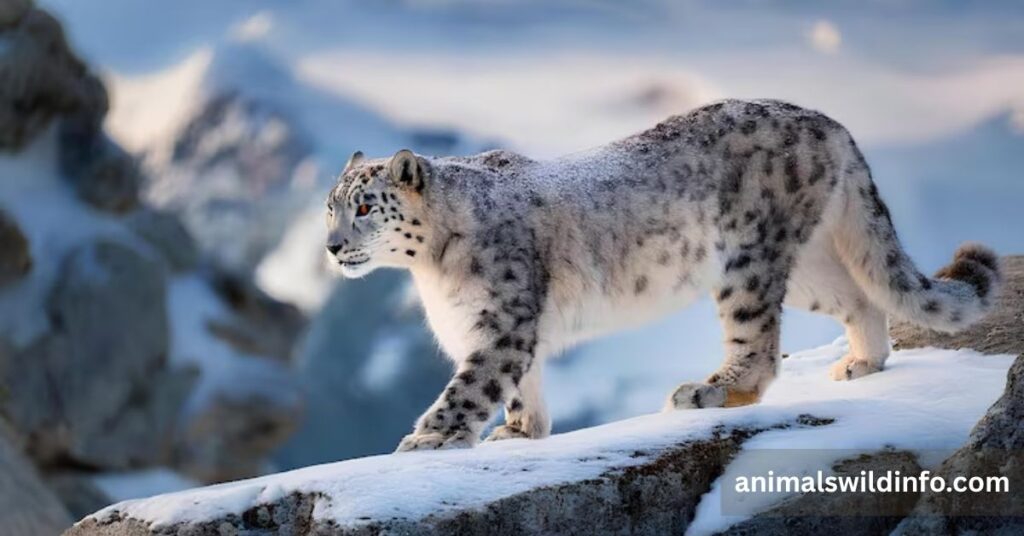
Snow leopards earned the nickname “ghost of the mountain” for good reason. Their thick, smoky-gray coat with black rosettes blends almost perfectly into the rocky slopes of Central and South Asia, letting them stalk prey from incredible distances without being seen. They live at altitudes most animals can’t handle, often above 10,000 feet, which keeps them isolated from most human contact.
Mothers raise cubs in hidden dens and teach them to stalk quietly long before they ever attempt a real hunt. Snow leopards rarely roar like other big cats. Instead, they chuff, hiss, and growl softly, relying on animal communication that stays close-range and low-key. Patience, not power, defines how this elusive predator survives in one of the harshest environments on Earth.
Kiwi
Scientific Name: Apteryx Class: Aves Diet: Omnivore
New Zealand’s kiwi is a flightless bird about the size of a chicken, with a long beak and nostrils at the very tip, an unusual trait among birds. It forages entirely at night, using smell rather than sight to hunt worms and insects buried in soil. This makes the kiwi one of the more unusual nocturnal mammals… except it isn’t a mammal at all, which only adds to how unique its shy lifestyle really is.
Kiwi pairs bond for life and share incubation duties, with the male typically sitting on the egg for weeks at a time. Their population has dropped sharply due to introduced predators like stoats and cats, pushing the kiwi toward the endangered shy animals list. Despite being New Zealand’s national symbol, most residents go their whole lives without ever seeing one in the wild.
Quokka
Scientific Name: Setonix brachyurus Class: Mammalia Diet: Herbivore
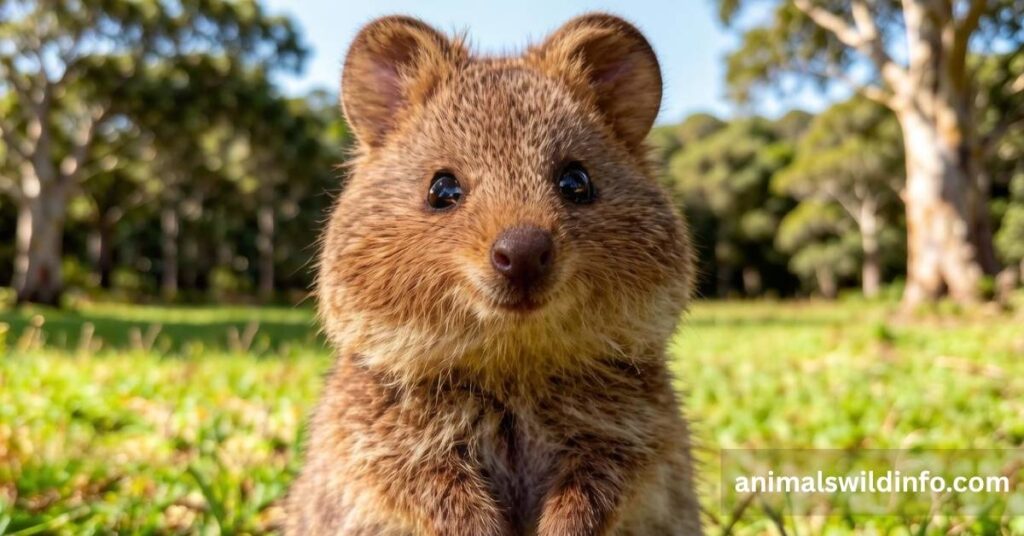
Quokkas earned internet fame for their permanent-looking smile, found mostly on Rottnest Island off the coast of Western Australia. Despite their cheerful appearance, quokkas are naturally cautious animals that prefer dense scrub cover over open ground. They forage mostly at night, resting through the heat of the day in thick vegetation where predators struggle to spot them.
Quokkas live in loose social groups, grooming each other and sharing feeding grounds without much conflict. This gentle temperament, paired with their photogenic reputation, makes the quokka one of the friendliest-looking yet genuinely gentle wild animals on this list. Numbers have declined on the mainland due to introduced foxes and cats, leaving island populations as the species’ strongest stronghold.
Dik-Dik
Scientific Name: Madoqua Class: Mammalia Diet: Herbivore
Dik-diks are among the smallest antelope species alive, often weighing under 14 pounds, with oversized eyes and a flexible, trunk-like snout. Native to the dry savannas of East Africa, they live in monogamous pairs and rely almost entirely on stillness to avoid predators. When frightened, a dik-dik freezes completely before darting into nearby brush in a fast zigzag pattern.
Their name comes from the whistling alarm call they make when sensing danger, a sound that alerts their mate without giving away their exact position. Dik-diks mark territory using a dark secretion from glands near their eyes, a quiet form of animal communication that avoids any loud confrontation. Their small size and constant vigilance make them a perfect example of small shy animals thriving through caution.
Pangolin
Scientific Name: Pholidota Class: Mammalia Diet: Insectivore
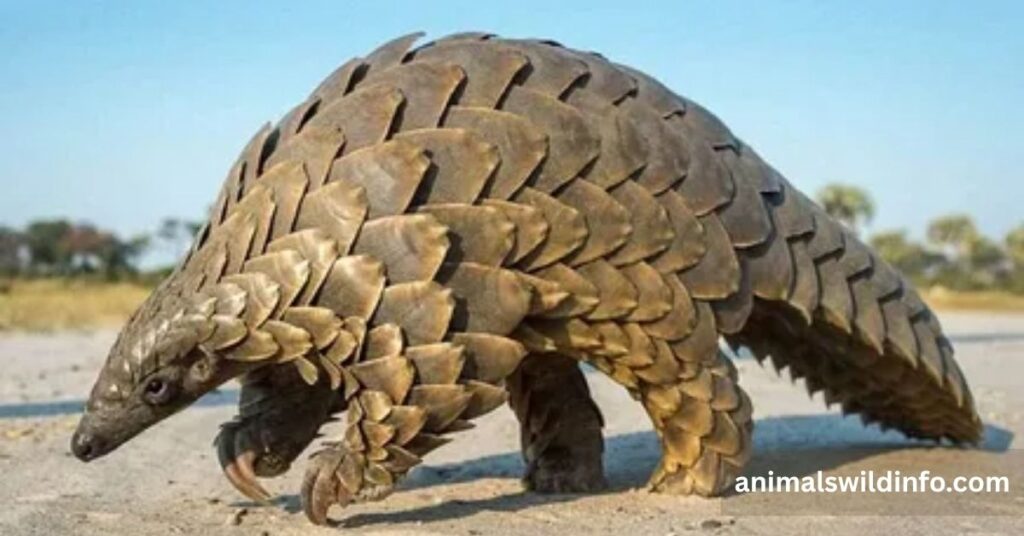
Pangolins are the only mammals on Earth fully covered in scales, made from the same keratin found in human fingernails. When threatened, a pangolin curls into a tight, armored ball, a defense so effective that even lions often give up trying to break through it. Sadly, that same trait makes them easy for poachers to simply pick up, and pangolins are now considered the most trafficked mammal in the world.
These nocturnal foragers use a long, sticky tongue that can stretch longer than their own body to pull termites and ants from deep tunnels. Their solitary, secretive lifestyle keeps them rarely seen even in areas where they’re common. Protecting this species has become a major focus of wildlife conservation groups working across Asia and Africa.
Maned Wolf
Scientific Name: Chrysocyon brachyurus Class: Mammalia Diet: Omnivore
The maned wolf looks like a fox stretched onto stilts, with long reddish legs built for spotting prey over tall South American grasslands. Despite its name, it isn’t closely related to wolves and doesn’t hunt in packs. It’s a solitary animal through and through, most active at dusk and dawn when fewer humans are around.
Its diet includes a surprising amount of fruit, especially a tomato-like plant called the “wolf apple,” showing flexibility most predators don’t bother with. Its haunting howl carries for long distances, a rare loud moment from an otherwise quiet, cautious animal. Habitat loss across the grasslands of Brazil and Argentina has made the maned wolf harder to find every year.
Binturong
Scientific Name: Arctictis binturong Class: Mammalia Diet: Omnivore
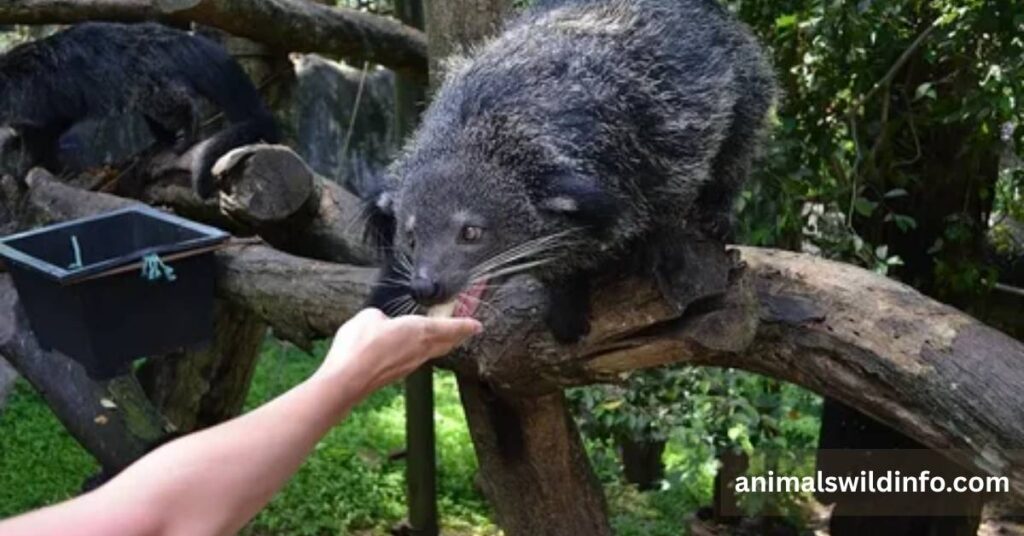
Often called the “bearcat,” the binturong is neither a bear nor a cat, but a large, shaggy member of the civet family found across Southeast Asian rainforests. Its curled tail acts almost like a fifth limb, gripping branches as it moves slowly and carefully through the canopy at night. That slow, deliberate movement helps it stay quiet in a forest full of sharper-eyed predators.
Binturongs famously smell like buttered popcorn, a scent produced by glands used to mark territory and communicate with others of their kind. Despite this strong scent signal, binturongs remain shy around people and rarely appear in open areas during daylight. Their population has slipped due to deforestation, adding them to the growing list of rare shy animals across Asia.
Aardvark
Scientific Name: Orycteropus afer Class: Mammalia Diet: Insectivore
Aardvarks spend daylight hours sealed inside underground burrows, only emerging after sunset to dig for ants and termites across the African savanna. Their name literally means “earth pig” in Afrikaans, a fitting label for a species built almost entirely around digging and hiding. Powerful claws let them tear into termite mounds and just as quickly disappear underground if anything gets too close.
An aardvark’s sense of smell does most of the heavy lifting, since its eyesight is fairly weak by comparison. This reliance on smell over sight is common among animals that hide during the day, trading visual awareness for a nose built for survival. Despite living across a huge range, aardvarks remain one of the least-seen large mammals in Africa.
Giant Panda
Scientific Name: Ailuropoda melanoleuca Class: Mammalia Diet: Herbivore
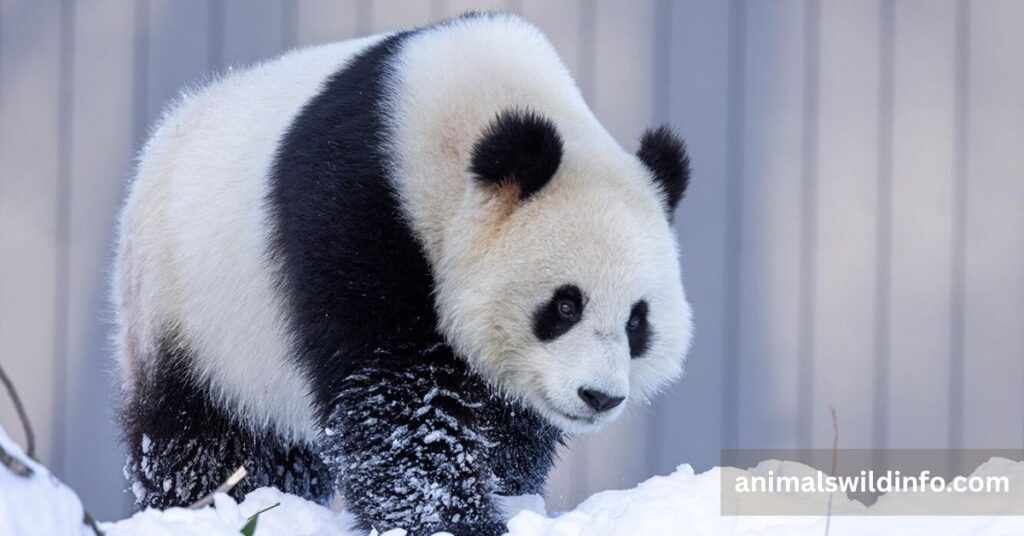
Giant pandas may look cuddly, but in the wild they’re deeply cautious animals that avoid confrontation whenever possible. Living in the bamboo forests of central China, pandas spend up to 14 hours a day eating, since bamboo offers very little nutritional value per bite. That constant feeding schedule leaves little time or energy for socializing, reinforcing a naturally solitary lifestyle.
Rather than roar or fight, pandas rely on scent marking and soft vocal sounds to avoid other pandas rather than confront them. Climbing skills let adult pandas retreat up trees when threatened, choosing escape over conflict almost every time. Decades of conservation work have helped panda numbers recover, turning this once critically endangered species into a genuine wildlife success story.
Axolotl
Scientific Name: Ambystoma mexicanum Class: Amphibia Diet: Carnivore
The axolotl lives only in the shrinking lake system of Xochimilco, Mexico, and it’s famous for something almost no other vertebrate can do: regrowing entire limbs, and even parts of its heart and brain. This amphibian never fully grows out of its larval stage, keeping its feathery external gills for life, a trait called neoteny. It prefers murky, plant-choked water where it can stay almost invisible to predators.
Habitat destruction and pollution have made wild axolotls incredibly rare, even as captive populations thrive in aquariums worldwide. Its reclusive lifestyle in shallow, cluttered water is a textbook case of animals living in solitude adapting to a shrinking, fragile habitat. Mexican folklore even ties the axolotl to Xolotl, a god linked to lightning and death, adding cultural weight to its quiet survival.
Fossa
Scientific Name: Cryptoprocta ferox Class: Mammalia Diet: Carnivore
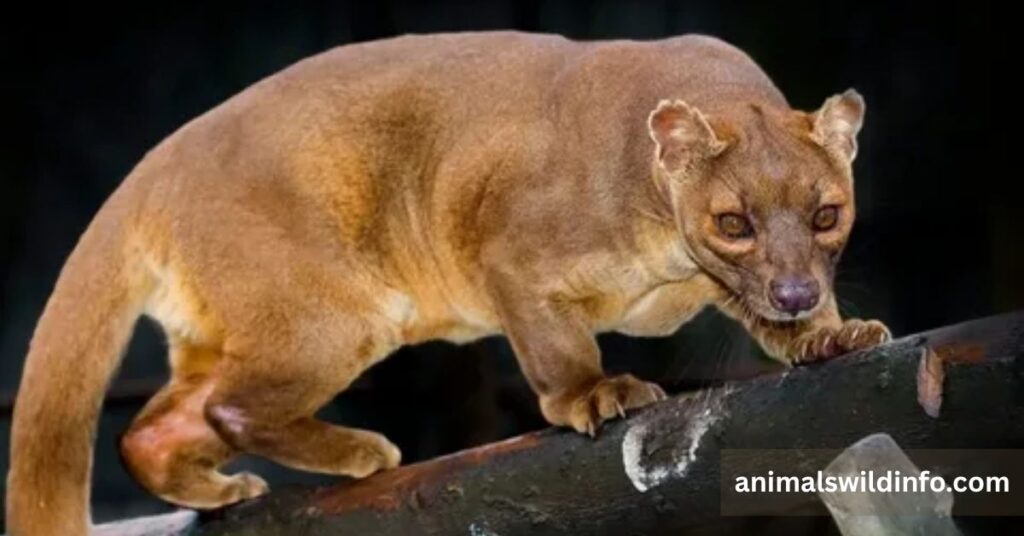
The fossa is Madagascar’s top predator, built with a slender, muscular body somewhere between a cat and a mongoose. It hunts lemurs through the treetops with remarkable agility, using semi-retractable claws and a long tail for balance. Despite its predatory role, the fossa remains deeply elusive, and researchers still struggle to track its full range across the island.
Fossas mark territory using scent glands and mostly hunt alone, avoiding contact with other fossas outside of a short breeding season. Habitat loss across Madagascar’s rainforests has pushed this already-secretive predator into smaller, more fragmented ranges. Few large carnivores anywhere qualify as more genuinely elusive wildlife species than the fossa.
Kangaroo
Scientific Name: Macropus Class: Mammalia Diet: Herbivore
Kangaroos might seem bold thanks to their size, but wild kangaroos are actually quite cautious animals. Before moving into open ground, a kangaroo typically pauses and scans the horizon, watching for dingoes or other threats. When startled, kangaroos can freeze completely still, letting their brown-gray coat blend into dry grass.
Younger kangaroos, called joeys, learn caution by watching older members of the mob before venturing out on their own. This social learning adds depth to a species often reduced to its famous hop, showing real animal instincts at work within a structured group. Despite living across huge stretches of Australia, kangaroos remain surprisingly hard to approach in truly wild areas.
Read More: Top 15 Weakest Animals in the World (With Pictures & Fun Facts)
Giant Anteater
Scientific Name: Myrmecophaga tridactyla Class: Mammalia Diet: Insectivore
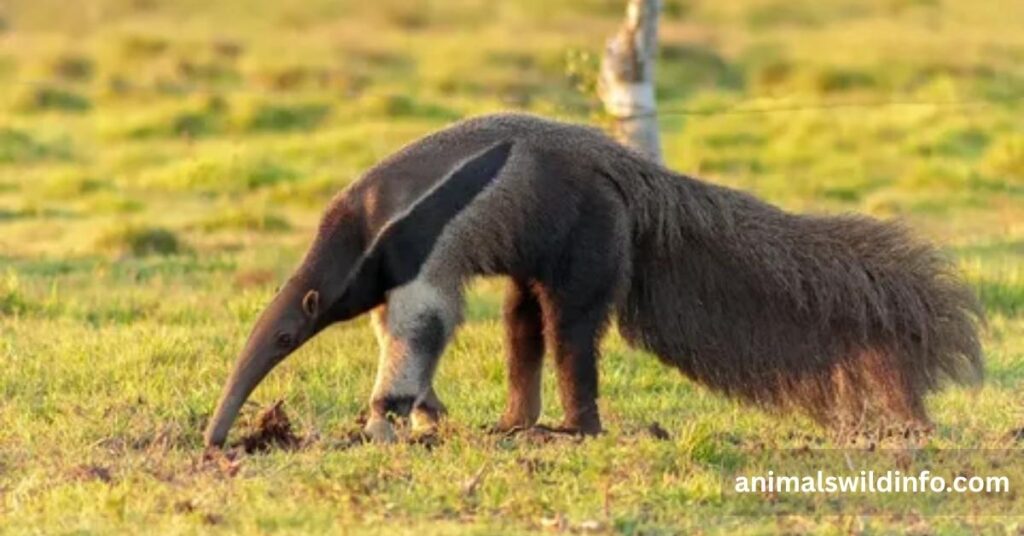
With an elongated snout and a tail nearly as long as its body, the giant anteater looks unlike almost anything else on this list. Found across the grasslands and forests of Central and South America, it relies on a powerful sense of smell to detect ant colonies from over 40 yards away. Despite strong claws capable of tearing into termite mounds, giant anteaters avoid conflict and prefer to retreat rather than fight.
They’re mostly solitary, crossing paths with others only during breeding season, when males display surprising bursts of playfulness. A giant anteater’s tongue can flick in and out up to 150 times per minute while feeding, a rapid, precise motion built entirely around efficiency. Habitat loss across South American grasslands continues to shrink the range of this quiet, specialized forager.
Okapi
Scientific Name: Okapia johnstoni Class: Mammalia Diet: Herbivore
The okapi looks like it was assembled from spare parts, with a deep brown body, zebra-striped legs, and a long neck that hints at its closest living relative: the giraffe. Native to the dense rainforests of the Democratic Republic of Congo, okapis are so secretive that Western scientists didn’t confirm their existence until 1901. Even now, spotting one in the wild counts as a rare event for researchers who’ve spent years in the field.
Its long, prehensile tongue can reach up over 14 inches, long enough to clean its own eyes and ears, a small but telling detail about its self-sufficient lifestyle. Okapis rely heavily on hearing rather than vocal calls, since they lack a strong communication range compared to other large mammals. Deforestation and poaching have made the okapi one of the more endangered shy animals in Central Africa today.
Fennec Fox
Scientific Name: Vulpes zerda Class: Mammalia Diet: Omnivore
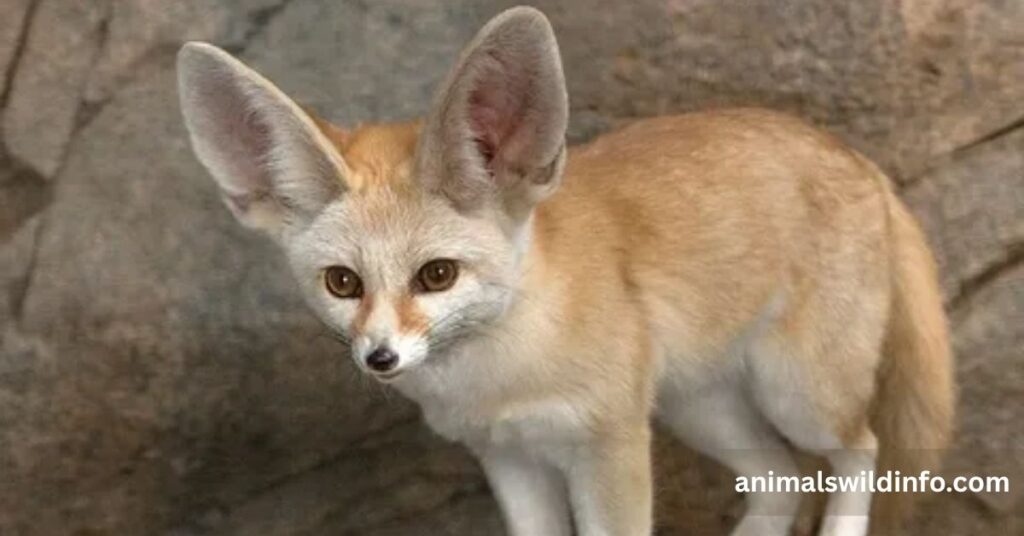
The fennec fox is the smallest fox species on Earth, instantly recognizable by ears that look almost too big for its body. Native to the Sahara Desert, those oversized ears do double duty, releasing body heat in extreme temperatures while picking up the faintest movement of prey underground. As one of the more classic nocturnal mammals, fennec foxes sleep through the scorching daytime heat and hunt once temperatures drop.
Despite their genuinely shy nature around humans, fennec foxes show surprising social warmth within their own family units, communicating through barks, purrs, and playful physical contact. Their thick fur even covers the pads of their feet, protecting them from hot desert sand while muffling their footsteps. This mix of caution and quiet family bonding makes the fennec fox one of the more charming cute shy animals in the desert world.
Kakapo
Scientific Name: Strigops habroptilus Class: Aves Diet: Herbivore
The kakapo is a flightless, nocturnal parrot found only in New Zealand, and it’s one of the rarest birds on the planet, with only a few hundred individuals left. Unlike most parrots known for loud, social behavior, kakapos are famously reclusive and spend most of their lives avoiding contact with others. During mating season, males dig bowl-shaped depressions in the ground and produce a deep booming call that can carry for miles, calling in females from a distance rather than approaching directly.
This unusual breeding system, called a lek, brings shy individuals together only briefly before they retreat back into solitude. New Zealand’s conservation teams track nearly every kakapo alive today by name, an extraordinary example of hands-on wildlife conservation. Predator-free island sanctuaries now serve as the species’ last real stronghold against introduced cats and rats.
Platypus
Scientific Name: Ornithorhynchus anatinus Class: Mammalia Diet: Carnivore
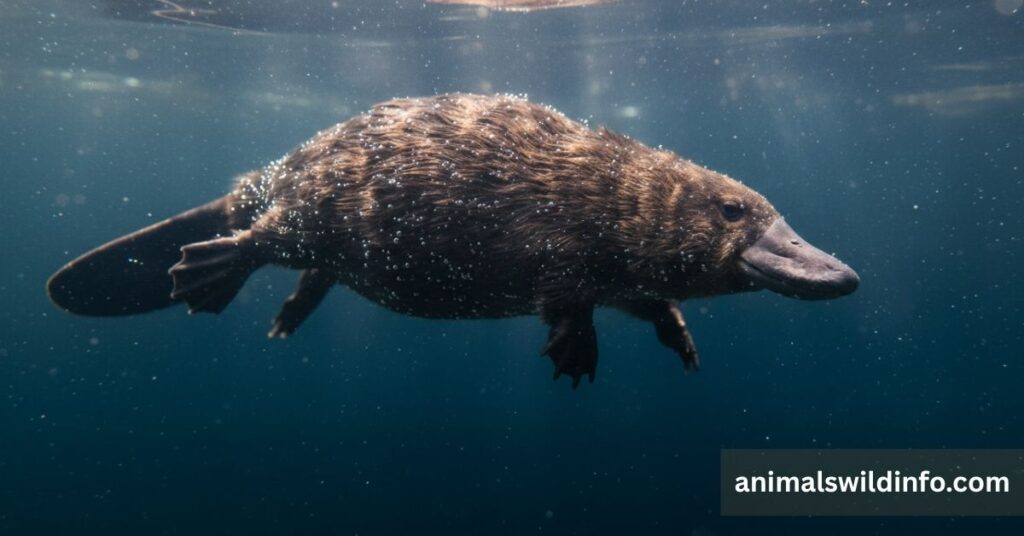
Few animals confuse first-time observers quite like the platypus, a mammal that lays eggs and hunts using electroreception through its leathery, duck-like bill. Found in rivers and streams across eastern Australia, platypuses are almost entirely nocturnal and spend daylight hours resting in burrows dug into riverbanks. Their sensitive bills detect the tiny electrical signals given off by prey moving through murky water, letting them hunt effectively with their eyes closed.
Male platypuses even carry venomous spurs on their hind legs, a rare trait among mammals used mostly during territorial disputes. This blend of odd biology and quiet river-dwelling habits makes the platypus a genuine outlier among secretive mammals. Pollution and habitat disruption along Australian waterways have made sightings increasingly uncommon in recent years.
Read More: Top 18 Animals With Sharp Claws (With Pictures & Amazing Facts)
Shoebill
Scientific Name: Balaeniceps rex Class: Aves Diet: Carnivore
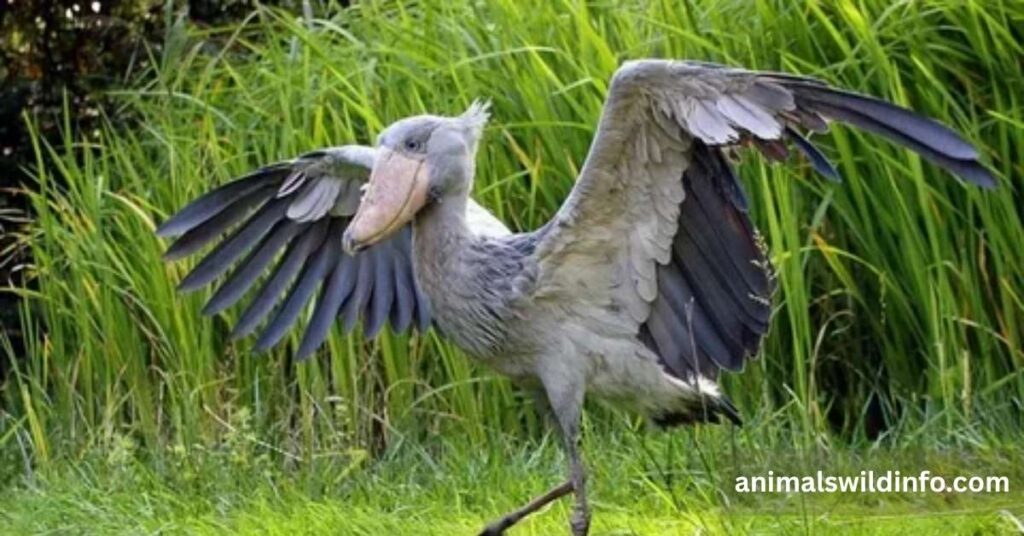
The shoebill is a towering wetland bird from central tropical Africa, instantly recognizable by its massive, shoe-shaped bill and an almost prehistoric stare. It can stand motionless for hours while hunting, waiting for fish, frogs, or even small crocodiles to swim close enough to strike. That stillness isn’t laziness. It’s one of the most patient hunting strategies found anywhere in the bird world.
Shoebills live and hunt alone, only coming together briefly during breeding season, and they avoid dense human activity almost entirely. Their quiet, swamp-based lifestyle keeps them tucked away in remote wetlands across Uganda, Zambia, and South Sudan. Habitat destruction in these wetlands now threatens a bird that has survived largely unchanged for millions of years.
Why Are Some Animals Naturally Shy?
Shyness in the animal kingdom isn’t random. It’s usually the direct result of millions of years of pressure from predators, weather, and competition for food. Once you understand the root causes, the shy behavior across this whole list starts to make a lot more sense.
Four factors show up again and again across nearly every species on this list: predator avoidance, nocturnal living, specific habitat strategies, and pressure from human activity. Let’s break down each one.
Predator Avoidance
Predator avoidance drives most shy behavior in the wild. An animal that stays hidden simply survives longer, and evolution rewards that outcome generation after generation. Camouflage, freezing, and fast retreat all trace back to this single, powerful pressure.
Nocturnal Lifestyle
Many secretive animals on this list are active mainly at night, when fewer predators (and people) are moving around. This nocturnal pattern reduces competition for food and cuts down the risk of a daytime encounter with something bigger and hungrier.
Habitat and Survival Strategies
Dense cover, whether it’s rainforest canopy, tall grass, or murky water, gives shy animals a built-in advantage. Animal habitats shape behavior directly, since a species living in open grassland needs a very different survival plan than one tucked into a rainforest.
Human Disturbance and Hunting Pressure
Decades of habitat loss, poaching, and noise pollution have taught many species to treat humans as a threat. This pressure has pushed several animals on this list toward endangered shy animals status, making careful, ongoing wildlife conservation more urgent every year.
Where Do Shy Animals Live?
Shy animals show up in nearly every biome on Earth, but certain landscapes offer especially good cover. Thick vegetation, extreme temperatures, and remote terrain all help explain why so many naturally shy animals cluster in specific regions.
Below is a quick look at five major habitat types and which animals from this list call them home.
Forests
Dense forest canopy hides animals like the red panda, sloth, tarsier, and okapi, all of which rely on leaf cover and tree height to stay unseen.
Mountains
High, rugged terrain shelters the snow leopard and saola, both species that use elevation and rocky camouflage to avoid detection.
Deserts
Sand and extreme heat shape the fennec fox and meerkat, animals that burrow underground and move mainly during cooler nighttime hours.
Grasslands
Open plains hide the maned wolf, cheetah, kangaroo, and giant anteater, species that rely on speed, stillness, or sheer size of territory to stay safe.
Wetlands
Murky water and reed beds shelter the shoebill, platypus, and axolotl, animals built around slow, quiet movement through shallow habitats.
Interesting Facts About Shy Animals
A few standout facts pull the whole list together. The saola wasn’t discovered by scientists until 1992, making it one of the most recently found large mammals on Earth. The axolotl can regrow an entire limb, while most animals its size simply can’t survive that kind of injury.
The kakapo is the world’s only flightless, nocturnal parrot, and its deep booming mating call can travel for miles across still night air. The pangolin remains the most trafficked mammal on the planet, a sad fact tied directly to the very scales that once protected it so well. And the narwhal, though not covered in a full profile here, shares this same elusive streak, spending most of its life beneath Arctic ice far from human contact, alongside distant cousins like the spoon-billed sandpiper, one of the rarest wading birds left in the wild.
Conclusion
Shy animals remind us that survival doesn’t always mean being the biggest or the loudest. Sometimes it just means staying quiet, staying hidden, and waiting for the right moment. From the red panda curled in a mountain tree to the shoebill standing motionless in an African swamp, every animal on this list built its whole life around caution.
Understanding these timid animals helps us appreciate a side of wildlife most people never get to see. It also reminds us why habitat protection matters so much, since so many of these species depend entirely on quiet, undisturbed spaces to survive. The next time you’re out in nature, move a little slower and listen a little closer. You might be closer to one of these shy creatures than you think.
Frequently Asked Questions
Many experts point to the saola as the shyest animal alive, since it’s so elusive that camera traps have captured only a handful of images since its discovery in 1992. The aye-aye and kakapo also rank near the top for how rarely they’re seen in the wild.
Five commonly cited shy animals include the red panda, sloth, okapi, aye-aye, and pangolin. Each one relies on stillness, camouflage, or nighttime activity to avoid detection.
The quokka fits this description well, known for its friendly, smiling appearance despite a naturally cautious, retreating personality in the wild. The koala also shows a similarly gentle, low-conflict temperament.
The deer often symbolizes shyness in folklore and culture, thanks to its alert eyes, quick retreat, and preference for staying at the edge of the forest rather than out in the open.