Top 15 Animals That Look Like Capybaras (With Pictures & Fun Facts)
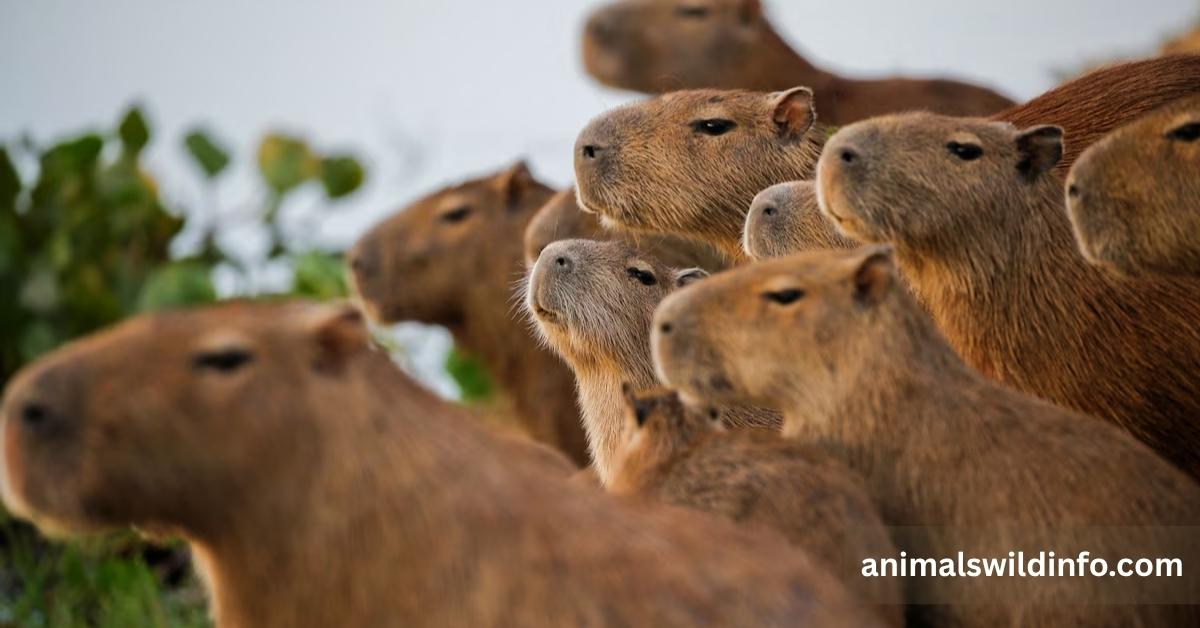
Capybaras are the calmest animals on the internet. You’ve seen the photos. A capybara sitting in a pond with a duck on its head. Everyone loves them. But here’s a fun question. Are there other animal look-alikes out there that share the same look?
Yes, there are. Quite a few, actually. Some are close cousins. Others just ended up looking similar because of where they live. This guide walks you through 15 animals that look like capybaras, why they share that look, and how you can tell them apart in two seconds flat.
By the end, you’ll know your paca from your pacarana. You’ll also understand why so many South American mammals end up looking like oversized guinea pigs. Let’s get into it.
Quick List of Animals That Look Like Capybaras
Short on time? Here’s your cheat sheet. This table covers all 15 animals that look like capybaras, plus a one-line reason why each one made the cut.
| Number | Animal | Quick Resemblance Note |
| 1 | Guinea Pig | Same Caviidae family, rounder and smaller |
| 2 | Beaver | Shared swimming build, flat tail instead |
| 3 | Nutria (Coypu) | Similar semi-aquatic rodent lifestyle |
| 4 | Patagonian Mara | Longer legs, same rodent roots |
| 5 | Paca | Spotted coat, same stocky frame |
| 6 | Agouti | Smaller, sleeker forest cousin |
| 7 | Muskrat | Shared wetland habits, smaller size |
| 8 | Porcupine | Similar size, spiky twist |
| 9 | Chinchilla | Same rounded face, mountain dweller |
| 10 | Groundhog | Stocky burrower with a similar shape |
| 11 | Warthog | Not a rodent, but same social herd style |
| 12 | Tapir | Bigger snout, same gentle vibe |
| 13 | Pacarana | Rare, slow-moving, and often overlooked |
| 14 | Water Vole | Tiny version of the same riverside life |
| 15 | Hutia | Island rodent with a similar body plan |
Animals That Look Like Capybaras
So what actually makes an animal count as an animal look-alike for the capybara? It usually comes down to three things. A round, barrel-shaped body. Short legs built for standing near water. And a calm, grazing personality that matches the capybara’s laid-back reputation.
Some of the animals below are true blood relatives. Others just evolved the same features because they live in the same kind of place. That’s the fun part. You’re about to see how rodent adaptations can make totally unrelated species look like siblings.
Read More: Top 15 Animals With Bushy Tails (With Pictures & Fascinating Facts)
Guinea Pig
Scientific Name: Cavia porcellus Class: Mammalia Diet: Herbivore
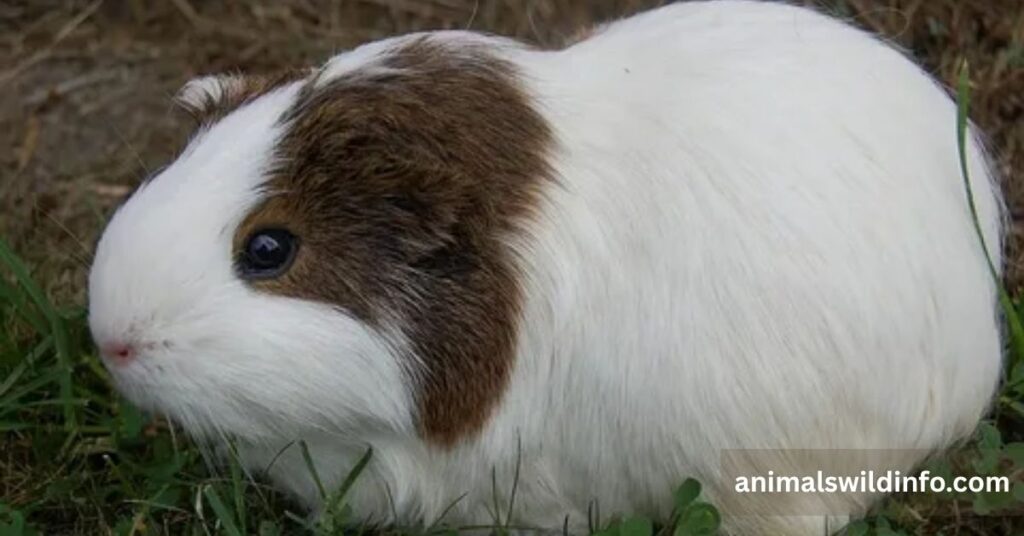
You wouldn’t think a household pet shares DNA with a giant swamp rodent. But it does. Guinea pigs and capybaras both sit in the Caviidae family, which is where the real capybara relatives live. That family tie explains the round body, the short legs, and the twitchy little nose.
The size gap is huge, though. A capybara can weigh over 100 pounds. A guinea pig tops out around three. Still, watch a guinea pig’s social behavior and you’ll spot the same herd instinct capybaras show near rivers. They chatter, they cuddle, and they hate being alone. That’s animal behavior passed down the family tree.
Beaver
Scientific Name: Castor canadensis Class: Mammalia Diet: Herbivore
Beavers and capybaras aren’t related. But drop them side by side and you’ll second-guess that. Both have webbed feet, brown fur, and a build made for swimming. Beavers just added a flat, paddle-shaped tail that capybaras never bothered to evolve.
Here’s where they split hard. Capybaras laze around in groups. Beavers work like they’re on a deadline, building dams and chewing through trees nonstop. One is a homebody. The other is basically nature’s contractor. Both count as freshwater mammals, though, and both shape their wetland ecosystems in big ways.
Nutria (Coypu)
Scientific Name: Myocastor coypus Class: Mammalia Diet: Herbivore
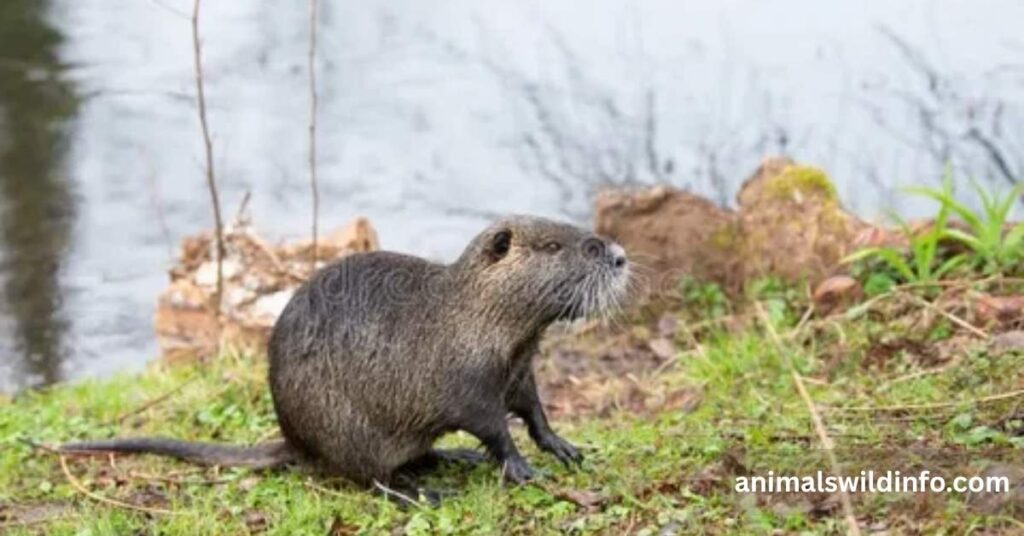
Nutria might be the closest visual match on this whole list. Same brown coat. Same stocky shape. Same love of marshes and slow-moving water. People genuinely mix these two up in the wild, and honestly, it’s an easy mistake.
The giveaway is the snout. Nutria have a longer, more pointed face, while capybaras keep a blunt snout that looks almost squashed. Nutria also spread aggressively outside their native range, which has made them a headache for wildlife conservation teams in the southern United States. Capybaras, by contrast, stay mostly in their native South American range.
Patagonian Mara
Scientific Name: Dolichotis patagonum Class: Mammalia Diet: Herbivore
The Patagonian mara looks like someone tried to build a rabbit and a deer in the same workshop. Long legs. Upright posture. A totally different silhouette from the low, wide capybara. Yet it’s still part of the same rodent classification, and the family resemblance shows up in the face and the teeth.
What makes the mara stand out is its loyalty. These animals often mate for life, which is rare among South American wildlife. They also sprint across open grassland instead of lounging by a river. So while the mara shares a family tree with the capybara, its lifestyle went in a completely different direction.
Paca
Scientific Name: Cuniculus paca Class: Mammalia Diet: Herbivore
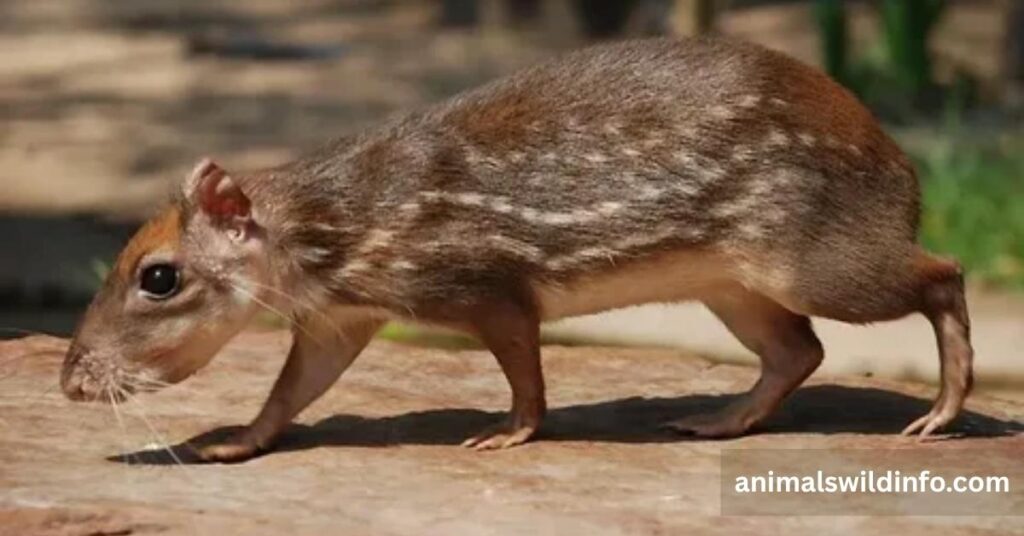
Pacas keep things low-key. They’re nocturnal, they’re solitary, and they wear a coat covered in pale spots that work like camouflage in the forest. That spotted pattern is the easiest way to separate a paca from a capybara at a glance.
Despite the different coat, the body shape tells the real story. Pacas have the same short legs and rounded frame you’ll find across most forest rodents in this family. They’re built to move quietly through dense brush, not to swim across open lakes like their bigger cousin.
Agouti
Scientific Name: Dasyprocta species Class: Mammalia Diet: Herbivore
Agoutis are quick, alert, and always seem to be watching for danger. That nervous energy is the opposite of a capybara’s chill demeanor. Still, the body shape gives away the connection. Same rounded back, same short legs, same overall build shrunk down to a smaller size.
Agoutis play a bigger ecological role than people realize. They bury seeds and forget some of them, which helps forests regrow. That single habit makes them one of the more important forest rodents in Central and South America, even if they rarely get the spotlight capybaras enjoy.
Read More: Top 15 Animals That Eat Rabbits (With Pictures & Fascinating Facts)
Muskrat
Scientific Name: Ondatra zibethicus Class: Mammalia Diet: Omnivore
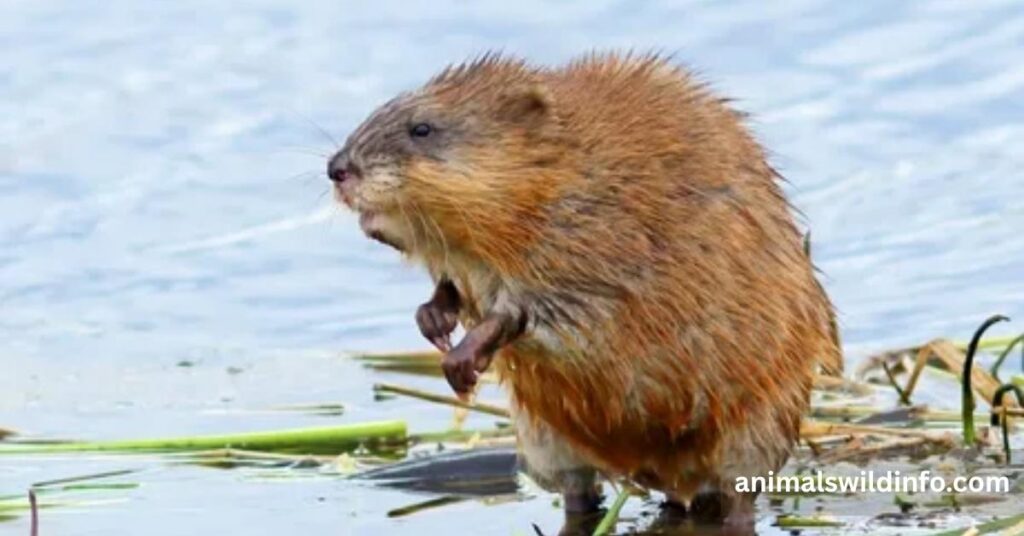
Muskrats are small, but they punch above their weight when it comes to home construction. They build lodges out of reeds and cattails, similar to a beaver but on a smaller scale. That same drive to shape their marshland mammals habitat links them right back to the capybara’s love of water.
The tail is the real tell here. Muskrats drag around a long, thin, almost scaly tail, nothing like the stub capybaras carry. They’re also far more skittish. A capybara will sit still while you take twenty photos. A muskrat disappears the second it senses you.
Porcupine
Scientific Name: Erethizon dorsatum Class: Mammalia Diet: Herbivore
Porcupines and capybaras land in a similar weight class, which surprises a lot of people. Both are grazing mammals with a taste for bark, leaves, and stems. The similarities pretty much stop there, though, because porcupines carry a built-in defense system capybaras never needed.
Quills change everything about how a porcupine moves through the world. It doesn’t need friends for safety, so it lives alone and forages at night. Capybaras went the opposite route, leaning on social rodents behavior and group living instead of body armor to stay safe.
Chinchilla
Scientific Name: Chinchilla lanigera Class: Mammalia Diet: Herbivore
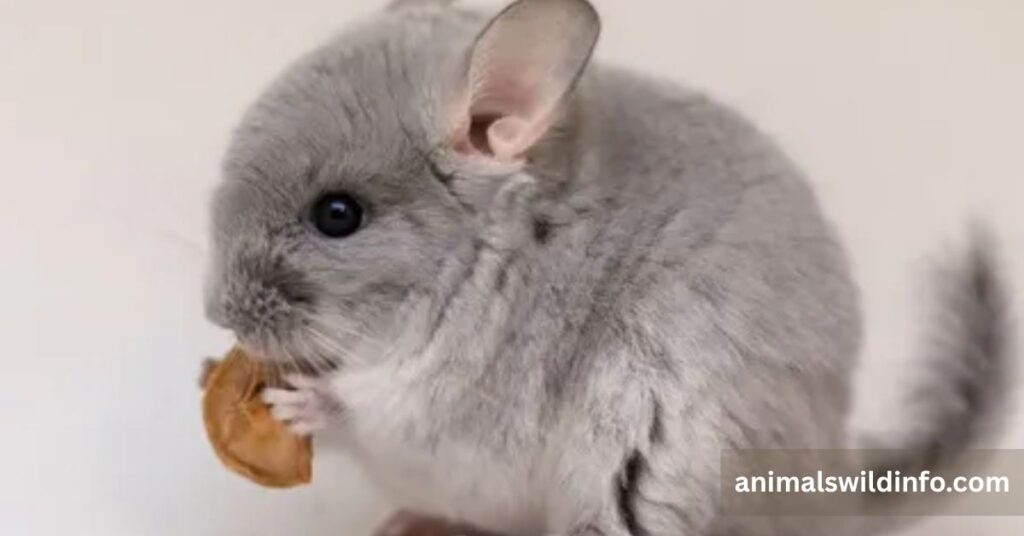
Chinchillas bring the cute factor hard. Round face, big eyes, soft round ears. All of it echoes the round ears and gentle expression you’ll find on a capybara. The fur is where things really diverge, since chinchilla coats are some of the densest in the entire animal kingdom.
That thick coat exists for a reason. Chinchillas live high in the Andes Mountains, where nights get brutally cold. Capybaras never had to deal with that problem, so they kept a coarser, thinner coat suited to warm wetlands instead. Same family branch, completely different climate challenge.
Groundhog
Scientific Name: Marmota monax Class: Mammalia Diet: Herbivore
Groundhogs are stocky, low to the ground, and built like tiny bulldozers. That silhouette is what earns them a spot on this list. They’re not close relatives of the capybara, but their body plan solves the same problem, staying low and stable while foraging.
Where they part ways is the lifestyle. Groundhogs are burrowing mammals through and through, digging tunnel systems that can stretch dozens of feet. Capybaras rarely dig at all. They’d rather wade into a river than dig a hole, which tells you everything about how differently these two animals adapted.
Warthog
Scientific Name: Phacochoerus africanus Class: Mammalia Diet: Herbivore
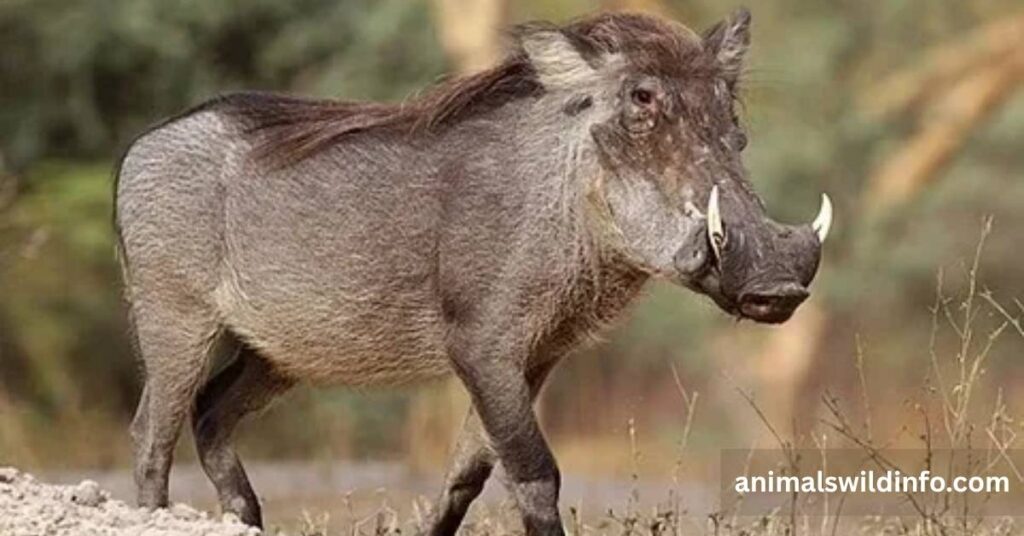
Warthogs aren’t rodents, and they’re not even close on the family tree. Still, people mention them constantly when talking about wildlife comparison lists, because the social side of a warthog’s life mirrors a capybara’s group living almost perfectly.
Both animals travel in groups near water and mud. Both tolerate close contact with their own kind without much fuss. The look is where it ends, though. Warthogs carry tusks and coarse bristles, a rugged contrast to the smoother, calmer look capybaras are known for.
Tapir
Scientific Name: Tapirus terrestris Class: Mammalia Diet: Herbivore
Tapirs bring a strange kind of charm. That stretched-out snout looks almost like a tiny trunk, giving them a shape unlike anything else on this list. Underneath that odd face, though, sits a rounded body that echoes the capybara’s own barrel-shaped body.
Tapirs also share the capybara’s love of water. Both wade into rivers, both eat aquatic vegetation, and both move slowly and calmly through their native habitats. The tapir just happens to be the largest land mammal in South America, while the capybara holds the title of largest rodent on the planet.
Pacarana
Scientific Name: Dinomys branickii Class: Mammalia Diet: Herbivore
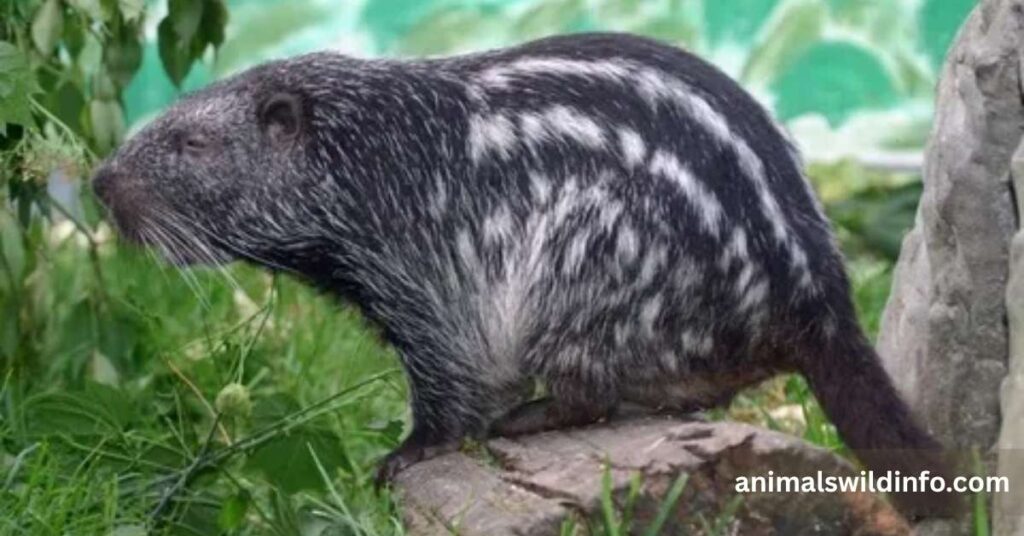
Pacaranas rarely make it onto typical animal lists, and that’s a shame, because they’re genuinely fascinating. They move slowly, almost lazily, which actually lines up well with a capybara’s relaxed pace. Their body carries the same thick, rounded build shared across this rodent branch.
Sadly, pacaranas are considered rare and their numbers keep shrinking due to habitat loss. That makes them one of the more fragile wildlife species on this entire list. Spotting one in the wild is a genuine treat, since most people go their whole lives without seeing one.
Water Vole
Scientific Name: Arvicola amphibius Class: Mammalia Diet: Herbivore
Water voles are tiny, but don’t let the size fool you. They live the exact same riverbank animals lifestyle as a capybara, just packed into a body you could hold in one hand. British readers might know them as “Ratty” from The Wind in the Willows, a nod to how beloved this little swimmer really is.
Despite the size gap, the behavior lines up closely. Water voles burrow into riverbanks, swim well, and feed heavily on aquatic plants. They’re basically a pocket-sized preview of everything a capybara does, just shrunk down to fit a much smaller world.
Read More: Top 20 Dirtiest Animals in the World (With Pictures & Surprising Facts)
Hutia
Scientific Name: Capromyidae family Class: Mammalia Diet: Herbivore
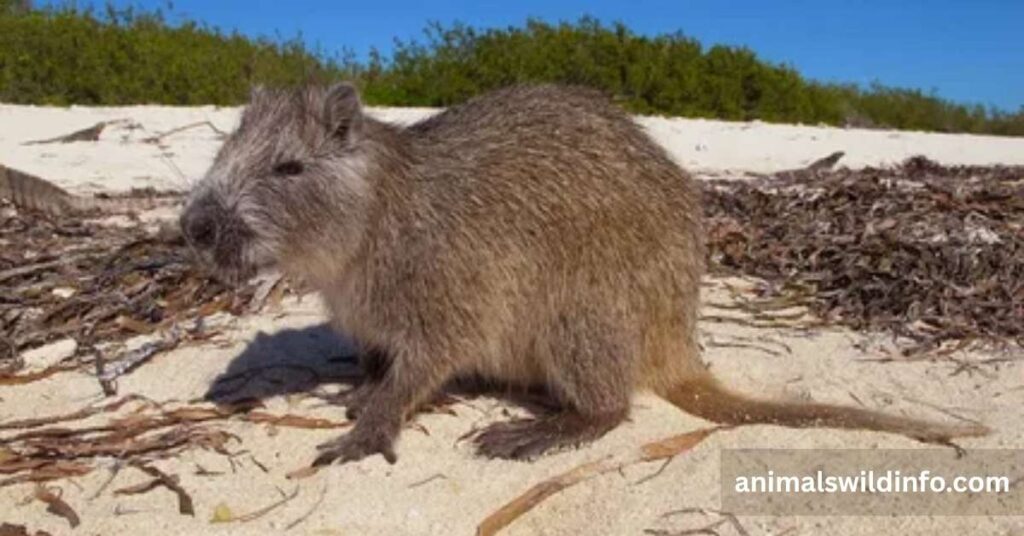
Hutias live on Caribbean islands, and most people outside that region have never heard of them. That’s a shame, because they carry the same thick body and short limbs found throughout this rodent group, just adapted for island life instead of continental wetlands.
Many hutia species are now endangered, mostly due to introduced predators and habitat loss. That makes them an important piece of island biodiversity, and a reminder that not every capybara relatives story has a happy ending. Protecting hutias means protecting a whole slice of Caribbean ecosystem history.
Why Do These Animals Look Like Capybaras?
Some of this resemblance comes down to family. Guinea pigs, agoutis, pacas, and maras all sit close to capybaras on the rodent classification chart, so shared genetics explain a lot of the round bodies and short legs you keep seeing. That’s straightforward mammal evolution at work.
But plenty of the look-alikes on this list aren’t related at all. Beavers, muskrats, and tapirs ended up with a similar shape because they solved the same problem. Living near water rewards a stocky frame, short legs, and a thick coat. Scientists call this convergent evolution, and it’s the reason similar body shape keeps popping up across totally unrelated branches of the animal kingdom.
How to Tell a Capybara from Similar Animals
Size is usually your fastest clue. Capybaras are the largest rodent alive, so if the animal you’re looking at is smaller than a medium dog, it’s probably not one. Next, check the snout. Capybaras have a wide, flat, blunt snout, while most look-alikes have a narrower or more pointed face.
Tail and habitat help you close the case. Capybaras have almost no visible tail, unlike muskrats or beavers. They also stick close to freshwater habitats in South America, rarely wandering far from a river or lake. Here’s a quick comparison to keep handy.
| Feature | Capybara | Common Look-Alike Difference |
| Size | Up to 150 lbs | Most look-alikes are far smaller |
| Snout | Wide and blunt | Often narrower or pointed |
| Tail | Barely visible | Beaver and muskrat have visible tails |
| Habitat | Rivers, lakes, marshes | Some prefer forests or mountains |
| Behavior | Highly social | Many look-alikes are solitary |
Final Thoughts
The animal kingdom loves a good coincidence. Some of these animal look-alikes share real DNA with the capybara. Others just landed on the same body plan by pure environmental pressure. Either way, the resemblance says a lot about how nature keeps reusing good design.
Next time someone brings up capybaras, you’ll have fifteen other animals ready to mention. That’s a solid party trick, and a good excuse to appreciate just how much mammal diversity exists across South America and beyond.
FAQ’s
The nutria, also called coypu, is widely considered the closest visual match. Both share a similar brown fur coat, a stocky body, and a love of marshy water. The easiest way to tell them apart is the snout shape, since nutria have a longer, more pointed face compared to the capybara’s blunt one.
The guinea pig holds that title. Both belong to the Caviidae family, making them true cousins on the rodent family tree. The size difference is massive, but the rounded body and social habits give away the connection instantly.
Yes, they’re related. Capybaras and guinea pigs both sit inside the same cavy family, which places them closer together than most people expect. They share a common ancestor, along with similar behavior patterns like group living and vocal communication.
Beyond the obvious rodent cousins, capybaras get compared to beavers and tapirs fairly often. The beaver comparison comes from shared swimming adaptations, while the tapir comparison comes from a similar rounded body and calm, water-loving lifestyle.
The warthog fits this description well. It’s not a rodent at all, yet its group behavior near water and mud mirrors a capybara’s social lifestyle closely enough that people draw the comparison often.
The water vole is the best example. It lives the same riverbank lifestyle, swims well, and feeds on similar plants, just packed into a body small enough to fit in one hand.