Top 15 Weakest Animals in the World (With Pictures & Fun Facts)
Nature doesn’t always reward muscle. Some of the most fascinating creatures on Earth survive without any strength at all. In this guide, you’ll meet the weakest animals in the world and learn how they get by without claws, fangs, or raw power. You’ll also see why being physically weak animals doesn’t mean being unimportant.
Some of these creatures have lived on this planet for hundreds of millions of years, long before lions or wolves ever existed.
We’ll walk through fifteen of the most vulnerable animals on the planet. You’ll find soft-bodied drifters, slow-moving grazers, and tiny creatures with almost no muscle at all. Along the way, you’ll pick up real science, a few surprising facts, and a new respect for the underdogs of the animal kingdom.
Quick List of the Weakest Animals in the World
Before we dive deep, here’s a quick snapshot. This table lists all fifteen weak animal species covered in this article, along with their scientific names and their biggest weakness.
| Animal | Scientific Name | Main Weakness | |
| 1 | Jellyfish | Aurelia aurita | No brain, no bones, drifts with currents |
| 2 | Earthworm | Lumbricus terrestris | No skeleton, no eyes, easily crushed |
| 3 | Sloth | Bradypus variegatus | Extremely low muscle strength |
| 4 | Snail | Cornu aspersum | Soft body, slow movement |
| 5 | Starfish (Sea Star) | Asterias rubens | No brain, fragile arms |
| 6 | Rabbit | Oryctolagus cuniculus | No real defense against predators |
| 7 | Domesticated Chicken | Gallus gallus domesticus | Bred for docility, can’t fly far |
| 8 | Tree Frog | Hyla cinerea | Thin skin, weak bite force |
| 9 | Opossum | Didelphis virginiana | Slow, weak bite, poor eyesight |
| 10 | Tarsier | Tarsius tarsier | Tiny size, fragile body |
| 11 | Hedgehog | Erinaceus europaeus | Can’t run or fight back |
| 12 | Sea Cucumber | Holothuria atra | No shell, no skeleton |
| 13 | Star-Nosed Mole | Condylura cristata | Nearly blind, tiny body |
| 14 | Koala | Phascolarctos cinereus | Low energy, poor eyesight |
| 15 | Blobfish | Psychrolutes marcidus | Gelatinous body, no muscle tone |
This table gives you the basics. Now let’s look at what “weak” really means in the wild.
What Makes an Animal Weak?
When we talk about the weakest creatures on Earth, we’re not just talking about size. Weakness can mean low muscle strength, a soft-bodied frame with no skeleton, poor eyesight, or a bite force too weak to catch prey. Some animals lack any real natural defense mechanisms at all.
Others simply move too slowly to escape danger. A creature can be small and still tough, or large and still fragile. It all depends on how its body handles stress, threats, and daily survival.
Physical weakness in animals usually falls into a few categories. Some species have low-strength animals biology, meaning their muscles produce very little force. Others are slow-moving animals that can’t outrun a threat. A few are animals with no bones or animals with no muscles in the traditional sense, like jellyfish and sea cucumbers.
And some are just plain defenseless animals, with no claws, no venom, and no armor to speak of. Understanding these categories helps explain why are some animals weak while still managing to thrive across the globe.
Top 15 Weakest Animals in the World
Here’s where we get into the details. Each of these weak wild animals made this list for a different reason. Some lack muscle. Some lack bones. A few just don’t have any fight in them at all. But every one of them found a way to survive anyway.
Jellyfish
Scientific Name: Aurelia aurita Class: Scyphozoa Diet: Carnivore
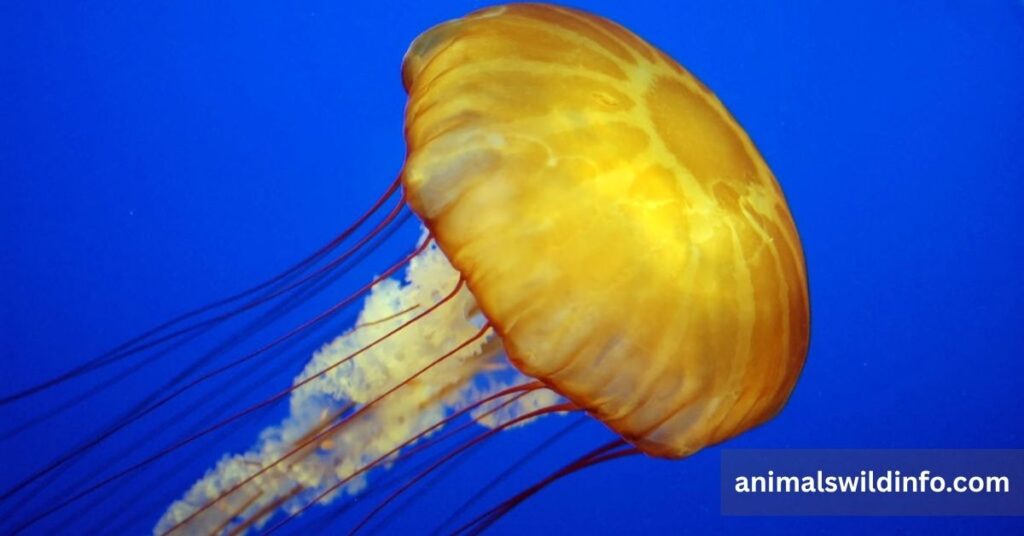
The jellyfish might be the ultimate example of a gelatinous body built for survival, not strength. It has no brain, no bones, and no muscles capable of real force. Ocean currents do most of the work, pushing this ancient creature wherever the water flows. Jellyfish have drifted through Earth’s oceans for over 500 million years, making them older than dinosaurs and even trees.
Despite this fragile design, jellyfish thrive as some of the toughest weak marine animals around. They survive in low-oxygen waters where sturdier creatures would suffocate. Cut one in half, and both pieces can sometimes regrow into whole new jellyfish. That’s regeneration in animals at its most dramatic, proving that a soft body doesn’t always mean a short life.
Earthworm
Scientific Name: Lumbricus terrestris Class: Clitellata Diet: Detritivore
The humble earthworm ranks among the most fragile animals you’ll ever step over without noticing. It has no skeleton, no eyes, and skin so thin it can dry out within hours if exposed to sunlight. A bird can snatch it in seconds, and a single footstep can crush it instantly. Yet this tiny creature quietly powers entire ecosystems from below the surface. Earthworms tunnel through soil, mixing nutrients and letting air and water reach plant roots.
Without them, farmland loses fertility fast. Their bodies may be soft and defenseless, but their impact on ecosystem balance is enormous. Farmers and gardeners across the United States rely on earthworms every single season, whether they realize it or not.
Sloth
Scientific Name: Bradypus variegatus Class: Mammalia Diet: Herbivore
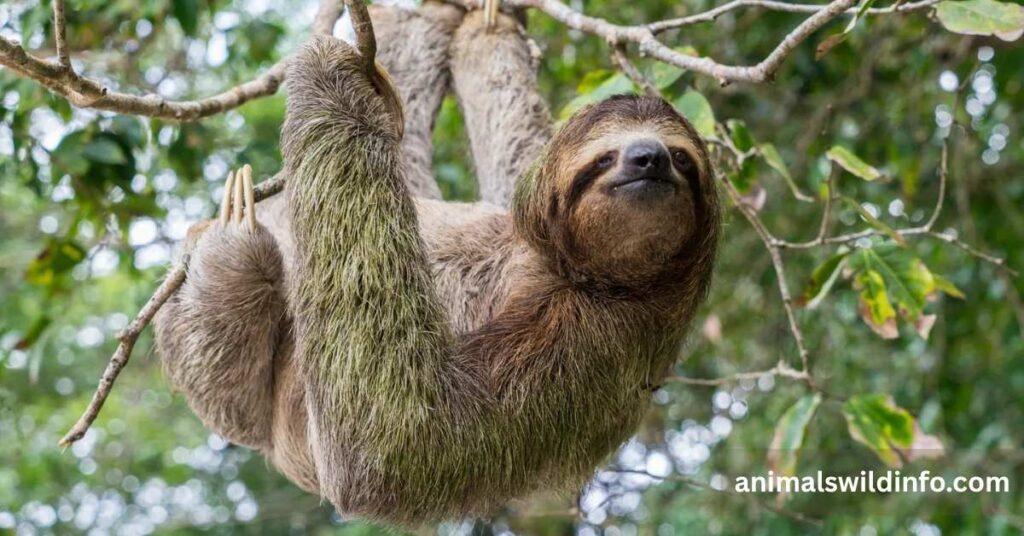
Few animals embody low-strength animals biology quite like the sloth. Its muscles produce so little power that it can barely lift its own body weight off a branch. This isn’t laziness. It’s survival strategy. A slow metabolism means sloths need very little food, and their leaf-heavy diet doesn’t provide much energy anyway.
Moving slowly also helps them avoid catching a predator’s eye, since most hunters key in on quick motion. Algae often grows right on a sloth’s fur, turning it faintly green and blending it further into the rainforest canopy. It’s one of nature’s best examples of camouflage for survival, built entirely around doing less rather than more.
Read More: Top 16 Animals That Drink a Lot of Water (Pictures & Surprising Facts)
Snail
Scientific Name: Cornu aspersum Class: Gastropoda Diet: Herbivore
The garden snail is a classic soft-bodied animal, protected only by a thin shell that can crack under a light footstep. It moves at a famously slow pace, leaving behind a trail of mucus that helps it glide over rough or sharp surfaces. That slime trail isn’t just for movement, though.
It also helps the snail retain moisture, which matters a lot for a creature with such delicate skin. When conditions turn harsh, whether from drought or freezing temperatures, snails can seal themselves inside their shells and enter a resting state called estivation. This trick lets them wait out bad weather for weeks or even months. It’s a smart survival strategy for one of the slowest, most delicate animals in any backyard.
Starfish (Sea Star)
Scientific Name: Asterias rubens Class: Asteroidea Diet: Carnivore
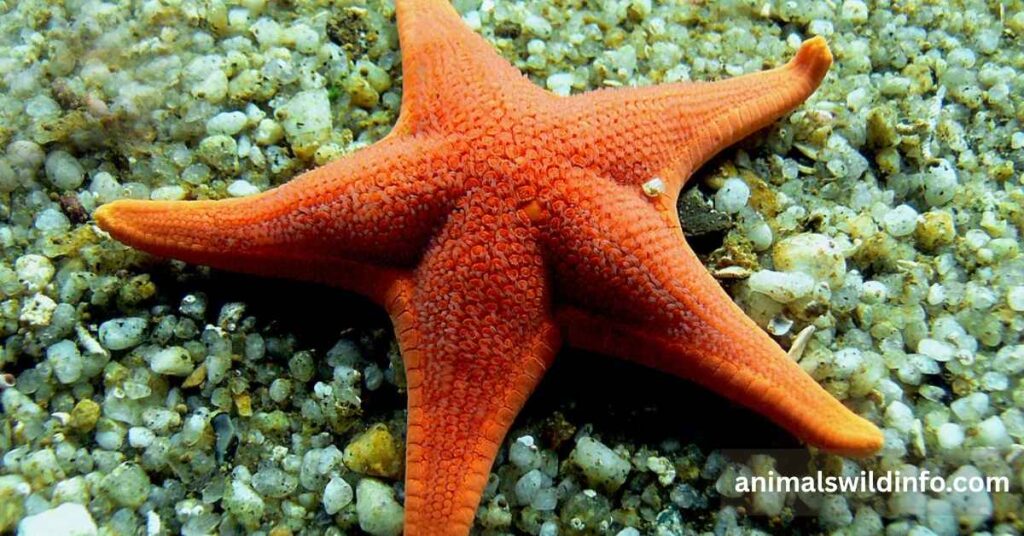
The starfish, also called a sea star, looks tough with its five-pointed shape, but it’s actually one of the more vulnerable animals in coastal waters. It has no brain and no centralized control system, relying instead on a simple nerve network spread across its body. If a predator bites off an arm, the starfish can often regrow it over time, a slow but effective form of regeneration in animals.
Its feeding method is just as unusual. A starfish can push its own stomach out through its mouth to digest prey externally, then pull it back in once digestion is done. This odd but effective trick helps make up for its lack of speed, strength, or any real bite force.
Rabbit
Scientific Name: Oryctolagus cuniculus Class: Mammalia Diet: Herbivore
The rabbit sits near the bottom of almost every food chain it belongs to, making it one of the most classic prey animals in nature. It has no claws sharp enough to fight back, no horns, and no real bite force to speak of. Its only real weapons are speed and awareness, thanks to large eyes set on the sides of its head for a nearly 360-degree field of view. Rabbits also live in tight social groups, often digging connected burrow systems called warrens.
This group living style spreads out the risk. With more eyes watching for danger, a fox or hawk has a harder time sneaking up unnoticed. It’s a simple but effective form of predator avoidance built on numbers rather than strength.
Domesticated Chicken
Scientific Name: Gallus gallus domesticus Class: Aves Diet: Omnivore
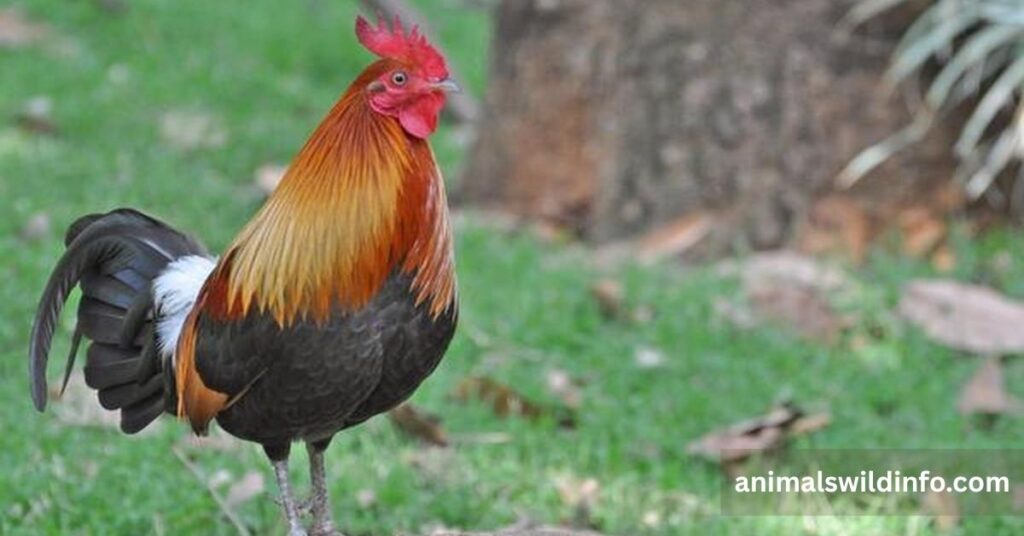
Generations of breeding turned the domesticated chicken into one of the more harmless animals you’ll find on any farm. Unlike wild birds, most chickens can barely fly more than a few feet off the ground, and they’ve lost much of the sharp instinct that once helped their ancestors dodge predators. Without human care, a flock left alone would struggle against foxes, hawks, and even household pets. Still, chickens aren’t as simple as they seem.
They form detailed social structures within a flock, often called a pecking order, and researchers have documented chickens showing distress when a companion becomes sick. This emotional depth adds a layer of complexity to a bird often dismissed as just another weak animal on the farm.
Tree Frog
Scientific Name: Hyla cinerea Class: Amphibia Diet: Carnivore
The tree frog is a small, soft-skinned amphibian with an animals with weak bite force profile and almost no muscle strength to speak of. Its skin is thin enough to absorb oxygen directly from the air, but that same thin skin also makes it easy prey and vulnerable to drying out. Tree frogs rely heavily on color and sound instead of strength.
Bright green or patterned skin helps them blend into leaves, while their nighttime calls help them find mates without ever leaving cover. Some species secrete mild toxins through their skin, just enough to make a predator think twice. It’s a clever mix of chemical defense and camouflage that keeps this fragile little amphibian alive across backyards and wetlands throughout the United States.
Opossum
Scientific Name: Didelphis virginiana Class: Mammalia Diet: Omnivore
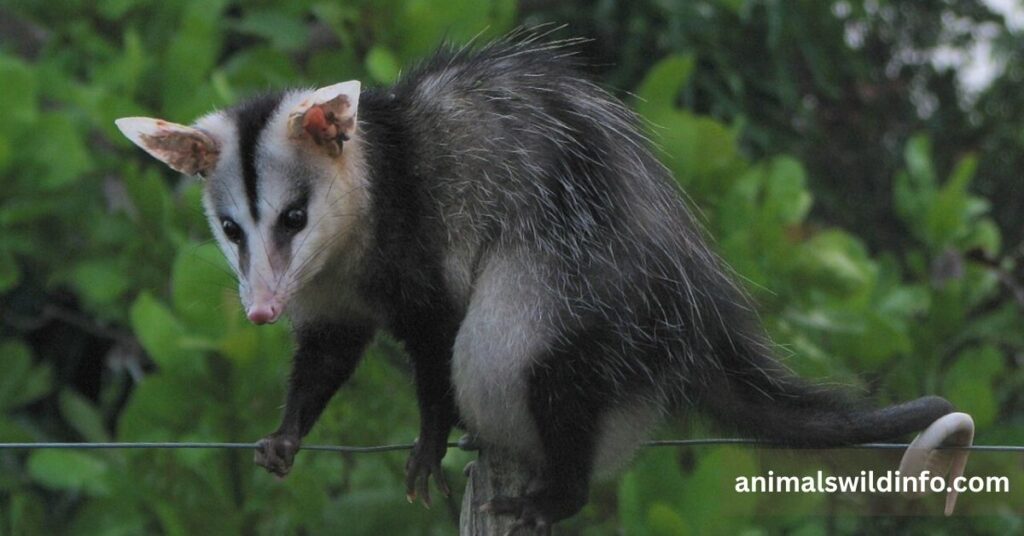
North America’s only marsupial, the opossum, often gets written off as one of the more defenseless animals around, and in a straight fight, that’s fair. It has a weak bite, poor eyesight, and no real speed advantage over most predators. Its most famous trick is playing dead, an involuntary reaction so convincing that many predators simply lose interest and walk away. This isn’t a choice the opossum makes consciously.
Its body just shuts down under extreme stress, and the trick works surprisingly often. Opossums also happen to eat thousands of ticks each season, making them accidental allies in the fight against Lyme disease. A weak body, it turns out, doesn’t stop an opossum from doing real good in its ecosystem.
Read More: Top 22 Mischievous Animals in the World (With Pictures & Amazing Facts)
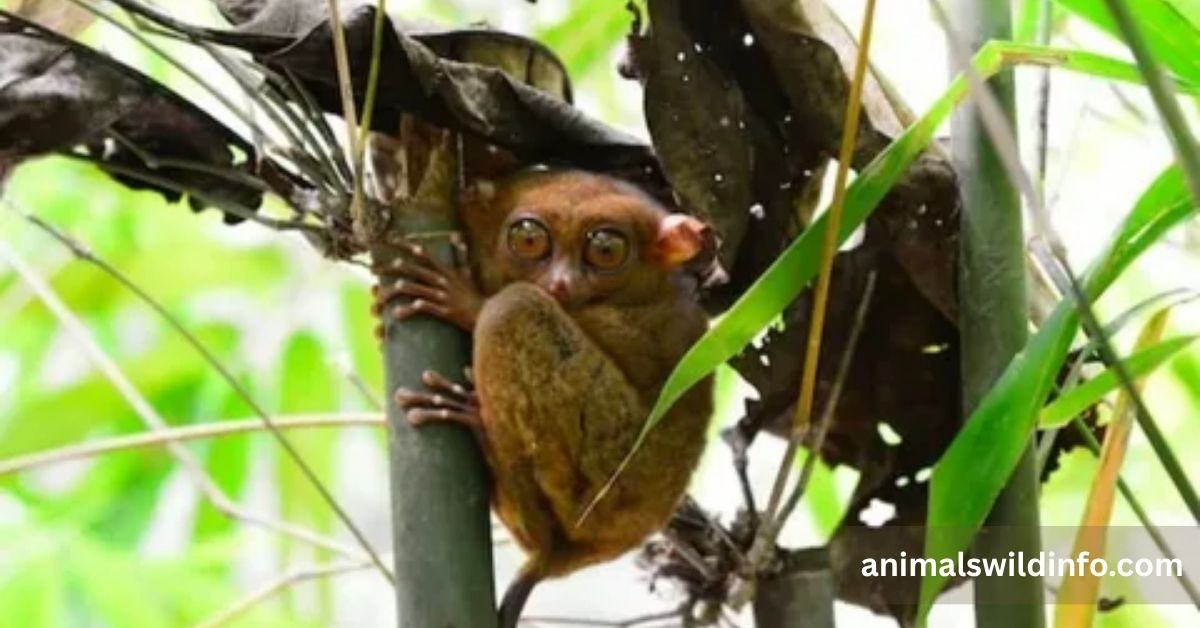
Tarsier
Scientific Name: Tarsius tarsier Class: Mammalia Diet: Carnivore
Standing barely six inches tall, the tarsier is one of the smallest and most fragile animals among primates. Its enormous eyes, each roughly the size of its brain, give it excellent night vision but leave little room for physical strength. Tarsiers can’t fight off predators and rely entirely on stealth and jumping ability to survive in the dense forests of Southeast Asia.
They’re skilled ambush hunters, snapping up insects with sudden leaps rather than any real chase. Habitat loss now threatens their numbers more than any natural predator ever did. This makes the tarsier one of several endangered weak animals where human activity, not nature, poses the biggest risk to survival.
Hedgehog
Scientific Name: Erinaceus europaeus Class: Mammalia Diet: Omnivore
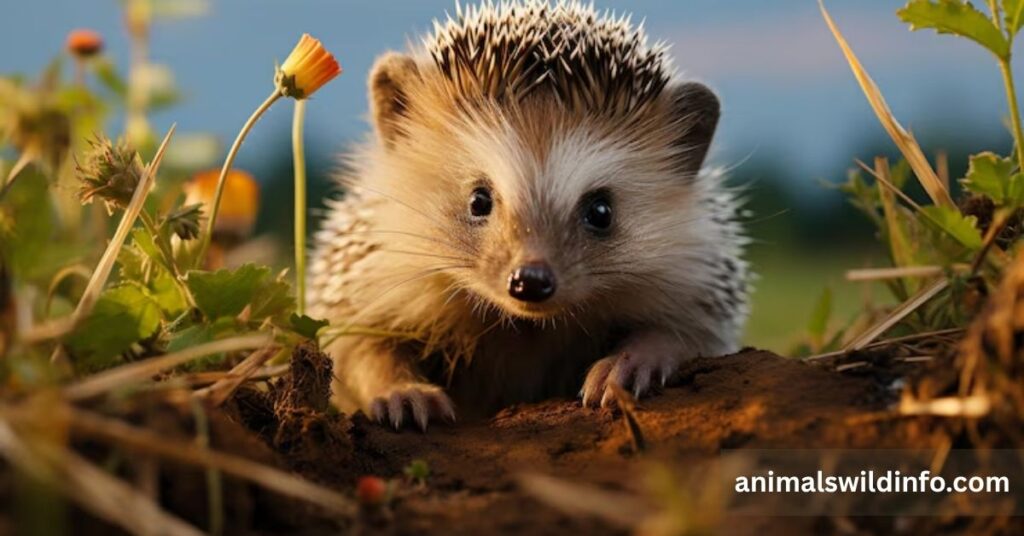
The hedgehog can’t outrun a fox and can’t fight off a bigger predator, so it relies on one simple trick instead. When threatened, it curls into a tight ball, hiding its soft belly behind a wall of sharp spines. This defensive behavior works well against most attackers, though it does nothing against vehicles or larger threats like badgers.
Hedgehogs are nocturnal foragers, spending their nights hunting insects and worms while avoiding the predators that hunt during daylight hours. That timing alone helps them dodge a lot of danger. It’s a good example of how survival instincts can make up for a total lack of muscle, speed, or bite force.
Sea Cucumber
Scientific Name: Holothuria atra Class: Holothuroidea Diet: Detritivore
Few ocean creatures look as harmless as the sea cucumber, and few are quite as strange in their defenses. This soft, tube-shaped animal has no shell and no bones, making it one of the more low-strength animals on any reef. When threatened, some species can actually expel their own internal organs toward a predator, then quietly regrow them later.
It sounds extreme, but it works, and it buys enough time to escape or confuse an attacker. Beyond defense, sea cucumbers play a major role in ocean health. They constantly recycle nutrients by breaking down organic debris on the sea floor, quietly supporting the biodiversity of the reefs they call home.
Star-Nosed Mole
Scientific Name: Condylura cristata Class: Mammalia Diet: Carnivore
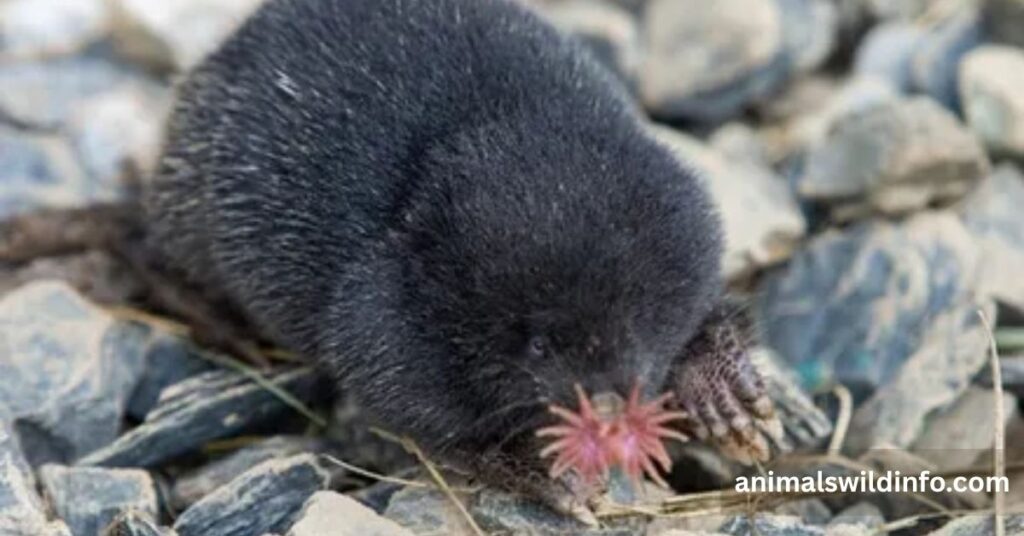
The star-nosed mole looks almost alien, with 22 fleshy tentacles ringing its snout. This odd feature isn’t for show. It gives the mole one of the most sensitive touch systems in the entire animal kingdom, letting it locate food in total darkness within a fraction of a second.
Nearly blind and small enough to fit in a human palm, the star-nosed mole survives underground where sight matters far less than touch and speed. It can find, identify, and eat prey faster than almost any other mammal on Earth, turning a serious physical limitation into a genuine superpower. It’s proof that wildlife adaptations don’t always follow the rules you’d expect.
Koala
Scientific Name: Phascolarctos cinereus Class: Mammalia Diet: Herbivore
The koala may look cuddly, but its biology tells a story of extreme fragility. Its diet consists almost entirely of eucalyptus leaves, which are low in nutrients and mildly toxic in large amounts. To cope, koalas developed an extremely slow metabolism, spending up to twenty hours a day resting or sleeping just to conserve energy. This leaves very little left over for speed, strength, or defense against predators.
Poor eyesight adds another layer of vulnerability, forcing koalas to rely mostly on smell and hearing. Habitat loss across Australia has only made survival harder for this already delicate species, pushing conservation efforts to the front of the wildlife conservation conversation.
Blobfish
Scientific Name: Psychrolutes marcidus Class: Actinopterygii Diet: Carnivore
Often called the world’s saddest-looking fish, the blobfish lives deep in the waters off Australia, where extreme pressure would crush most other creatures. Its body has almost no muscle and very little bone, relying instead on a gelatinous body that’s slightly less dense than water.
This unusual design lets it float just above the sea floor without wasting energy swimming. Out of the deep sea, without that water pressure holding its shape, a blobfish looks saggy and shapeless, which is exactly how it earned its famous nickname. In its natural deep-sea habitat, though, this odd design is a quiet survival masterpiece, built for a world of crushing pressure rather than a world of speed or strength.
Why Weak Animals Still Survive in the Wild
Strength isn’t the only path to survival. Many of nature’s weakest wildlife get by through low energy needs, clever timing, or simply avoiding competition altogether. A sloth doesn’t need to be fast if it barely needs to move at all. A jellyfish doesn’t need muscles if ocean currents do the traveling for it. Survival often comes down to fitting a niche perfectly, rather than dominating through raw power.
Look closely at any animal on this list, and you’ll notice a pattern. Each one traded strength for something else, whether that’s regeneration, camouflage, or a diet nobody else wants to compete for. This is natural selection at work over millions of years, quietly proving that animal characteristics built around avoidance can work just as well as characteristics built around aggression. Weakness, in the wild, is rarely the whole story.
Read More: Top 20 Amazing Animals With Big Ears (With Pictures & Fun Facts)
Common Survival Strategies of Weak Animals
Weak animals rely on a handful of proven strategies to stay alive despite lacking strength, speed, or size. These strategies show up again and again across completely different species, from oceans to rainforests to suburban backyards. Understanding them helps explain how vulnerable species manage to hold their ground generation after generation.
Camouflage and Mimicry
Camouflage ranks among the most common tools in the animal kingdom. A tree frog’s green skin, a sloth’s algae-covered fur, and a stick insect’s twig-like shape all work the same way. They trick a predator’s eyes before any chase even begins. Some animals go a step further with mimicry, copying the appearance of something dangerous or unappetizing to scare off threats without a single physical confrontation.
Defensive Behaviors
Certain animals rely on defensive behavior rather than physical fighting ability. The hedgehog curls into a spiky ball. The opossum plays dead so convincingly that predators lose interest. These reactions don’t require strength or speed. They simply exploit a predator’s instincts, turning a moment of vulnerability into an escape route.
Hiding and Burrowing
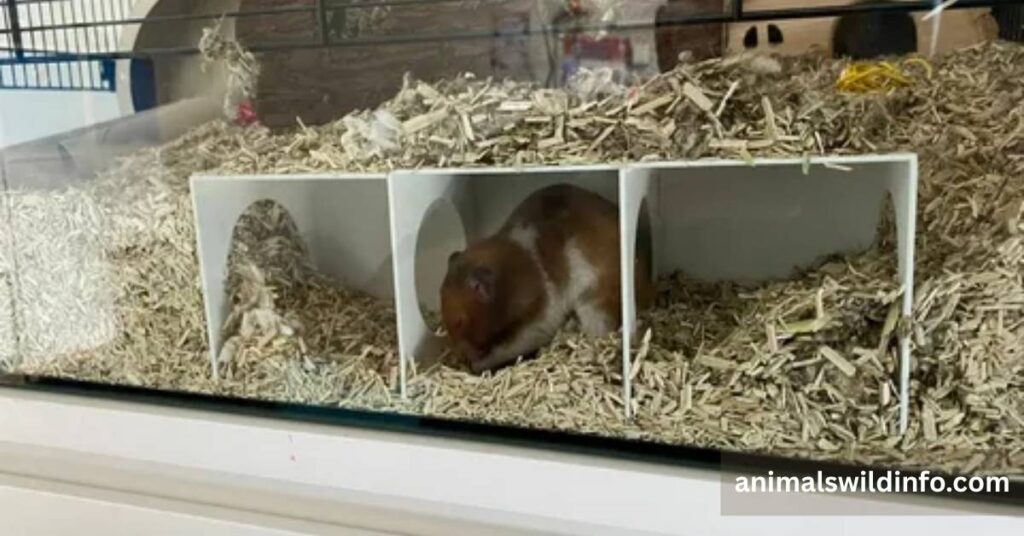
Many weak land animals survive by staying out of sight entirely. Earthworms tunnel underground, star-nosed moles build extensive burrow systems, and rabbits dig warrens deep enough to outlast most digging predators. Living below the surface removes the need for speed or strength altogether, since most threats never even find these animals in the first place.
Living in Groups
Safety in numbers works well for animals with low muscle strength. Rabbits and chickens both rely on group awareness, since more eyes make it much harder for a predator to sneak up unnoticed. Group living also spreads out risk. Even if one animal falls prey to an attack, the rest of the group benefits from the early warning.
Toxic or Chemical Defenses
Some of the most fragile-looking creatures pack a hidden chemical punch. Certain tree frogs secrete mild toxins through their skin, while sea cucumbers release defensive compounds when threatened. This chemical defense doesn’t require any muscle or speed. It just needs the right biology, built up over millions of years of evolution, to make a predator regret its choice of meal.
Are Weak Animals Dangerous to Humans?
Most animals on this list pose little to no threat to people. Sloths, snails, earthworms, and starfish simply don’t have the tools to hurt a human, even if they wanted to. A few species carry mild risks worth knowing about, though. Some tree frogs secrete toxins that can irritate skin or eyes if handled carelessly, and wild opossums may bite if cornered, even though they’d rather play dead than fight.
For the most part, these harmless wildlife species do far more good than harm. Opossums alone eat thousands of ticks each year, directly reducing the risk of Lyme disease across many parts of the United States. Earthworms keep soil healthy enough to support entire farms and gardens. Rather than fearing these creatures, it makes more sense to appreciate the quiet, often invisible work they do to keep ecosystems balanced.
Conclusion
Strength comes in more forms than most people realize. The weakest animals in the world prove that survival isn’t only about muscle, speed, or size. A jellyfish drifts through oceans it can’t control, a sloth conserves energy instead of chasing prey, and a star-nosed mole turns near-blindness into lightning-fast hunting. Every creature on this list found its own way to last, using tools built around patience, adaptation, and timing rather than force.
Next time you spot a snail crossing a sidewalk or a rabbit freezing in tall grass, remember there’s more going on than meets the eye. These animals didn’t survive by accident. They survived by fitting perfectly into the roles nature gave them, weak bodies and all.
Frequently Asked Questions
The jellyfish is often named the weakest animal in the world, since it has no brain, no bones, and no real muscle strength, relying entirely on ocean currents to move.
Sloths, snails, starfish, sea cucumbers, and koalas rank among the slowest animals on Earth, often moving at speeds of just a few feet per minute.
Elephants, gorillas, ants, rhinoceros beetles, and tigers are widely considered among the strongest animals relative to their size and body weight.
The jellyfish and the sloth are the two animals most commonly used to represent weakness, thanks to their lack of muscle strength and slow, drifting lifestyles.
Yes, in rare cases. Some tree frogs secrete mild skin toxins, and cornered opossums may bite, though most weak wild animals pose little real danger to humans.