Top 18 Striped Animals in the World (With Pictures & Amazing Facts)
Stripes show up in some of the strangest places in nature. You’ll find them on jungle cats, tiny insects, and even venomous snakes. Animals with stripes aren’t just pretty to look at. Their patterns often help them survive, hide, or talk to each other.
This guide walks you through 18 of the most fascinating striped animals in the world. You’ll meet black and white striped animals like the zebra, powerful mammals with stripes like the tiger, and even a spider that wears its own tiny set of stripes. By the end, you’ll know exactly why nature keeps reaching for this pattern again and again.
What Are Striped Animals in the World?
Striped animals are creatures with bands of color running across their skin, fur, feathers, or scales. These bands can run in any direction. Some stripes wrap around the whole body. Others sit only on the tail, legs, or back. No matter where they show up, stripes almost always serve a purpose beyond decoration.
You’ll notice that animal stripe patterns show up in totally unrelated species. A tiger and a coral snake share almost nothing in common biologically, yet both wear stripes. This is a case of convergent evolution, where different species develop similar traits because those traits work. From jungle animals with stripes to tiny insects, this pattern keeps proving itself as one of nature’s best survival tools.
List of Striped Animals
Here’s a quick look at the 18 wild animals with stripes covered in this guide. This table gives you a snapshot before we dive into each one in detail.
| Number | Animal | Class | Habitat |
| 1 | Zebra | Mammalia | African savanna |
| 2 | Tiger | Mammalia | Asian jungles and forests |
| 3 | Okapi | Mammalia | Congo rainforest |
| 4 | Striped Skunk | Mammalia | North American woodlands |
| 5 | Striped Hyena | Mammalia | North Africa, Middle East |
| 6 | Zorse | Mammalia | Farms and sanctuaries |
| 7 | Bongo | Mammalia | Central African rainforest |
| 8 | Greater Kudu | Mammalia | Southern African bushland |
| 9 | Nyala | Mammalia | Southern African woodland |
| 10 | African Wild Ass | Mammalia | Northeast African desert |
| 11 | Malayan Tapir | Mammalia | Southeast Asian rainforest |
| 12 | Ring-Tailed Lemur | Mammalia | Madagascar forests |
| 13 | Giant-Striped Mongoose | Mammalia | Madagascar forests |
| 14 | Thirteen-Lined Ground Squirrel | Mammalia | North American grassland |
| 15 | Striped Chipmunk | Mammalia | North American woodland |
| 16 | Four-Striped Grass Mouse | Mammalia | African grassland |
| 17 | Coral Snake | Reptilia | Americas, forests and scrub |
| 18 | Zebra Spider | Arachnida | Gardens and walls worldwide |
Zebra
Scientific name: Equus quagga Class: Mammalia Diet: Herbivore
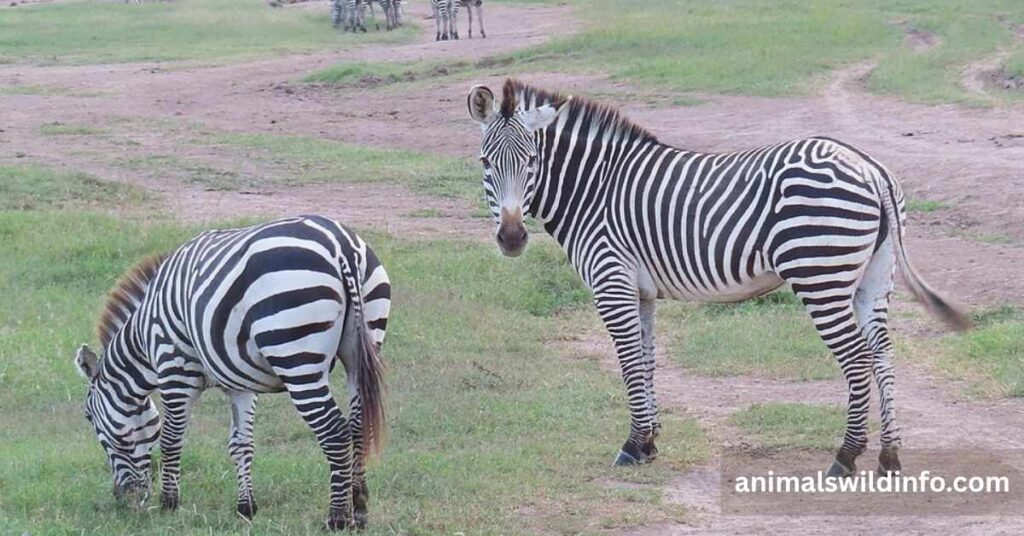
The zebra is probably the first animal you think of when someone mentions stripes. Every zebra carries a pattern as unique as a fingerprint, and this helps herd members recognize one another on the open savanna. Beyond identification, scientists believe zebra stripes confuse biting flies and may even help with thermoregulation by creating small air currents across the skin. As one of the most famous striped animals on the planet, the zebra shows just how much work a simple pattern can do.
Tiger
Scientific name: Panthera tigris Class: Mammalia Diet: Carnivore
Tigers wear one of the most recognizable coats in the animal kingdom, and no two tigers share the exact same animal markings. Their orange and black stripes work as natural camouflage, breaking up their outline among tall grass and dense trees. This big cat is a top predator in its habitat, and its stripes help it get close to prey before striking. Habitat loss and poaching have pushed tiger numbers down, making wildlife conservation work more urgent than ever for this jungle animal with stripes.
Read More: Top 18 Animals With Sharp Claws (With Pictures & Amazing Facts)
Okapi
Scientific name: Okapia johnstoni Class: Mammalia Diet: Herbivore
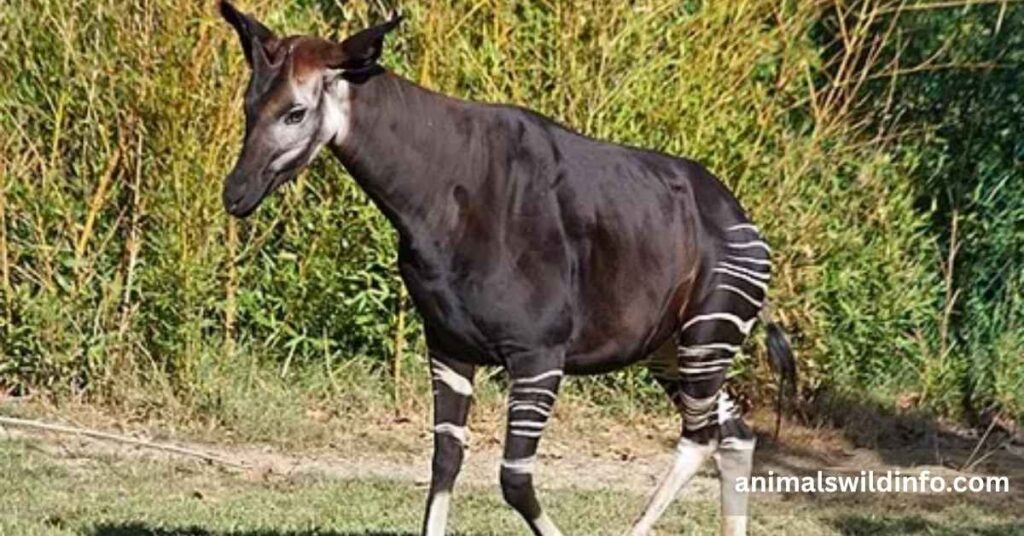
The okapi looks like something dreamed up by mixing a zebra and a giraffe. It lives deep in the rainforest of the Democratic Republic of Congo, where its striped hindquarters help it blend into shifting light and shadow. Unlike the zebra, the okapi only carries stripes on its legs and rear, not its whole body. This shy, solitary animal relies on its camouflage to stay hidden from predators as it browses on leaves throughout its narrow habitat range.
Striped Skunk
Scientific name: Mephitis mephitis Class: Mammalia Diet: Omnivore
The striped skunk carries one of nature’s clearest warning signs. Its bold black and white pattern is a form of warning coloration, telling predators to back off before they get sprayed. This defense strategy is so effective that most animals learn to avoid skunks entirely after one bad encounter. Found across North America, the striped skunk also plays a useful role by eating insects and rodents, making it a helpful part of its local ecosystem.
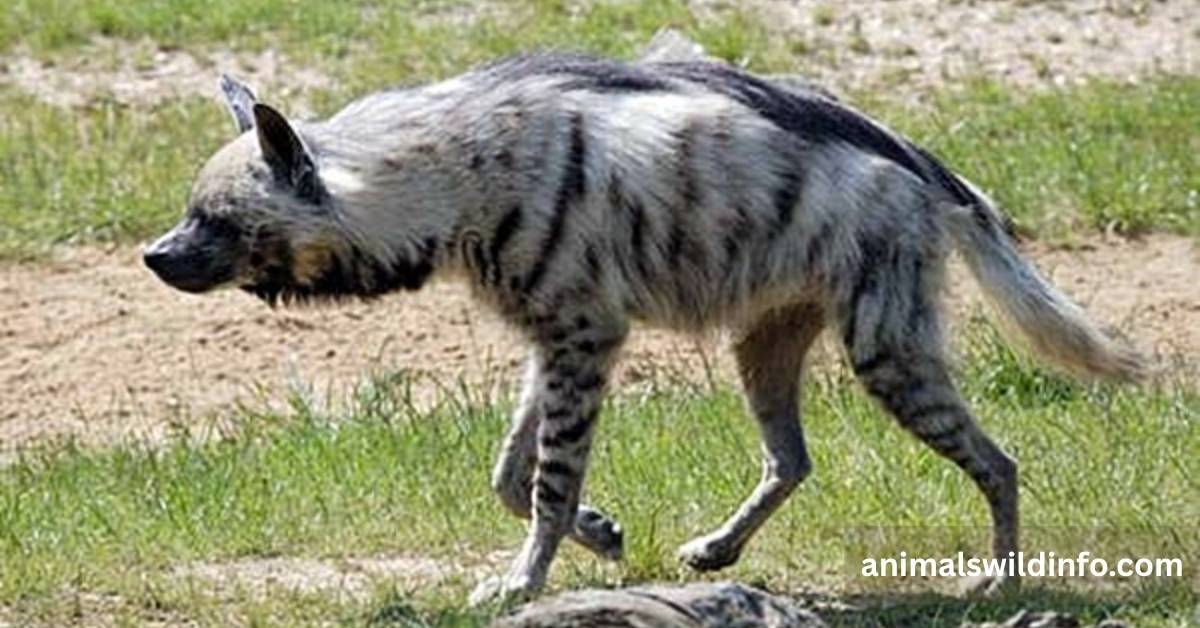
Striped Hyena
Scientific name: Hyaena hyaena Class: Mammalia Diet: Omnivore
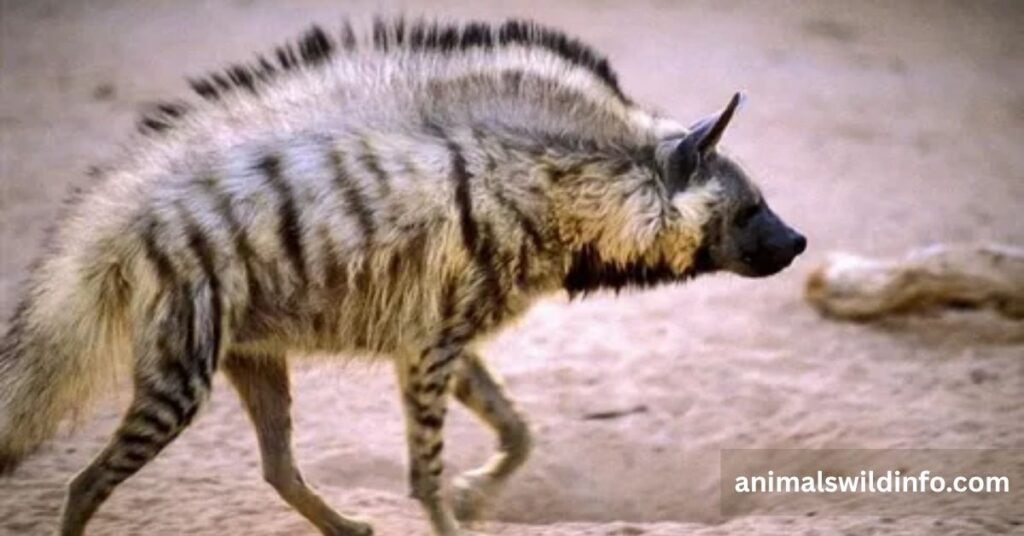
Unlike its spotted cousin, the striped hyena lives a mostly solitary life across the dry regions of North Africa and the Middle East. Its shaggy coat and faint stripes help it stay hidden as it moves through rocky desert terrain at night. This animal is a scavenger at heart, though it also eats fruit, roots, and small prey when the chance comes up. Despite a tough reputation, the striped hyena actually helps clean up its ecosystem by removing carcasses that would otherwise spread disease.
Zorse
Scientific name: Equus zebra x Equus caballus Class: Mammalia Diet: Herbivore
A zorse is what you get when a zebra and a horse breed together, and the result is a striking hybrid with patchy stripes across parts of its body. These markings vary a lot from one zorse to another, since the pattern depends on which parent’s genes take the lead. Zorses combine the stubborn streak of a zebra with the trainability of a horse, which makes them popular in sanctuaries and private farms. As a hybrid rather than a wild species, the zorse offers a rare look at how stripe adaptation can appear even outside of natural evolution.
Bongo
Scientific name: Tragelaphus eurycerus Class: Mammalia Diet: Herbivore
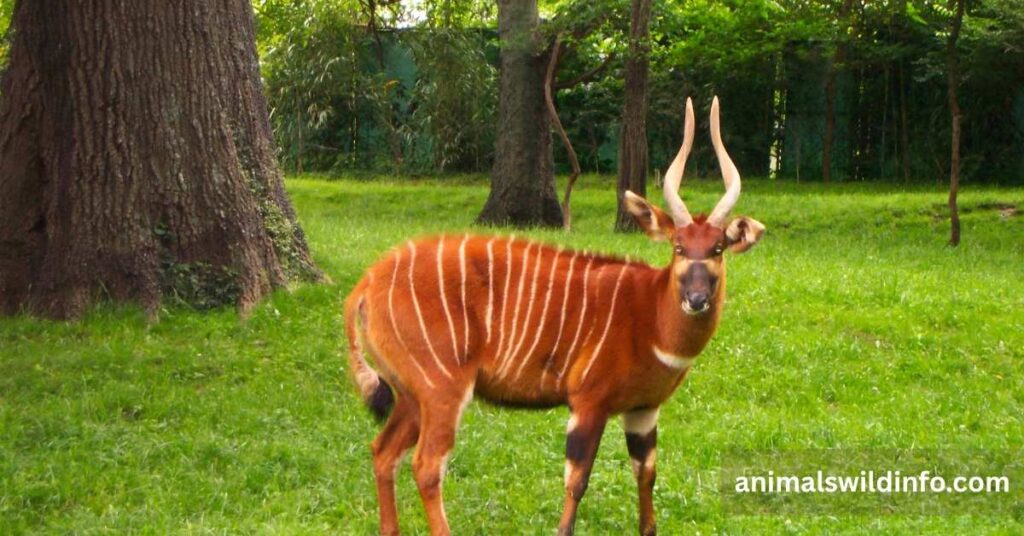
The bongo stands out with a deep reddish-brown coat marked by crisp white vertical stripes. Living in the dense rainforest of Central and West Africa, this antelope uses its stripes to break up its outline among tree trunks and shafts of light. Bongos are shy and rarely seen, earning them a reputation as one of the more rare striped animals in the wild. Their spiral horns and social herd behavior make them a favorite among researchers studying African striped animals.
Greater Kudu
Scientific name: Tragelaphus strepsiceros Class: Mammalia Diet: Herbivore
The Greater Kudu carries thin white stripes down a rich brown coat, giving it a striking look against the grassland and bush of southern Africa. These stripes work as visual camouflage, helping the kudu vanish into dappled shade during the hottest parts of the day. Males grow long spiral horns and often leave their family herd to roam alone or with other bachelor males. This antelope’s grazing habits also shape the plant life around it, giving the kudu an important role in its savanna ecosystem.
Nyala
Scientific name: Tragelaphus angasii Class: Mammalia Diet: Herbivore
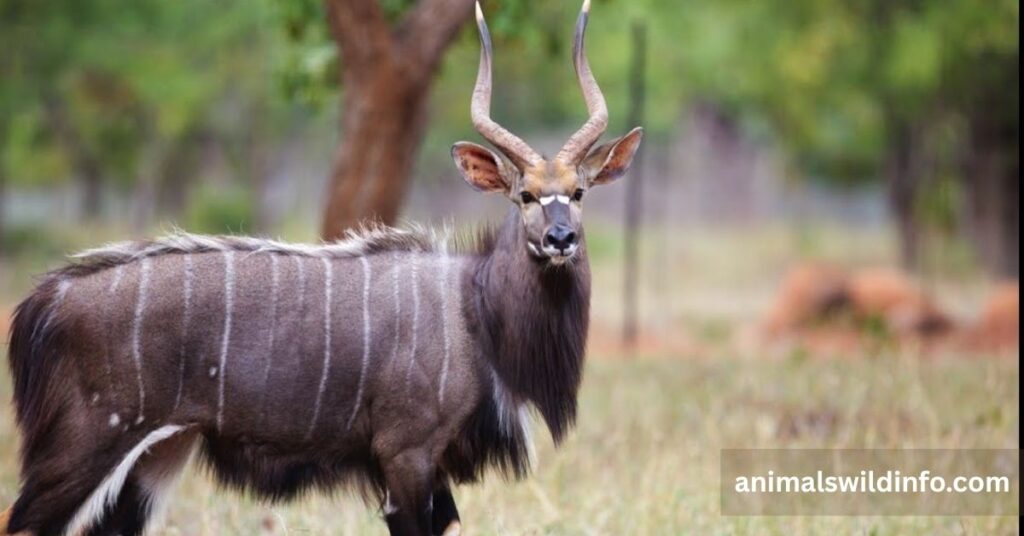
Male nyala wear a dark chocolate-brown coat dotted with white stripes and spots, while females look quite different with a lighter, more uniform coat. This antelope lives in the woodlands of southern Africa, where its markings offer solid stripe camouflage among mixed light and leaves. Nyala herds follow a matriarchal structure, with females gathering in larger groups while males often stay solitary. Their sharp barks and grunts help members stay connected, showing off complex social behavior within the species.
African Wild Ass
Scientific name: Equus africanus Class: Mammalia Diet: Herbivore
The African wild ass carries much fainter stripes than its zebra relatives, usually limited to the legs and shoulders. This subtle pattern still gives it useful camouflage across the rocky desert terrain it calls home. Wild ass herds are led by a dominant male and stay in close contact through calls and body language. Sadly, this species is now one of the most endangered striped animals, with wild populations shrinking fast due to hunting and habitat loss.
Read More: Top 30 Most Shy Animals in the World (With Pictures & Fascinating Facts)
Malayan Tapir
Scientific name: Tapirus indicus Class: Mammalia Diet: Herbivore
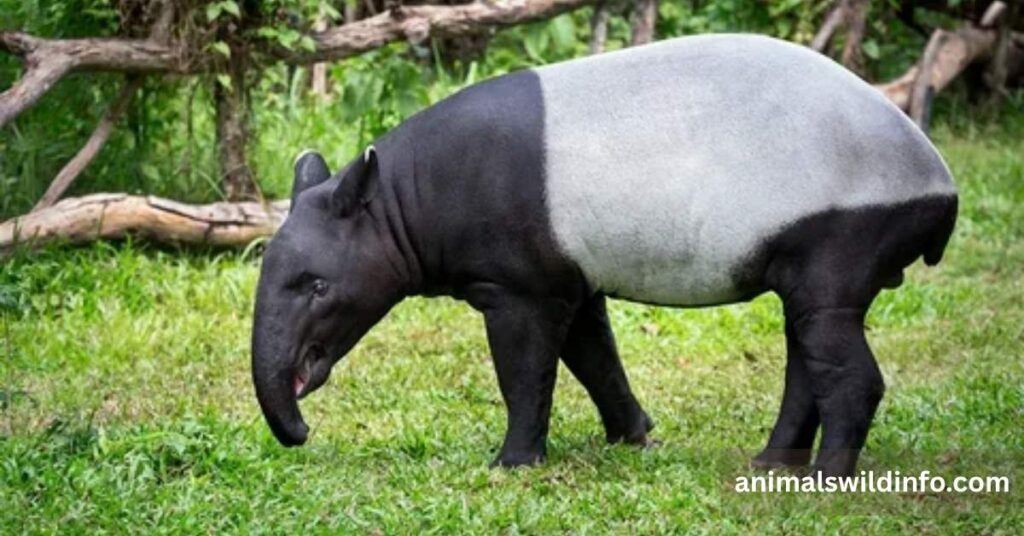
At first glance, the Malayan tapir doesn’t look striped at all. Its body splits into solid black and white halves rather than bands, but young tapirs are born with true stripes and spots that fade as they grow. This pattern helps babies hide in the dappled light of the Southeast Asian rainforest floor. As adults, tapirs help their forest ecosystem by spreading seeds from the fruit they eat, making them a quiet but important part of rainforest wildlife.
Ring-Tailed Lemur
Scientific name: Lemur catta Class: Mammalia Diet: Omnivore
The ring-tailed lemur is easy to spot thanks to its long tail wrapped in bold black and white rings. Found only on the island of Madagascar, this primate lives in groups led by females, a rare setup among mammals. Its striped tail plays a big role in social recognition, helping troop members stay together as they move through dense forest. Ring-tailed lemurs also use their tails during scent-marking battles with rival groups, adding a layer of animal communication to this already striking animal with a striped tail.
Giant-Striped Mongoose
Scientific name: Galidictis fasciata Class: Mammalia Diet: Carnivore
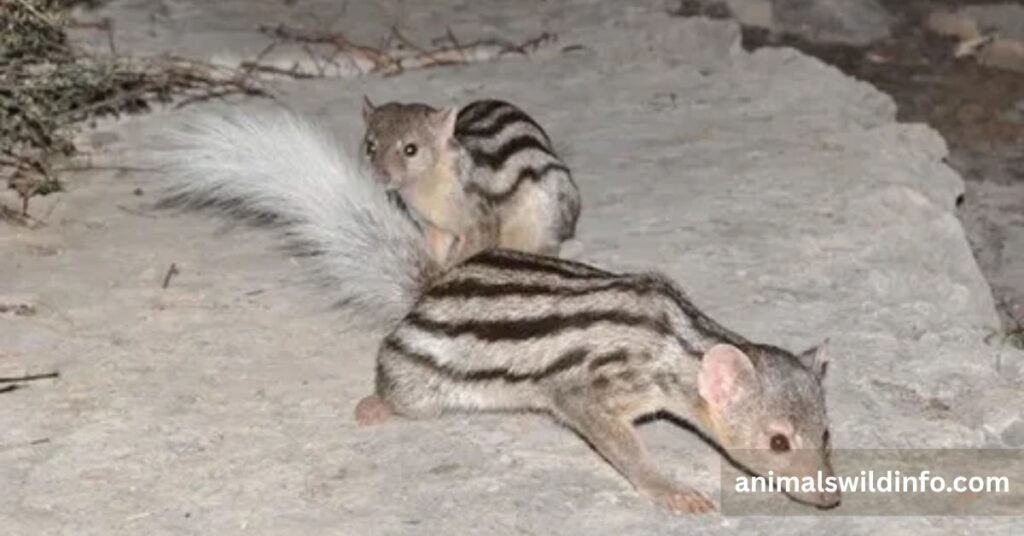
The giant-striped mongoose is one of Madagascar’s lesser-known striped mammals, but it’s just as fascinating as its more famous island neighbors. Bold stripes run along its body, giving it useful camouflage in the dappled light of the forest floor. This species lives in small family groups, which is unusual among mongooses, most of which prefer a solitary life. Cooperative hunting and shared care of young make the giant-striped mongoose a standout example of complex social behavior in a small carnivore.
Thirteen-Lined Ground Squirrel
Scientific name: Ictidomys tridecemlineatus Class: Mammalia Diet: Omnivore
This small rodent gets its name from the thirteen alternating light and dark lines running down its back. Found across the grassland regions of North America, its pattern mimics the look of grass and shifting shadows, giving it strong natural camouflage. These squirrels live in burrows and use sharp calls to warn each other when a predator like a hawk or coyote gets close. Their tight-knit colonies show how animal behavior and stripe adaptation work together to boost survival odds.
Striped Chipmunk
Scientific name: Tamias striatus Class: Mammalia Diet: Omnivore
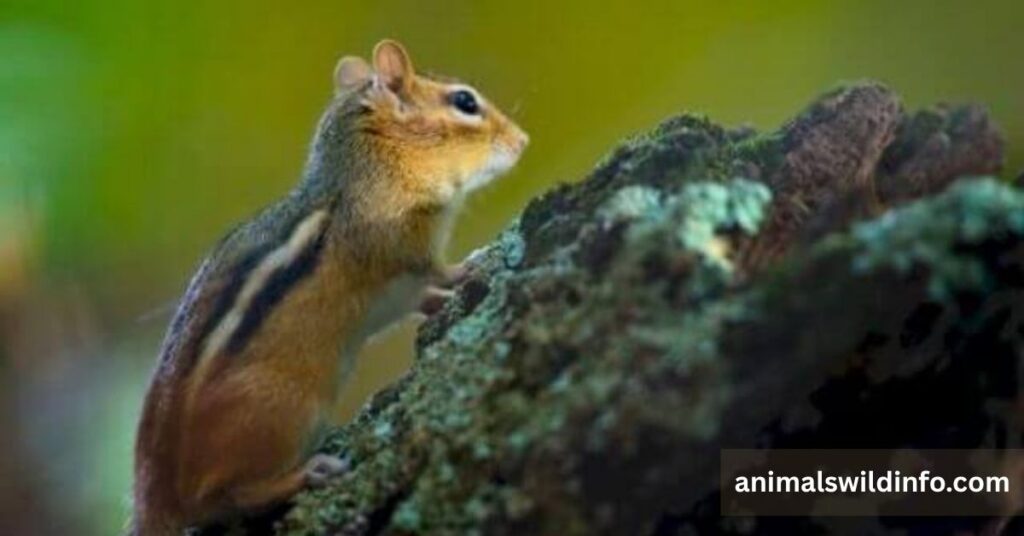
The striped chipmunk carries bold lines running from its head to its tail, making it one of the most recognizable forest animals with stripes in North America. These markings help it stay hidden among leaves and undergrowth while it forages for food. Chipmunks are famous for hoarding, storing seeds and nuts in underground caches for the colder months. Their sharp memory for these hidden stashes is just as impressive as their unique stripe patterns.
Four-Striped Grass Mouse
Scientific name: Rhabdomys pumilio Class: Mammalia Diet: Omnivore
The four-striped grass mouse is a small rodent found across southern Africa, easily identified by the four dark lines running along its back. This striped mouse is a skilled climber, often seen scaling thorny bushes in search of food or shelter. It lives in family groups with a clear social structure, an unusual trait among small rodents. Its stripe camouflage helps it stay safe while moving through open grassland, where predators are always close by.
Read More: Top 23 Animals With Long Tails (With Pictures & Amazing Facts)
Coral Snake
Scientific name: Micrurus species Class: Reptilia Diet: Carnivore
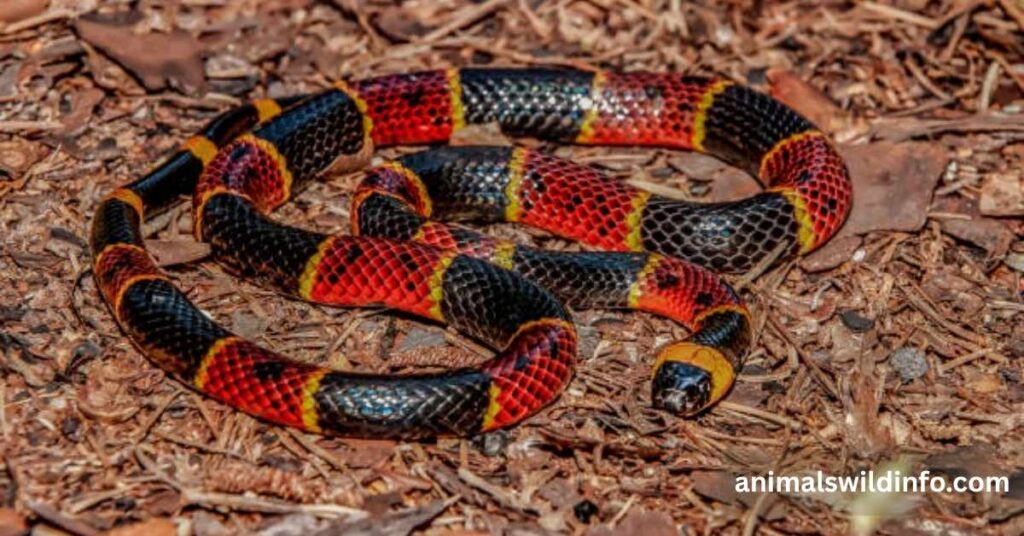
The coral snake is one of the few striped reptiles on this list, and its bands of red, yellow, and black send a clear message to anything nearby. This pattern is a textbook case of aposematism, a form of warning coloration that tells predators a bite could be dangerous. Coral snake venom is potent, and its small fangs deliver toxins deep into prey like lizards and smaller snakes. Some harmless snake species even copy this pattern through mimicry, borrowing the coral snake’s warning without carrying the actual venom.
Zebra Spider
Scientific name: Salticus scenicus Class: Arachnida Diet: Carnivore
The zebra spider proves that stripes aren’t just for big mammals and reptiles. This tiny jumping spider carries black and white bands across its body, giving it the same name as its much larger namesake. Found on walls, fences, and garden plants across much of the world, it relies on sharp eyesight rather than a web to hunt down prey. Its bold pattern may help with mimicry or simple camouflage against sunlit surfaces, showing that even the smallest creatures use animal coat patterns to survive.
Why Do Some Animals Have Stripes?
Stripes aren’t just a happy accident of nature. Across totally different species, this pattern keeps showing up because it solves real survival problems. From hiding in plain sight to staying cool in the heat, the purpose of stripes in animals covers a surprisingly wide range of needs.
Researchers have studied stripe evolution for decades, and a few clear reasons keep coming up. Below are the four biggest explanations behind why nature’s striped animals wear this pattern so often.
Camouflage and Concealment
Stripes break up an animal’s outline, making it harder for predators or prey to spot a clear shape. A tiger’s coat scatters into the tall grass, while a bongo disappears among tree trunks and shifting light. This type of camouflage in animals works because our eyes are wired to look for solid shapes, not broken patterns.
Predator Confusion
When zebras run together in a herd, their stripes blend into a moving blur that makes it hard for lions to pick out one target. Scientists call this the confusion effect, and it’s one of the clearest examples of an animal defense mechanism at work. This strategy doesn’t stop an attack, but it buys precious seconds for predator avoidance.
Communication and Recognition
Stripe patterns often work like a name tag. Zebras and tigers use their unique markings to recognize individuals within a group, supporting strong social recognition. Ring-tailed lemurs take this further, using tail stripes during visual displays to signal status or intent to other lemurs nearby.
Temperature Regulation
Some research suggests that dark and light stripes create tiny differences in heat absorption across an animal’s body. This uneven heating may cause small air currents that help cool the skin, a process tied to heat regulation. While scientists are still studying this idea in detail, it adds another layer to how wildlife adaptations like stripes can serve more than one purpose at once.
Interesting Facts About Striped Animals
Stripes hide a lot of surprising science. Here are a few facts that show just how much these patterns matter across the animal kingdom.
- No two zebras share the exact same stripe pattern, much like human fingerprints.
- Tiger stripes exist on their skin as well as their fur, so even a shaved tiger would still show its pattern.
- The four-striped grass mouse can have four, six, or even eight stripes depending on the individual.
- Coral snake mimicry is so convincing that some harmless snakes fool predators without carrying any venom at all.
- Baby tapirs lose their striped and spotted pattern as they grow into adulthood.
- Striped skunks can spray their scent up to ten feet with fairly accurate aim.
- Ring-tailed lemurs sunbathe in a yoga-like pose partly to help regulate their body temperature.
Conclusion
From the open savanna to a garden wall, stripes show up in places you’d never expect. This pattern isn’t just about good looks. It helps animals hide, defend themselves, recognize each other, and even manage body heat across wildly different habitats. Whether it’s a tiger moving through dense forest or a tiny zebra spider hunting on a fence post, stripes prove that evolution often finds the same clever solution more than once.
Many of the animals on this list face real threats from habitat loss and hunting. Protecting these species means protecting the biodiversity that makes our planet so interesting to explore. The next time you spot a striped creature, big or small, you’ll know there’s a lot more going on beneath that pattern than meets the eye.
Frequently Asked Questions
The zebra is widely considered the most common and recognizable striped animal in the world. Large populations still roam across parts of eastern and southern Africa, especially the plains zebra.
The ring-tailed lemur is one of the best-known animals with a striped tail, using its bold black and white rings for both balance and social recognition. Several chipmunk and mongoose species also carry stripes along their tails.
This comes down to personal taste, but the tiger is often named the most beautiful striped animal thanks to its bold orange and black pattern. The bongo also gets plenty of votes for its striking white stripes against a deep red coat.
Technically, the ring-tailed lemur isn’t a monkey, since lemurs belong to a separate primate group called prosimians. Among true monkeys, striped tails are rare, though some species show faint banding depending on their region and subspecies.