Top 20 Clumsy Animals in the World (With Pictures & Surprising Facts)
You’d think survival means being fast and graceful. But that’s not always true. Some of the most beloved creatures on Earth are also the most awkward animals you’ll ever see. Their awkward movement isn’t a flaw. It’s often a clue to something deeper about how they live, tied closely to animal body structure and the specific habitat each species calls home.
This guide covers 20 wonderfully clumsy animals in the world. You’ll meet funny animals that trip, stumble, and waddle their way through daily life, including animals that waddle across ice, sand, and forest floors, and animals that trip over their own limbs more often than you’d expect.
From tree-dwelling animals balancing on branches to carnivorous animals hunting despite a wobbly gait, and even omnivorous animals juggling different food sources, this list covers a huge range of wild animal adaptations. You’ll also learn why their bodies work this way, and how their clumsiness actually helps them survive. These fascinating animal facts cover animal movement patterns across land, water, and air, showing just how much evolution of animals shapes the way a creature walks, swims, or climbs. Grab a coffee, and let’s dive into nature’s funniest animals.
Read More: Top 17 Animals That Are Like Raccoons (With Pictures & Fun Facts)
List of the Top 20 Clumsy Animals in the World
Before we get into the details, here’s a quick look at the full lineup. This table gives you a snapshot of every animal we’ll cover, so you know exactly what’s coming, spanning animals with slow movements and quick-footed species alike, and touching on why animals move differently depending on where they live and what they eat.
| Number | Animal Name |
| 1 | Penguin |
| 2 | Sloth |
| 3 | Giant Panda |
| 4 | Koala |
| 5 | Camel |
| 6 | Ostrich |
| 7 | Hippopotamus |
| 8 | Harbor Seal |
| 9 | Moose |
| 10 | Capybara |
| 11 | Manatee |
| 12 | Flamingo |
| 13 | Domestic Cat |
| 14 | Walrus |
| 15 | Giraffe |
| 16 | Sea Lion |
| 17 | Baby Elephant |
| 18 | Duck |
| 19 | Basset Hound |
| 20 | Porcupine |
Each of these uncoordinated animals earned its spot for a reason. Some trip over their own feet. Others waddle so much it’s hard not to laugh. Let’s break each one down, starting with a bird that made clumsiness famous.
Penguin
Scientific name: Aptenodytes forsteri Class: Aves Diet: Carnivore
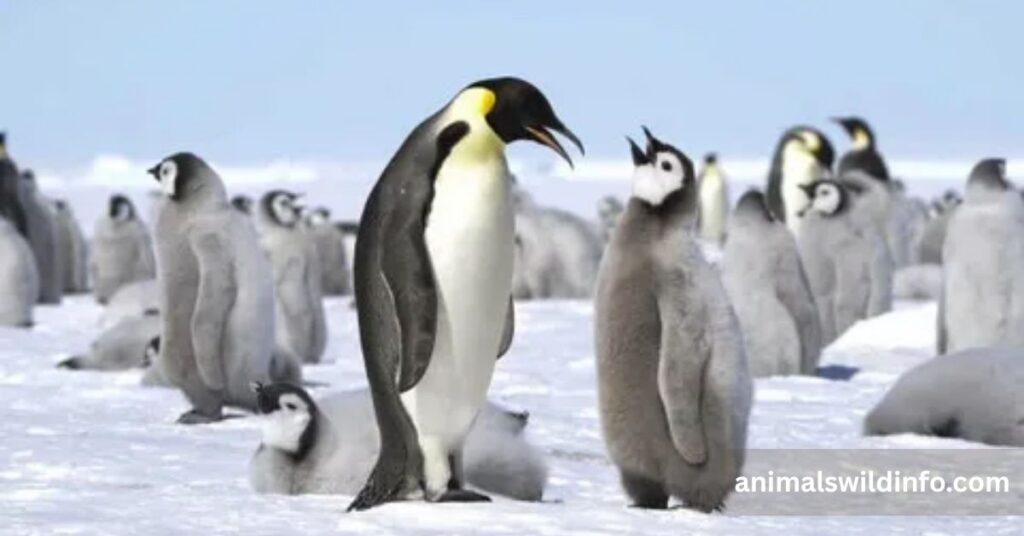
Why do penguins waddle? It comes down to their short legs and upright posture. Penguins are flightless birds, and walking on land just isn’t their strong suit. On ice, they slide, wobble, and sometimes fall flat on their bellies. But drop a penguin in water, and everything changes. Suddenly, this awkward bird turns into a torpedo. It’s one of the clearest examples of animals with awkward movements on land who become pure elegance below the surface.
This contrast is what makes penguins so lovable. Their comical waddle isn’t a design flaw. It actually helps them conserve energy while covering long, icy distances across Antarctic terrain. Penguins are also deeply social, and their little slips on the ice often happen during group huddles or courtship displays. Watching a penguin trip while carrying a pebble for its mate is a small, funny reminder that even nature’s toughest survivors have their off days. Scientists studying Antarctic colonies have noted that penguins often use a sliding technique called tobogganing, where they flop onto their bellies and push forward with their flippers. It looks clumsy, but it’s actually far more efficient than walking upright across slippery snowfields.
Sloth
Scientific name: Bradypus variegatus Class: Mammalia Diet: Herbivore
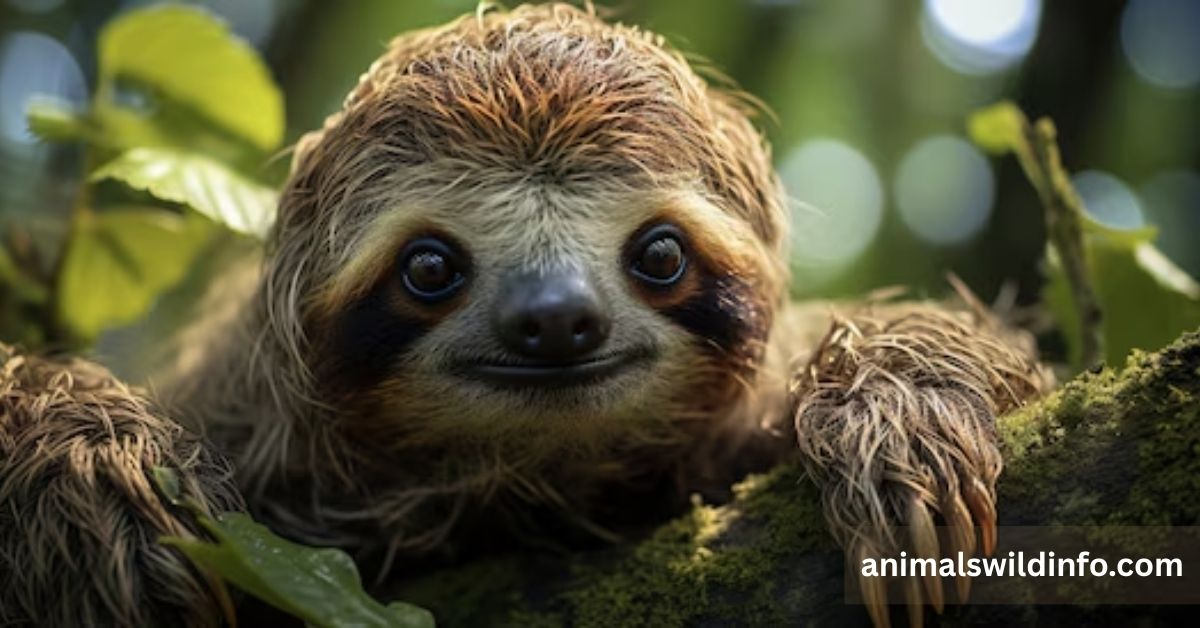
Sloths might be the calmest of all slow-moving animals. They live in the tree canopy of Central and South American rainforest habitats, and everything they do happens in slow motion. Their long limbs and curved claws look clumsy at first glance. But this deliberate pace is actually a smart survival trick. Moving slowly means burning less energy, and it also means predators like eagles have a harder time spotting sudden movement.
Sloths are a favorite example of cute clumsy animals for good reason. Algae often grows on their fur, giving them a greenish tint that works as natural camouflage. This slow, sleepy lifestyle isn’t laziness. It’s one of the smartest wildlife adaptations in the animal kingdom, allowing sloths to thrive while barely lifting a finger. Sloths even come down from the trees only about once a week, and this rare trip to the forest floor is when they look most vulnerable and awkward. Their muscles simply aren’t built for speed, so every ground-level movement becomes a slow, careful shuffle.
Giant Panda
Scientific name: Ailuropoda melanoleuca Class: Mammalia Diet: Herbivore
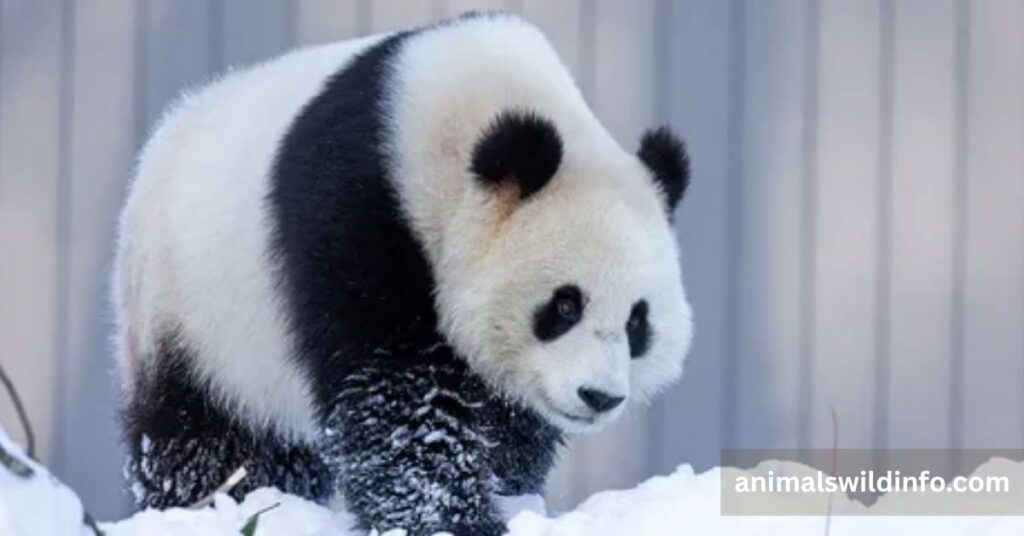
Why are pandas clumsy? Blame their diet. Giant Panda bears spend most of their day eating bamboo forest shoots, and this bamboo-heavy lifestyle leaves little time or energy for agility. Watching a panda try to climb a tree is a classic case of animal behavior meeting body limits. Their large frames and short limbs often lead to comical tumbles, especially when they misjudge a branch.
Despite the stumbles, pandas are incredibly strong and surprisingly playful. Mock wrestling matches between panda cubs are common, and so are accidental rolls down hillsides. These moments show that clumsiness doesn’t take away from an animal’s charm. If anything, it adds to it, making the giant panda one of the most photographed cute clumsy animals on the planet. Conservation programs across China have worked for decades to protect panda habitat, since bamboo forests continue to shrink due to human development. Every clumsy tumble caught on camera has helped raise awareness and funding for these efforts.
Koala
Scientific name: Phascolarctos cinereus Class: Mammalia Diet: Herbivore
Are koalas clumsy? Yes, but it’s mostly because of their strict diet. Koalas live almost entirely off eucalyptus forest leaves, which are tough, low in nutrients, and mildly toxic. Digesting this diet takes a huge amount of energy, which explains why koalas sleep up to 20 hours a day. When they do move, their shuffle between branches looks more like a sleepy stumble than a confident climb.
This low-energy lifestyle isn’t just cute. It’s a survival adaptation shaped entirely by food scarcity and toxin management. Habitat loss has made life even harder for koalas, adding urgency to conservation efforts across Australia. Every wobbly step this animal takes is a small reminder of how fragile, and how remarkable, its biology really is. Koalas also have a specialized digestive system that breaks down eucalyptus toxins slowly, which means rushing around simply isn’t an option for them, even if they wanted to.
Camel
Scientific name: Camelus dromedarius Class: Mammalia Diet: Herbivore
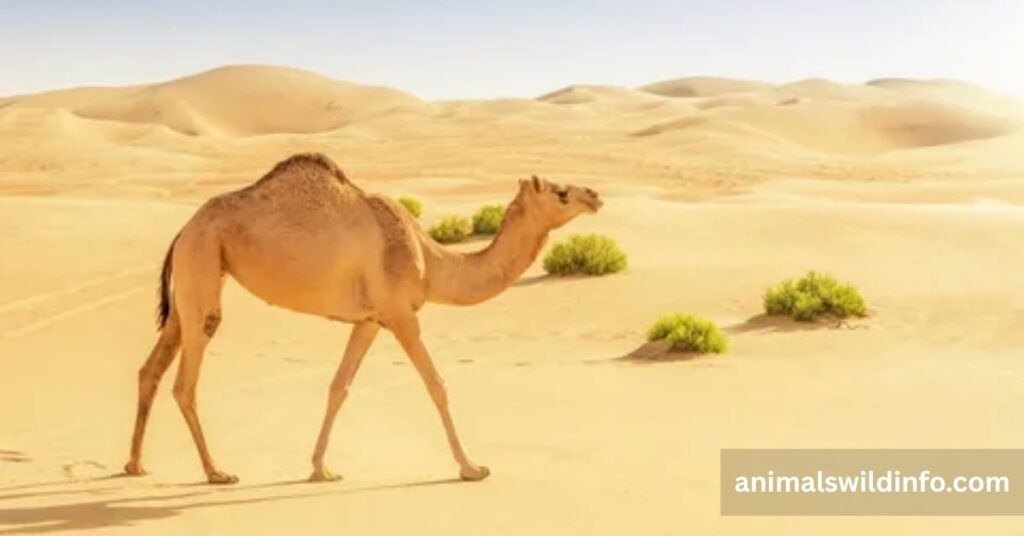
Camels are built for desert animals life, but that doesn’t mean they’re graceful. Their long legs and heavy bodies can lead to funny stumbles over shifting sand dunes. It’s a strange sight, watching such a tough, resilient animal misjudge a simple step. Yet this occasional clumsiness doesn’t slow them down much in the bigger picture.
Camels also show plenty of personality beyond their physical quirks. During courtship, males often perform awkward, exaggerated displays to attract a mate. These moments of social clumsiness reveal a surprisingly expressive side to an animal known mostly for endurance. It’s proof that even tough desert survivors have a goofy streak. Their wide, padded feet actually help distribute weight evenly across loose sand, which cuts down on some stumbles even if it doesn’t eliminate them entirely.
Ostrich
Scientific name: Struthio camelus Class: Aves Diet: Omnivore
Ostriches are fast. In fact, they’re the fastest of all waddling birds, capable of hitting 45 miles per hour across the open savanna. But speed doesn’t always mean grace. Their large bodies and tiny wings can make sudden turns look clumsy and chaotic. Watching an ostrich try to change direction quickly is one of nature’s funnier sights.
Still, this awkwardness serves a purpose. Ostriches rely on raw speed to escape predators, and their body shape supports long, efficient strides rather than smooth turns. It’s a perfect example of how animal locomotion doesn’t always look pretty, even when it works extremely well. Their long legs also pack a powerful kick, which more than makes up for any lack of grace when a predator gets too close.
Hippopotamus
Scientific name: Hippopotamus amphibius Class: Mammalia Diet: Herbivore
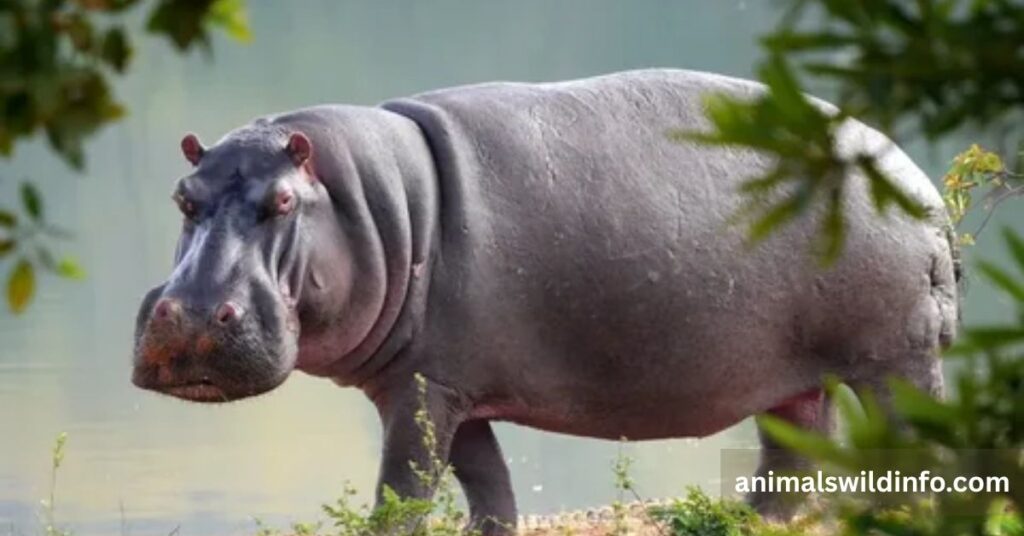
Hippos challenge everything you’d expect from clumsy land animals. On land, their massive bodies look slow and heavy. But hippos can move surprisingly fast over short distances when they need to. In water, they become something else entirely. Their buoyant bodies glide with quiet ease through rivers and lakes across Africa.
This split personality is what makes hippos so fascinating. On land, they seem like classic gentle giants with clumsy footwork. In water, they transform into smooth, controlled swimmers. It’s a reminder that appearances can be deceiving, especially when it comes to animal agility in different environments. Hippos spend most daylight hours submerged, only their eyes and nostrils breaking the surface, which explains why their aquatic grace often surprises first-time observers so much.
Harbor Seal
Scientific name: Phoca vitulina Class: Mammalia Diet: Carnivore
Harbor seals are graceful swimmers, but that grace disappears the moment they touch dry land. As marine mammals, their flippers are built for water, not walking. On rocky shores, seals shuffle and flop along the ground, often looking like they’re doing an awkward belly crawl. It’s clumsy, but it’s also strangely endearing to watch.
Beyond the physical comedy, harbor seals are surprisingly social. Groups gather along coastal waters, communicating through barks and honks. Researchers believe these sounds help strengthen social bonds. So while a seal might look silly flopping onto the beach, it’s often on its way to join a lively, chatty group of friends. Their whiskers, called vibrissae, are extremely sensitive and help them track fish underwater, which explains how something so clumsy on land becomes such a skilled hunter once submerged.
Moose
Scientific name: Alces alces Class: Mammalia Diet: Herbivore
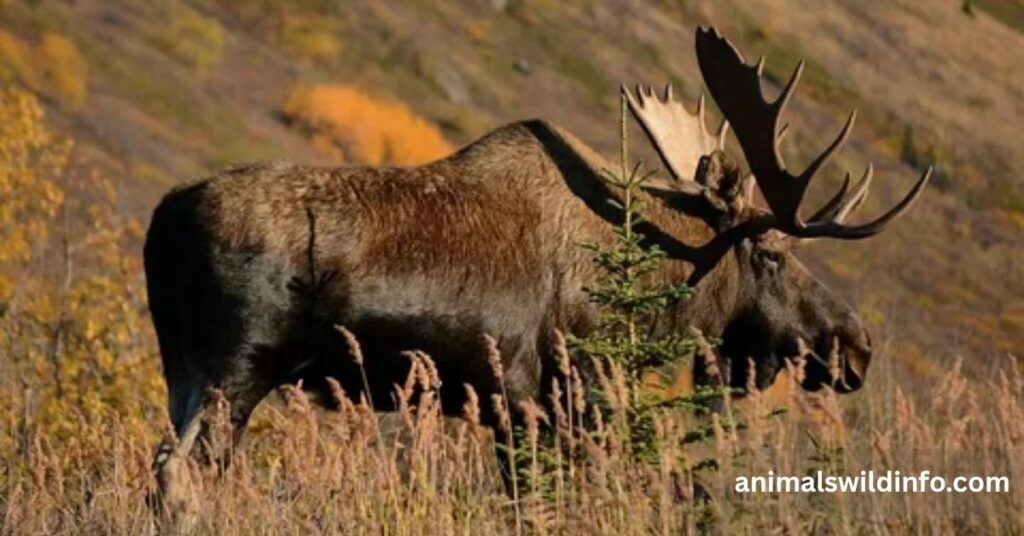
Moose are massive, and their size doesn’t always work in their favor. As one of the tallest forest animals in North America, moose often trip over roots or slip on icy patches while moving through dense underbrush. Their long legs, while great for wading through snow, can look downright clumsy on uneven ground.
Interestingly, moose are excellent swimmers despite their bulky frame. They paddle confidently through lakes in search of aquatic plants, showing far more control in water than on land. This contrast highlights how unique animal movements often depend entirely on the environment an animal finds itself in. Moose can even dive several feet underwater to reach plants growing on lake bottoms, holding their breath far longer than most people would expect from such a large land mammal.
Capybara
Scientific name: Hydrochoerus hydrochaeris Class: Mammalia Diet: Herbivore
Capybaras are the largest rodents in the world, and they’re proud members of the semi-aquatic mammals club. On land, their barrel-shaped bodies and webbed feet make for a slightly awkward waddle. But get them near water, and capybaras move with surprising ease, gliding through rivers and ponds across South America.
What really stands out is their social side. Capybaras love lounging in groups, often piling on top of each other for warmth or comfort. This closeness sometimes leads to funny, clumsy tumbles, especially when a younger capybara misjudges a jump onto a friend’s back. It’s a small but perfect example of endearing wildlife in action. Capybaras are also known to share space peacefully with birds, turtles, and even caimans, making them one of the most easygoing residents of their wetland ecosystem.
Manatee
Scientific name: Trichechus manatus Class: Mammalia Diet: Herbivore
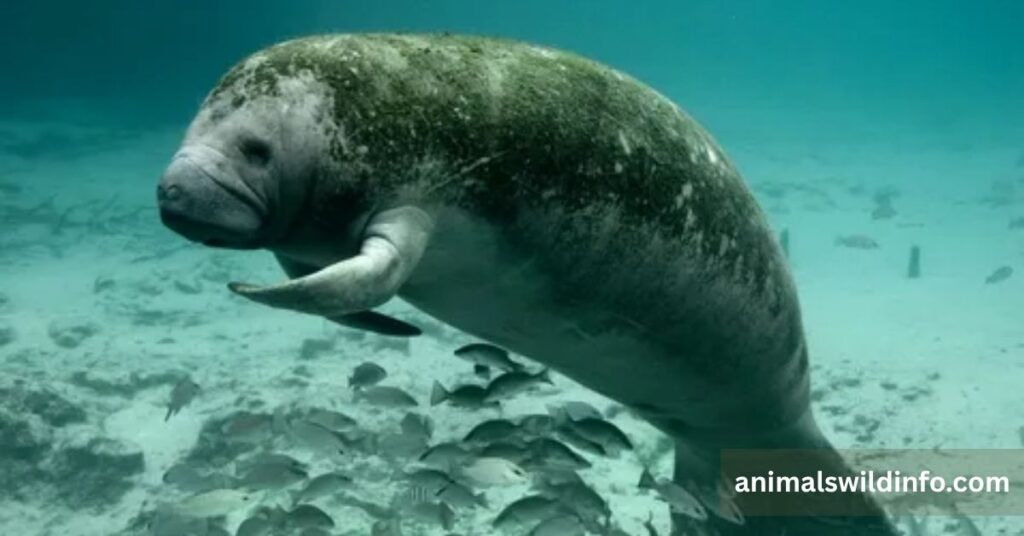
Manatees, often called sea cows, move slowly through freshwater habitats and coastal waters alike. Their large, round bodies aren’t built for speed, and navigating shallow areas can lead to clumsy encounters with docks or sandbanks. Still, there’s a certain calm elegance to how they drift through their environment.
This slow pace isn’t wasted energy. It actually helps manatees conserve strength while grazing on sea grasses for hours at a time. Their gentle foraging even helps aerate the ocean floor, supporting healthier underwater ecosystems. Manatees prove that being one of the slow-moving animals in the sea can still serve an important ecological role. Boat strikes remain one of the biggest threats to manatees, since their unhurried pace makes it hard for them to dodge fast-moving watercraft in busy waterways.
Flamingo
Scientific name: Phoenicopterus roseus Class: Aves Diet: Omnivore
Flamingos look elegant from a distance, standing tall in shallow wetlands on those iconic pink legs. Up close, though, their balance isn’t always perfect. Their oddly bending knee joints can make walking look wobbly, especially when a flock rushes to move together. It’s one of the more surprising examples of animals that stumble despite looking so refined.
This clumsiness actually plays into their social world. When one flamingo trips, it often triggers a ripple of movement through the group. These small, shared moments help reinforce flock bonds, showing that even minor stumbles can carry real social meaning among these striking, pink birds. Flamingos can also sleep while standing on one leg, a balancing trick that seems to contradict their otherwise wobbly reputation entirely.
Read More: Top 22 Animals With Flippers (With Pictures & Fascinating Facts)
Domestic Cat
Scientific name: Felis catus Class: Mammalia Diet: Carnivore
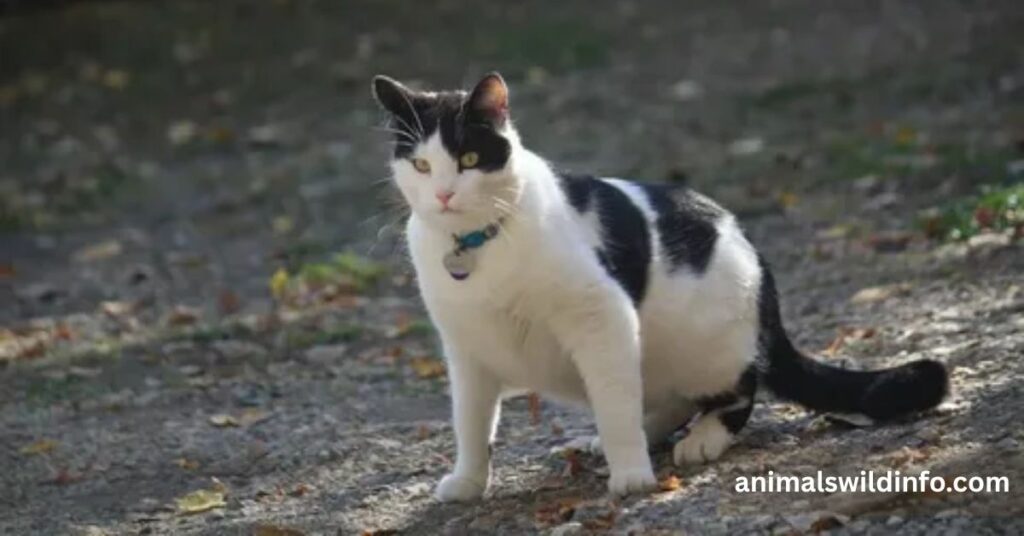
Cats have a reputation for grace, but anyone who owns one knows that reputation doesn’t always hold up. A missed jump off the couch, or a dramatic slip on a hardwood floor, are classic examples of animals that fall often in surprisingly funny ways. These moments blend elegance with pure chaos in a single leap.
What’s interesting is how personality shapes this clumsiness. A cautious cat might fumble out of hesitation, while a bold one dives headfirst into trouble without a second thought. Either way, these little missteps give us a glimpse into the playful, curious nature that makes domestic cats endlessly entertaining companions. Their whiskers actually help them judge tight spaces, though even that built-in radar doesn’t stop the occasional embarrassing fall off a windowsill.
Walrus
Scientific name: Odobenus rosmarus Class: Mammalia Diet: Carnivore
Walruses are true Arctic animals, built for life on ice and in freezing water. On land, their heavy bodies move in a slow, lumbering shuffle, often accompanied by loud grunts and awkward flops. But once they slide into the water, walruses become smooth, confident swimmers, completely at home in their icy world.
Their long tusks add another layer to this story. Walruses use them for dominance displays and for hauling themselves onto ice floes. In crowded colonies, hundreds of walruses jostle for space, creating a noisy, chaotic scene. It’s a strange kind of harmony, where awkwardness and community come together perfectly. Thick layers of blubber keep walruses warm in freezing water, though that same insulation adds to the heavy, ungainly look they carry once they’re back on solid ice.
Giraffe
Scientific name: Giraffa camelopardalis Class: Mammalia Diet: Herbivore
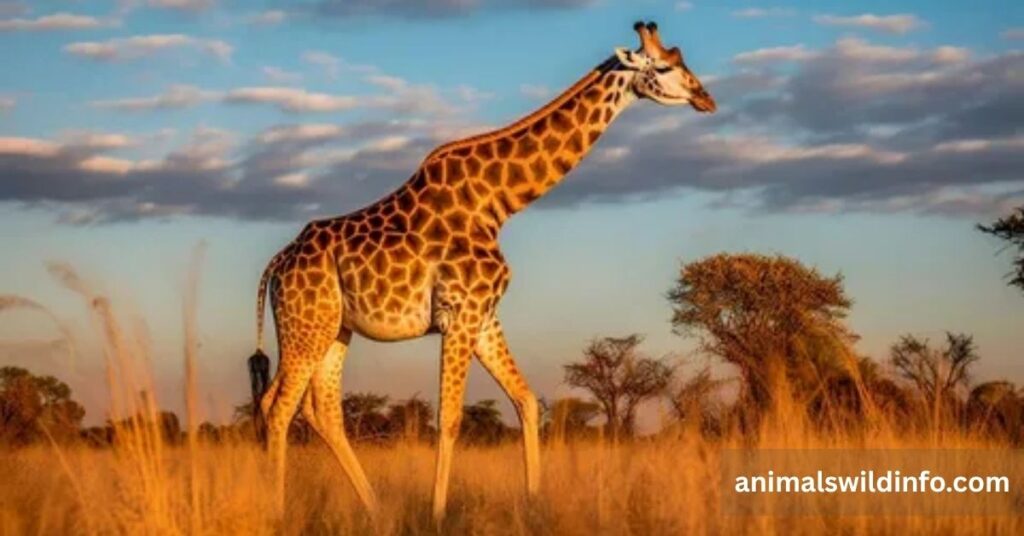
Giraffes are famous for their height, but that height comes with a price. Bending down for water often turns into an awkward balancing act, with legs splayed in every direction. Walking through dense brush can be tricky too, since giraffes must carefully manage limbs that seem almost too long for their own bodies.
Social moments add even more charm to this clumsiness. During mutual grooming, giraffes sometimes misjudge their massive necks, leading to funny, tangled repositioning. Despite these awkward moments, giraffes remain one of the most graceful-looking herbivorous animals in the savanna, proving that clumsiness and beauty can absolutely coexist. Even lying down can look risky for a giraffe, since getting back up requires an awkward, multi-step process that leaves them briefly vulnerable to predators.
Sea Lion
Scientific name: Zalophus californianus Class: Mammalia Diet: Carnivore
Sea lions are playful, vocal, and often quite clumsy on rocky shores. Their signature belly flops and awkward rolls make them a favorite at marine parks, where audiences love watching their comedic tumbles. Despite their strong, streamlined bodies, sea lions frequently lose their footing on slippery rocks.
These blunders actually strengthen their social bonds. Sea lions are highly communal, and a clumsy flop into a group often triggers a chorus of barks in response. It’s a reminder that even among skilled swimmers, life on land brings out a much goofier, more relatable side. Trainers at marine parks often note that sea lions learn tricks quickly, showing that their clumsy stumbles have nothing to do with a lack of intelligence.
Baby Elephant
Scientific name: Loxodonta africana Class: Mammalia Diet: Herbivore
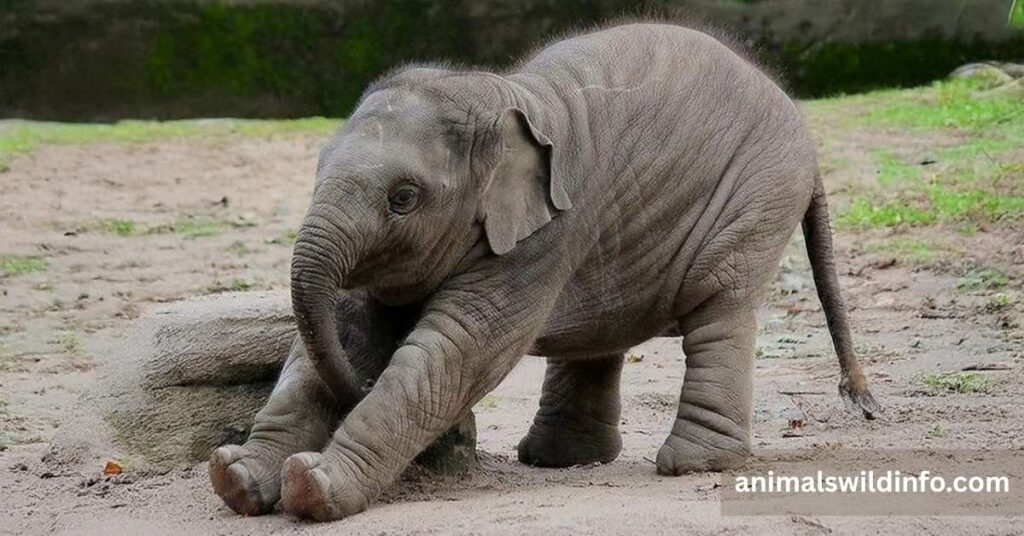
Watching a baby elephant learn to walk is one of the most heartwarming examples of cute animal facts in the wild. Their oversized ears and wobbly legs make every step look uncertain, and tumbles are common as they figure out how to control their own growing bodies. Each stumble is really just a lesson in balance.
Family support plays a huge role in this early clumsiness. Matriarchs and older siblings often step in to help a young elephant back onto its feet. This built-in safety net shows just how important social structure is for survival, especially during the most awkward, uncoordinated stage of an elephant’s life. Within just a few months, though, most calves gain enough strength and coordination to keep pace with the herd during long migrations.
Duck
Scientific name: Anas platyrhynchos Class: Aves Diet: Omnivore
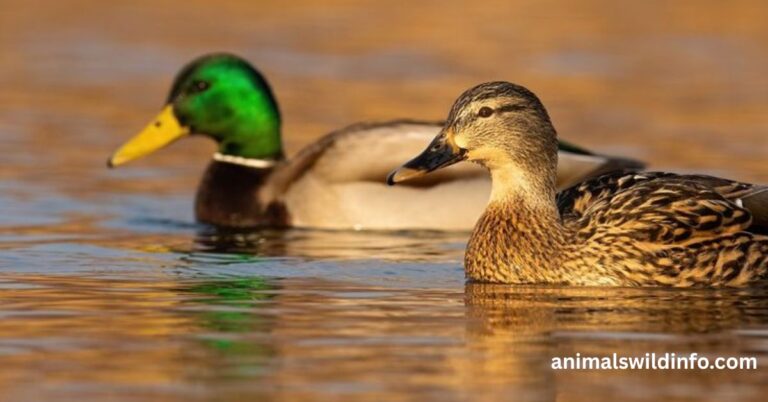
Ducks are some of the most recognizable waddling birds around, and their side-to-side walk is instantly familiar. Their webbed feet, perfectly designed for paddling through water, make walking on land look stiff and clumsy. Ducks often trip over uneven ground or their own feet while rushing toward a pond.
The moment they hit water, though, everything changes. Ducks glide smoothly across ponds and lakes, showing off the same animal locomotion contrast we’ve seen in penguins and seals. It’s a small but perfect example of how body parts built for one environment can look awkward in another. Ducklings often waddle in a tight line behind their mother, and this clumsy little parade is one of the most photographed sights at any local pond.
Read More: Top 17 Thickest Skin Animals in the World (With Pictures & Amazing Facts)
Basset Hound
Scientific name: Canis lupus familiaris Class: Mammalia Diet: Carnivore
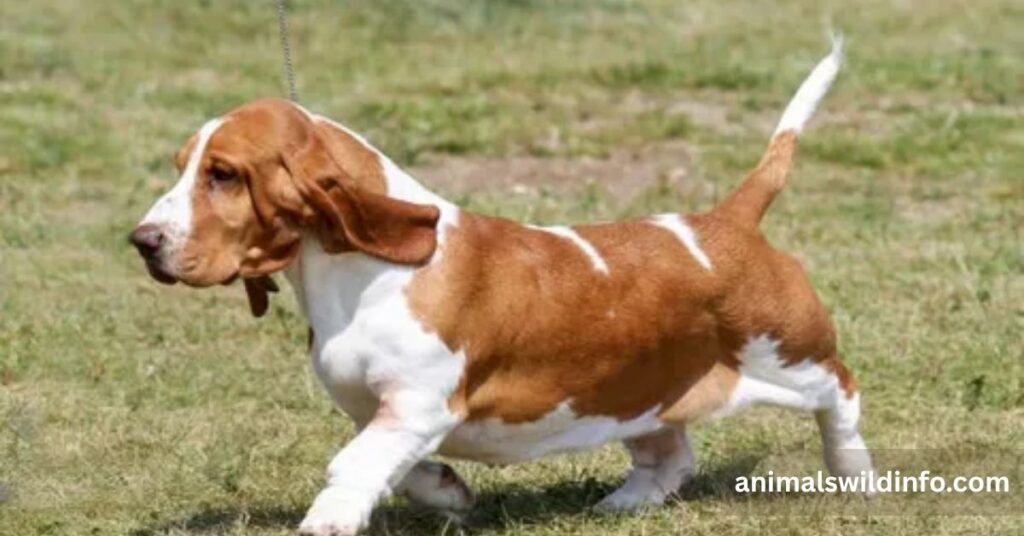
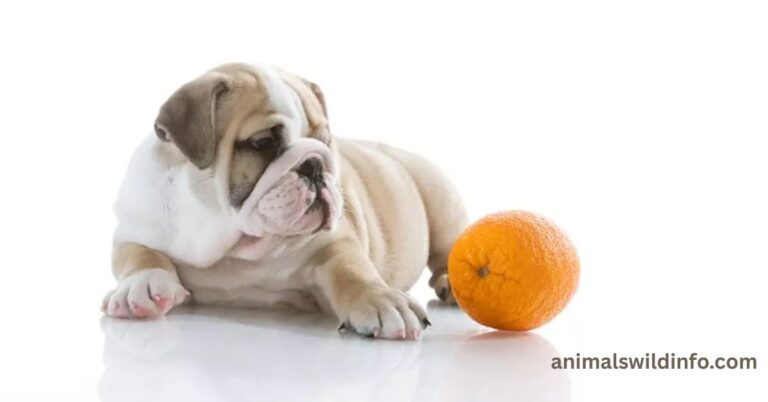
Basset Hounds are famous for their long ears and short, stubby legs, and that body shape leads to plenty of clumsy moments. Their droopy ears often get in the way during meals or walks, and their low center of gravity makes quick turns look comically awkward. It’s a breed built more for scent tracking than smooth movement.
Despite the clumsiness, Basset Hounds are beloved companions with a gentle, easygoing temperament. Their funny stumbles and slow, deliberate pace only add to their charm. Few dog breeds capture funny animal behavior as consistently and affectionately as this one. Their incredible sense of smell, ranked among the best of any breed, more than makes up for the lack of speed or coordination in their step.
Porcupine
Scientific name: Erethizon dorsatum Class: Mammalia Diet: Herbivore
Porcupines carry thousands of sharp quills, and that heavy, spiky coat isn’t exactly built for smooth movement. Their waddling walk and slow pace often make them look clumsy as they shuffle through forests in search of food. Climbing trees can be an especially awkward task, given their bulky, quill-covered bodies.
That said, this clumsiness comes with a serious trade-off in their favor. Porcupines don’t need speed or grace, because their quills offer powerful protection against most predators. It’s one of the clearest survival adaptations on this list, proving that being slow and awkward can still mean being safe. A single porcupine can carry up to 30,000 quills, and each one detaches easily on contact, giving would-be attackers a painful reason to keep their distance.
Why Are Some Animals So Clumsy?
Why are some animals clumsy? The answer usually comes down to trade-offs, and it’s one of the most common questions people ask when browsing wildlife facts online. Nature rarely builds a creature that excels at everything, which is a key part of understanding animal adaptations across different species. A body shaped for swimming, like a seal’s flippers, will almost always struggle on land. Animals evolve to master one environment, and clumsiness in another setting is simply the price of that specialization.
Diet plays a huge role too. Koalas and pandas both eat low-energy foods, which forces their bodies to slow down and conserve strength wherever possible. This isn’t a design flaw. It’s a smart, efficient use of limited resources. Body size matters as well, since larger animals like moose and giraffes often carry proportions that simply weren’t built for quick, precise movement.
Understanding wildlife adaptations like these helps explain why clumsiness often hides a much smarter strategy underneath, one shaped by animal evolution across millions of years of trial, error, and natural selection. This process rarely happens in isolation. Every species adapts alongside its natural habitat, and predator avoidance often shapes body structure just as much as diet or climate does.
Common Traits of Clumsy Animals
Most clumsy mammals, clumsy birds, and clumsy marine animals share a few physical traits in common, and studying their animal body structure side by side makes the pattern easy to spot. Long limbs, top-heavy bodies, webbed feet, and oversized features like ears or tusks all contribute to awkward movement on land. These same features often become huge advantages in water, air, or dense forest, depending on the species.
Behavior matters just as much as body shape. Many of these animals move slowly, rely on group living for protection, and show social bonding through shared clumsy moments, like flamingos tripping together or sea lions flopping into a group. These patterns reveal a lot about animal characteristics and how coordination trades off against other survival needs. You’ll also notice that many clumsy species split their time between two very different environments, like land and water, which naturally makes one setting feel more comfortable than the other.
This kind of natural animal behavior shows up again and again once you start looking closely, from the way a duck waddles to the way a giraffe folds its legs to lie down. Many of these species are also deeply social animals, and group living plays a big role in their overall animal physiology, shaping everything from body fat storage to muscle development over a lifetime.
How Clumsy Animals Survive in the Wild
How animals survive despite looking so uncoordinated is one of the most common questions in animals in the wild, and it shows up constantly in searches about animal coordination and animal locomotion facts. Often, their clumsiness comes paired with a hidden strength. A hippo looks slow on land but moves confidently through rivers. A porcupine can’t outrun predators but doesn’t need to, thanks to its quills. These trade-offs are central to animal survival strategies across nearly every habitat on Earth.
Social structure adds another layer of protection. Elephants rely on matriarchs, sea lions rely on group alertness, and walruses rely on crowded colonies for safety. This kind of community support helps balance out individual clumsiness, showing that survival isn’t only about personal skill. Sometimes, it’s about the strength of the group around you.
Wildlife conservation efforts increasingly factor in these behavioral patterns too, since protecting a species often means protecting the social systems that keep clumsy individuals safe within a larger, more capable group. This matters for the health of the entire wildlife ecosystem, since removing even one clumsy species can throw off ecosystem balance in ways that ripple far beyond a single habitat, affecting plants, predators, and neighboring species alike. It shows just how much animal intelligence goes into surviving, even when the movement itself looks far from graceful.
Final Thoughts
The world’s clumsiest animals remind us that nature doesn’t demand perfection. From the wobbly penguin to the tumbling baby elephant, these creatures charm us precisely because of their flaws, not despite them. Their stumbles and waddles make them relatable in a way that pure grace never could.
So next time you spot an animal tripping, waddling, or flopping around, take a moment to appreciate it. That clumsiness is often the result of millions of years of clever, quiet evolution. Nature’s imperfect movers are proof that survival comes in many shapes, and not all of them are graceful. Whether it’s a duck waddling toward a pond or a giraffe folding itself down for a drink, these small moments remind us that biodiversity thrives on differences, not uniformity. Real strength doesn’t always look sleek or polished, and these 20 animals prove that point again and again, one funny stumble at a time.
Frequently Asked Questions
Penguins, sloths, giant pandas, koalas, and baby elephants are among the most well-known awkward animals in the world. Each one shows clumsy movement in a different way, whether it’s waddling, tripping, or stumbling through daily life.
There’s no single answer, but penguins and baby elephants are often named the most awkward animals, thanks to their wobbly walks and frequent tumbles on land.
Flamingos, giraffes, and moose all show signs of poor coordination on land, mostly due to their long, ungainly legs. These traits make them classic examples of animals with poor balance.
Giant pandas and domestic cats fit this description well. Both show real intelligence and problem-solving skills, yet still manage plenty of clumsy, funny mishaps in their day-to-day movements.