Top 14 Animals That Eat Cactus (With Pictures & Interesting Facts)
Picture a desert at noon. The sun beats down. Water is nowhere in sight. Most plants wilt or die in this kind of heat, but cactus stands tall. It stores water, grows spines for defense, and somehow still becomes lunch for a surprising number of creatures.
You might think spines would keep every hungry animal away. They don’t. Across the Sonoran Desert, the Mojave Desert, and other North American deserts, a whole cast of tough, clever animals have learned to eat cactus safely. Some crave the water inside. Others want the sweet fruit on top. A few just need something to eat when nothing else grows.
This guide walks you through 14 animals that eat cactus, how they pull it off without getting hurt, and why cactus matters so much to desert wildlife. Let’s dig in.
What Animals Eat Cactus?
A lot more animals eat cactus than you’d guess. Mammals, reptiles, and even birds all take a bite when the opportunity comes up. In the desert ecosystem, cactus works like a hidden pantry. It holds water, fiber, and sugar inside a tough, spiny shell, and that combination draws in everything from tiny rodents to full-grown camels.
Some animals nibble cactus only when times get tough. Others build their whole diet around it. Either way, this plant plays a bigger role in desert food chain dynamics than most people realize. Once you see how many species rely on it, the desert starts to look less empty and a lot more alive.
List of Animals That Eat Cactus
Here’s the full lineup. Each animal below has its own way of handling the spines, and each one gets something different out of the deal.
| Animal | Scientific Name | Class | |
| 1 | Camels | Camelus dromedarius | Mammalia |
| 2 | Desert Bighorn Sheep | Ovis canadensis nelsoni | Mammalia |
| 3 | Javelinas (Peccaries) | Pecari tajacu | Mammalia |
| 4 | Prairie Dogs | Cynomys ludovicianus | Mammalia |
| 5 | Cactus Wren | Campylorhynchus brunneicapillus | Aves |
| 6 | Rabbits (Jackrabbits & Cottontails) | Lepus californicus | Mammalia |
| 7 | Pack Rats | Neotoma spp. | Mammalia |
| 8 | Kangaroo Rats | Dipodomys spp. | Mammalia |
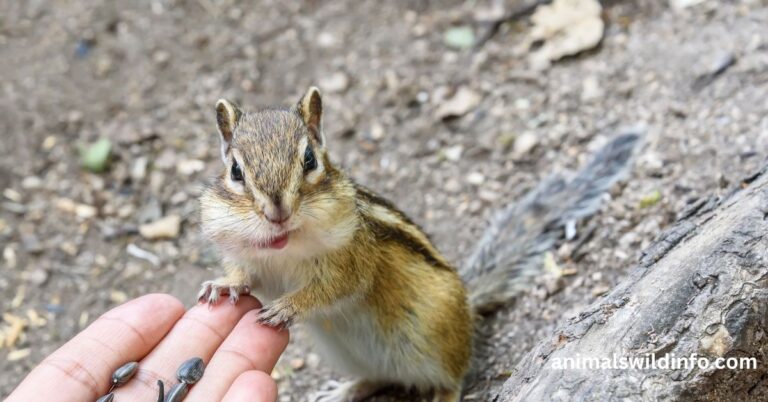
| 9 | Ground Squirrels | Xerospermophilus tereticaudus | Mammalia |
| 10 | Desert Tortoises | Gopherus agassizii | Reptilia |
| 11 | Pronghorn Antelope | Antilocapra americana | Mammalia |
| 12 | Desert Iguanas | Dipsosaurus dorsalis | Reptilia |
| 13 | Mule Deer | Odocoileus hemionus | Mammalia |
| 14 | Galápagos Giant Tortoise | Chelonoidis niger | Reptilia |
Camels
Scientific Name: Camelus dromedarius Class: Mammalia
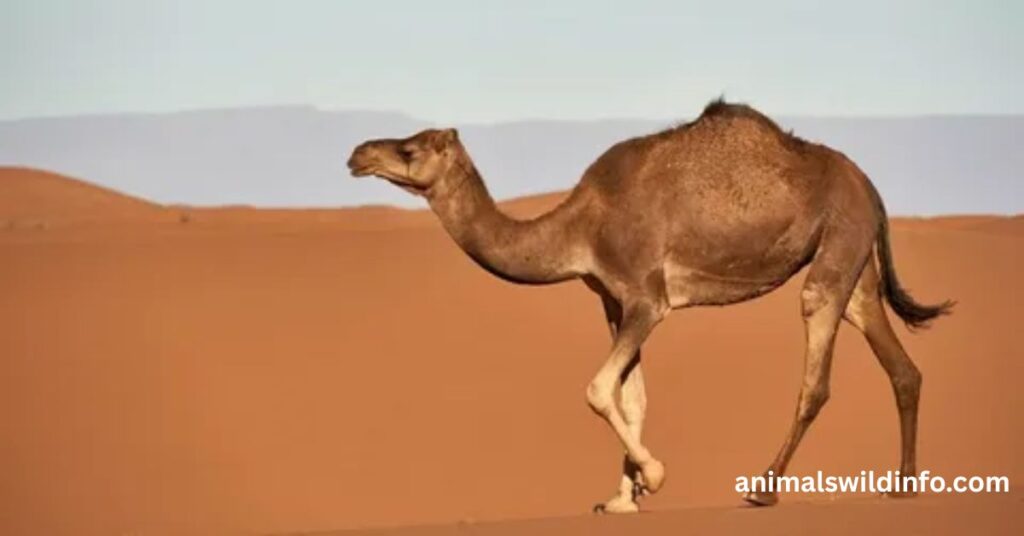
Camel eating cactus sounds strange at first, but it’s a normal part of life for these desert giants. When grass runs out, camels turn to cactus without much hesitation. Their thick lips and tough mouth let them chew right through the spiny pads, and they barely slow down while doing it.
Cactus gives camels more than just food. It gives them water, too. In places where rain barely falls, this hidden moisture keeps a camel going for days. That’s a big part of why camels can cross brutal stretches of desert that would stop most other animals cold.
Read More: Top 25 Scavenger Animals In The World (With Pictures & Facts)
Desert Bighorn Sheep
Scientific Name: Ovis canadensis nelsoni Class: Mammalia
Bighorn sheep cactus feeding happens more often than you’d expect, especially on rocky slopes where grass struggles to grow. These sheep use their tough lips to strip away spines before they bite into the soft flesh underneath. It’s a slow process, but it works.
Beyond the meal itself, bighorn sheep help the desert in a quiet way. As they eat, cactus seeds pass through their gut and land in new patches of soil. This kind of seed dispersal helps cactus populations spread, which keeps the whole desert ecosystem balance a little healthier over time.
Javelinas (Peccaries)
Scientific Name: Pecari tajacu Class: Mammalia
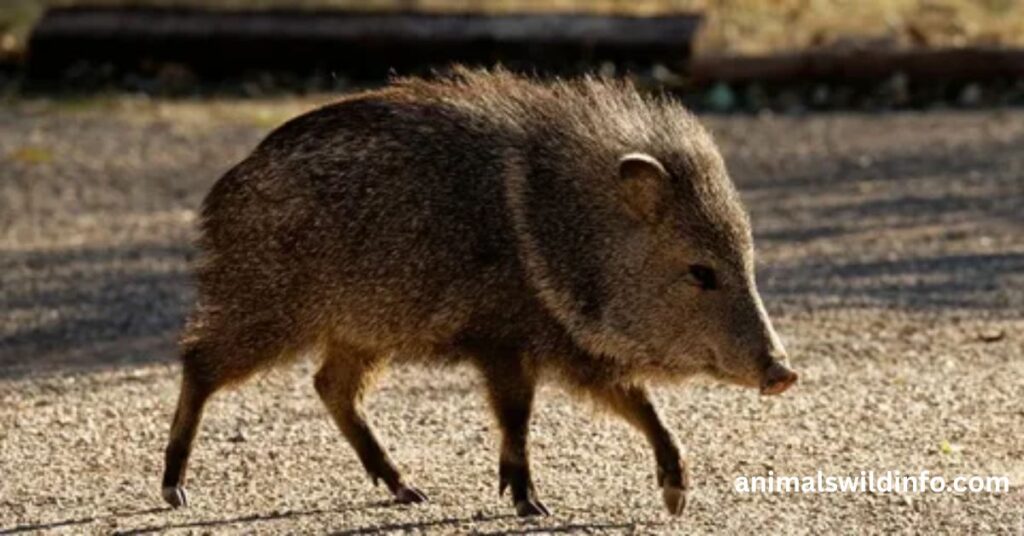
Ask anyone who studies the javelina cactus diet, and they’ll tell you: prickly pear is basically a javelina’s favorite food. These stocky animals use sharp incisors to tear through spines, then dig into the juicy pads and fruit hiding beneath. Watching one eat is honestly kind of impressive.
Javelinas travel in small groups, and they forage together as a team. That teamwork pays off, since more eyes and noses mean faster access to ripe cactus. Their omnivore diet also includes roots and insects, but cactus remains a steady favorite whenever it’s around.
Prairie Dogs
Scientific Name: Cynomys ludovicianus Class: Mammalia
The prairie dog diet leans heavily on grasses most of the year, but cactus steps in when drought hits. These small burrowers nibble carefully around the spines, using quick, precise bites to reach the moisture-rich center. It’s a skill they seem to pick up fast.
During dry spells, cactus becomes a genuine lifeline for prairie dog colonies. The water inside helps whole groups survive stretches where rainfall barely shows up. This flexible, herbivore diet is one reason prairie dogs manage to thrive across such a wide range of harsh, unpredictable habitats.
Cactus Wren
Scientific Name: Campylorhynchus brunneicapillus Class: Aves
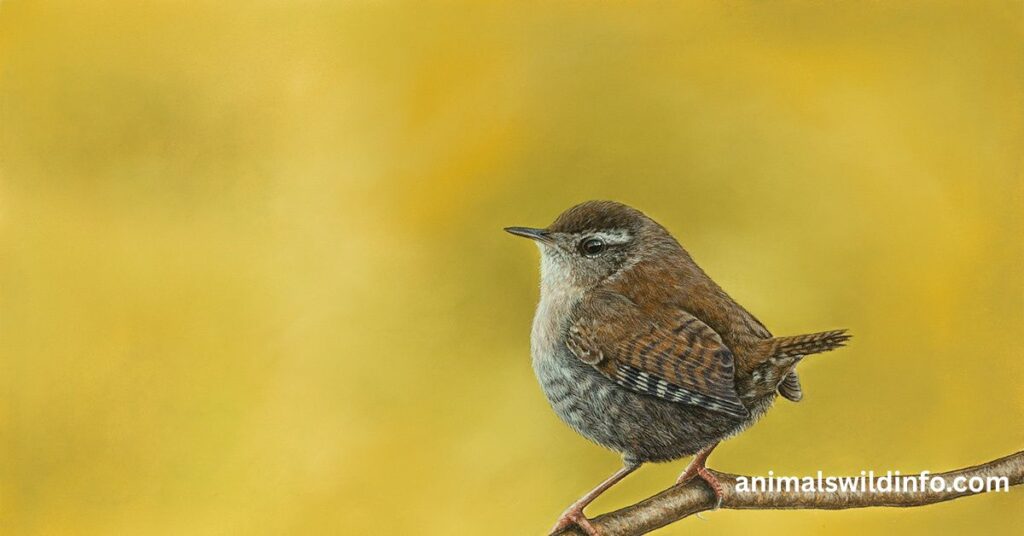
The cactus wren food list includes insects, seeds, and, notably, cactus fruit itself. This chatty desert bird nests right inside cactus branches, using the spines as built-in armor against predators. It’s a smart trade: a little danger from thorns in exchange for a lot of safety.
Beyond nesting, the cactus wren plays a role in the plant’s life cycle too. As it eats cactus fruit and scatters the seeds, it supports cactus reproduction across the landscape. This kind of bird diet shows how even small creatures shape the bigger picture of desert life.
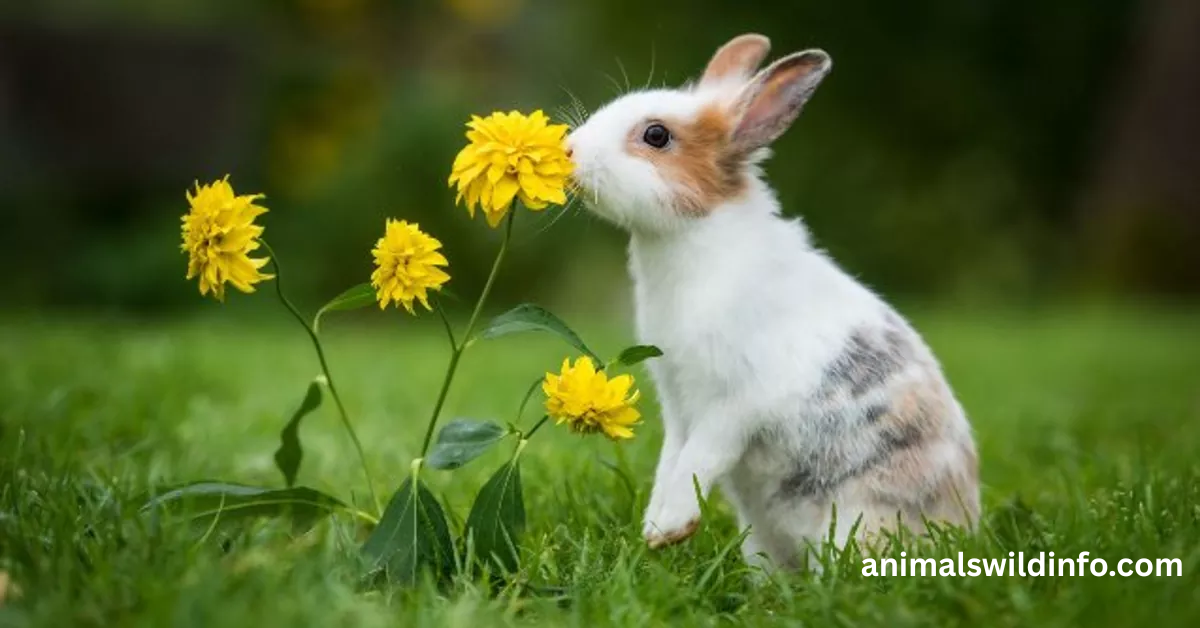
Rabbits (Jackrabbits & Cottontails)
Scientific Name: Lepus californicus Class: Mammalia
Rabbit eating cactus is a common sight once you know where to look. Jackrabbits and cottontails both use sharp front teeth to slice through tough cactus pads, and they do it quickly, almost like they’ve had years of practice. In many ways, they have.
Cactus offers rabbits something grass can’t always provide during hot, dry months: hydration. That cactus moisture keeps them going when nearby water sources dry up completely. It’s a simple survival trick, but it’s one that makes a real difference for these fast, adaptable little mammals.
Read More: Top 7 Animals That Are Deaf (With Pictures & Interesting Facts)
Pack Rats
Scientific Name: Neotoma spp. Class: Mammalia
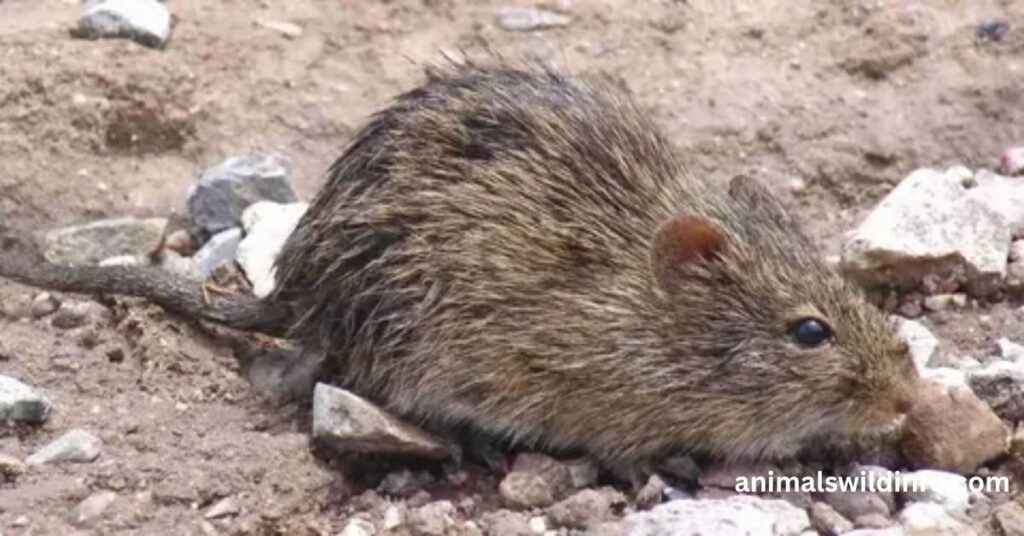
Pack rat cactus habits go beyond just eating. These nocturnal rodents gather cactus pieces and use them to build large, spiky nests called middens. The thorns that once protected the plant now protect the pack rat’s home from hungry predators looking for an easy meal.
Inside their diet, cactus pads offer both food and moisture in one convenient package. Pack rats nibble carefully, avoiding the worst of the spines while still getting plenty of nutrition. This clever, dual-purpose use of cactus shows just how resourceful small desert mammals can really be.
Kangaroo Rats
Scientific Name: Dipodomys spp. Class: Mammalia
Kangaroo rat cactus consumption plays a huge role in one of nature’s most impressive water conservation stories. These small rodents can go weeks, sometimes longer, without drinking any water at all. Cactus pads supply enough hidden moisture to cover nearly all of their hydration needs.
Their specialized kidneys make this possible, wasting almost no water during digestion. Combined with a diet that includes cactus flesh and seeds, kangaroo rats manage to survive in some of the driest, harshest corners of the Mojave Desert. Few mammals handle drought quite this well.
Ground Squirrels
Scientific Name: Xerospermophilus tereticaudus Class: Mammalia
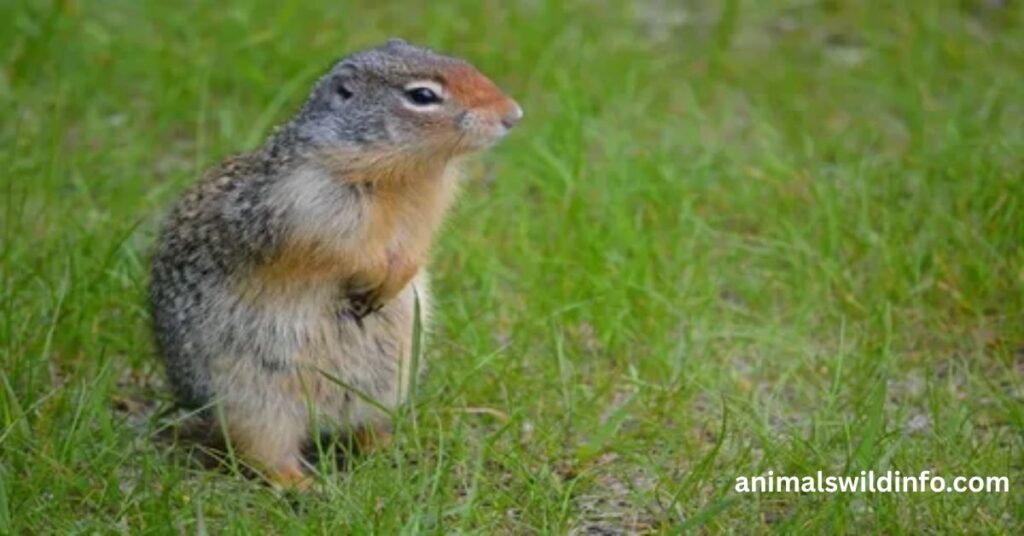
Squirrel eating cactus behavior shows up often among ground squirrels living in hot, open desert terrain. Their nimble paws help them peel back tough skin and spines, giving them access to the softer, water-rich tissue inside. It’s fast work once they get the hang of it.
Cactus fits neatly into their broader mammal diet, especially during the driest months of summer. The fiber inside aids digestion, while the moisture helps regulate body temperature in extreme heat. For ground squirrels, cactus isn’t a backup plan. It’s a genuine staple food source.
Desert Tortoises
Scientific Name: Gopherus agassizii Class: Reptilia
The desert tortoise diet relies heavily on prickly pear cactus, and for good reason. Their strong, beak-like mouths slice through prickly pear pads with surprising ease, letting them access nutrients that many other animals simply can’t reach. Watching one eat feels a little like watching a tiny, armored bulldozer at work.
Cactus flesh gives desert tortoises essential vitamins alongside much-needed hydration. This matters a lot during breeding season, when females need extra nutrition to produce healthy eggs. As a key example of a reptile diet built around succulent plants, the desert tortoise shows just how far reptilian adaptation can go.
Pronghorn Antelope
Scientific Name: Antilocapra americana Class: Mammalia
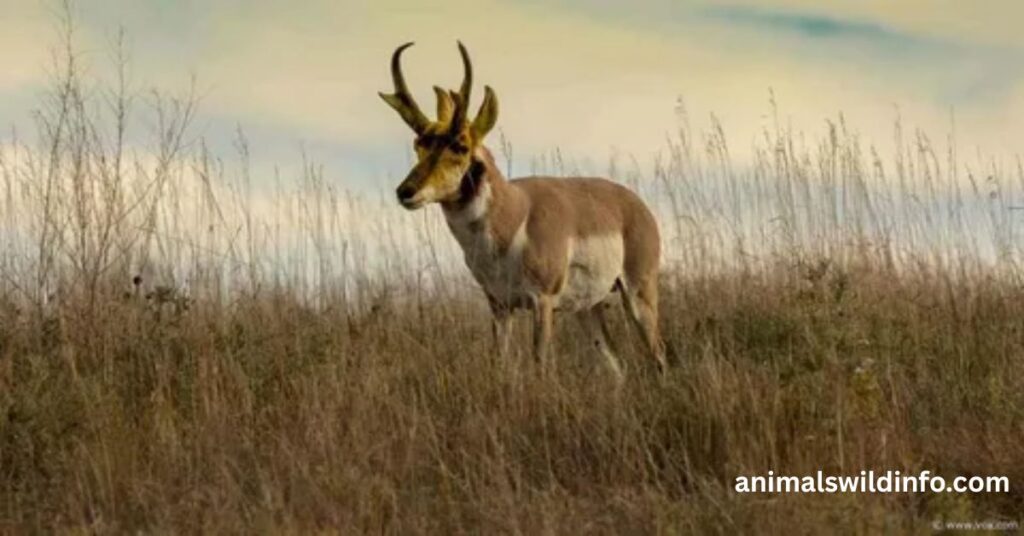
The pronghorn antelope diet shifts with the seasons, and cactus becomes especially important once summer grasses dry out completely. Using a nimble tongue, pronghorns strip spines away before pulling soft cactus flesh into their mouths. It’s a delicate process, but these fast, graceful animals handle it well.
Cactus consumption gives pronghorns a valuable edge during drought survival periods across open grassland and desert habitat. The water and nutrients inside help sustain the long migrations these animals are famous for. Without this desert forage option, some pronghorn herds would struggle a lot more.
Desert Iguanas
Scientific Name: Dipsosaurus dorsalis Class: Reptilia
Desert iguana food sources center heavily around cactus flowers, fruit, and pads, making this reptile one of the most cactus-dependent lizards around. Strong jaws and sharp teeth let desert iguanas tear through tough plant material with real efficiency, far more than you’d expect from such a small animal.
This diet supports both hydration and vivid coloration, since nutrients from cactus feed directly into the iguana’s overall health. As one of the clearer examples of reptiles that eat cactus, desert iguanas prove that desert adaptation isn’t limited to mammals. Reptiles have their own impressive survival tricks too.
Mule Deer
Scientific Name: Odocoileus hemionus Class: Mammalia

Mule deer cactus feeding happens most often during dry seasons, when regular browse becomes harder to find. Using careful lip and tongue movements, mule deer manage to avoid the sharpest spines while still reaching the moisture-packed flesh underneath. Patience clearly pays off here.
A sharp sense of smell helps mule deer locate the ripest, softest cactus pads nearby. That instinct, paired with steady foraging behavior, keeps them fed through stretches where other food sources thin out fast. It’s one more example of just how flexible desert herbivores can really be.
Read More: Top 25 Animals With the Lowest IQ (With Pictures)
Galápagos Giant Tortoise
Scientific Name: Chelonoidis niger Class: Reptilia
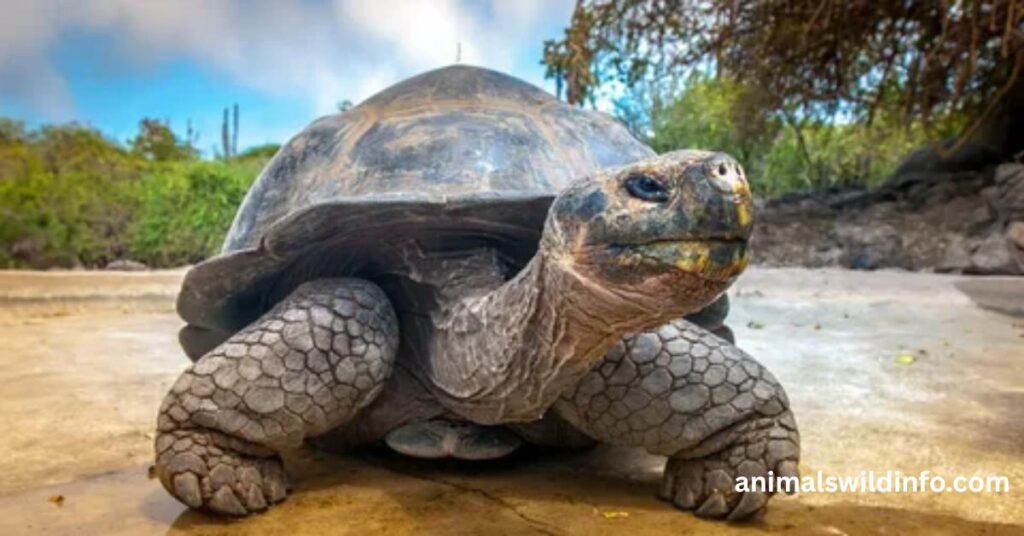
Galápagos tortoise cactus feeding centers on the Opuntia cactus, a towering, tree-like species found across the islands. These massive reptiles use their powerful jaws to crush through thick, spiny pads, extracting both food and water from a plant that few other animals could handle so easily.
Cactus plays a central role in shaping the daily life of these giant tortoises. Beyond nutrition, they help spread cactus seeds across the islands as they move and graze. This relationship highlights how native desert species, even ones far from mainland deserts, depend on tough, drought-resistant plants to survive.
How Do Animals Eat Cactus Without Getting Hurt?
You might wonder how any animal manages to eat something covered in needle-sharp spines. The truth is, it comes down to years of wildlife adaptation. Some animals grow thick lips and a rough tongue built to handle punctures. Others rely on a specialized digestive system that processes tough fiber without trouble.
Timing matters too. Many animals target younger cactus pads, since new growth carries fewer, softer spines than older sections. Combine smart timing with physical toughness, and you get a group of species perfectly built for harsh environment survival, spines and all.
Thick Mouth and Tongue Adaptations
A tough mouth works like natural armor against sharp spines. Animals like camels and tortoises have thick, leathery tissue lining their lips and gums, and this padding absorbs the poke of small thorns without causing real damage or pain.
Tough Digestive Systems
Once cactus gets past the mouth, digestion takes over the hard work. A specialized digestive system breaks down fibrous plant material efficiently, pulling out water and nutrients while safely processing any small spine fragments that slip through along the way.
Eating Young Pads Instead of Sharp Spines
Younger cactus pads carry softer, less developed spines compared to mature growth. Smart foragers, from rabbits to javelinas, often target this new growth first. It’s simply easier to eat and offers just as much moisture as older, tougher pads.
Removing or Avoiding Thorns
Some animals physically remove thorns before eating. Bighorn sheep, for example, use their lips to strip spines away first. Others, like ground squirrels, use quick, precise bites that avoid the worst clusters of spines entirely.
Why Cactus Is an Important Water Source
In regions where rain barely falls, cactus acts like a natural canteen. Its moisture-rich plants structure stores water for long stretches, giving desert animals a reliable water source in deserts even during the harshest, driest months of the year.
Why Do Animals Eat Cactus?
Cactus offers more than a quick snack. It delivers natural hydration, fiber, and essential nutrients all in one plant, which makes it valuable across nearly every season. For animals living in unpredictable, arid environments, that kind of reliability is hard to find anywhere else.
Beyond survival, cactus also shapes feeding patterns throughout the year. When rain is plentiful, animals might ignore cactus in favor of easier food. Once drought sets in, though, cactus quickly becomes the go-to option, proving its worth as steady, drought-resistant plants.
Source of Water
Cactus flesh holds a surprising amount of water inside its thick, fibrous structure. For many species, this water-rich food replaces traditional water sources almost entirely during long dry spells across the desert landscape.
Rich in Fiber and Nutrients
Beyond hydration, cactus delivers real nutritional value of cactus through fiber, vitamins, and minerals. This nutrient boost supports digestion and overall health, especially for animals that rely on plant material as their main food source.
Survival During Drought
When rainfall disappears for weeks or months, cactus becomes a genuine lifeline. Its stored moisture and steady availability make it one of the most dependable food sources during extended desert survival situations.
Seasonal Food Supply
Cactus fruit ripens at specific times of year, giving animals a predictable, seasonal food boost. Many species time their foraging around this cycle, treating ripe cactus fruits as a welcome, sugar-rich treat.
Which Animals Can Eat Thorny Cactus?
Not every animal can handle a fully thorny cactus pad, spines and all. The ones that can, though, tend to be true specialists. Desert tortoises, javelinas, and pack rats rank among the toughest, using strong mouths and careful technique to push straight through the spines without much trouble.
Birds join this group too. The cactus wren, along with species like the Gila woodpecker, feeds on cactus fruit and flowers while mostly avoiding direct contact with spines. Together, these thorn-resistant animals show just how varied nature’s solutions to a single, prickly problem can really be.
Final Thoughts
From towering camels to tiny kangaroo rats, the animals in this list all share one thing: the ability to turn a spiny, unwelcoming plant into a genuine lifeline. Their wildlife feeding habits reveal a level of adaptation that’s honestly pretty remarkable once you slow down and look closely.
This plant-animal interaction does more than feed individual animals. It supports desert biodiversity, spreads cactus seeds across new ground, and keeps the entire desert ecology balanced and functioning. Next time you spot a cactus in the wild, remember: it’s probably feeding more creatures than you’d ever guess.
FAQ’s
What animals are attracted to cactus?
Camels, javelinas, desert tortoises, and various birds all show strong interest in cactus. Its water content and sweet fruit make it appealing across many different species living in desert habitat regions.
Does rat eat cactus?
Yes, both pack rats and kangaroo rats eat cactus regularly. They use careful bites to avoid spines while extracting moisture and nutrients from the pads.
Why can some animals eat cactus?
Certain animals evolved thick lips, tough digestive systems, and careful foraging habits that let them handle spines safely. This kind of ecological adaptation took many generations to develop.
Do camels eat cactus yes or no?
Yes, camels do eat cactus. Their tough mouths and digestive systems let them process spiny pads easily, especially when other food sources run low across the desert.