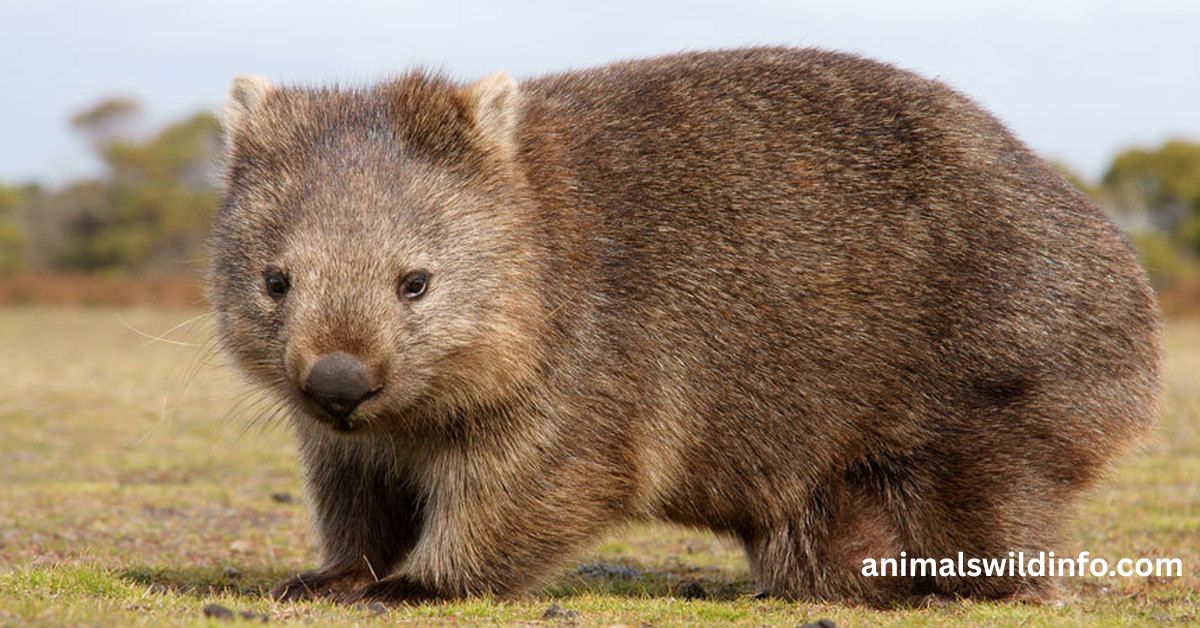
14 Fascinating Animals With 3 Toes (With Pictures)
Look down at your own feet for a second. You’ve got five toes on each one. Now picture losing two of them and still running, climbing, or swimming just fine. That’s daily life for a surprising number of creatures across the animal kingdom.
Three-toed animals show up in every corner of the planet. You’ll find them sprinting across open grasslands, hiding in tropical rainforests, and even hanging upside down in the treetops of Central and South American rainforests. Their toe structure isn’t random. It’s the product of millions of years of evolutionary adaptation, shaped by the ground they walk on and the lives they lead.
This guide walks you through 14 remarkable three-toed species. You’ll learn what makes their foot structure so effective, why nature keeps landing on the number three, and how to spot their three-toed animal tracks in the wild. Let’s get into it.
List of Animals With 3 Toes
Animal diversity doesn’t get more interesting than this. The 14 animals below span mammals, birds, reptiles, and even amphibians. Some use their three-toed feet for blazing speed. Others use them to grip branches or dig through soil. Each one tells a different story about unique animal adaptations.
Every profile below includes the animal’s scientific name, class, and diet, so you get the full picture fast. Read through the list, then jump to whichever animal grabs your curiosity most.
| Animal | |
| 1 | Rhea |
| 2 | Rhinoceros |
| 3 | Emu |
| 4 | Cassowary |
| 5 | Three-Toed Box Turtle |
| 6 | Bustard |
| 7 | Western Three-Toed Skink |
| 8 | Tapir |
| 9 | Common Quail |
| 10 | Three-Toed Swiftlet |
| 11 | Three-Toed Toadlet |
| 12 | Three-Toed Sloth |
| 13 | American Three-Toed Woodpecker |
| 14 | Three-Toed Parrotbill |
Rhea
Scientific Name: Rhea americana Class: Aves Diet: Omnivore
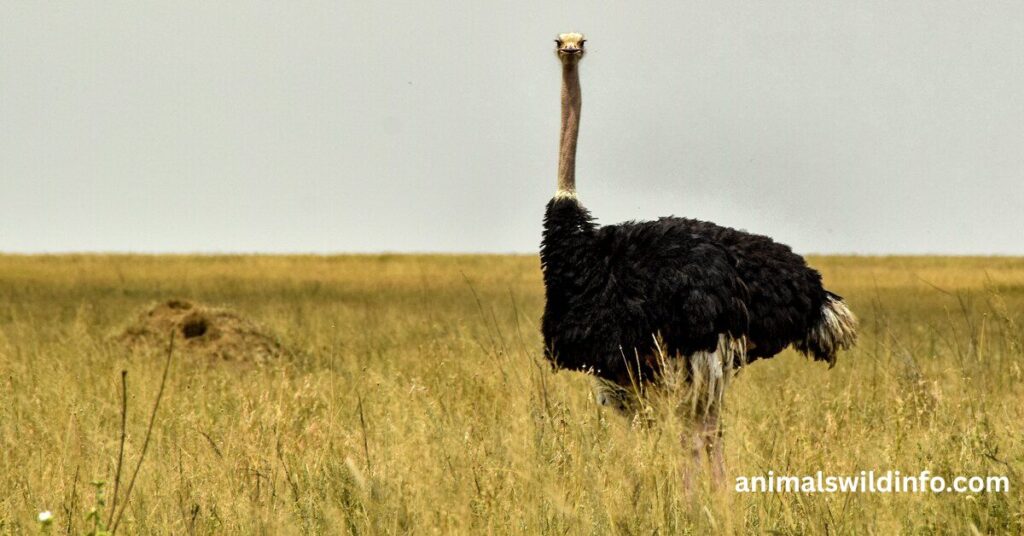
The rhea is a large flightless bird native to the South American grasslands. It can stand up to six feet tall, and its long legs carry three sturdy digits built for speed. Those three-toed feet give the rhea excellent stability on open plains, letting it outrun most predators without breaking a sweat. Rheas also form flocks during breeding season, and the males take over incubation duties, which flips the usual bird parenting script on its head.
Read More: Top 20 Animals With Spots (With Pictures & Amazing Facts)
Rhinoceros
Scientific Name: Rhinocerotidae (family) Class: Mammalia Diet: Herbivore
Rhinos are among the few large mammals with three toes on each foot. That weight-bearing design spreads their massive body weight evenly, so they can move across savannas and dense forests without sinking or struggling. Their padded feet also help with traction, which matters a lot when a two-ton animal decides to charge. Despite their bulk, rhinos can sprint in short bursts, proving that three toes can still deliver serious speed when needed.
Emu
Scientific Name: Dromaius novaehollandiae Class: Aves Diet: Omnivore
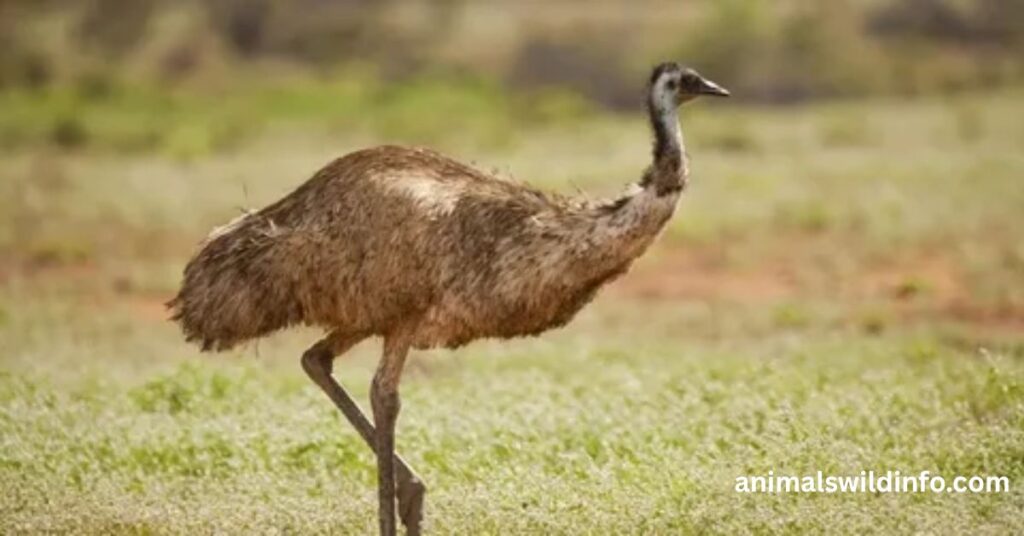
Emus are Australia’s answer to the ostrich, and their foot anatomy is just as impressive. Unlike birds with four toes, the emu relies on three strong claws that act like natural springs. This lets emus reach speeds of nearly 30 miles per hour across Australian landscapes, from dry deserts to open grassland. Their clawed toes also double as digging tools, helping them forage for seeds and insects buried in the dirt.
Cassowary
Scientific Name: Casuarius casuarius Class: Aves Diet: Omnivore
Cassowaries are sometimes called living dinosaurs, and honestly, the nickname fits. These flightless birds carry striking blue skin, bright yellow wattles, and three-toed feet tipped with dagger-like curved claws. In tropical rainforests, that inner claw becomes a serious defense weapon against threats, humans included. Cassowaries also act as key seed dispersers, eating large fruits that most other animals simply can’t manage.
Three-Toed Box Turtle
Scientific Name: Terrapene carolina triunguis Class: Reptilia Diet: Omnivore
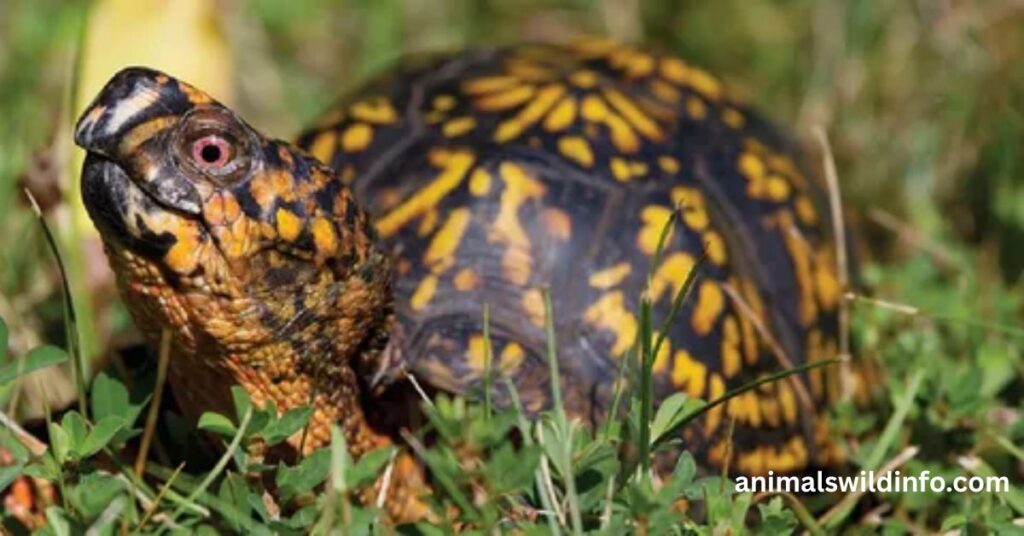
This reptile stands out among turtles because it only has three toes on its hind feet, rather than the typical four. Found across the eastern United States, the three-toed box turtle can pull its head, legs, and tail entirely into its shell, sealing itself off from predators. Its diet swings between fruit, insects, and small invertebrates, which makes it a flexible forager. This adaptability helps it thrive in wetlands, woodlands, and even suburban backyards.
Bustard
Scientific Name: Otis tarda Class: Aves Diet: Omnivore
The bustard is one of the heaviest flying birds alive, and its three-toed feet help it manage that weight on the ground. Across open grasslands, those toes provide the grip and balance needed for quick bursts of speed when escaping danger. During mating season, male bustards perform elaborate displays, running and leaping to impress females. Their foot structure plays a direct role in pulling off these physical performances.
Western Three-Toed Skink
Scientific Name: Chalcides striatus Class: Reptilia Diet: Carnivore
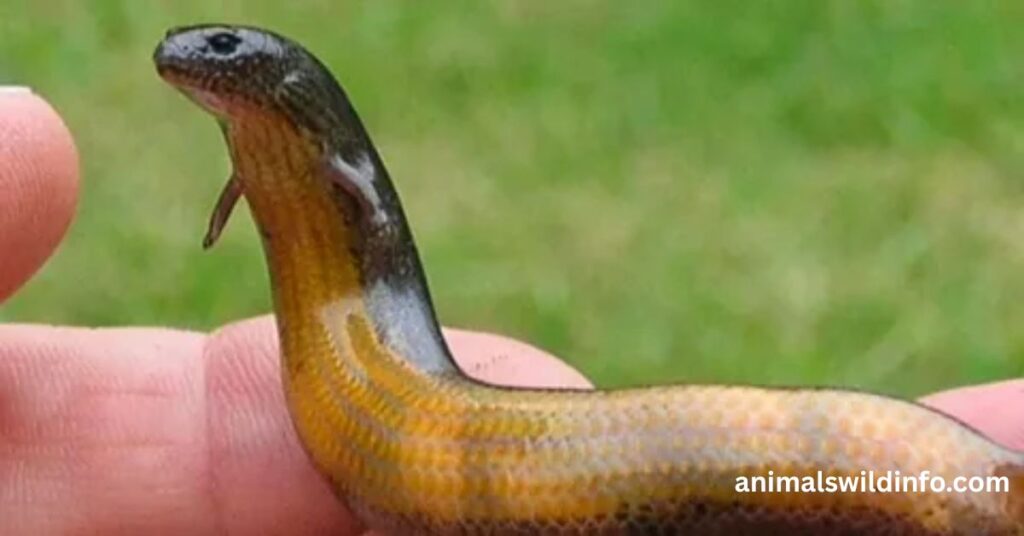
This small, slender lizard has reduced limbs and just three toes on each foot, an adaptation suited to burrowing through loose soil and low vegetation. Its streamlined body lets it slip through grass and leaf litter with ease while hunting insects. The reduced digits aren’t a disadvantage here. They actually improve efficiency for a creature built to move through tight, low-lying spaces rather than climb or run long distances.
Tapir
Scientific Name: Tapirus terrestris Class: Mammalia Diet: Herbivore
Tapirs belong to a group called odd-toed ungulates, and their front feet carry four toes while their back feet carry three. That rear toe structure works like a natural paddle, giving tapirs stability as they wade through muddy terrain and shallow water. You’ll find tapirs foraging through dense jungle undergrowth, using their flexible snout and sturdy feet to move confidently through swampy, unpredictable ground.
Read More: Top 15 Dangerous Animals in the Philippines (With Images)
Common Quail
Scientific Name: Coturnix coturnix Class: Aves Diet: Omnivore
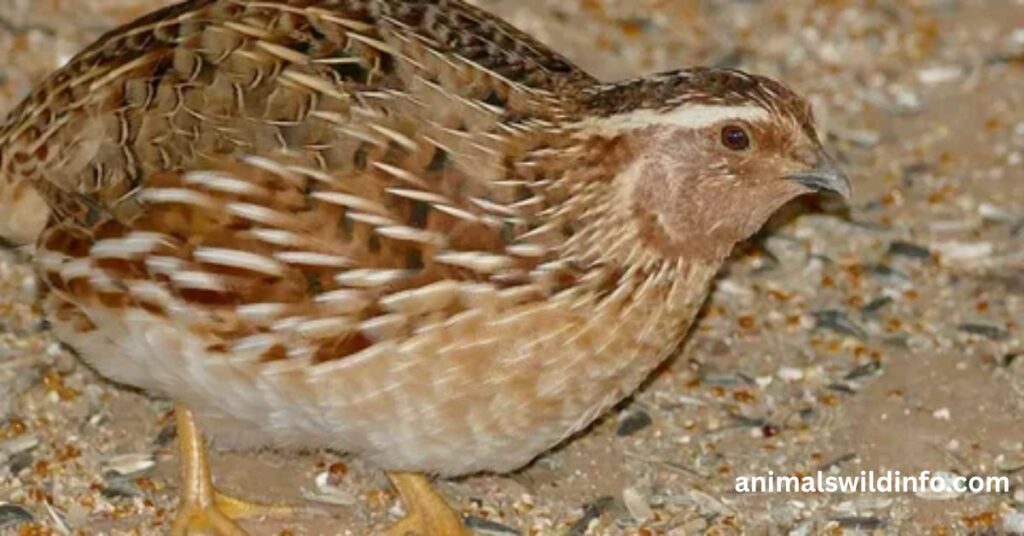
Don’t let the small size fool you. The common quail’s three-toed feet are perfectly built for life on the ground. These birds dart through dense underbrush and grassland with surprising speed, using their toes to grip uneven soil while foraging for seeds and insects. Quails are also known for loud, distinctive calls during breeding season, which help them mark territory and attract mates across farmland and open fields.
Three-Toed Swiftlet
Scientific Name: Aerodramus papuensis Class: Aves Diet: Insectivore
This swiftlet has a slender body built for nonstop aerial hunting, and its three-toed feet reflect that lifestyle. Rather than walking much, the swiftlet uses its toes to grip sheer rock faces inside caves across Southeast Asia. Its nests are made from hardened saliva, stuck directly to cliff walls, and the reduced toe count helps it cling securely to those vertical surfaces while raising its young.
Three-Toed Toadlet
Scientific Name: Pseudophryne bibronii Class: Amphibia Diet: Insectivore
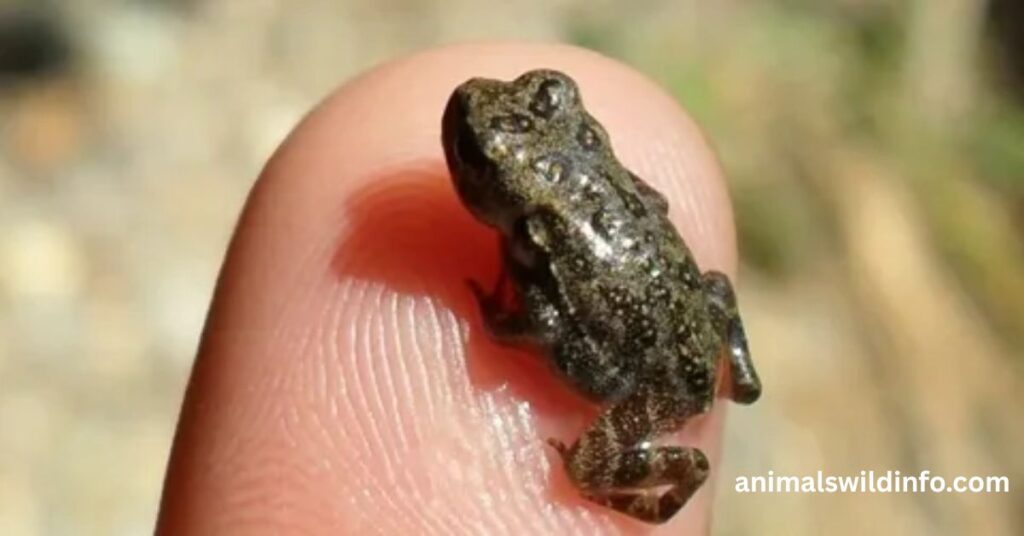
Small and easy to overlook, the three-toed toadlet plays a bigger ecological role than its size suggests. Native to Australia, this amphibian uses its three-toed feet to navigate leaf litter and damp soil while hunting insects. During the wet season, males call out to attract mates, and females lay eggs in temporary pools. That reproductive strategy is a clever workaround for Australia’s unpredictable rainfall patterns.
Three-Toed Sloth
Scientific Name: Bradypus variegatus Class: Mammalia Diet: Herbivore
Three-toed sloths are the poster child for slow, deliberate living. Each foot carries three long, curved claws, perfectly shaped for gripping branches as sloths move through the rainforest canopy. That grip lets them hang upside down for most of their lives while barely spending any energy. Algae even grows on their fur, giving them natural camouflage and a small extra food source, which shows just how deeply this animal’s biology ties into its ecosystem.
American Three-Toed Woodpecker
Scientific Name: Picoides dorsalis Class: Aves Diet: Insectivore
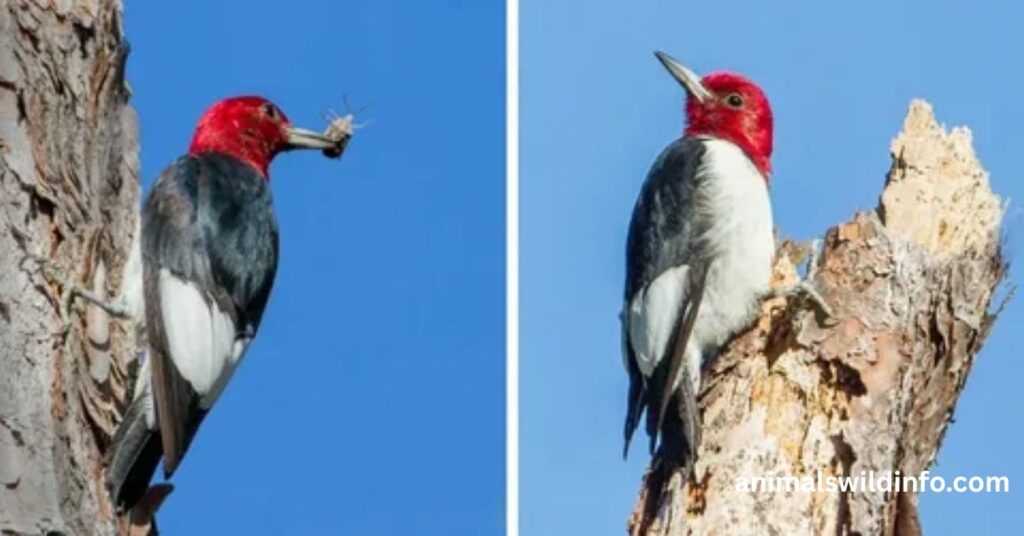
This woodpecker’s three-toed feet set it apart from most of its four-toed relatives. That toe arrangement improves its grip while climbing tree trunks in North America’s coniferous forests, where it searches for beetles and larvae hiding under bark. Its black-and-white speckled body and bright yellow crown make it easy to spot. The rhythmic drumming sound it makes also serves as both a mating call and a territorial signal.
Three-Toed Parrotbill
Scientific Name: Paradoxornis paradoxus Class: Aves Diet: Omnivore
Native to the grasslands and shrublands of Central Asia, the three-toed parrotbill relies on its toes to grip tough stems while foraging for seeds and insects. These birds tend to move in small, cooperative flocks, working together while searching for food. Their calls carry across the grassland, adding a layer of social communication that researchers still find fascinating to study in the wild.
Read More: Top 15 Most Humble Animals in the World (With Pictures)
What Are Three-Toed Animals?
Three-toed animals are species that carry exactly three functional digits on each foot, instead of the four or five toes seen in most vertebrates. This trait, sometimes called tridactylism, shows up across completely different branches of the animal kingdom, from birds and mammals to reptiles and amphibians. It’s not one single evolutionary event either. Multiple species developed this toe anatomy independently, each for their own reasons.
Compare a rhea to a chicken, and the difference becomes obvious. The chicken keeps four toes for balanced perching and walking, while the rhea’s reduced toe count favors raw speed. The same contrast shows up between a tapir’s three-toed back feet and a horse’s single hoof. Fewer toes often means a more specialized foot, built for one dominant purpose rather than general versatility.
Why Do Some Animals Have Three Toes?
Reduced digits usually trace back to a specific survival pressure. Running animals like the rhea and emu benefit from lighter, more efficient feet, since fewer toes mean less weight to swing with every stride. Climbing animals like the three-toed sloth benefit differently. Their toes evolved into long hooks better suited for hanging on rather than walking around.
This pattern is a textbook case of convergent evolutionary adaptation. Birds, mammals, and reptiles aren’t related closely enough to have inherited three toes from a shared ancestor. Instead, similar environments pushed unrelated species toward the same practical solution. A rainforest habitat rewards gripping ability. A grassland rewards speed. Nature keeps arriving at three toes as an efficient answer to both problems.
How Three-Toed Animals Use Their Feet
Movement style varies enormously across this group. The rhea, emu, and bustard all rely on running speed, using their strong toes to push off firm ground and maintain balance at high velocity. The three-toed sloth takes the opposite approach, using its curved claws almost like climbing hooks, built entirely around gripping branches rather than covering ground quickly.
Foraging behavior also shapes foot structure. The emu digs through soil for seeds, while the tapir uses its rear feet to steady itself in muddy terrain while grazing near water. Some species even use their feet defensively. The cassowary’s sharp inner claw can deliver a serious kick, turning a foraging tool into a genuine weapon when predators get too close.
Three-Toed Mammals, Birds, Reptiles, and Amphibians
Wildlife diversity really shines when you group these 14 animals by class. Birds dominate the list, including the rhea, emu, cassowary, bustard, common quail, three-toed swiftlet, American three-toed woodpecker, and three-toed parrotbill. Mammals bring the rhinoceros, tapir, and three-toed sloth, while reptiles contribute the three-toed box turtle and Western three-toed skink. The three-toed toadlet represents amphibians on this list, proving that even cold-blooded, moisture-loving creatures evolved this trait.
The table below breaks down each animal by class, primary habitat, diet, and how it puts its toes to work.
| Animal | Class | Habitat | Diet | Toe Function |
| Rhea | Aves | Grassland | Omnivore | Running speed |
| Rhinoceros | Mammalia | Savanna, forest | Herbivore | Weight support |
| Emu | Aves | Desert, grassland | Omnivore | Running, digging |
| Cassowary | Aves | Rainforest | Omnivore | Defense, foraging |
| Three-Toed Box Turtle | Reptilia | Woodland, wetland | Omnivore | Walking, digging |
| Bustard | Aves | Grassland | Omnivore | Running, balance |
| Western Three-Toed Skink | Reptilia | Grassland, scrub | Carnivore | Burrowing |
| Tapir | Mammalia | Rainforest, wetland | Herbivore | Wading stability |
| Common Quail | Aves | Farmland, grassland | Omnivore | Ground foraging |
| Three-Toed Swiftlet | Aves | Caves, cliffs | Insectivore | Cliff gripping |
| Three-Toed Toadlet | Amphibia | Forest floor | Insectivore | Navigating litter |
| Three-Toed Sloth | Mammalia | Rainforest canopy | Herbivore | Branch gripping |
| American Three-Toed Woodpecker | Aves | Coniferous forest | Insectivore | Tree climbing |
| Three-Toed Parrotbill | Aves | Grassland, shrubland | Omnivore | Stem gripping |
Interesting Facts About Three-Toed Animals
Some of these facts genuinely surprise people. The emu can run nearly 30 miles per hour, fast enough to outrun most predators across open terrain. The three-toed sloth sits at the other extreme, moving so slowly that algae actually grows on its fur, and it can take an entire month to digest a single meal.
The three-toed swiftlet builds its nest almost entirely from hardened saliva, sticking it directly to cave walls in Southeast Asia. The cassowary, meanwhile, holds a reputation as one of the most dangerous birds on Earth, thanks to the sharp claw on each three-toed foot. These small details show how differently natural adaptations can play out, even among animals that share the same basic toe anatomy.
Final Thoughts
Three toes might sound like a small anatomical detail, but it shapes almost everything about how these animals survive. From the rhea’s sprint across the plains to the sloth’s slow crawl through the canopy, each species turned a reduced toe count into a genuine advantage. That’s evolutionary adaptation at its most creative.
Next time you spot unusual animal footprints on a trail or nature walk, take a closer look at the toe count. You might be looking at tracks left by one of these fascinating three-toed species, quietly going about its business in the wild.
FAQ’s
What animals have three toes?
Several animals have three toes, including the rhea, emu, cassowary, rhinoceros, tapir, and three-toed sloth. This trait also appears in reptiles like the three-toed box turtle and amphibians like the three-toed toadlet.
What animal has three toes and a footpad?
The emu has three toes along with a sturdy footpad. That padded structure helps it handle rough, sandy, or rocky ground while running at high speed across the Australian outback.
Do any mammals have three toes?
Yes, several mammals have three toes. The rhinoceros, tapir, and three-toed sloth are the most well-known examples, each using their toes for very different purposes, from weight support to branch gripping.
What animal has 3 toes?
Many animals have 3 toes, but the rhinoceros is one of the most recognizable examples. Its three-toed feet support its massive body weight across savannas and dense forest terrain.
What animals only have three toes?
The three-toed sloth and the three-toed box turtle are named specifically because they only have three toes, unlike closely related species that carry four or five digits.
What animals have 3 toed hooves?
The tapir has three-toed hooves on its rear feet, while its front feet carry four toes. This split structure helps classify it among the odd-toed ungulates.
Which animal can be 2 or 3 toed?
Sloths fall into this category. Some sloth species have two toes on their front limbs, while three-toed sloths carry three toes on both front and back feet, making toe count a key way to tell sloth species apart.