Top 18 Animals That Growl (With Pictures & Amazing Facts)
A growl is one of nature’s oldest sounds. It’s low. It’s rough. And it means business. From the African savannah to your living room couch, growling animals use this sound to talk, warn, and protect. Long before humans invented language, animals had already figured out how to send a message with a single, well-placed rumble. This guide walks you through animals that growl, why they do it, and which ones growl the loudest. You’ll meet big cats, wild canines, reptiles, and even a llama who growls when she’s had enough.
Along the way, you’ll pick up real wildlife facts about animal adaptations, from why some predators roar while others only ever growl, to how a crocodile can send a warning through solid water. Whether you’re a curious pet owner trying to understand your dog, or you just love learning about forest wildlife and jungle predators, this article covers it all. Let’s dig in.
What Are Growling Animals?
Growling animals produce a low-frequency sound by pushing air past their vocal folds while keeping their throat tight. It’s different from a bark, a hiss, or a roar. A growl rumbles. It vibrates. You feel it as much as you hear it. This kind of animal vocalization shows up across many species, not just fierce predators that growl. Some gentle herbivores growl too, which might surprise you.
You’ll find mammals that growl in forests, jungles, wetlands, and even your backyard. Reptile vocalizations count too, since crocodiles and alligators rumble their way through mating season. This mix of wild animals that growl spans the animal kingdom, from apex predators to quiet, misunderstood scavengers. Growling isn’t rare. It’s everywhere once you start listening for it.
What makes a growl so useful is how little effort it takes compared to an actual fight. A single sound can settle a dispute, mark a boundary, or scare off a threat, all without a scratch. That efficiency explains why this trait shows up again and again across such different branches of the animal kingdom, from savannah wildlife to wetland animals hiding in the reeds.
Why Do Animals Growl?
So, why do animals growl? The short answer: survival. A growl can mean “back off,” “this is mine,” or “I’m ready to fight.” Animal communication through sound saves energy compared to an actual fight, and it keeps animals safer in the long run.
Which animals growl depends heavily on context. Some growl only when cornered, relying on pure instinctive behavior to survive a tense moment. Others growl daily as part of normal social communication in animals, using low-frequency sounds the same way we’d use a raised eyebrow or a firm tone of voice. Growling sits right alongside alarm calls and warning calls as one of the most basic tools in an animal’s survival kit. Let’s break down the five biggest reasons behind this behavior.
Communication and Warning Signals
Growling works as an early alarm system. Think of it as nature’s way of saying “watch out” before things turn physical. Growling as a warning signal lets one animal tell another to keep its distance, without anyone getting hurt. This is a smart move, since fighting wastes energy and risks injury. Predator warning sounds like this show up constantly in the wild, from wolves warning off rivals to dogs warning off strangers at the door.
Defense Against Predators
Sometimes a growl is a bluff. A smaller animal will lower its voice and growl to sound bigger and scarier than it really is. This kind of defensive vocalization buys time, confuses a threat, and sometimes stops an attack before it starts. Predator deterrence through sound is cheap and effective, so it’s no wonder so many species rely on it. Even an opossum, tiny and timid, growls fiercely when it feels trapped.
Protecting Territory
Growling for territory defense is common among animals with fixed ranges. Wolves growl at pack boundaries. Badgers growl near their burrows. This kind of territorial defense tells rivals exactly where the line sits, no trespassing. Animal territorial behavior like this reduces the need for constant physical clashes, since most animals respect a clear warning once they hear it.
During Hunting or Feeding
Growling behavior in mammals often shows up around food. A growl over a fresh kill tells other animals to stay away from the meal. This happens with carnivorous animals like hyenas and wolves, and it’s part of normal pack communication during a hunt. It’s not always about aggression. Sometimes it’s simple resource guarding, the animal version of “get your own dinner.”
Mating and Social Behavior
Growls aren’t only about conflict. Growling during mating season shows up in species from crocodiles to gorillas, often as a way to attract a partner or assert status. This ties into broader dominance behavior and communication among wild animals, where a growl can carry warmth as easily as warning. Context and tone matter here, since the very same sound can mean two completely different things.
Read More: Top 23 Animals With Long Tails (With Pictures & Amazing Facts)
Quick List of Animals That Growl
Here’s a fast reference table before we go deeper into each one.
| Number | Animal | Scientific Name |
| 1 | Lion | Panthera leo |
| 2 | Tiger | Panthera tigris |
| 3 | Bear | Ursidae |
| 4 | Wolf | Canis lupus |
| 5 | Domestic Dog | Canis lupus familiaris |
| 6 | Domestic Cat | Felis catus |
| 7 | Hyena | Crocuta crocuta |
| 8 | Leopard | Panthera pardus |
| 9 | Jaguar | Panthera onca |
| 10 | Gorilla | Gorilla gorilla |
| 11 | Crocodile | Crocodylus niloticus |
| 12 | Alligator | Alligator mississippiensis |
| 13 | Hippopotamus | Hippopotamus amphibius |
| 14 | Fox | Vulpes vulpes |
| 15 | Badger | Meles meles |
| 16 | Raccoon | Procyon lotor |
| 17 | Opossum | Didelphis virginiana |
| 18 | Llama | Lama glama |
18 Animals That Growl
Now let’s meet each one of these growling mammals and reptiles up close. Every entry includes quick facts and the story behind the sound.
1. Lion
Scientific Name: Panthera leo | Class: Mammalia | Diet: Carnivore
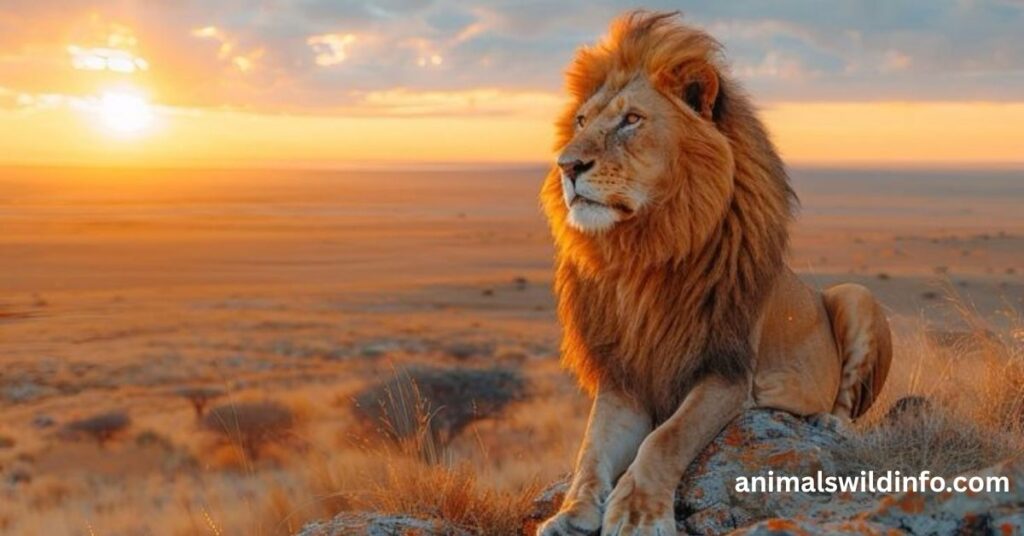
The lion’s growl rolls across the savannah like distant thunder, warning rivals long before they get close. As one of the loudest wild predators, a lion’s vocal range carries for miles, which helps the pride stay connected across huge stretches of grassland. This growl isn’t just about scaring off threats either. It plays a role in pride bonding, calling scattered members back together during moments of danger, and reinforcing the tight social fabric that keeps a lion pride alive.
2. Tiger
Scientific Name: Panthera tigris | Class: Mammalia | Diet: Carnivore
A tiger’s growl is a solo performance, since these apex predators hunt and live alone across dense jungle and forest wildlife habitats. The sound announces territory to any tiger passing through and warns off potential competition without a fight ever breaking out. Beyond the growl, tigers use chuffs, roars, and soft calls to communicate with mates and cubs, building a vocal language that’s far richer than most people realize.
3. Bear
Scientific Name: Ursidae | Class: Mammalia | Diet: Omnivore
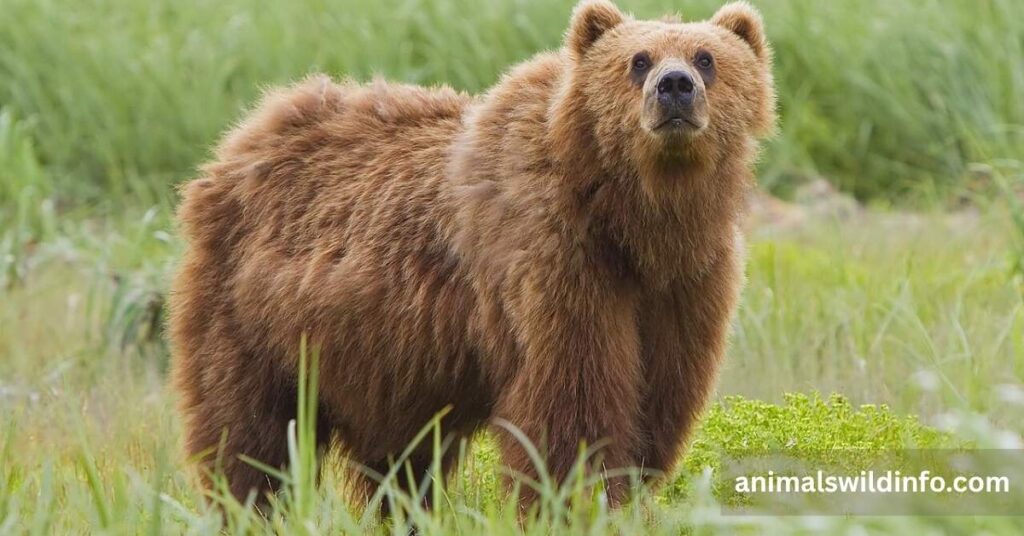
Bears surprise a lot of people with how vocal they actually are. Their growl shifts in pitch depending on mood, sometimes signaling irritation, sometimes pure warning, and the deep rumble alone is often enough to make a rival back away. Cubs pick up growling early too, mimicking their mothers during rough play, which helps them practice social interaction and build the communication skills they’ll need as adults.
4. Wolf
Scientific Name: Canis lupus | Class: Mammalia | Diet: Carnivore
Wolves growl constantly within the pack, and it’s rarely about pure aggression. A soft growl might just mean “not right now” during play, while a deeper one warns an outsider to stay clear of pack territory. This flexible use of sound reflects strong pack communication, and wolves adjust their calls depending on terrain, weather, and distance, proving just how adaptable their wildlife vocalizations really are.
5. Domestic Dog
Scientific Name: Canis lupus familiaris | Class: Mammalia | Diet: Omnivore
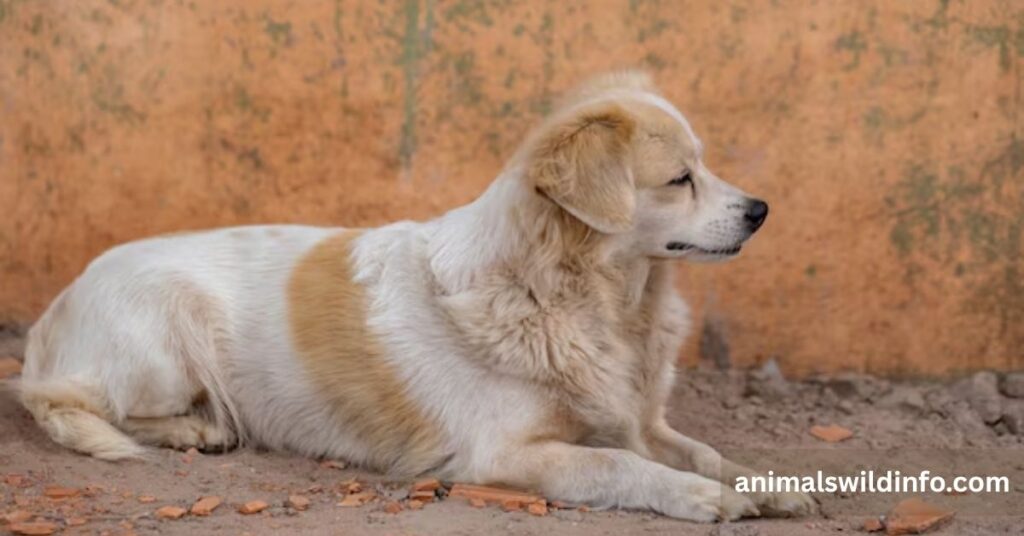
Your dog’s growl says more than you might think. Some breeds growl low and steady when guarding the house, while others use a lighter, bouncier growl purely during play. Understanding this animal body language helps owners respond the right way, whether that means backing off or joining in the fun. Dogs inherited this instinct from their wolf ancestors, but thousands of years of living alongside humans have made their growls far more nuanced and situational.
6. Domestic Cat
Scientific Name: Felis catus | Class: Mammalia | Diet: Carnivore
A house cat’s growl often catches owners off guard, since it seems out of place coming from something so small and cuddly. It usually pairs with a puffed tail or flattened ears, both classic signs of a threat display. This instinct traces back to their wild ancestors, solitary hunters who relied on sound to protect territory and avoid unnecessary fights, a trait that clearly never faded even after generations of domestication.
7. Hyena
Scientific Name: Crocuta crocuta | Class: Mammalia | Diet: Carnivore/Scavenger
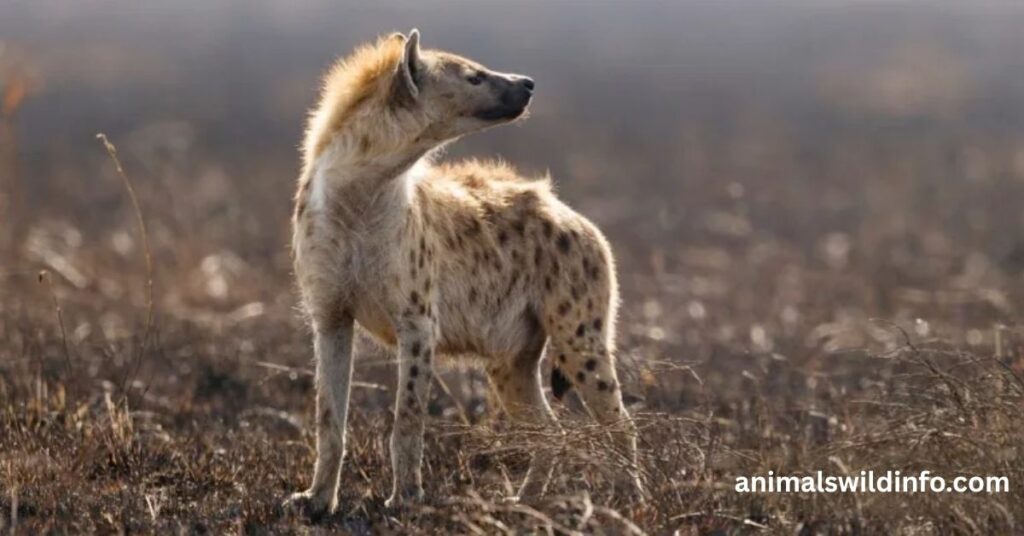
Hyenas get an unfair reputation, but their growls reveal a surprisingly organized society. These calls help maintain order within large clans, especially during a hunt, where coordinated growling supports teamwork between multiple hunters chasing the same prey. Hyenas rank among the smartest carnivorous animals in Africa, and their layered vocal system, growls included, plays a big role in that intelligence showing through.
8. Leopard
Scientific Name: Panthera pardus | Class: Mammalia | Diet: Carnivore
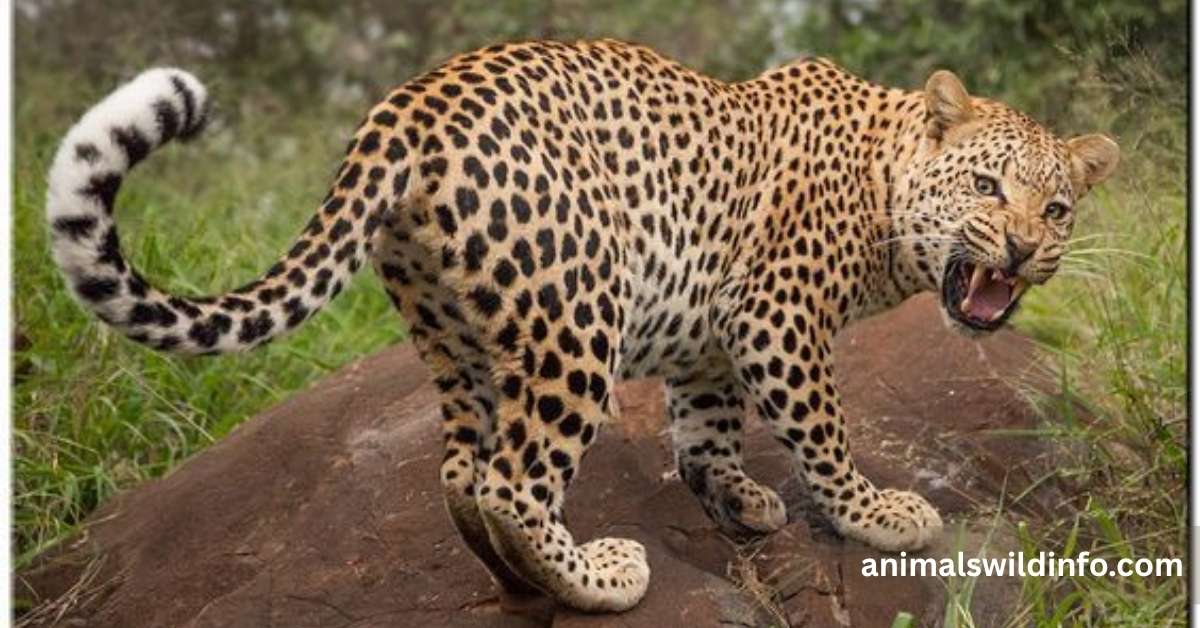
Leopards rely on stealth more than almost any other big cat, so their growl tends to stay low and controlled, a quiet warning rather than a loud declaration. It marks territory in dense cover where sight lines are short, making sound the most reliable warning tool available. Interestingly, growls also show up during courtship, blending dominance display with something closer to attraction, a detail that adds real depth to leopard behavior.
9. Jaguar
Scientific Name: Panthera onca | Class: Mammalia | Diet: Carnivore
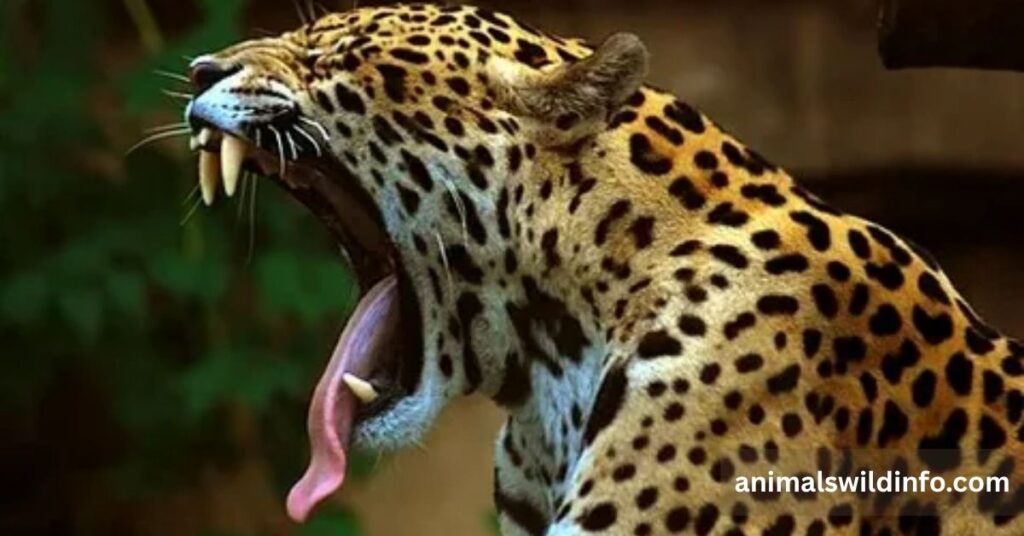
The jaguar’s growl rumbles up from deep in its chest, cutting through the thick cover of rainforest animals territory with surprising force. Mothers use it fiercely to protect cubs from danger, while a softer version sometimes appears between mates, showing just how flexible this single sound can be. As one of the most powerful jungle predators in the Americas, the jaguar’s bite alone is famous, but its voice deserves just as much attention.
10. Gorilla
Scientific Name: Gorilla gorilla | Class: Mammalia | Diet: Herbivore
Despite their gentle reputation, gorillas growl often, and a silverback’s low rumble can silence an entire group in seconds. This sound blends warning with reassurance, since gorillas use growls alongside facial expressions and gestures to manage a complex social structure. It’s a reminder that even peaceful, plant-eating giants rely on defensive vocalizations to maintain order and protect their families.
Read More: Top 18 Striped Animals in the World (With Pictures & Amazing Facts)
11. Crocodile
Scientific Name: Crocodylus niloticus | Class: Reptilia | Diet: Carnivore
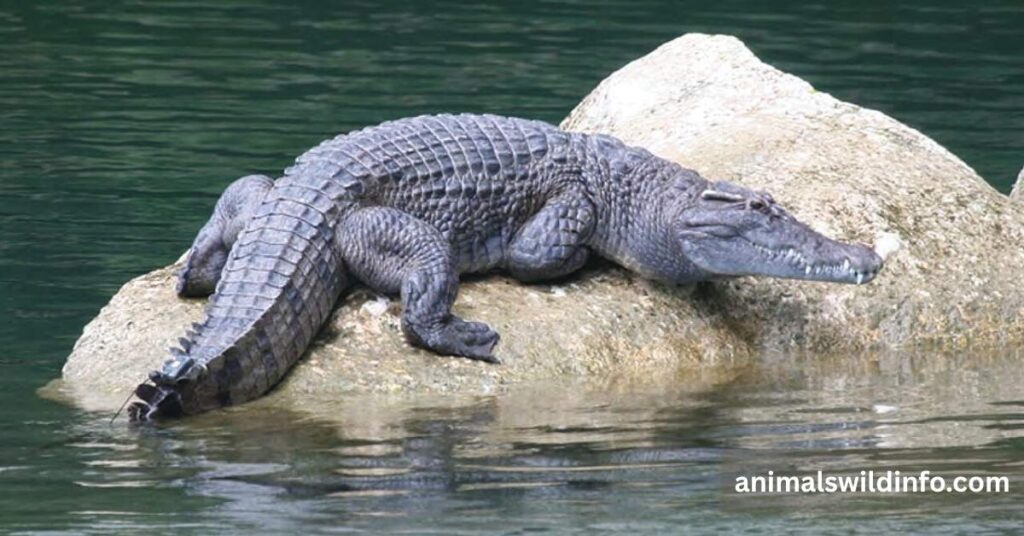
Crocodiles growl both above and below water, using body vibrations that travel impressively far through wetland habitats. This ability makes them unusual among reptile vocalizations, since most reptiles rely on very limited sound. Growling ramps up during mating season, doubling as both a warning to rivals and a signal to potential mates, a dual purpose that shows just how efficient this ancient survival tool really is.
12. Alligator
Scientific Name: Alligator mississippiensis | Class: Reptilia | Diet: Carnivore
Alligators produce a deep, infrasonic growl that can travel for long distances across swamps and rivers, often too low for human ears to fully register. Scientists believe these calls help establish dominance without a single physical clash ever needed, which matters a lot for animals that could easily injure each other in a fight. As one of the more talkative semi-aquatic mammals’ reptile counterparts, alligators prove that even cold-blooded predators have plenty to say.
13. Hippopotamus
Scientific Name: Hippopotamus amphibius | Class: Mammalia | Diet: Herbivore
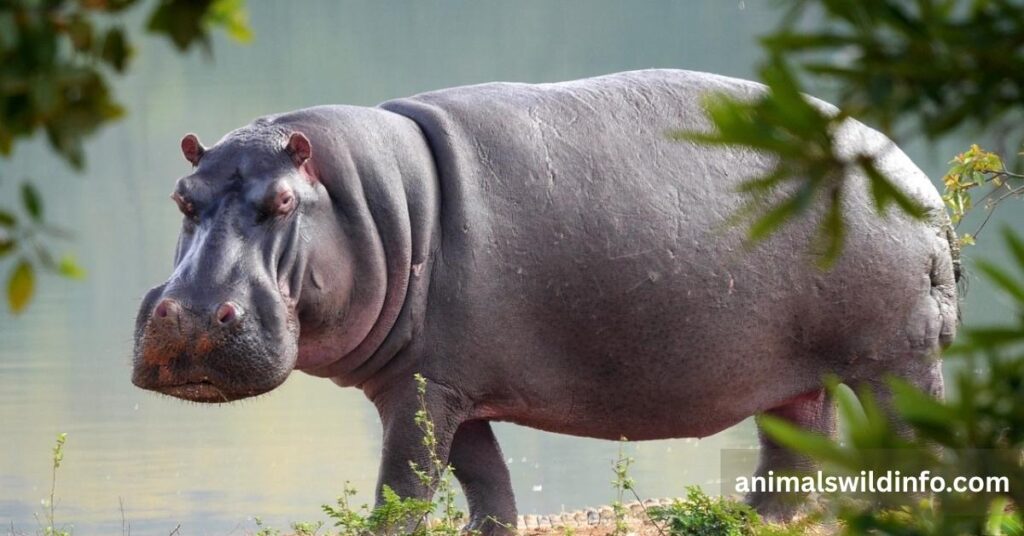
Hippos look calm floating in a river, but their growl says otherwise once territory gets crowded. This sound travels well through water and air alike, letting nearby hippos know exactly where boundaries sit during the busiest, hottest parts of the day. Family bonds run deep in hippo pods too, and growling plays a role in keeping that group cohesive, blending toughness with surprising tenderness in the same breath.
14. Fox
Scientific Name: Vulpes vulpes | Class: Mammalia | Diet: Omnivore
Foxes have one of the most varied vocal ranges among wild canines, and their growl often blends with barks or yips depending on the situation. It might warn off a rival, alert family members to danger, or simply express frustration during a squabble over food. With over a dozen distinct sounds in their toolkit, foxes prove that animal noises can be just as layered and expressive as anything found in larger predators.
15. Badger
Scientific Name: Meles meles | Class: Mammalia | Diet: Omnivore
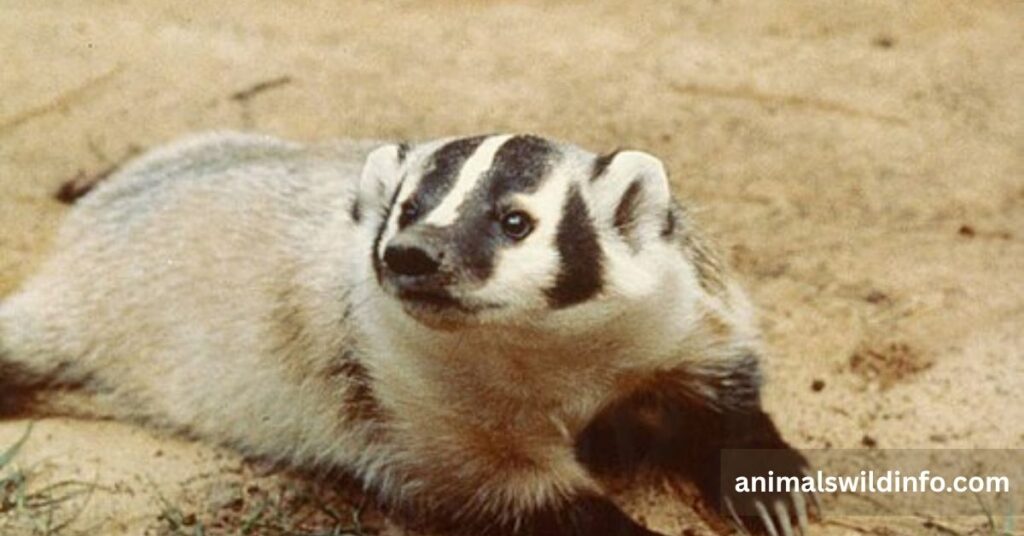
Badgers guard their burrows fiercely, and their growl reflects that stubborn, protective streak perfectly. It’s a clear warning to anything that gets too close to the den, backed up by real physical strength if the growl gets ignored. Despite this tough exterior, badgers live in social clans, grooming and playing with relatives regularly, which shows a softer, more cooperative side beneath all that bark.
16. Raccoon
Scientific Name: Procyon lotor | Class: Mammalia | Diet: Omnivore
Raccoons growl in a surprisingly wide range, from a low rumble to a sharper, higher-pitched warning depending on how threatened they feel. This flexibility supports family communication, especially between mothers and their young during the more vulnerable early months. During breeding season, males growl more often too, competing for attention in a way that reveals just how socially complex these often-underestimated animals really are.
17. Opossum
Scientific Name: Didelphis virginiana | Class: Mammalia | Diet: Omnivore
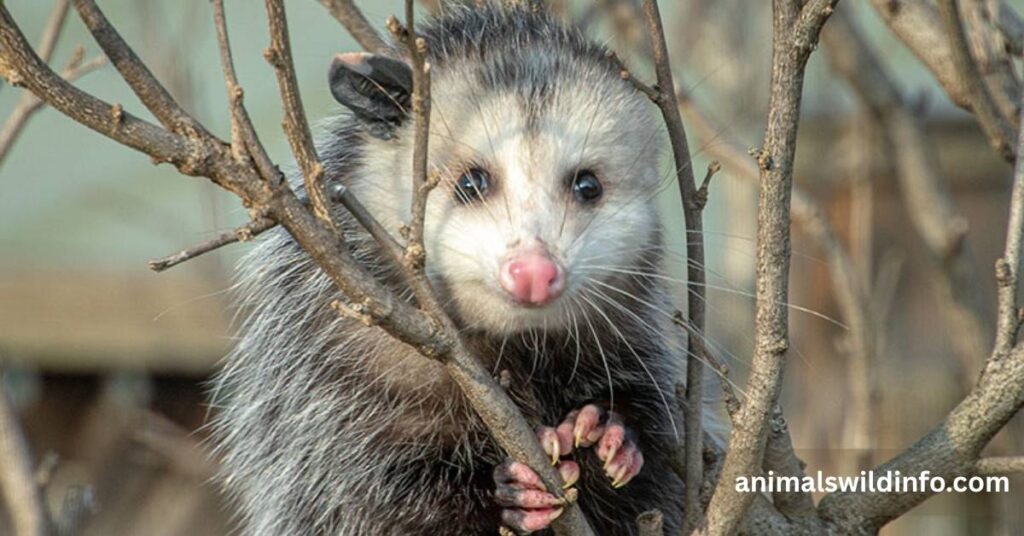
Most people know opossums for playing dead, but a cornered opossum will growl loudly first, mixing fear with genuine defiance. This defensive sound works as both a warning and a distress call, buying the animal precious seconds to escape or freeze as a last resort. The pitch and intensity shift depending on the threat level, showing that even this small, often-overlooked marsupial has a nuanced vocal range worth paying attention to.
18. Llama
Scientific Name: Lama glama | Class: Mammalia | Diet: Herbivore
Llamas seem calm most of the time, but push one too far and you’ll hear a growl that catches most people off guard. It signals irritation, discomfort, or a clear warning to back off, especially within a crowded herd. Unlike the aggressive image the sound might suggest, llamas mostly reserve growling for genuine frustration, saving spitting and softer vocal cues for everyday herd communication instead.
Read More: Top 30 Greedy Animals in the World (With Pictures & Fascinating Facts)
Which Animal Has the Loudest Growl?
Volume varies a lot across the animal kingdom, and a few species stand out clearly above the rest. Lions top most lists, with growls and roars combined reaching well over 110 decibels and carrying for several miles across open terrain. Tigers and gorillas follow close behind, while hippos surprise many people with just how far their low-frequency growl can travel through water and open air.
| Animal | Approximate Volume | Distance Carried |
| Lion | 110+ decibels | Up to 5 miles |
| Tiger | 100+ decibels | 1-2 miles |
| Hippopotamus | 100+ decibels | Long distance in water |
| Gorilla | 90+ decibels | Several hundred meters |
| Alligator | Infrasonic, low decibel | Long range, low frequency |
Why Do Different Animals Growl Instead of Roar?
The difference comes down to anatomy, specifically the structure of the hyoid bone in the throat. Big cats like lions and tigers have a flexible hyoid, which allows their vocal folds to stretch and produce that deep, echoing roar most people recognize instantly. Animals without this flexible structure, including leopards, jaguars, and most other mammals that growl, simply can’t roar, no matter how hard they try.
This anatomical limit doesn’t make growling any less effective though. In fact, for animals living in dense forest wildlife or tight territories, a shorter, punchier growl often works better than a long, echoing roar. It’s less about power and more about precision, delivering a clear warning without wasting unnecessary energy.
Many nocturnal animals lean on growling for exactly this reason. In the dark, a sudden, aggressive animal sound carries just as much weight as anything visual, and it doesn’t require the element of surprise to work. Raccoons, opossums, and foxes all fall into this category, using their voice to navigate nighttime encounters where sight alone won’t cut it.
Animals That Growl vs. Animals That Roar
| Growling Animals | Roaring Animals |
| Domestic dogs and cats | Lions |
| Bears | Tigers |
| Wolves | Some jaguars (rarely) |
| Crocodiles and alligators | — |
| Hyenas, badgers, raccoons | — |
As the table shows, true roaring stays limited to a small handful of species, mostly within the big cat family. Every other creature on our list relies on growls, grunts, and other lower sounds to get the message across, proving that you don’t need a roar to be heard loud and clear in the wild.
Interesting Facts About Animals That Growl
Nature holds a few surprises when it comes to growling, and some of these facts might genuinely catch you off guard. Many of these behaviors tie back to natural defense mechanisms and protective instincts built up over thousands of years, proving just how much thought goes into what looks like a simple sound.
| Fact | Detail |
| Crocodile growls travel underwater | Vibrations move through water almost as well as sound moves through air |
| Llamas rarely spit when calm | Growling usually comes first, spitting is more of a last resort |
| Hyena “laughs” aren’t laughter | Those famous sounds are actually social signals tied to excitement or stress |
| Alligator growls are often infrasonic | Some frequencies sit below human hearing range entirely |
| Bear cubs practice growling | Play-growling with mom helps develop adult communication skills early |
Conclusion
Growling animals remind us that sound carries real weight in the wild, whether it’s a lion warning off a rival or a tiny opossum bluffing its way out of danger. Each growl tells a story about survival, family, territory, or sometimes even affection. Understanding animal communication like this deepens our respect for wildlife behavior overall, and it’s a reminder that even the animals we think we know well still have plenty left to teach us.
From the biggest apex predators roaming the savannah to the quiet, misunderstood scavengers in your own backyard, growling plays a bigger role in ecosystem balance than most people ever stop to consider. It keeps fights rare, protects families, and helps maintain the natural order across dozens of habitats worldwide. Next time you hear a growl, whether from a pet or a nature documentary, you’ll know there’s a lot more going on beneath that sound.
Frequently Asked Questions
Many animals growl, including lions, tigers, bears, wolves, dogs, cats, hyenas, crocodiles, and even gentle herbivores like llamas and gorillas.
Lions, tigers, hippos, gorillas, and howler monkeys rank among the loudest animals, with lions often topping the list thanks to their roar-growl combination.
All 18 animals covered in this article growl, from big cats and wild canines to reptiles like crocodiles and alligators, plus surprising ones like llamas and opossums.
Humans don’t naturally growl the way animals do, but a low, guttural voice used during anger or frustration serves a similar warning purpose in human communication.