Top 15 Amazing Animals With Thick Fur (With Pictures & Fascinating Facts)
Winter doesn’t scare every creature. Some animals shrug off freezing wind like it’s nothing. Their secret? A coat built for battle against the cold. Thick fur animals have spent thousands of years perfecting one skill: staying warm when everything around them wants to freeze solid.
You’re about to meet 15 of the toughest, coziest, and most fascinating animals with dense fur on the planet. Some live on ice. Some climb cliffs. One even lives in your neighbor’s backyard. Let’s dig in.
What Are Animals With Thick Fur?
Thick-coated animals grow dense layers of hair to trap warm air close to their skin. This isn’t random fluff. It’s a survival tool shaped by evolution. Most of these creatures live somewhere brutal the Arctic, high mountains, or icy coastlines where a thin coat means a quick death.
Many species rely on double-layered fur. A coarse outer layer blocks wind and sheds water. A soft dense undercoat beneath it holds heat against the skin. Together, they work like a built-in winter jacket. You’ll see this pattern again and again as we go through the list below.
Quick List of Animals With Thick Fur
Before we go deep into each animal, here’s a fast overview. Bookmark this table if you’re short on time.
| No. | Animal | Habitat Type |
| 1 | Polar Bear | Arctic sea ice |
| 2 | Arctic Fox | Arctic tundra |
| 3 | Musk Ox | Arctic tundra |
| 4 | Snow Leopard | High mountains |
| 5 | Chinchilla | Andes Mountains |
| 6 | Canada Lynx | Boreal forest |
| 7 | Yak | Himalayan plateau |
| 8 | Siberian Tiger | Russian Far East forest |
| 9 | Sea Otter | Pacific coastal waters |
| 10 | Wolverine | Northern forests and tundra |
| 11 | Highland Cow | Scottish Highlands |
| 12 | Harp Seal | Arctic and North Atlantic ice |
| 13 | Alaskan Malamute | Arctic (domesticated) |
| 14 | Red Fox | Forests and open land, Northern Hemisphere |
| 15 | Mountain Goat | Rocky Mountains |
Top 15 Animals With Thick Fur
Ready to meet each one up close? These cold-weather animals all solve the same problem in different ways. Some grow shaggy coats. Some rely on density instead of length. A few combine fur with fat for extra protection.
Polar Bear
Scientific Name: Ursus maritimus Class: Mammalia Diet: Carnivore
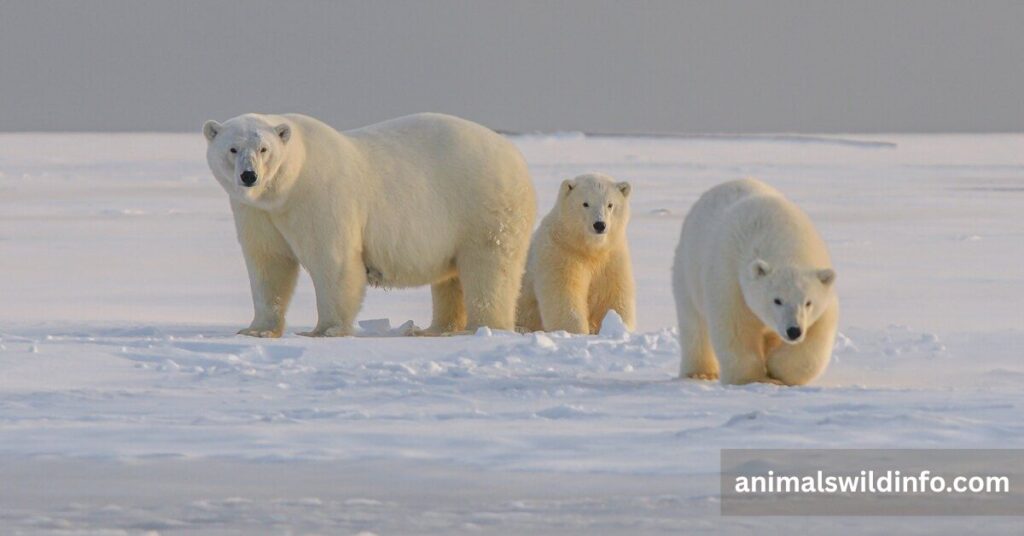
The polar bear might be the poster child of Arctic animals, and for good reason. It hunts seals across drifting sea ice in Canada, Greenland, Russia, Norway, and Alaska. Its coat uses two parts working together a woolly under layer for warmth and long guard hairs on top that shed water fast after a swim. Here’s a fun twist: that fur isn’t actually white.
It’s hollow fur, clear as glass, and it just scatters light to look white. Underneath, a thick layer of fat backs up the fur for extra heat retention. Climate change is shrinking the ice these bears depend on, and researchers track their movements closely to understand what’s at stake.
Read More: Top 18 Animals With Long Horns (With Pictures & Amazing Facts)
Arctic Fox
Scientific Name: Vulpes lagopus Class: Mammalia Diet: Omnivore
Few creatures handle cold like the Arctic fox does. This little hunter can survive temperatures dropping to minus 58 degrees Celsius, and it does it with one of the best examples of seasonal fur shedding in nature. Its coat turns snow-white in winter and shifts to brown or gray once summer rolls around.
Even its paws grow fur, letting it cross frozen ground without slipping. You’ll find these foxes across Alaska, Canada, Greenland, Iceland, and Russia, often denning in the same burrow system for generations. It hunts lemmings, birds, and fish, and it’s smart enough to bury extra food for leaner days. This is thick fur adaptation at its cleverest.
Musk Ox
Scientific Name: Ovibos moschatus Class: Mammalia Diet: Herbivore
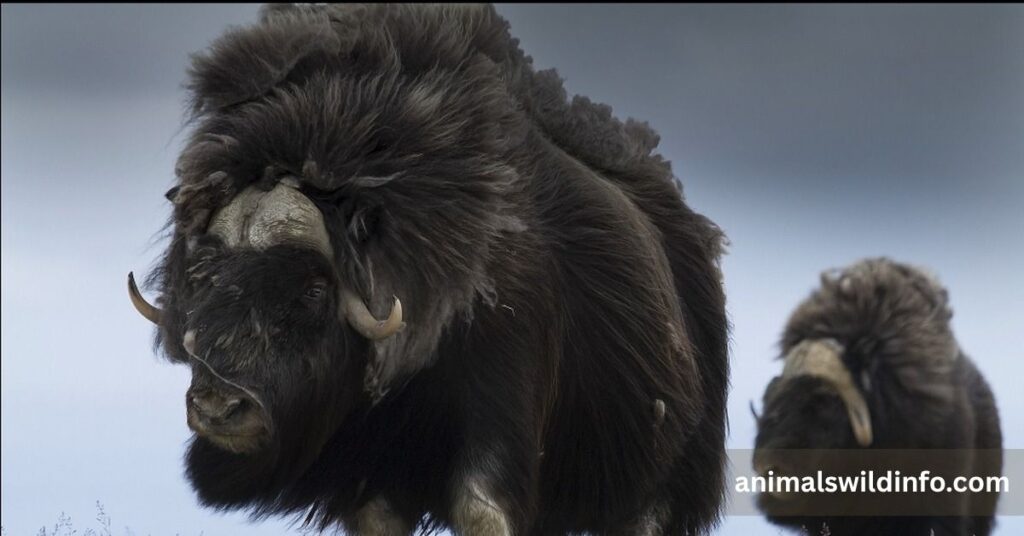
Picture a shaggy relic from the Ice Age, and you’ve basically pictured a musk ox. Its coat nearly touches the ground, built from two layers: a windproof outer coat and an incredibly soft undercoat called qiviut. Believe it or not, qiviut is eight times warmer than sheep’s wool. That’s serious thermal insulation.
These animals live across Greenland, northern Canada, Alaska, and parts of Siberia, grazing on tundra grass and moss. When wolves or bears threaten a herd, the adults form a defensive ring around their young, horns pointed outward. It’s teamwork built entirely around cold environment adaptation.
Snow Leopard
Scientific Name: Panthera uncia Class: Mammalia Diet: Carnivore
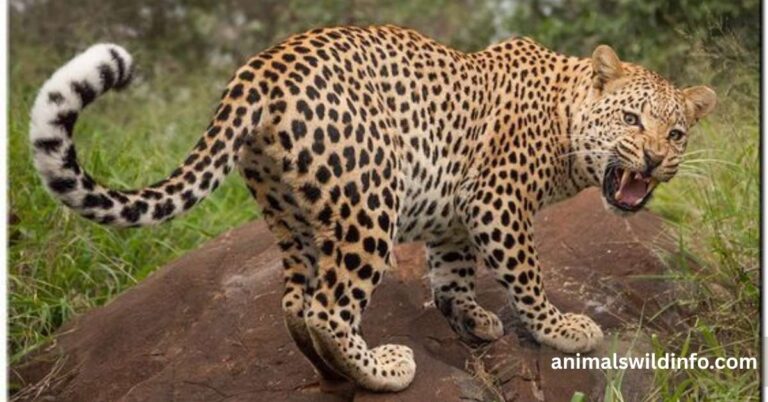
High in the Himalayas, Mongolia, and China, the snow leopard moves like a ghost across rocky slopes. Its thick, smoky-gray coat with dark spots blends perfectly into stone and snow a textbook case of snow camouflage. Even its tail works overtime, acting like a scarf the leopard wraps around itself while resting.
This solitary cat hunts blue sheep and ibex, striking with patience rather than speed. Its paws carry extra fur too, functioning almost like built-in snowshoes. Oddly enough, despite being a big cat, it can’t roar. Conservation groups now watch over its shrinking range as habitat loss and poaching take a toll on numbers.
Chinchilla
Scientific Name: Chinchilla lanigera Class: Mammalia Diet: Herbivore
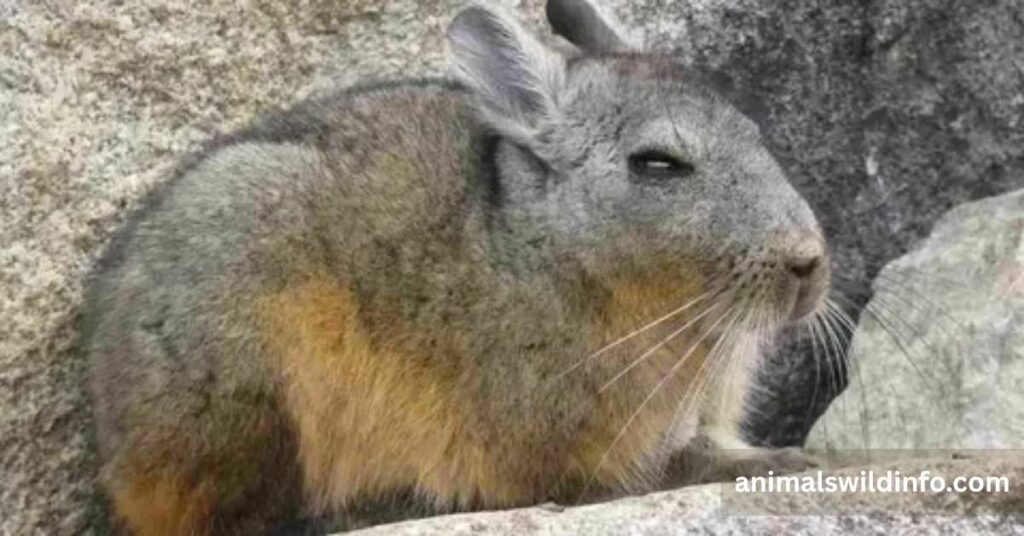
Don’t let the size fool you. The chinchilla packs more hair per square inch than any other land mammal. A single follicle can sprout dozens of hairs at once, creating fur density so extreme that fleas and ticks can’t even survive in it. Native to the Andes Mountains of South America, chinchillas hide in rocky crevices by day and forage for plants and seeds at night.
Instead of bathing in water, they roll around in fine volcanic dust to clean their coats. Once hunted heavily for their fur, wild populations dropped sharply, though protections now exist in many regions. As pets, they’re popular but they need cool temperatures to thrive.
Canada Lynx
Scientific Name: Lynx canadensis Class: Mammalia Diet: Carnivore
The Canada lynx wears one of nature’s best winter coats, growing extra length and switching to a grayish tone once the cold sets in. Its oversized, furred paws spread its weight across deep snow like a pair of natural snowshoes, letting it stalk prey without sinking.
Snowshoe hares make up most of its diet, and lynx populations actually rise and fall in step with hare numbers. Found across Canada and the northern United States, this solitary cat prefers thick boreal forest cover and hunts mostly at dawn or dusk. Black ear tufts help it detect the faintest movement nearby. Habitat protection remains key to keeping this species stable long-term.
Yak
Scientific Name: Bos grunniens Class: Mountains where the air runs thin Diet: Herbivore
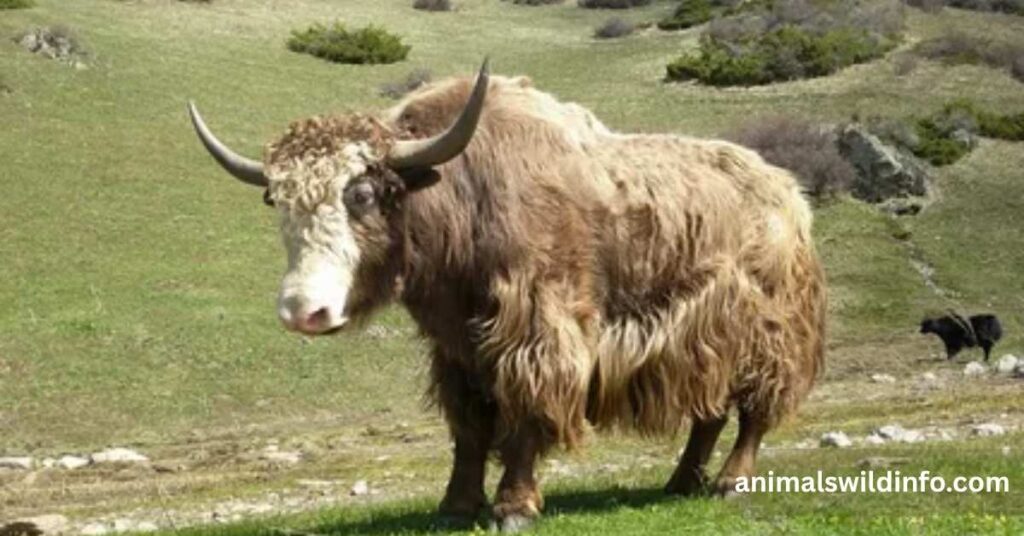
The yak thrives where oxygen is scarce and wind never stops. Its long, shaggy coat reaches almost to the ground, forming a natural blanket against brutal alpine cold. Beneath the coarse outer hair sits a soft, warm undercoat that traps body heat efficiently. Found across the Tibetan Plateau and nearby regions of China, India, Nepal, and Bhutan, yaks graze on sparse mountain vegetation most of the day. Local communities depend heavily on yaks for milk, meat, fiber, and even fuel from their dung. Their lungs and hearts are specially adapted for high-altitude adaptation, letting them function where thinner air would exhaust most other mammals.
Siberian Tiger
Scientific Name: Panthera tigris altaica Class: Mammalia Diet: Carnivore
As the largest tiger subspecies alive, the Siberian tiger needs serious insulation to survive Russia’s brutal winters. Its coat grows longer and denser than that of any other tiger, backed by a solid layer of fat beneath the skin. This combination lets it endure temperatures as low as minus 40 degrees Celsius.
Roaming the forests of eastern Russia and parts of northern China, it hunts deer and wild boar using raw power and patience. Wide, fur-covered paws help it move through snow without slowing down, while its striped coat provides natural cover among tree shadows. Conservationists now rely on camera traps to monitor these elusive, solitary hunters.
Read More: Top 25 Fascinating Animals That Eat a Lot You Should Know
Sea Otter
Scientific Name: Enhydra lutris Class: Mammalia Diet: Carnivore
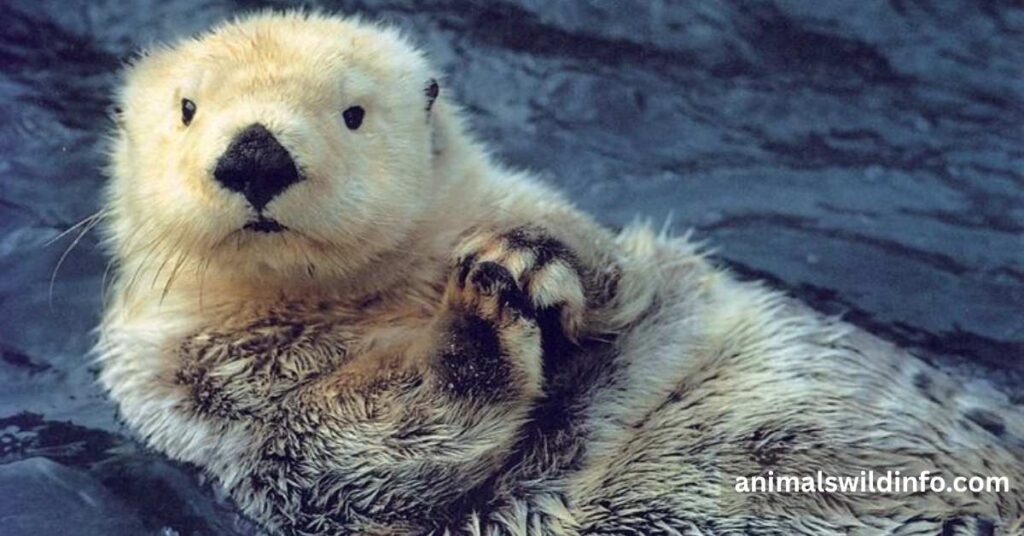
Forget blubber the sea otter survives cold ocean water using fur alone, and it’s remarkably effective. With over a million hairs covering its body, this otter holds the record for the densest coat of any animal on Earth. Found along the North Pacific coastline near Alaska, Russia, and California, sea otters spend nearly their entire lives in water, even eating and sleeping while floating on their backs.
They crack open shellfish using rocks, a rare example of tool use among marine mammals. Constant grooming keeps their waterproof fur functional, trapping air pockets that insulate against cold currents. Once hunted to near extinction, they’ve made a strong comeback thanks to focused conservation work.
Wolverine
Scientific Name: Gulo gulo Class: Mammalia Diet: Omnivore
Small but fearless, the wolverine punches well above its weight class. Its coat resists frost buildup, staying functional even when snow and ice coat everything around it. Ranging across Canada, Alaska, Scandinavia, and Russia, wolverines patrol huge territories in search of food, feeding on everything from small mammals to leftover carcasses.
Their powerful jaws can crush frozen bone with ease. Mothers raise their young in snow dens, where thick fur keeps both generations insulated through harsh winters. Despite their modest size, wolverines are known to scare off predators several times larger, and their tough, solitary nature makes them one of the most underrated cold-resistant mammals around.
Highland Cow
Scientific Name: Bos taurus Class: Mammalia Diet: Herbivore
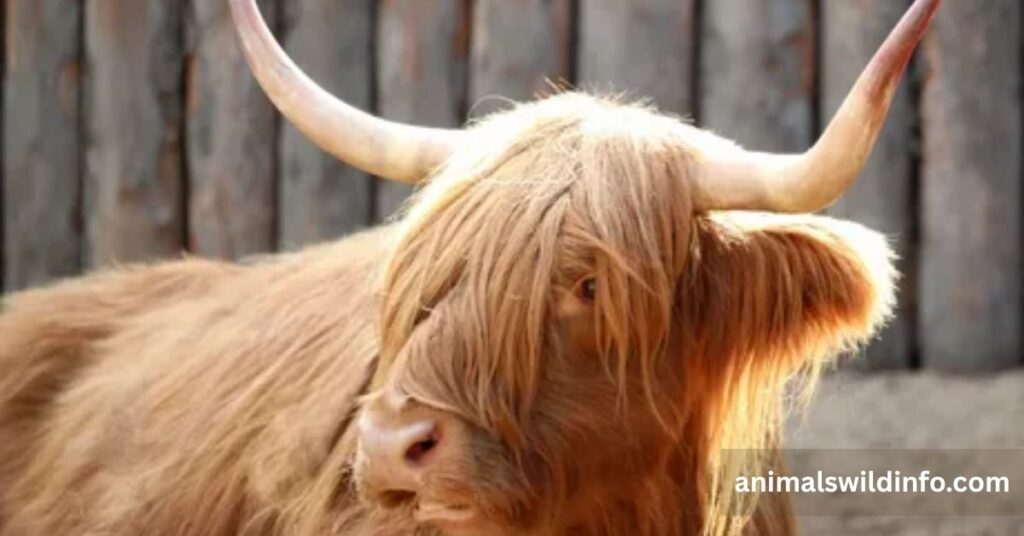
With its shaggy orange coat and gentle eyes, the Highland cow looks almost cartoonish, but its fur serves a serious purpose. A double coat water-shedding on the outside, insulating underneath lets it withstand Scotland’s cold, wet, windy climate without needing heavy shelter.
These cows graze on rough grass and vegetation across the Scottish Highlands, often standing outdoors through winter storms unbothered. Long horns help them dig through snow to find food and offer some defense as well. Calves are born with lighter coats that thicken as they grow, and their hardy build makes them popular with farmers worldwide who need cattle suited for poor grazing land.
Harp Seal
Scientific Name: Pagophilus groenlandicus Class: Mammalia Diet: Carnivore
Baby harp seals earn the nickname “whitecoats” for good reason. Born with fluffy white fur, these pups rely on it heavily for warmth before they build up enough blubber to swim confidently. As they mature, that white coat darkens, and blubber takes over as the primary insulator.
Found across the North Atlantic and Arctic Oceans, harp seals travel long distances over sea ice searching for fish, shrimp, and small crustaceans. Breeding season brings large, noisy gatherings on the ice, a spectacle scientists use to gauge ocean health. Since their survival depends so heavily on stable sea ice, shifting ice patterns from climate change pose a growing concern for the species.
Alaskan Malamute
Scientific Name: Canis lupus familiaris Class: Mammalia Diet: Omnivore
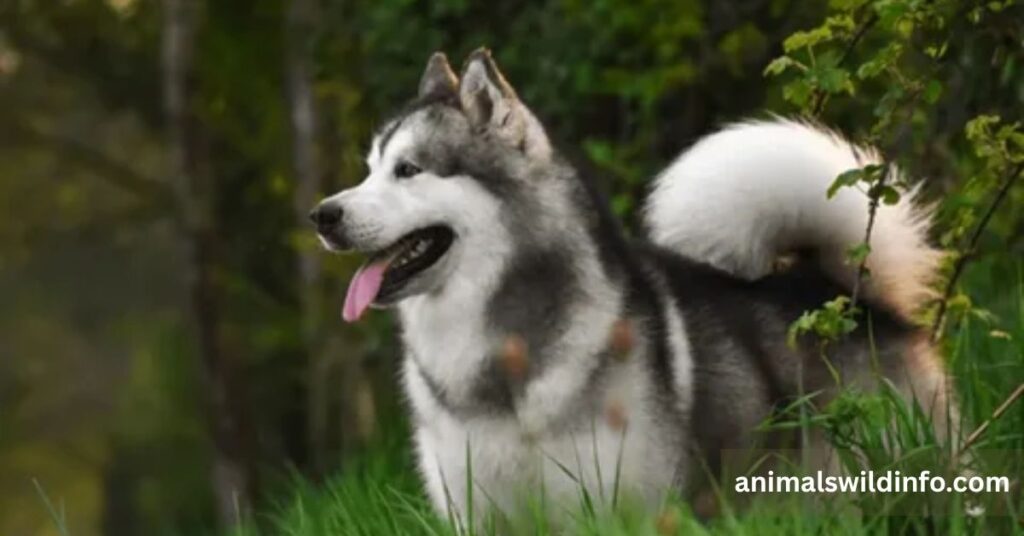
Built by Arctic communities to haul heavy loads across snow, the Alaskan Malamute carries a coat engineered for serious cold. A wind-blocking outer layer works alongside a warmth-trapping undercoat, letting it labor for hours in freezing conditions. These powerful dogs value endurance over speed, and their thick coat sheds twice a year to manage seasonal temperature shifts.
Fur-covered paws protect against ice, and a tail curled over the nose while resting adds one more layer of warmth. Malamutes are loyal, social animals that thrive around companionship, whether human or canine. One catch: their heavy coat makes hot climates genuinely risky, so owners in warmer regions need to manage temperature carefully.
Red Fox
Scientific Name: Vulpes vulpes Class: Mammalia Diet: Omnivore
The red fox proves that thick fur isn’t just an Arctic specialty. Found across North America, Europe, and Asia, this adaptable hunter grows a noticeably thicker coat each autumn before shedding it back down in spring. That winter coat covers its body and bushy tail, which doubles as both a balance tool and a built-in blanket during rest.
Red foxes hunt rodents, birds, and insects, using sharp hearing to detect movement even beneath thick snow. Mostly solitary outside breeding season, they raise their young in underground dens and adjust their activity based on weather severity. Their fur isn’t just decoration it’s the reason they stay active through winters that would slow other animals down.
Read More: Top 25 Animals With Long Legs (With Pictures & Fascinating Facts)
Mountain Goat
Scientific Name: Oreamnos americanus Class: Mammalia Diet: Herbivore
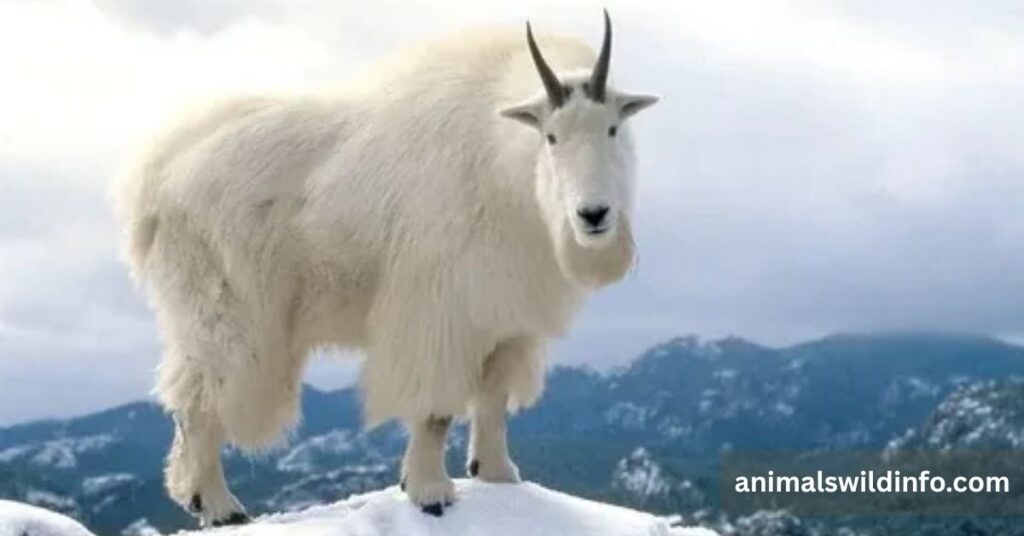
Living on cliffs steep enough to make most animals nervous, the mountain goat relies on thick fur just as much as its famous climbing skill. Its shaggy winter coat grows long and dense before shedding heavily each spring, and even newborn kids arrive with insulating fur already in place.
Found across the coastal ranges and Rocky Mountains of North America, these goats graze on grass and small plants at elevations where temperatures swing wildly. Rough foot pads grip rock surfaces with precision, while their coat blocks wind that would otherwise cut straight through. During storms, mountain goats often just stand still and face the wind directly, letting their fur do the hard work of keeping body heat locked in.
Why Do Some Animals Have Thick Fur?
Fur thickness isn’t random. It’s the result of generations of evolutionary adaptation responding to brutal environments. Animals living in freezing tundra, alpine peaks, or icy coastlines that failed to develop strong insulation simply didn’t survive long enough to reproduce. Over time, thicker coats became the norm for species stuck in the coldest corners of the planet.
Genetics and environment work together here. Body temperature regulation depends on how dense the undercoat grows and how long the guard hairs stretch. Populations living farther north or higher up mountains tend to develop noticeably heavier coats than relatives living in milder zones, proving that climate shapes biology in very direct ways.
Which Animal Has the Thickest Fur?
If you’re picking a single winner, the sea otter takes the crown. With roughly one million hairs packed onto its body, no other mammal on Earth comes close in raw fur density. Since sea otters skip the blubber layer that most marine mammals rely on, that dense coat is doing all the heavy lifting for warmth in freezing ocean water.
Still, a few close competitors deserve mention. The chinchilla ranks among the densest-furred land mammals, and the musk ox’s qiviut undercoat outperforms sheep’s wool by a wide margin. Density alone doesn’t guarantee the best insulation, though length, layering, and how the coat is used all factor into how effectively an animal stays warm.
How Thick Fur Helps Animals Survive
At its core, fur works by trapping pockets of air close to the skin. That trapped air heats up from body warmth and acts as a buffer against the cold outside. Add wind-resistant guard hairs on top, and you get a coat that blocks moisture and airflow while holding heat in a simple but brilliant piece of natural insulation.
Fur alone isn’t the whole story, though. Behavior plays a huge role too. Animals curl into tight balls, huddle together in groups, or dig into snow dens to multiply the effect of their coats. Musk oxen circle up for group warmth. Foxes wrap their tails around their faces. Combine smart behavior with the right coat, and you’ve got a genuine winter survival strategy built over thousands of years.
Thick Fur vs. Blubber: What’s the Difference?
Fur and blubber solve the same problem in different ways. Fur is hair-based insulation, trapping warm air in layers close to the skin. Blubber is a thick layer of fat sitting just beneath the skin, storing heat directly inside the body rather than around it. Seals, whales, and walruses lean heavily on blubber, while foxes, lynxes, and mountain goats depend almost entirely on fur.
Some animals use both systems at once for maximum protection. Polar bears combine dense fur with a solid fat layer underneath, giving them flexibility on land and in freezing water alike. Harp seal pups start out fur-dependent as whitecoats, then gradually shift toward blubber as they mature and spend more time swimming. Nature, it turns out, doesn’t mind hedging its bets.
Threats Facing Animals With Thick Fur
Climate change sits at the top of the threat list for most cold-adapted species. Rising temperatures shrink sea ice, shift snowfall patterns, and disrupt breeding cycles for animals like polar bears and harp seals. When ice melts earlier than usual, hunting windows shrink, and survival gets noticeably harder for species that depend on frozen ground or water.
Human activity compounds the problem. Historical fur trade decimated populations of chinchillas, sea otters, and several other species on this list, some nearly to extinction. Habitat loss from development and resource extraction continues squeezing already-shrinking ranges. Fortunately, conservation programs across multiple countries have helped several species recover, proving that focused protection efforts genuinely work when given enough time and support.
Conclusion
Fur isn’t just fluff. It’s one of nature’s most elegant engineering solutions, refined over countless generations to solve one relentless problem: staying alive in the cold. From polar bears drifting across melting ice to mountain goats balancing on impossible cliffs, every animal on this list found its own way to beat the freeze.
Protecting these species means protecting the wild, cold places they call home. As temperatures shift and habitats shrink, the future of these remarkable, thick-coated creatures depends on choices made today. Stay curious, stay informed, and keep rooting for the wildlife built to handle what the rest of us couldn’t survive a single night in.
Frequently Asked Questions
Polar bears, Arctic foxes, musk oxen, snow leopards, chinchillas, and yaks all grow thick fur to survive cold climates and harsh weather conditions.
The sea otter has the thickest fur of any animal, with roughly one million hairs covering its entire body for insulation.
Chinchillas grow extremely thick hair, producing dozens of strands from a single follicle, giving them the densest fur among land mammals.
Musk oxen have one of the thickest coats in the animal kingdom, combining a windproof outer layer with a warm undercoat called qiviut.