Top 12 Amazing Animals With Quills (Pictures, Facts & Unique Features)
Nature loves armor. Some creatures wear shells. Some grow thick hides. But a special group of animals that have quills takes defense to a sharper level. Animals With Quills These quill-bearing animals carry hundreds, sometimes thousands, of stiff, pointed spines on their bodies. And they know exactly how to use them.
This guide walks you through 12 of the most fascinating animals with sharp quills found on Earth. You’ll meet mammals with quills like porcupines and hedgehogs. You’ll also meet spiny creatures from the ocean and the desert. Each one has a story worth knowing. By the end, you’ll understand why these animals with natural armor matter so much to their ecosystems, and why they deserve a little more respect than fear.
Why do animals have quills in the first place? The short answer is survival. Millions of years of defensive evolution shaped these structures one close call at a time. A soft-bodied ancestor that grew even slightly stiffer hairs had a better shot at surviving a bite. Over generations, that small edge turned into full-body armor. This is adaptation for survival in its purest form, and it shows up again and again across totally different branches of the animal kingdom. You’ll notice the same basic idea, sharp points equal safety, popping up in mammals, reptiles, fish, and even ocean invertebrates that share no common ancestor with a porcupine at all.
What Are Quills?
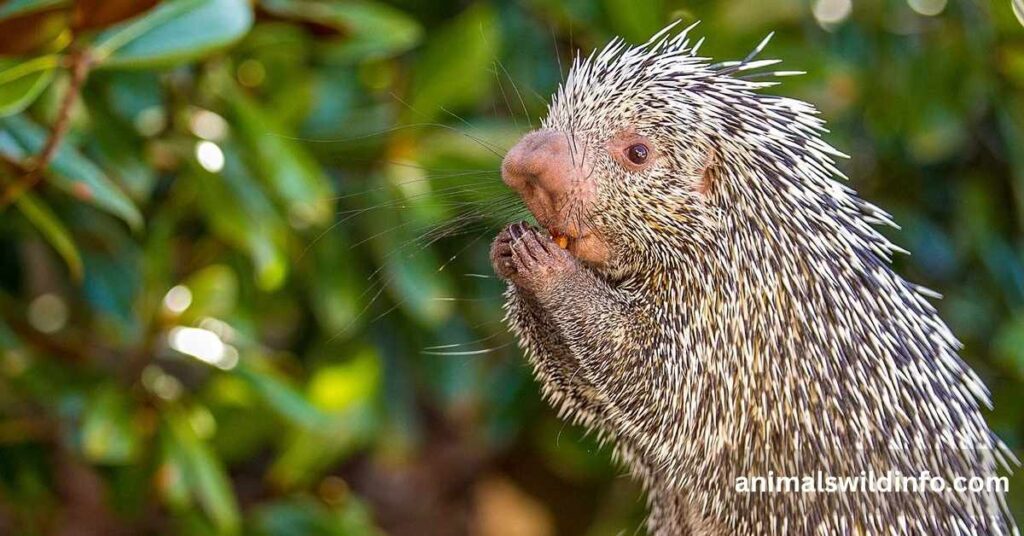
Quills are stiff, pointed structures that grow from an animal’s skin. In most mammals, they’re modified hairs made from keratin, the same protein found in your fingernails. These keratin quills are hollow or semi-hollow. That makes them light but tough. Some quills stay firmly rooted in the skin. Others release easily, digging into an attacker at the first touch.
Quills aren’t just about looking tough. They serve real purposes. Animals use them for predator defense, for warning displays, and sometimes even for communication between members of the same species. Not every spiky creature technically has “quills,” though. Some have modified spines made from bone, scales, or exoskeleton material instead. We’ll break down that difference later in this article. For now, just know this: defensive quills are one of nature’s oldest and most clever survival tools.
Think about it this way. A porcupine can’t outrun a big cat. A hedgehog can’t fight off a fox with its paws. So evolution handed these slow, small creatures a different kind of weapon, one that doesn’t require speed or strength at all. It just requires standing still and letting the quills do the work. That’s the beauty of this defensive anatomy. It levels the playing field between tiny mammals and much larger, faster predators. And because quills regrow or regenerate over time, an animal doesn’t lose its armor permanently after a single encounter. It heals, rebuilds, and stays ready for the next threat that wanders too close.
List of Animals With Quills
Twelve incredible creatures make our list of wild animals with quills. They come from land, desert, forest, and sea. Some are furry mammals. Others are reptiles, fish, or marine invertebrates. What connects them all is a shared strategy: use sharp, pointed body parts to survive in a dangerous world.
Below is a quick table showing each animal and its classification. After the table, you’ll find a detailed look at every single one, including habitat, diet, behavior, and the specific role their quills play in daily survival. Along the way, you’ll notice a pattern. Almost every entry on this list connects back to a bigger ecological story, whether that’s seed dispersal in a rainforest, algae control on a coral reef, or moisture collection in a bone-dry desert. Wildlife adaptations rarely exist in isolation. They ripple outward, shaping the health of an entire habitat.
| Animal | Scientific Name | Class | |
| 1 | Indian Crested Porcupine | Hystrix indica | Mammalia |
| 2 | North American Porcupine | Erethizon dorsatum | Mammalia |
| 3 | African Brush-tailed Porcupine | Atherurus africanus | Mammalia |
| 4 | Old World Porcupine | Hystricidae | Mammalia |
| 5 | Echidna | Tachyglossus aculeatus | Mammalia |
| 6 | Hedgehog | Erinaceus europaeus | Mammalia |
| 7 | Greater Hedgehog Tenrec | Setifer setosus | Mammalia |
| 8 | Lowland Streaked Tenrec | Hemicentetes semispinosus | Mammalia |
| 9 | Spiny Rats | Proechimys species | Mammalia |
| 10 | Sea Urchin | Strongylocentrotus purpuratus | Echinoidea |
| 11 | Porcupinefish | Diodontidae | Actinopterygii |
| 12 | Thorny Devil Lizard | Moloch horridus | Reptilia |
Indian Crested Porcupine
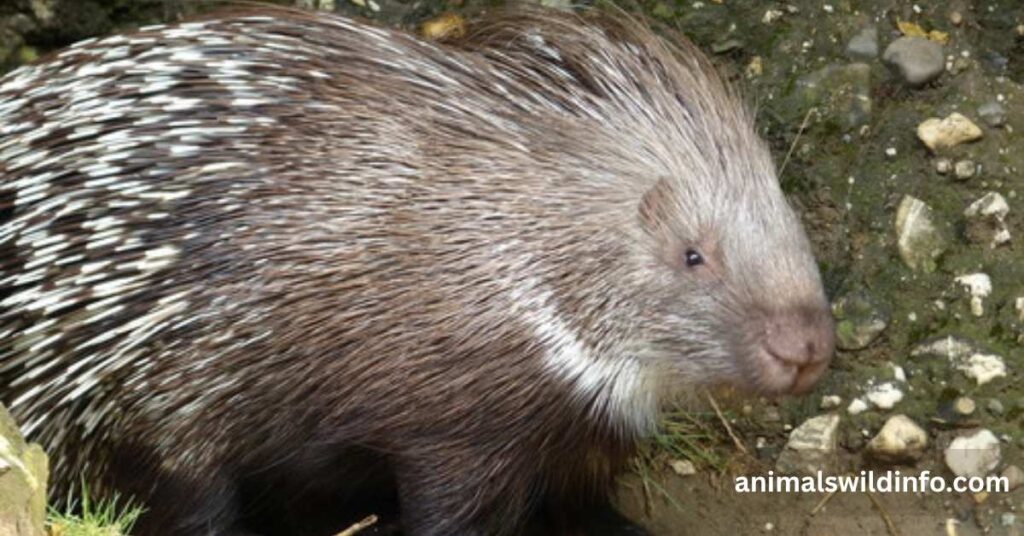
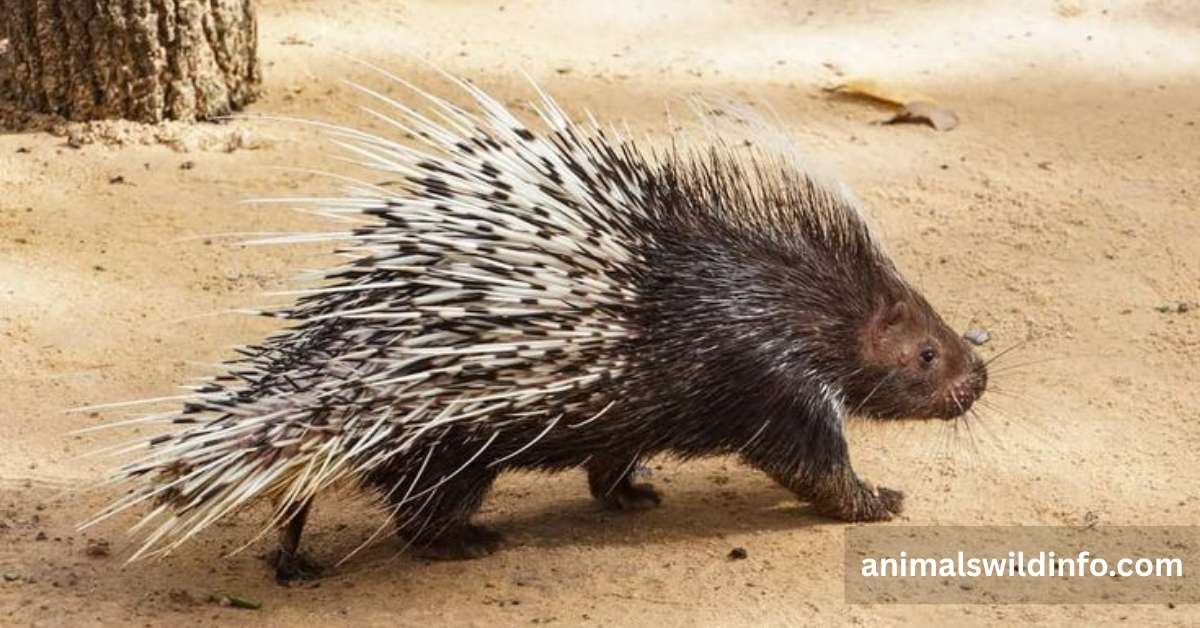
The Indian crested porcupine lives across South Asia, and it carries one of the most recognizable quill coats in the animal kingdom. Its scientific name, Hystrix indica, belongs to the Old World porcupine family. This nocturnal herbivore feeds mostly on roots, tubers, and fruit. When a predator gets too close, the porcupine raises its quills and rattles them together, making a warning sound that few animals ignore.
Here’s something most people don’t know: this animal doesn’t shoot its quills. That’s a myth. Instead, it relies on quill regeneration, growing new spines after older ones break off during an attack. This slow-and-steady defense mechanism has kept the species safe for thousands of years. Beyond defense, the Indian crested porcupine plays a real ecosystem role. By eating and moving seeds around, it helps forests regenerate naturally.
Socially, this porcupine surprises people. Most assume it lives a fully solitary life, but researchers have documented small family groups sharing burrows and even playing together after dark. Its habitat stretches from dry scrubland to farmland edges, which sometimes puts it in conflict with local farmers, since it enjoys digging up root vegetables. Despite that friction, the species remains widespread, and its conservation status currently sits at a stable level across most of its range.
North American Porcupine
Found across forests and shrublands in the United States and Canada, the North American porcupine is famous for one brutal detail: its barbed quills. Each quill ends in tiny, hook-like barbs. Once a quill enters skin, muscle movement actually pulls it deeper. Scientists have also found that these quills carry a natural lubricant, which helps them slide into an attacker’s flesh with painful ease.
Read More: 20 Animals with Big Eyes That Will Surprise You (With Pictures)
This porcupine isn’t just built for combat, though. Its diet tells a bigger story. As an herbivorous mammal, it feeds heavily on the cambium layer beneath tree bark. This feeding habit, strange as it sounds, actually helps forests by triggering new tree growth. Solitary and mostly active at night, the North American porcupine shows a surprising personality once you get to know it: shy during the day, but oddly social when mating season rolls around.
Wildlife biologists studying this species often point out one common misconception. Many people assume porcupines throw their quills like darts. They don’t. A porcupine’s only real weapon is its tail, which it swings backward with surprising speed when cornered. Anything caught in that swing ends up with a face full of barbed quills, often requiring a trip to the vet for dogs unlucky enough to get too curious. Despite this fearsome reputation, the North American porcupine is actually a slow, careful climber, spending much of its life in trees, safely out of reach from ground-based predators like coyotes and bobcats.
African Brush-tailed Porcupine
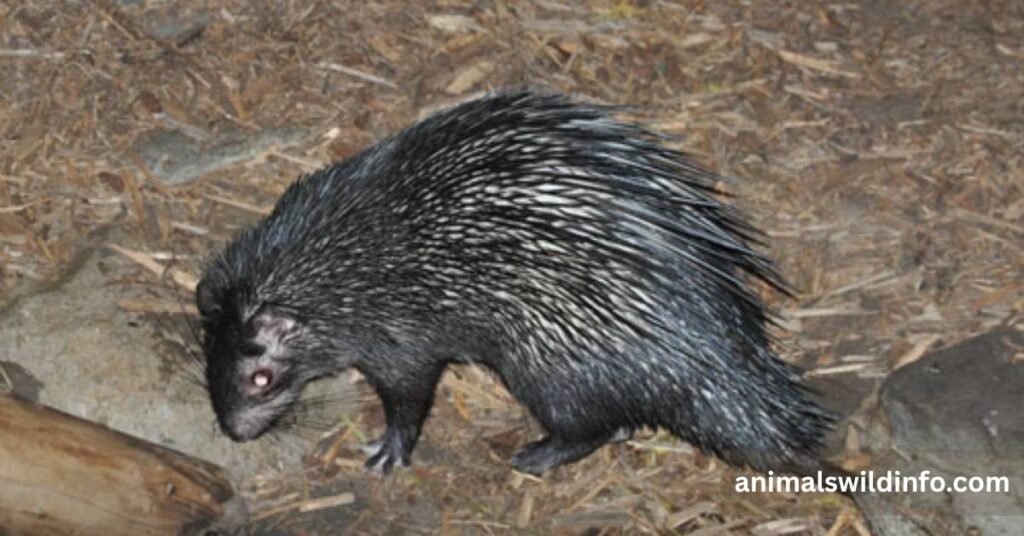
The African brush-tailed porcupine doesn’t get the fame that other porcupines do, but it deserves attention. Native to Central and West African forests, this species uses its tail as a communication tool. When threatened, it thumps its tail against the ground, creating vibrations that warn off predators and signal to potential mates at the same time. That’s a rare double function for a single defensive behavior.
Its quills carry a barbed structure similar to other porcupine species, making them painful and hard to remove once lodged in skin. As a forest dweller, this porcupine feeds on fruit, roots, and bark, contributing to seed dispersal throughout its habitat. Sadly, habitat loss and hunting threaten its numbers, making conservation status a growing concern for wildlife groups working across its range.
Old World Porcupine
The term Old World porcupine refers to the Hystricidae family, found across Europe, Asia, and Africa. Unlike their North American cousins, these porcupines have quills that stay firmly rooted in the skin instead of detaching easily. That single difference changes their whole defense strategy. Rather than leaving quills behind in an attacker, they back into predators repeatedly, using their whole body as a weapon.
Many Old World porcupine species show banded quill patterns, alternating black and white or brown and cream. These bands aren’t just for decoration. They act as a warning display, similar to how certain snakes use bright colors to say “stay away.” This species is also known for impressive digging skills, building deep burrow systems that offer shelter from both predators and extreme weather. Their diet stays mostly herbivorous, though they’re not afraid to gnaw through tough roots and bark when food gets scarce.
Unlike the solitary lifestyle of some porcupine relatives, several Old World porcupine species form long-term pair bonds, sharing burrows and raising young together over multiple seasons. This level of family structure is rare among rodent species and hints at a more complex social life than most people expect from a spiky, ground-dwelling mammal. Farmers in parts of Africa and Asia sometimes view these porcupines as pests due to their root-digging habits, though conservationists argue their seed dispersal and soil aeration benefits outweigh the occasional crop damage.
Echidna
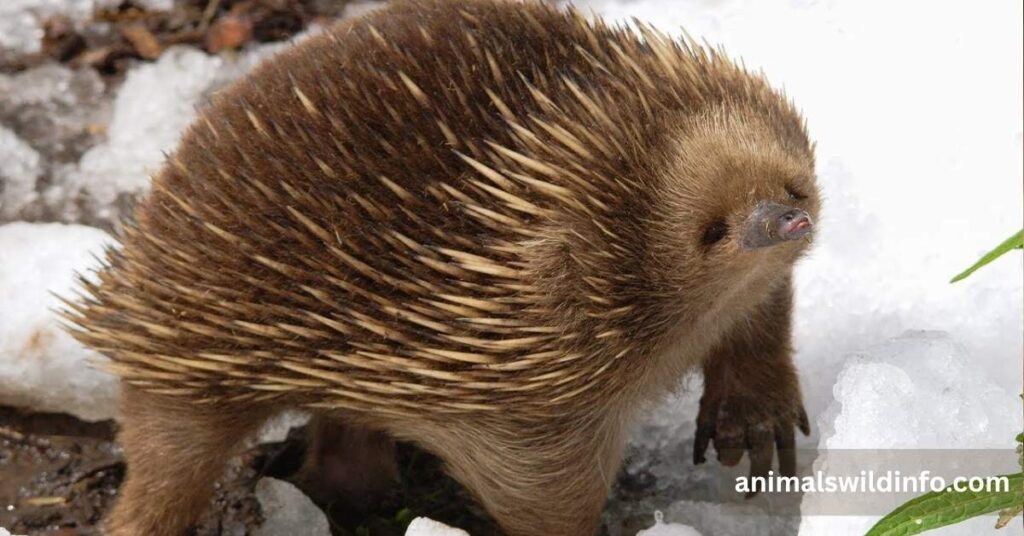
The echidna stands apart from every other animal on this list because it’s a monotreme mammal, meaning it lays eggs instead of giving birth to live young. Australia and New Guinea are home to this spiny wonder. Its body carries a coat of sharp spines mixed with fur, giving it a look somewhere between a hedgehog and a small anteater.
Diet-wise, the echidna specializes in ants and termites. It has no teeth at all. Instead, it uses a long, sticky tongue to pull insects from tunnels and soil. This makes it one of the more unusual insect-eating mammals in the world. Beyond its odd biology, the echidna shows real toughness, surviving in deserts, forests, and even snowy mountain regions. Conservation efforts across Australia continue working to protect this ancient species, which has barely changed in millions of years of evolution.
When threatened, an echidna doesn’t run or fight. It digs. Using its strong claws, it can bury itself straight down into soil within seconds, leaving nothing exposed but a dome of sharp spines. This is a different kind of anti-predator adaptation compared to the porcupine’s swinging tail, but it works just as well. Combine that with a sense of smell strong enough to detect insect nests buried underground, and you start to understand why this odd little mammal has survived largely unchanged since the age of the dinosaurs.
Hedgehog
Ask most people to name an animal with spines, and they’ll say hedgehog first. Technically, though, hedgehogs have spines, not true quills, since their structures don’t share the same barbed, easily detached design as porcupine quills. Still, the effect is similar. When threatened, a hedgehog curls into a tight ball, tucking its soft belly away and presenting nothing but sharp spines to any predator.
This curling response isn’t random. It’s an efficient self-defense adaptation that also conserves energy, letting the hedgehog stay still until danger passes. Hedgehogs also show a strange behavior called self-anointing, where they lick a new scent and spread frothy saliva across their spines. Nobody fully understands why they do this, but many scientists believe it relates to scent-marking or even parasite control. Either way, it makes hedgehogs one of the more mysterious spiny mammals in the animal kingdom.
Read More: 22 Quiet Animals in the World: Silent Creatures You Should Know
Hedgehogs have also become popular backyard visitors across parts of Europe, and increasingly, popular pets in the United States, though certain states restrict ownership. In the wild, a hedgehog’s spines number somewhere between 5,000 and 7,000, far fewer than a porcupine’s quill count, but still enough to make most predators think twice. Foxes and badgers are among the few animals skilled enough to flip a curled hedgehog over and attack its unprotected belly, showing that even the best natural armor has its limits.
Greater Hedgehog Tenrec
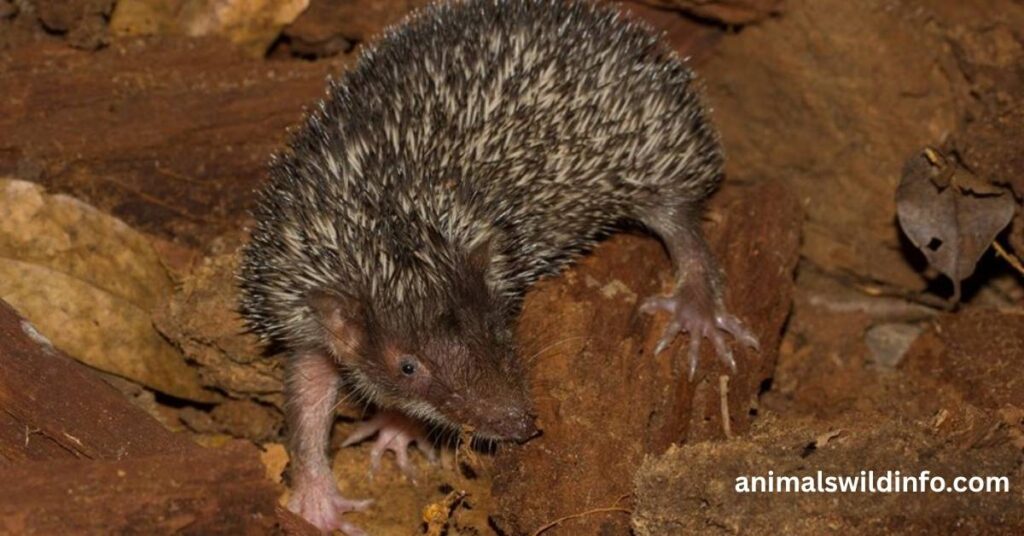
Madagascar hides a strange little creature called the Greater Hedgehog Tenrec. At first glance, it looks just like a hedgehog, right down to the spiny coat and rolled-up defense posture. But it’s not related to hedgehogs at all. This is a textbook case of convergent evolution, where two unrelated species develop similar traits because they face similar survival challenges.
As an insect-eating mammal, the Greater Hedgehog Tenrec forages at night for insects, worms, and small invertebrates. Its spines, much like a hedgehog’s, offer protection through a defensive curl rather than an active attack. What makes this animal special is its isolation. Madagascar’s unique ecosystem has allowed this species to develop separately from mainland Africa for millions of years, creating one of the most distinct wildlife adaptations found anywhere on the planet.
Lowland Streaked Tenrec
The Lowland Streaked Tenrec might be the most unusual quilled animal on this entire list. Also native to Madagascar, this small mammal uses its spines for something almost no other animal does: sound. By rubbing specialized quills together, it produces a high-pitched vibration called stridulation. Scientists believe this defensive behavior helps tenrecs communicate with each other, especially between mothers and their young, in the middle of dense, dark rainforest.
Beyond sound-based communication, this tenrec also raises its spines when startled, warning predators of the danger ahead. It moves quickly through the forest floor, hunting insects and small invertebrates with impressive speed for such a small creature. Its habitat, the humid lowland forests of Madagascar, faces serious deforestation pressure, putting this fascinating species at growing risk.
Spiny Rats
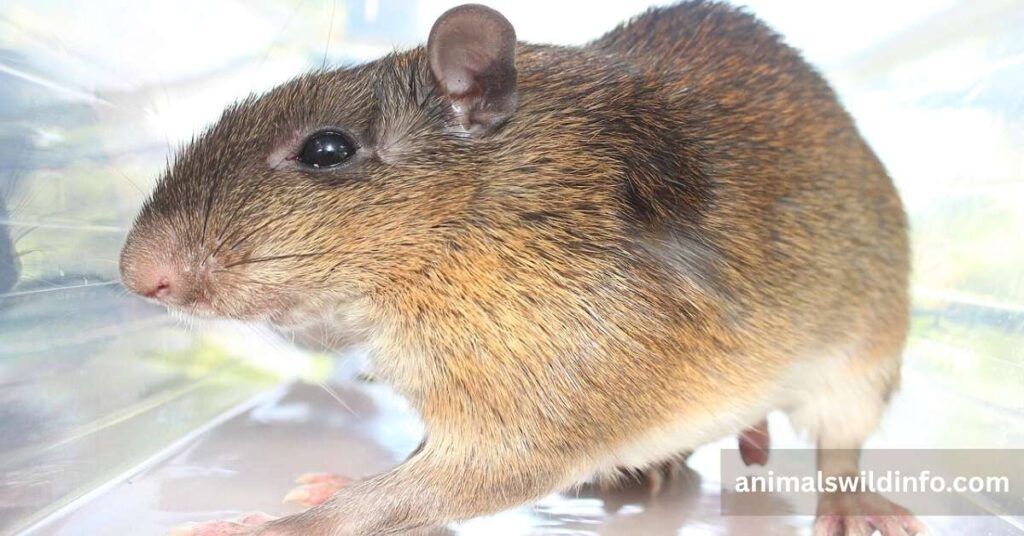
Don’t let the name fool you. Spiny rats aren’t ordinary rodents. Found throughout Central and South America, these small mammals carry stiff, spine-like hairs across their backs. Unlike porcupine quills, spiny rat spines are softer and detach far more easily, allowing the animal to lose a patch of spines during a predator attack and escape while the confused hunter is left holding fur instead of flesh.
This detachable defense makes spiny rats one of the more clever rodent species when it comes to survival. Their diet consists mainly of fruit and seeds, and through their foraging habits, they help with seed dispersal across the forest floor. Researchers have also documented surprisingly complex social behavior among spiny rat colonies, challenging the old idea that rodents live simple, unstructured lives.
Sea Urchin
Step off dry land, and you’ll find the sea urchin, one of the most striking marine invertebrates with spines. These round, ball-shaped creatures cover their bodies in long, sharp spines that serve two jobs at once: defense and movement. Some sea urchin species even carry venomous barbs at the spine tips, delivering a painful sting to anything careless enough to touch them.
Sea urchins thrive in a wide range of ocean environments, from shallow coral reefs to deep, dark abyssal plains. Their spines constantly move and adjust, helping the animal navigate rocky ocean floors while staying protected from fish and other predators. As marine animals with spines, sea urchins also play a key ecological role, grazing on algae and helping keep reef ecosystems balanced and healthy.
Divers along the coasts of California and Hawaii encounter these creatures often, and most learn quickly to respect their space. A sea urchin sting isn’t usually deadly to humans, but it can cause hours of throbbing pain if a spine breaks off under the skin. Interestingly, sea urchin populations also serve as an early warning sign for ocean health. When their numbers spike out of control, it often means a predator, like a sea otter, has disappeared from the area, throwing the whole food web out of balance.
Porcupinefish
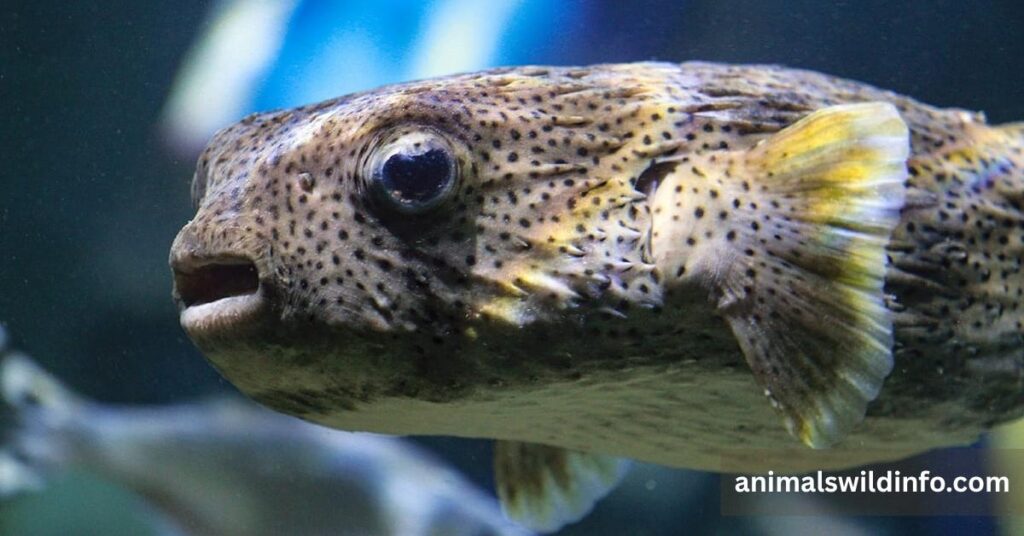
Many people confuse the porcupinefish with the pufferfish, but they’re actually different families. While pufferfish rely mainly on a toxin called tetrodotoxin, the porcupinefish takes a more physical approach. When threatened, it gulps water and inflates its body into a spiky ball. Its spines, normally flat against the skin, stand straight up during this transformation, turning a slow-moving fish into an intimidating, impossible-to-swallow threat.
This dual defense, inflation plus spines, makes the porcupinefish one of the more dramatic examples of animal defense adaptations in the ocean. Found in warm, tropical waters around the world, it feeds mostly on mollusks and crustaceans, using strong teeth to crack through hard shells. Despite its fearsome look when inflated, the porcupinefish is generally slow and gentle, relying entirely on its spiky defense rather than aggression.
Snorkelers and divers often spot porcupinefish resting quietly among coral formations during the day, since most species become active hunters at night. Their inflation reflex works through rapid water intake into a specialized stomach chamber, and it happens within seconds when the fish senses real danger. Once the threat passes, the porcupinefish slowly releases the water and returns to its normal, torpedo-shaped form, ready to glide off in search of its next meal.
Read More: 15 Amazing Tiny Monkey Breeds You Need to See (With Pictures)
Thorny Devil Lizard
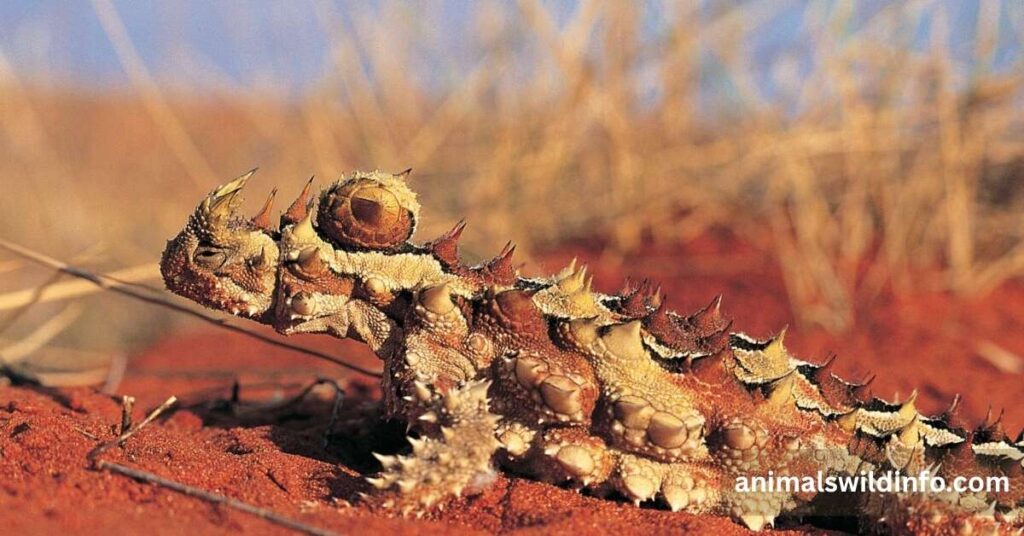
The Thorny Devil lives in the harsh deserts of Australia, and its entire body looks like a walking cactus. Covered head to tail in sharp, cone-shaped spines, this small reptile uses its armor for more than just protection. Its spines also help collect water. Channels between the spines direct rain and dew straight toward the lizard’s mouth, an incredible adaptation for surviving in one of the driest environments on Earth.
As one of the more unique desert reptiles, the Thorny Devil also relies on camouflage, blending into red desert sand with its mottled brown and tan coloring. When threatened, it doesn’t run. Instead, it puffs up its body, making its thorny profile look even bigger and scarier to predators. This combination of camouflage, water collection, and a warning display shows just how creative evolution can get when survival is on the line.
There’s one more trick up this lizard’s sleeve. It carries a fake head, a soft, rounded bump on the back of its neck, which it presents to predators by tucking its real head down between its front legs. A bird or reptile aiming for a fatal strike often ends up biting the wrong spot entirely. Combined with its spiky armor, slow deliberate movements, and desert camouflage, the Thorny Devil packs an impressive amount of defensive evolution into a body no bigger than a human hand.
How Do Animals Use Their Quills for Defense?
At the most basic level, quills work through simple physics: sharp points hurt, and most predators learn to avoid pain fast. Many animals with defensive quills raise their spines when startled, instantly changing their body shape from soft and vulnerable to hard and dangerous. Others, like the North American porcupine, take things further, using barbed quills that lodge deep into an attacker’s skin and stay there, causing lasting pain and sometimes infection.
But quills do more than just cause damage. Some animals use them as a warning display, showing off color patterns or raising spines before a predator even gets close, avoiding a fight altogether. Others, like the Lowland Streaked Tenrec, use quills for sound-based communication. And in extreme cases like the Thorny Devil, spines even help with survival tasks unrelated to defense, like water collection. This range of uses shows just how flexible animal survival strategies can become when a body part serves more than one purpose.
There’s also a psychological side to mammalian defense. Predators learn through experience. A young coyote that gets a face full of quills from a porcupine usually never tries that again. Over time, this creates a kind of reputation effect across an entire ecosystem. Word doesn’t spread through language, obviously, but through repeated painful lessons passed down between generations of predators. That’s part of why quilled animals can move slowly and calmly through their environment. Their reputation, backed up by sharp physical proof, often does the work before a single quill ever makes contact.
Are Quills the Same as Spines?
This is one of the most common questions people ask, and the answer is: not exactly. True quills are modified hairs, made from keratin, and found almost exclusively on mammals like porcupines and hedgehogs. Spines, on the other hand, can come from different materials entirely. Sea urchin spines grow from calcium carbonate, part of their skeletal structure. Thorny Devil spines come from modified scales, since it’s a reptile, not a mammal.
Understanding this biological distinction helps make sense of why these animals look similar but evolved in completely separate ways. Porcupine quills and hedgehog spines share a mammalian origin, but they still differ from each other, since porcupine quills detach and cause serious injury, while hedgehog spines stay put and offer more passive protection. Meanwhile, sea urchins and Thorny Devils represent entirely different branches of the animal kingdom, proving that “sharp and pointy” isn’t one single evolutionary path. It’s a strategy that nature has invented, and reinvented, many times over.
This pattern has a name in biology: convergent evolution. Unrelated species, facing similar pressures, often land on similar solutions. That’s exactly what happened with the Greater Hedgehog Tenrec and true hedgehogs. They look almost identical, yet they sit on completely different branches of the mammal family tree, separated by millions of years and thousands of miles of ocean. So next time you see something described as “quill-like” or “spiny,” it’s worth asking which category it actually belongs to. The answer often reveals a much deeper evolutionary story hiding behind a simple, sharp exterior.
Interesting Facts About Animals With Quills
Some of these facts sound almost too strange to be true, yet every one of them checks out. The table below breaks down a few standout details about these prickly animals, giving you quick, shareable facts perfect for trivia night or classroom discussions.
| Fact | Animal |
| Can carry over 30,000 quills at once | North American Porcupine |
| Lays eggs despite being a mammal | Echidna |
| Uses spines to make sound, not just for defense | Lowland Streaked Tenrec |
| Collects drinking water through its spines | Thorny Devil Lizard |
| Can lose spines on purpose to escape predators | Spiny Rats |
| Inflates its body to make spines stand up | Porcupinefish |
| Regenerates quills after they break off | Indian Crested Porcupine |
Final Thoughts
From dense forests to dry deserts, and from coral reefs to rainforest floors, spiny creatures have found a place in nearly every corner of the planet. Each species on this list shows a different version of the same basic idea: sharp body parts keep you alive. Whether it’s a porcupine’s barbed quill, a sea urchin’s venomous spine, or a Thorny Devil’s water-channeling armor, these adaptations prove that survival often comes down to smart design rather than brute strength.
As habitats shrink and human activity spreads, many of these animals face real threats. Protecting forests, deserts, and ocean ecosystems isn’t just about saving individual species. It’s about preserving the strange, wonderful diversity that makes wildlife so worth studying in the first place. The next time you spot a porcupine ambling through the woods, or a sea urchin resting on a tide pool rock, take a second to appreciate the quiet genius behind its prickly design.
The North American porcupine holds the record, carrying around 30,000 individual quills across its back, sides, and tail.
The hedgehog is one of the smallest and most common quilled mammals, along with spiny rats, which are similarly compact in size.
Porcupines earned the nickname “quill pig” because of their grunting sounds and stocky, waddling walk, which reminded early settlers of pigs.
Hedgehogs technically have spines, not quills. Their spines don’t detach or barb the way true porcupine quills do.
Porcupines, sea urchins, and Thorny Devil lizards all rank among the pointiest animals on the planet, each covered in sharp, defensive structures.
Tenrecs and spiny rats fall into this category, carrying spines that offer protection without being quite as sharp or dangerous as true porcupine quills.
Sea urchins often take this title, since their entire body is covered edge to edge in long, needle-like spines with almost no smooth surface left exposed.
While not an official name, people sometimes casually refer to Thorny Devil lizards or porcupines as “spike” due to their obviously pointed, armored appearance.