Top 20 Most Anxious Animals in the World (With Pictures & Amazing Facts)
Have you ever watched a dog shake during a thunderstorm? Or seen a rabbit freeze the second a door slams? Animals feel fear too. Anxiety in animals is real, and it shows up in ways that might surprise you.
In this guide, you’ll meet the most anxious animals in the world. You’ll learn why some creatures stay on edge more than others. You’ll also discover the signs of anxiety in animals, what causes it, and how you can help a stressed pet or wild animal feel safe again. This matters if you own pets, love wildlife, or just want to understand animal emotions a little better.
What Are Anxious Animals?
Nervous animals aren’t broken or weak. They’re wired for survival. Anxious animals show heightened stress in response to threats, real or imagined. This reaction ties directly into animal survival instincts. A skittish animal that bolts at a sudden sound isn’t being dramatic. It’s following millions of years of evolution.
This kind of animal stress isn’t always visible at first glance. Some fearful animals hide their anxiety well, masking it until the pressure becomes too much. Others wear it openly, through trembling, pacing, or sudden aggression. Either way, this emotional response plays a huge role in animal behavior and animal psychology, shaping how a creature eats, sleeps, and interacts with the world around it.
Why Are Some Animals More Anxious Than Others?
Not every species handles stress the same way. Prey animals, like deer and rabbits, tend to be more hypervigilant than predators. They have to be. A missed warning sign could mean death. Meanwhile, predators like lions face less daily threat, so their fear response looks different and often shows up less often.
Genetics play a role too. Some species evolved as highly alert animals simply because their ancestors who stayed cautious lived longer. Domestication changes this picture further. Dogs and cats, bred alongside humans for thousands of years, still carry animal instincts from their wild ancestors. Add in factors like habitat disturbance, past trauma, or social isolation, and you get a mix of sensitive animals whose anxiety levels vary wildly, even within the same species.
List of the Most Anxious Animals in the World
Below, you’ll find 20 animals known for their timid and easily stressed nature. Each one deals with anxiety differently, shaped by biology, environment, and instinct. Here’s a quick snapshot before we dive into each one.
| Animal | Scientific Name | Class | Primary Anxiety Trigger |
| Cheetah | Acinonyx jubatus | Mammalia | Losing prey to rival predators |
| Dog | Canis lupus familiaris | Mammalia | Separation, loud noises |
| Cat | Felis catus | Mammalia | Routine changes, new environments |
| Horse | Equus ferus caballus | Mammalia | Unfamiliar surroundings |
| Deer | Cervus elaphus | Mammalia | Predator threats |
| Ostrich | Struthio camelus | Aves | Inability to fly from danger |
| Chimpanzee | Pan troglodytes | Mammalia | Social hierarchy conflict |
| Elephant | Loxodonta africana | Mammalia | Loss of family members |
| Rabbit | Oryctolagus cuniculus | Mammalia | Sudden movement, noise |
| Guinea Pig | Cavia porcellus | Mammalia | Loud sounds, handling |
| Meerkat | Suricata suricatta | Mammalia | Predator scanning duty |
| Goat | Capra aegagrus hircus | Mammalia | Separation from herd |
| Sheep | Ovis aries | Mammalia | Isolation from flock |
| Opossum | Didelphis virginiana | Mammalia | Direct predator contact |
| Chicken | Gallus gallus domesticus | Aves | Flock separation |
| Duck | Anas platyrhynchos domesticus | Aves | Predators, loud disruption |
| Squirrel | Sciurus carolinensis | Mammalia | Food competition, predators |
| Ferret | Mustela putorius furo | Mammalia | New environments |
| Parrot | Psittacidae | Aves | Loneliness, boredom |
| Zebra | Equus quagga | Mammalia | Predator attacks on the herd |
Cheetah
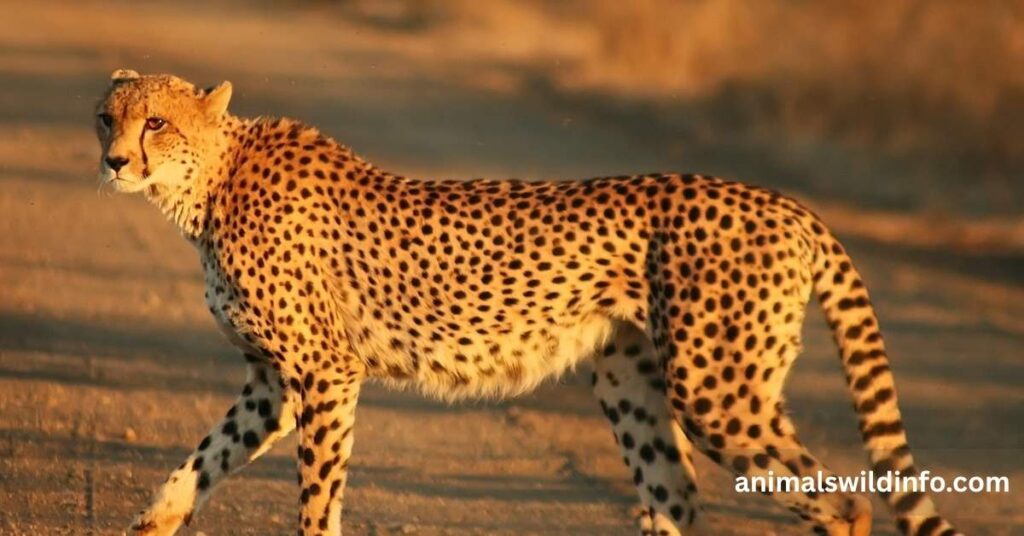
The cheetah looks fearless while chasing prey at 70 miles per hour. But underneath that speed lives constant tension. Cheetahs face predator threats from lions and hyenas, who often steal their kills. Because of this, cheetahs eat fast and stay alert even after a successful hunt. This fight or flight response stays switched on far longer than you’d expect from such a powerful animal.
Read More: Top 20 Animals That Eat Frogs (With Pictures & Interesting Facts)
Dog
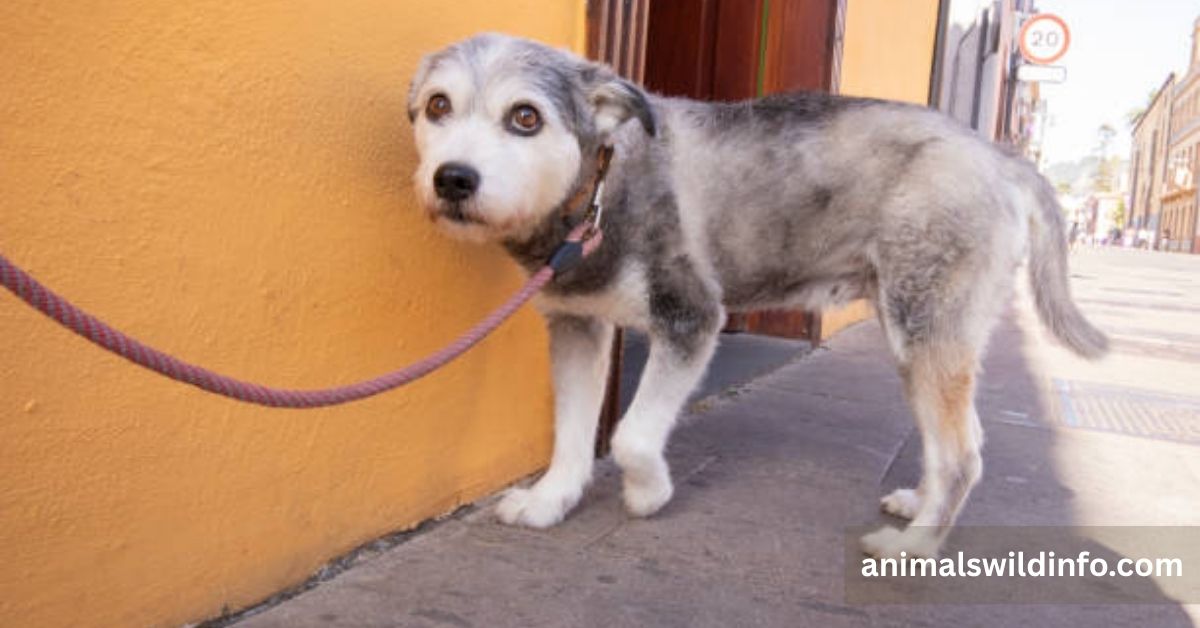
Dogs are famous for separation anxiety. Left alone too long, a dog might bark nonstop, chew furniture, or pace by the door. Loud noises like fireworks trigger a sharp fear response too. Some breeds, especially herding dogs and terriers, show more animals with high anxiety traits than others. The good news? Dogs respond well to routine, training, and positive reinforcement.
Cat
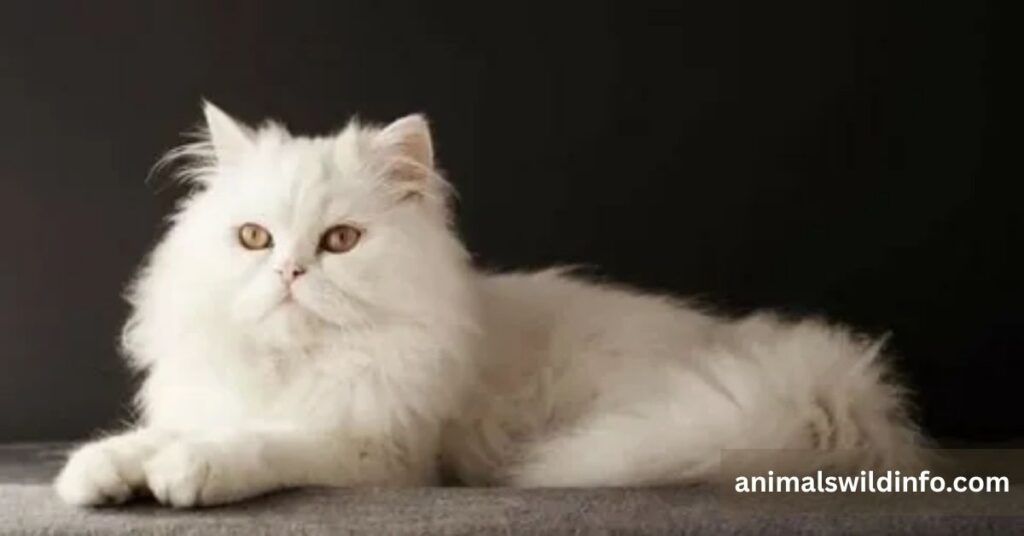
Cats hide their anxiety behind a cool exterior. But watch closely, and you’ll spot animal body language clues, like flattened ears or a twitching tail. Environmental changes, new pets, or even rearranged furniture can spark stress in a cat. This is one of the more emotional animals you’ll find at home, even if it doesn’t always show it outwardly.
Horse
Horses are prey animals through and through. A twitchy ear or nervous stomp signals unease long before a horse bolts. Because horses evolved to run from danger, they stay in a state of constant awareness. Trust-building through gentle handling can lower a horse’s stress hormones significantly over time.
Deer
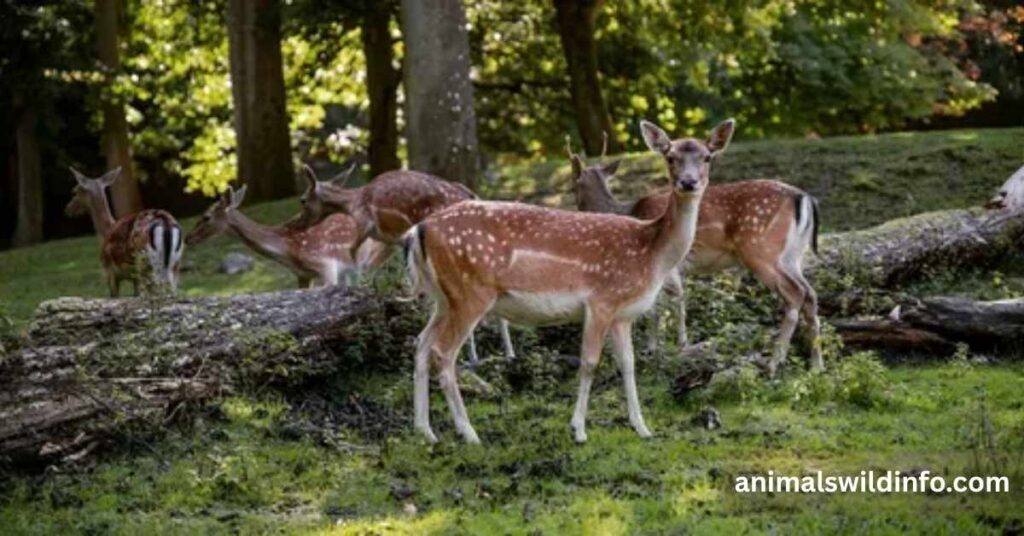
A deer’s big eyes aren’t just for show. They help this cautious animal scan constantly for danger. The slightest rustle can trigger instant flight. This heightened threat detection system keeps deer alive in the wild, but it also means they live in a near-permanent state of low-grade stress.
Ostrich
The ostrich can’t fly, so it relies on speed and a clever trick instead. When threatened, it may flatten itself against the ground, blending into the grass. This defensive behavior shows how deeply anxiety shapes wildlife behavior, even in a bird as large and powerful as the ostrich.
Chimpanzee
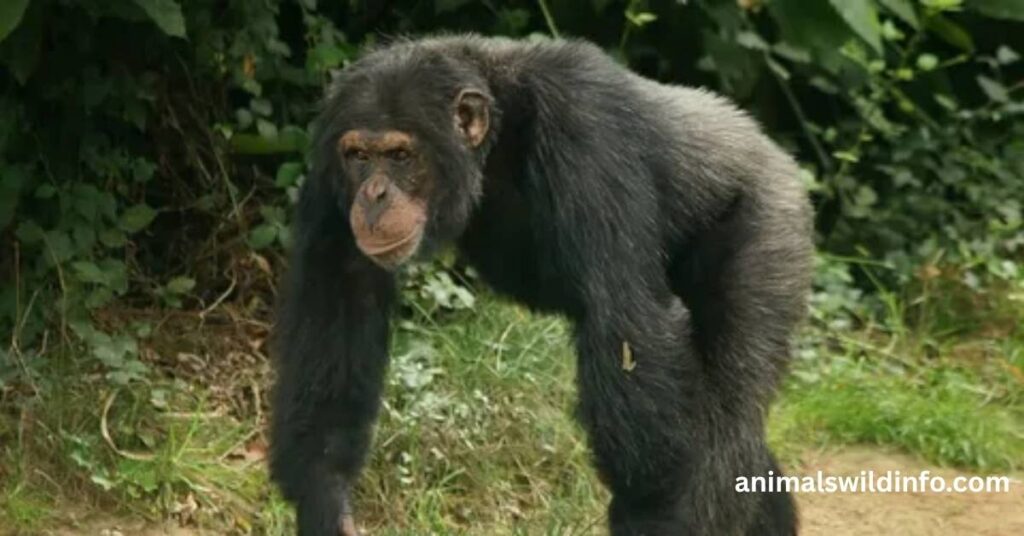
Chimpanzees live in complex social groups, and that brings its own stress. Hierarchy battles, territorial disputes, and shifting alliances all contribute to territorial stress. Interestingly, chimps cope through grooming and physical comfort, much like humans hug a friend during a hard day. This reveals real emotional intelligence in animals.
Elephant
Elephants form deep bonds, and losing a family member hits hard. Herds have been seen mourning a matriarch’s death for days. This kind of grief links directly to elevated cortisol levels and long-term stress. Elephants also use low rumbling sounds to comfort each other, a form of animal communication built on empathy.
Read More: Top 20 Most Annoying Animals In The World (With Pictures & Facts)
Rabbit
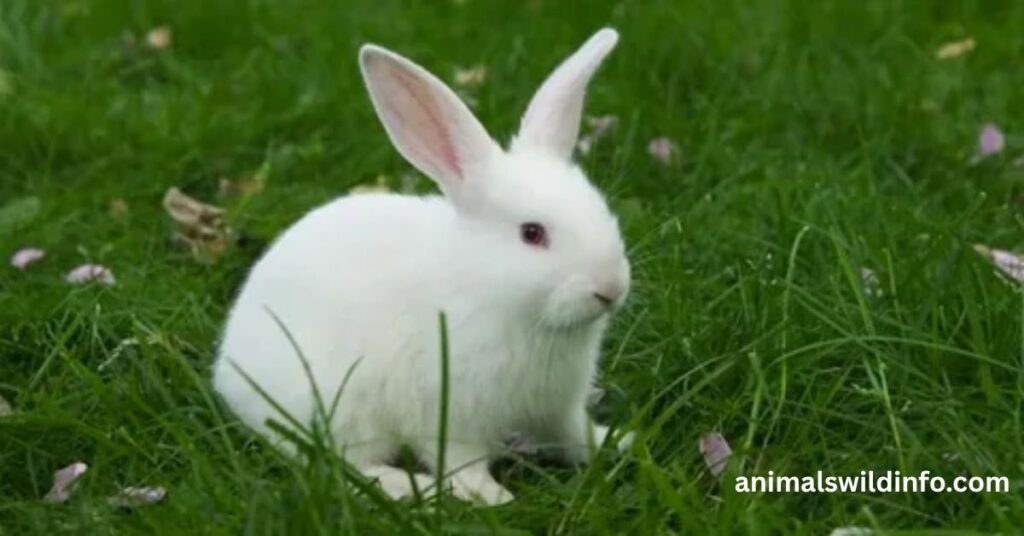
Rabbits rarely make noise when scared. Instead, they thump their hind legs or freeze completely still. This freeze response is a classic survival tactic. Because rabbits are so easily frightened, a calm and predictable routine makes a huge difference in reducing their daily stress.
Guinea Pig
Small and gentle, guinea pigs startle at sudden sounds or fast movements. They’re naturally skittish animals, and their anxiety often ties to environment. Poor lighting, temperature swings, or unfamiliar smells can all trigger stress. Giving them hiding spots helps create the safe environment they crave.
Meerkat
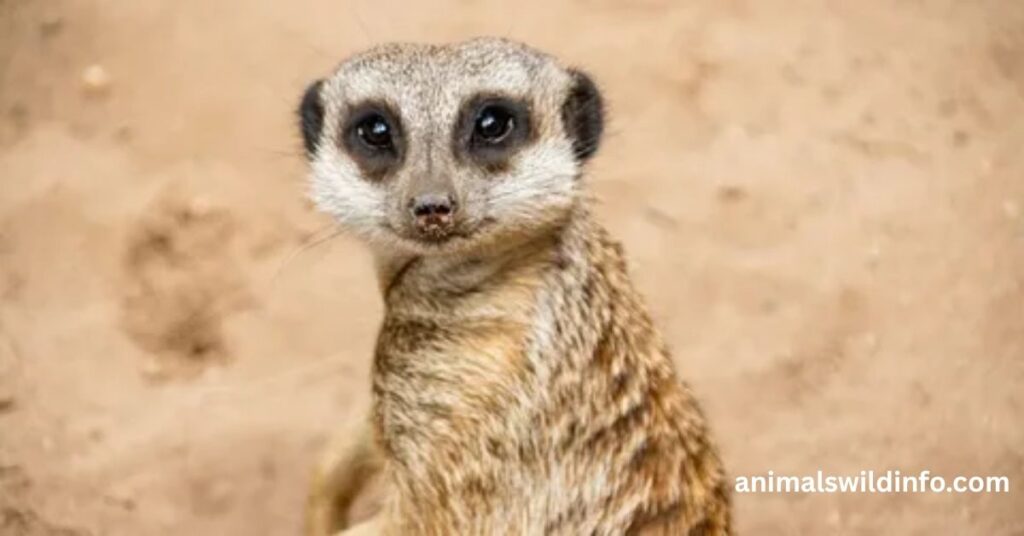
Meerkats live by teamwork. While most of the group forages, one meerkat stands guard, scanning for danger. This sentinel duty reflects a shared sense of hypervigilance across the whole colony. Their sharp vocal alerts show just how advanced animal communication can get when survival depends on it.
Goat
Goats seem playful, but they’re deeply social, and separation from the herd causes real distress. A stressed goat may freeze, flick its ears, or bleat loudly. Interestingly, goats can recognize individual human faces. This bond helps ease their anxiety, especially with a trusted, familiar caretaker nearby.
Sheep
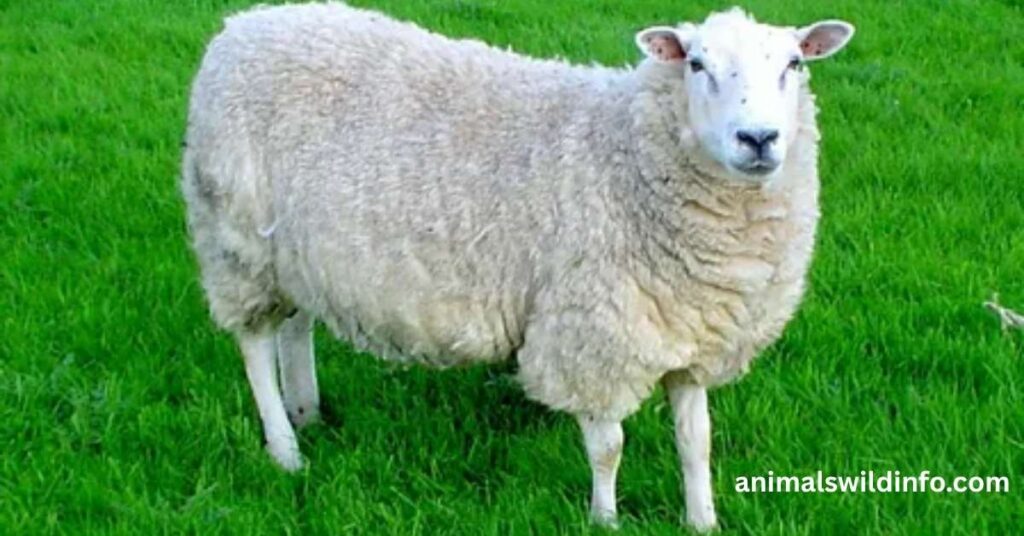
Sheep depend heavily on their flock. Isolating one sheep from the group raises its cortisol levels fast. Loud noises or unfamiliar predators can also send a flock into a panic. Like goats, sheep can recognize human faces too, which shows a surprising level of emotional wellbeing tied to social bonds.
Opossum
When threatened, the opossum doesn’t run. It plays dead. This involuntary reaction, called tonic immobility, confuses predators long enough for the opossum to escape. It’s one of the most unusual animal coping mechanisms in nature, showing how deeply anxiety and survival strategy intertwine.
Chicken
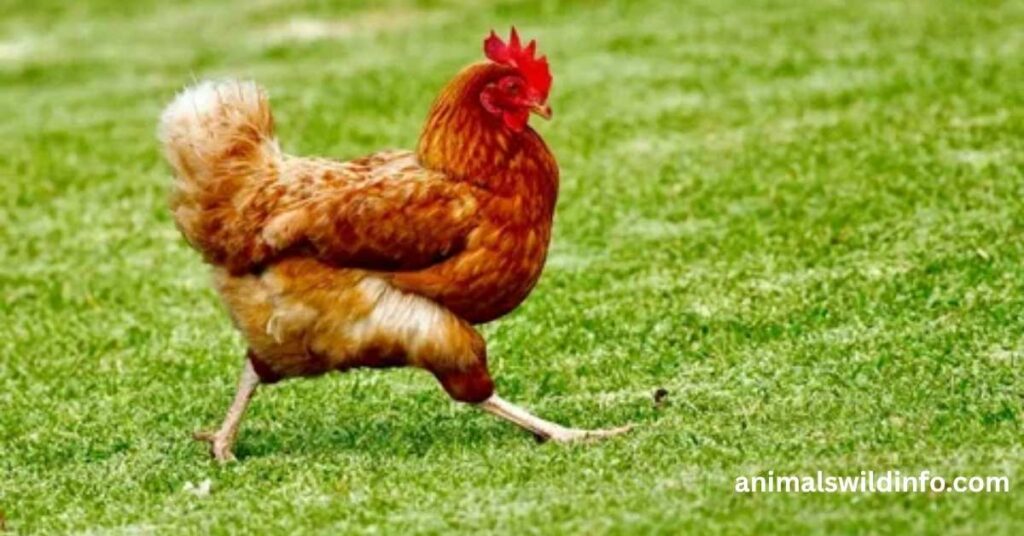
Chickens recognize their flock mates and form real social bonds. Separation from the group can trigger noticeable social isolation stress. Rough handling makes things worse, while calm, positive interaction helps chickens feel secure. This shapes not just their mood, but their overall health and egg production too.
Duck
Ducks seem calm gliding across a pond, but that peace can vanish fast. Loud noises or a lurking predator send ducks into frantic quacking and erratic movement. Flock behavior matters a lot here. Without a strong leader, ducks can grow anxious and disorganized during stressful moments.
Squirrel
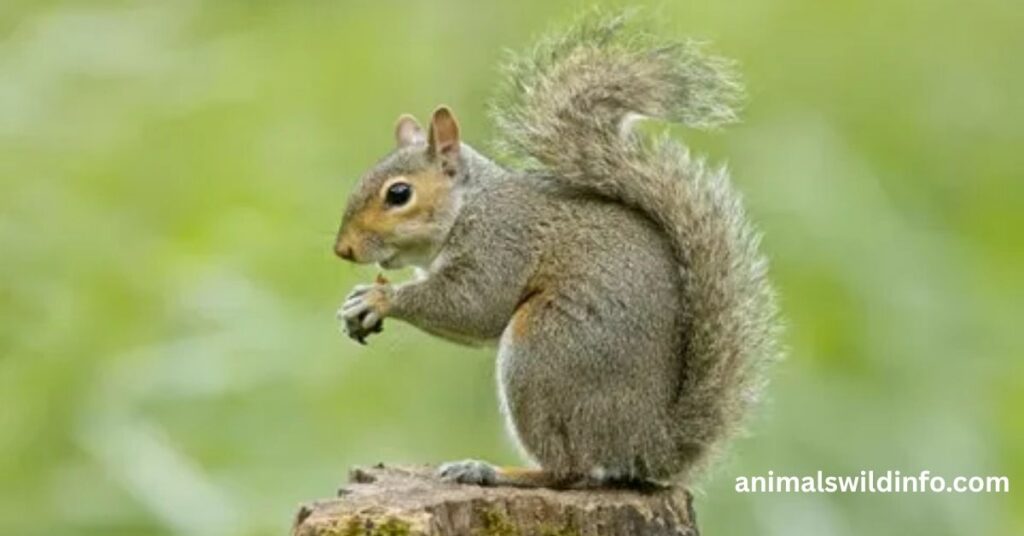
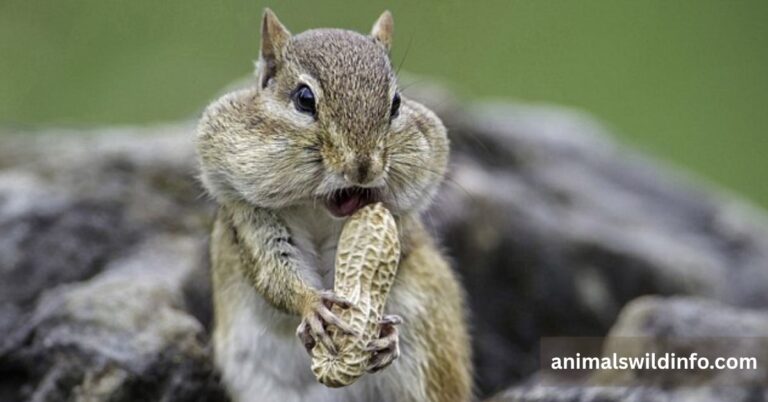
Squirrels stay in constant motion, scanning for both food and danger. This nonstop vigilance reflects sharp predator avoidance instincts. Urban squirrels face added stress from noise pollution and traffic, yet they’ve adapted well, showing impressive behavioral adaptation in city environments.
Ferret
Ferrets are curious but easily startled by new environments. A sudden change in scenery, sound, or scent can trigger anxious darting and hiding. As naturally energetic creatures, ferrets need behavioral enrichment to stay balanced, since boredom and stress often go hand in hand for this species.
Read More: 9+ Amazing Animals That Are Not Mammals (With Pictures & Facts)
Parrot
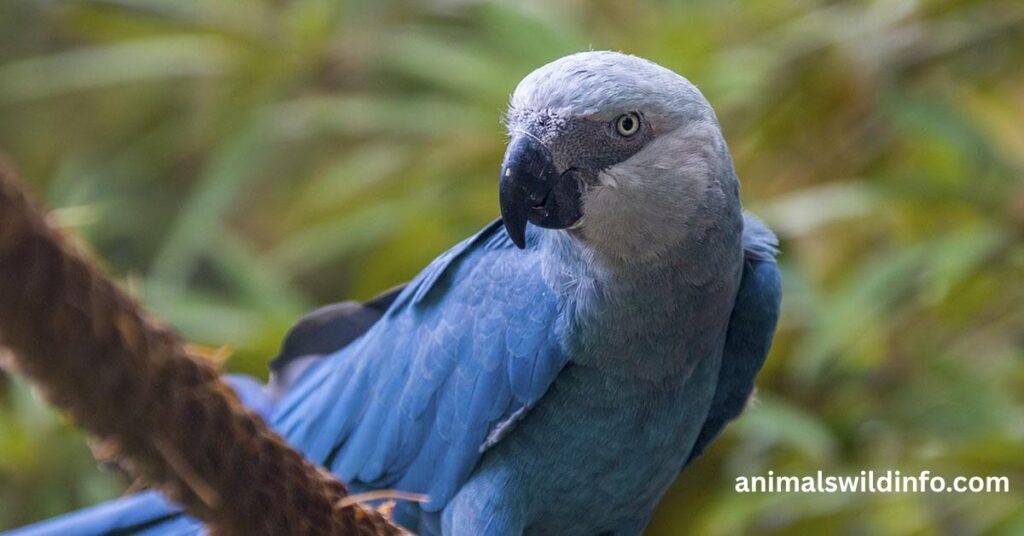
Parrots are highly intelligent, and that intelligence comes with emotional depth. Loneliness or lack of stimulation can lead to feather-plucking, a clear sign of distress. This companion animal thrives on interaction, and without it, anxiety builds quickly, sometimes leading to long-term behavioral issues.
Zebra
Zebras rely on the herd for protection, since there’s safety in numbers against predators like lions. Some scientists believe their stripes even confuse attackers during a chase. This anti-predator behavior shows how evolutionary adaptation shapes not just body features, but daily behavior too.
Common Signs of Anxiety in Animals
Spotting anxiety early makes a real difference. Signs of anxiety in animals often show up physically first. You might notice trembling, excessive grooming, pacing, or sudden changes in appetite. A once-relaxed pet might suddenly refuse food or groom itself raw, both red flags worth watching closely.
Behavioral signs matter just as much. Hiding, unexpected aggression, and vocal changes all point to stress in animals. Some species show unique tells too. Cats flick their tails, horses pin their ears back, and birds pluck feathers. Learning your animal’s specific animal body language helps you catch trouble before it grows worse.
What Causes Anxiety in Animals?
Several factors drive causes of anxiety in animals, and environment tops the list. Loud noises, unfamiliar spaces, and sudden weather events like thunderstorms can all spark a strong animal fear response. Habitat loss and human disturbance add even more pressure, especially for wild species already struggling to adapt.
Social and physical triggers matter too. Isolation from a herd, pack, or flock creates real emotional strain, since many animals rely on herd behavior and pack behavior for a sense of safety. Past trauma, illness, or poor treatment from humans can also leave lasting scars. Even something as simple as an inconsistent daily routine can chip away at an animal’s sense of security over time.
Can Anxious Animals Be Helped?
Yes, and often more easily than you’d think. Creating a calm surroundings and sticking to a predictable routine works wonders for most animals with anxiety. Hiding spots, gentle handling, and behavioral enrichment all reduce stress significantly. Positive, consistent interaction with a trusted caretaker builds the kind of social bonding that lowers anxiety naturally.
For more serious cases, a vet or animal behaviorist can offer real guidance. On a larger scale, wildlife conservation efforts help wild species too, especially by protecting natural habitats and reducing human interaction in sensitive areas. Whether it’s a nervous house cat or a stressed elephant herd, small, thoughtful changes add up to real animal welfare improvements.
Final Thoughts
Anxiety in animals isn’t so different from what we feel ourselves. Fear, stress, and nervousness show up across the animal kingdom, from tiny guinea pigs to massive elephants. Recognizing these signs helps you respond with patience instead of confusion.
Whether you’re caring for a pet or simply observing wildlife, a little understanding goes a long way. Paying attention to animal emotional health builds stronger bonds and healthier, happier animals, both at home and out in the wild.
Frequently Asked Questions
The domestic dog often ranks as one of the most anxious animals in the world. Dogs form deep bonds with humans, so separation, loud noises, and unfamiliar situations can easily trigger stress.
Prey animals like deer, rabbits, and horses tend to be naturally anxious. Their survival depends on staying alert, so their nervous systems stay tuned for danger most of the time.
Loud noises, habitat disturbance, social isolation, and past trauma all contribute to anxiety in animals. Environmental changes and inconsistent routines play a big role too.
Elephants often show the deepest, most complex anxiety due to their strong family bonds. Losing a herd member or facing habitat loss can trigger lasting emotional distress.
A rabbit that freezes or thumps its hind legs at the slightest noise is a classic example of an anxious animal, driven purely by instinct and fear of predators.
There isn’t one single “anxiety animal,” but species like rabbits, deer, and horses are commonly used as symbols of nervous, easily startled behavior due to their prey instincts.
Animals like the deer, rabbit, and ostrich often represent anxiety in culture and symbolism, thanks to their fast flight responses and constant state of alertness in the wild.