Do Wolves Purr? 23 Amazing Wolf Facts Every Animal Lover Should Know
Wolves are wild, wise, and full of mystery. Many people wonder if these powerful animals can purr like a house cat. It’s a fair question. Cats purr when they feel calm. So why not wolves? This article answers that question in full. It also explores wolf sounds, wolf communication, and the many ways wolves show love within their pack. By the end, you will understand wolf behavior on a much deeper level, and you will know exactly why the answer to “do wolves purr” might surprise you.
Canis lupus, the scientific name for the gray wolf, belongs to a family of mammals known as carnivores. Wolves are social predators. They live, hunt, and raise pups together in tight family groups. This social life shapes almost everything about how they “talk” to each other. Let’s dig into the real science behind wolf vocalizations, and find out what wolves do instead of purring.
Can Wolves Purr?
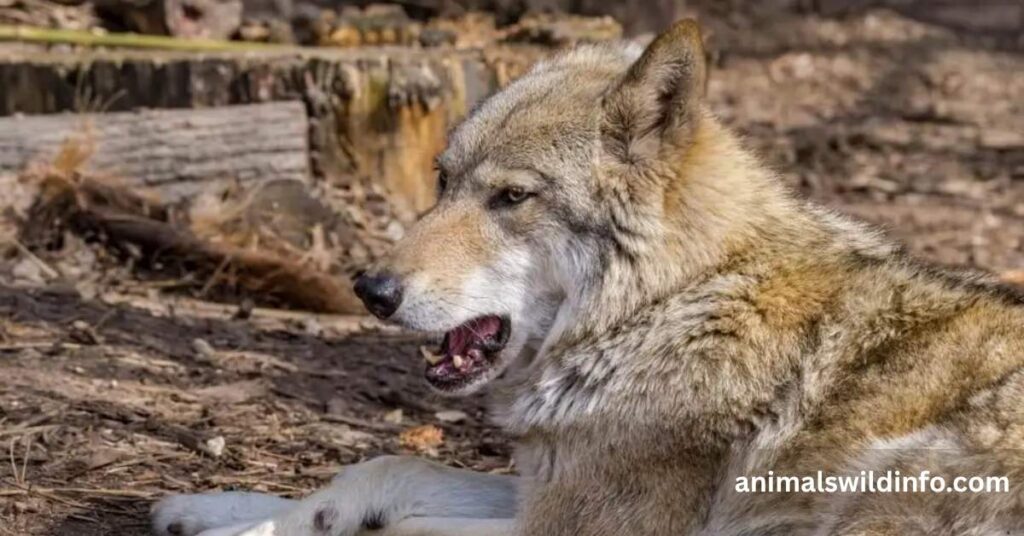
The short answer is no. Wolves cannot purr. This surprises a lot of people, especially cat owners who assume all furry animals share the same comfort sounds. Can wolves purr? Not in the way a cat does. A cat’s purr comes from a steady vibration in the voice box. This vibration happens when the cat breathes in and out. Wolves simply do not have the same body parts built for that job.
Do wolves purr like cats? The truth is, their bodies are built for very different purposes. A wolf’s throat is designed for loud, long-distance calls. A cat’s throat is built for a soft, steady hum. These are two totally different tools for two very different lifestyles. One lives alone or in small family units and stays close to home. The other roams for miles as part of a hunting team. That difference in lifestyle explains a lot about why can’t wolves purr.
It also helps to remember that wolves belong to the dog family, not the cat family. Dogs and wolves share the same basic throat structure, which means no domestic dog can produce a real purr either. Cats, by contrast, evolved a completely separate set of throat muscles built just for that job. So when someone asks “can wolves purr,” the honest answer touches on millions of years of separate evolution, not a simple missing skill. Wolves gained something else instead: a voice built for power, distance, and teamwork.
Why Wolves Can’t Purr Like Cats
The reason comes down to anatomy. A cat’s purr is made possible by a special set of muscles near the voice box, working together with a bone called the hyoid. These muscles twitch very fast, about 25 to 150 times per second, and that twitch creates the soft rolling sound we know as a purr. Wolves do not have this same muscle setup. Their vocal communication system evolved for a different purpose entirely.
Wolves needed a voice that could travel far across open land and thick forest. Howling can travel for several miles under the right conditions. A purr, on the other hand, only works up close. It would be useless for a wolf trying to call a pack member from two mountains away. So, through many thousands of years of wolf ecology and evolution, wolves kept the loud calls and lost any chance of a quiet purr. Their voice box favors power and range over closeness and softness.
Scientists who study wildlife biology point out that vocal anatomy tends to match an animal’s daily needs. A wolf’s larynx sits lower in the throat than a cat’s, which gives it a longer vocal tract and a deeper, richer sound. This setup is perfect for producing the long, rolling notes of a howl. It is a poor match for the quick muscle twitching a purr requires. Even young wolf pups, only weeks old, already show this same throat structure, proving the trait is built in from birth rather than learned over time.
Read More: 20 Animals with Big Eyes That Will Surprise You (With Pictures)
What Do Wolves Do Instead of Purring?
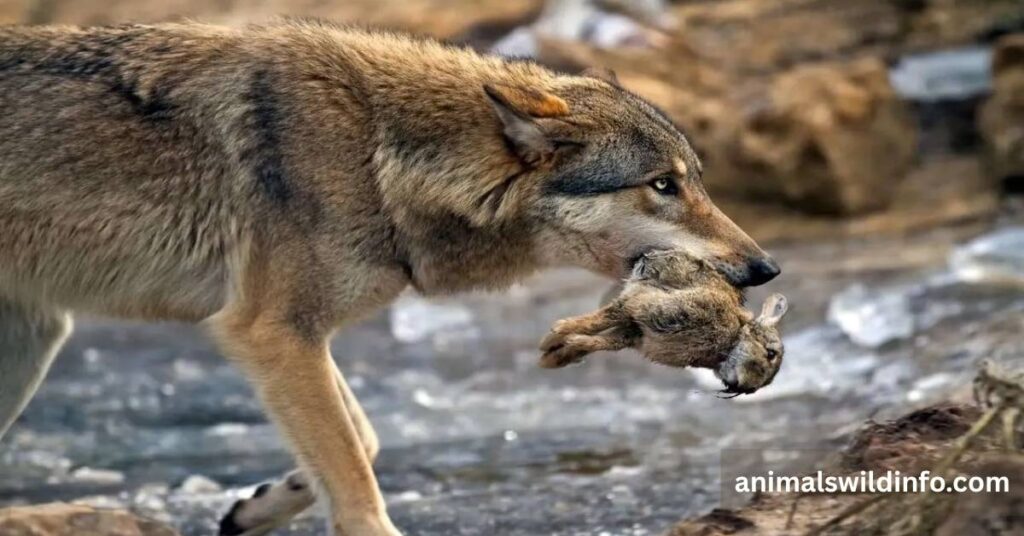
Instead of purring, wolves use a mix of soft whines, gentle body movements, and physical touch to show comfort and affection. A relaxed wolf might lean against a pack member. It might nuzzle a family member’s neck. It might let out a soft, low whine that sounds almost like a sigh. These actions carry the same emotional weight that a purr carries for a cat.
This is where wolf body language becomes just as important as sound. A wagging tail, a relaxed jaw, and soft eyes all signal comfort and trust. Wolves also use gentle physical contact, like leaning or resting close together, to build social bonding within the group. So while wolves cannot purr, they are far from silent when it comes to expressing calm, happy feelings.
Grooming stands out as another purr-like substitute. When one wolf licks and cleans another wolf’s fur, both animals often relax completely, sometimes closing their eyes and leaning into the contact. This shared moment builds trust the same way a cat’s purr might build trust between a pet and its owner. In many ways, wolves simply traded a single sound for a whole toolkit of touch, posture, and softer calls, and that toolkit works well for a species that depends on tight teamwork to survive.
What Sounds Do Wolves Make?
Wolves are loud, expressive animals. Wolf sounds cover a huge range, from deep, rumbling growls to sharp, quick barks. Each sound serves its own purpose within the group. Understanding these sounds helps us understand wolf pack communication as a whole, since every howl, bark, growl, and whine carries its own meaning.
Scientists who study wildlife biology have spent decades recording and studying these calls. They have found that wolves use their voices with real intention. A wolf is not just making noise. It is sending a message to specific pack members, rivals, or even to animals outside the pack. Below, we break down the four main types of wolf vocalizations in detail.
Context always shapes the meaning behind a sound. The same short bark might mean “danger nearby” in one moment and “let’s play” in another, depending on body posture and the situation around it. This is why researchers rarely study a single sound alone. Instead, they record wolf sounds alongside video footage of body language, since the two layers together tell the real story. A grown wolf can also blend sounds together, sliding from a growl into a bark or from a whine into a howl, creating a wide range of tones that fall between the four main categories listed below.
| Sound Type | Main Purpose | Typical Distance |
| Howl | Long-distance contact, gathering the pack | Up to 6 miles |
| Bark | Warning, alarm, alertness | Short range, a few hundred feet |
| Growl | Warning, dominance, boundary setting | Close range |
| Whine | Greeting, submission, seeking comfort | Very close range |
Howls
The howl is the most famous sound in the wolf’s vocabulary. Wolves howling under a night sky is one of nature’s most haunting sounds. A single howl can carry for miles across open land, and even farther in cold, still air. Wolves use howls to call scattered pack members back together, to warn rival packs to stay away, and to announce their presence across a wide territory.
Not every howl sounds the same. A long, low howl often signals loneliness or a call for connection. A short, sharp howl might warn of danger nearby. Group howling, sometimes called a chorus howl, strengthens the bond between pack members. It works almost like a team cheer before or after a hunt. This kind of hunting coordination shows just how organized wolf life really is.
Each wolf also has its own unique howl, shaped by its throat size, age, and even its mood at that moment. Trained researchers can often tell individual wolves apart just by listening closely to recordings, almost the way we recognize a friend’s voice on the phone. Pups start practicing howls at a young age, though their early attempts often sound more like squeaky yips than the deep, rolling howl of an adult. Over months of practice within the safety of the pack, a young wolf’s howl slowly matures into the powerful call we associate with wolves howling across a wild landscape.
Barks
Wolves barking happens less often than howling, but it still matters a great deal. A bark is short, sharp, and usually signals alarm. If a wolf spots a threat near the den, it may bark to warn the rest of the pack. Pups and adults both use barks, though pups tend to bark more during play.
A bark can also carry excitement. During a hunt, a quick series of barks might signal the group to move or change direction. Unlike a howl, a bark does not travel far. It works best for close-range alerts, especially when speed matters more than distance. This makes barking a key tool for territorial behavior and quick group decisions.
Read More: 22 Quiet Animals in the World: Silent Creatures You Should Know
Wolf researchers have noticed that barking tends to spike near the den site, especially during pup-rearing season. Adult wolves guard the den closely, and a sharp bark often serves as an instant warning if a bear, another predator, or even an unfamiliar wolf wanders too close. Because barking uses more energy than a howl over the same amount of sound, wolves tend to save it for moments that truly need fast, urgent attention rather than everyday chatter.
Growls
Wolves growling is often misunderstood. Many people assume a growl always means anger. In truth, growls carry many layers of meaning. A low growl can be a warning to an intruder. It can also be a teaching tool, like when a mother wolf growls gently at a pup who needs to learn a boundary.
Growling plays a big role in dominance behavior within the pack. A higher-ranking wolf might growl to remind a lower-ranking wolf of the pack hierarchy. This is not always about anger. Often, it is simply about order and structure, which keeps the group working smoothly together during hunts and daily pack life.
A growl’s pitch tells its own story. A deep, steady growl usually signals a serious warning, the kind a wolf gives before a real conflict. A shorter, higher growl might simply mean mild annoyance, similar to a quiet grumble between siblings. Growling also shows up during feeding time, when wolves guard their share of a fresh kill. Even in these tense moments, growls usually settle disputes without any physical fighting, which helps keep the pack strong and healthy for future hunts.
Whines
Wolves whining is one of the softest and most emotional sounds a wolf makes. A whine often signals submission, especially from a younger or lower-ranking wolf toward the alpha wolf or another senior pack member. It can also show up during happy greetings, when pack members reunite after time apart.
Whining plays a large role in emotional expression among wolves. A high-pitched whine may show excitement or mild frustration. A lower, longer whine may show anxiety or a need for comfort. This sound, more than any other, comes closest to the emotional comfort that a cat’s purr provides, even though the sound itself is very different.
Mother wolves whine softly to their pups during nursing and cleaning, a sound that seems to calm and reassure the young pups. Pack members also whine while greeting the alpha wolf after returning from a hunt, almost like a respectful hello. Because whining sits so close to the emotional core of wolf life, some researchers consider it the clearest window into a wolf’s inner state, more revealing than a howl, bark, or growl could ever be.
Why Do Wolves Howl At Night?
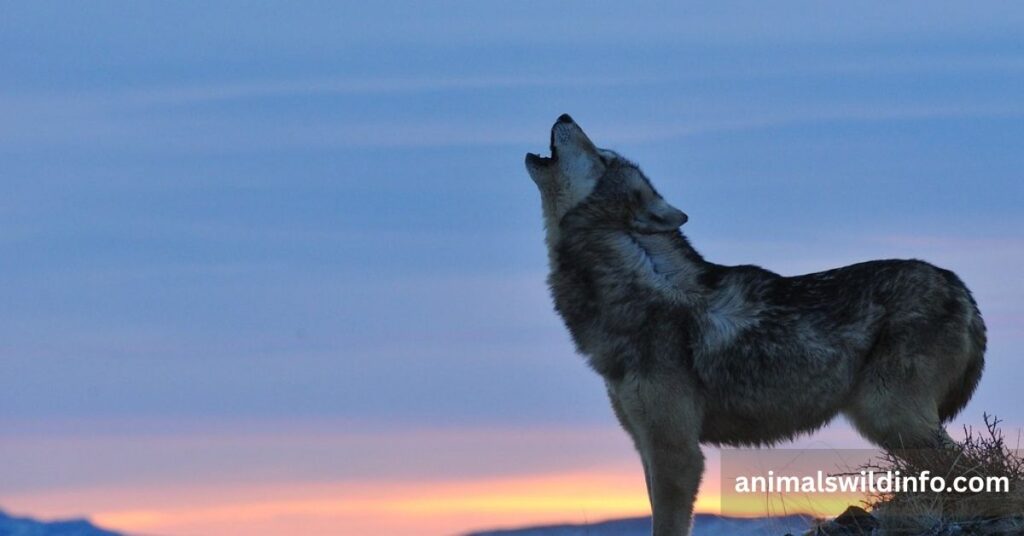
Why do wolves howl so often after dark? The answer starts with simple physics. Wolves at night benefit from cool, still air, which carries sound much farther than warm daytime air. A howl that might travel two miles during the day could travel six miles or more once the sun goes down. For a pack spread across a large territory, this makes night the best time to stay connected.
There is also a social reason behind nighttime howling. Many wolf packs rest during the hottest parts of the day and become active around dusk. Howling at night often works as a bonding ritual, syncing the whole pack’s voices together before or after a hunt. This shared howl strengthens unity and reminds every pack member that they belong to something bigger than themselves. It is not about the moon, despite the old myths. It is about sound, safety, and family.
Darkness also brings less human activity and quieter roads, especially near wilderness areas across the United States. This reduced background noise makes it easier for a howl to reach its target without competing sounds getting in the way. Farmers and hikers in wolf territory often report hearing these nighttime calls drifting across valleys, sometimes answered minutes later by a distant pack replying from far away. This back-and-forth exchange, often called a howling duet, helps neighboring packs learn where territory lines sit, reducing the chance of a dangerous face-to-face clash over shared land.
Read More: 15 Amazing Tiny Monkey Breeds You Need to See (With Pictures)
How Do Wolves Communicate With Each Other?
Wolf communication goes far beyond sound alone. Wolves also rely heavily on body language, using their tails, ears, and posture to send clear signals. A raised tail often shows confidence. A tucked tail usually shows fear or submission signals. Ears pointed forward can show alertness or interest, while ears pinned back often show worry or respect toward a higher-ranking wolf.
Scent plays a massive role too. Scent marking and territorial marking allow wolves to leave messages that last long after they’ve moved on. A single scent mark can tell other wolves who was there, how long ago, and sometimes even their reproductive status. This combination of sound, body language, and scent creates a full communication system, one built specifically for animal communication among wild canines living in complex social groups.
Facial expressions add yet another layer to this system. A relaxed, open mouth often shows a calm, friendly wolf, while bared teeth and a wrinkled muzzle usually signal a serious warning. Eye contact matters too, since a direct, steady stare can challenge another wolf’s rank, while a soft, sideways glance shows respect or submission. Taken together, sound, scent, posture, and facial signals form a rich, layered language, one that lets a wolf pack coordinate hunts, defend territory, and raise pups with almost no confusion, even without a single spoken word.
How Do Wolves Show Affection?
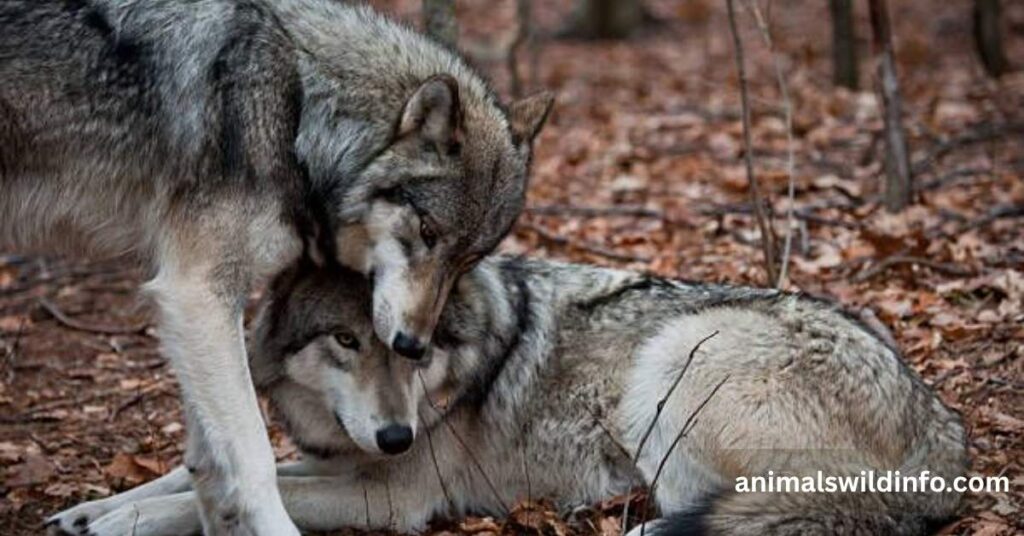
Wolves showing affection might surprise people who only picture wolves as fierce hunters. In reality, wolf social behavior includes plenty of gentle, caring moments. Grooming is one of the clearest examples. Wolves lick and nibble at each other’s fur, not just for cleanliness, but to build trust and strengthen relationships within the pack.
Play also matters a great deal. A wolf might drop into a playful bow, with its front legs stretched forward and rear end raised in the air. This posture invites another wolf to join in play, and it shows a clear moment of joy and connection. Physical closeness rounds out the picture, since wolf pack relationships often involve resting side by side, sharing warmth, and staying close during quiet moments of the day.
Wolf family behavior often centers around the pups, who receive constant attention from every adult in the group, not just their biological parents. Older siblings frequently help babysit, groom, and play with younger pups, building bonds that last for the pup’s entire life within the pack. This shared caregiving, sometimes called cooperative breeding, strengthens the whole group’s teamwork and shows that affection in wolf society reaches far beyond the breeding pair alone.
What Noises Do Wolves Make When Happy?
A happy wolf sounds very different from a stressed or angry one. Wolves expressing emotions through sound often use soft whines, playful yips, and light, quick barks. These sounds usually pair with relaxed body language, like a wagging tail, soft eyes, and loose, easy movement.
Do wolves purr when happy? No, but they come close in spirit. Instead of a purr, a content wolf might let out a soft, breathy sound while resting near its pack. During play, happy yips and barks fill the air, almost like laughter among family members. This combination of sound and movement makes it fairly easy to tell when a wolf feels safe, relaxed, and genuinely happy within its group.
Wolf emotions show up clearly during reunions, one of the happiest moments in daily pack life. When a hunting party returns to the den, the entire pack often erupts into a joyful greeting, filled with tail wagging, face licking, playful jumping, and a chorus of excited whines and yips. Zoo caretakers who work closely with captive wolves often describe this reunion display as one of the most touching moments to witness, since it shows raw, unfiltered joy shared openly among the group.
Do Wolves Cuddle?
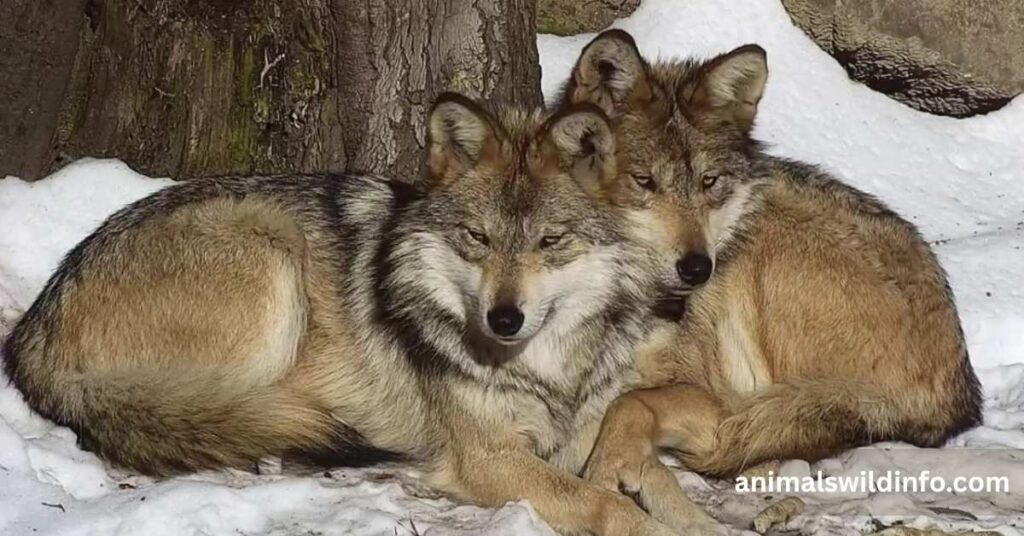
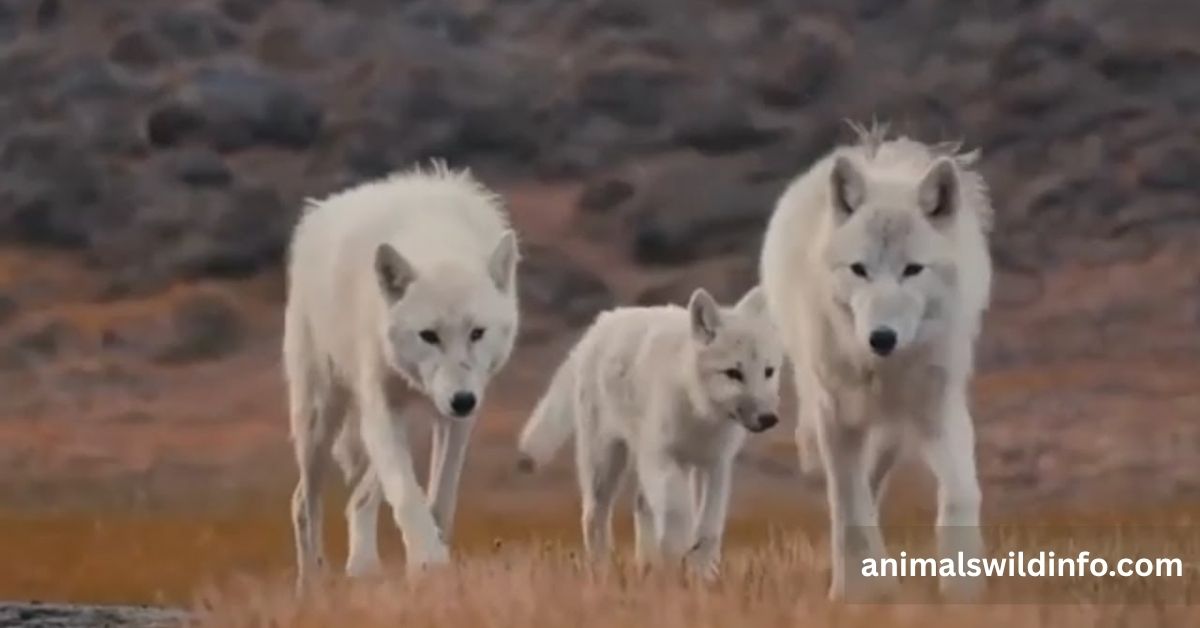
Yes, do wolves cuddle is one question with a clear and warm answer. Wolves are deeply social animals, and physical closeness plays a big part in their daily lives. After a long hunt or a busy day patrolling territory, pack members often rest together in a pile, sharing body heat and reinforcing their bond as a family unit.
Wolves nuzzling and leaning against each other happens often, especially between parents and pups. Young wolves rely on this closeness for warmth and comfort during their first months of life. Wolves greeting each other after time apart often includes licking, nuzzling, and gentle body contact, much like a warm hug between close friends or family members.
Cold weather makes cuddling even more important for survival. During harsh winters across northern regions of the United States and Canada, wolves often sleep curled tightly together in a pile, using shared body heat to stay warm through freezing nights. This behavior serves two purposes at once. It keeps the pack physically warm, and it reinforces the emotional bonds that hold the family together through the hardest months of the year.
Read More: Top 12 Amazing Animals With Quills (Pictures, Facts & Unique Features)
Interesting Facts About Wolf Behavior
Wild wolf behavior is full of surprises, even for people who have studied wolves for years. Below is a table covering some of the most fascinating facts about wolves in the wild, based on decades of wildlife biology research.
| Fact | Detail |
| Pack structure | Most packs are led by a breeding pair, once commonly called the alpha wolf, though researchers now often use the term “breeding pair” instead |
| Howl range | A wolf’s howl can travel up to six miles across open terrain |
| Daily travel | Wolves can travel more than 30 miles a day within their territory |
| Pup vocalizing | Wolf pups begin whining and yipping within days of birth |
| Same-sex pairing | Same-sex pair bonding and mounting behavior have been documented in wild and captive wolves, part of natural wolf social behavior |
| Individual howls | Each wolf’s howl carries a slightly different pitch, almost like a vocal fingerprint |
| Pack size | Most wild packs include four to nine members, though this can vary by region |
Case studies from Yellowstone National Park, where wolves were reintroduced in 1995, show just how important pack dynamics are to a healthy ecosystem. Researchers there have watched entire packs change behavior after losing a breeding pair, proving how much structure and leadership shape daily pack life. As one Yellowstone wolf biologist noted in project reports, “Every howl tells a story about who is missing and who is calling them home.” This quote captures just how emotional and organized wolf vocal communication truly is.
Similar patterns show up in studies from Minnesota, Michigan, and parts of the Rocky Mountains, where wild wolf populations have slowly rebounded after near extinction in the lower 48 states during the twentieth century. Wildlife cameras and GPS collars now let researchers track wolf pack movement in real time, giving scientists a much clearer picture of how territory size, prey availability, and weather all shape daily behavior. This modern research keeps confirming what native communities and early naturalists observed for generations, that wolves are highly intelligent, deeply social, and far more emotionally complex than old myths ever gave them credit for.
Wildlife conservation groups continue to study these patterns closely. Understanding wolf ecology helps protect wild populations and supports better decisions about land use near wolf territory. The more we learn about predator communication, the better equipped we are to protect these animals for future generations.
Wolves also play a major role in shaping their surrounding ecosystem, a concept researchers call a trophic cascade. When wolves returned to Yellowstone, elk herds changed their grazing patterns to avoid open river valleys, which allowed young trees to grow back along the water’s edge. This, in turn, brought back beavers, songbirds, and even changed the shape of rivers over time. This ripple effect shows that healthy pack dynamics and strong wolf social behavior matter for far more than the wolves themselves. They support the health of entire landscapes.
Conclusion
So, do wolves purr? No, they do not, and now you know exactly why. Their throat and voice box are built for howling, barking, growling, and whining, not for the soft vibration that produces a cat’s purr. Yet wolves are far from quiet or cold animals. Through howls that carry for miles, growls that teach pups their place, whines that show comfort, and barks that warn of danger, wolves have built one of the richest communication systems in the animal kingdom.
Beyond sound, wolf body language, scent marking, grooming, cuddling, and playful greetings round out a deeply social life built on trust and connection. Wolves may not purr, but their wolf emotions run just as deep as any purring cat’s. Understanding this animal behavior helps us respect wolves not just as fierce predators, but as caring, complex family animals living rich lives across the wild landscapes of North America and beyond.
Frequently Asked Questions
No. Do wolves purr like cats is a common question, but the answer is always no. A cat’s purr comes from a special muscle and bone structure in its throat. Wolves do not share this same setup, so they physically cannot produce a true purr.
Why can’t wolves purr comes down to anatomy and evolution. A wolf’s voice box is built for loud, long-distance calls like howling, not for a soft, steady vibration. This structure supports their life as social predators working together across large territories.
Yes, wolves do bark, though less often than domestic dogs. A wolf bark is usually short and sharp, used mainly for warnings or alarm.
Happy wolves often use soft whines, playful yips, and light barks, paired with a wagging tail and relaxed posture.
No, a wolf cannot purr, since it lacks the muscle and bone structure that makes purring possible in cats.
Yes, researchers have documented same-sex pairing and mounting behavior in both wild and captive wolf populations, a natural part of the wide range seen in wolf social behavior.
No, wolves never purr, even when content. Instead, they show happiness through soft whines, playful sounds, and relaxed body language.