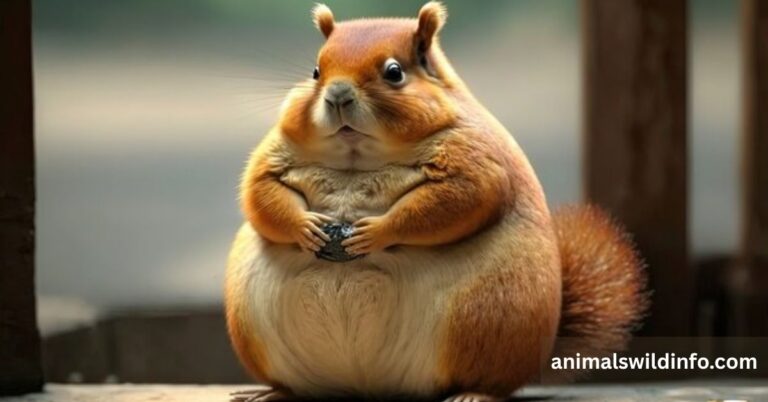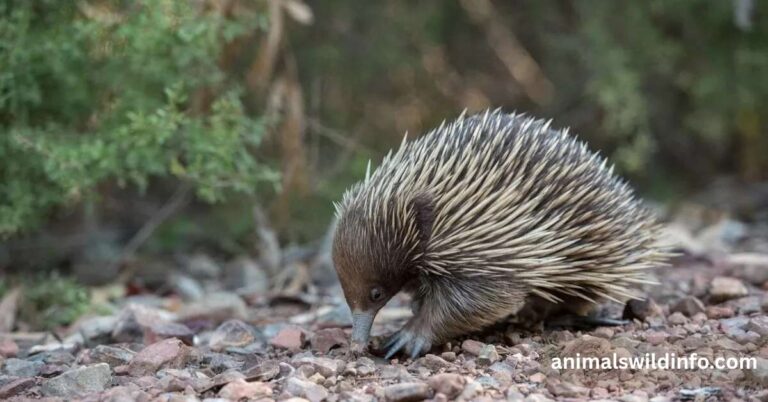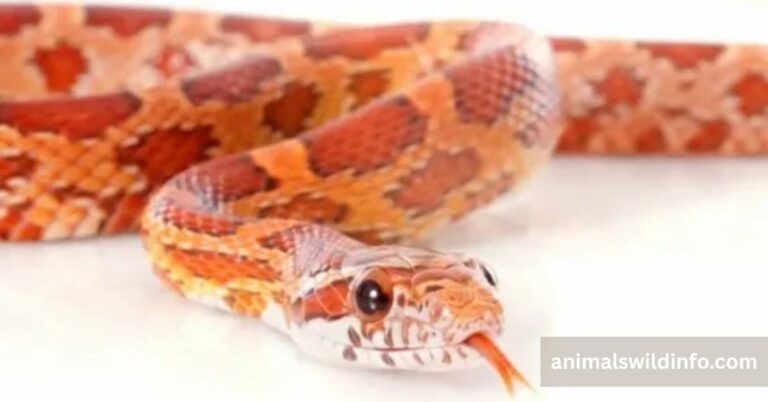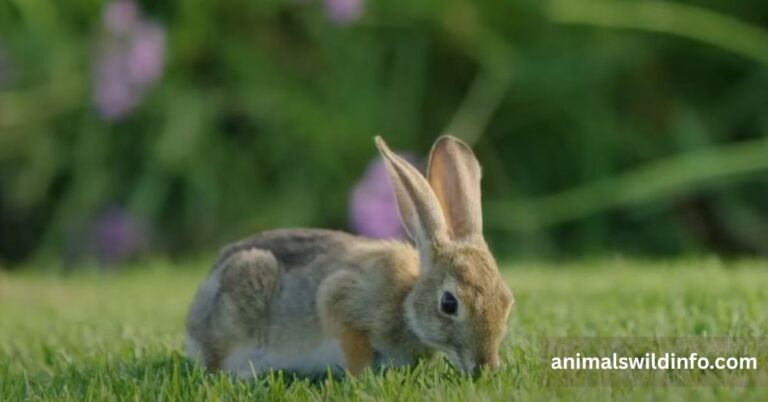
16 Incredible Stubborn Animals That Will Surprise You (With Pictures)
Have you ever tried to move a donkey that just won’t budge? Or watched a cat stare right through you, ignoring every word you say? You’re not alone. Stubborn animals exist all over the world, and they’ve been confusing (and amusing) humans for centuries. From barnyards to backyards, these creatures have earned their reputation the hard way, one refused command at a time.
This guide looks at 16 of the most strong-willed animals on the planet. You’ll learn why they act this way, and it’s rarely just bad attitude. You’ll see how their behavior connects to survival, instinct, and even raw intelligence. By the end, you won’t just know which animals refuse to move. You’ll understand why, and you might even respect them a little more for it.
Think about the last time someone called you stubborn. Chances are, you had a reason. Maybe you didn’t trust the plan, or maybe you just wanted more information first. Animals work the same way, even if they can’t explain themselves in words. That gap between behavior and explanation is exactly what this article tries to close, one species at a time.
What Makes an Animal Stubborn?
Stubborn animal behavior isn’t random. It usually comes down to one simple thing: survival. Wild animals that hesitate before acting often live longer than the ones that don’t. A quick, careless decision can lead straight to danger, so many species pause first and think things through. That pause looks like stubbornness to us. Really, it’s caution wearing a different mask.
This links closely to self-preservation instinct. Animals with strong survival instincts don’t move just because we ask them to. They weigh the risk first, every single time. And that’s not weakness at all. It’s often a clear sign of animal intelligence. The smartest creatures in the animal kingdom aren’t always the easiest ones to boss around, and honestly, that makes sense once you think about it.
Researchers who study animal psychology often describe stubbornness as a form of risk management. An animal that pauses before crossing a river isn’t lazy. It’s running a quick mental calculation, weighing the current against the reward on the other side. This kind of thinking takes real cognitive effort, and it separates reactive creatures from ones that actually plan ahead.
It also helps to remember that “stubborn” is a human label, not a scientific one. Scientists studying animal behavior patterns rarely use that word at all. Instead, they talk about caution, threshold responses, and learned associations. So when your dog refuses a walk in the rain, or your cat ignores its dinner bowl for an hour, something more interesting than plain defiance is usually going on underneath.
List of the Most Stubborn Animals
Below, you’ll find 16 animals known for being stubborn, complete with real reasons behind their behavior. Some live on farms. Some live out in the wild. Others share our homes as pets, sitting on our couches and ignoring our calls. Each one shows stubbornness in its own unique way, shaped by its environment and its history.
Bulls
Bulls (Bos taurus) belong to the Mammalia class and follow a Herbivore diet. They’re famous for standing their ground, and that’s not just for dramatic effect. A bull’s refusal to move often reflects deep protective instincts built up over generations. When a bull senses a threat, it calculates the risk before reacting, rather than charging blindly into every situation. This isn’t wild aggression. It’s a form of animal decision making shaped by evolution and hard experience.
Farmers who work closely with bulls know that patience beats force nearly every time. Push a bull too hard, and it digs in even further. Give it space and time, though, and something shifts. Once you understand a bull’s temperament, you can build real trust instead of constant tension. That trust often turns a supposedly stubborn animal into a calm, cooperative one.
In the United States, ranchers across Texas and the Midwest often describe bulls as creatures of routine. Change a feeding schedule or move a bull to a new pasture too quickly, and resistance almost always follows. Slow, steady changes work far better, giving the animal time to adjust on its own terms.
Mules
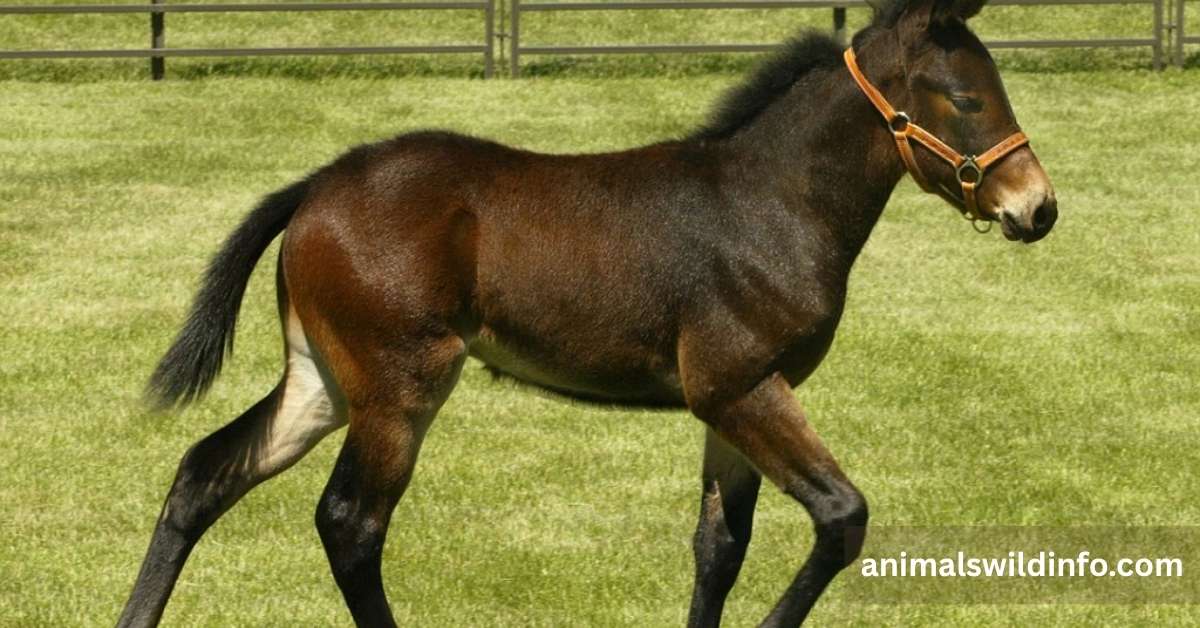
Mules (Equus mulus) are hybrids, born from a horse and a donkey. They belong to Mammalia and eat as Herbivores, and they’ve earned a reputation that follows them everywhere. People call them stubborn, but really, they’re just careful. Mules have sharp problem-solving skills, and they use them constantly, especially in tricky terrain. If a trail looks unsafe, a mule simply won’t take another step forward, no matter how hard you pull.
That’s not defiance for defiance’s sake. That’s adaptive behavior at work, tested and proven over generations of mountain work. Mountain guides trust mules precisely because of this trait, since a mule’s hesitation often signals real danger ahead. A mule that won’t move might genuinely be saving your life, even if it feels frustrating in the moment.
Pack trip outfitters throughout the American West often choose mules over horses for exactly this reason. On narrow, rocky paths, a mule’s caution becomes an asset rather than an obstacle, guiding riders away from ledges a less careful animal might have crossed without hesitation.
Read More: 15 Amazing Tiny Monkey Breeds You Need to See (With Pictures)
Camels
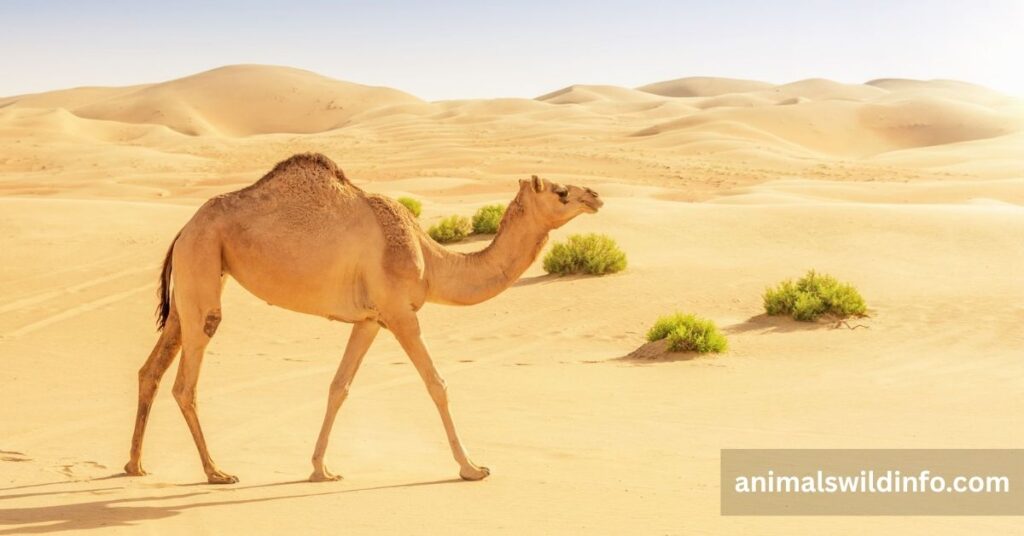
Camels (Camelus dromedarius) live in some of the harshest deserts on Earth. As Mammalia and Herbivores, they’ve adapted to conditions most animals simply couldn’t survive. Their stubbornness often shows up as flat-out refusal to walk any further, especially in extreme heat or after long hours without rest. This links directly to animal survival strategies developed over thousands of years.
A camel that stops isn’t being difficult just to annoy you. It’s conserving precious energy for later, when it might matter most. Bedouin traders have relied on this instinct for generations, trusting their camels to know their own limits better than any human guess ever could. That trust has kept both camel and rider alive across countless desert crossings.
Zoos and wildlife parks across the United States often highlight this same trait when educating visitors. A camel lying down mid-walk isn’t acting out. It’s pacing itself, the same way a marathon runner might slow down deliberately to avoid burning out too early.
Buffalo
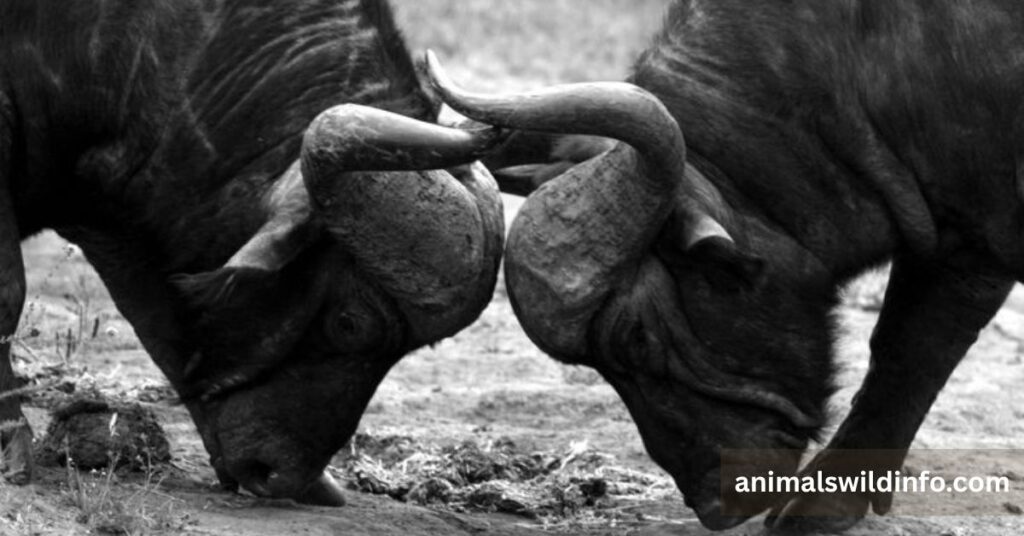
Buffalo (Bubalus bubalis) are Mammalia species that follow a Herbivore diet. Their size alone makes them intimidating, but their behavior tells a much deeper story than simple toughness. When threatened, buffalo group together, forming a solid wall of muscle and horns that predators think twice about approaching. This is herd protection in its purest, most practical form.
It’s also a clear example of defensive behavior shaped by millions of years of instinct and shared memory. A single buffalo might seem stubborn on its own, refusing to run at the first sign of trouble. But a herd of them shows something closer to real teamwork, where individual stubbornness becomes collective strength.
Wildlife photographers who track buffalo herds often describe this standoff behavior as one of nature’s clearest examples of strength in numbers. A lone buffalo backing down quickly becomes an unshakable wall once its herd gathers close behind it.
Horses
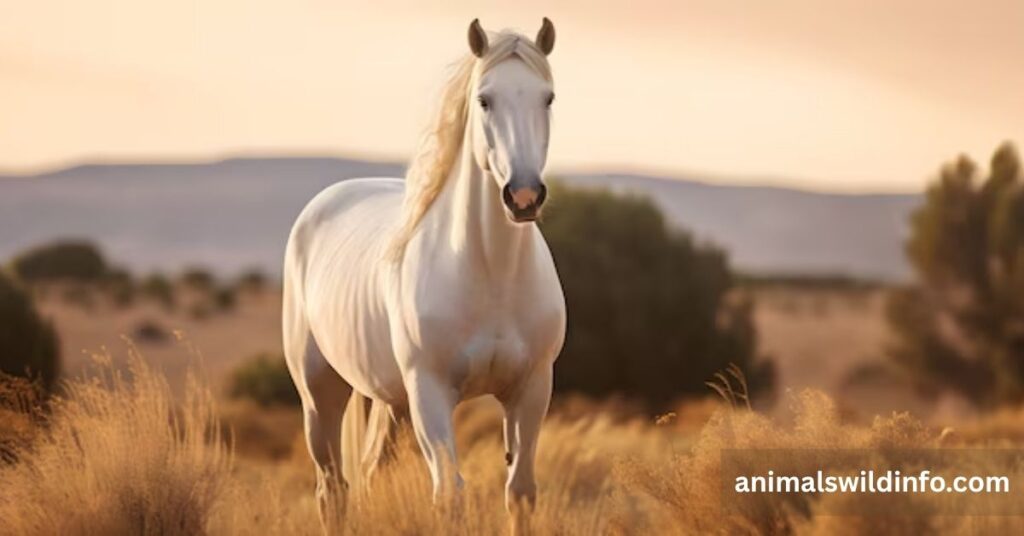
Horses (Equus ferus caballus) are Mammalia and Herbivores, known worldwide for their beauty, speed, and strength. Yet they can dig in their heels just like anyone else, refusing a jump or a trail without warning. A horse that refuses to move often feels genuinely unsafe, not defiant or moody. This ties directly into animal psychology, since horses read body language and tone with remarkable accuracy.
Trust-building with animals matters here more than almost anywhere else in the animal kingdom. Riders who use positive reinforcement instead of force usually see faster, longer-lasting results than those who rely on pressure alone. A nervous horse needs patience, clear signals, and time. Rush that process, and you’ll likely meet even more resistance next time.
Equestrian trainers across the United States often repeat the same advice to beginners: a horse that stops isn’t broken, and it isn’t being bad. It’s asking a question, and the fastest way through a standoff is usually a calmer, clearer answer, not a stronger pull on the reins.
Donkeys
Donkeys (Equus africanus asinus) might be the poster child for stubborn farm animals everywhere. As Mammalia and Herbivores, they’re famous for planting their feet and simply refusing to go another inch, no matter how much coaxing happens. But here’s the twist most people miss: donkeys are incredibly cautious by nature, not lazy or difficult on purpose.
Their cautious nature helps them avoid danger that other, more impulsive animals might walk right into without a second thought. This makes them excellent guardians for livestock, oddly enough. A donkey watching over a flock of sheep won’t panic at the first sign of trouble. It assesses the situation calmly first, then acts with real purpose.
Across small farms in the United States, donkeys have become popular precisely for this reason. A calm, unshaken donkey standing guard often does more to deter coyotes than a fence ever could, simply because it refuses to run and refuses to back down.
Raccoons
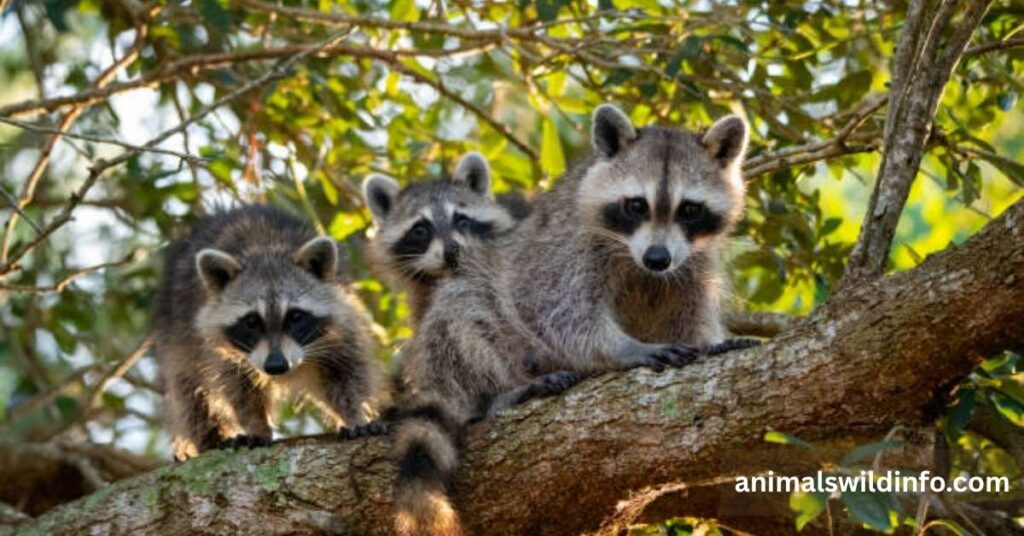
Raccoons (Procyon lotor) are Mammalia with an Omnivore diet, and they’re some of the cleverest creatures you’ll ever encounter. Their stubborn streak shows up mainly in their refusal to give up on a task, especially when food is involved. Try to raccoon-proof a trash can, and you’ll witness real problem-solving skills in action within minutes.
Their animal behavior patterns genuinely rival those of much larger, supposedly smarter species out there. This persistence helps them thrive in cities all across the world, from Chicago to New York. A raccoon rarely quits on a task once it starts, and that dogged determination is exactly why they’ve become such successful urban survivors.
Wildlife control experts across the United States often joke that raccoons treat every locked container as a puzzle rather than a barrier. Given enough time, most raccoons eventually solve it, which says a lot about how their persistence, not just their paws, drives their reputation.
Goats
Goats (Capra aegagrus hircus) belong to Mammalia and eat as Herbivores, and they’re famous for testing fences, testing patience, and testing just about everything else they encounter. This independent nature isn’t just funny to watch from a distance. It’s actually a smart survival tool, refined over countless generations in rocky, unpredictable terrain.
Wild goats that explore boldly tend to find better food and safer shelter than their more cautious relatives. Their stubbornness, in other words, comes from curiosity just as much as pure defiance. A goat that won’t follow the rest of the herd might simply be looking out for itself, and honestly, that’s a pretty smart move.
Backyard goat keeping has grown steadily across the United States, and new owners often underestimate just how quickly a goat learns. Within days, most goats figure out exactly which fences have gaps, and exactly which handler gives in first when they push back.
Llamas
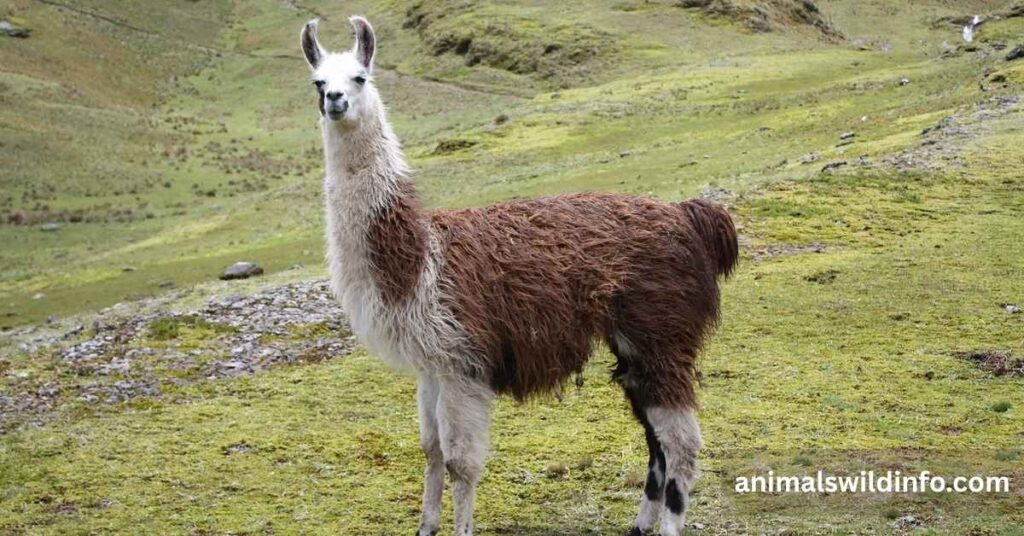
Llamas (Lama glama) are Mammalia and Herbivores with a well-earned reputation for refusing simple, everyday requests. Ask a llama to leave a comfortable spot of grass, and you might be waiting there for quite a while. This connects to their strong personality and their built-in instinct to avoid any unnecessary risk whatsoever.
Handlers who use animal training built on patience, not pressure, tend to see the very best long-term results with llamas. Over time, these animals respond well to positive reinforcement, learning to trust rather than resist. Push too hard, though, and they’ll simply stop cooperating altogether, sometimes for the rest of the day.
Pigs
Pigs (Sus scrofa domesticus) are Mammalia and Omnivores, and they’re genuinely smarter than most people ever give them credit for. Their stubbornness often hides real strategy underneath. A pig that won’t move might have spotted hidden food nearby, or sensed some kind of danger you haven’t noticed yet.
This reflects sharp animal decision making and unusually strong observational skills for a farm animal. Farmers who understand pig behavior know that force rarely works well, and often backfires completely. Trust-building with animals like pigs takes real time and patience, but it pays off eventually with a genuinely cooperative, even affectionate animal.
Researchers studying pig cognition regularly rank them among the smartest farm animals in the world, often ahead of dogs on certain problem-solving tasks. That intelligence explains a lot of what looks like stubbornness from the outside, since a smart animal rarely does anything without a clear reason.
Read More: Top 12 Amazing Animals With Quills (Pictures, Facts & Unique Features)
Cows
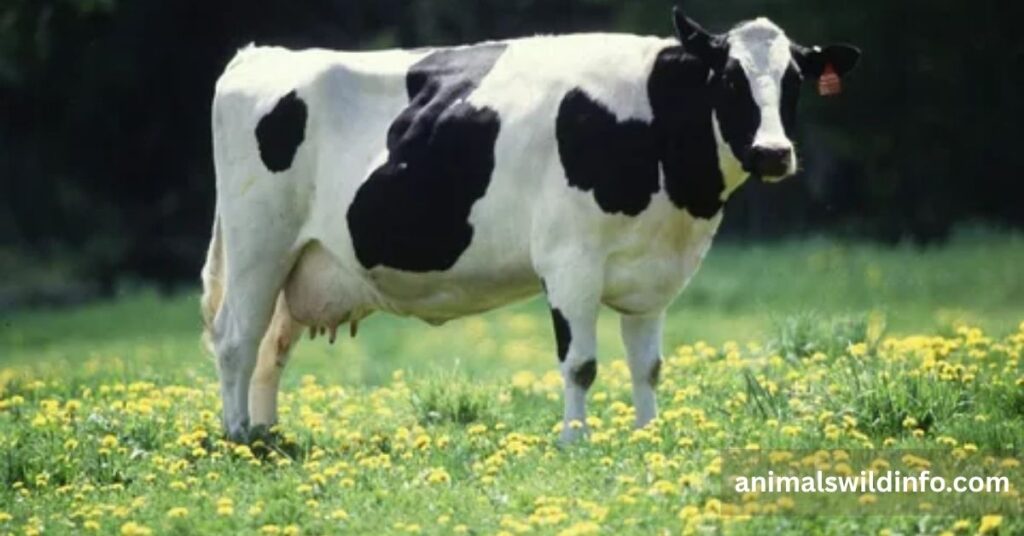
Cows (Bos taurus) share their scientific name with bulls, and they belong to Mammalia with a Herbivore diet just like their male counterparts. Cows remember faces, daily routines, and even specific locations for years at a time, which is genuinely impressive. This sharp memory shapes their behavioral traits in some surprising ways.
A cow that resists moving from her favorite spot isn’t being difficult just for the sake of it. She’s relying on familiar, proven-safe territory that she’s grown comfortable with over time. This is instinctive behavior, rooted deeply in comfort and routine, and it’s far more thoughtful than simple stubbornness.
Dairy farmers across the United States often say that cows notice everything, from a new gate hinge to a change in feeding time. That awareness, paired with a long memory, means a cow’s resistance to change usually comes from genuine observation rather than simple mood.
Badgers
Badgers (Meles meles) are Mammalia and Omnivores known for standing their ground against threats far larger than themselves. Their courage links closely to territorial behavior, especially when they’re protecting a burrow or their young. Rather than fleeing at the first sign of danger, badgers often dig in, quite literally, and refuse to back down.
This shows real animal resilience in the face of serious threats from bigger predators. Despite their tough, unyielding exterior, badgers also adapt remarkably quickly, digging fresh tunnels whenever old paths become blocked or unsafe. Stubbornness and flexibility, it turns out, can absolutely coexist in the same small, determined creature.
Naturalists who study badger setts often note how quickly a colony rebuilds after disturbance. Rather than abandoning the area entirely, badgers tend to dig in closer, treating disruption as a reason to defend home ground rather than flee from it.
Terrier Dogs

Terrier Dogs fall under Mammalia and follow an Omnivore diet, just like most other domestic dog breeds. Bred originally for hunting and pest control work, they carry a fierce independence that simply hasn’t faded, even after generations of domestication. This is where animal personality traits really shine through most clearly.
A terrier might learn new commands incredibly fast, yet still choose to ignore them just to do things its own way instead. Owners who embrace this spirit, rather than fighting against it constantly, often end up building the strongest bonds with their dogs. Animal training with terriers tends to work best when it feels more like play than strict discipline.
Dog trainers across the United States frequently point to terriers as proof that intelligence and obedience aren’t the same thing at all. A terrier that ignores a command hasn’t necessarily failed to understand it. More often, it’s simply decided that its own plan sounds more interesting right now.
Cats
Cats (Felis catus) belong to Mammalia and follow a strict Carnivore diet, unlike most other pets on this list. Few animals are as famously independent as the average house cat. A cat’s refusal to come when called isn’t confusion or bad hearing at all. It’s a clear, deliberate choice, made in the moment.
This reflects deep emotional intelligence in animals, since cats constantly weigh comfort, safety, and personal interest before reacting to anything. Their social behavior looks quite different from a dog’s, built more on mutual respect than constant approval-seeking behavior. Understanding this simple difference makes cat ownership far less frustrating for most new owners.
American households keep more pet cats than almost any other country, and vets often field the same question: why won’t my cat just listen? The honest answer is that cats rarely see obedience as the goal. Comfort, curiosity, and personal choice usually rank higher on their list of priorities.
Elephants
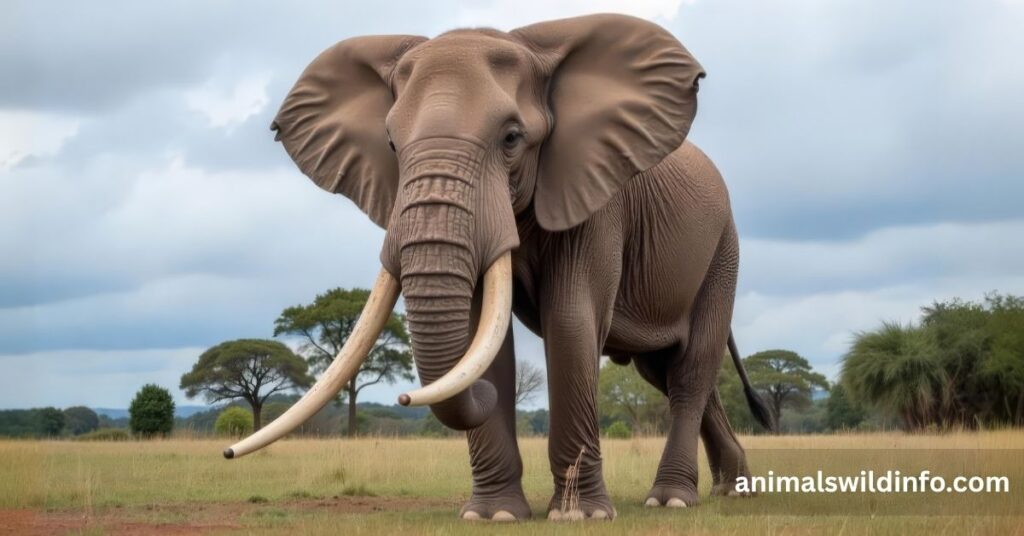
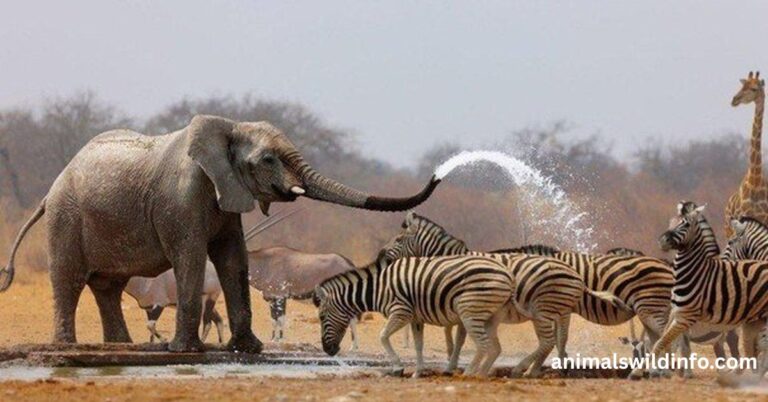
Elephants (Loxodonta africana and Elephas maximus) are Mammalia and Herbivores, admired worldwide for their remarkable intelligence and long memory. Their stubbornness often appears during moments of real danger or uncertainty. A matriarch might refuse to follow the herd’s first instinct to flee, instead choosing a slower, genuinely safer path for everyone.
This is wildlife behavior at its most complex and fascinating. It shows emotional intelligence in animals paired with real, hard-earned leadership skills. Elephant stubbornness, in many documented cases, actually protects the entire family group from unnecessary risk, proving that patience can sometimes save more lives than speed ever could.
Conservationists studying elephant herds in Africa and Asia often note how these decisions ripple through an entire group. A single matriarch’s hesitation can shift the path of dozens of elephants, showing just how much influence one determined, experienced leader can carry within a herd.
Tortoises
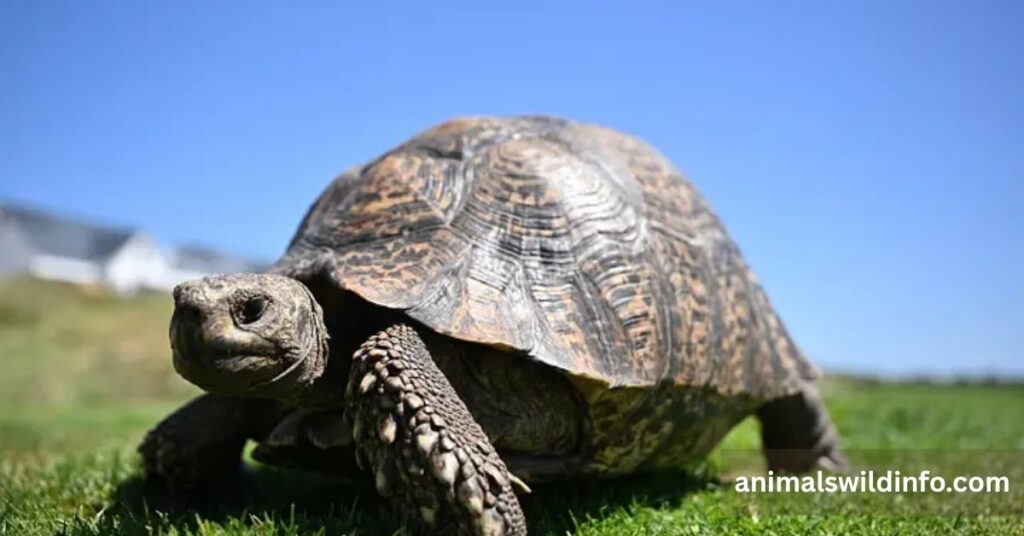
Tortoises belong to Reptilia and follow a Herbivore diet, moving through life at their own unhurried pace. Their slow, deliberate movements often get mistaken for pure stubbornness by impatient onlookers. In truth, this pace reflects smart adaptive behavior, built specifically for long-term survival in unpredictable environments.
Moving slowly saves valuable energy, and that matters enormously in places where food can run scarce for weeks at a time. This measured approach reflects patience developed over millions of years of quiet evolution. Tortoises rarely rush anything, and that’s exactly why they’ve managed to outlive so many faster, flashier species around them.
Read More: Do Wolves Purr? 23 Amazing Wolf Facts Every Animal Lover Should Know
Pet tortoises kept in American homes often puzzle new owners with their refusal to change direction once they’ve committed to a path. That single-mindedness isn’t stubbornness for its own sake. It’s simply the same ancient, energy-saving instinct playing out on a much smaller, quieter stage.
| Animal | Class | Diet | Key Trait |
| Bulls | Mammalia | Herbivore | Protective instinct |
| Mules | Mammalia | Herbivore | Risk assessment |
| Camels | Mammalia | Herbivore | Energy conservation |
| Buffalo | Mammalia | Herbivore | Herd protection |
| Horses | Mammalia | Herbivore | Trust-based response |
| Donkeys | Mammalia | Herbivore | Cautious nature |
| Raccoons | Mammalia | Omnivore | Problem-solving |
| Goats | Mammalia | Herbivore | Curiosity-driven independence |
| Llamas | Mammalia | Herbivore | Comfort-seeking caution |
| Pigs | Mammalia | Omnivore | Strategic thinking |
| Cows | Mammalia | Herbivore | Memory and routine |
| Badgers | Mammalia | Omnivore | Territorial defense |
| Terrier Dogs | Mammalia | Omnivore | Independent spirit |
| Cats | Mammalia | Carnivore | Selective engagement |
| Elephants | Mammalia | Herbivore | Social leadership |
| Tortoises | Reptilia | Herbivore | Patience and energy saving |
Why Are Some Animals So Stubborn?
Stubbornness usually traces back to instinctive behavior built up over an enormous span of time. Wild animals that hesitate before acting tend to avoid predators, bad terrain, and wasted energy far more successfully than impulsive ones. Over countless generations, this caution becomes hardwired into a species. It’s less about attitude and more about natural defense mechanisms built specifically to keep a species alive against the odds.
Domestication changes some things, but it never quite erases raw instinct completely. Domesticated animals still rely heavily on animal communication, reading tone, body language, and daily routine before deciding how to respond to any given situation. A dog that won’t budge, or a horse that plants its feet firmly, isn’t malfunctioning in any way. It’s simply running an old survival program in a much newer, safer setting than the one it evolved for.
Genetics play a role here too. Some species have been shaped by thousands of years of selective breeding for independence rather than obedience. Working breeds like terriers, or working animals like mules, were valued specifically because they could think for themselves in the field. Owners back then didn’t want a creature that followed blindly. They wanted one that could make a smart call when nobody was watching, and that same trait still shows up today, sometimes at the worst possible moment for a modern owner in a hurry.
Environment matters as well. An animal raised in a stable, low-stress setting often shows less stubbornness than one that grew up facing frequent threats or sudden changes. This connects back to behavioral adaptation, where early experiences shape how cautious or confident an animal becomes later in life. A rescue horse with a rough history, for example, may hesitate far more than one raised gently from birth, and that hesitation almost always has a clear, understandable story behind it.
Common Traits of Stubborn Animals
Across many different species, certain behavioral traits show up again and again, almost like a shared pattern. Most determined animals share strong memory, sharp observation skills, and a genuinely cautious approach toward sudden change. They also tend to form close, lasting bonds once real trust gets earned along the way. This connects closely to social behavior and emotional intelligence in animals, both of which shape how a creature reacts to new situations or unfamiliar faces.
Persistent animals also share a healthy resistance to rushed, impulsive decisions of any kind. Whether it’s a goat testing a fence for weaknesses, or an elephant slowing down an entire herd for safety, the underlying pattern stays remarkably the same: assess first, then act second. This reflects real animal psychology, built firmly on survival instincts rather than random, meaningless defiance. Once you start seeing this pattern clearly, stubbornness begins to look a lot more like quiet wisdom than simple bad behavior.
There’s also a clear link between stubbornness and protective instincts. Animals that guard territory, offspring, or a herd almost always show more resistance to outside pressure than solitary, low-stakes creatures do. A badger defending a burrow and an elephant slowing her herd’s retreat aren’t so different underneath. Both are prioritizing safety over speed, and both are willing to hold their ground even when it costs them time or energy.
Finally, many of these animals show strong signs of animal resilience when their environment changes suddenly. Instead of panicking, they slow down, reassess, and often find a new path forward, whether that means a badger digging a fresh tunnel or a mule choosing an alternate trail. This flexibility, paired with caution, is really the hidden engine behind most of what we call stubbornness in the animal kingdom.
Conclusion
Stubborn animals aren’t broken, difficult, or somehow unmanageable creatures. They’re simply following ancient instincts shaped by millions of years of trial, error, and evolution. From hard-headed animals like donkeys and mules, all the way to quietly determined creatures like tortoises, every single example on this list reveals the same underlying truth. Caution keeps animals alive, and that’s a lesson worth remembering.
Next time you meet an animal that refuses to move, try pausing before you get frustrated with it. There’s likely a genuine reason behind that refusal, whether it comes down to comfort, safety, or simple curiosity about the world around it. With patience and real understanding, even the most strong-willed animals can become deeply trusted companions over time. You might just find that stubbornness, once you actually understand it, becomes one of their most fascinating and admirable traits.
Whether you’re raising stubborn pets at home or simply watching wildlife from a safe distance, the lesson stays the same. Respect the pause. Respect the hesitation. Behind nearly every refusal sits a working brain, doing exactly what evolution designed it to do. That’s not something to fight against. It’s something worth admiring, and maybe even learning from.
Frequently Asked Questions
Many experts point to donkeys as the most stubborn animals around, and for good reason. Their cautious nature makes them hesitate before moving, especially in unfamiliar or risky situations. This isn’t defiance for its own sake. It’s a built-in safety check, shaped carefully by strong survival instincts over countless generations. Handlers who respect that pause, rather than fighting it, usually get far better results in the long run.
Donkeys prioritize safety over speed almost every single time. Before moving anywhere new, they assess the situation carefully and calmly, which can easily look like stubbornness to an impatient handler standing nearby. This behavior comes from self-preservation instinct, not simple bad attitude or laziness. It’s actually one of their smartest, most useful traits.
Yes, but not really in a bad way at all. Goats show a strong independent nature, often testing boundaries purely out of curiosity rather than genuine rebellion against their owners. Their sharp problem-solving skills help them find food and escape danger quickly, which sometimes means ignoring human instructions entirely along the way. Most goat owners eventually learn to work with this trait instead of against it.
Beyond donkeys, animals like mules, goats, and cats often top this particular list too. Each one shows clear stubborn animal behavior rooted deeply in intelligence and careful caution. These aren’t just random personality quirks that popped up overnight. They reflect deep, ancient animal instincts built specifically for long-term survival.
While donkeys often win this title in everyday casual conversation, mules genuinely deserve real credit too. Their unique blend of horse and donkey traits creates an animal with sharp problem-solving skills and an almost unmatched sense of caution, making them incredibly hard to force into unwanted action against their will.
Culturally speaking, mules and donkeys have long symbolized stubbornness in popular sayings and old folk stories. The phrase “stubborn as a mule” exists for a very good reason, after all. These animals consistently show real strong-willed animal behavior, standing their ground firmly even under real pressure from humans.
Goats, raccoons, and terrier dogs often come across as rebellious, at least from a typical human point of view. Their reputation as defiant animals comes mainly from strong independence paired with sharp intelligence. In reality, they’re simply following their own honest instincts, not breaking any actual rules on purpose. Once you learn to spot the pattern, that so-called rebellion starts looking a lot more like plain common sense.