Dangerous Animals in Puerto Rico: 14 Wildlife Species to Watch For
Puerto Rico feels like paradise. Warm beaches, green mountains, and a rainforest full of life wait around every corner. But this island also hides some creatures you’d rather not meet on a quiet trail or a moonlit swim.
If you’re planning a trip, it helps to know what’s out there. This guide covers the dangerous animals in Puerto Rico you should watch for, where they live, and how to stay safe. We’ll walk through snakes, spiders, insects, and sea life, then close with real safety tips you can actually use.
Some of these animals bite. Some sting. A few just look scary but mean no harm at all. By the end, you’ll know the difference, and you’ll feel a lot more confident exploring Puerto Rico wildlife on your next trip.
List of Dangerous Animals in Puerto Rico
Puerto Rico isn’t crawling with man-eating predators. Still, the island has its share of dangerous wildlife in Puerto Rico worth knowing before you hike, swim, or camp. Some species carry venom. Others carry disease. A couple are just big enough to cause trouble by accident.
Here’s the full list of dangerous creatures in Puerto Rico we’ll cover in this guide:
- Puerto Rican Racer Snake
- Fer-de-Lance Snake
- Giant Centipede
- Puerto Rican Tarantula
- Brown Recluse Spider
- Scorpions
- Yellow Fever Mosquito
- Box Jellyfish
- Moon Jellyfish
- Red Lionfish
- Great White Shark
- Humpback Whale
- West Indian Manatee
- Caimans
Puerto Rican Racer Snake
Scientific Name: Borikenophis portoricensis Class: Reptilia Diet: Small mammals, birds, lizards, and frogs
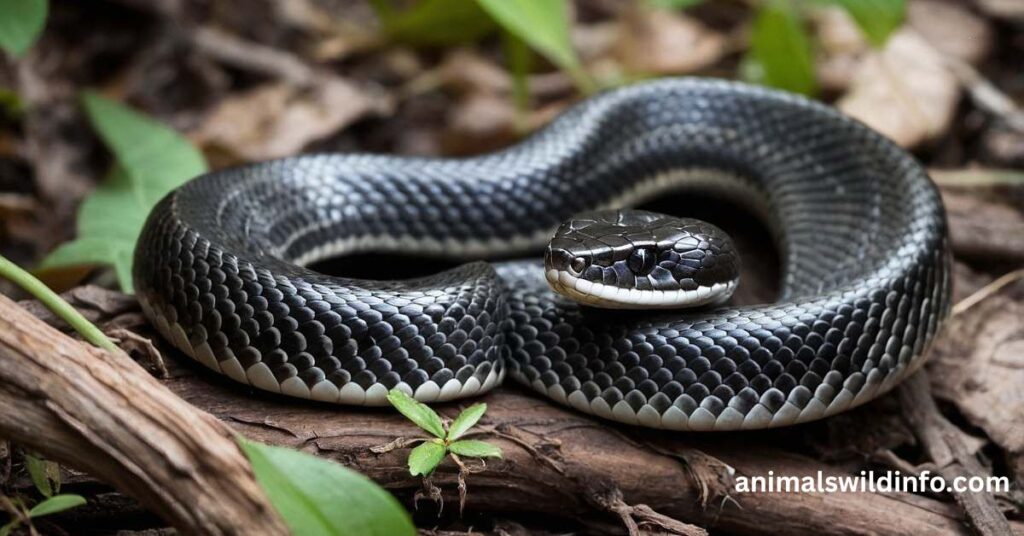
The Puerto Rican racer snake often gets mistaken for something far more dangerous. It isn’t. This slim, fast-moving snake has no venom, and it poses no real threat to people. It can grow up to six feet long, and it moves through forests and rocky ground with impressive speed, chasing down prey rather than waiting to ambush it.
Even though this snake won’t hurt you, it plays a big role in the island’s ecosystem. It keeps rodent numbers in check, which helps protect crops and homes. Sadly, habitat loss and invasive predators have pushed the racer into smaller pockets of forest, so spotting one today is rarer than it used to be.
Fer-de-Lance Snake
Scientific Name: Bothrops asper Class: Reptilia Diet: Rodents, birds, and small reptiles
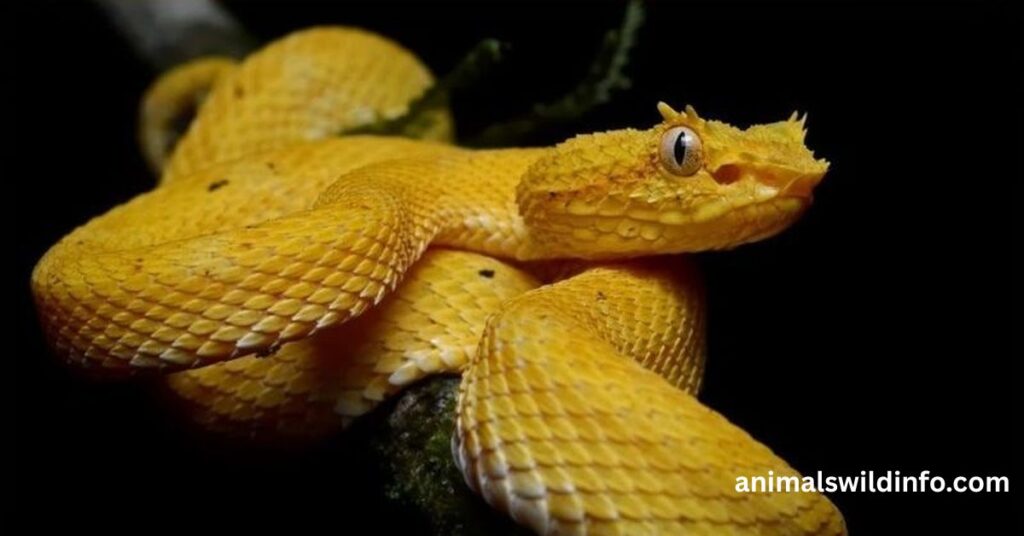
The fer-de-lance snake has a fearsome reputation across Central and South America, and it’s often mentioned alongside dangerous snakes in Puerto Rico in general wildlife discussions. Worth noting, though: Puerto Rico has no native venomous pit vipers established in the wild, so any fer-de-lance sighting on the island would be an unusual, isolated event rather than a common encounter. Its green-and-brown pattern blends into leaf litter almost perfectly, which is exactly how it hunts on the mainland.
Where this species does live, a bite can cause serious swelling, tissue damage, and even life-threatening complications if untreated. That’s why any venomous bite from a pit viper needs emergency medical care right away, no matter where you are. If you’re hiking anywhere in the Caribbean or Central America, watching your step and wearing sturdy boots remains smart advice regardless of exact species range.
Read More: Are Kangaroos Smart? Interesting Facts About Kangaroo Intelligence
Giant Centipede
Scientific Name: Scolopendra gigantea Class: Chilopoda Diet: Insects, small vertebrates, amphibians
The giant centipede can grow up to a foot long, and its yellow, green, and brown coloring helps it disappear into the underbrush. This nocturnal hunter carries genuine venom, delivered through sharp, claw-like fangs near its head. A bite causes sharp pain, swelling, and sometimes a fever that lasts a day or two.
Despite the discomfort it can cause, this creature matters to the local food web. It helps control insect and small animal populations that would otherwise grow out of balance. Hikers exploring Puerto Rico forests at night should check their boots and sleeping bags, since centipedes love tucking into dark, warm spaces.
Puerto Rican Tarantula
Scientific Name: Cyrtopholis species Class: Arachnida Diet: Insects, small lizards
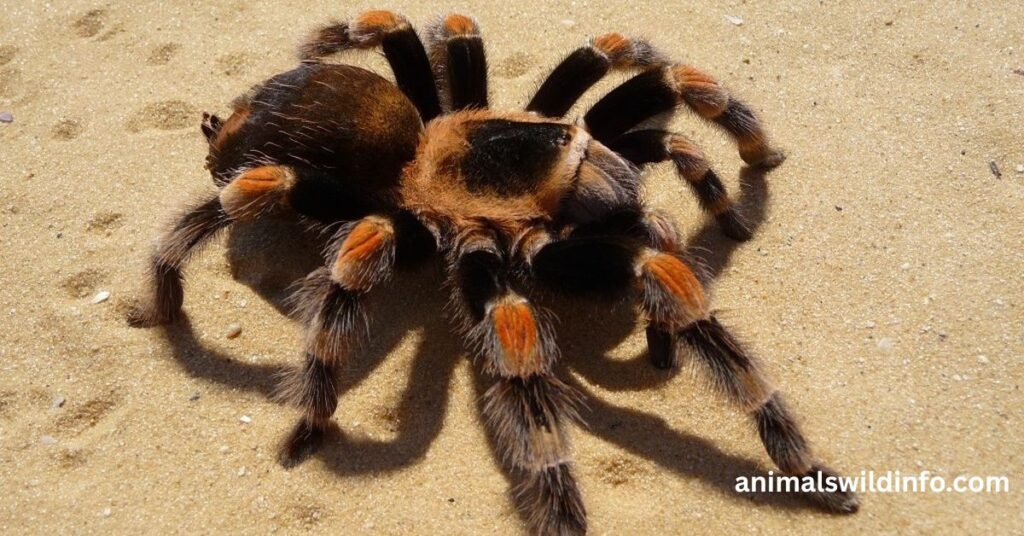
Locals sometimes call the Puerto Rican tarantula the “crawling devil,” which sounds a lot scarier than the spider actually behaves. It can reach a five-inch leg span, and its size alone startles most people who stumble across one. Despite the look, this tarantula rarely bites humans, and it prefers hiding in burrows during the day.
When it does bite, the pain compares to a bee sting rather than anything severe. Its mild venom exists mainly to subdue small insects, not to threaten people. If you leave it alone, it will almost always return the favor, since these spiders would rather retreat than fight.
Brown Recluse Spider
Scientific Name: Loxosceles reclusa Class: Arachnida Diet: Small insects
The brown recluse spider earns its spot on any list of dangerous spiders in Puerto Rico because of what its bite can do, not because it goes looking for trouble. This spider avoids people, hiding in closets, woodpiles, and other undisturbed corners. A bite happens almost only when the spider gets trapped against skin, like inside a shoe or under bedding.
The venom contains enzymes that break down tissue, which can lead to a slow-healing wound called necrosis. Some bites cause only mild irritation, while others need medical attention within days. Shaking out clothes and shoes before wearing them cuts your risk dramatically.
Scorpions
Scientific Name: Centruroides species (commonly) Class: Arachnida Diet: Insects and other small arthropods
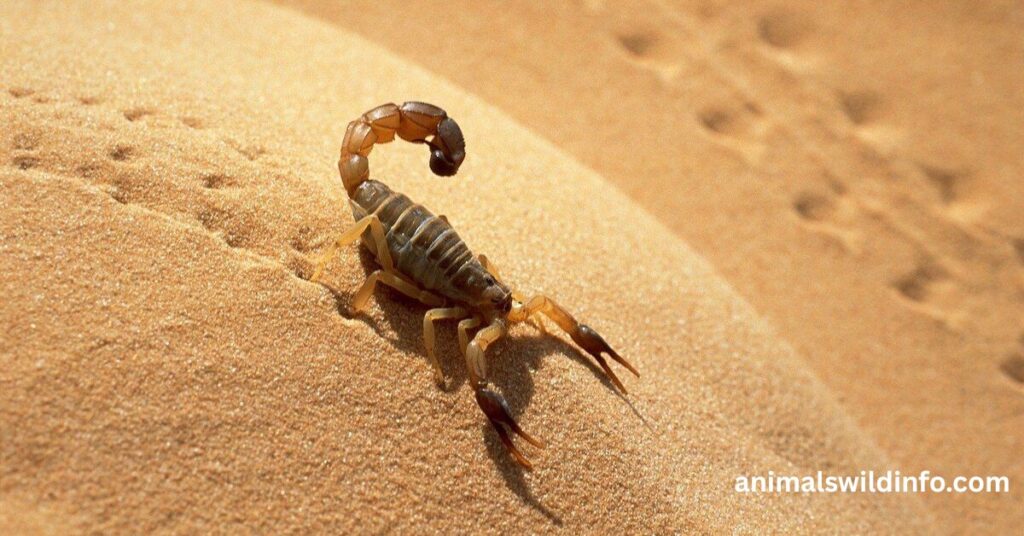
Scorpions in Puerto Rico hide in shadows during the day and come out to hunt once the sun goes down. The most common species, a small bark scorpion, delivers a sting that hurts a lot but rarely causes serious harm to a healthy adult. Children and people with allergies should still take a sting seriously and seek care if symptoms worsen.
These arachnids adapt well to almost any environment, from coastal sand to mountain forest floors. Wearing shoes on night hikes and shaking out blankets before use goes a long way toward avoiding a painful surprise. Most scorpion encounters happen simply because someone reached into a spot without looking first.
Yellow Fever Mosquito
Scientific Name: Aedes aegypti Class: Insecta Diet: Blood (females), nectar (both sexes)
The yellow fever mosquito causes more harm in Puerto Rico than any snake, spider, or shark combined. This small insect spreads mosquito-borne diseases including dengue, Zika, and chikungunya, all of which can lead to serious illness. Its black-and-white striped legs make it easy to spot, but by the time you notice one, it may have already bitten you.
Stagnant water anywhere, from a forgotten bucket to a clogged gutter, becomes a breeding ground within days. Public health campaigns have helped reduce outbreaks, but vigilance tends to fade during cooler months when mosquito numbers drop. Wearing repellent and covering exposed skin during dawn and dusk hours remains the single best defense against this tiny but serious threat.
Read More: Top 8 Dangerous Animals in Aruba: Some Can Be Deadly
Box Jellyfish
Scientific Name: Chirodropida (order) Class: Cubozoa Diet: Small fish and plankton
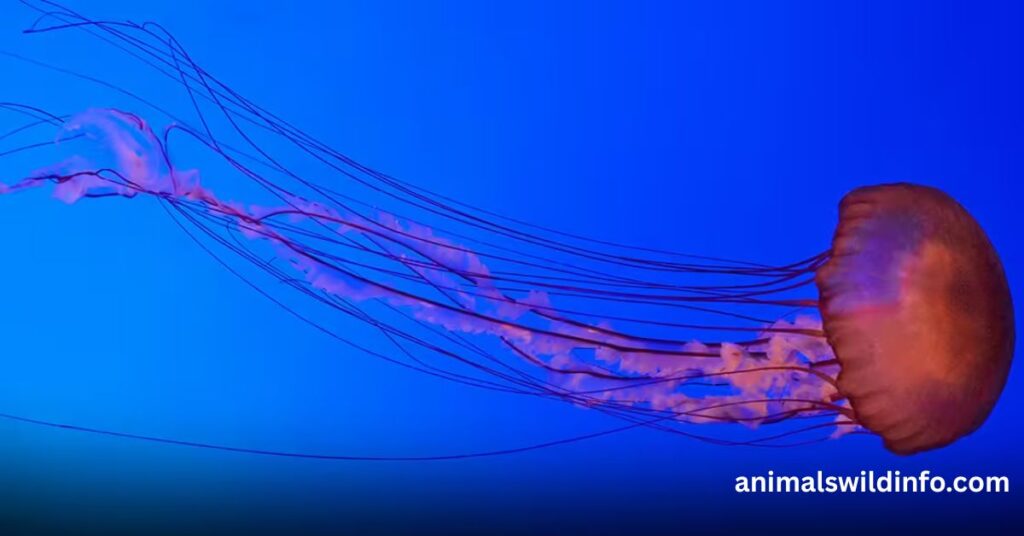
Few creatures earn a spot among dangerous marine animals in Puerto Rico as fast as the box jellyfish. Its bell-shaped, nearly transparent body makes it almost invisible in sunlit water, and a sting from its tentacles brings intense, immediate pain. In rare cases, a severe sting can cause dangerous reactions that require emergency treatment.
These jellyfish tend to show up more often during summer, right when beach crowds peak. Because they drift silently and blend into the water, swimmers often don’t see one until it’s too late. Checking local beach advisories and wearing a stinger suit in known hotspots can prevent a painful end to your beach day.
Moon Jellyfish
Scientific Name: Aurelia aurita Class: Scyphozoa Diet: Plankton, small fish larvae
The moon jellyfish looks similar to its more dangerous cousin, but it carries a much milder sting. Its translucent, saucer-shaped body drifts gently near the surface, often visible in large groups after storms push them toward shore. Most people who brush against one feel only a light tingling or mild itch.
Still, sensitive skin or repeated contact can cause more noticeable irritation, so it’s worth avoiding direct contact when possible. Unlike the box jellyfish, moon jellyfish rarely cause serious harm, which makes them one of the least worrying dangerous sea creatures in Puerto Rico on this list. Rinsing the affected area with vinegar or seawater usually settles any discomfort quickly.
Red Lionfish
Scientific Name: Pterois volitans Class: Actinopterygii Diet: Small reef fish and crustaceans
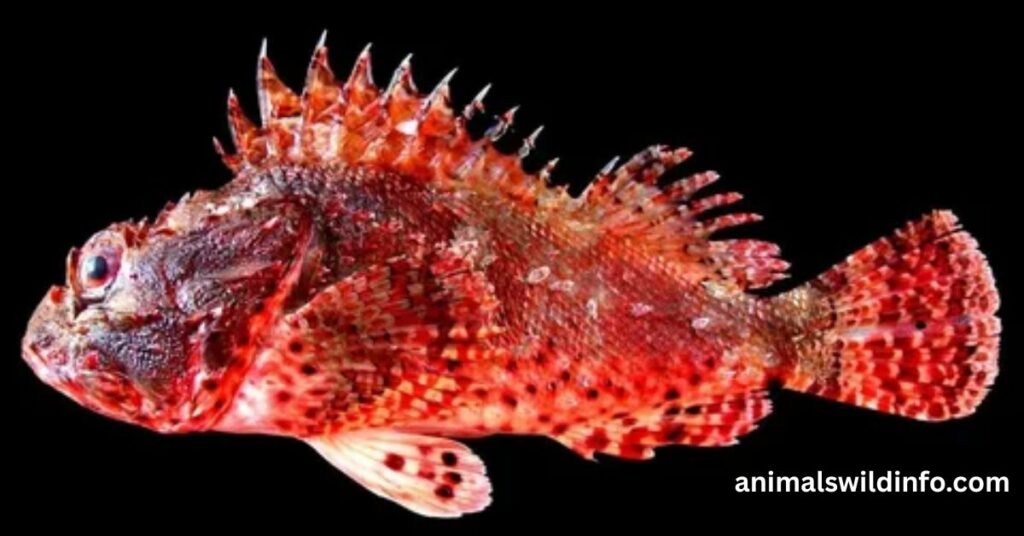
The red lionfish looks stunning, with bold red and white stripes and long, flowing fins. Don’t let the beauty fool you, though, because those fins hide venomous spines capable of causing serious pain, swelling, and nausea. Originally from the Indo-Pacific, this species invaded Caribbean waters and has since disrupted native reef life in a big way.
Divers and snorkelers admire lionfish from a distance, and for good reason. Because it hunts by luring prey close rather than chasing it down, the lionfish thrives around Puerto Rico’s coral reefs, where native fish haven’t evolved any natural defense against it. Local chefs have started serving lionfish as a delicacy, turning an ecological problem into a genuinely tasty solution.
Great White Shark
Scientific Name: Carcharodon carcharias Class: Chondrichthyes Diet: Fish, seals, and other marine animals
Mention a great white shark, and most people picture something straight out of a horror movie. The reality around Puerto Rico looks far less dramatic. These sharks pass through Atlantic migratory routes occasionally, using the region’s warm waters for feeding rather than hunting swimmers, and confirmed encounters with humans here remain extremely rare.
Researchers tracking great white movement have found that some individuals travel thousands of miles across the ocean each year. Divers and surfers should still stay alert in open water, simply because any large predator deserves respect. Understanding actual shark behavior, rather than movie myths, helps put the real risk into proper perspective.
Humpback Whale
Scientific Name: Megaptera novaeangliae Class: Mammalia Diet: Krill and small fish
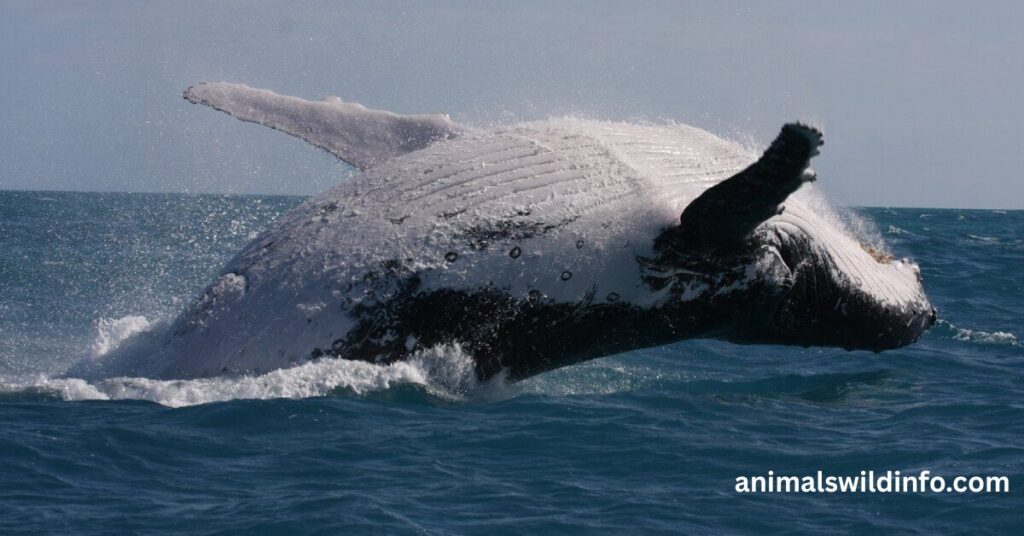
The humpback whale isn’t dangerous in any predatory sense, but its sheer size demands caution anyway. These whales can weigh up to 40 tons and stretch over 50 feet long, migrating through Puerto Rican waters between December and April. Their breaches and tail slaps make for an unforgettable sight, drawing whale-watching boats from across the island.
That same power creates real risk for small boats and kayaks caught nearby during a breach. Entanglement in fishing gear and collisions with vessels have become growing concerns as boat traffic increases along migration routes. Responsible whale-watching practices protect both visitors and the whales themselves, keeping this spectacle safe for everyone involved.
West Indian Manatee
Scientific Name: Trichechus manatus Class: Mammalia Diet: Seagrass and aquatic plants
Nobody would call the West Indian manatee dangerous, but it deserves a mention here because of how easily it gets hurt by us. Weighing up to 1,200 pounds, this slow-moving mammal grazes peacefully in coastal waters, doing more good for the ecosystem than harm to anyone. Boat strikes and habitat loss have pushed manatee numbers down significantly over the years.
By feeding on seagrass, manatees help keep underwater meadows healthy, which supports fish and other marine life. Their gentle nature makes them a favorite among snorkelers, but getting too close or feeding them can stress the animal and disrupt its natural behavior. Protecting manatees means slowing down boats and giving these gentle giants plenty of space.
Read More: Top 18 Animals That Eat Corn (With Pictures & Feeding Facts)
Caimans
Scientific Name: Caiman crocodilus Class: Reptilia Diet: Fish, birds, small mammals
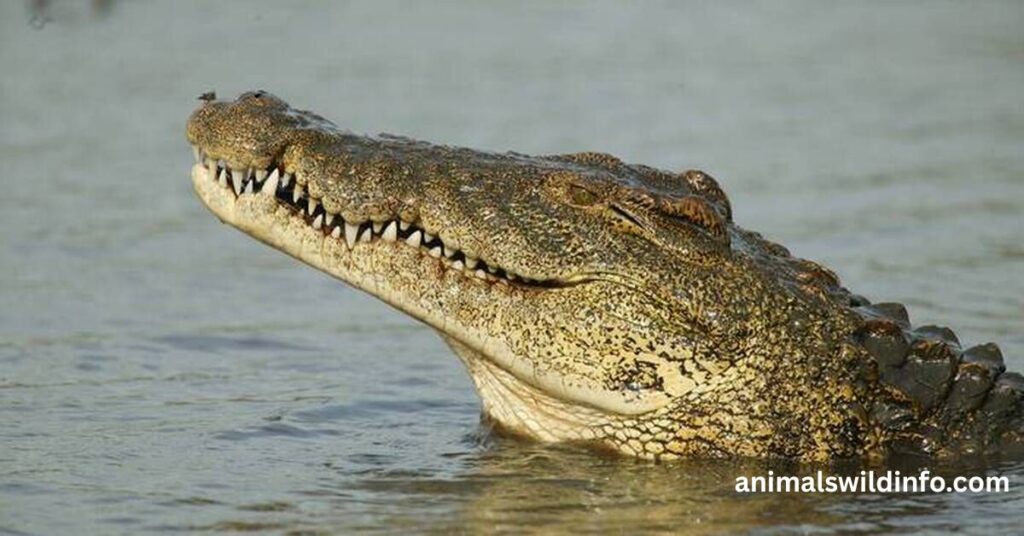
Caimans in Puerto Rico aren’t native, but they’ve established a real presence, especially around the Humacao Nature Reserve. Released or escaped pets bred successfully in local wetlands, and now a small wild population calls the island home. These reptiles can grow up to seven feet long and will bite if provoked or cornered.
Most caiman encounters happen near ponds, canals, or reserve waterways, where they bask along the banks or float just beneath the surface. Attacks on humans remain rare, since caimans generally avoid people and prefer smaller prey. Keeping a safe distance and never feeding one keeps both you and the animal out of trouble.
Comparison Table: Dangerous Animals in Puerto Rico at a Glance
| Animal | Danger Level | Venomous? | Typical Habitat | Risk to Humans |
| Puerto Rican Racer Snake | Low | No | Forests, rocky terrain | Minimal |
| Fer-de-Lance Snake | High (where present) | Yes | Rainforest, leaf litter | Severe if bitten |
| Giant Centipede | Moderate | Yes | Rainforest floor, undergrowth | Painful bite |
| Puerto Rican Tarantula | Low | Mild | Burrows, forest floor | Bee-sting-level bite |
| Brown Recluse Spider | Moderate to High | Yes | Closets, woodpiles | Tissue damage possible |
| Scorpions | Low to Moderate | Yes | Rocky, sandy, forested areas | Painful sting |
| Yellow Fever Mosquito | High (disease risk) | No (disease vector) | Urban standing water | Serious illness |
| Box Jellyfish | High | Yes | Coastal waters | Severe sting |
| Moon Jellyfish | Low | Mild | Coastal waters | Minor irritation |
| Red Lionfish | Moderate | Yes | Coral reefs | Painful sting |
| Great White Shark | Low (rare encounters) | No | Open ocean | Very low |
| Humpback Whale | Low (indirect) | No | Open ocean | Boat collision risk |
| West Indian Manatee | Very Low | No | Coastal shallows | Minimal |
| Caimans | Moderate | No | Wetlands, canals | Bite if provoked |
How Dangerous Are Animals in Puerto Rico?
Honestly, most wild animals in Puerto Rico pose far less risk than people assume before visiting. Fatal encounters with large predators are practically unheard of, and the majority of species on this list would rather flee than fight. The real everyday risk comes from smaller sources, especially mosquito-borne diseases and the occasional insect or spider bite that catches someone off guard.
That doesn’t mean you should let your guard down completely. A little awareness prevents almost every bad encounter, whether that means checking your shoes for scorpions or avoiding jellyfish-heavy waters after a storm. Puerto Rico’s animal habitat diversity is part of what makes the island so special, and respecting that diversity keeps both you and the wildlife safe.
Where to Find Dangerous Animals in Puerto Rico
Different dangerous species in Puerto Rico stick to different parts of the island, so knowing where to look, or where to be careful, makes a real difference. Rainforests, coastlines, and even ordinary backyards each host their own mix of creatures. Understanding these zones helps you plan smarter, whether you’re hiking, swimming, or just relaxing outdoors.
The sections below break things down by land, sea, and the smaller creatures that tend to surprise people the most.
Dangerous Animals on Land
El Yunque National Forest and other rainforest areas host most of Puerto Rico’s terrestrial wildlife, including centipedes, tarantulas, and the occasional racer snake sliding through leaf litter. Rural farmland and mountain trails also see their share of scorpions and spiders, especially around old buildings and woodpiles. Even urban edges near green space can host surprise visitors, since animals often move closer to human areas as natural habitat shrinks.
Dangerous Marine Animals
Puerto Rico’s coral reefs and open coastline host most marine wildlife concerns, from lionfish patrolling reef structures to jellyfish drifting near popular beaches. Sharks and whales stay mostly offshore, only occasionally coming close enough for a rare sighting. Snorkelers and divers face the highest exposure simply because they spend the most time in the water where these animals live.
Dangerous Insects and Spiders
Homes, gardens, and hiking trails all shelter their fair share of dangerous insects in Puerto Rico, particularly mosquitoes breeding in standing water near houses. Spiders and scorpions favor dark, undisturbed spaces like closets, woodpiles, and shoes left outside overnight. Because these creatures hide rather than hunt in the open, most bites happen by accident rather than through any real aggression.
How to Stay Safe Around Dangerous Animals in Puerto Rico
Good Puerto Rico animal safety habits aren’t complicated, and most of them boil down to simple awareness. Watching where you step, checking gear before use, and respecting an animal’s space prevents nearly every bad encounter on this list. A few smart habits go a long way toward keeping your trip enjoyable from start to finish.
The next few sections cover specific tactics for snakes, mosquitoes, and ocean hazards, since each category calls for slightly different precautions.
Avoiding Snake Encounters
Wear closed-toe boots on any hike through dense brush or forest, since snake bite injuries almost always happen to exposed feet and ankles. Stay on marked trails whenever possible, and avoid reaching into holes, under rocks, or into thick vegetation where a snake might be resting. If you spot one, simply back away slowly rather than trying to move or handle it yourself.
Preventing Mosquito Bites
Apply insect repellent containing DEET or picaridin before heading outdoors, especially during dawn and dusk when mosquitoes feed most actively. Wear long sleeves and pants in areas with heavy vegetation, and empty any standing water around where you’re staying to cut down breeding sites. These small steps dramatically lower your risk of mosquito-borne illness during your visit.
Staying Safe in the Ocean
Check local beach flags and advisories before swimming, since many beaches post warnings when jellyfish or strong currents show up. Consider wearing a stinger suit if you’re snorkeling in areas known for jellyfish activity, and avoid touching coral or reef structures where lionfish might hide. Snorkeling safety also means keeping a respectful distance from any large marine animal you happen to spot, no matter how calm it looks.
What to Do if You Encounter Wildlife
Stay calm and keep your distance the moment you spot any unfamiliar animal, since sudden movement often triggers a defensive reaction. Never attempt to touch, feed, or corner wildlife, even species that look harmless or curious about you. Avoiding animal encounters altogether comes down to giving every creature enough space to go about its business undisturbed.
Most animal behavior in Puerto Rico leans defensive rather than aggressive, meaning animals bite or sting only when they feel threatened or trapped. Walk away slowly, keep children and pets close, and let the animal move on in its own time. This simple approach resolves nearly every wildlife encounter without incident.
What to Do If You Are Bitten or Stung by an Animal
For minor bites or stings, clean the area with soap and water, apply a cold compress, and monitor for worsening symptoms like swelling or fever. Over-the-counter pain relief and antihistamines can help manage discomfort from insect stings or a mild poisonous sting in the hours afterward. Keep a photo or clear description of the animal if you can safely get one, since this helps medical staff identify the right treatment.
Seek emergency care immediately for any suspected animal attacks involving a venomous snake, a box jellyfish sting, or symptoms like difficulty breathing, severe swelling, or dizziness. Tell hospital staff exactly when and where the bite or sting happened, along with any details about the animal involved. Quick, informed action turns a scary situation into a manageable one far more often than people expect.
Final Thoughts
Puerto Rico’s Puerto Rico tropical ecosystem offers an incredible mix of rainforest, reef, and coastline, and that diversity comes with a small handful of animals worth respecting. None of the creatures on this list should keep you from visiting or exploring outdoors. A little preparation, from proper footwear to bite and sting prevention habits, covers almost every risk you’ll actually face.
Wildlife awareness turns a potentially stressful trip into a genuinely rewarding one, letting you enjoy El Yunque, the beaches, and everything in between with confidence. Respect the animals, respect their space, and Puerto Rico will reward you with unforgettable memories instead of unwanted surprises.
Frequently Asked Questions
What Is the Most Dangerous Animal in Puerto Rico?
The yellow fever mosquito causes more harm than any other species on the island, largely because it spreads serious illnesses like dengue and Zika. Among larger animals, the box jellyfish stands out for its painful and occasionally severe sting along the coastal waters of Puerto Rico.
Are There Venomous Snakes in Puerto Rico?
Puerto Rico has no venomous snakes established in the wild, and the native racer snake poses no threat to people. Any venomous snake sighting on the island would be an unusual, isolated case rather than a common occurrence.
Are There Dangerous Spiders in Puerto Rico?
Yes, the island hosts a few notable species, including the brown recluse and the Puerto Rican tarantula. Both can bite if provoked, though serious reactions remain uncommon with prompt care.
Is there any dangerous wildlife in Puerto Rico?
Puerto Rico does host some poisonous animals in Puerto Rico alongside a handful of insects and marine species, though serious incidents remain rare overall. Most risk comes from smaller creatures like mosquitoes rather than large predators.
What is the #1 cause of death in Puerto Rico?
Heart disease ranks as the leading cause of death in Puerto Rico, similar to trends across the broader United States. Wildlife-related deaths remain extremely rare by comparison, making everyday health factors a far bigger concern for residents.
What is the biggest crime in Puerto Rico?
Property crime and drug-related offenses tend to top official crime statistics for the island, similar to patterns seen across many US territories. This falls outside the wildlife focus of this guide, but it’s worth knowing for general travel planning.
What is the largest predator in Puerto Rico?
The great white shark holds the title among marine predators passing through Puerto Rican waters, even though sightings remain rare. On land, no large land predator exists on the island, making smaller venomous species the more realistic concern for hikers and campers.