Are Kangaroos Smart? Interesting Facts About Kangaroo Intelligence
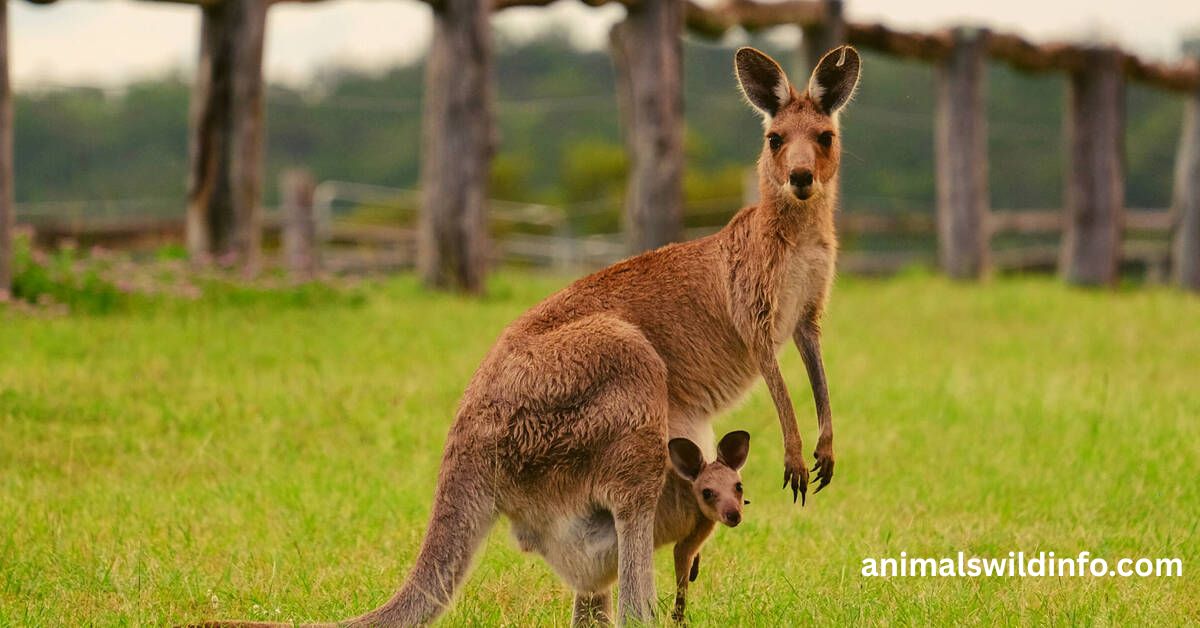
Did you know kangaroos can remember a human face for years? That’s not a myth. It’s real kangaroo cognitive behavior, backed by field studies and zoo research. So, are kangaroos smart? The short answer is yes, but not in the way you might expect. Most people picture kangaroos as simple hoppers, bouncing across the outback with nothing but instinct guiding them. That picture is outdated, and the science backs that up.
This article digs into kangaroo intelligence from every angle. You’ll learn how kangaroos think, how they talk to each other, and how they handle danger. We’ll also compare kangaroo intelligence compared to dogs and answer the question everyone asks: are kangaroos smarter than they look? Along the way, you’ll see real examples pulled from research on wild mobs, sanctuary kangaroos, and even backyard encounters across Australia. Let’s hop right in.
Are Kangaroos Smart Animals?
Scientific Name: Macropus Class: Mammalia Diet: Herbivore
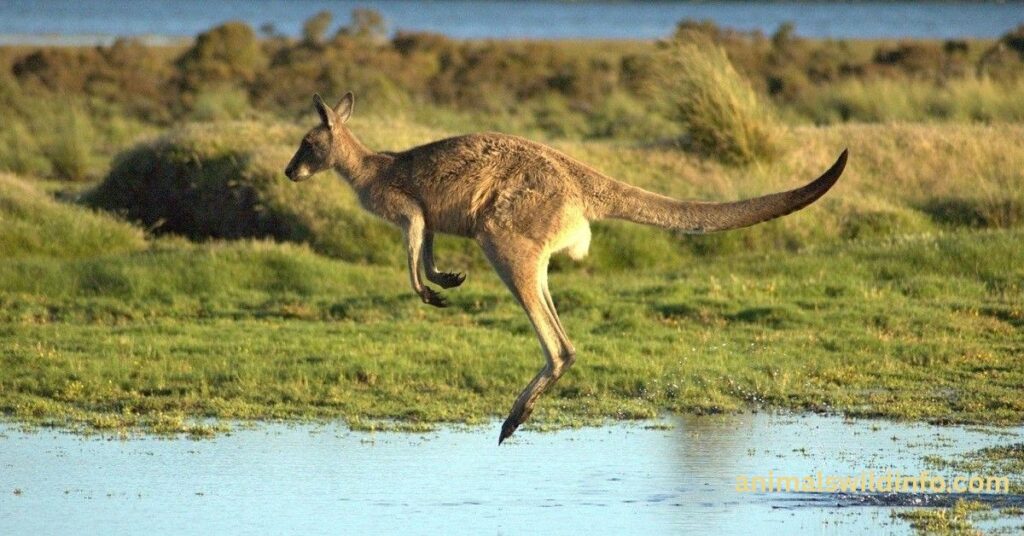
Yes, kangaroos are smart animals. They rank among the more capable marsupials on the planet, and their kangaroo brain handles more than most people assume. Kangaroos solve problems. They remember locations. They read social cues from other kangaroos in their group. That’s not luck. That’s real animal cognition at work, shaped by millions of years in a tough, dry landscape where mistakes often mean death. Researchers who study macropods point out that intelligence in the wild doesn’t always look like intelligence in a lab. It looks like staying alive one more season.
Their smarts show up in practical ways too. A kangaroo can track down water during a drought, dodge a predator mid-sprint, and still keep an eye on its joey. These aren’t separate skills. They’re connected. Strong kangaroo cognitive abilities let them juggle survival tasks at once, which is exactly why researchers keep studying them alongside other intelligent animals like dolphins and crows. Scientists at Australian universities have run memory and puzzle-box tests on kangaroos for years, and the results keep surprising skeptics who expected blank stares instead of genuine effort.
What Makes Kangaroos Smart?
A few things set smart kangaroos apart from other grazing mammals. First, they adapt fast. Drop a kangaroo in unfamiliar terrain, and it won’t freeze up. It scans, adjusts its hop pattern, and moves on. This kind of decision making under pressure points to a flexible mind, not a rigid one running on pure instinct. Even something as simple as crossing a fence line shows this off, since kangaroos will test a gap, measure the jump, and commit only when the odds look right.
Second, kangaroos learn by watching. Young joeys pick up kangaroo learning ability from older members of the mob, copying how they forage, flee, and interact. This social learning matters because it means knowledge doesn’t die with one kangaroo. It spreads through the group, generation after generation, almost like a local tradition passed down without a single word being written down. Combine that with sharp kangaroo memory, and you get animals that genuinely improve their odds over time, not just react on autopilot. A kangaroo that survives one bad drought often changes its foraging range the next time conditions get dry, which is learning in action, not chance.
Read More: 6 Types of Marmots in North America: Amazing Facts & Pictures
Kangaroos Can Communicate With Humans
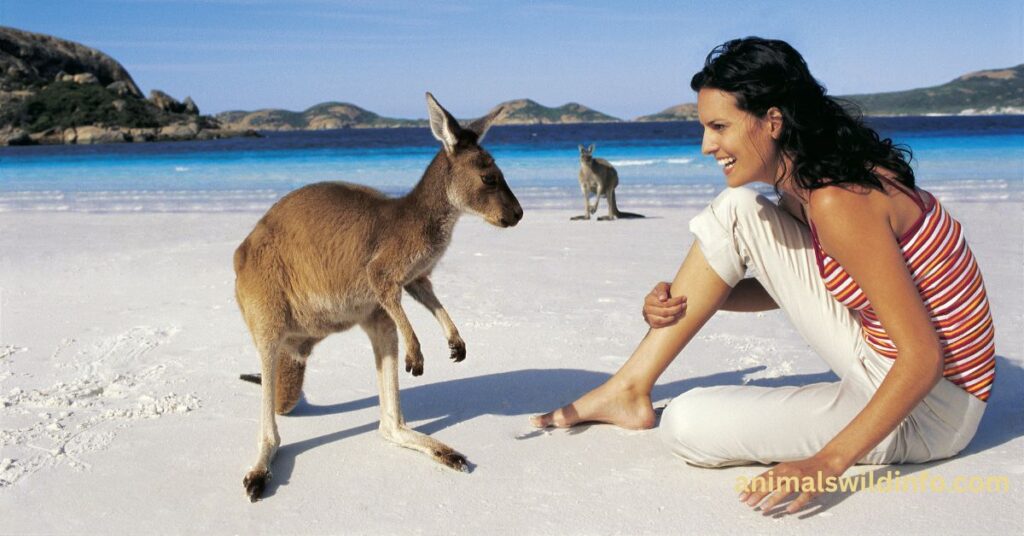
Here’s something that surprises most people: kangaroos don’t just tolerate humans, they actually try to talk to us. Researchers studying kangaroo interaction with humans found that kangaroos raised around people will look at a human, then look at a hidden food source, then look back at the human again. That’s called referential gazing, and it’s the same trick dogs use to ask for help. It shows real kangaroo communication skill, not blind instinct. A 2015 study out of the University of Sydney and University of Roehampton found this exact gazing pattern in kangaroos that had never been formally trained to do it, which ruled out simple conditioning as the explanation.
This human interaction goes further in places where kangaroos see people often, like wildlife parks or rural properties. Some kangaroos approach slowly, sniff a hand, or nudge someone gently for food. That’s not random behavior. It’s a kangaroo reading a situation and adjusting its kangaroo behavior toward humans based on past experience. Wild kangaroos with little human contact stay far more cautious, which itself proves they’re weighing risk, not just running a script. As one researcher put it, kangaroos seem to know exactly when a human is worth approaching and when it’s smarter to keep hopping.
Kangaroos Use Clever Strategies to Avoid Predators
Survival in the Australian outback takes more than speed. It takes environmental awareness and sharp survival instincts. Kangaroos rely on excellent hearing and wide-set eyes to spot danger early, often before a predator even gets close. Their ears rotate almost independently, catching sound from multiple directions at once, so a kangaroo can keep grazing while still tracking movement behind it. When a threat shows up, they don’t just bolt. They thump the ground with a hind foot, a warning signal that alerts the rest of the mob in seconds.
That’s smart predator avoidance, but the real trick is what comes next. Kangaroos will change direction mid-chase, cut sharp corners a dingo can’t match, and even head toward water, where they have a serious advantage since dingoes are far weaker swimmers. Groups also post lookouts while others graze, a form of cooperation that spreads the workload of staying safe. This kind of behavioral adaptation shows kangaroos think ahead instead of just reacting, treating danger as a puzzle to solve rather than a moment to panic.
Kangaroo Social Intelligence and Group Behavior
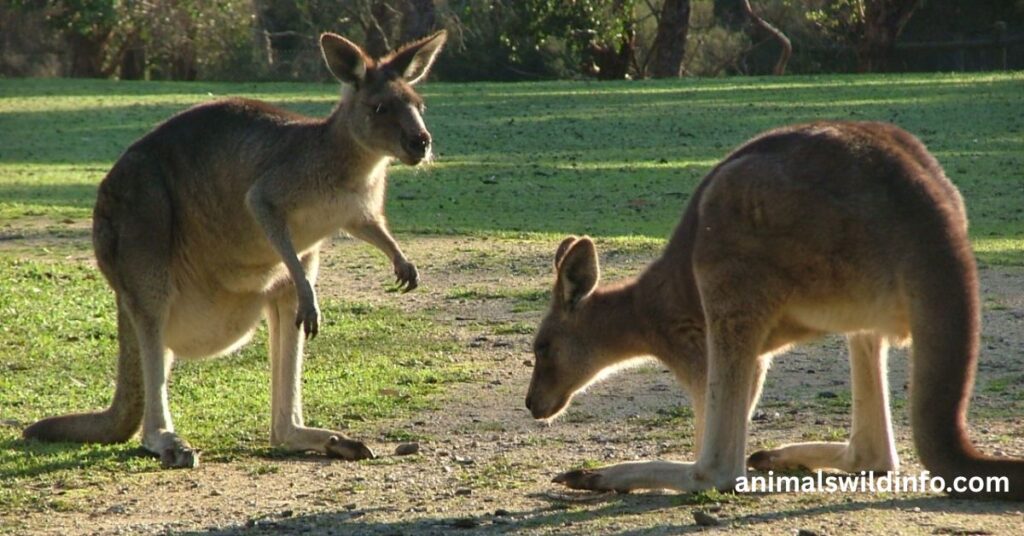
Kangaroos live in loose groups called mobs, and those mobs run on real kangaroo social behavior. Members use vocalizations, clicks, hisses, and soft coughs, along with clear body language like ear position and posture, to pass along information fast. A mother kangaroo has specific calls just for her joey, separate from the general alarm signals used for the whole group. Even subtle shifts, like a raised head or a tense stance, can ripple through a mob and change how the whole group behaves within seconds.
This isn’t just noise. It’s a working communication system built on social groups and shared trust. Kangaroos recognize individual members of their mob and treat them differently than strangers, often staying closer to relatives and long-term companions than to unfamiliar kangaroos passing through. There are documented cases of kangaroos sticking close to an injured mob mate instead of abandoning it, which hints at something close to bonding. That level of kangaroo social intelligence puts them ahead of many mammals people assume are smarter, and it challenges the old idea that marsupials are simple, solitary creatures running purely on instinct.
Read More: Top 20 Animals That Live in Rivers (With Pictures & Facts)
How Kangaroos Learn and Solve Problems
Kangaroos aren’t just reactive animals. They test, fail, and adjust, which is the basic formula for real problem solving. In captive settings, kangaroos have figured out how to open simple latches, move objects out of the way to reach food, and remember which paths lead to a reward days later. Keepers at several Australian wildlife parks have reported kangaroos returning to a previously “solved” feeder weeks later, going straight for the shortcut instead of retesting every option. That’s strong evidence of genuine kangaroo problem-solving skills, not just muscle memory.
Their kangaroo learning ability also shows up over time, not just in single moments. A kangaroo that gets tricked by a fake predator once will change its behavior the next time a similar situation happens, staying further from that spot or reacting faster to similar sounds. That’s learning from experience, plain and simple. Combine that with long-term recall, and you get an animal that builds a mental map of its world instead of starting from zero every day, which matters a lot in a landscape where water holes and safe paths can mean the difference between life and death.
Do Kangaroos Use Tools?
Kangaroos don’t use tools the way chimps or crows do, but there’s more going on than pure instinct. Some kangaroos in enclosed settings have been seen moving objects deliberately to reach food, a basic form of tool-adjacent behavior. It’s rare and it’s not confirmed in the wild, but it adds another layer to the case for real kangaroo cognitive abilities.
Interesting Facts About Kangaroo Intelligence
Beyond the research, kangaroos have some genuinely surprising traits. Most kangaroos favor their left paw, making them one of the few animals besides humans and some primates to show a clear hand preference. They can also pause embryo development during droughts, only continuing the pregnancy once food and water are reliable again. That’s a survival decision playing out at a biological level, almost like the body itself is running a risk assessment before committing resources.
Kangaroos also show strong environmental awareness when it comes to temperature regulation. On hot days, they lick their forearms, where blood vessels sit close to the skin, cooling themselves down through evaporation rather than panting like a dog. Large males can weigh over 150 pounds and still leap nearly 30 feet in a single bound when startled, a burst of power that takes real coordination and quick decision making to pull off without injury. Add in their ability to travel at speeds close to 35 miles per hour, and it’s clear kangaroos pair physical power with a genuinely sharp mind.
Read More: Top 15 Animals That Waddle Amazing Waddling Animals With Pictures
Here’s a quick table comparing kangaroo intelligence to two other well-known intelligent species.
| Trait | Kangaroo | Dog | Chimpanzee |
| Social structure | Mobs, loose hierarchy | Packs, strong hierarchy | Complex troops |
| Communication | Vocal signals, body language | Vocal, trained cues | Vocal, gestures, tools |
| Problem-solving | Moderate, environment-based | High, human-guided | Very high |
| Memory | Strong spatial memory | Strong for routines | Excellent long-term |
| Tool use | Rare, unconfirmed in wild | None | Frequent |
Are Kangaroos Smarter Than Dogs?
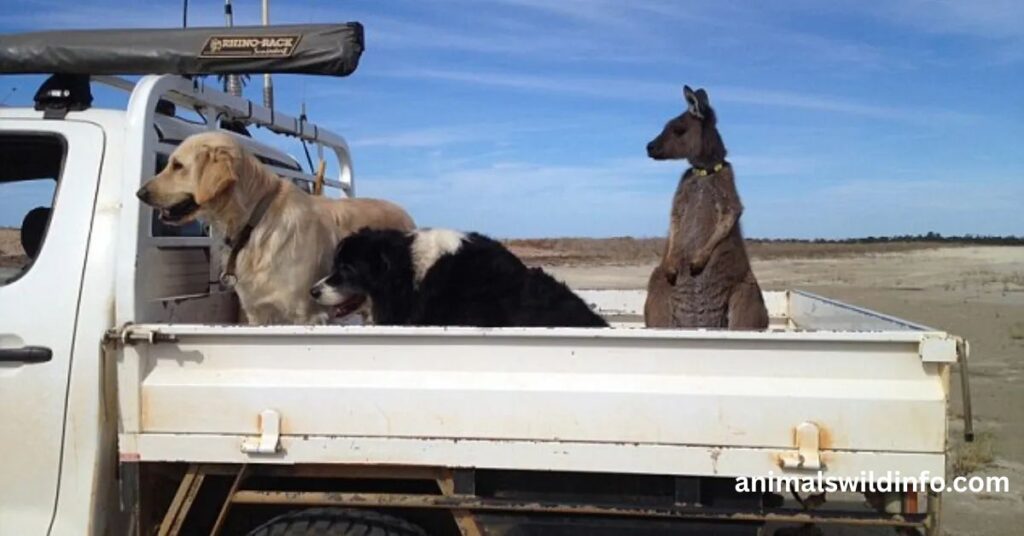
This question comes up a lot, and the honest answer is: it depends on what you’re measuring. Dogs have thousands of years of selective breeding behind them, built specifically to work with humans. That makes kangaroo intelligence compared to dogs a bit of an unfair fight in tasks like following commands or reading human emotion. Dogs simply have more practice at that specific skill set, since generations of breeding have rewarded exactly those traits.
But flip the test to raw survival smarts, and kangaroos hold their own. A kangaroo navigating drought, predators, and shifting terrain without any human help shows a different kind of animal intelligence, one built for independence, not obedience. A dog raised in the wild without human guidance would likely struggle far more than a kangaroo would, simply because kangaroos evolved to handle everything alone. Neither animal is “dumber.” They’re just optimized for different jobs, which is a fair way to judge any of the smartest animals on the planet, whether they’re bred companions or wild survivors.
Are Kangaroos Friendly or Aggressive Toward Humans?
Most wild kangaroos are shy. Given the choice, they’ll bound away long before a person gets close. This cautious streak comes from strong survival instincts, not rudeness. In places where kangaroos see people daily, like sanctuaries or rural towns across parts of the USA where they’re kept as exotic pets, that shyness can fade into curiosity, and some kangaroos will approach for food or attention. Owners who raise kangaroos from a young age often describe them as affectionate, even leaning against people the way a dog might.
Aggression is rare but not impossible. Male kangaroos can turn defensive during mating season, and any kangaroo may lash out if it feels cornered or threatened. A kick from a large kangaroo carries real force, strong enough to cause serious injury, so keeping distance and respecting body language matters, especially around unfamiliar animals. Signs like a tense posture, low grunting, or a fixed stare usually mean it’s time to back away. Understanding kangaroo behavior around humans helps prevent almost every conflict before it starts, and most encounters stay calm as long as people give kangaroos the space they need.
Final Thoughts
So, are kangaroos smart? Yes, in a way that’s built for their world, not ours. They read situations fast, communicate clearly within their mob, and adjust their behavior based on real experience. That’s a strong case for genuine marsupial intelligence, even if it doesn’t look like the tool-heavy smarts of a chimp or the obedience-driven smarts of a dog. Intelligence, after all, isn’t one single skill. It’s a toolkit, and kangaroos carry a version built specifically for the outback.
The more researchers study kangaroo behavior, the more nuance shows up. These aren’t simple, instinct-only animals hopping through the outback on autopilot. They’re thinking, adapting, and connecting with each other in ways that deserve real respect, and a closer look at any of these examples of intelligent animal behavior only strengthens the case for protecting the habitats they depend on. Next time you see a kangaroo photo or video, remember there’s a lot more going on behind those eyes than most people realize.
FAQ’s
How Smart Are Kangaroos Compared to Humans?
Kangaroos aren’t as smart as humans in areas like language or abstract thought. But they show strong kangaroo cognitive behavior in memory, social awareness, and quick decision-making suited to survival in the wild. Their intelligence works well for their environment, even if it doesn’t overlap much with human reasoning.
Are Kangaroos Ever Friendly?
Yes, kangaroos can be friendly, especially ones used to people. Curiosity often wins out in sanctuaries or rural areas, though wild kangaroos usually stay cautious around strangers and prefer to keep their distance until trust builds up over time.
Can a Kangaroo Bond With a Human?
Kangaroos can form real bonds with familiar humans, especially those who raise or care for them regularly. This bonding often shows up as recognition, comfort, and less flighty behavior around that specific person, sometimes lasting for years.
Are Kangaroos Aggressive to Humans?
Kangaroos aren’t naturally aggressive. Most conflicts happen when a kangaroo feels cornered or threatened, or during mating season when males get more territorial and defensive over their space.
Are Kangaroos Dumb?
No, kangaroos aren’t dumb. They just use a different kind of intelligence, one built around survival strategies, group cooperation, and reading their environment rather than following human commands or performing trained tasks.