Top 15 Animals That Waddle Amazing Waddling Animals With Pictures
Watch a penguin cross the ice, and you can’t help but smile. That side-to-side wobble looks clumsy at first glance. But it’s not clumsy at all. It’s one of nature’s smartest tricks. Animals that waddle use a walking gait shaped by millions of years of evolutionary adaptation, and once you understand why, you’ll never look at a duck the same way again.
This guide walks you through 15 of the most charming waddling animals on Earth. You’ll learn what makes their body structure so unique, why their distinctive gait actually helps them survive, and which animals top the list for the best (and funniest) waddle in the wild. Let’s dive in.
What Does It Mean When an Animal Waddles?
A waddle is a rocking, side-to-side movement that happens when an animal shifts its body weight from one leg to the other while walking. It looks bouncy. It looks a little unsteady. But underneath that wobble sits a well-engineered walking pattern, built around short legs, a wide stance, and a low center of gravity.
Waddling isn’t the same as limping, and it’s not a sign that something’s wrong. Most waddling movement comes from anatomical adaptation, not injury. Ducks, penguins, and geese don’t waddle because they’re hurt. They waddle because their bodies evolved that way, trading speed on land for something far more valuable: stability in water, on ice, or across uneven ground.
Why Do Animals Waddle?
So why does nature keep reinventing the waddle across totally different species? The answer comes down to body shape. Animals with heavy bodies, short limbs, and feet set wide apart naturally rock from side to side as they move. That rocking motion helps them stay balanced, especially when their legs sit farther out from the body’s midline than a typical land animal’s would.
There’s also a bigger story here about energy efficiency. Swinging body weight from side to side, instead of lifting each leg high off the ground, actually costs less energy over time. For animals built for aquatic movement, like seals or webbed feet-equipped birds, this trade-off makes total sense. Great swimming adaptation in water often means an awkward terrestrial movement on land. Nature rarely gives an animal the best of both worlds, and the waddle is proof of that compromise.
List of Top 15 Animals That Waddle
Some waddlers live in the Arctic. Others live in your backyard pond. Below, you’ll find 15 animals whose animal locomotion relies on this rolling, rocking gait, along with the habitat and behavior that shaped each one.
| Animal | Habitat | Primary Reason for Waddle | |
| 1 | Penguins | Antarctic coasts, sub-Antarctic islands | Short legs set far back on the body |
| 2 | Ducks | Ponds, lakes, wetlands worldwide | Webbed feet and wide stance |
| 3 | Geese | Wetlands, grasslands, farmland | Heavy body and low center of gravity |
| 4 | Swans | Lakes, rivers, coastal waters | Large body mass on short legs |
| 5 | Pigeons | Urban areas worldwide | Head-bobbing balance mechanism |
| 6 | Cormorants | Coastal cliffs, rivers, lakes | Legs positioned for diving, not walking |
| 7 | Puffins | North Atlantic coastal cliffs | Short legs built for swimming |
| 8 | Loons | Northern lakes, boreal forests | Legs set far back for diving |
| 9 | Chickens | Farms and backyards worldwide | Rounded body and short legs |
| 10 | Tortoises | Deserts, grasslands, forests | Heavy shell and stocky limbs |
| 11 | Wombats | Australian forests and grasslands | Short, powerful legs and broad body |
| 12 | Polar Bears | Arctic sea ice and tundra | Massive paws and thick build |
| 13 | Seals | Coastlines and ice floes worldwide | Flippers instead of walking legs |
| 14 | Walruses | Arctic and sub-Arctic waters | Enormous body mass on short flippers |
| 15 | Platypuses | Australian rivers and streams | Sprawling legs set to the side |
Penguins
Scientific Name: Aptenodytes forsteri (Emperor Penguin) Class: Aves Diet: Carnivore
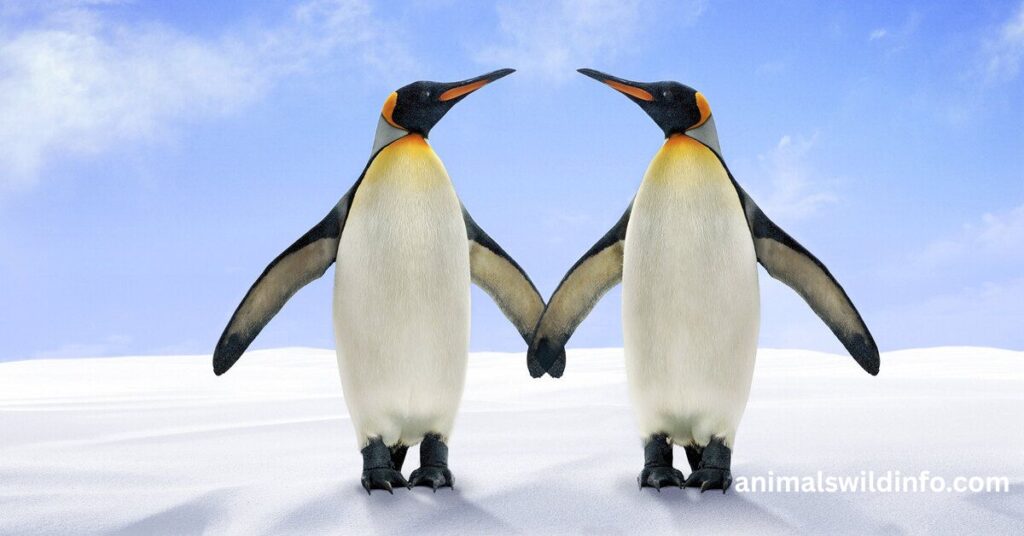
Penguins are the poster child of the waddling world, and for good reason. Their short legs sit far back on their body, almost tucked under their tail. That body structure forces them to rock from side to side with every step. It looks silly on land. But get a penguin in the water, and that same body becomes a torpedo built for speed.
The truth is, a penguin’s awkward gait on ice serves a real purpose. Rocking side to side, instead of taking long strides, keeps a penguin’s balance steady on slippery terrain. Falling on ice wastes energy and risks injury, so this rolling motion is actually the safest, most energy-efficient walking style available to a bird with legs built for diving, not sprinting.
Read More: Top 13 Animals That Live in Fields (With Pictures)
Ducks
Scientific Name: Anas platyrhynchos Class: Aves Diet: Omnivore
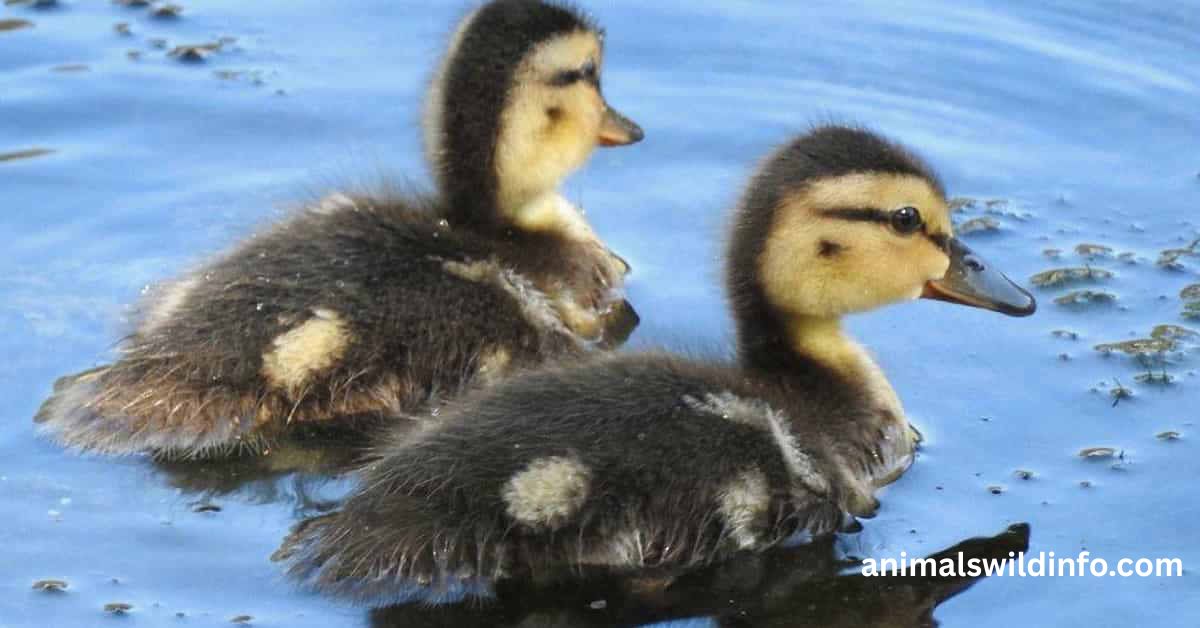
Ducks might be the most recognizable waddlers on this list. Their webbed feet sit far apart and close to the back of the body, which gives them incredible paddling power in water. On land, though, that same setup creates a rolling, rocking walking style that’s impossible to miss.
You’ll notice ducks don’t seem bothered by their wobble at all. That’s because their anatomical adaptation trades land speed for something better: efficient aquatic movement. A duck can outswim almost any predator chasing it into a pond, and that trade-off, clumsy on land, graceful in water, has kept ducks thriving across nearly every continent on Earth.
Geese
Scientific Name: Anser anser Class: Aves Diet: Herbivore
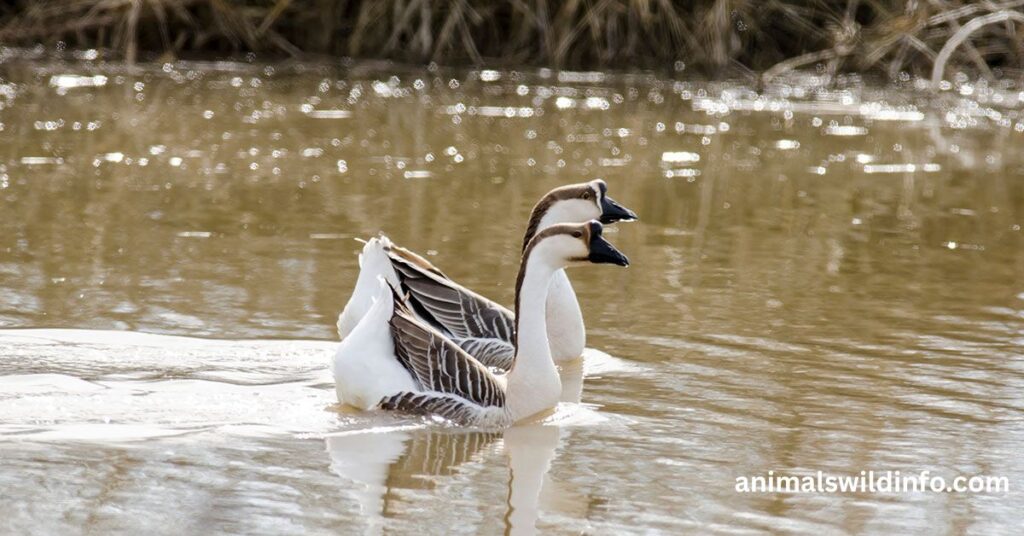
Geese carry more body mass than most people expect, and that extra weight sits low and heavy on short legs. The result is a confident, almost bossy waddle that somehow still manages to look intimidating. Farmers know this well. A goose defending its territory waddles fast, and it means business.
Beyond the comedy, a goose’s waddle reflects real physical adaptation. Their low center of gravity keeps them steady while grazing across uneven fields or marshy wetlands. Geese also travel in tight flocks, and that shared behavior means dozens of geese waddling together, honking the whole way, which might be one of nature’s most entertaining group activities.
Swans
Scientific Name: Cygnus olor Class: Aves Diet: Herbivore
Swans glide across water with unmatched elegance, so it always surprises people to see them waddle on land. Their large body, long neck, and short legs simply weren’t built for graceful strolling. Instead, swans shuffle forward with a slow, rocking gait every time they leave the water.
This contrast actually tells you something important about swimming adaptation versus terrestrial movement. A swan’s legs are positioned to maximize paddling power, not walking speed. That trade-off explains why the same bird that looks like royalty on a lake looks a little goofy crossing a park lawn, and honestly, that’s part of the charm.
Pigeons
Scientific Name: Columba livia Class: Aves Diet: Granivore
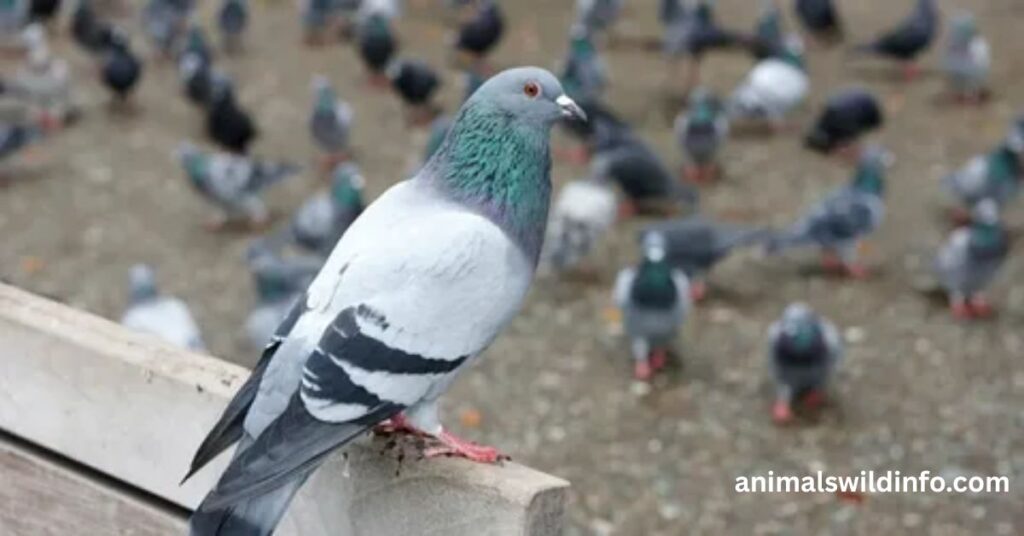
Pigeons don’t have short legs or webbed feet, yet they still waddle, and the reason has nothing to do with body shape. Watch closely, and you’ll notice their signature head bobbing happening in sync with each step. That’s not a quirky habit. It’s how pigeons stabilize their vision while walking.
This unique combination of head-bobbing motion and a rolling shuffle gives pigeons their own version of a distinctive gait. Scientists believe the bobbing helps pigeons process moving scenery more clearly, almost like a built-in image stabilizer. So next time you see a pigeon strutting through a city square, know that its wobble is doing real biological work.
Cormorants
Scientific Name: Phalacrocorax carbo Class: Aves Diet: Carnivore
Cormorants spend most of their lives diving underwater for fish, and their bodies reflect that lifestyle. Their legs sit far back near the tail, perfect for propulsion underwater but awkward for walking on land. The result is a shuffling, off-balance waddle every time a cormorant comes ashore.
Interestingly, this trade-off shows up across many diving birds, and it’s a textbook case of swimming adaptation overriding land movement. A cormorant’s locomotion on land might look uncertain, but its underwater agility more than makes up for it. These birds can dive over 150 feet chasing fish, something no purely land-based bird could ever manage.
Puffins
Scientific Name: Fratercula arctica Class: Aves Diet: Carnivore
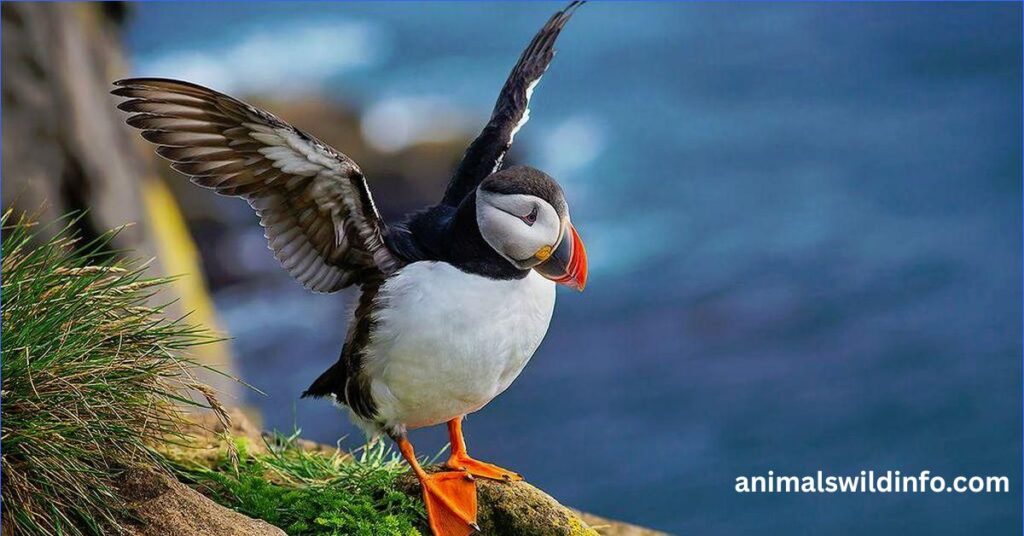
Puffins look almost cartoonish with their brightly colored beaks and stout little bodies, and their walk matches that playful appearance. Short legs set toward the rear of their rounded body force puffins into an upright, rocking shuffle whenever they cross their cliffside colonies.
That upright posture and wide stance actually help puffins navigate steep, rocky terrain without tumbling off the cliff edges where they nest. Underwater, those same short legs and stiff wings turn puffins into surprisingly fast swimmers, capable of diving over 200 feet deep. On land, though, the waddle wins every time.
Loons
Scientific Name: Gavia immer Class: Aves Diet: Carnivore
Loons are almost entirely built for life on the water, and it shows the moment they try to walk. Their legs sit so far back on their bodies that many loons can barely stand upright, let alone stroll comfortably. Instead, they push themselves forward with an ungainly, rocking shuffling motion.
This extreme setup makes loons one of the best examples of how aquatic animal adaptations can limit terrestrial locomotion almost entirely. In the water, loons are fast, agile hunters that dive deep for fish. On land, they’re nearly helpless, which is exactly why loons build their nests right at the water’s edge, sometimes just inches from shore.
Read More: 6 Types of Marmots in North America: Amazing Facts & Pictures
Chickens
Scientific Name: Gallus gallus domesticus Class: Aves Diet: Omnivore
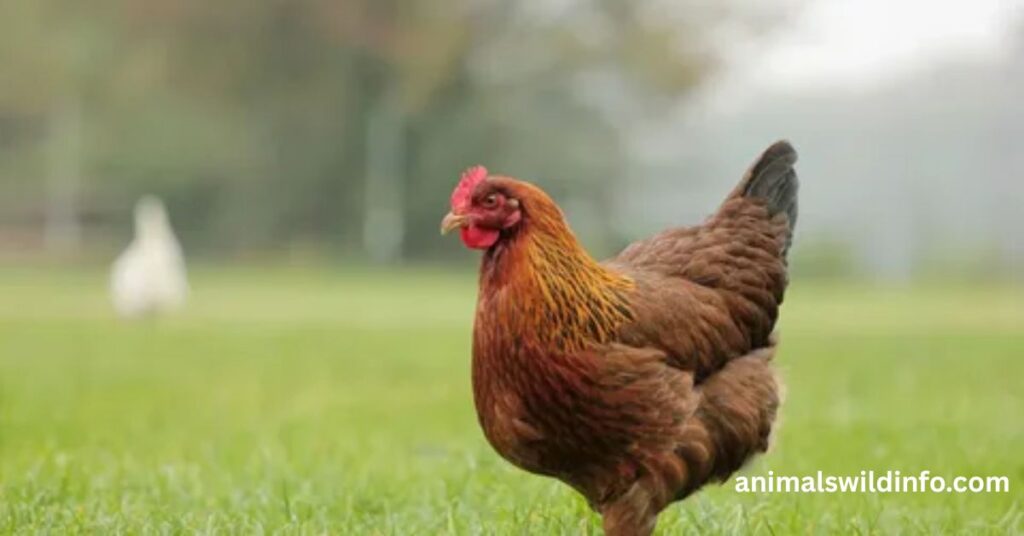
Chickens waddle with a bouncy, bobbing rhythm that farmers and backyard chicken owners know well. Their rounded body, short legs, and forward-leaning posture create a walking pattern that looks busy and purposeful, especially when a chicken is chasing down a bug in the grass.
That waddle also plays a role in chicken society. A confident, upright waddle often signals dominance within the flock’s pecking order, while a slower, hunched walk can mean a chicken doesn’t feel well. Understanding this movement pattern gives backyard chicken keepers a simple, visual way to check on their flock’s health at a glance.
Tortoises
Scientific Name: Testudo graeca Class: Reptilia Diet: Herbivore
Tortoises carry a heavy shell on their back, and that single feature shapes almost everything about how they move. Their stocky body, thick limbs, and slow, deliberate shuffle create one of the most recognizable unique walking styles in the animal kingdom, unmistakably slow, but never fragile.
This isn’t a design flaw. A tortoise’s shell provides serious protection from predators, and the trade-off for that armor is speed. Their waddling locomotion conserves energy over long periods, which matters for an animal that might live 80 years or longer. Slow and steady really does describe the tortoise’s approach to life.
Wombats
Scientific Name: Vombatus ursinus Class: Mammalia Diet: Herbivore
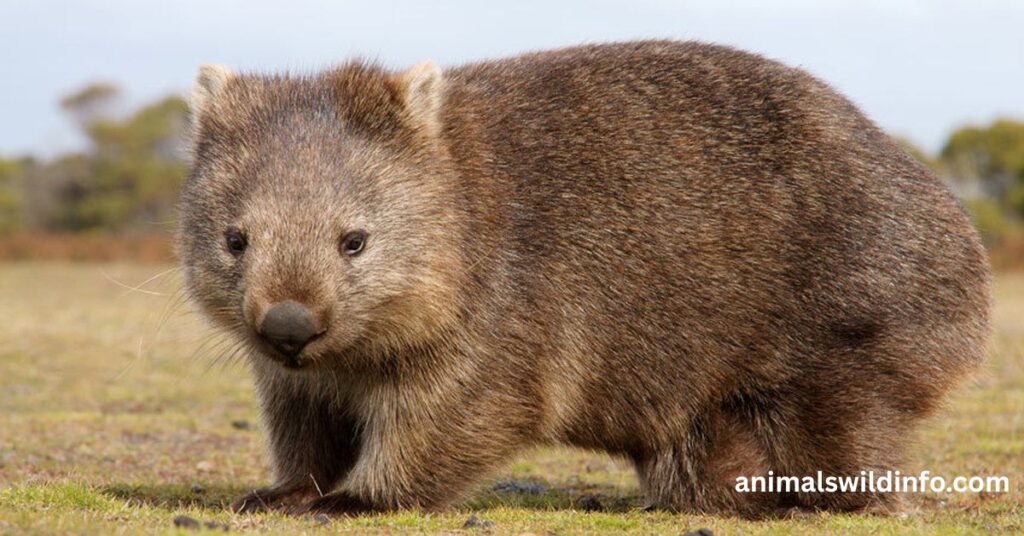
Wombats surprise a lot of people. These stocky Australian marsupials look built for waddling, with short, powerful legs and a broad, low-slung body. Yet wombats can actually sprint up to 25 miles per hour in short bursts, even while maintaining that rolling, rocking gait.
Most of the time, though, wombats stick to a slow shuffle as they dig burrows and forage at night. Their short limbs and dense muscle give them incredible digging strength, and that same body structure that powers their burrowing also produces their signature waddle. It’s a perfect case of one adaptation serving two very different survival needs.
Polar Bears
Scientific Name: Ursus maritimus Class: Mammalia Diet: Carnivore
Polar bears look massive and powerful, and their walk reflects every bit of that bulk. Their paws are enormous, built to distribute weight across thin ice, and that wide feet structure creates a slow, rolling waddle every time a polar bear crosses the Arctic tundra.
This waddling walking gait isn’t just for show. It helps polar bears conserve precious energy while traveling across vast stretches of snow and ice in search of food. Their weight distribution also reduces the risk of breaking through fragile ice, a real danger in an environment where a single misstep could mean falling through into freezing water below.
Seals
Scientific Name: Phoca vitulina Class: Mammalia Diet: Carnivore
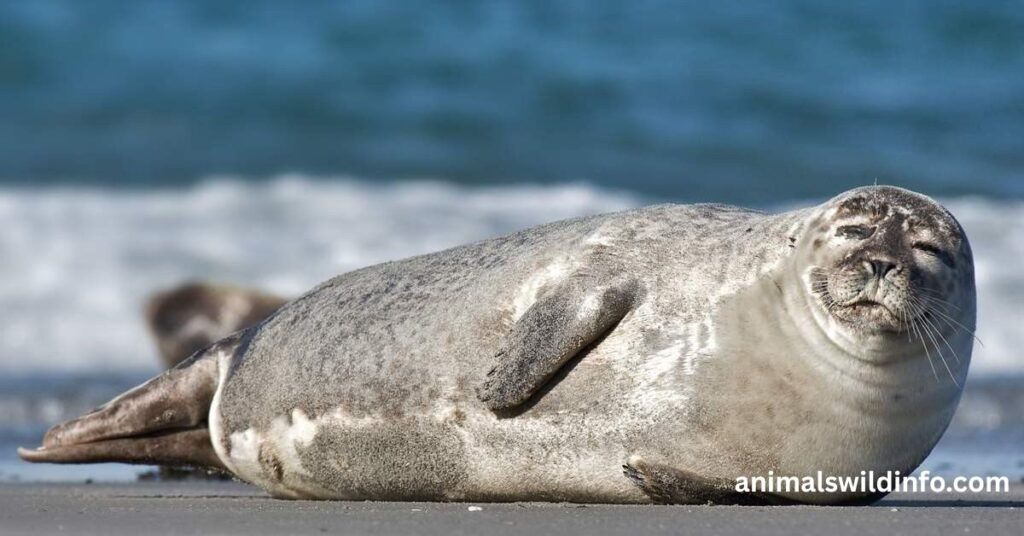
Seals are graceful, fast swimmers, but the moment they come ashore, that grace disappears. Their flippers, so perfect for swimming, become clumsy tools for walking on land. Seals end up dragging and rocking their bodies forward in a lurching waddle that looks exhausting to watch.
This trade-off makes total sense once you consider what seals actually need. Their bodies evolved almost entirely for hunting fish underwater, not strolling along beaches. The energy conservation they gain in the water far outweighs the awkwardness on land, and seals only spend time ashore for resting, breeding, or basking in the sun anyway.
Walruses
Scientific Name: Odobenus rosmarus Class: Mammalia Diet: Carnivore
Walruses take the waddle to an entirely different scale. These massive Arctic mammals can weigh over 2,000 pounds, and moving that much body mass across ice or rocky shorelines takes serious effort. Walruses push forward using their front flippers while rocking their enormous bodies side to side with each labored step.
Despite the effort, this waddling movement works well for a creature built almost entirely for Arctic waters. Once a walrus slips back into the ocean, its bulk becomes an advantage instead of a burden, providing insulation against freezing temperatures and buoyancy that makes swimming almost effortless compared to the strain of moving on land.
Read More: Top 20 Animals That Live in Rivers (With Pictures & Facts)
Platypuses
Scientific Name: Ornithorhynchus anatinus Class: Mammalia Diet: Carnivore
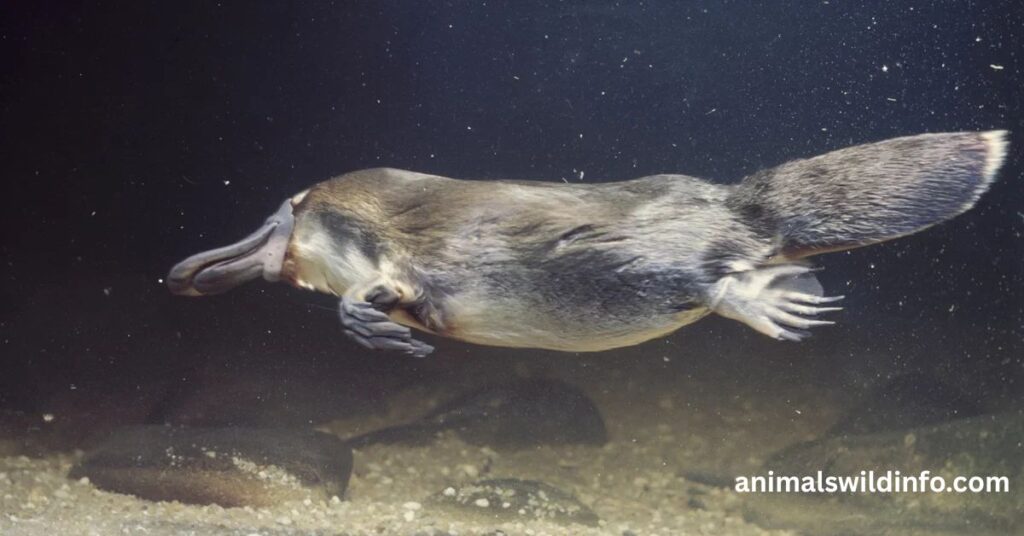
Platypuses might be the strangest waddlers on this entire list. Their legs splay out to the sides of their body rather than underneath it, similar to a reptile’s stance. That sprawling anatomy produces a low, side-to-side crawling waddle that’s genuinely unlike anything else in the mammal world.
This unusual physiology actually connects platypuses to their evolutionary past, since their leg position resembles that of much older, reptile-like ancestors. In the water, though, platypuses transform completely. Their webbed feet turn into efficient paddles, letting them hunt for food with a smooth, confident swimming style that their clumsy walk on land never hints at.
How Do Waddling Animals Walk?
Across every species on this list, one pattern keeps repeating. Legs positioned wide, or set far back on the body, force an animal to rock its weight from side to side instead of moving in a straight line. This shared biomechanics explains why creatures as different as a penguin and a polar bear can end up with a surprisingly similar walking style.
The real magic lies in how this movement balances two competing needs. Every waddling animal on Earth trades some speed and grace on land for something more valuable in its actual environment, whether that’s underwater agility, ice stability, or the ability to carry a heavy shell. Waddling isn’t a design flaw. It’s a signature of smart, purposeful animal movement.
Why Do Penguins Waddle?
Penguins waddle because their legs sit unusually far back on their bodies, almost like they’re built into the tail section rather than the middle. This positioning helps enormously underwater, turning penguins into fast, agile swimmers. On land, though, it leaves them with very little leverage for a normal walking stride.
That’s exactly why penguins rock side to side instead. Shifting body weight this way keeps them upright and steady on slippery ice, using far less energy than trying to lift each leg high with every step. Given that Emperor Penguins sometimes travel 60 miles across Antarctic ice to reach breeding grounds, that energy efficiency genuinely matters for survival.
Why Do Ducks Waddle?
Ducks waddle mainly because of their webbed feet and where those feet attach to the body. Positioned toward the rear and spaced wide apart, duck legs are perfectly designed for paddling through water but poorly suited for a smooth walking stride on solid ground.
That same body structure also helps ducks stay balanced along muddy riverbanks and uneven shorelines, places where a narrower stance might cause them to tip over. So while a duck’s waddle might draw a laugh from onlookers, it’s really just a bird making the most of a body built primarily for life on the water.
Is Waddling Useful for Animals?
Yes, waddling offers real, measurable benefits, even though it looks inefficient at first glance. For many species, this survival adaptation actually reduces the energy cost of moving across difficult terrain, whether that’s ice, sand, or thick mud. A wide, rocking gait keeps an animal’s stability high, lowering the risk of slips or falls that could lead to injury.
Waddling also frees up an animal’s body for other priorities, like storing fat for insulation or building powerful flippers for swimming. In short, the trade-off almost always favors survival. An animal that waddles awkwardly on land but thrives in water, ice, or dense brush has made a smart evolutionary bargain, even if it doesn’t look that way to us.
Do All Waddling Animals Live Near Water?
Not quite, though many do. Ducks, geese, swans, seals, walruses, and penguins all depend heavily on aquatic movement, and their waddling gait connects directly to that watery lifestyle. For these animals, the habitat shapes everything about how their bodies developed over time.
But plenty of exceptions exist too. Tortoises waddle because of their heavy shells, not water access. Wombats waddle thanks to their digging-focused build, and chickens waddle simply because of their rounded, short-legged frame. So while water plays a huge role in the waddling story, it’s definitely not the whole picture.
When Is Waddling a Sign of a Health Problem?
Waddling is completely normal for the animals on this list, but sudden changes in gait can sometimes signal a real problem. If an animal that normally walks smoothly, like a healthy dog or a farm chicken, suddenly starts waddling or limping, that shift is worth paying attention to. It could point toward joint pain, an injury, or an underlying condition affecting the hips or legs.
In domestic animals especially, a new or worsening waddle sometimes points to hip dysplasia, arthritis, or muscle weakness. If you notice this kind of change in a pet or farm animal, a veterinarian visit is the safest next step. For wild waddlers like penguins or ducks, though, that rocking gait is simply business as usual, nothing to worry about at all.
Final Thoughts
From the icy shuffle of a penguin to the confident strut of a backyard chicken, animals that waddle remind us that evolution rarely chases perfection. Instead, it chases what works. Every wobble, every rock from side to side, tells a story about habitat, survival, and the clever trade-offs nature makes again and again.
Next time you spot a duck crossing a park path or a seal hauling itself onto a rocky beach, take a second to appreciate that waddle. It’s not clumsiness. It’s millions of years of evolutionary adaptation, wrapped up in one of the most charming sights the animal kingdom has to offer.
FAQ’s
Which animals move by waddling?
Many animals move with a waddle, including penguins, ducks, geese, swans, seals, walruses, tortoises, and chickens. Each species developed this walking gait for different reasons, ranging from webbed feet to heavy shells to short legs set far back on the body.
What birds waddle?
Several bird species waddle, most notably penguins, ducks, geese, swans, pigeons, cormorants, puffins, and loons. Birds built for swimming or diving tend to waddle the most, since their legs are positioned for aquatic movement rather than smooth walking on land.
What animal walks with a waddle?
The penguin is the animal most commonly associated with a waddle. Its short legs and rounded body create that famous rocking motion, though ducks and geese are close runners-up in terms of recognizable waddling styles.
Do penguins waddle or walk?
Penguins primarily waddle rather than walk in the traditional sense. Their body structure makes a rocking, side-to-side gait far more efficient on land than a standard stride. In water, though, penguins ditch the waddle entirely and swim with remarkable speed and agility.