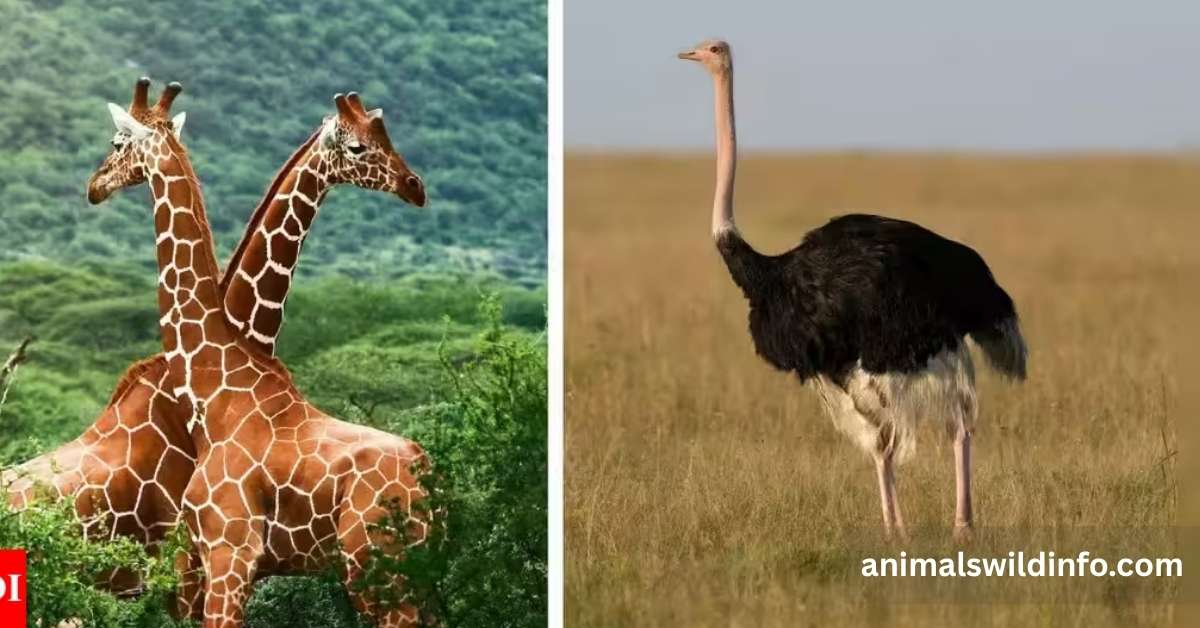
Top 25 Animals With Long Legs (With Pictures & Fascinating Facts)
Nature loves a good leg. Walk through any savanna, wetland, or desert and you’ll spot long-legged animals doing things short-limbed creatures simply can’t. They outrun predators. They wade through deep water without getting wet.
They reach food that stays out of everyone else’s grasp. This article takes you through the world’s most impressive long leg animals, from towering giraffes to leggy spiders you’d never expect to see on this list. You’ll learn why these limbs evolved, how they help animals survive, and which creature truly wins the title for the longest legs on Earth. Let’s dive in.
Table of 25 Animals With Long Legs
Before we get into the details, here’s a quick snapshot of every animal on our list. This table gives you a fast way to compare animals with long limbs side by side, including their scientific names, classes, and approximate leg lengths.
| Animal | Scientific Name | Class | Approx. Leg Length |
| Giraffe | Giraffa camelopardalis | Mammalia | 1.8–2 m |
| Ostrich | Struthio camelus | Aves | 90–100 cm |
| Flamingo | Phoenicopterus roseus | Aves | 100–120 cm |
| Secretary Bird | Sagittarius serpentarius | Aves | 90 cm |
| Black-Winged Stilt | Himantopus himantopus | Aves | 20–30 cm |
| Sandhill Crane | Antigone canadensis | Aves | 60–70 cm |
| Great Blue Heron | Ardea herodias | Aves | 60–75 cm |
| White Stork | Ciconia ciconia | Aves | 70–80 cm |
| Marabou Stork | Leptoptilos crumenifer | Aves | 80–90 cm |
| Red Kangaroo | Osphranter rufus | Mammalia | 100–120 cm |
| Shire Horse | Equus ferus caballus | Mammalia | 85–91 cm |
| Zebra | Equus quagga | Mammalia | 90–100 cm |
| Gazelle | Gazella spp. | Mammalia | 60–70 cm |
| Arabian Camel | Camelus dromedarius | Mammalia | 110–120 cm |
| Alaskan Moose | Alces alces gigas | Mammalia | 90–100 cm |
| African Elephant | Loxodonta africana | Mammalia | 110–120 cm |
| Maned Wolf | Chrysocyon brachyurus | Mammalia | 80–90 cm |
| Gerenuk | Litocranius walleri | Mammalia | 90–100 cm |
| Okapi | Okapia johnstoni | Mammalia | 80–90 cm |
| African Wild Dog | Lycaon pictus | Mammalia | 60–75 cm |
| Greater Rhea | Rhea americana | Aves | 70–90 cm |
| Emu | Dromaius novaehollandiae | Aves | 80–90 cm |
| Cassowary | Casuarius casuarius | Aves | 60–75 cm |
| Japanese Spider Crab | Macrocheira kaempferi | Malacostraca | up to 3.7 m (leg span) |
| Daddy Longlegs | Opiliones spp. | Arachnida | 5–7 cm |
What Makes Some Animals Have Long Legs?
Long legs don’t appear by accident. They’re the result of millions of years of natural selection, where animals with helpful traits survive and pass those traits on. In open habitats like savanna and grasslands, longer legs mean a longer stride. A longer stride means more ground covered with less effort. This is what scientists call efficient movement, and it’s a huge advantage when food and water sit far apart. Over generations, this long legs adaptation shaped everything from birds to big mammals, and it still shows up today in places with wide open land and few hiding spots.
The skeletal adaptation behind long legs also matters just as much as the length itself. Animals like the giraffe or ostrich have fewer bones packed into longer segments, plus tendons built like springs. This design supports balance and stability even at high speed. It also helps with energy-efficient movement, since long legs act like pendulums that swing with less muscle work. That’s part of why the evolution of long legs favored creatures in wide-open, predator-rich environments. Nature simply rewarded the ones who could move fast and see far.
Top 25 Animals With Long Legs
Now let’s meet the stars of the show. Each of these long-legged creatures brings something unique to the table, whether it’s speed, height, or a strange evolutionary story. You’ll notice a mix of long-legged mammals and long-legged birds, plus a couple of surprises that aren’t mammals or birds at all.
Giraffe
Scientific Name: Giraffa camelopardalis Class: Mammalia Diet: Herbivore
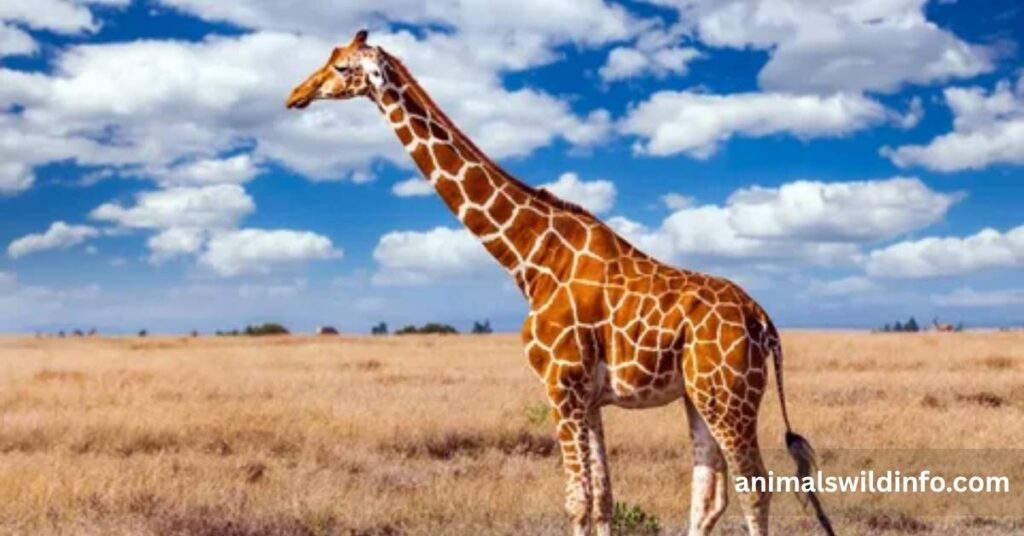
The giraffe stands as one of nature’s tallest animals, and its legs alone stretch close to six feet long. That’s taller than most humans, just in the legs. This height lets the giraffe browse on leaves no other grassland animals can reach, especially from tall acacia trees.
Its long stride also gives it a top speed near 35 miles per hour, which is impressive for something this size. The giraffe’s legs work with its long neck to create one of the most recognizable silhouettes in the animal kingdom, and honestly, watching one run feels like watching slow motion and fast motion happen at once.
Ostrich
Scientific Name: Struthio camelus Class: Aves Diet: Omnivore
The ostrich holds the title of the world’s largest bird, and its legs are built for one thing: speed. This bird can hit 45 miles per hour, making it one of the fastest land animals on the planet. Its long, muscular legs also pack a serious kick, strong enough to injure a lion.
Ostriches use these limbs constantly while foraging across the open savanna, since running is often their best defense. There’s no flying away for this bird, so its legs became the ultimate survival tool instead.
Flamingo
Scientific Name: Phoenicopterus roseus Class: Aves Diet: Omnivore
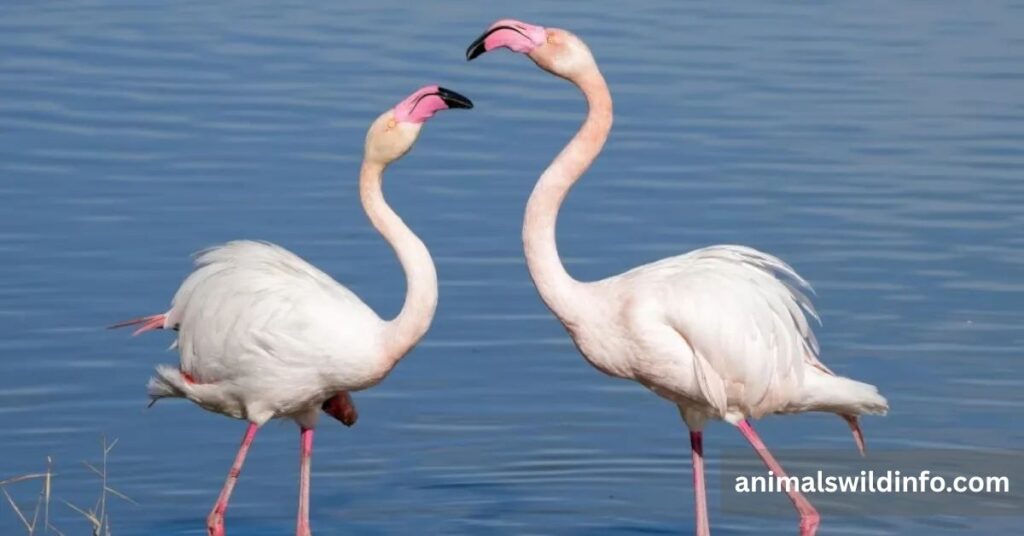
Few birds look as elegant as the flamingo standing in shallow water on one leg. Those long, thin limbs let it wade through wetlands and lagoons while filter-feeding on shrimp and algae. This wading adaptation keeps its body dry and its feathers clean, even in muddy water.
Flamingos also use their legs to help regulate body temperature, since standing in cool water draws heat away naturally. Their pink color, by the way, comes straight from their diet, so the longer they feed on shrimp, the brighter they get.
Secretary Bird
Scientific Name: Sagittarius serpentarius Class: Aves Diet: Carnivore
This bird looks like it’s wearing stilts, and it hunts like nothing else in the sky or on the ground. The Secretary Bird stalks through tall grass on its long legs, searching for snakes and rodents.
When it spots prey, it delivers a rapid, powerful stomp strong enough to kill a venomous snake in seconds. This hunting style makes it one of the most unusual predator avoidance stories in reverse, since the bird is the one doing the striking. Its legs aren’t just for walking here. They’re weapons.
Read More: 12 Incredible Animals That Sleep a Lot You Need to Know
Black-Winged Stilt
Scientific Name: Himantopus himantopus Class: Aves Diet: Carnivore
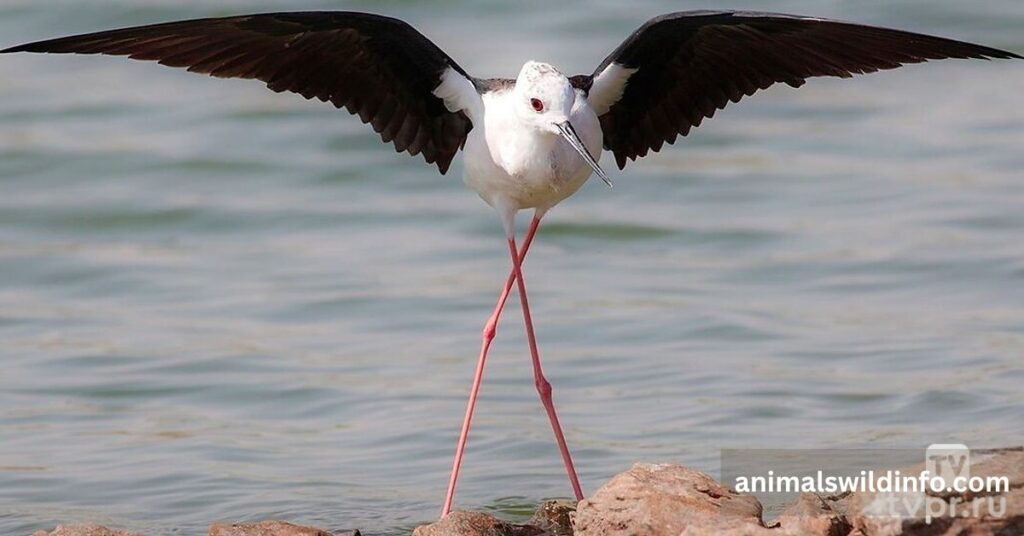
Pound for pound, the Black-Winged Stilt might have the longest legs of any bird relative to its body size. These slender pink limbs let it wade deep into marshes and shallow lakes while barely disturbing the water.
It uses this height advantage to pick off insects and small crustaceans other shorebirds simply can’t reach. Its name comes straight from its appearance, since it genuinely looks like it’s walking on stilts. Watching a flock feed together is a strange, graceful sight you won’t forget.
Sandhill Crane
Scientific Name: Antigone canadensis Class: Aves Diet: Omnivore
Sandhill Cranes travel incredible distances every year, and their long legs make that long-distance travel possible. These birds cross thousands of miles during migration, often stopping in shallow rivers and open fields along the way.
Their legs help them wade through water while foraging for seeds, insects, and small animals. Beyond migration, cranes are known for elaborate courtship dances, where they leap and bow using those same long limbs. It’s one of nature’s most theatrical displays, and the legs are the main actors.
Great Blue Heron
Scientific Name: Ardea herodias Class: Aves Diet: Carnivore
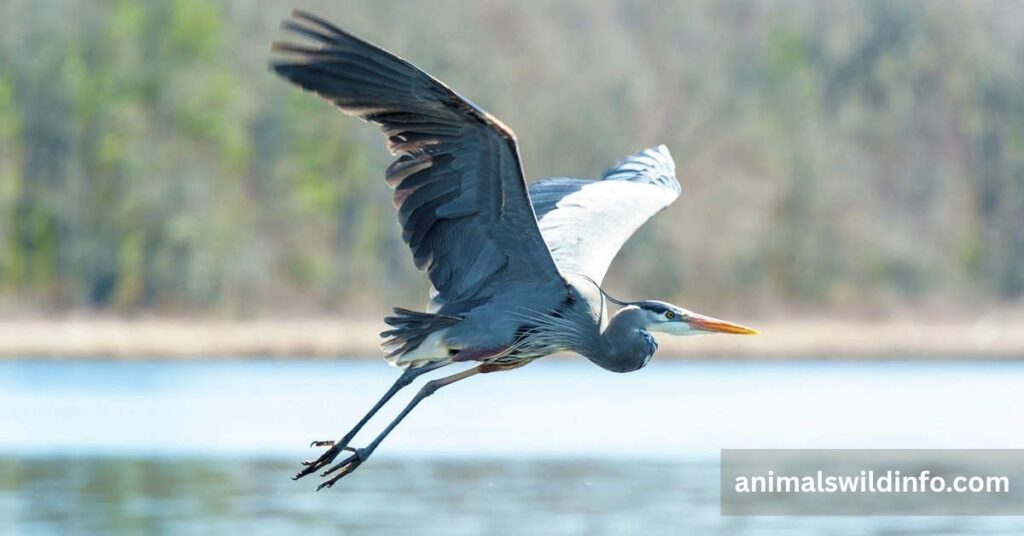
The Great Blue Heron is patience in bird form. It stands motionless in coastal habitats and rivers, using its long legs to stay perfectly still while waiting for fish to swim close. Once a fish appears, the heron strikes with lightning speed, a hunting method that depends entirely on stillness first and speed second.
Its legs also let it move silently through shallow water without startling prey. This combination of patience and precision makes the heron one of the most effective wetland birds around.
White Stork
Scientific Name: Ciconia ciconia Class: Aves Diet: Carnivore
Long associated with folklore, the White Stork is famous for more than just baby-delivery myths. Its long red legs support a body built for long-distance travel, since these birds migrate between Europe and Africa every year.
They rely on their legs constantly while foraging in fields and shallow water for frogs, insects, and small mammals. Storks also nest in tall, exposed spots, and their long legs help them balance easily on rooftops and chimneys. It’s a bird that blends myth and biology in equal measure.
Marabou Stork
Scientific Name: Leptoptilos crumenifer Class: Aves Diet: Scavenger
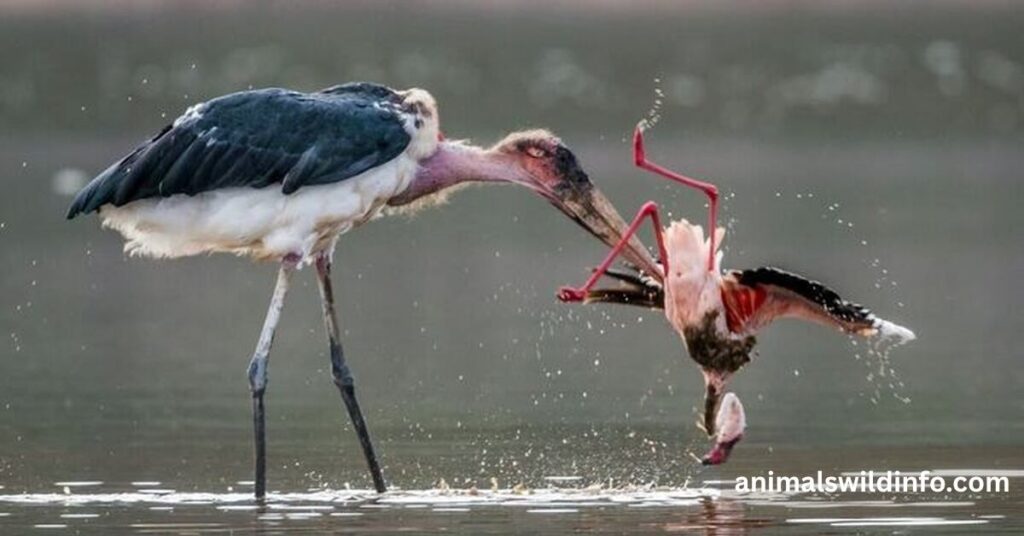
Nicknamed the “undertaker bird” for its hunched posture and bald head, the Marabou Stork isn’t exactly pretty, but its long legs serve it well. As a scavenger, it walks for miles across savanna and near carcasses, competing with vultures for scraps. Its height gives it a clear view over tall grass, helping it spot food from a distance.
Despite its odd looks, the Marabou plays an important ecological role by cleaning up remains that would otherwise spread disease. Nature doesn’t always reward beauty, but it always rewards function.
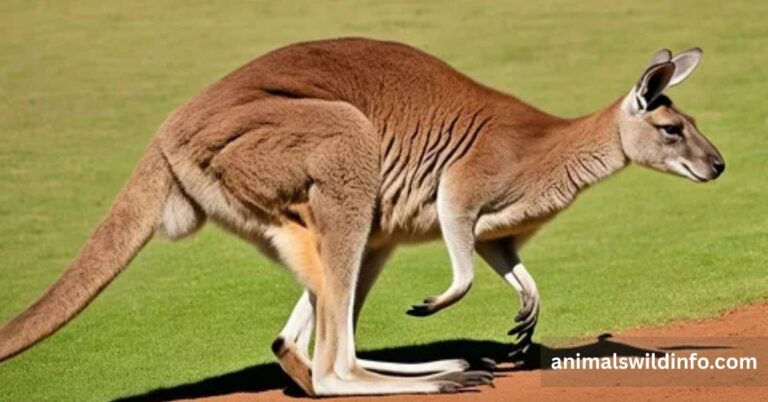
Red Kangaroo
Scientific Name: Osphranter rufus Class: Mammalia Diet: Herbivore
The Red Kangaroo doesn’t walk on its long legs. It hops, and it hops fast. This animal built for running can cover distances up to 25 feet in a single bound, reaching speeds near 44 miles per hour.
Its powerful hind legs store energy like springs, which makes hopping far more efficient than running would be. This adaptation helps kangaroos survive in Australia’s dry grassland regions, where covering ground quickly matters more than covering it constantly. Few animals have turned leg strength into a full-time transportation method quite like this one.
Shire Horse
Scientific Name: Equus ferus caballus Class: Mammalia Diet: Herbivore
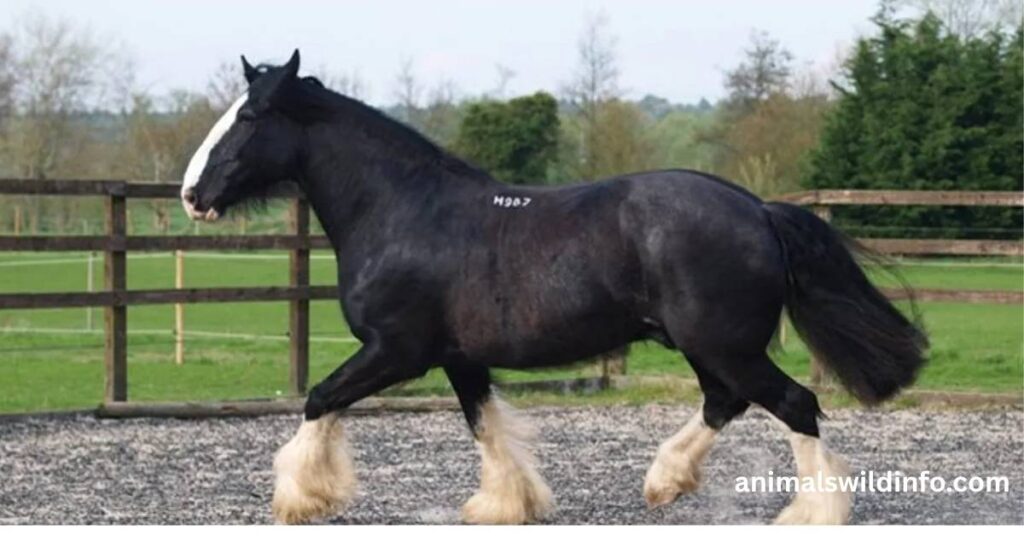
The Shire Horse is a gentle giant, and its long, sturdy legs made it perfect for heavy farm work centuries ago. These limbs support enormous body weight while still allowing smooth, controlled movement across muddy fields and rough terrain.
Beyond farm work, Shire Horses once served as war horses, carrying armored riders across battlefields. Today, many work as therapy animals, proving that strength and gentleness aren’t opposites. Watching a Shire Horse move is a lesson in how power and grace can share the same body.
Zebra
Scientific Name: Equus quagga Class: Mammalia Diet: Herbivore
Zebras rely on their long legs for one main purpose: escape. Living among predators across grasslands and open plains, these striped mammals can run up to 40 miles per hour when threatened.
Their legs also support strong herd behavior, since zebras often stick together and use coordinated movement to confuse lions and hyenas. Some researchers believe their stripes disrupt a predator’s sense of distance and speed, making a fast-moving herd even harder to target. It’s a survival strategy built on legs, stripes, and numbers all at once.
Gazelle
Scientific Name: Gazella spp. Class: Mammalia Diet: Herbivore
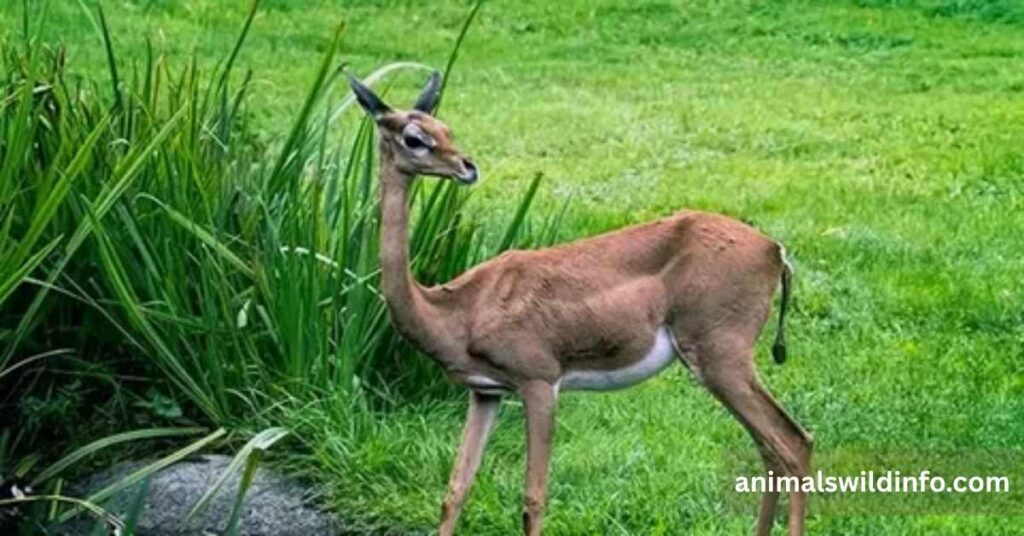
Gazelles are the definition of animals adapted for speed. Their long, slim legs let them reach impressive bursts of speed, often over 50 miles per hour during a chase. They also perform a strange jumping behavior called pronking, where all four legs push off the ground at once.
Scientists think this shows predators the gazelle is healthy and not worth chasing. It’s a bold move, using energy to prove you have energy to spare. In the open savanna, that kind of confidence can be a lifesaver.
Arabian Camel
Scientific Name: Camelus dromedarius Class: Mammalia Diet: Herbivore
Built for desert animals life, the Arabian Camel’s long legs keep its body lifted well above the scorching sand. This height reduces heat exposure and helps the camel travel long distances without tiring quickly.
Their legs also feature wide, tough footpads that prevent sinking into loose sand, a genuine habitat adaptation for shifting desert terrain. Camels can carry heavy loads across harsh landscapes for days, a trait that made them essential to desert trade routes for centuries. Few animals combine strength and patience the way camels do.
Alaskan Moose
Scientific Name: Alces alces gigas Class: Mammalia Diet: Herbivore
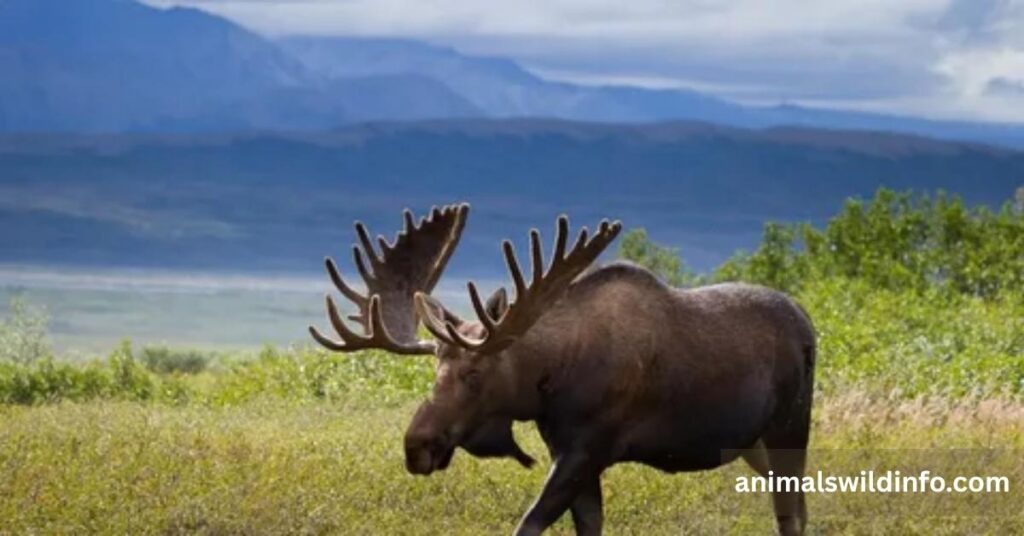
The Alaskan Moose uses its long legs to handle one of nature’s toughest obstacles: deep snow. These limbs let the moose wade through snowdrifts that would trap smaller animals completely.
Despite weighing over a thousand pounds, moose can still sprint up to 35 miles per hour when startled. Their legs also help them reach aquatic plants in ponds and marshes during warmer months. It’s rare to find an animal this large that’s also this mobile, but the moose manages both thanks to its powerful limb structure.
African Elephant
Scientific Name: Loxodonta africana Class: Mammalia Diet: Herbivore
As the largest land animal alive, the African Elephant needs legs strong enough to support serious weight, and it delivers. These thick, columnar limbs act almost like tree trunks, providing stability across savanna, woodland, and riverbank terrain.
Elephants also use their height to watch over the herd, spotting danger from a distance thanks to their elevated view. Their social behavior depends heavily on this vigilance, since matriarchs lead the group based partly on what they can see and sense. Long legs here mean more than movement. They mean leadership.
Read More : Top 18 Animals With Long Horns (With Pictures & Amazing Facts)
Maned Wolf
Scientific Name: Chrysocyon brachyurus Class: Mammalia Diet: Omnivore
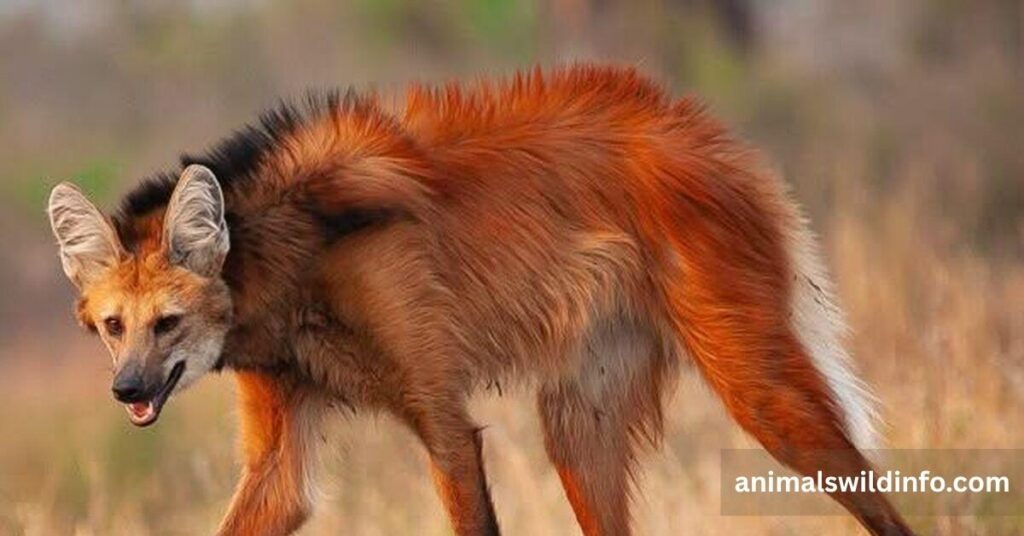
Despite its name, the Maned Wolf isn’t closely related to wolves at all. It’s the tallest wild canid, with legs built specifically for South America’s tall-grass habitats. This height lets it see over vegetation while hunting small mammals and foraging for fruit.
Its long, fox-like frame gives it an almost otherworldly appearance, especially when it trots silently through open fields at dusk. This is one of the clearest examples of habitat adaptation shaping an animal’s entire body just to fit its environment better.
Gerenuk
Scientific Name: Litocranius walleri Class: Mammalia Diet: Herbivore
The Gerenuk takes long legs and adds a party trick: standing upright on its hind limbs to reach food. This unusual foraging behavior lets it browse leaves and branches well above what other antelope species can access.
Its long neck and legs work together like a built-in ladder, giving it access to food with far less competition. Found across East Africa’s dry brushland, the Gerenuk shows how a single physical trait can open up an entire feeding niche that few other animals can use.
Okapi
Scientific Name: Okapia johnstoni Class: Mammalia Diet: Herbivore
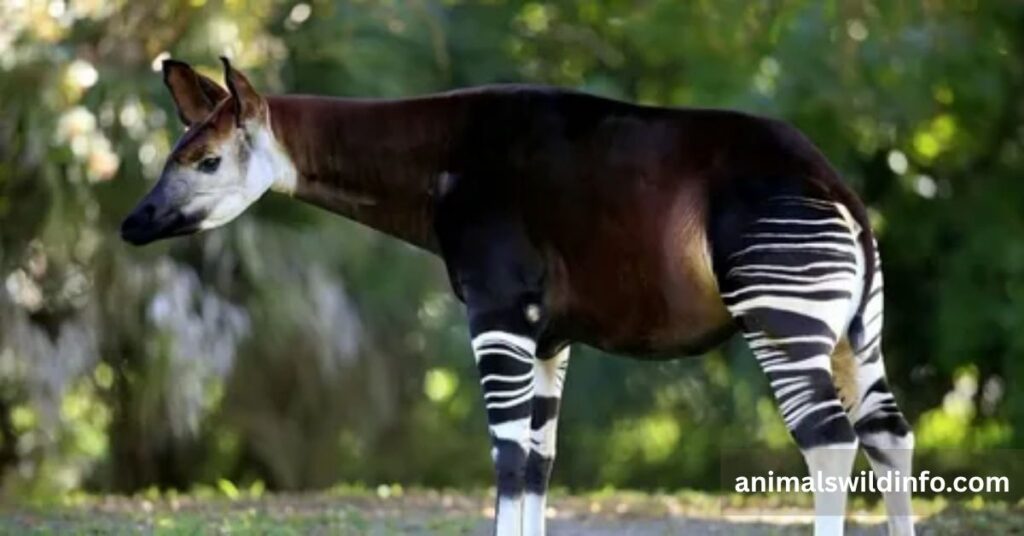
Often called the giraffe’s shy cousin, the Okapi lives deep in the Congo’s rainforest, using its long legs to navigate dense, uneven terrain. Unlike its towering relative, the Okapi relies on camouflage more than height, and its striped legs blend beautifully into dappled forest light.
This is a clear case of camouflage and survival working alongside limb structure rather than instead of it. Okapis remain elusive and rarely seen in the wild, which only adds to their reputation as one of nature’s most mysterious large mammals.
African Wild Dog
Scientific Name: Lycaon pictus Class: Mammalia Diet: Carnivore
African Wild Dogs are built for endurance running, not short bursts of speed. Their long legs allow them to chase prey over several miles, wearing down animals that are faster but less durable over distance.
This hunting method relies heavily on pack hunting, where the group works together to tire out and corner prey. Their success rate while hunting is actually higher than lions, largely thanks to this teamwork and stamina combination. Long legs here support a strategy built on patience and cooperation rather than raw speed alone.
Greater Rhea
Scientific Name: Rhea americana Class: Aves Diet: Omnivore
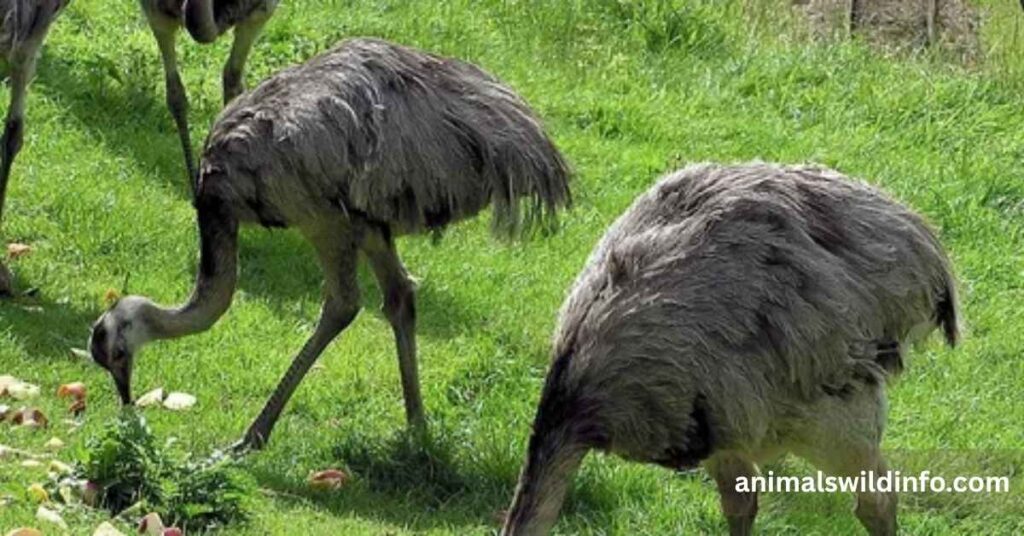
South America’s largest bird, the Greater Rhea, uses its long legs to move quickly across open grasslands and farmland. As one of several flightless birds on this list, the Rhea depends entirely on running to escape danger, reaching speeds close to 40 miles per hour.
Its legs also help during breeding season, when males perform physical displays to attract mates. Rheas often travel in small flocks, using their height to keep watch over the surrounding landscape while foraging for seeds and insects together.
Emu
Scientific Name: Dromaius novaehollandiae Class: Aves Diet: Omnivore
Australia’s tallest bird, the Emu, relies on its long, powerful legs for both speed and long-distance travel. These birds can run up to 30 miles per hour and maintain that pace over surprisingly long stretches.
Emus also migrate in search of food and water, sometimes covering hundreds of miles across dry grassland animals territory. Their legs contain strong tendons that store energy with each stride, much like a spring, making their movement remarkably efficient across Australia’s tough, sunburnt landscape.
Cassowary
Scientific Name: Casuarius casuarius Class: Aves Diet: Omnivore
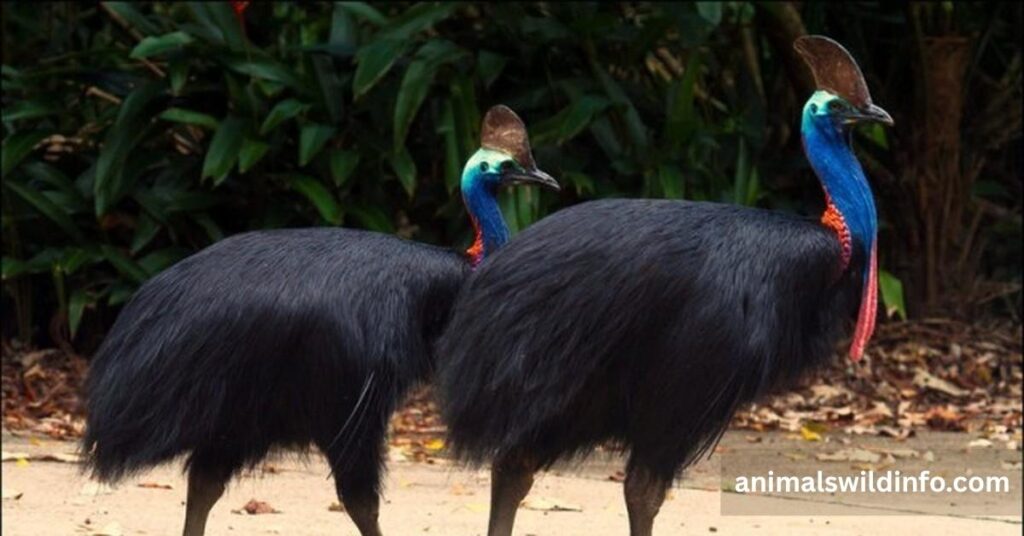
The Cassowary might be the most dangerous bird on this entire list. Its long legs end in sharp, dagger-like claws capable of delivering serious injury when threatened. Living in dense rainforest, this bird uses its legs for both quick escapes and, when cornered, powerful defensive kicks.
Despite its intimidating reputation, the Cassowary plays a crucial ecological role through seed dispersal, spreading rainforest plant seeds across large areas as it forages. It’s proof that even fearsome animals often serve gentle, essential purposes in their ecosystem.
Japanese Spider Crab
Scientific Name: Macrocheira kaempferi Class: Malacostraca Diet: Omnivore
The Japanese Spider Crab holds the record for the largest leg span of any arthropod, stretching an incredible 3.7 meters from claw to claw. These long limbs help it navigate the ocean floor, reach into crevices for food, and defend itself against predators using sharp pincers.
Unlike land animals, this crab uses its legs underwater for slow, deliberate movement across rocky seabeds. Its sheer size and strange proportions make it one of the most fascinating long-legged wildlife examples found anywhere in the ocean.
Read More : Top 25 Fascinating Animals That Eat a Lot You Should Know
Daddy Longlegs
Scientific Name: Opiliones spp. Class: Arachnida Diet: Omnivore
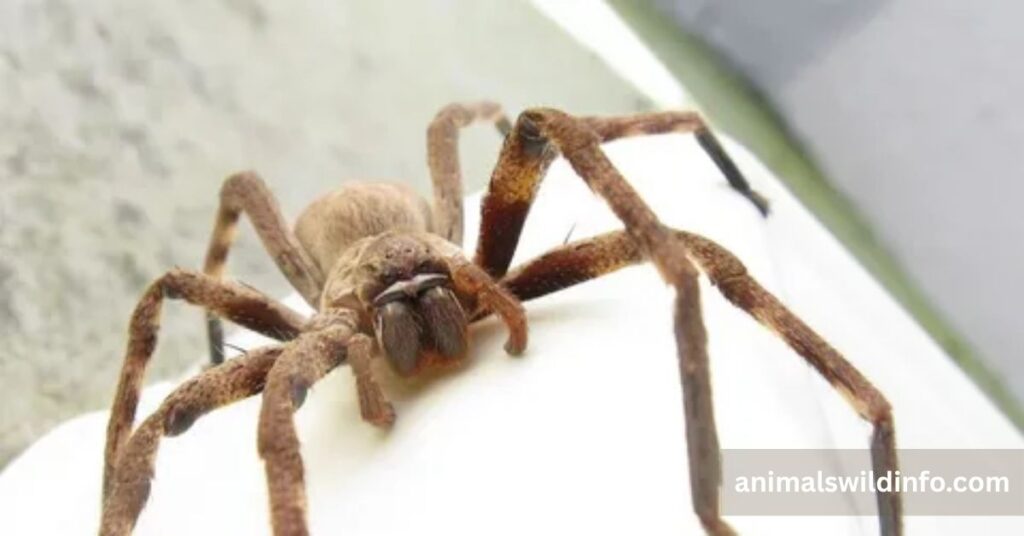
Small in body but massive in proportion, the Daddy Longlegs carries legs many times longer than its actual body size. This isn’t a true spider, despite common belief, but a separate arachnid group called harvestmen.
Its long, delicate legs help it sense vibrations in the air and ground, acting almost like built-in radar. This sensitivity helps it detect predators and prey alike, even in total darkness. It’s a small creature with a surprisingly clever survival toolkit built entirely around those spindly limbs.
Which Animal Has the Longest Legs?
If we’re talking about pure leg span, the Japanese Spider Crab wins easily, with a spread reaching 3.7 meters across. Among land animals though, the giraffe takes the crown, since its legs alone measure close to six feet in length. Both answers depend on how you define “longest,” which makes this one of those fun debates with more than one correct response.
Context matters here too. Relative to body size, the Black-Winged Stilt and Daddy Longlegs might actually beat both of those giants. This is where limb length gets interesting, since absolute size and proportional size tell very different stories about the same trait. Whichever way you measure it, these animals all prove that long legs come in wildly different forms across the animal kingdom.
Why Long Legs Are Important for Survival
Long legs aren’t just a neat physical feature. They serve real, life-or-death purposes across nearly every habitat on Earth, from dry deserts to open water.
Running at High Speed
Speed often means survival, and long legs make that speed possible. Animals like the ostrich and gazelle rely on long stride length to outrun danger before it ever gets close.
Escaping Predators
Predator avoidance depends heavily on quick, powerful movement. Zebras and kangaroos use their legs to flee fast, often relying on herd numbers to add extra confusion for attackers.
Hunting and Catching Prey
Not every long-legged animal runs from danger. Some use their legs to become the danger. The Secretary Bird’s stomping attack shows how hunting adaptations can turn legs into genuine weapons.
Wading Through Water
Wading birds like herons, storks, and flamingos depend on long legs to stay dry while hunting in shallow water. This lets them access food sources that shorter animals simply can’t reach.
Reaching Food in Tall Vegetation
Height has its perks, especially at mealtime. Giraffes and gerenuks use their legs, alongside long necks, to access leaves and branches far above ground level.
Birds vs. Mammals: Which Animals Have Longer Legs?
When it comes to proportional leg length, birds often take the lead. Species like the Black-Winged Stilt and Secretary Bird carry legs that make up a huge percentage of their total body height, far more than most mammals ever achieve. This gives many long-legged birds an edge in wading and stalking behavior, since height relative to body size directly affects how well they can hunt in shallow water or tall grass.
Mammals, on the other hand, tend to win when it comes to raw size and strength. Giraffes, elephants, and moose all carry long legs built for supporting heavy bodies rather than staying lightweight. This difference reflects two completely separate evolutionary paths, one favoring balance and stability at large scale, the other favoring agility and precision at smaller scale. Neither approach is better. They’re just different answers to the same evolutionary question.
Amazing Facts About Animals With Long Legs
Here are a few fun details worth knowing about these remarkable creatures and their animal anatomy:
Giraffes sleep less than two hours a day, often standing up on those same long legs. Ostriches can outrun most horses over short distances. Flamingos can sleep while standing on one leg without losing balance. The Japanese Spider Crab’s leg span is longer than most cars. Kangaroos cannot walk backward due to their leg and tail structure.
Final Thoughts
Long-legged species show us just how creative evolution can be when solving the same basic problem: survival. Whether it’s outrunning a predator, wading through a marsh, or reaching food no one else can access, long legs solve real challenges in remarkably different ways. From towering giraffes to leggy spider crabs beneath the ocean, these animals remind us how deeply connected body shape and habitat truly are.
As habitats shrink and wildlife conservation becomes more urgent, protecting these animals means protecting the ecosystems that shaped them in the first place. Every long-legged creature on this list plays a role in keeping its environment balanced, from seed dispersal to population control. Understanding that connection helps us appreciate not just their appearance, but their purpose.
FAQ’s
Among land animals, the giraffe has the longest legs, measuring close to six feet. By leg span, the Japanese Spider Crab holds the overall record at 3.7 meters.
Long legs help animals move efficiently, escape predators, hunt prey, and reach food sources unavailable to shorter species. This trait developed through natural selection over many generations.
The Black-Winged Stilt has the longest legs relative to its body size among birds, while flamingos and storks also rank among the leggiest species overall.
Many animals qualify, including giraffes, ostriches, flamingos, kangaroos, and camels. Each uses its legs differently, whether for speed, wading, or reaching food.
Based on leg length alone, top contenders include the giraffe, Japanese Spider Crab, ostrich, African elephant, flamingo, Arabian camel, red kangaroo, Alaskan moose, Shire Horse, and secretary bird.
The giraffe is the most iconic example, instantly recognized worldwide for its towering height and long, graceful legs.
Wading birds like herons and storks have notably long feet and toes, helping them balance on soft mud and shallow water without sinking.