
Top 13 Animals That Eat Oranges (With Pictures & Fun Facts)
Oranges aren’t just a human snack enjoyed at breakfast or squeezed into juice. Across forests, backyards, orchards, and even busy city streets, a surprisingly wide range of creatures reach for this juicy fruit whenever they get the chance. From tiny rodents scurrying through alleys to massive bears roaming near farmland, animals that like oranges show up in places you’d never expect. This guide walks you through wild animals that eat oranges, why they crave citrus in the first place, and what this fruit really means for their health, their behavior, and the wider world around them.
You’ll meet primates that peel citrus like seasoned pros, birds that peck straight through tough rind, and even a few surprising mammals that raid orchard trees the moment nobody’s watching. By the end, you’ll know exactly which creatures count as true citrus feeders, why oranges matter more than most people realize in the wild, and how this one simple fruit connects dozens of unrelated species across the animal kingdom.
Do Animals Eat Oranges?
Yes, they absolutely do, and it happens far more often than most people assume. Animals eating oranges is common across almost every corner of the animal kingdom, from dense jungle canopies to quiet suburban gardens. Mammals, birds, and even certain insects will grab a piece of citrus without hesitation if it happens to be sitting nearby. In tropical regions, where orange trees grow wild or thrive near human settlements, this kind of citrus snacking becomes a regular part of everyday foraging for dozens of different species.
Most of these animals aren’t picky eaters by any stretch. They’re omnivorous animals or frugivorous animals by nature, which means fruit already makes up a solid chunk of their normal dietary habits long before oranges ever enter the picture. Oranges just happen to be sweet, juicy, brightly colored, and easy to find near fruit trees, backyard gardens, and even trash cans scattered throughout busy cities. That winning combination makes citrus an easy, low-effort meal for any hungry creature that happens to wander by.
List of Animals That Eat Oranges
Below you’ll find thirteen confirmed orange eating animals that regularly include citrus somewhere in their diet. Some are deep forest dwellers rarely seen by humans, while others live right in your own backyard, hiding in plain sight. Each one approaches the fruit a little differently, relying on sharp claws, curved beaks, or nimble bare hands to break through the peel and reach the juicy center hiding underneath.
Every entry below includes the animal’s scientific name, taxonomic class, and typical diet, followed by a closer look at exactly how and why each one eats oranges. You’ll start to notice some clear patterns emerging across species, but you’ll also run into plenty of genuine surprises the further down the list you go.
Raccoons
Scientific Name: Procyon lotor Class: Mammalia Diet: Omnivore
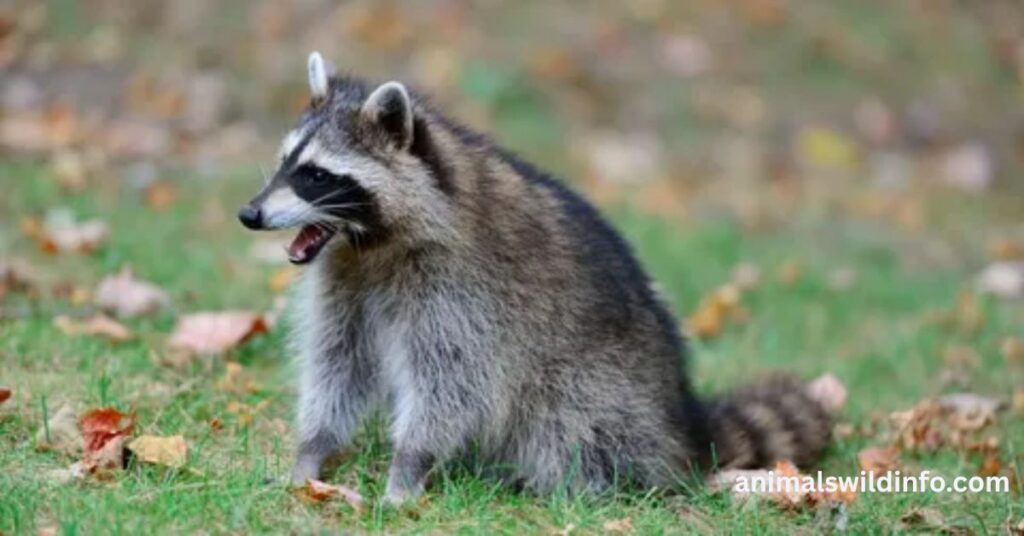
Raccoons rank among the most orange loving animals you’ll find near suburban neighborhoods and quiet residential streets. These clever, ring-tailed scavengers use their dexterous front paws to peel back orange skin almost like tiny human hands doing careful, deliberate work. Raccoons are natural scavenger species by instinct, so they’ll happily raid a fallen orange from someone’s backyard tree or dig through a compost pile searching for leftover citrus scraps at night.
Their strong sense of smell leads them straight to ripe fruit, even in total darkness, long before their eyes ever spot it. Because raccoons thrive so well in urban wildlife settings, they’ve steadily adapted their feeding behavior to match whatever food humans happen to leave behind, and citrus fruit is certainly no exception to that rule.
Read More: Top 14 Animals That Eat Cactus (With Pictures & Interesting Facts)
Deer
Scientific Name: Odocoileus virginianus Class: Mammalia Diet: Herbivore
Deer don’t usually go out of their way looking for citrus, but when ripe oranges fall to the ground near working orchards, these gentle, cautious grazers rarely turn them down. As classic herbivore species, deer rely mostly on grasses, leaves, twigs, and shrubs for daily nutrition, yet fallen fruit offers a welcome burst of natural sugar and moisture whenever it’s within easy reach.
In areas where farmland borders forest ecosystem land, deer often wander close to citrus orchards during peak harvest season, quietly nibbling on dropped fruit right along fence lines and property edges. This kind of opportunistic snacking shows just how flexible their overall survival strategy really is, especially once natural food sources start running thin during the colder winter months.
Squirrel Monkeys
Scientific Name: Saimiri sciureus Class: Mammalia Diet: Omnivore
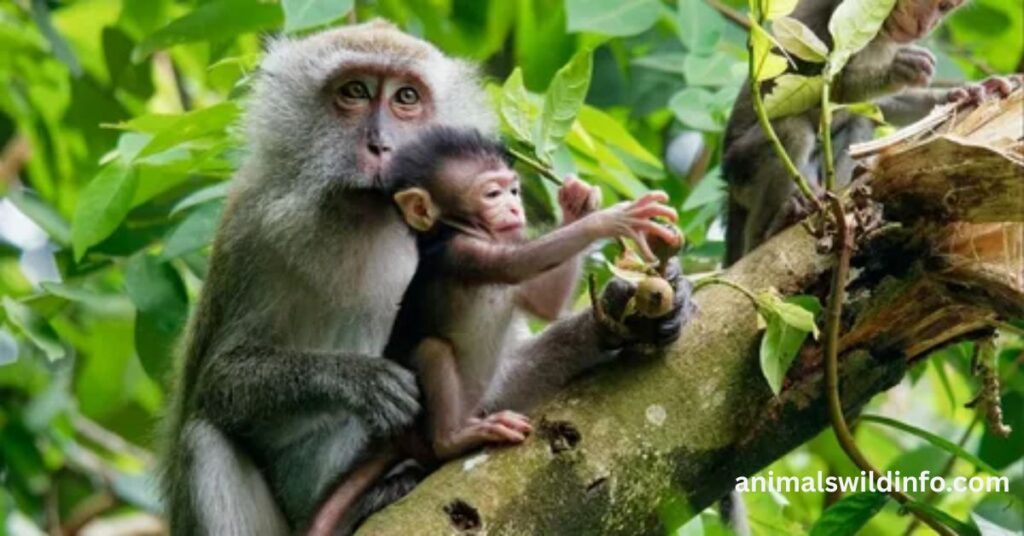
Squirrel monkeys rank among the most skilled tropical fruit eaters found anywhere in the primate world. Native to the dense forests of Central and South America, these small, energetic primates use their nimble fingers to peel oranges with genuinely impressive precision and patience.
Sharing food plays a major role in their troop bonding, so a single orange often gets carefully passed around and split among several monkeys sitting together in the canopy. Their diet naturally leans toward fruit, insects, and the occasional small prey animal, which makes citrus a nearly perfect addition, packed full of vitamin C and much-needed hydration during long, humid days spent deep within their rainforest homes.
Tamarins
Scientific Name: Saguinus oedipus Class: Mammalia Diet: Omnivore
Tamarins live high up in the tree canopies of South America, and their clear taste for citrus makes them another strong example of mammals that eat oranges in the wild. These tiny, tufted primates forage together in tight-knit family groups, calling out loudly to one another whenever someone spots a promising fruit source nearby.
Oranges give tamarins a quick, reliable energy boost between longer stretches spent hunting for insects and sipping tree sap. Their communal feeding style strengthens family bonds over time and noticeably improves overall foraging success, since more sharp eyes scanning the dense canopy usually means faster access to ripe fruit hanging just out of easy individual reach.
Orangutans
Scientific Name: Pongo pygmaeus Class: Mammalia Diet: Frugivore
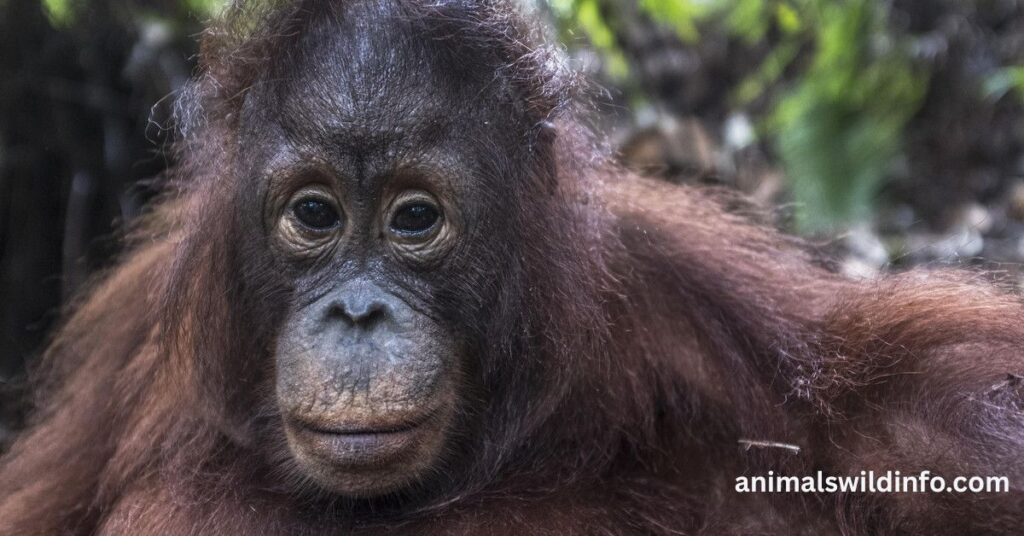
Orangutans stand out as genuinely frugivorous animals, with fruit making up the vast bulk of their diet throughout their natural habitat across Southeast Asian tropical forests. While durian and jackfruit remain their all-time favorites, oranges offer a tangy, refreshing change of pace that these remarkably intelligent apes clearly seem to enjoy.
Their strong hands and sharp, patient problem-solving skills let them peel straight through tough citrus skin with relative ease. Because food can grow genuinely scarce across dense rainforest environments, every fruit encounter matters a great deal for orangutans, and the concentrated nutrition packed into a single orange helps sustain their large bodies between longer, more exhausting stretches spent searching for the next meal.
Fruit Bats
Scientific Name: Pteropus species Class: Mammalia Diet: Frugivore
Fruit bats, sometimes called flying foxes, count among the most dedicated citrus fruit eating animals found throughout tropical and subtropical regions worldwide. These nocturnal mammals track down ripe fruit almost entirely by scent, swooping down onto orange trees soon after sunset to feed under the cover of darkness.
Fruit bats play a genuinely massive role in seed dispersal, carrying seeds far away from the parent tree as they fly between different feeding sites throughout the night. This behavior makes them essential partners in maintaining a healthy forest ecosystem balance across entire regions. A single active colony can pollinate flowers and spread seeds across huge distances, proving that even a simple orange snack can ripple outward into real, measurable ecological balance far beyond the original tree.
Red-bellied Woodpeckers
Scientific Name: Melanerpes carolinus Class: Aves Diet: Omnivore
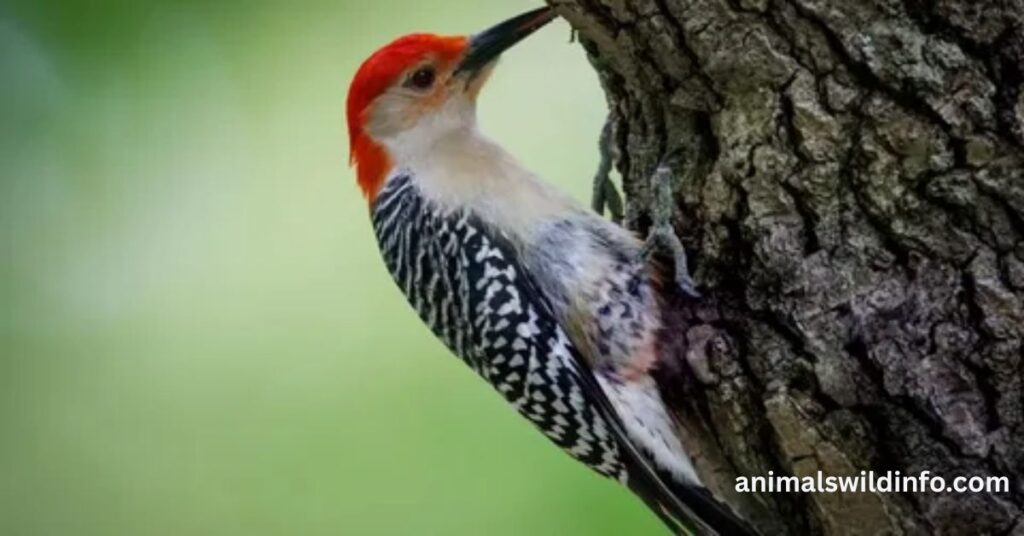
Red-bellied woodpeckers stand out clearly among birds that eat oranges, using their sharp, chisel-like beaks to pierce straight through tough citrus rind without much trouble at all. Normally these striking birds hunt insects and nuts throughout the day, but a hanging orange slice at a bird feeder setup quickly grabs their full attention regardless.
Their bold red crown and distinctive black-and-white striped back make them incredibly easy to spot during backyard wildlife watching sessions in the early morning. As they feed, woodpeckers often end up helping with seed distribution, unintentionally aiding the natural spread of nearby fruit trees. Watching one carefully manipulate an orange for the best possible bite offers a small but genuinely fascinating window into avian intelligence and patience.
Northern Mockingbirds
Scientific Name: Mimus polyglottos Class: Aves Diet: Omnivore
Northern mockingbirds are famous across the USA for their impressive vocal talents, but their surprising appetite for citrus deserves just as much attention. These highly adaptable garden birds typically feed on insects and berries throughout the year, yet they’ll gladly peck at exposed orange flesh whenever it happens to be available nearby.
This flexible wildlife diet helps mockingbirds push through breeding season, when extra energy becomes absolutely critical for successfully feeding hungry, demanding chicks back at the nest. Their willingness to try citrus also quietly supports seed dispersal, since small bits of fruit and seed often get carried to entirely new locations as the birds move between feeding spots and nesting areas scattered across suburban yards.
Read More: 20 Incredible Animals With Small Ears Found Around the World
Parrots
Scientific Name: Psittaciformes (various species) Class: Aves Diet: Omnivore
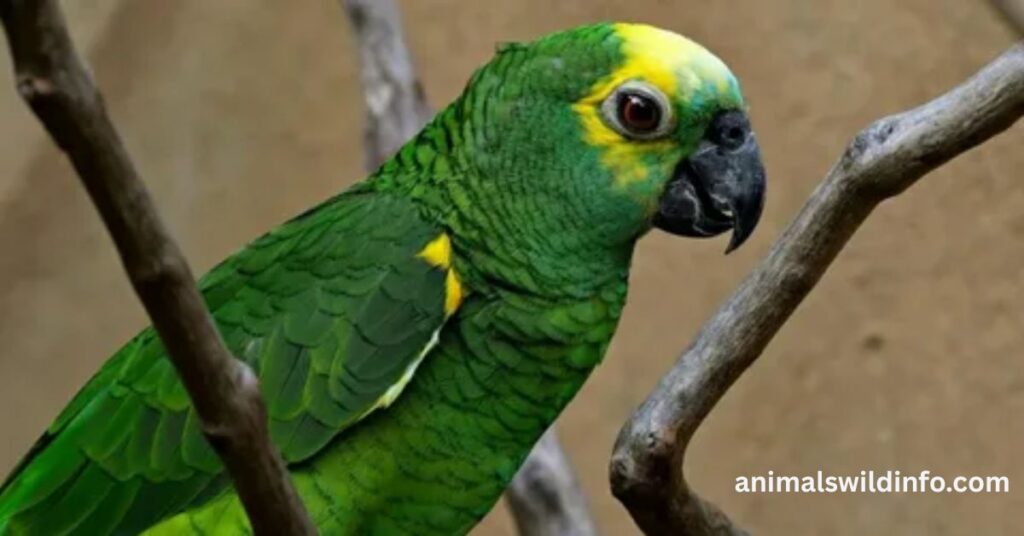
Parrots count among the most genuinely enthusiastic orange fruit consumers anywhere in the bird world. Whether living wild or kept as household pets, these colorful, intelligent birds often tear straight into citrus using their strong, sharply curved beaks. In tropical wildlife settings, wild parrots actively seek out fruit-bearing trees as a reliable, dependable food source, and oranges consistently rank high on their overall list of favorites.
The vitamin C and natural sugar found in citrus give parrots a helpful nutritional boost throughout the day. Many owners also offer small orange pieces as occasional treats, though moderation always matters here, since too much citrus can upset a parrot’s naturally sensitive digestive system over time.
Squirrels
Scientific Name: Sciuridae (family) Class: Mammalia Diet: Omnivore
Squirrels might be best known for burying nuts across their territory, but their overall diet actually stretches far beyond that single, well-known habit. As common forest animals and frequent backyard visitors, squirrels will happily gnaw straight through orange peel just to reach the sweet fruit hiding inside.
This particular behavior becomes especially noticeable in neighborhoods with mature citrus trees, where squirrels quickly adapt their feeding behavior around whatever happens to be ripe and available at any given moment. Their nimble little paws let them strip away tough rind fairly quickly, and the hydration from juicy citrus proves genuinely useful during hot summer months, when natural water sources can run surprisingly low across their broader natural habitat.
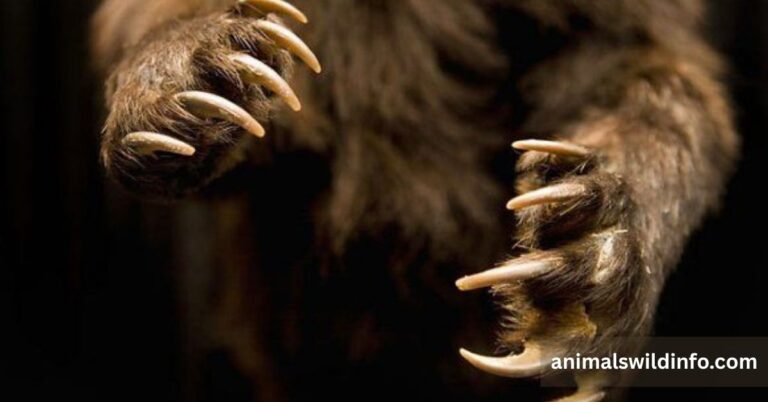
Bears
Scientific Name: Ursidae (family) Class: Mammalia Diet: Omnivore

Bears are massive omnivorous animals, and their genuine appetite for fruit often surprises people who mostly picture them chasing fish or hunting larger prey through the forest. In regions where wild or abandoned citrus orchards grow near established bear territory, these powerful mammals will forage through fallen oranges without much hesitation at all.
Fruit gives bears a fast, reliable source of natural sugar, which becomes especially important right before winter hibernation, when building up thick fat reserves is truly a matter of survival. Their strong sense of smell leads them straight to ripe fruit from remarkably long distances away, clearly showing just how deeply adaptation shapes their overall feeding habits across shifting, unpredictable seasons.
Pigs
Scientific Name: Sus scrofa domesticus Class: Mammalia Diet: Omnivore
Pigs, whether raised on a farm or roaming wild as boars, rank among the least picky animals that eat fruit in the entire animal kingdom. Their powerful sense of smell helps them locate fallen oranges buried under leaves or loose dirt near farmland and busy orchard edges. As true omnivores through and through, pigs will eat almost anything nutritious placed in front of them, and citrus fits neatly into that impressively broad appetite.
Farmers sometimes feed surplus or slightly damaged oranges directly to pigs as a low-cost dietary supplement, since the fruit offers decent nutrition without adding much extra cost. Wild boar populations living near citrus-growing regions have also been observed rooting through orange peels left scattered after harvest season ends.
Black Rats
Scientific Name: Rattus rattus Class: Mammalia Diet: Omnivore
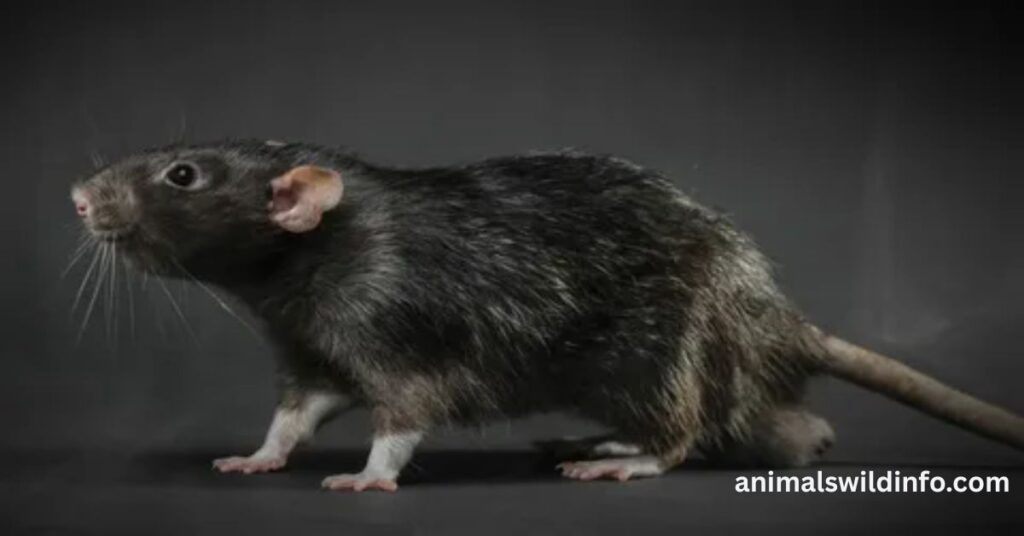
Black rats are resourceful rodents that thrive equally well in both rural farmland and busy urban wildlife environments, and citrus fruit fits easily into their already varied diet. These small, agile mammals typically favor grains and seeds above everything else, but the sweet pull of a ripe orange is genuinely hard for them to resist whenever one happens to be within reach.
Their foraging habits actually offer a useful signal of local fruit availability, since a noticeable rat presence near fruit trees often points toward a healthy, active local ecosystem. As they nibble their way through citrus, black rats also quietly contribute to small-scale seed dispersal, spreading fruit remnants across their territory as they move from one feeding spot to the next.
Taken together, these thirteen animals paint a clear picture of just how widespread citrus feeding really is across the animal kingdom. Whether it’s a mammal climbing through the canopy or a bird perched at a backyard feeder, the pull of a ripe orange seems to cross every boundary of size, habitat, and species.
Read More: 15 Fascinating Animals That Eat Coconuts You Should Know (With Pictures)
Comparison Table: Animals That Eat Oranges
| Animal | Class | Diet Type | How They Access Oranges |
| Raccoons | Mammalia | Omnivore | Peel with dexterous paws |
| Deer | Mammalia | Herbivore | Nibble fallen fruit |
| Squirrel Monkeys | Mammalia | Omnivore | Peel with fingers |
| Tamarins | Mammalia | Omnivore | Forage in groups |
| Orangutans | Mammalia | Frugivore | Peel with strong hands |
| Fruit Bats | Mammalia | Frugivore | Feed at night by scent |
| Red-bellied Woodpeckers | Aves | Omnivore | Pierce rind with beak |
| Northern Mockingbirds | Aves | Omnivore | Peck exposed flesh |
| Parrots | Aves | Omnivore | Tear rind with beak |
| Squirrels | Mammalia | Omnivore | Gnaw through peel |
| Bears | Mammalia | Omnivore | Forage fallen fruit |
| Pigs | Mammalia | Omnivore | Root through orchard floor |
| Black Rats | Mammalia | Omnivore | Nibble exposed fruit |
Why Do Animals Eat Oranges?
The answer really comes down to simple biology, when you break it all down. Oranges are packed with natural sugar, water, and vitamin C, which makes them an easy, low-effort energy source for any creature searching for quick food sources nearby. Scent plays an enormous role here too, since the bright, tangy smell of citrus travels remarkably far, pulling in hungry animals ranging from rainforest mammals to casual backyard visitors long before they’ve even laid eyes on the fruit itself.
Beyond taste and scent, plain opportunity drives most of this widespread behavior. Wherever humans plant orange trees near farms, home gardens, or busy city parks, local wildlife quickly adjusts its wildlife behavior to take full advantage of the extra food sources suddenly available nearby. This kind of quick, practical adaptation shows how genuinely flexible animal diets can be, especially for species already quite comfortable eating a wide, varied range of fruit as a normal part of their everyday fruit consumption. Even weather patterns play a role here, since a mild winter or an early growing season can leave more fruit on the ground than usual, drawing in extra visitors from across the local ecosystem.
Are Oranges Safe for Wild Animals?
Generally speaking, yes, oranges are safe in reasonable amounts. Most wildlife can handle small quantities of citrus without running into any real problems, and the fruit’s natural sugars along with its high water content offer genuine benefits when eaten in moderation. That said, orange peels contain oils and certain compounds that some animals genuinely struggle to digest properly, so many creatures instinctively avoid the rind entirely and head straight for the softer flesh instead.
Problems tend to show up mostly with overconsumption rather than the fruit itself being inherently dangerous. Too much citrus can upset digestion in smaller animals or household pets, and stray seeds occasionally pose a mild choking risk for certain species. Feeding wild animals directly by hand also isn’t recommended by wildlife experts, since it can quietly disrupt natural foraging instincts and create unhealthy dependence on humans rather than supporting genuine habitat conservation and independent, long-term survival.
Nutritional Benefits of Oranges for Animals
Citrus fruit brings real, measurable value to any healthy animal diet, starting with its notably high vitamin C content, which supports strong immune function across nearly every species that eats it regularly. The natural water sitting inside each orange also provides valuable hydration, something especially useful for animals living through long, hot, dry stretches of the year when other natural food sources become noticeably harder to track down and access.
Fiber and natural sugars round out the overall nutritional picture nicely, giving animals a fast, easily digestible energy source without requiring much extra effort to process. Still, oranges work best as an occasional treat rather than becoming an everyday dietary staple. Balanced wildlife nutrition really depends on genuine variety, and citrus should complement a much broader diet built around insects, plants, or prey rather than replacing any of it entirely within an animal’s overall feeding routine. Researchers studying citrus nutrition in captive settings have also found that small, controlled amounts of fruit can improve coat condition and overall energy levels in several mammal species.
Final Thoughts
From tiny black rats scurrying through alleys to massive bears roaming near farmland, the sheer range of creatures drawn to oranges says a lot about just how adaptable animal diets can truly be. This shared love of citrus quietly connects wildly different species across continents, climates, and entire food chains, tying together animal biodiversity in ways that might genuinely surprise most casual observers out on a walk.
Every single bite an animal takes from an orange also feeds back into a much bigger picture than it first appears. Through steady seed dispersal and everyday natural foraging, these creatures quietly support the surrounding forest ecosystem and broader animal feeding ecology around them, often without anyone noticing at all. Next time you peel an orange for yourself, remember you’re sharing that simple, everyday pleasure with a surprisingly long list of wild neighbors.
FAQ’s
What kind of animal eats oranges?
A wide mix of animals eat oranges, including primates, birds, rodents, and larger mammals like bears and deer. Both wild and domestic species genuinely enjoy citrus, ranging from squirrel monkeys deep in the rainforest to raccoons boldly raiding backyard trees at night. Even insects like ants and beetles will feed on fallen, overripe fruit.
What animals can’t eat oranges?
Some animals should avoid citrus entirely, including cats, since their digestive systems simply aren’t built to handle the acidity well at all. Certain reptiles and small pets can also react quite poorly to the citrus oils found within the peel itself. Livestock like horses and cattle should only get citrus in very limited amounts, if at all.
What pets can eat oranges?
Dogs, rabbits, and many pet birds can safely eat small amounts of orange flesh as an occasional treat without much issue. Always remove the seeds and peel first, and offer only a small piece to avoid stomach upset in smaller household pets. Guinea pigs also benefit from the vitamin C, since they can’t produce it on their own.
Which animals eat citrus fruits?
Beyond oranges specifically, animals like monkeys, parrots, and fruit bats regularly eat other citrus fruits such as tangerines and grapefruit too. Their diets naturally include a wide range of seasonal fruits whenever those fruits happen to be available nearby. Some songbirds and small mammals will even sample lemons or limes if the flesh is exposed.
What animals eat oranges in the wild?
In the wild, orangutans, tamarins, fruit bats, and various songbirds actively seek out citrus fruit growing near their natural habitat throughout the year. Deer and wild boar also snack on fallen oranges near farmland and quiet orchard edges whenever they get the chance. Raccoons and black rats round out the list, thriving wherever citrus trees grow close to human settlements.
Which animal likes oranges the most?
Primates like squirrel monkeys and orangutans show some of the strongest, most consistent preference for oranges, often prioritizing citrus over other fruit sitting right nearby. Their sharp sense of smell paired with genuinely dexterous hands makes citrus an easy, favorite choice. Fruit bats come in a close second, thanks to their scent-driven, nightly foraging routine.