Top 24 Adorable Chubby Animals in the World (With Pictures)
Have you ever watched a video of a roly-poly seal flopping across the ice and felt your heart melt a little? You’re not alone. Cute chubby animals show up in our feeds every day, and there’s a good reason we can’t look away. Their round shapes aren’t just for show. Every soft curve and thick fold of skin plays a role in how these creatures survive.
In this guide, we’ll walk through the most lovable chubby animals in the world. Some live in freezing Arctic waters. Others waddle across grasslands or curl up in your living room. From giant marine mammals to pint-sized pets, each one uses its extra padding in a smart way. This list covers wildlife animals big and small, including thick animals built for cold weather and semi-aquatic animals that split their time between land and water. You’ll learn what makes these fat animals tick, why nature built them this way, and what animal facts make them even more fascinating. Grab a snack and let’s dive into the wonderful world of adorable animals with a little extra fluff.
List of Chubby Animals in the World
Before we explore each animal in detail, here’s a quick look at the full lineup. This table gives you a snapshot of the chubbiest animals you’ll meet in this article, along with their animal class.
Hippopotamus
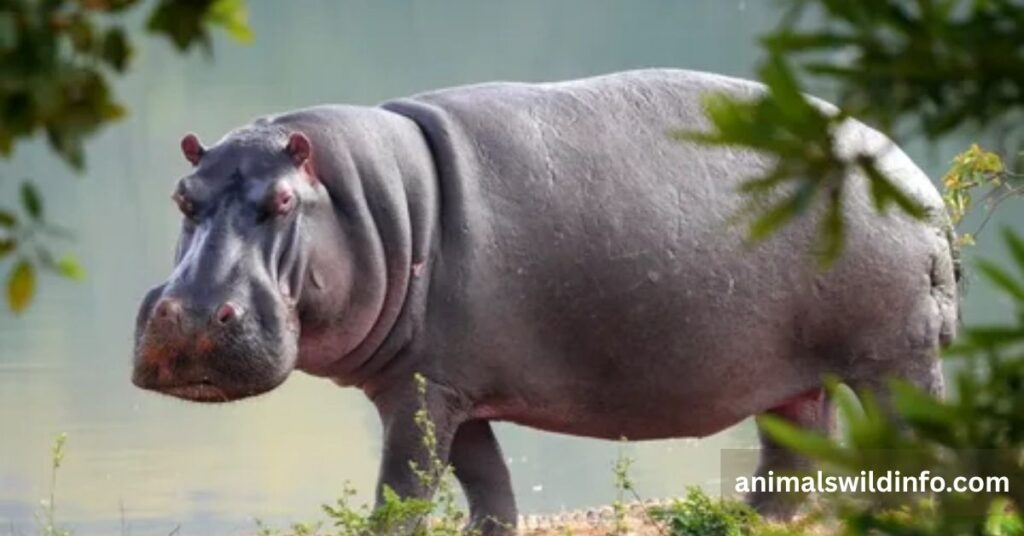
The hippopotamus might be the poster child for big fat animals, and it earns that title honestly. Its huge body, hairless skin, and short legs give it a round body that looks clumsy on land but turns graceful underwater. That extra bulk protects the hippo’s skin from the sun and helps it stay cool in African rivers and lakes. As a semi-aquatic animal, it spends most of its day submerged, only surfacing to breathe or grunt at its neighbors.
Hippos aren’t loners either. They gather in groups called pods, showing real social behavior through honks, roars, and splashy play. Despite their thick skin and heavy frame, hippos can move fast when they need to. Their bulk isn’t laziness. It’s a survival tool built for life half in the water and half on the muddy banks of their natural habitat.
Manatee
Manatees, often called sea cows, are gentle giants with a stocky build and a slow, easygoing lifestyle. These marine mammals can weigh over a thousand pounds, yet they glide through shallow coastal waters with surprising ease. Their padded shape helps them float while they graze, and their calm nature makes them one of the most cute fat animals in the ocean.
Manatees follow a strict herbivorous diet, munching on seagrass and other aquatic plants for hours each day. This grazing habit actually helps their ecosystem stay balanced, trimming back plant growth so waterways don’t get clogged. Sadly, boat strikes and habitat loss put pressure on these round-bodied mammals. Protecting their coastal homes matters more than ever for their survival.
Giant Panda
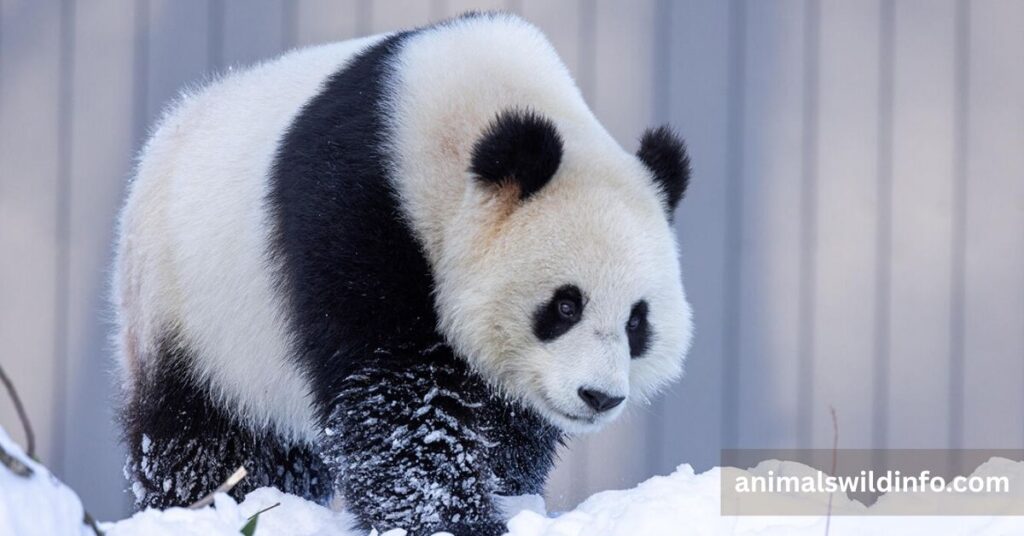
The giant panda is one of the most recognized chunky mammals on the planet, thanks to its black-and-white coat and roly-poly frame. Native to the bamboo forests of China, pandas follow an unusual bamboo diet that takes up nearly all their waking hours. Eating up to 40 pounds of bamboo daily keeps their bodies fueled, even though bamboo offers surprisingly little nutrition.
This picky diet is one reason pandas became an endangered species, since they depend so heavily on healthy forest mammals habitats to survive. Conservation groups have worked for decades to protect panda reserves, and those efforts are paying off. Despite their heavy build, pandas climb trees and swim with ease, proving that a round body doesn’t slow down a determined animal.
Walrus
Walruses look like they were built from spare parts, with long tusks, wrinkled skin, and a thick layer of blubber that can make up nearly a third of their body weight. This padding isn’t just for looks. It keeps them warm in freezing Arctic waters and gives them the energy reserves they need between long dives for clams and shellfish on the seafloor.
As true Arctic animals, walruses haul out onto ice floes in huge, noisy groups, stacking themselves together for warmth and safety. Their tusks help them climb onto ice and defend against predators like polar bears. This cold climate adaptation shows how a heavy body can be a perfect fit for one of the harshest environments on Earth.
Whale
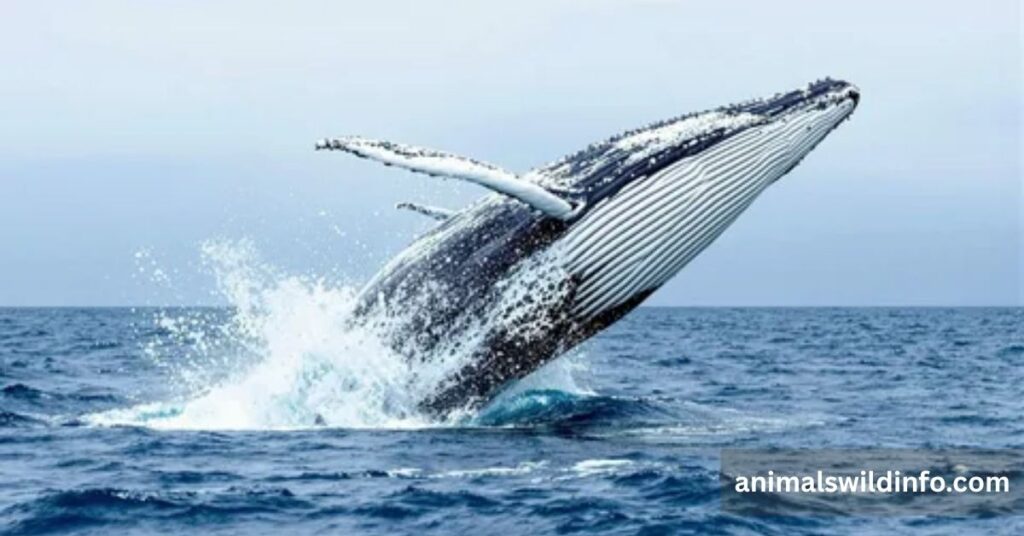
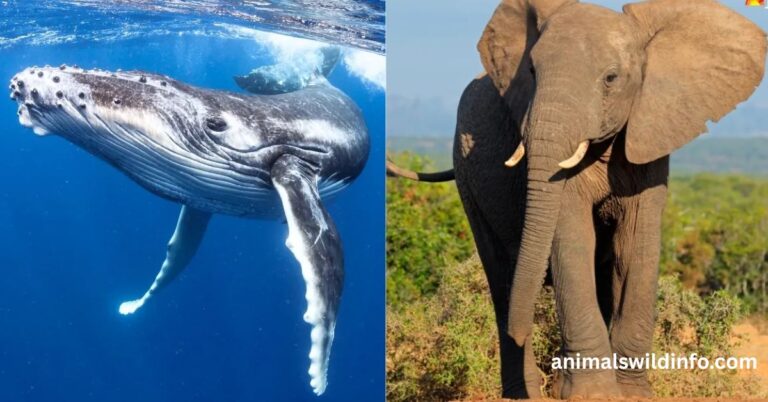
Whales carry their weight with quiet grace, gliding through oceans with a large body size that can stretch over 90 feet in the case of the blue whale. Their dense blubber layer isn’t just insulation. It stores energy for long migrations and helps with buoyancy, letting these massive creatures rise and dive without much effort.
Whales play a huge role in the marine ecosystem, cycling nutrients as they travel between feeding and breeding grounds. Many species communicate through deep songs that travel for miles underwater, a sign of real animal intelligence. Watching a whale breach the surface is a reminder that size and softness can go hand in hand with power.
Seal
Seals are some of the most playful chunky animals you’ll find lounging along rocky coastlines. Their smooth, padded bodies help them slide easily across ice and rock, while their dense blubber keeps them warm in icy coastal waters. This fat layer also works as a food reserve during weeks when seals fast on land.
Seals often gather in noisy colonies, showing off playful behavior as they bark, wrestle, and bask together in the sun. Their pups are born with soft, fluffy coats that keep them warm before they build up their own blubber. Watching a group of seals pile onto a beach is one of nature’s most charming sights.
Sea Lion
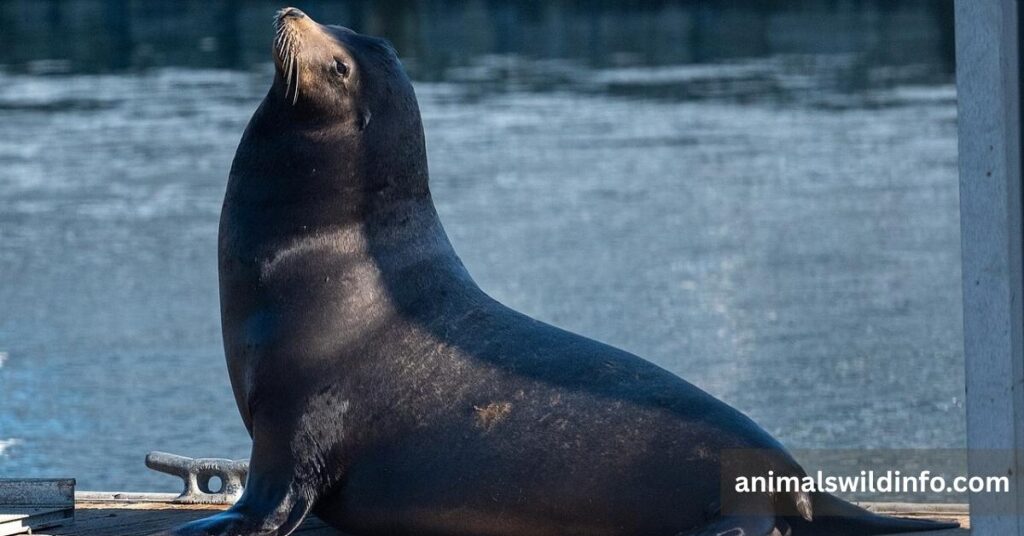
Sea lions bring energy and personality to their round-bodied frame, using their flexible hind flippers to walk on land, unlike true seals. This gives them a comical waddle that adds to their charm as one of the more chunky mammals of the coast. Their padded bodies provide body insulation in cold water while keeping them buoyant during long swims.
These clever creatures are known for their trainability and sharp memory, often performing in wildlife shows that highlight their intelligence. In the wild, sea lions live in tight colonies, barking constantly to mark territory and stay connected. Their blend of bulk and agility makes them one of the most entertaining marine mammals to watch.
Read More: Top 12 Amazing Animals With Quills (Pictures, Facts & Unique Features)
Dolphin
Dolphins don’t look chubby at first glance, but their smooth, rounded bodies carry a hidden layer of fat that keeps them warm and streamlined. As carnivorous diet feeders, dolphins hunt fish and squid using teamwork and echolocation, a skill that shows off their impressive animal intelligence. Their padded shape isn’t extra weight. It’s built for speed and insulation both.
Dolphins live in tight social pods, often leaping and playing alongside boats or riding ocean waves for fun. This playful nature has made them one of the most beloved round-bodied animals in the sea. Beneath their sleek surface, dolphins prove that a little softness can pair perfectly with speed and smarts.
Rhinoceros
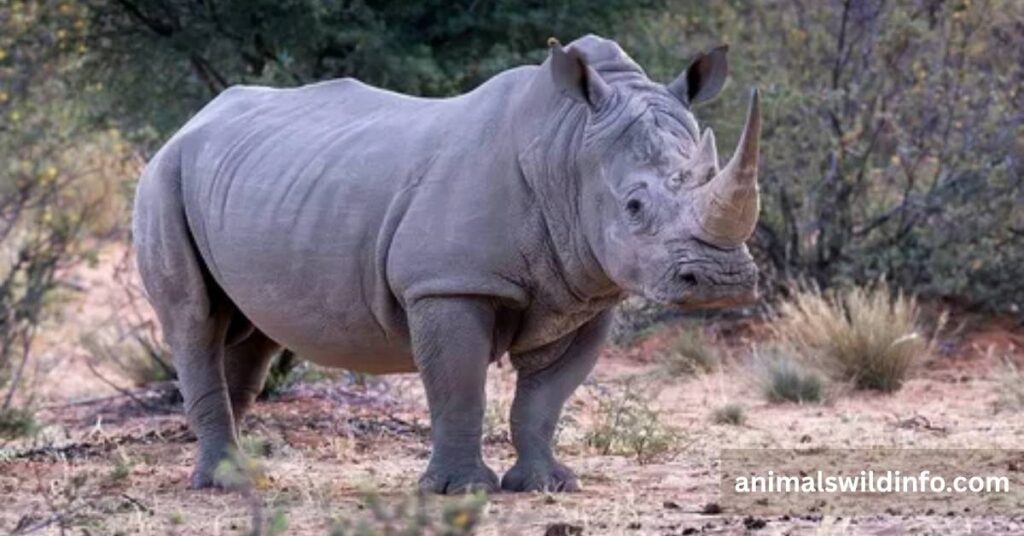
The rhinoceros carries one of the toughest bodies in the animal kingdom, covered in thick skin that can be over an inch deep in places. As one of the large herbivores roaming Africa and Asia, rhinos need that bulk to handle rough terrain and defend against predators. Their heavy frame might look tough, but rhinos are surprisingly gentle grazers.
Sadly, rhinos remain one of the most endangered animals on Earth due to poaching and shrinking grasslands. Conservation programs now focus on protecting their habitats and cracking down on illegal hunting. As “gardeners of the savanna,” rhinos help keep plant growth in check, proving that their weight serves a bigger purpose than just self-defense.
Elephant
Elephants are among the large mammals that prove size and softness can come together beautifully. Their broad, padded bodies store fat for lean seasons, while their giant ears work like natural fans, helping with thermoregulation under the hot African and Asian sun. Despite their weight, elephants are remarkably gentle and careful with their surroundings.
Living in tight family groups led by an older female, elephants show deep loyalty and empathy toward each other. They mourn lost herd members and celebrate births with real excitement. This strong bond, paired with ongoing wildlife conservation efforts, gives hope that these gentle giants will roam freely for generations to come.
Gaur
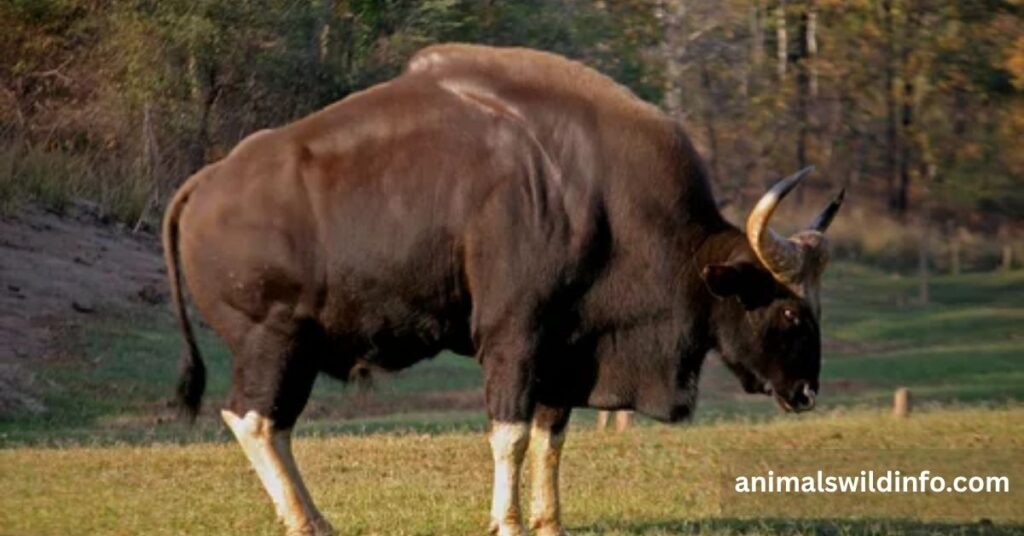
The gaur, sometimes called the Indian bison, is the largest wild cattle species on the planet, with males reaching up to 3,000 pounds. Its stocky build and muscular hump give it a powerful, almost armored look, perfect for navigating the dense forests and hills of Southeast Asia. This heavy frame helps gaurs push through thick brush with ease.
Gaurs travel in herds across grasslands and forest edges, relying on group numbers for safety from predators like tigers. As one of the more overlooked wild mammals, the gaur doesn’t get much attention, but its size and strength make it one of the most impressive animals on this list.
Polar Bear
Polar bears are built for one of the coldest places on Earth, and their thick layer of blubber is the reason they survive at all. This fat layer can be over four inches deep, storing energy for months when food is scarce. As classic cold-weather animals, polar bears rely on their bulk just as much as their sharp claws and strong swimming skills.
Beneath their tough exterior, polar bear mothers are incredibly nurturing, rolling and playing with their cubs in the snow. Sadly, climate change is shrinking the sea ice they depend on for hunting seals. Protecting Arctic wildlife like the polar bear means protecting the ice itself, since their entire lifestyle depends on it.
Capybara
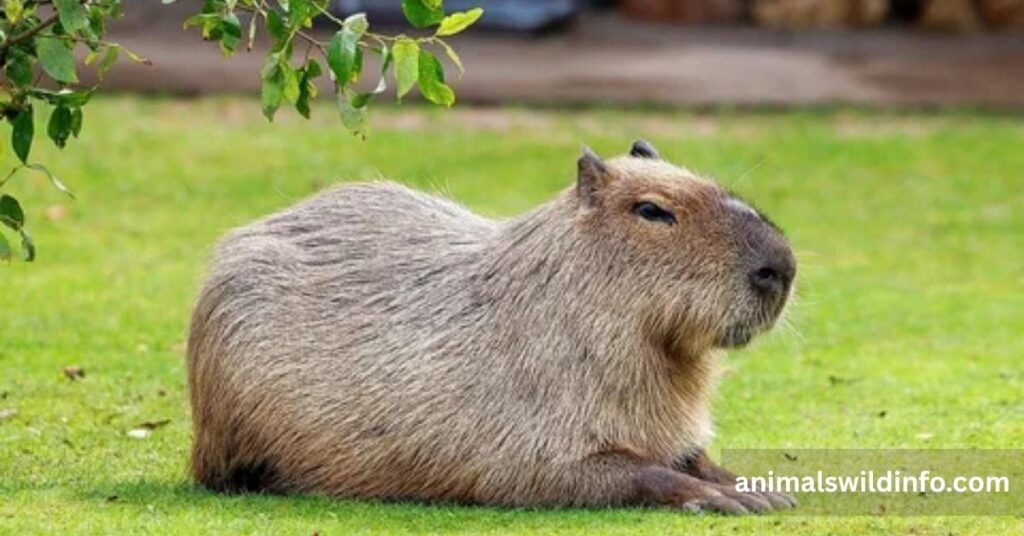
Capybaras hold the title of the world’s largest rodent, and their calm, large body size makes them look like oversized guinea pigs. These semi-aquatic mammals live across South America’s wetlands, using their webbed feet to swim and escape predators with ease. Their laid-back nature has made them internet famous for getting along with almost every other animal.
Capybaras live in close groups, grooming each other and lounging together in the sun like old friends. Their herbivorous habits, mostly grasses and water plants, help maintain healthy plant growth in the marshes they call home. Few animals blend size, calmness, and social charm quite like the capybara.
Wombat
Wombats are stocky, low-to-the-ground marsupials with a body built like a small tank. As dedicated burrowing animals, they dig long tunnel systems using their strong claws, creating safe spaces to escape Australia’s heat. Strangely enough, wombats are famous for producing cube-shaped droppings, a quirky trait that helps mark territory without rolling away.
Wombats are mostly a nocturnal animal, staying hidden during the day and becoming active once the sun goes down. Their thick fur and round shape help them stay warm underground. Though they look slow and sleepy, wombats can sprint short distances faster than you’d expect when startled.
Red Panda
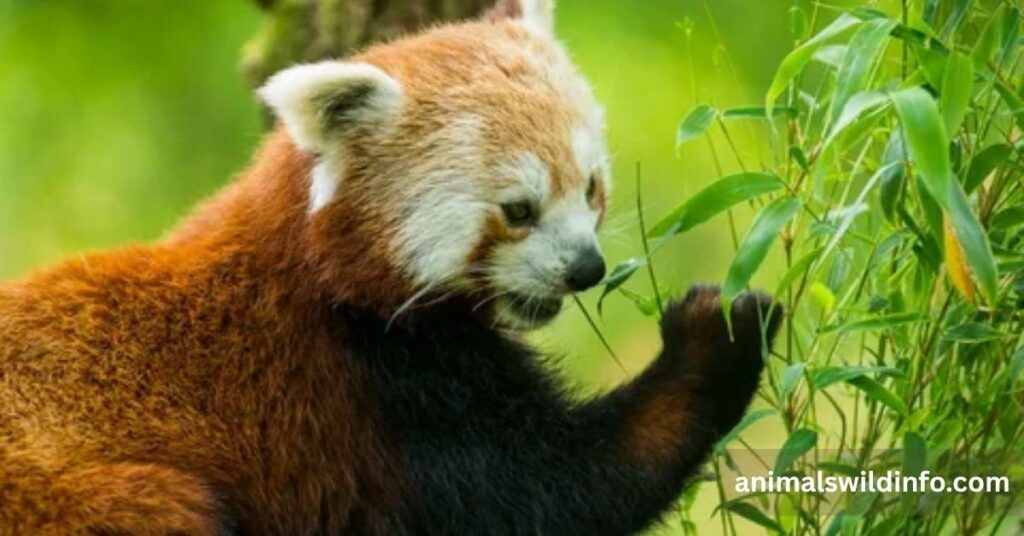
Red pandas bring rust-colored fur and an irresistibly round face to this list of fluffy animals. As tree-dwelling mammals, they spend much of their time climbing through mountain forests in the Himalayas, using their bushy tails for balance. Despite sharing a name with the giant panda, red pandas eat a mostly bamboo diet mixed with fruit and small insects.
These animals are mostly solitary, but they communicate through whistles, twitters, and even sneeze-like sounds. Habitat loss continues to threaten red pandas, making conservation programs essential for their survival. Watching a red panda roll around or climb a tree shows just how much personality lives inside such a small, chubby frame.
Pallas’s Cat
The Pallas’s cat, also called the manul, might have the fluffiest look of any wild feline. Its dense coat and short, stocky build help it survive the freezing grasslands of Central Asia, where temperatures can drop drastically overnight. This thick fur puffs out the cat’s silhouette, making it look rounder than it actually is underneath.
Despite its soft appearance, the Pallas’s cat is a skilled hunter, using its mottled coat as camouflage to sneak up on small rodents. This survival adaptation lets it thrive in one of the harshest habitats for any wild cat. Researchers still have plenty to learn about this quiet, mysterious little predator.
Persian Cat
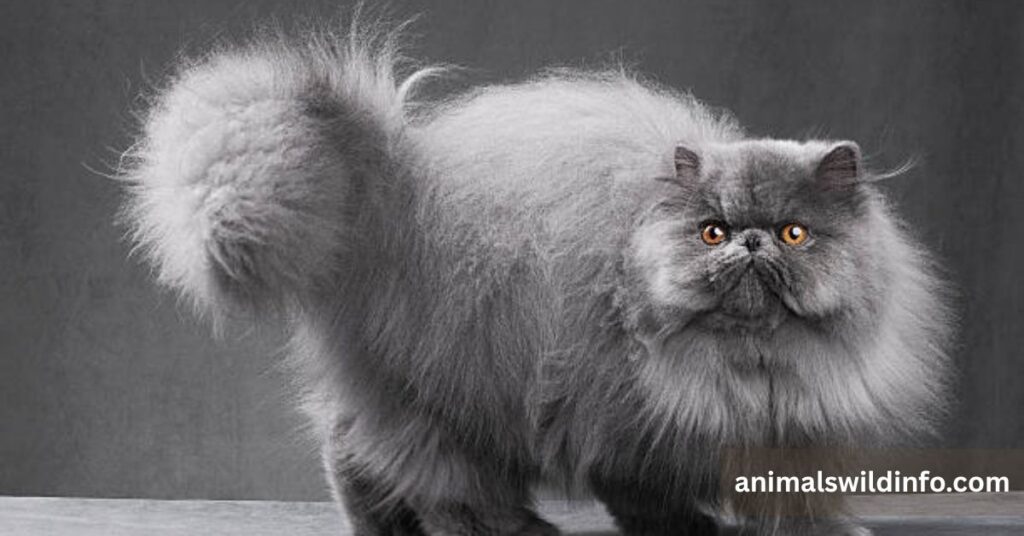
Persian cats are the definition of chubby pet animals, with their flat faces, plush coats, and calm personalities. Bred for centuries as companion animals, their soft, padded bodies make them look like living pillows. This laid-back energy pairs perfectly with their love of quiet, cozy spaces around the house.
While their round shape is part of their charm, Persian cats can gain excess weight if their diet isn’t watched closely. Owners need to balance treats with playtime to keep these cute pet animals healthy rather than overweight. Their gentle purring and calm nature make them one of the most popular chubby companions in homes across the country.
Read More: Do Wolves Purr? 23 Amazing Wolf Facts Every Animal Lover Should Know
Fat-tailed Lemur
Found only in Madagascar, the fat-tailed lemur stores extra weight in, you guessed it, its tail. This built-in fat storage system helps the lemur survive lean seasons when food becomes scarce. Rather than relying only on sound, this species uses its tail size to signal health and status to others in its group.
Despite their round appearance, fat-tailed lemurs are quick, skilled climbers, moving easily through the treetops in search of fruit and leaves. Their unique animal adaptations show how even a small mammal can develop clever tricks for survival. This tiny, chubby primate proves that big lessons often come in small packages.
Guinea Pig
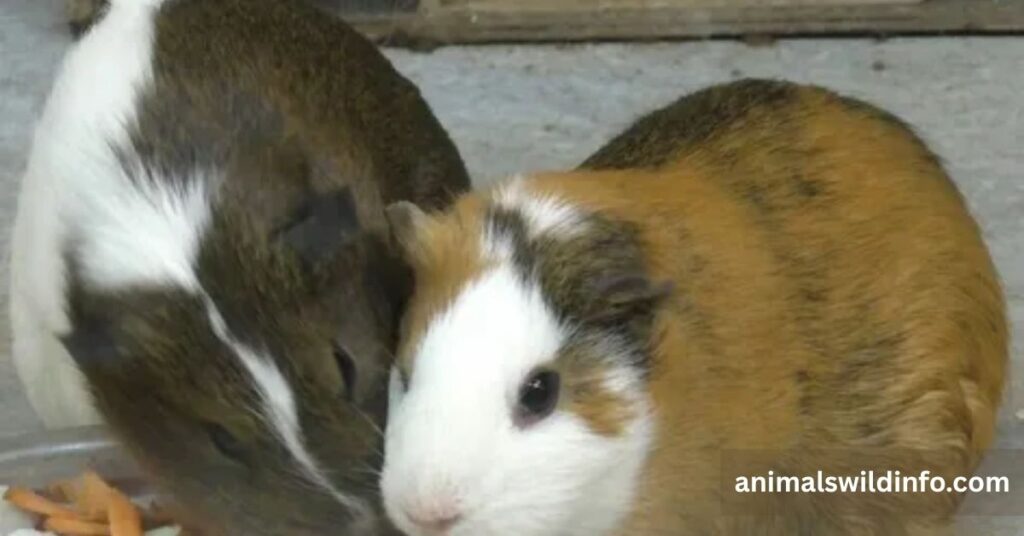
Guinea pigs are some of the most popular chubby pet animals around, known for their round bodies and gentle nature. As small herbivorous mammals, they need a steady diet of hay and fresh vegetables to stay healthy and active. Their soft squeaks and chirps make them easy to bond with, especially for first-time pet owners.
These social little animals do best in pairs or groups, since loneliness can affect their mood and health. Watching a guinea pig “popcorn,” a happy little jump, shows just how much joy lives inside their tiny, plump frame. Few pets pack this much charm into such a small package.
Hedgehog
Hedgehogs pack a surprising amount of personality into a small, spiky body. Beneath those quills sits a compact, round body built for defense, letting the hedgehog curl into a tight ball when threatened. This clever trick keeps predators away without any need to fight back, making it one of nature’s simplest yet smartest defenses. Hedgehogs are mostly a nocturnal animal, foraging for insects and small plants after dark.
Their short legs and stocky shape might look clumsy, but hedgehogs move quickly when searching for food. Because they’re solitary by nature, hedgehogs don’t rely on family groups the way many other animals on this list do. Instead, they thrive alone, using their spiky armor as their best line of defense in gardens, woodlands, and quiet backyards.
Sea Otter
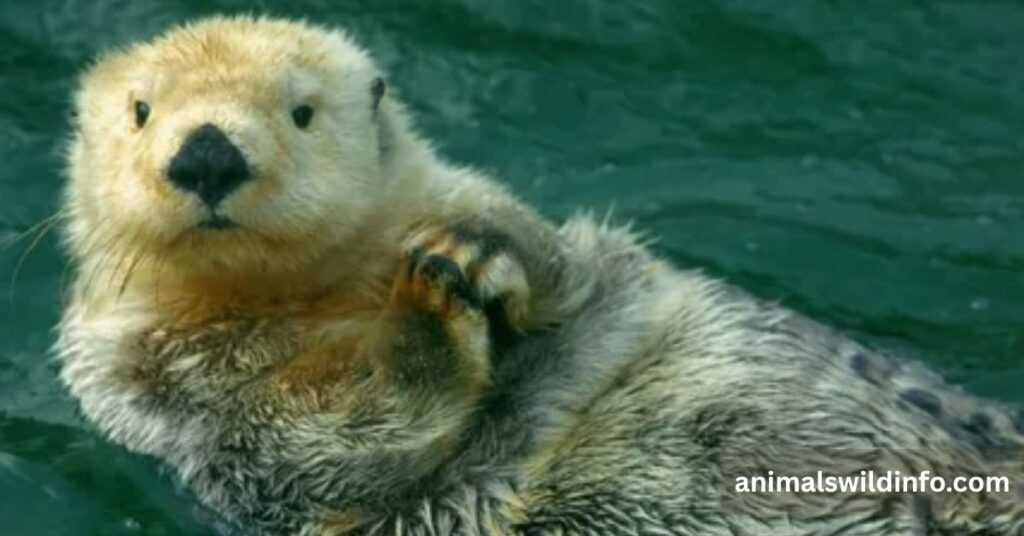
Sea otters are often called the fluffiest of all marine animals with blubber, though their secret is actually fur, not fat. With up to a million hairs per square inch, their waterproof fur is the densest of any animal on Earth, trapping warm air close to their skin. Unlike other marine mammals, sea otters rely on this fur instead of thick blubber to survive cold coastal waters.
These clever creatures are famous for using rocks as tools, cracking open shellfish while floating on their backs. Sea otters often wrap themselves in kelp to avoid drifting away while they sleep, a sweet and practical habit. Their playful, resourceful nature makes them one of the most beloved wildlife species along the Pacific coast.
Hamster
Hamsters may be tiny, but their round body and puffy cheeks make them one of the most adorable small pets around. Those famous cheek pouches let hamsters store food for later, stretching out like little furry balloons when full. This habit isn’t just cute. It’s a smart survival trick carried over from their wild ancestors.
Hamsters are naturally curious and active, often spending hours running on wheels or digging through bedding. Though small, their spirited energy and chubby cheeks bring plenty of joy into any home. It’s easy to see why hamsters remain one of the most popular chubby pet animals for kids and adults alike.
Penguin
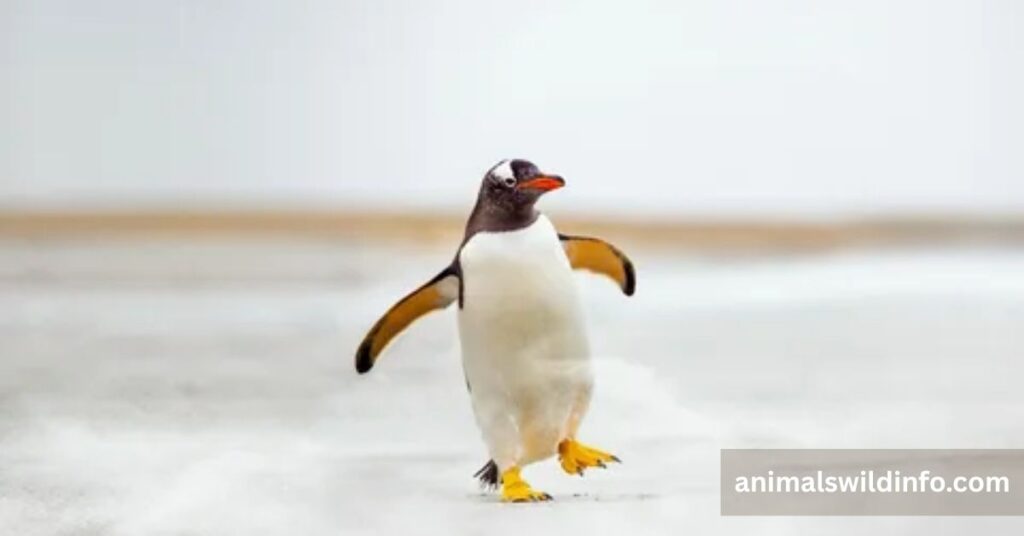
Penguins waddle their way into hearts everywhere thanks to their round shape and upright posture. Their bodies are built for cold climate adaptation, with tightly packed feathers and a solid layer of fat that keeps them warm in freezing temperatures. Unlike most birds, penguins traded flight for swimming, using their padded, streamlined shape to move fast underwater.
Emperor penguins take parenting seriously, with fathers balancing eggs on their feet through brutal Antarctic winters to keep them warm. This dedication highlights strong social behavior within penguin colonies. As sea ice continues to shrink, penguins have become an important symbol for wildlife protection, reminding us how fragile their icy home really is.
Read More: 16 Incredible Stubborn Animals That Will Surprise You (With Pictures)
Marmot
Marmots are large ground squirrels found in mountain forests and rocky alpine meadows across North America and Europe. Before winter arrives, marmots eat nonstop, building up energy reserves that will carry them through months of hibernation underground. This seasonal weight gain is one of the clearest examples of survival adaptation found in any small mammal.
As burrowing animals, marmots dig complex tunnel systems where entire colonies live together for safety and warmth. They’re known for their sharp, whistle-like calls, which warn the group whenever a predator gets close. Watching a marmot sunbathe on a rock, round and relaxed, is one of the simple pleasures of hiking through mountain terrain.
Why Are Some Animals Naturally Chubby?
Being round isn’t an accident. For many species, body fat is a finely tuned survival tool rather than something to shed. In cold Arctic waters or high mountain ranges, a thick layer of blubber or dense coat provides body insulation, keeping vital organs warm even when the outside world turns freezing. For ocean-dwelling marine mammals, that same padding also helps with buoyancy, making it easier to float, dive, and conserve energy while swimming long distances.
Fat also acts as a backup fuel tank. Many animals rely on stored energy reserves to survive migration, hibernation, or lean seasons when food is hard to find. This is a form of thermoregulation and cold climate adaptation working together, letting animals stay active even in punishing conditions. Whether an animal follows a herbivorous diet, a carnivorous diet, or an omnivorous diet, that extra padding often means the difference between struggling and thriving in its natural habitat. These traits count as real animal body adaptations, and they explain why so many animals adapted to cold climates carry extra weight without any harm to their health.
This is also why we shouldn’t confuse a padded frame with poor health. Herbivorous animals, carnivorous animals, and omnivorous animals alike have all developed their own animal survival strategies around body fat, whether they live in icy waters, dry grasslands, or dense rainforests. Protecting the animal habitats where these species live is just as important as understanding their biology, since healthy animal conservation efforts keep the whole ecosystem balance intact for generations to come.
Fun Facts About Chubby Animals
Nature has packed some surprising details into these plump animals, and a few of them might catch you off guard. The table below highlights some quick, fun facts worth knowing.
| Animal | Fun Fact |
| Blue Whale | The heaviest animal ever recorded, weighing close to 200 tons |
| Walrus | Can hold its breath underwater for over 30 minutes while diving |
| Hamster | Cheek pouches can stretch to nearly the length of its own body |
| Wombat | Produces cube-shaped droppings to mark territory without rolling away |
| Polar Bear | Blubber layer can be over four inches thick |
| Capybara | Gets along peacefully with nearly every other animal species |
Beyond these standout facts, chubby animals play bigger roles than most people realize. Many, like manatees and elephants, act as ecosystem engineers, shaping their environments simply by eating, grazing, or moving through their habitats. Their extra weight isn’t wasted space. It’s tied directly to wildlife biodiversity, supporting food chains and healthy ecosystems all over the world.
If you enjoy wildlife facts, it helps to remember that not every animal that looks heavy is actually overweight. Many animals that look fat are simply carrying healthy padding, from mammals with fat reserves in cold climates to animals with round bodies built for buoyancy in water. Whales and elephants rank among the biggest mammals and heavy land animals on Earth, while smaller creatures like hedgehogs and hamsters prove that a chubby look isn’t only about size.
Conclusion
From the icy coasts where walruses gather to the quiet forests where red pandas climb, chubby animals in the world show us that a little extra softness can be a powerful survival tool. Every fold of fat, thick coat, and round body tells a story about adapting to a specific place and lifestyle. These animals aren’t just cute to look at. They’re living proof of how creative nature can get when solving the problem of survival.
As habitats shrink and climate change continues to reshape ecosystems, supporting wildlife conservation becomes more important every year. Whether it’s protecting sea ice for polar bears or safeguarding wetlands for capybaras, small actions add up. From chunky wild animals roaming grasslands to fluffy wild animals climbing through mountain forests, and from animals with thick fur on high mountain animals ranges to animals with thick skin wading through rivers, every one of these cute chunky animals deserves a safe place to call home. Let’s keep celebrating these round, lovable creatures while doing our part to protect the wild spaces they call home.
Frequently Asked Questions
The blue whale holds the title for sheer size and weight, but among land animals, the hippopotamus and elephant are often considered the chubbiest animals due to their massive, padded bodies.
Seals, walruses, manatees, pandas, and hamsters are all naturally chubby animals. Their round shapes come from blubber, fat storage, or dense fur built for insulation and energy reserves.
Capybaras, red pandas, hedgehogs, and guinea pigs are commonly named among the cutest chubby animals, thanks to their gentle nature and soft, rounded features.
Hamsters win this category easily. Their stretchy cheek pouches can hold large amounts of food, giving them one of the most famous chubby-cheeked looks in the animal kingdom.
The list typically includes the blue whale, African elephant, southern elephant seal, giraffe, hippopotamus, white rhinoceros, walrus, gaur, polar bear, and saltwater crocodile, ranked by average body weight.
Many heavy animals carry fat for a reason, not by accident. Blubber, dense fur, and stored energy reserves help with insulation, buoyancy, and survival, meaning their size is often a sign of good health rather than a problem.