Top 15 Animals With Bushy Tails (With Pictures & Fascinating Facts)
Some animals just stand out. A big, fluffy tail will do that. It catches your eye in a park. It flashes past in the woods. It curls up tight in the snow.
Animals with bushy tails live all over the world. You find them in forests, deserts, mountains, and even your backyard. Their tails aren’t just for show. Each one plays a real role in daily survival.
In this guide, we’ll look at 15 of the most interesting bushy tailed animals on Earth. You’ll learn what makes their tails special. You’ll also see why tail adaptation matters so much for wildlife across so many habitats.
Quick List of Animals With Bushy Tails
Short on time? Here’s the full list of animals with fluffy tails covered in this article. Scroll down for the full story on each one.
| Rank | Animal |
| 1 | Red Fox |
| 2 | Eastern Gray Squirrel |
| 3 | Ring-Tailed Lemur |
| 4 | Red Panda |
| 5 | Arctic Fox |
| 6 | Common Raccoon |
| 7 | Ringtail |
| 8 | Fox Squirrel |
| 9 | Fisher |
| 10 | Binturong |
| 11 | Tayra |
| 12 | Bushy-Tailed Mongoose |
| 13 | Bushy-Tailed Woodrat |
| 14 | Chinchilla |
| 15 | Maned Wolf |
That’s the quick version. Now let’s dig into what actually makes a tail “bushy” in the first place.
What Is a Bushy Tail?
A bushy tail isn’t just a long tail. It’s a tail covered in thick, dense fur that gives it real volume. Think of it like a feather duster attached to an animal’s body. The fur stands out from the tailbone in every direction, not just along the top or sides.
This is different from a thick tail on, say, a beaver, which gets its size from muscle and flat shape, not fur. It’s also different from a thin, scaly tail like a rat’s. A true furry tail has to trap air in its coat. That’s what gives bushy tail mammals their signature warmth and puffed-up look, especially in cold Arctic habitat zones.
Why Do Some Animals Have Bushy Tails?
Nature doesn’t hand out big fluffy tails for fun. Every animal adaptation exists because it solved a problem at some point in that species’ history. A bushy tail usually shows up in animals that climb, live in cold places, or need to send visual signals to others nearby.
Over time, natural selection favored wild animals with bushy tails that could balance better on branches or survive freezing nights. This is a clear case of bushy tail evolution at work. The tail became a tool, not an accessory. That’s why you’ll see this feature repeat across totally different species, from Arctic foxes to tropical forest dwellers like the binturong.
Top 15 Animals With Bushy Tails
Ready for the full rundown? Below you’ll find 15 bushy tail species from around the globe. Each one uses its tail a little differently, based on where it lives and how it survives.
Read More: Top 15 Amazing Animals With Thick Fur (With Pictures & Fascinating Facts)
Red Fox
Scientific Name: Vulpes vulpes Class: Mammalia Diet: Omnivore
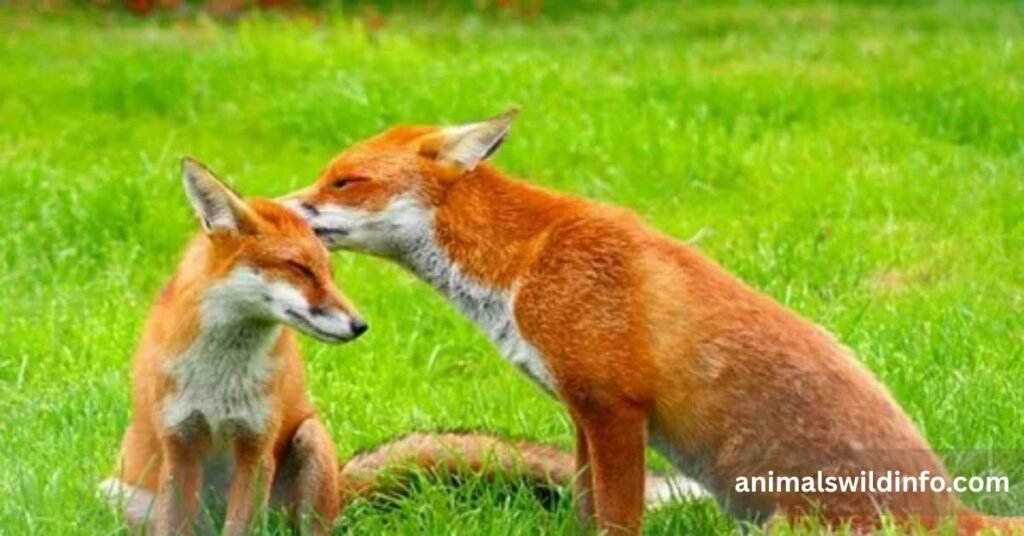
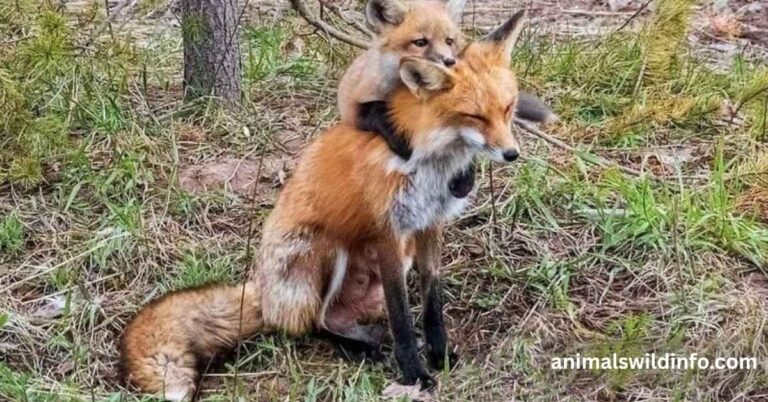
The red fox roams forests, grasslands, and even city edges across the Northern Hemisphere. Its tail, often called a “brush,” is a masterclass in tail function. It helps with balance during sharp turns and fast sprints. At night, the fox wraps that same tail around its body for body warmth, almost like a built-in blanket.
This tail also plays a role in social signaling. A raised or lowered tail can tell other foxes about mood, danger, or dominance. Red foxes are mostly solitary hunters, and their agility while chasing prey through snow or brush depends heavily on that tail acting as a rudder. It’s a small feature doing a lot of heavy lifting.
Fun Fact: A red fox’s tail can grow nearly as long as its body, and it doubles as a cozy face-warmer on freezing nights.
Eastern Gray Squirrel
Scientific Name: Sciurus carolinensis Class: Mammalia Diet: Herbivore/Omnivore
You’ve probably seen this one already, right outside your window. The eastern gray squirrel is one of the most common tree-dwelling animals in North America. Its bushy tail acts as a counterbalance during branch jumping, keeping the squirrel steady even mid-air.
That same tail also handles thermoregulation, wrapping around the body during cold weather like a scarf. And when danger’s near, a quick tail flick sends a clear warning signal to nearby squirrels. This is tail flicking in its purest form, fast, sharp, and impossible to miss. Gray squirrels are true arboreal mammals, and almost nothing they do in the trees works without that tail.
Fun Fact: Gray squirrels can leap over 4 meters between branches, using their tail as a mid-air stabilizer.
Ring-Tailed Lemur
Scientific Name: Lemur catta Class: Mammalia Diet: Omnivore
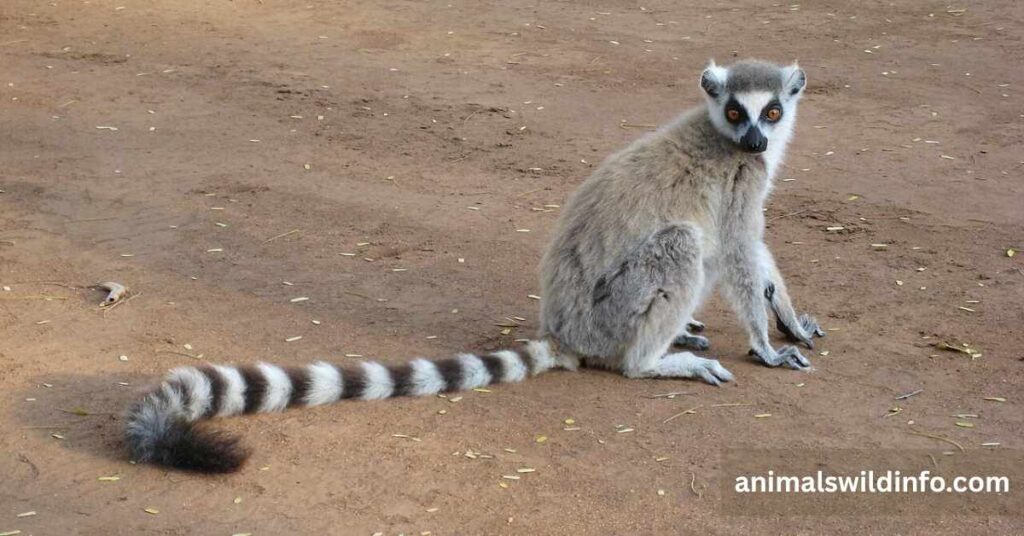
Native to Madagascar, the ring-tailed lemur has one of the most recognizable tails in the animal kingdom. It’s longer than the lemur’s entire body. Lemurs hold this tail upright while walking, almost like a flag, so the troop can stay together in thick brush.
This tail is deeply tied to communication and group life. Lemurs use “stink fights,” rubbing scent onto their tails, then waving them at rivals during territorial disputes. That’s scent marking and territorial behavior rolled into one dramatic display. Groups can include up to 30 members, and the tail helps hold that whole social structure together.
Fun Fact: Ring-tailed lemurs wave their scented tails at rivals in a behavior researchers call “stink fighting.”
Red Panda
Scientific Name: Ailurus fulgens Class: Mammalia Diet: Herbivore
High in the Himalayan forests, the red panda depends on its bushy tail for more than looks. It wraps that tail around its body like a scarf during cold nights, a clear case of cold-weather adaptations in action. The tail’s rings even blend with mossy tree bark, adding a layer of camouflage.
Red pandas spend much of their life in trees, and their tail helps with balance across thin, swaying branches. This is a textbook example of arboreal adaptations doing double duty, both for movement and survival. Solitary by nature, red pandas rely on this tail constantly, whether resting, climbing, or hiding from predator avoidance threats like martens.
Fun Fact: Red pandas curl their tails around their faces like built-in scarves, shielding their nose from icy mountain winds.
Arctic Fox
Scientific Name: Vulpes lagopus Class: Mammalia Diet: Omnivore
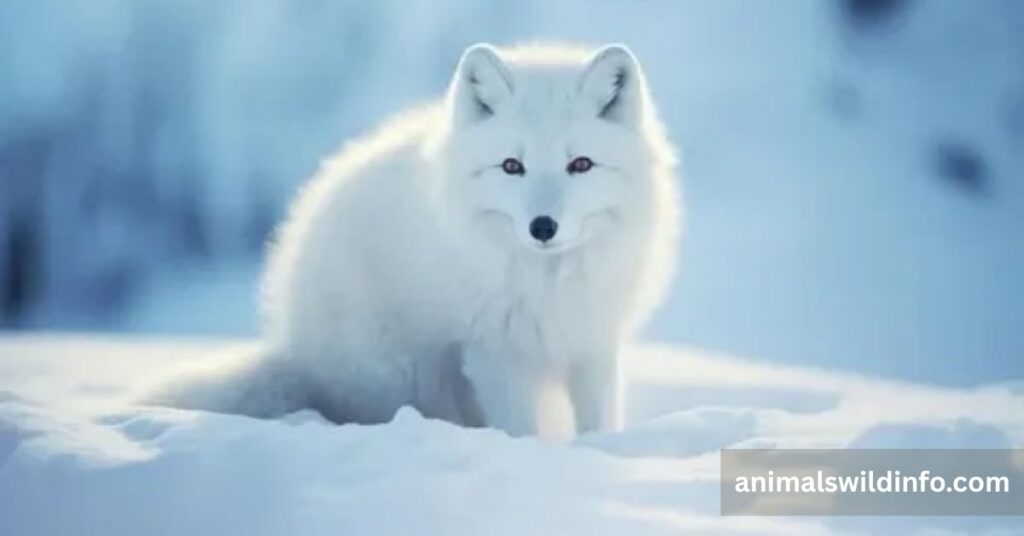
Few animals face weather as brutal as the Arctic fox does. Living across the frozen tundra, this fox depends on its bushy tail for serious insulation. It wraps the tail around its nose and paws, cutting heat loss in temperatures that would kill most other mammals.
Beyond warmth, the tail also assists with balance on ice and snow. Arctic foxes are opportunistic feeders, eating whatever the season provides, and their tail helps them move quietly and steadily while stalking prey. This kind of survival trick shows exactly why Arctic habitat animals often grow such dense, fluffy fur all over, tail included.
Fun Fact: An Arctic fox can curl its tail completely over its face, cutting heat loss during the coldest polar nights.
Common Raccoon
Scientific Name: Procyon lotor Class: Mammalia Diet: Omnivore
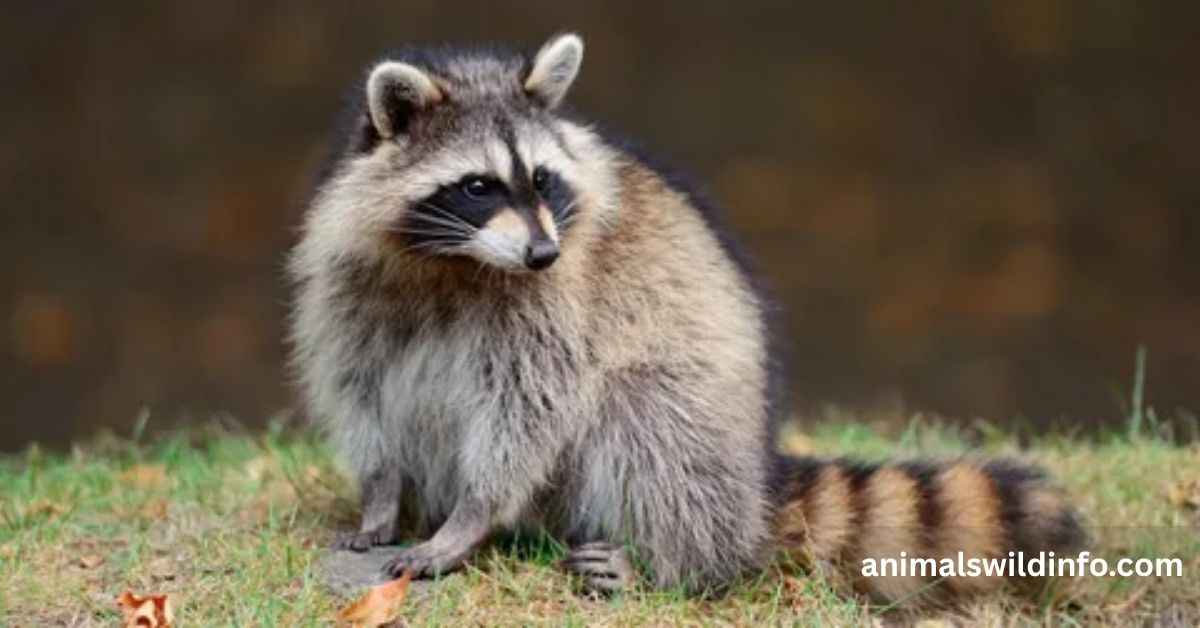
The common raccoon is a familiar face across North America, from woodland habitat to city alleyways. Its ringed, bushy tail helps with balance on rooftops, fences, and tree branches. Raccoons are excellent climbing mammals, and that tail keeps them steady during risky moves.
The distinct black and white rings also serve a visual purpose, helping raccoons recognize each other and communicate at a distance. As nocturnal mammals, raccoons rely on touch and smell just as much as sight, but the tail still plays its part in overall agility and body control during nightly foraging runs.
Fun Fact: A raccoon’s tail typically has five to seven dark rings, a pattern unique enough to help identify individuals.
Ringtail
Scientific Name: Bassariscus astutus Class: Mammalia Diet: Omnivore
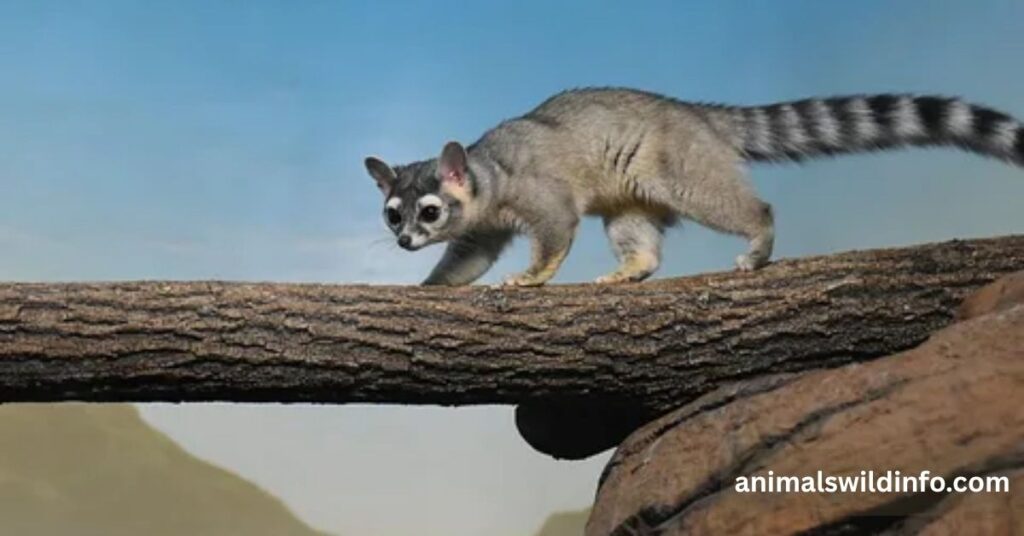
Found across the American Southwest, the ringtail is a small, cat-like mammal with a tail nearly as long as its entire body. This tail helps enormously with balance while the ringtail scrambles across canyon walls and rocky cliffs, terrain that would trip up less agile animals.
Ringtails are shy and rarely seen, which is part of why they’re sometimes overlooked among famous bushy tailed animals. At night, the tail also helps trap warmth in the cool desert air. Their hind feet can rotate almost completely, and combined with the tail’s balance function, ringtails move through rocky terrain with real precision.
Fun Fact: Ringtails can rotate their hind feet nearly 180 degrees, making them expert climbers on vertical rock faces.
Read More: 12 Fascinating Animals With Shells Found Around the World
Fox Squirrel
Scientific Name: Sciurus niger Class: Mammalia Diet: Omnivore
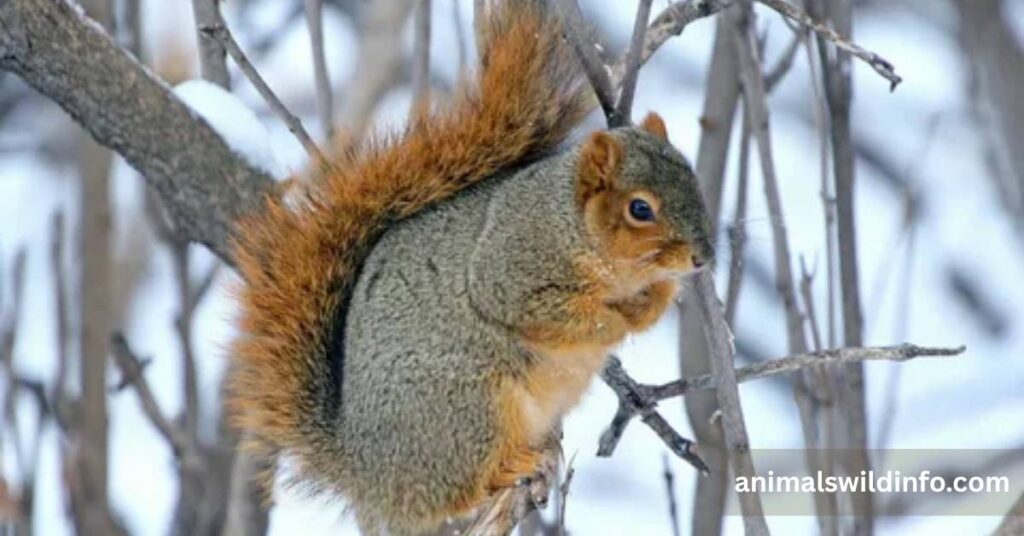
The fox squirrel is the largest tree squirrel in North America, and its tail matches that size. Beyond balance during branch jumps, this tail works as a natural umbrella. During rain or harsh sun, fox squirrels tilt their tail overhead for quick cover.
This is a great example of animals that use their tails for balance doing extra duty as weather protection. Fox squirrels build nests high in tree canopies, and their bushy tail helps regulate body heat both in the nest and while foraging on the ground. It’s one more sign of how flexible this feature can be across similar species.
Fun Fact: Fox squirrels tilt their bushy tail overhead like an umbrella, shielding themselves from rain and strong sun.
Fisher
Scientific Name: Pekania pennanti Class: Mammalia Diet: Carnivore
The fisher is a fast, forest-dwelling member of the weasel family, found across the northern United States and Canada. Its bushy tail supports balance during high-speed chases through trees, something fishers do often since they hunt other agile animals for a living.
Fishers are famous for being one of the few predators skilled enough to successfully hunt porcupines, using speed and sharp reflexes rather than brute strength. Their tail plays a quiet but constant role here, keeping the body stable during quick pivots and leaps through dense forest wildlife habitat. Solitary and territorial, fishers mark their range using scent glands near the base of the tail.
Fun Fact: Fishers are one of the only predators known to successfully and repeatedly hunt porcupines.
Binturong
Scientific Name: Arctictis binturong Class: Mammalia Diet: Omnivore
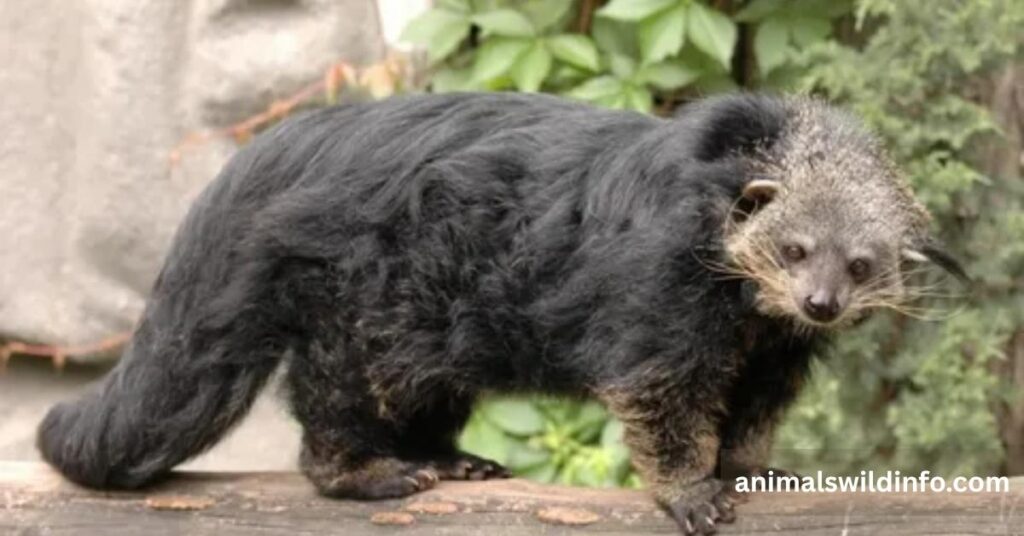
The binturong, sometimes called a “bearcat,” lives in the tropical forest canopies of Southeast Asia. What makes its tail so unusual is that it’s both bushy and prehensile, meaning the binturong can actually grip branches with it, almost like a fifth limb.
This gives the binturong an edge that most other bushy tail mammals don’t have. It can hang, balance, and move through the canopy with far more control. Oddly enough, binturongs also give off a strong scent that smells like buttered popcorn, caused by a compound in their urine that concentrates in their fur and tail.
Fun Fact: Binturongs naturally smell like buttered popcorn, thanks to a chemical compound found in their urine and fur.
Tayra
Scientific Name: Eira barbara Class: Mammalia Diet: Omnivore
The tayra is a lesser-known member of the weasel family, living across Central and South American forests. Fast and agile, it relies on its bushy tail for balance while darting through trees at surprising speed for an animal its size.
Tayras are opportunistic feeders, eating fruit, small mammals, and insects depending on the season. Their tail assists with quick direction changes, useful both for hunting and for escaping larger predators. As one of the more overlooked forest animals with bushy tails, the tayra shows just how widespread this adaptation really is across tropical ecosystems.
Fun Fact: Despite their weasel-like body, tayras can run, climb, and jump with the agility of a much lighter animal.
Bushy-Tailed Mongoose
Scientific Name: Bdeogale crassicauda Class: Mammalia Diet: Omnivore
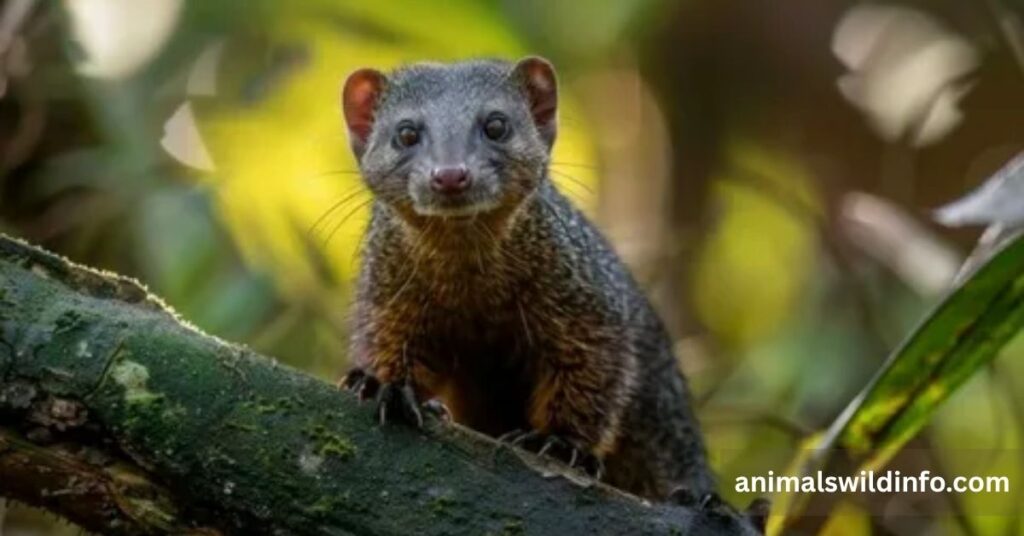
Deep in the rainforests of Central and East Africa lives one of the least-studied members of this list, the bushy-tailed mongoose. Its thick, fluffy tail helps with balance on uneven forest floors and low branches, and also adds a layer of camouflage in dense undergrowth.
Because this species is rarely observed, much of its behavior remains a mystery to researchers. What is known suggests it’s largely nocturnal, hunting small prey under the cover of night. Its existence highlights just how much unexplored biodiversity still exists within Africa’s forest ecosystem.
Fun Fact: The bushy-tailed mongoose is so rarely photographed that many field guides still lack clear images of it in the wild.
Bushy-Tailed Woodrat
Scientific Name: Neotoma cinerea Class: Mammalia Diet: Herbivore/Omnivore
Also called a packrat, the bushy-tailed woodrat lives across rocky terrain in western North America. Its tail helps with balance while scaling cliffs and ledges, and it also traps body warmth during cold desert nights.
These bushy-tailed rodents are famous for building large nests called middens, often using sticks, bones, and whatever shiny objects they find nearby. Some middens have been preserved for thousands of years, giving scientists a rare window into ancient plant life and climate history. It’s a strange but genuinely useful side effect of a rodent’s hoarding habit.
Fun Fact: Some woodrat middens have survived for over 20,000 years, acting as natural time capsules for scientists.
Read More: Top 10 Animals Like Mongoose (With Pictures & Fascinating Facts)
Chinchilla
Scientific Name: Chinchilla lanigera Class: Mammalia Diet: Herbivore
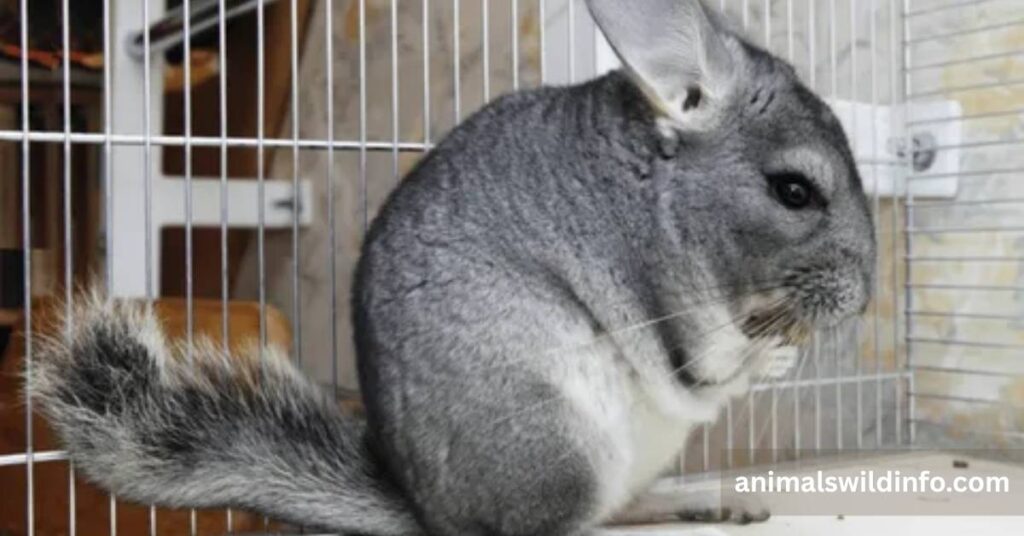
High in the Andes Mountains, chinchillas deal with cold, thin air and rocky terrain daily. Their bushy tail supports balance while jumping between boulders, and their fur, the densest of any land mammal, helps lock in warmth at high altitude.
Chinchillas are social animals, often living in colonies for safety and warmth. Their tail, much like the rest of their body, is covered in incredibly soft, tightly packed fur. This extreme fur density is a direct result of mountain habitat pressures, where losing body heat can be genuinely dangerous.
Fun Fact: A single chinchilla hair follicle can grow up to 60 individual hairs, giving it the densest fur of any mammal on land.
Maned Wolf
Scientific Name: Chrysocyon brachyurus Class: Mammalia Diet: Omnivore
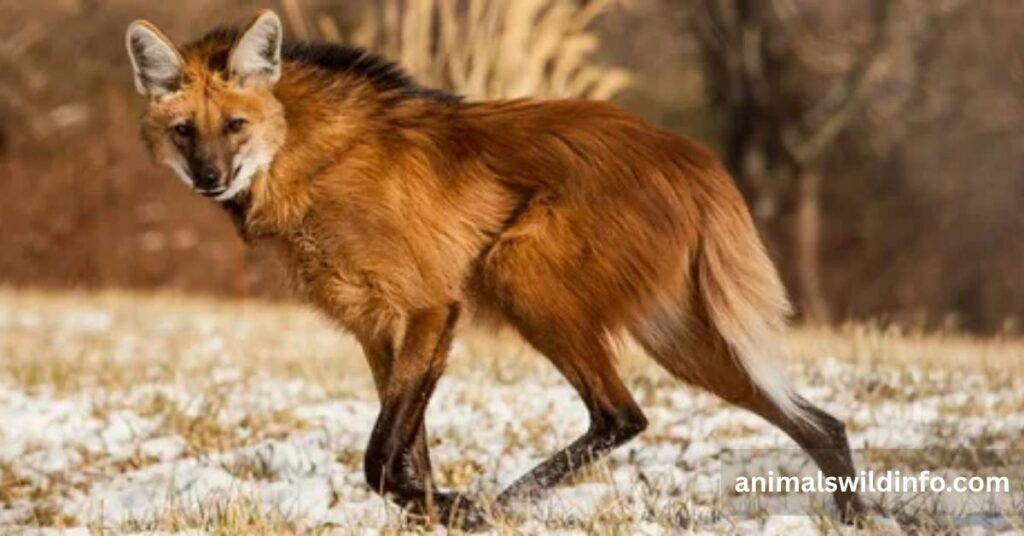
The maned wolf isn’t actually a wolf at all, despite the name. This tall, fox-like animal lives across South American grasslands, where its bushy tail helps with balance while running through tall grass at speed.
Its tail often ends in a white tip, making it easier for other maned wolves to spot each other across wide, open fields. This is a simple but effective form of social signaling, especially useful in tall grasslands where sightlines are limited. Solitary by nature, maned wolves mostly come together only to breed or raise young.
Fun Fact: The white tip on a maned wolf’s tail helps other wolves track its location across tall grasslands from a distance.
Common Features of Animals With Bushy Tails
Look across all 15 species above, and a pattern starts to form. Most mammals with bushy tails share a few traits: dense fur, a wide tail base, and strong muscle control that lets them move the tail with real precision. This isn’t random. It’s a repeated solution to similar survival problems.
You’ll also notice that cold climates and tree-dwelling lifestyles show up again and again. Whether it’s an Arctic fox in the snow or a red panda in the Himalayas, the same basic need drives the design: stay warm, stay balanced, and stay connected to others nearby. That overlap says a lot about how evolution solves problems in similar ways, even across totally unrelated species.
Why Bushy Tails Are Important for Survival
A tail isn’t just decoration. For these animals, it’s a tool that gets used constantly, in more ways than most people realize. Below are the four biggest jobs a bushy tail handles day to day.
Keeping Warm in Cold Weather
Cold is a constant threat for many species on this list. A thick, fluffy tail traps warm air close to the body, working almost like a portable blanket. Animals like the Arctic fox and red panda wrap their tails tightly around themselves during rest, cutting heat loss and protecting bare skin from frostbite. This kind of insulation can mean the difference between life and death on the coldest nights.
Improving Balance While Climbing and Running
For arboreal mammals, a tail often works like a tightrope walker’s pole. It shifts weight side to side, helping the animal stay upright during fast branch jumps or sudden turns. Ground-dwelling species use this same trick while sprinting across uneven terrain. This single function, balance, ties directly into hunting success, escape speed, and overall daily agility.
Communication and Courtship
Tails talk, in their own way. A raised tail, a quick flick, or a slow wave can send a clear message to nearby animals. Lemurs use scent-covered tails during disputes, while raccoons and foxes rely on tail position to express mood or intent. During mating season, some species even use tail movement as part of a courtship display, adding a visual layer to their communication.
Camouflage and Predator Defence
A bushy tail can also confuse or discourage predators. Ringed patterns break up an animal’s outline against tree bark or rocky ground, making it harder to spot. In some cases, a large fluffy tail simply makes the animal look bigger than it really is, a small trick that can be enough to make a predator think twice.
Which Animal Has the Bushiest Tail?
Based on the size-to-body ratio and pure fur density, the red fox and the chinchilla are strong contenders for the bushiest tail title. The red fox’s tail can stretch nearly the length of its entire body, while the chinchilla wins on sheer fur density, with dozens of hairs growing from a single follicle.
Still, it depends on how you measure “bushy.” If length matters most, the ring-tailed lemur is hard to beat, since its tail actually exceeds its body length. If softness and volume matter more, the chinchilla likely takes the crown. Either way, all three sit near the top of any list of fluffy-tailed animals worldwide.
Interesting Facts About Animals With Bushy Tails
Here’s a quick roundup of some of the most surprising facts covered in this guide. The binturong’s popcorn scent remains one of the strangest quirks in the entire animal kingdom, a smell most visitors never expect from a wild mammal.
Woodrat middens can last over 20,000 years, quietly preserving ancient plant material for scientists to study today. Chinchilla fur is so dense that parasites can barely survive on it, since there’s simply no room to burrow through. And the fisher, small as it is, remains one of the only animals on Earth able to successfully hunt a porcupine without serious injury.
Final Thoughts
Bushy tails might look simple, but they’re doing a lot of work behind the scenes. Warmth, balance, communication, defense, it’s all packed into one furry feature. From frozen tundras to tropical canopies, this single animal adaptation keeps showing up wherever survival gets tough.
Next time you spot a squirrel darting across your yard or a fox trotting along a tree line, take a second look at that tail. It’s not just fluff. It’s a survival tool shaped by millions of years of evolution, and it tells a quiet story about how these animals stay alive in a demanding world.
Frequently Asked Questions
Many mammals have bushy tails, including the red fox, red panda, ring-tailed lemur, chinchilla, and eastern gray squirrel. Most belong to groups that either climb trees or live in cold forest habitat zones.
A bushy tail is a tail covered in thick, dense fur that gives it real volume and shape. Unlike a plain long tail, it stands out visibly from the body and often plays a role in balance, warmth, or signaling.
Beavers and muskrats have thick tails, but theirs come from muscle and flat shape rather than fur. This makes them different from true bushy-tailed species, which rely on dense fur instead of body mass for their tail’s size.
Rats, opossums, and most reptiles have thin, often hairless tails. These tails usually serve different purposes, like grip or heat release, rather than the warmth and balance functions seen in bushy-tailed mammals.