Top 19 Dirtiest Animals in the World (With Pictures)
Nature doesn’t share our idea of clean. Some of the world’s most fascinating creatures are also its messiest, and once you know why, you’ll never look at a pig, a pigeon, or a hagfish the same way again. This list of the dirtiest animals in the world rounds up nineteen species that seem to break every rule of hygiene, then shows you the surprising reasons behind their grime.
You’ll meet filthy animals that roll in mud on purpose, gross animals that eat things you’d never touch, and a few creatures that only look disgusting because we judge them by human standards. Stick around, because most of these so-called nasty animals turn out to be doing nature a favor.
List of the Dirtiest Animals in the World
- Pigs
- Pigeons
- Cockroaches
- Rats
- Vultures
- Flies
- Dung Beetles
- Sloths
- Hippos
- American Bison
- Cape Buffalo
- Bats
- Hedgehogs
- Striped Polecats
- Seagulls
- Hagfish
- Raccoons
- Wild Boars
- Hyenas
Pigs
Scientific name: Sus scrofa domesticus. Class: Mammalia. Diet: Omnivore.
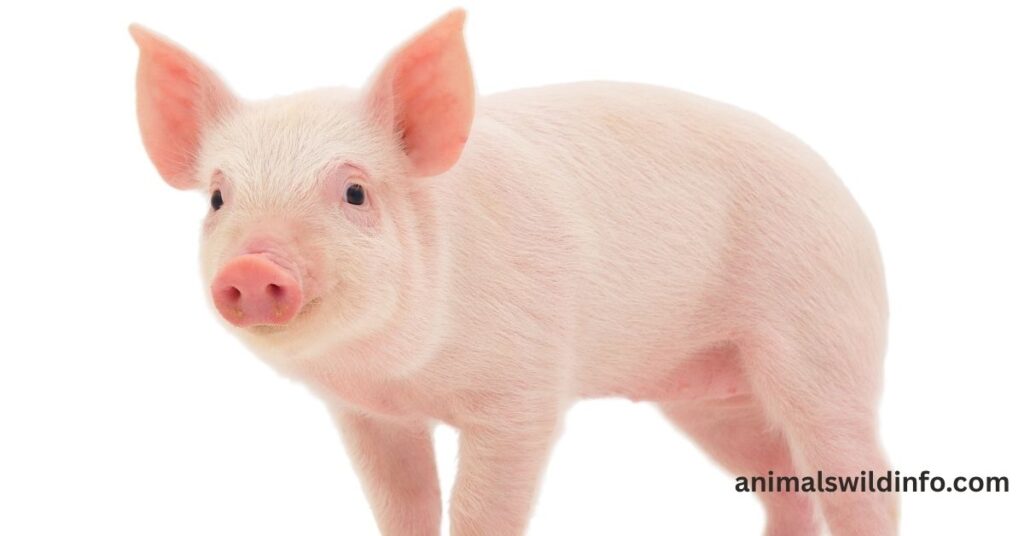
Pigs get blamed for being animals that live in filth, but the truth is more interesting. A pig rolls in mud because it can’t sweat like you do, so mud works as a built-in air conditioner and sunblock in one. That same muck also smothers biting insects, which means the “dirty” habit is really a smart survival trick dressed up as bad behavior.
Inside the pen, pigs are surprisingly organized. Given enough space, they’ll pick one corner to sleep in, another to eat in, and a separate spot to relieve themselves, which shows real animal hygiene instincts most people never expect. Their reputation as animals with poor hygiene mostly comes from cramped farming conditions, not from anything natural to the species itself.
Pigeons
Scientific name: Columba livia. Class: Aves. Diet: Omnivore.
City pigeons thrive because they’ve mastered life around animal waste and human leftovers, picking through sidewalks and trash cans without a second thought. That scavenging habit earns them a spot among animals associated with dirt, especially since their droppings pile up fast on statues, ledges, and windowsills.
But pigeons aren’t nearly as careless as they look. They preen constantly, running their feathers through their beaks to spread natural oils and knock out parasites, and they can recognize individual human faces after just a few encounters. Their droppings, gross as they seem, act as a strong natural fertilizer, so even their mess plays a role in nutrient cycling through city soil.
Cockroaches
Scientific name: Periplaneta americana. Class: Insecta. Diet: Omnivore.
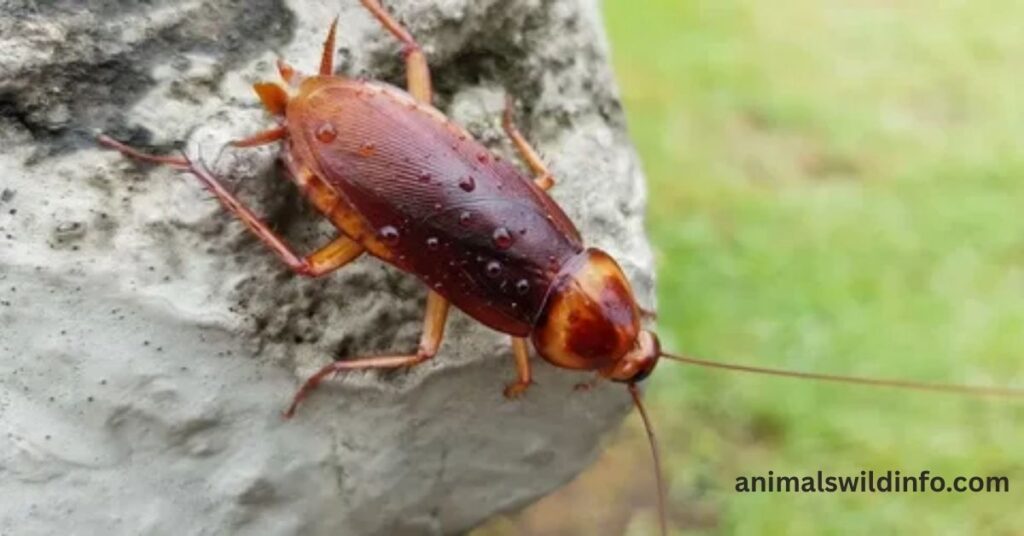
Cockroaches sit near the top of almost every list of unclean animals, and it’s not hard to see why. They can survive in sewers, dumpsters, and cracked walls, and their bodies pick up bacteria and other harmful pathogens as they crawl across contaminated surfaces looking for a meal.
Here’s the twist: their gut is packed with microbes that break down tough organic material other insects can’t touch, which makes them surprisingly effective at decomposition outdoors. In a garden or forest, that same digestive system that makes them disease carriers indoors turns them into quiet recyclers of dead leaves and rotting wood.
Rats
Scientific name: Rattus norvegicus. Class: Mammalia. Diet: Omnivore.
Rats are the poster animal for animals that live in dirty environments, thriving in sewers, alleys, and anywhere humans throw away food. Their close contact with garbage and rotting carcasses has linked them to serious disease transmission throughout history, most famously during outbreaks of plague.
Yet rats are far more social and clever than their reputation suggests. They live in tight family groups, communicate through scent and sound, and even show basic problem-solving skills in lab studies. Their tough immune systems let them handle exposure to harmful microorganisms that would sicken most mammals, which is honestly part of why they’ve outlasted us in nearly every city on Earth.
Vultures
Scientific name: Cathartes aura. Class: Aves. Diet: Carnivore / Scavenger.
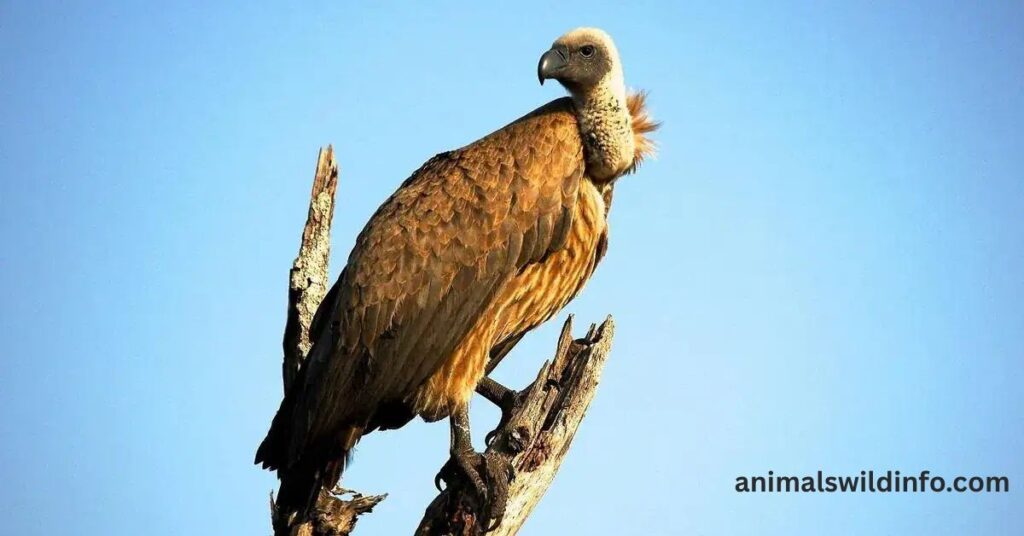
Vultures build their entire diet around carrion, tearing into rotting carcasses that most predators avoid. Their heads are almost bare of feathers, which sounds unpleasant until you realize it stops bacteria and grime from sticking to their skin while they feed.
Their stomach acid is strong enough to neutralize botulism, anthrax, and other pathogens that would kill a person within hours. That single adaptation makes vultures one of nature’s most effective natural cleaners, since every carcass they clear away is one less breeding ground for disease across an entire landscape.
Flies
Scientific name: Musca domestica. Class: Insecta. Diet: Omnivore.
Houseflies land on animal droppings, spoiled food, and dead animals within the same hour, which makes them one of the most efficient disease carriers in the insect world. Each landing can leave behind harmful microorganisms, so their reputation as gross animals is well earned around the kitchen.
Outside the house, though, flies do real ecological work. Their larvae, better known as maggots, break down decaying matter faster than almost any other insect, feeding the decomposition cycle that keeps forests and pastures healthy. Without flies quietly handling this dirty job, dead material would pile up far faster than nature could recycle it.
Read More: 9 Woodpeckers in Wisconsin (Pictures, Identification & Where to Find Them)
Dung Beetles
Scientific name: Scarabaeus sacer. Class: Insecta. Diet: Coprophagous.
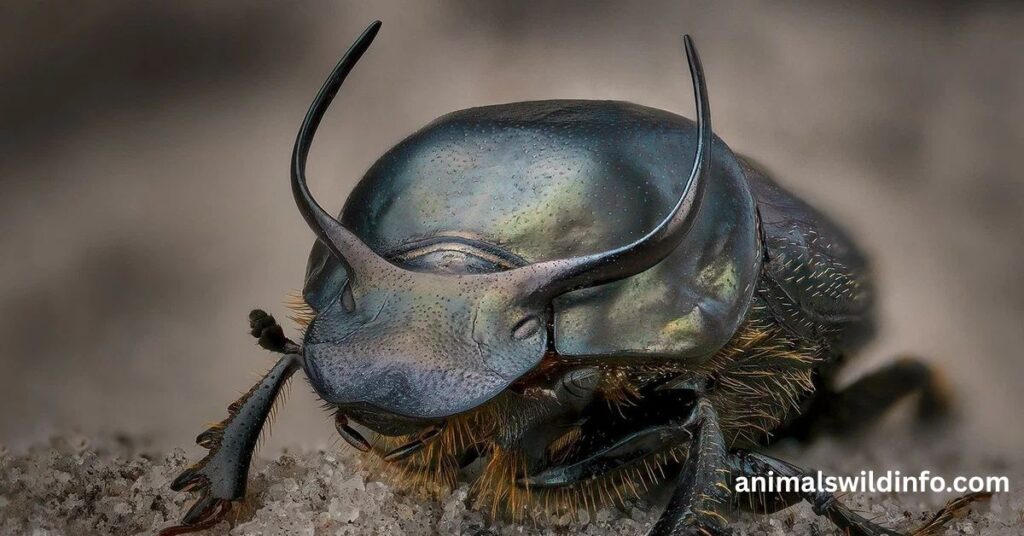
Dung beetles build their whole lives around feces, rolling and burying dung almost as soon as it hits the ground. It’s about as close to animals that feed on feces as you can get, yet this exact habit makes them one of the most valuable insects on the planet.
By burying waste underground, dung beetles pull nutrients deep into the soil, cutting down fly populations and boosting soil health wherever grazing animals live. Some species even navigate by starlight, steering their dung balls in a straight line using the Milky Way. Few creatures prove the value of nutrient recycling as clearly as this small, unglamorous insect.
Sloths
Scientific name: Bradypus variegatus. Class: Mammalia. Diet: Herbivore.
Sloths move so slowly that algae actually grows in their fur, giving many individuals a faint greenish tint. That living coat isn’t just an unpleasant appearance; it’s a form of camouflage that helps hide sloths from hawks and other predators in the rainforest canopy.
Their fur also hosts moths, beetles, and fungi that depend entirely on the sloth for a home, forming a tiny ecosystem on a single animal’s back. Sloths only climb down to defecate about once a week, and that rare trip to the forest floor is thought to help fertilize the very trees they live in, tying their animal grooming habits directly to the health of the rainforest around them.
Hippos
Scientific name: Hippopotamus amphibius. Class: Mammalia. Diet: Herbivore.
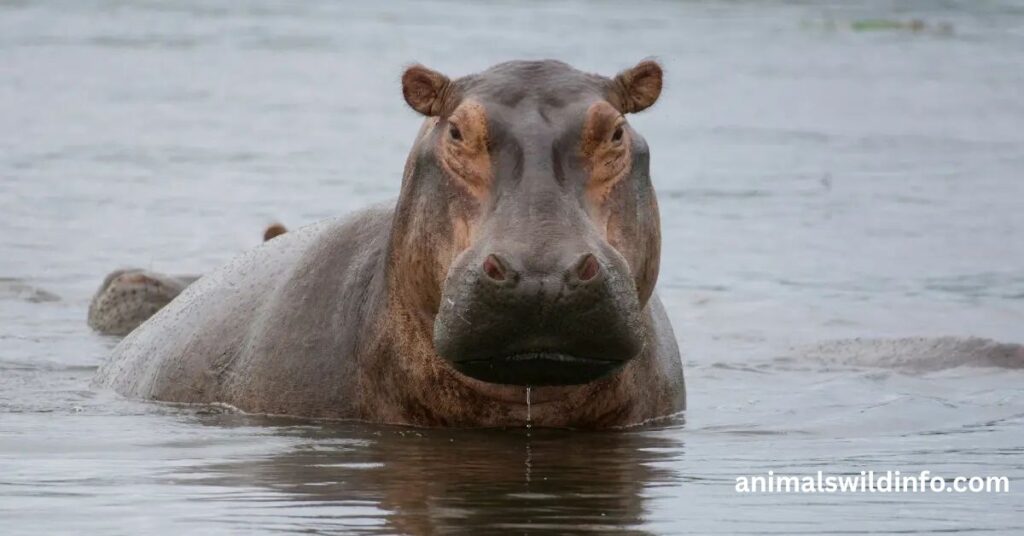
Hippos spend most of the day submerged in rivers, yet that water rarely leaves them clean. Their skin oozes a thick, reddish secretion nicknamed “blood sweat,” which works as a natural sunscreen but also traps bacteria and produces a strong foul odor that lingers around any hippo pool.
Despite the smell, hippo waste plays a genuine role in ecosystem balance. Their dung fertilizes rivers and lakes, feeding the fish and plankton that support entire aquatic food chains. It’s a strange trade-off: one of the world’s gross animals, by human standards, quietly keeps African waterways fed and productive.
American Bison
Scientific name: Bison bison. Class: Mammalia. Diet: Herbivore.
American bison are true mud-loving animals, rolling their massive bodies across dust bowls and wet earth in a behavior called wallowing. The habit isn’t random; it cools them down, protects their skin from sunburn, and works as a natural bug repellent against biting flies on the open plains.
Wallowing also reshapes the land itself. Bison dig shallow depressions called wallows that fill with rainwater, creating small wetland habitats used by frogs, birds, and insects long after the herd moves on. Few large mammals prove how animals that roll in dirt can quietly engineer an entire ecosystem the way bison do.
Cape Buffalo
Scientific name: Syncerus caffer. Class: Mammalia. Diet: Herbivore.
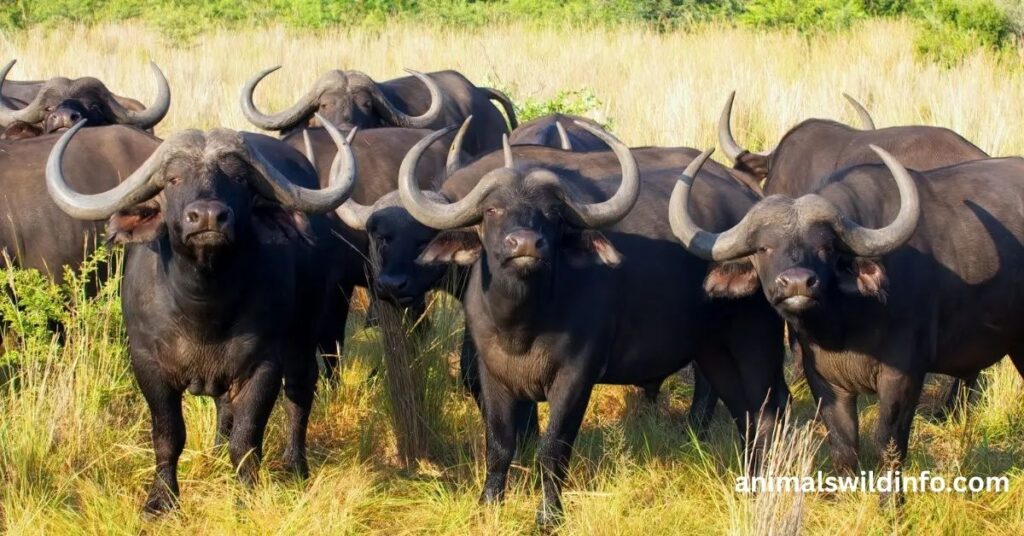
Cape buffalo wallow in muddy waterholes across the African savanna, coating themselves in a thick layer of muck that hardens under the sun. That crust shields their skin from biting insects and ultraviolet rays, turning a filthy-looking bath into essential sun protection.
Interestingly, the mud caked onto a buffalo’s hide carries its own community of microorganisms, some of which appear to help ward off harmful bacteria on the animal’s skin. Combined with their notoriously short temper, this grime-covered coat has earned Cape buffalo a reputation as one of Africa’s toughest and, frankly, dirtiest grazers.
Bats
Scientific name: Myotis lucifugus. Class: Mammalia. Diet: Insectivore.
Bats gather in caves and attics by the thousands, and their droppings, called guano, pile up quickly underneath a roost. That guano can carry a fungus linked to histoplasmosis, a lung infection in humans, which pushes bats onto many lists of animals that carry diseases.
Despite that reputation, bats are meticulous groomers, spending long stretches licking and combing their fur to keep it free of debris. A single little brown bat can eat over a thousand insects in one night, making bats a natural form of pest control that keeps mosquito and moth populations in check across entire regions.
Read More: Top 14 Strongest Birds in the World (Ranked by Power & Strength)
Hedgehogs
Scientific name: Erinaceus europaeus. Class: Mammalia. Diet: Omnivore.
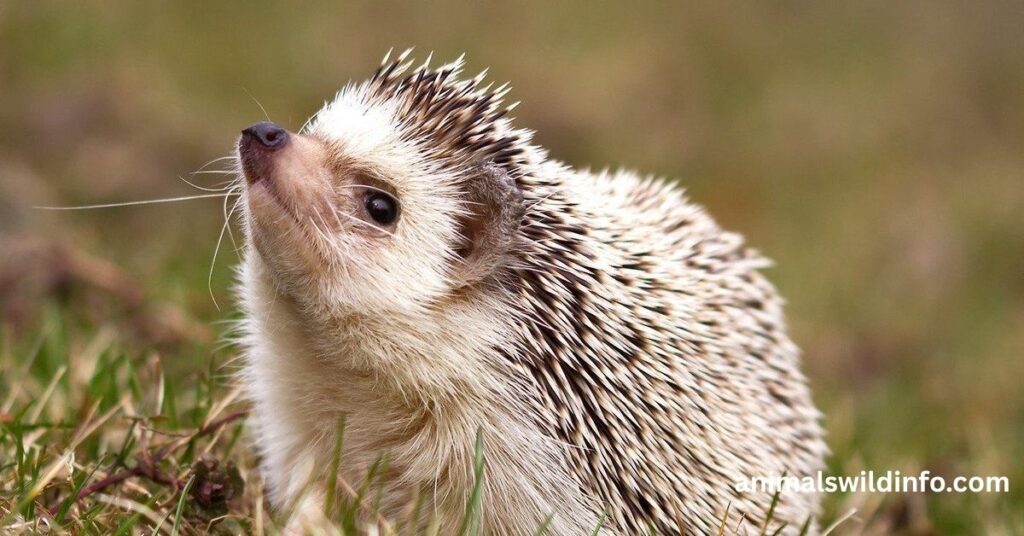
Hedgehogs practice a strange ritual called self-anointing, working up a frothy saliva and smearing it across their own spines whenever they meet an unfamiliar smell. It looks unhygienic, and their fleas and ticks don’t help the image, since hedgehogs can also carry Salmonella bacteria in their droppings.
Even so, hedgehogs are quiet garden allies. They forage through leaf litter and compost, hoovering up slugs, beetles, and grubs that would otherwise damage vegetable patches. Their survival strategy of curling into a spiky ball keeps predators away without a single bite, proof that a “dirty” animal can still be a gardener’s best friend.
Striped Polecats
Scientific name: Ictonyx striatus. Class: Mammalia. Diet: Carnivore.
Striped polecats, sometimes called zorillas, defend themselves with a foul odor sprayed straight from their anal glands, a smell so strong it can blind and burn a would-be predator’s eyes. That single defense mechanism has earned them a reputation as one of Africa’s smelliest mammals, right alongside skunks.
The odor lingers on their fur long after a threat has passed, which actually works in their favor as a lasting warning sign to anything that tried to bite them once. Underneath the smell, polecats are efficient hunters, clearing out rodents, snakes, and insects across the African bush, a useful adaptation that keeps small pest populations in balance.
Seagulls
Scientific name: Larus smithsonianus. Class: Aves. Diet: Omnivore.
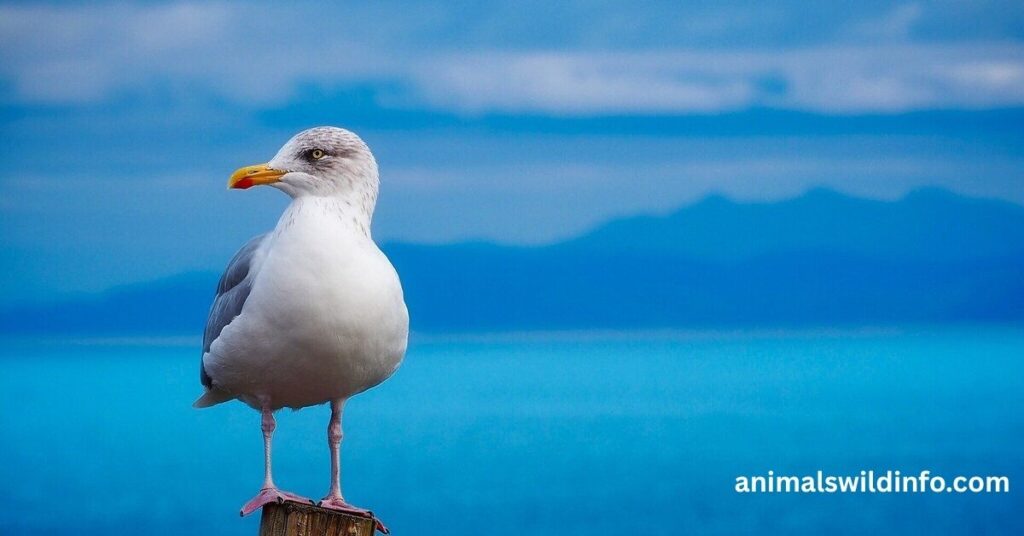
Seagulls, or American herring gulls, thrive around garbage dumps, fishing docks, and beach boardwalks, snatching food scraps wherever people gather. Studies have found strains of antibiotic-resistant bacteria in gull droppings, which is a real concern given how freely these birds move between landfills and open water.
Their loud, aggressive scavenging can feel like an assault on a picnic, but seagulls are also opportunistic hunters that pick off crabs, fish, and insects along the shoreline. That flexible diet, part scavenger, part predator, is exactly why they’ve become one of the most successful coastal birds in North America.
Hagfish
Scientific name: Eptatretus stoutii. Class: Myxini. Diet: Scavenger.
Hagfish live on the ocean floor and burrow into dead whales, fish, and other rotting carcasses, sometimes eating from the inside out. When threatened, a single hagfish can release enough thick, sticky slime to fill a bucket in seconds, clogging the gills of any predator that tries to bite it.
That slime isn’t just gross; it’s a brilliant escape tool. A hagfish can tie its own body into a knot to scrape the slime off and slip away, leaving a stunned predator behind. As unsettling as they look, hagfish are essential natural cleaners of the deep sea, clearing carcasses that would otherwise pollute the seafloor for months.
Raccoons
Scientific name: Procyon lotor. Class: Mammalia. Diet: Omnivore.
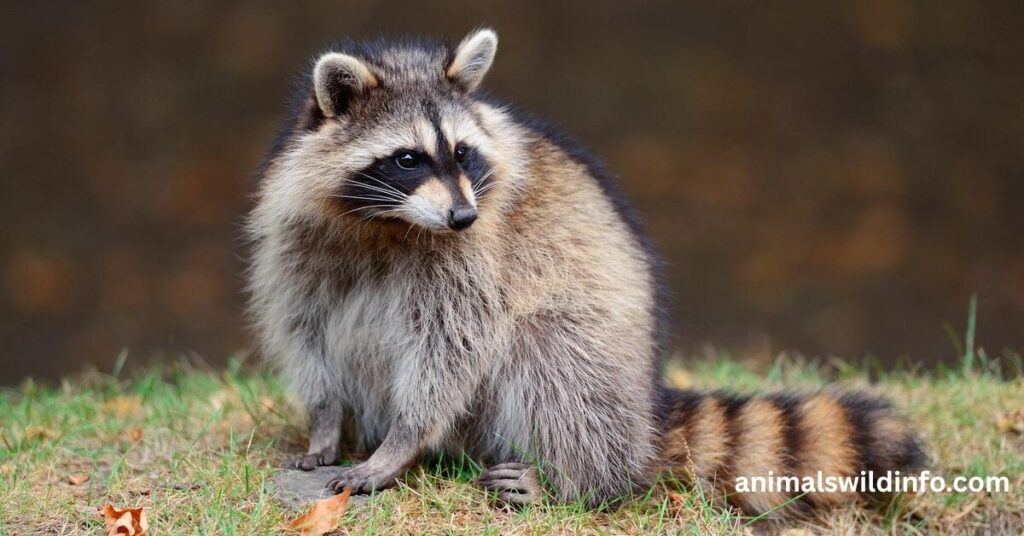
Raccoons are famous for popping open trash cans with their dexterous front paws, making them classic animals that live around garbage in cities and suburbs alike. They’ll dig through compost, raid pet food bowls, and leave a trail of scattered waste behind almost every visit.
That same curiosity, though, points to real intelligence. Raccoons can remember solutions to puzzles for years, and their foraging habits help control insect and rodent populations in urban green spaces. Their willingness to eat almost anything is exactly the kind of opportunistic feeding that lets them flourish while more particular species struggle to adapt.
Wild Boars
Scientific name: Sus scrofa. Class: Mammalia. Diet: Omnivore.
Wild boars share the pig family’s love of mud, rolling and digging through wet earth to cool off and knock loose ticks and lice clinging to their skin. Their tusks and snouts tear up soil as they forage, which can leave farmland looking like a plowed mess overnight.
That digging habit, messy as it looks, actually loosens compacted soil and helps bury seeds, encouraging new plant growth across forests and grasslands. Wild boars are also remarkably adaptable, surviving in climates from dense woodland to near-desert scrub, a survival strategy built almost entirely around their willingness to get filthy.
Read More: Top 15 Animals With the Biggest Brains (With Pictures)
Hyenas
Scientific name: Crocuta crocuta. Class: Mammalia. Diet: Carnivore / Scavenger.
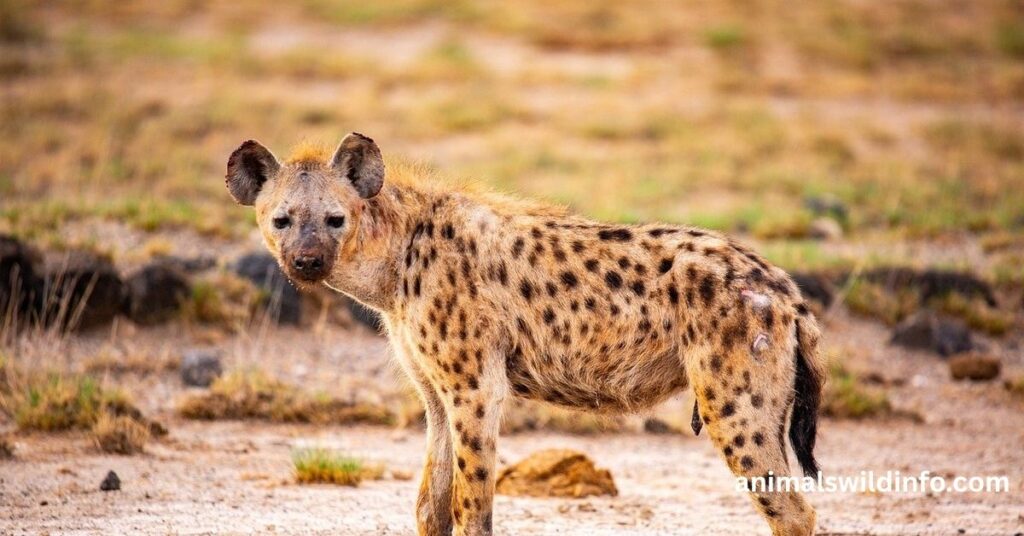
Hyenas scavenge carcasses left behind by lions and other predators, crunching through bone and rotting flesh that most animals would avoid entirely. That diet, combined with their eerie calls, has made hyenas one of the most misunderstood scavenger animals in the wild.
Their digestive system is remarkably strong, breaking down bacteria in spoiled meat that would sicken almost any other carnivore. Hyenas also live in structured clans with clear social ranks, and they groom one another regularly to strengthen those bonds, a level of social behavior that rarely gets credit next to their scavenging reputation.
Quick Comparison of the Dirtiest Animals
| Animal | Main “Dirty” Behavior | Ecological Role |
| Pigs | Wallowing in mud | Temperature control, insect defense |
| Pigeons | Living in droppings | Urban seed and nutrient spread |
| Cockroaches | Crawling through filth | Breaking down organic waste |
| Rats | Living in sewers and garbage | Population control for other pests |
| Vultures | Eating rotting carcasses | Disease prevention through carcass removal |
| Flies | Landing on waste and carrion | Fast decomposition of dead matter |
| Dung Beetles | Eating and burying dung | Soil aeration and nutrient recycling |
| Sloths | Growing algae in fur | Camouflage and micro-habitat for insects |
| Hippos | Secreting oily “blood sweat” | Fertilizing rivers and lakes |
| American Bison | Wallowing in dust and mud | Creating wetland micro-habitats |
| Cape Buffalo | Coating in dried mud | Sun and parasite protection |
| Bats | Producing guano in colonies | Natural pest control |
| Hedgehogs | Self-anointing with saliva | Garden pest control |
| Striped Polecats | Spraying foul-smelling musk | Rodent and insect population control |
| Seagulls | Scavenging garbage and food scraps | Coastal cleanup and pest control |
| Hagfish | Producing defensive slime | Seafloor carcass cleanup |
| Raccoons | Raiding trash and compost | Urban insect and rodent control |
| Wild Boars | Digging and wallowing | Soil turnover and seed dispersal |
| Hyenas | Scavenging carcasses | Disease prevention through scavenging |
Why Are Some Animals Considered Dirty?
Most of the animals on this list only look dirty because they don’t follow human standards of cleanliness. We tend to judge a species by how it looks and smells to us, not by whether its habits actually help or harm its own survival. A pig rolling in mud and a bird preening its feathers are both practicing animal hygiene, just in completely different ways.
Human culture also plays a bigger role than most people realize. Animals tied to disease outbreaks throughout history, like rats and flies, carry a stigma that sticks around long after science explains the real risk. That’s part of why an animal’s ecological value so often gets buried under its reputation as one of the world’s filthy animals.
What Makes an Animal “Dirty”?
An animal usually earns the “dirty” label for one of a few reasons: it lives in grime, it carries visible parasites, it gives off a foul odor, or it feeds on things humans find repulsive, like feces or carrion. None of those traits actually measure danger on their own, since plenty of dangerous pathogens come from animals we consider perfectly clean.
Poor Hygiene and Grooming Habits
Some animals genuinely do skip regular grooming, letting dirt, oils, and dead skin build up over time. Others, like cats, birds, and even insects like flies, spend a surprising amount of their day preening or cleaning themselves, even if the end result still looks messy to us.
Living in Waste and Feces
Animals that nest, forage, or hide inside piles of waste pick up bacteria fast, simply because that’s where their food and shelter happen to be. Rats, flies, and cockroaches fall into this group, thriving specifically because animal waste offers both a meal and a hiding spot in one place.
Scavenging and Feeding on Carrion
Scavenging puts an animal in direct contact with decomposing flesh, bacteria, and whatever diseases the dead animal was carrying. Vultures, hyenas, and hagfish handle this dangerous diet safely thanks to specialized stomachs and immune systems built specifically to process decomposing organic material.
Mud, Parasites, and Bacteria
Wallowing animals like bison, hippos, and wild boars pick up mud, insects, and microorganisms every time they cool off in a waterhole. That mud often carries its own hidden benefits, though, since it can block sunburn, smother biting insects, and even carry bacteria that compete against more harmful strains on the animal’s skin.
Are These Animals Actually Dirty or Just Misunderstood?
Once you look past the smell and the mess, most of these species turn out to be doing essential work. Vultures and hyenas prevent disease outbreaks by clearing carcasses fast. Dung beetles and flies recycle waste back into the soil within days. Bats and hedgehogs quietly control insect populations that would otherwise explode across farms and gardens.
Calling these creatures “dirty” says more about our own comfort level than it does about their actual role in nature. A closer look shows that nearly every animal on this list acts as part of nature’s cleanup crew, turning waste, carrion, and decay into something the rest of the ecosystem can use. That’s not filth. That’s nutrient cycling doing exactly what it’s supposed to do.
Final Thoughts
The dirtiest animals in the world aren’t villains; they’re specialists. Each one has adapted to a job most other species avoid, whether that’s breaking down waste, clearing carcasses, or surviving in places too messy for anything else to thrive. Once you understand the reason behind the grime, it’s hard to see these animals as anything but remarkable.
Nature doesn’t waste anything, and that includes the parts we’d rather not think about. The next time you spot a pigeon on a park bench or a fly on a picnic table, remember that even the messiest creatures are quietly holding entire ecosystems together.
Frequently Asked Questions
What is the dirtiest animal in the world?
Pigs are often called the dirtiest animal because of their mud-wallowing habits, though cockroaches, rats, and hagfish are usually ranked just as high for how closely they live alongside bacteria and waste.
Which animal is dirtiest in the world?
There’s no single scientific answer, since “dirtiest” depends on whether you’re measuring visible mess, bacterial load, or disease risk. Rats and cockroaches typically top lists focused on disease transmission, while pigs and hippos top lists focused on visible mud and odor.
What are the top 5 dirtiest animals in the world?
Most lists agree on pigs, cockroaches, rats, flies, and vultures as the top five, based on a mix of visible filth, contact with waste, and links to bacteria or disease.
What is the most sexualized animal in the world?
This question doesn’t relate to animal hygiene or dirtiness, so it falls outside the scope of this list.
What is the #1 killer animal?
Mosquitoes are considered the deadliest animal to humans worldwide, since they spread malaria and other diseases that cause hundreds of thousands of deaths every year. That’s a separate topic from the dirtiest animals covered here, since mosquitoes make this list for lethality, not for filth.