Top 14 Strongest Birds in the World (Ranked by Power & Strength)
Some birds don’t just fly. They dominate. They snatch monkeys from treetops, break bones with a single kick, and crack nuts that would chip a hammer. When people search for the strongest birds in the world, they’re really asking one thing: which birds could win a fight?
This guide answers that. You’ll meet the most powerful birds on the planet, sorted by grip, kick, beak, and lift. You’ll see real numbers, not just vague claims. And you’ll find out which bird actually deserves the title of strongest bird alive today.
We cover powerful raptors like the Harpy Eagle and Golden Eagle. We cover flightless birds like the Ostrich and Southern Cassowary. And we break down exactly how scientists measure bird strength in the first place. Let’s get into it.
What Makes a Bird Strong?
Strength in birds doesn’t work the same way it does in mammals. A bird can’t bulk up like a bodybuilder, because extra weight makes flight harder. So muscular birds solve the problem differently. They pack physical strength into specific tools: talons, legs, or beaks, depending on what job they need to do.
A hawk needs a powerful grip to hold a struggling rabbit. An ostrich needs powerful legs to outrun a lion. A macaw needs a hooked beak strong enough to crush a Brazil nut shell. Each bird trades size for a specialized kind of power, shaped by millions of years of evolutionary adaptations and the demands of its habitat.
How Is Bird Strength Measured?
Scientists measure physical strength in birds a few different ways. Gripping strength gets tested in pounds per square inch, or PSI, using force sensors on a bird’s feet. Kicking power gets measured the same way, usually on flightless birds like ostriches and cassowaries. Beak strength gets tested by how much bite force a bird can generate, often studied in captive or rehabilitated birds.
None of these numbers are perfect. Wild birds don’t line up for lab tests, so most figures come from a mix of field observation, captive studies, and estimates based on skeletal structure. Because of this, you’ll see slightly different numbers across different sources. This article uses the most commonly cited and scientifically reasonable figures for each species.
List of the Strongest Birds in the World
Below is a quick-reference table of the birds covered in this article. It ranks them by their standout strength trait, not by a single overall score, since a Harpy Eagle and an Ostrich are strong in completely different ways.
| Bird | Weight | Wingspan | Standout Strength | Region |
| Harpy Eagle | Up to 10 kg | 2 m | Powerful talons, grip force | Central & South America |
| Golden Eagle | Up to 6.8 kg | 2.3 m | Diving speed, aerial power | Northern Hemisphere |
| Crowned Eagle | Up to 4.7 kg | 1.9 m | Bite and grip combo | Sub-Saharan Africa |
| Steller’s Sea Eagle | Up to 9 kg | 2.5 m | Sheer mass, strong claws | Northeastern Asia |
| Bald Eagle | Up to 6.3 kg | 2.3 m | Carrying prey, endurance | North America |
| Martial Eagle | Up to 6.6 kg | 2.6 m | Talon force on large prey | Sub-Saharan Africa |
| Philippine Eagle | Up to 8 kg | 2.3 m | Lifting ability | Philippines |
| Gyrfalcon | Up to 2.1 kg | 1.3 m | Diving speed, agility | Arctic regions |
| Great Horned Owl | Up to 2.5 kg | 1.5 m | Silent, crushing grip | North America |
| Eurasian Eagle-Owl | Up to 4.6 kg | 1.9 m | Largest owl grip force | Europe & Asia |
| Ostrich | Up to 130 kg | N/A | Kicking power, speed | Africa |
| Southern Cassowary | Up to 60 kg | N/A | Deadliest kick | New Guinea, Australia |
| Secretary Bird | Up to 4.3 kg | 2.1 m | Snake-killing stomp | Sub-Saharan Africa |
| Hyacinth Macaw | Up to 1.7 kg | 1.2 m | Powerful beak, bite force | South America |
Now let’s break each one down.
Harpy Eagle
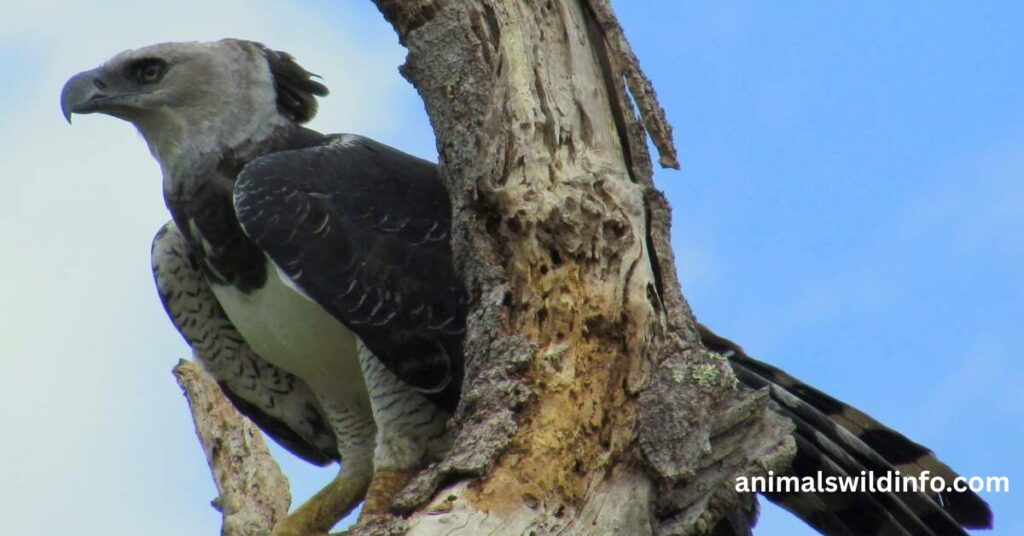
The Harpy Eagle tops most lists of strongest birds of prey, and for good reason. Its talons can grip with a force strong enough to crush bone, comparable to the bite force of a large dog. Its feet grow larger than a grizzly bear’s claws, which lets it snatch sloths and monkeys straight out of the canopy.
This bird doesn’t rely on speed like a falcon. Instead, it hunts using patience and keen eyesight, watching from a high perch before launching a short, explosive attack. Once it locks on, its strong talons rarely let go. Scientists studying the species in Central and South America consider it one of the most efficient apex predators in any rainforest ecosystem.
Golden Eagle
The Golden Eagle earns its spot through flight power and sheer versatility. It can reach diving speeds close to 150 to 200 miles per hour, making it one of the fastest aerial predators on Earth. That kind of diving speed turns a mid-air strike into a devastating hit.
What makes this bird remarkable is its range of prey. A Golden Eagle can take down animals as large as young deer, using its powerful talons to pin and immobilize them. This eagle also hunts across a huge range of habitats, from open plains to high mountains, which shows just how adaptable a top predator can be.
Read More: Can Turtles Climb? 7 Surprising Facts About Turtle Climbing
Crowned Eagle

Africa’s Crowned Eagle is smaller than many birds on this list, but pound for pound, it might be the strongest. Its gripping strength allows it to kill monkeys nearly its own size, crushing vital organs with a single, sudden clamp of its feet.
This eagle hunts inside dense forest canopies, where open, swooping attacks don’t work. Instead, it relies on stealth and a short, sharp burst of speed. That hunting strategy, paired with raw grip force, makes the Crowned Eagle one of the most feared avian predators in sub-Saharan Africa’s forest ecosystems.
Steller’s Sea Eagle
At up to 9 kilograms, the Steller’s Sea Eagle is one of the heaviest eagles alive. That mass gives it serious physical presence, backed by strong claws built for grabbing large fish out of icy coastal waters.
This eagle thrives in coastal environments across northeastern Asia, often gathering in groups near salmon runs. Its hunting skills extend beyond fish, too, since it will occasionally take seals or scavenge carrion when prey runs short. Few birds combine size and adaptability quite like this one.
Bald Eagle

America’s national bird earns its reputation honestly. The Bald Eagle has a wingspan stretching up to seven feet, letting it soar at altitudes over 10,000 feet while scanning for fish below. Its keen eyesight can spot a meal from more than a mile away.
Beyond hunting, the Bald Eagle shows remarkable endurance in nest-building. Some nests, built by mated pairs over many years, weigh over a ton. That long-term investment reflects a bird whose strength shows up in commitment as much as in raw physical power.
Martial Eagle
The Martial Eagle ranks among Africa’s most formidable powerful eagles. Weighing up to 6.6 kilograms, it can take down antelope fawns and small monkeys, using talons strong enough to pierce through tough hide.
This bird hunts using a technique sometimes called the “mobile perch,” gliding from a high vantage point while scanning the ground. Once it spots prey, it commits to a fast, direct dive. That blend of aerial hunting and raw force makes it one of the continent’s most dangerous predatory birds.
Philippine Eagle
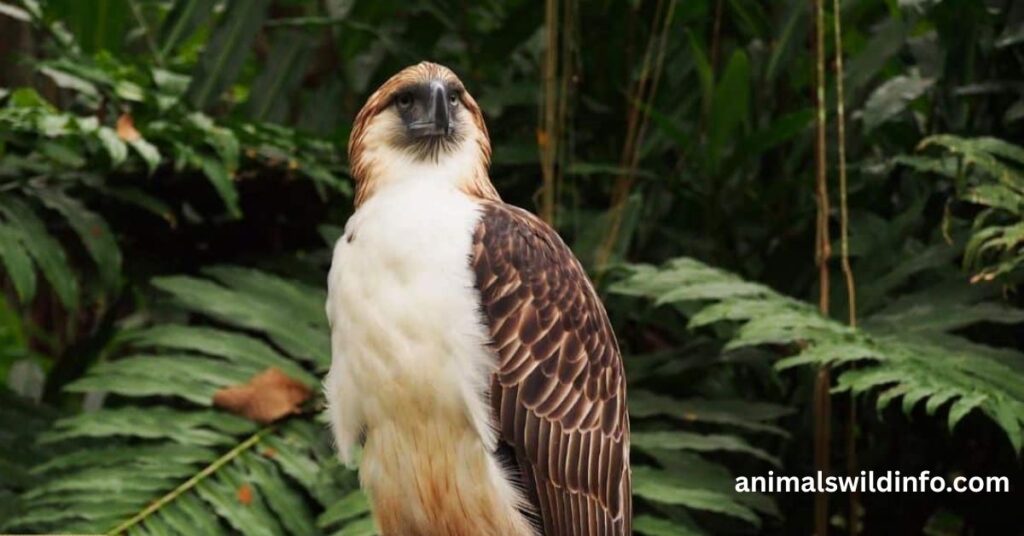
Critically endangered and enormous, the Philippine Eagle is the largest eagle alive by some measures. Its talons can grip with pressure close to that of a lion’s bite, letting it lift prey nearly twice its own body weight off the forest floor.
This eagle hunts monkeys, snakes, and large lizards inside the dense forests of the Philippines, relying on camouflage and a sudden strike. Its lifting ability ranks among the best of any raptor, but its shrinking habitat makes it one of the rarest top predators left on the planet.
Gyrfalcon
The Gyrfalcon is the largest falcon species, built for speed rather than raw grip. It hunts across Arctic regions, blending into snow and rock with plumage ranging from pure white to dark grey.
Its diving speed and precise reflexes let it strike birds mid-flight, a rare hunting method among raptors. Climbing to altitudes near 15,000 feet before diving, this falcon shows how speed and agility can matter just as much as size when it comes to prey capture.
Read More: Top 17 Strongest Animals in the World (With Pictures)
Great Horned Owl
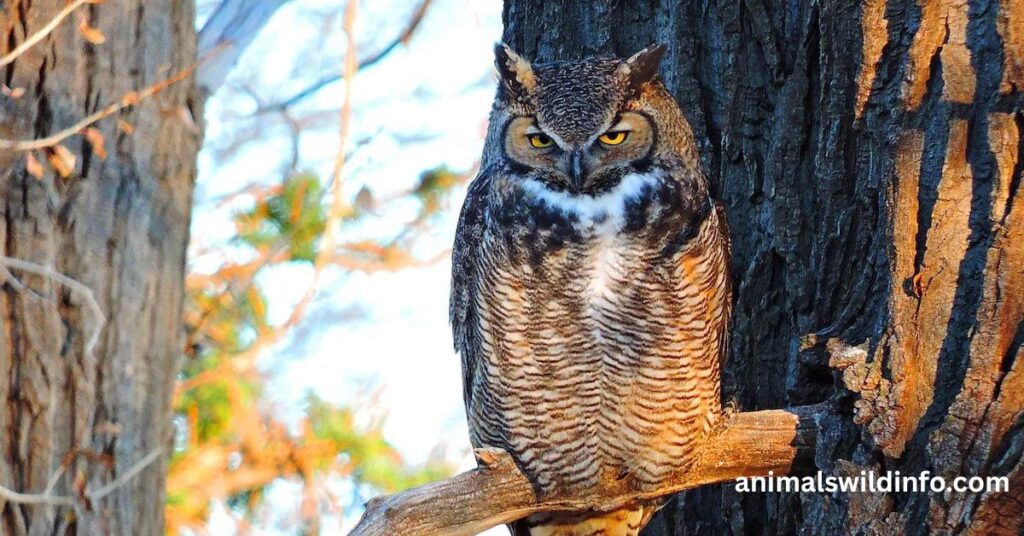
Don’t let the size fool you. The Great Horned Owl can take prey far larger than itself, including foxes and even other raptors. Its grip strength rivals that of eagles twice its weight, thanks to unusually powerful feet for its size.
This owl hunts using silent flight, a physical adaptation that lets it approach prey without warning. Combined with exceptional hearing, that silence turns the Great Horned Owl into one of North America’s most efficient nighttime avian predators.
Eurasian Eagle-Owl
Europe and Asia’s largest owl species, the Eurasian Eagle-Owl, brings serious talon strength to the night sky. It can weigh over 4 kilograms, with a grip powerful enough to kill foxes, small deer, and other owls.
Living across forests, mountains, and even rocky cliffs, this owl adapts its hunting style to whatever terrain it finds itself in. Its combination of size, beak strength, and stealth places it firmly among the strongest nocturnal predatory birds anywhere in the world.
Ostrich
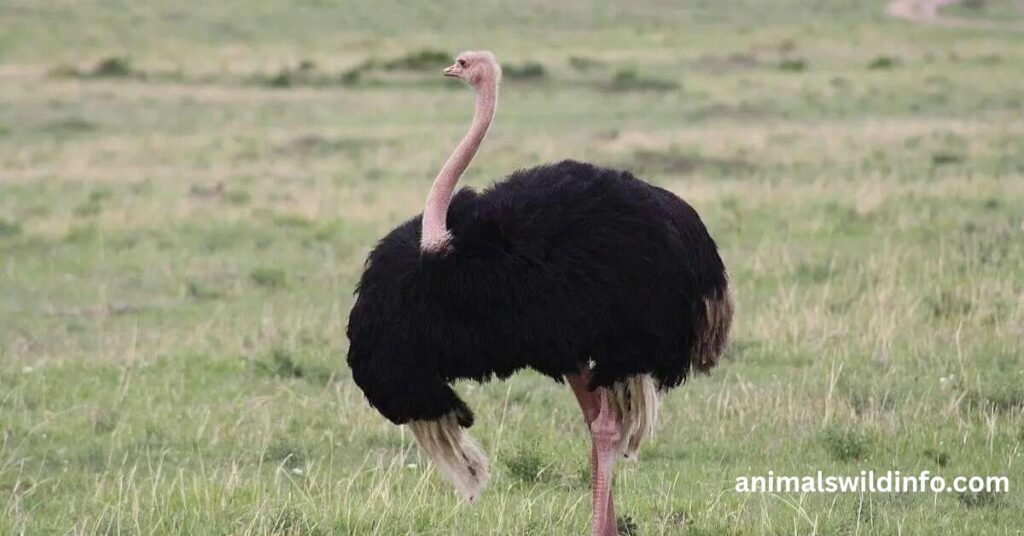
The Ostrich is the largest living bird, and one of the strongest flightless birds on the planet. Standing up to nine feet tall and weighing up to 130 kilograms, it relies entirely on muscular legs rather than wings for survival.
Its kicking power is legendary. A single kick from an ostrich can seriously injure or kill a lion, thanks to legs built like pistons and feet tipped with a single, dagger-like claw. That combination of size, speed near 45 miles per hour, and raw leg strength makes the Ostrich one of the most physically capable birds alive.
Southern Cassowary
Often called the world’s most dangerous bird, the Southern Cassowary backs up that reputation with a genuinely lethal kick. Its kicking force comes from thick, muscular legs tipped with a sharp, dagger-like inner claw, capable of breaking bone.
This bird lives a quiet, secretive life in the rainforest habitats of New Guinea and northern Australia. Despite its reclusive nature, the cassowary plays a huge ecosystem role, spreading seeds across the forest floor as it forages. Few birds combine danger and ecological importance so directly.
Secretary Bird
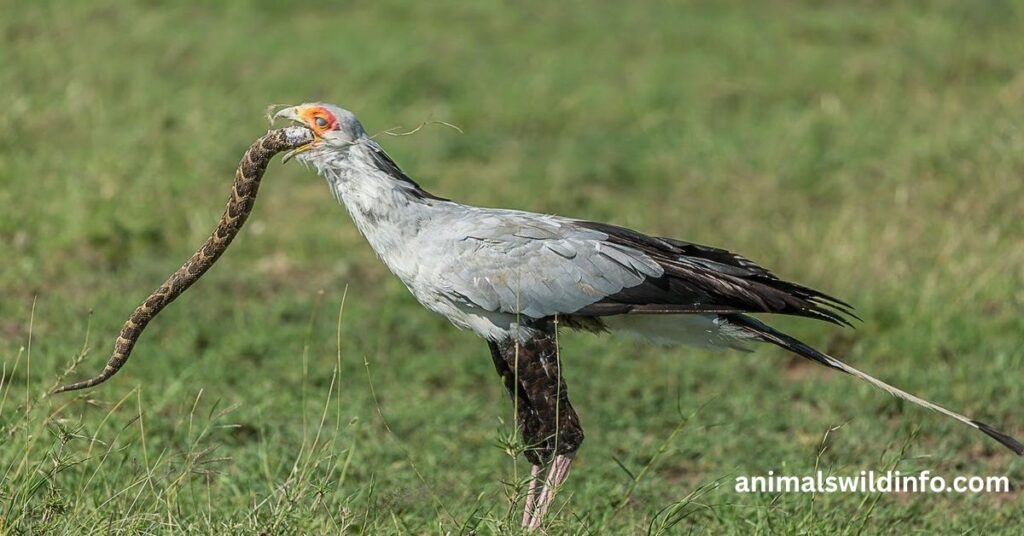
Africa’s Secretary Bird hunts in a way no other raptor does. Instead of grabbing prey with talons, it stomps venomous snakes to death using rapid, forceful kicks, some delivered with enough speed to strike faster than a human eye can follow.
Standing on long, powerful legs across open savannah habitats, this bird combines a hawk’s head with a stork’s build. Its unusual hunting technique proves that strength in birds doesn’t always mean flying fast or gripping hard. Sometimes it means standing your ground and stomping.
Hyacinth Macaw
The largest flying parrot species, the Hyacinth Macaw, wields one of the strongest beaks in the bird world. Its hooked beak can generate enough bite force to crack macadamia nuts and palm seeds that would challenge a pair of pliers.
Native to South America, this macaw relies on its beak strength for feeding rather than hunting, since its diet stays largely plant-based. That said, few birds anywhere match its raw beak strength, which makes it a clear standout among large birds known for feeding power rather than predatory force.
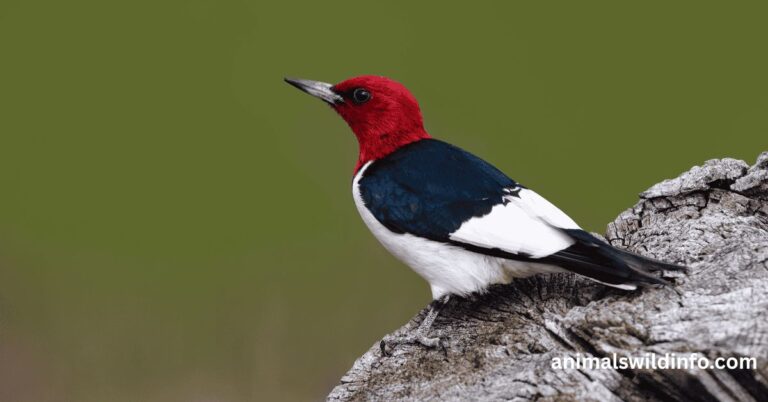
Read More: 9 Woodpeckers in Wisconsin (Pictures, Identification & Where to Find Them)
Strongest Birds of Prey
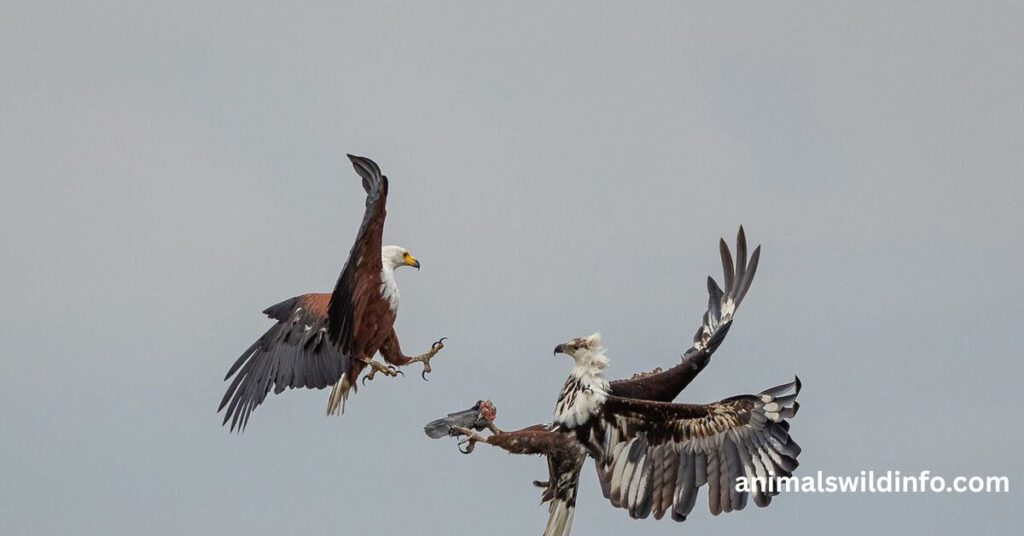
Raptors dominate most conversations about strongest birds of prey, and it’s easy to see why. These birds combine flight power, keen eyesight, and lethal weapons into a single hunting package. Among the eagles, owls, and falcons covered above, a clear pattern emerges: the strongest hunters pair physical force with a smart hunting strategy.
What separates powerful raptors from other strong birds is precision. A cassowary’s kick is powerful but blunt. An eagle’s talon strike is powerful and exact, aimed at vital organs with almost surgical accuracy. That precision, built through evolutionary adaptations over millions of years, is what makes raptors such effective avian predators.
Powerful Talons and Hunting Ability
Talon force separates the merely large from the truly dangerous. The Harpy Eagle, Crowned Eagle, and Philippine Eagle all generate crushing grip strength, but they use it differently depending on habitat and prey size. A forest hunter like the Crowned Eagle needs a quick, close-range clamp, while an open-country hunter needs a grip that holds through a longer struggle.
This variation shows how hunting ability adapts to environment. Sharp talons matter less on their own than how a bird uses them, whether that’s a sudden ambush in dense canopy or a long chase across open sky.
Birds With the Strongest Grip
Ranked by pure gripping force, the Harpy Eagle typically comes out on top, followed closely by the Philippine Eagle and Steller’s Sea Eagle. The Golden Eagle and Martial Eagle round out the group, both capable of gripping prey nearly their own size without losing hold.
This kind of powerful grip isn’t just about strength. It’s about tendons that lock automatically once a talon closes, letting these birds hold on with almost no ongoing muscular effort, even while carrying a struggling animal through the air.
Strongest Birds on the Ground
Not every strong bird needs wings. Some of the most physically dominant species on Earth are flightless birds, and their strength comes entirely from muscular legs and raw body mass. These ground hunters and grazers rely on speed, weight, and kicking force instead of aerial ability.
The three birds below represent the peak of ground-based bird strength. Each one evolved in open or forested terrain where flight offered little advantage, so evolution pushed their physical power downward into legs built like hydraulic pistons.
Ostrich
Covered in detail above, the Ostrich remains the benchmark for ground-based bird strength, combining top speed and agility with a kick that can shatter bone.
Southern Cassowary
Also detailed above, the cassowary’s kicking force and evolutionary adaptation for rainforest survival make it one of the most physically dangerous birds walking the earth today.
Secretary Bird
As described earlier, the Secretary Bird turns its legs into weapons, using rapid stomping strikes instead of talons to take down venomous prey across the open savannah.
Birds With the Strongest Beaks
Beak strength gets less attention than talons or legs, but it matters just as much for survival. A powerful beak lets a bird crack open food sources that other species simply can’t access, from armored nuts to tough animal hide.
The two examples below show two very different uses for beak power: one built for cracking plant material, and one built for tearing flesh.
Hyacinth Macaw
As covered above, the Hyacinth Macaw’s hooked bill ranks among the strongest of any bird species, built specifically for cracking dense, hard-shelled nuts.
Powerful Eagle Beaks
Eagles use their hooked beak differently than macaws. Rather than cracking shells, an eagle’s beak tears flesh from prey already killed or pinned by its talons. This division of labor, talons for killing and beak for feeding, shows up across nearly every raptor species covered in this article.
Strongest Birds by Lifting and Carrying Ability
Lifting ability and carrying prey don’t always match a bird’s overall size. The Harpy Eagle can carry prey close to its own body weight, an impressive feat given how much energy flight already demands. The Martial Eagle and Bald Eagle both show similar strength, capable of hauling substantial prey over long distances back to a nest.
This kind of strength depends heavily on flight muscle density, not just leg or talon power. A bird with weak flight muscles could have crushing talons and still struggle to lift a heavy animal off the ground. The strongest carriers combine both traits at once.
Strongest Birds by Kicking Power
Kicking power belongs almost entirely to flightless birds. The Southern Cassowary and Ostrich sit at the top of this category, both capable of delivering strikes strong enough to break bone or cause fatal injury to a human or predator.
The Secretary Bird also deserves mention here, even though its kicks target smaller prey like snakes rather than large predators. Its stomping speed, rather than raw force, makes it uniquely dangerous within this category.
Which Is the Strongest Bird in the World?
Based on gripping strength, prey size, and overall physical adaptations, the Harpy Eagle stands out as the strongest bird of prey alive today. Its talon force, combined with its ability to carry prey close to its own body weight, gives it an edge over every other raptor on this list.
If you judge strength by raw kicking force instead, the title shifts to the Southern Cassowary or Ostrich, both capable of lethal ground strikes. There’s no single “strongest bird” answer that covers every category, which is exactly why this article breaks strength down by talons, legs, and beaks separately.
Do Strong Birds Really Lift Heavy Animals?
Viral photos claiming an eagle carried off a deer or a small child almost always turn out to be edited or staged. Even the strongest raptors, including the Harpy Eagle and Golden Eagle, max out at carrying prey close to their own body weight, not several times heavier.
Physics puts a hard limit on lifting ability in flying animals. Flight muscles can only generate so much force before a bird simply can’t get off the ground. So while these birds are genuinely strong top predators, their real-world lifting limits are far smaller than viral internet claims suggest.
Final Thoughts
From the crushing grip of the Harpy Eagle to the bone-breaking kick of the Southern Cassowary, the strongest birds in the world prove that power comes in many forms. Some birds dominate the sky, some dominate the ground, and each one evolved its strength to match a very specific survival challenge.
Understanding this variety matters beyond simple curiosity. These powerful predators play essential roles in their ecosystems, from controlling prey populations to spreading seeds across forest floors. Protecting their habitats protects the balance these birds have maintained for millions of years.
FAQ’s
What Is the Strongest Bird in the World?
The Harpy Eagle is widely considered the strongest bird of prey, thanks to its crushing talon grip and ability to carry prey close to its own body weight.
Which Bird Has the Strongest Talons?
The Harpy Eagle has the strongest talons of any bird, with a grip force strong enough to crush bone and hold onto struggling prey mid-flight.
Which Bird Has the Strongest Kick?
The Southern Cassowary delivers the strongest kick of any bird, capable of breaking bone using its sharp, dagger-like inner claw.
Which Bird Has the Strongest Beak?
The Hyacinth Macaw has one of the strongest beaks of any bird, able to crack macadamia nuts and other hard-shelled foods with ease.
Which Bird Is the Most Powerful Hunter?
The Harpy Eagle ranks as one of the most powerful hunters, combining talon strength, keen eyesight, and a patient hunting strategy to take down prey nearly its own size.