Top 20 Animals That Live in Rivers (With Pictures & Facts)
Rivers never sleep. Water moves, fish dart, birds dive, and somewhere under the surface, a whole world goes about its business. If you have ever stood on a riverbank and wondered what lives beneath the current, you are not alone. Animals that live in rivers make up one of the richest and most surprising branches of wildlife on the planet.
This guide walks you through 20 of the most fascinating river animals on Earth. You will meet giants like the hippo and tiny engineers like the diving bell spider. You will learn what they eat, where they hide, and why they matter. Along the way, we will look at the bigger picture too: how these creatures survive, what keeps the river ecosystem running, and why freshwater wildlife needs our protection now more than ever.
Whether you are a student, a nature lover, or just curious about the animals found in rivers near you, this list has something for everyone. Let’s dive in.
List of Animals That Live in Rivers
Rivers cut through nearly every continent, and each one carries its own cast of characters. From the muscular hippo wading through African shallows to the shy water vole tucked into a British riverbank, river wildlife takes a huge number of forms. Some of these creatures spend their whole lives underwater. Others only visit to hunt, drink, or raise their young.
Below is a quick-reference table listing all 20 animals covered in this article. Use it as a map before you explore each entry in detail.
| Number | Animal |
| 1 | Hippopotamus |
| 2 | American Alligator |
| 3 | River Otter |
| 4 | Beaver |
| 5 | Pink River Dolphin |
| 6 | Freshwater Eel |
| 7 | Blue Catfish |
| 8 | Freshwater Stingray |
| 9 | Electric Eel |
| 10 | Caiman |
| 11 | Green Anaconda |
| 12 | Freshwater Turtle |
| 13 | River Frog |
| 14 | Freshwater Crab |
| 15 | Crayfish |
| 16 | Kingfisher |
| 17 | Diving Bell Spider |
| 18 | Water Vole |
| 19 | Northern Pike |
| 20 | Piranha |
Here is a closer look at how these river species compare, side by side, in terms of class, diet, and size.
| Animal | Scientific Name | Class | Diet | Approx. Size | Native Region |
| Hippopotamus | Hippopotamus amphibius | Mammalia | Herbivore | Up to 5,000 lbs | Sub-Saharan Africa |
| American Alligator | Alligator mississippiensis | Reptilia | Carnivore | Up to 13 ft | Southeastern USA |
| River Otter | Lontra canadensis | Mammalia | Carnivore | 3–4 ft | North America |
| Beaver | Castor canadensis | Mammalia | Herbivore | 2–3 ft | North America |
| Pink River Dolphin | Inia geoffrensis | Mammalia | Carnivore | 6–8 ft | Amazon Basin |
| Freshwater Eel | Anguilla rostrata | Actinopterygii | Carnivore | 2–4 ft | Eastern North America |
| Blue Catfish | Ictalurus furcatus | Actinopterygii | Omnivore | Up to 5 ft | North America |
| Freshwater Stingray | Potamotrygon motoro | Chondrichthyes | Carnivore | Up to 20 in disc | South America |
| Electric Eel | Electrophorus electricus | Actinopterygii | Carnivore | Up to 8 ft | South America |
| Caiman | Caiman crocodilus | Reptilia | Carnivore | 4–8 ft | Central and South America |
| Green Anaconda | Eunectes murinus | Reptilia | Carnivore | Up to 17 ft | South America |
| Freshwater Turtle | Trachemys scripta elegans | Reptilia | Omnivore | 6–8 in shell | North America |
| River Frog | Lithobates heckscheri | Amphibia | Carnivore | 3–5 in | Southeastern USA |
| Freshwater Crab | Eriocheir sinensis | Malacostraca | Omnivore | 2–3 in shell | East Asia, invasive in US rivers |
| Crayfish | Procambarus clarkii | Malacostraca | Omnivore | 2–5 in | Southern USA |
| Kingfisher | Megaceryle alcyon | Aves | Carnivore | 11–14 in | North America |
| Diving Bell Spider | Argyroneta aquatica | Arachnida | Carnivore | 0.4–0.6 in | Europe and Asia |
| Water Vole | Microtus richardsoni | Mammalia | Herbivore | 8–9 in | Western North America |
| Northern Pike | Esox lucius | Actinopterygii | Carnivore | Up to 4 ft | North America, Europe, Asia |
| Piranha | Pygocentrus nattereri | Actinopterygii | Omnivore | 6–14 in | South America |
This table makes it easy to see the range of river ecosystem animals at a glance. Notice how diet and size vary so much across the list. That variety is exactly what keeps a healthy freshwater ecosystem balanced. Now let’s meet each animal one by one.
Hippopotamus
Scientific Name: Hippopotamus amphibius Class: Mammalia Diet: Herbivore
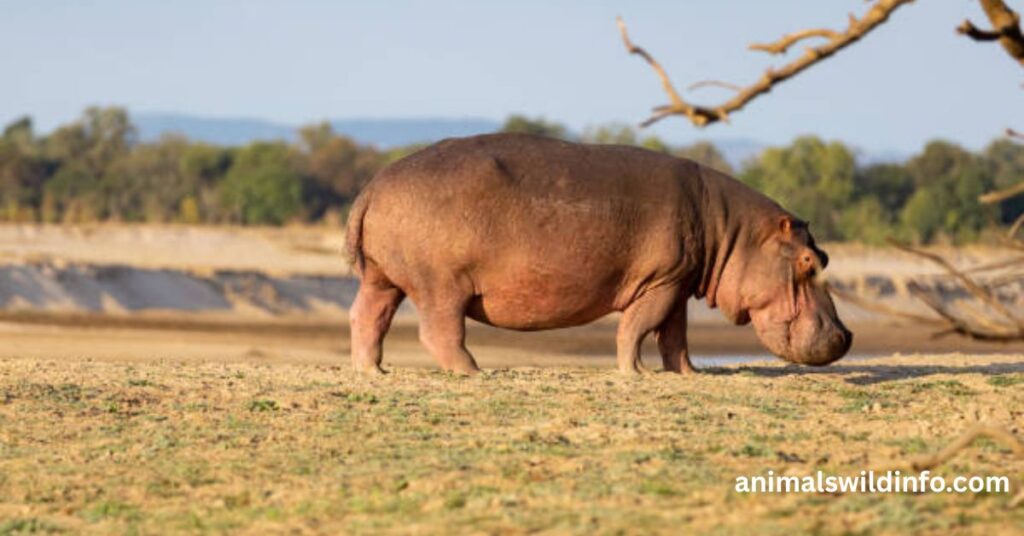
The hippopotamus looks slow, but don’t let that fool you. This massive mammal spends most of its day submerged in flowing water, only surfacing to breathe every few minutes. Hippos can hold their breath for up to five minutes at a time. Their eyes and nostrils sit high on their heads, a clever piece of aquatic adaptation that lets them stay hidden while still watching the world above. At night, they leave the water to graze on grass along the riverbank, sometimes walking miles in search of food.
Despite their herbivore diet, hippos are considered one of Africa’s most dangerous river predators toward other animals and humans alike. Their territorial nature keeps the riverbanks in check, preventing overgrazing near the water. Their dung also feeds algae and plants downstream, which supports the wider aquatic food web. In many ways, the hippo acts as a keystone species, shaping the health of the entire river habitat around it just by living its daily routine.
American Alligator
Scientific Name: Alligator mississippiensis Class: Reptilia Diet: Carnivore
Few creatures represent river reptiles better than the American alligator. Found across swamps, marshes, and rivers in the southeastern United States, this powerful reptile can grow up to 13 feet long. It hunts using stealth and patience rather than speed, lying almost motionless in shallow water before striking with sudden force. Fish, birds, turtles, and even deer fall within its diet, making it one of the top apex predators of its habitat.
Alligators do more than hunt. They dig deep pits known as “gator holes,” which hold water during dry spells and become lifelines for other wildlife. These pits attract fish, birds, and amphibians, turning the alligator into an accidental landscape architect. Because of this role, biologists often describe the alligator as a keystone species within its freshwater habitat, one whose presence supports dozens of smaller species that depend on the pools it creates.
River Otter
Scientific Name: Lontra canadensis Class: Mammalia Diet: Carnivore
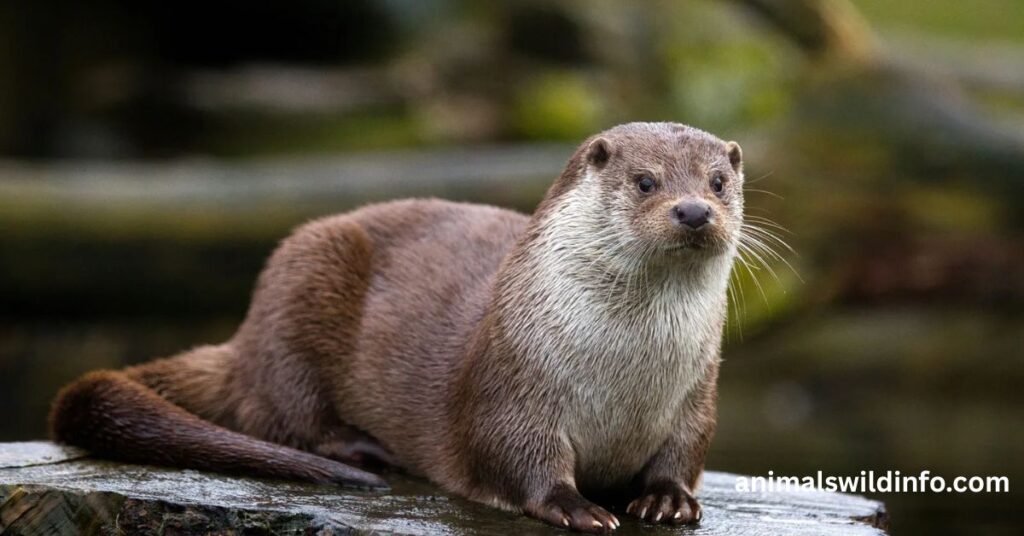
The river otter brings personality to any aquatic habitat it calls home. With a sleek, streamlined body and webbed feet built for speed, this playful mammal can twist, dive, and glide through water with ease. Otters hunt fish, crayfish, and frogs, using sharp senses and quick reflexes to catch prey in murky water. Watching a group of otters slide down a muddy bank purely for fun is one of the great joys of river wildlife watching.
Otters live in family groups and communicate through a range of chirps, growls, and whistles. This social behavior helps them protect territory and coordinate hunting along tributaries and slow-moving stretches of river. Because otters need clean water to survive, their presence often signals a healthy river ecosystem. Conservationists frequently use otter populations as an indicator species when measuring the overall health of a waterway.
Beaver
Scientific Name: Castor canadensis Class: Mammalia Diet: Herbivore
Beavers are the engineers of the animal kingdom. Using branches, mud, and stones, they build dams that reshape entire stretches of river. These structures slow the current, which creates ponds and wetlands that support fish, amphibians, and waterfowl. Few river mammals have as large an impact on their surroundings as the beaver, whose work can transform a narrow stream into a thriving wetland habitat within just a few seasons.
Life inside a beaver lodge runs on cooperation. Family members share the work of maintaining dams, gathering food, and raising young. Beavers communicate through tail slaps on the water, a warning signal that alerts the whole colony to danger. As a keystone species, the beaver reminds us how one animal’s habits can ripple outward, supporting river biodiversity far beyond its own lodge.
Pink River Dolphin
Scientific Name: Inia geoffrensis Class: Mammalia Diet: Carnivore
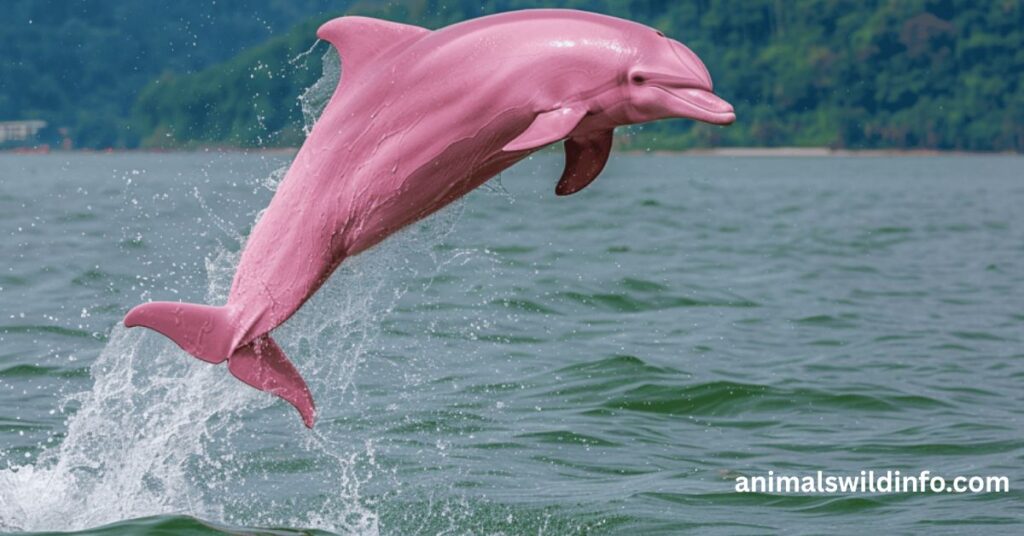
The pink river dolphin, often called the boto, glides through the murky waters of the Amazon with striking grace. Unlike ocean dolphins, this species has adapted fully to freshwater habitats, navigating flooded forests and narrow channels most marine mammals could never enter. Its pink coloring can shift from pale grey to vivid rose, depending on age, mood, and even water temperature. Locals across the Amazon Basin have long treated the boto as a symbol of the river itself.
These dolphins rely on echolocation to hunt in cloudy water where eyesight offers little help. Sound waves bounce off fish and crustaceans, guiding the dolphin toward its next meal with precision. Sadly, habitat destruction and pollution threaten this remarkable species. Protecting the boto means protecting the wider freshwater ecosystem it depends on, since a healthy dolphin population usually points to a healthy river.
Freshwater Eel
Scientific Name: Anguilla rostrata Class: Actinopterygii Diet: Carnivore
Few freshwater fish have a life story stranger than the eel’s. The American eel begins its life far out in the Sargasso Sea, hatching as a tiny larva before drifting toward the coast. From there, it swims upstream into rivers and streams, sometimes traveling thousands of miles inland. This incredible migration shows just how far some river-dwelling animals will travel to complete their life cycle.
Once settled in freshwater, the eel becomes a patient hunter. It hides in rocky substrates and submerged debris, ambushing insects, small fish, and crustaceans as they pass. Eels can even absorb oxygen through their skin, allowing them to survive in low-oxygen environments where other fish struggle. After years spent growing in rivers, adult eels reverse the journey, heading back to the sea to spawn and complete a remarkable circular life.
Blue Catfish
Scientific Name: Ictalurus furcatus Class: Actinopterygii Diet: Omnivore
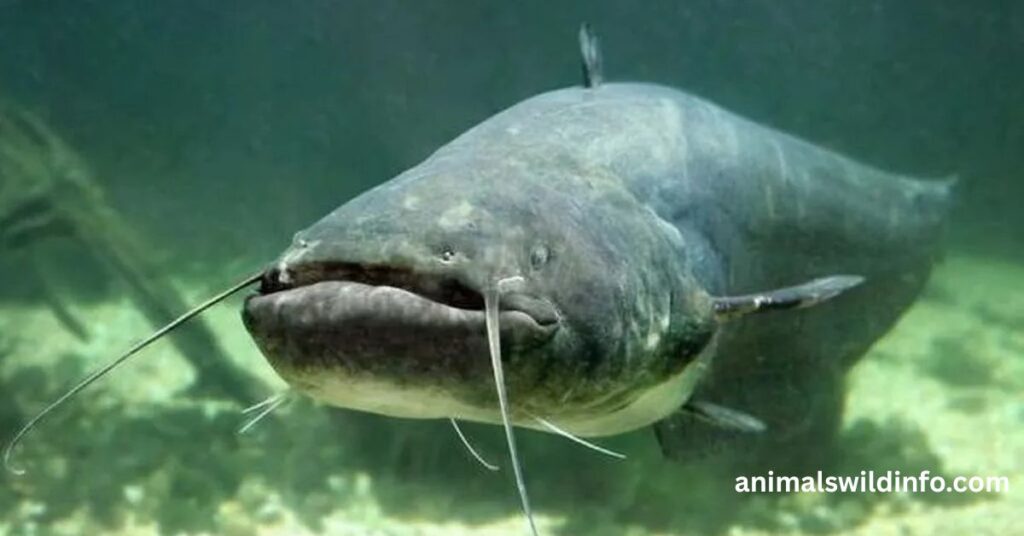
The blue catfish holds the title of one of the largest freshwater fish in North America, with some individuals stretching past five feet long. Its smooth, blue-grey body and forked tail make it easy to identify in rivers across the central and southern United States. As an opportunistic feeder, the blue catfish eats almost anything it finds, from small fish to crustaceans, which helps explain why it thrives in such a wide range of river habitats.
Spawning season brings out interesting behavior in this species. Blue catfish look for sheltered spots like submerged logs or rocky crevices to lay their eggs, often guarding the nest until the young hatch. Anglers prize this fish for its size and fighting strength, but it also plays a real ecological role. By feeding on smaller species, the blue catfish helps regulate populations throughout the aquatic ecosystem it inhabits.
Freshwater Stingray
Scientific Name: Potamotrygon motoro Class: Chondrichthyes Diet: Carnivore
Unlike its ocean-dwelling cousins, the freshwater stingray has fully adapted to life in flowing water and slow river channels. Native to South America, this species buries itself in sandy riverbeds, leaving only its eyes exposed while it waits for prey. Its flat, disc-shaped body and mottled pattern provide near-perfect camouflage against the riverbed, making it almost invisible to both predators and unsuspecting fish swimming above.
The freshwater stingray carries a venomous barb on its tail, used purely for defense rather than hunting. Despite this danger, the species plays a valuable role in the freshwater food chain, feeding on smaller fish, worms, and crustaceans buried in the sediment. Its presence helps control populations of bottom-dwelling creatures, keeping the river ecosystem balanced from the ground up.
Electric Eel
Scientific Name: Electrophorus electricus Class: Actinopterygii Diet: Carnivore
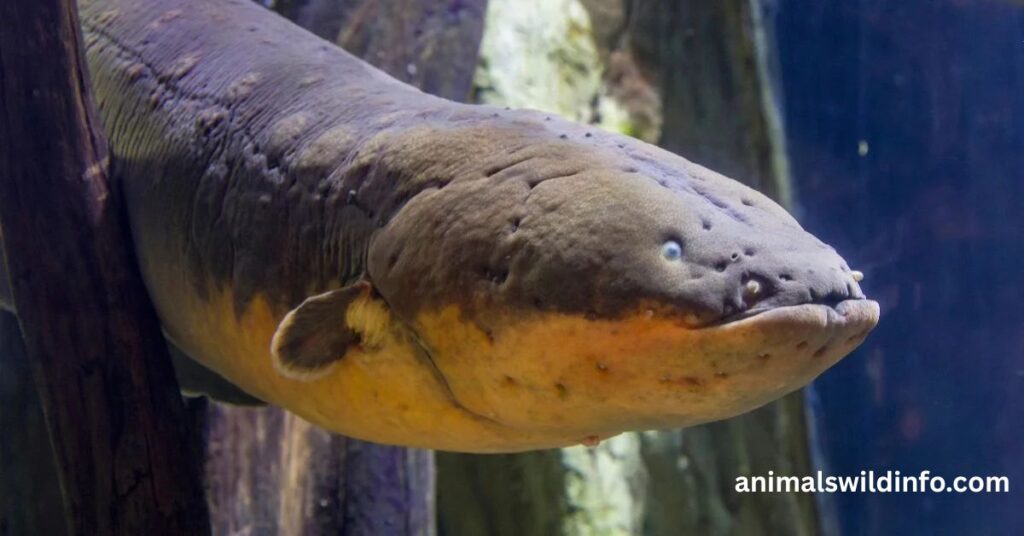
The electric eel is not actually a true eel, but its name fits the shocking ability that made it famous. This long, snake-like fish can generate electric charges of up to 600 volts, strong enough to stun prey or deter predators. Found throughout the murky rivers and floodplains of South America, the electric eel relies on this power for both hunting and self-defense, making it one of the most unique river predators on this list.
Because it lives in low-oxygen environments, the electric eel has developed a special way of breathing. It regularly rises to the surface to gulp air, absorbing oxygen through the lining of its mouth. This adaptation lets it survive in slow, stagnant backwaters where other fish would struggle. Combined with its electric ability, this makes the electric eel one of the best-adapted aquatic animals in the Amazon system.
Read More: 14 Fascinating Animals With 3 Toes (With Pictures)
Caiman
Scientific Name: Caiman crocodilus Class: Reptilia Diet: Carnivore
The spectacled caiman gets its name from the bony ridge between its eyes, which resembles a pair of glasses. Found throughout Central and South America, this reptile thrives in rivers, marshes, and flooded forests. As a skilled ambush predator, the caiman lies motionless near the water’s surface, waiting for fish, birds, or small mammals to come within striking distance before launching a sudden attack.
Caimans regulate their body temperature through basking, spending hours on riverbanks soaking up the sun before slipping back into the water to cool off. This balance between land and water defines much of their daily routine. As one of the more adaptable river reptiles, the caiman can tolerate a wide range of water conditions, from clear tributaries to murky, sediment-heavy channels.
Green Anaconda
Scientific Name: Eunectes murinus Class: Reptilia Diet: Carnivore
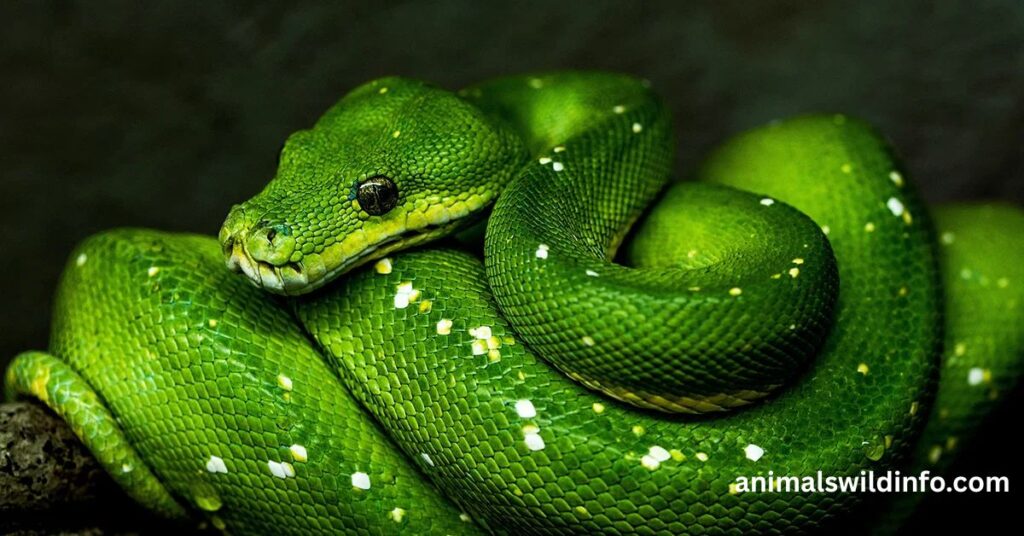
The green anaconda holds the record as one of the heaviest snakes on Earth, with some individuals weighing over 200 pounds. This massive constrictor spends much of its life in flowing water, using buoyancy to support its enormous body weight. Its eyes and nostrils, positioned on top of its head, allow it to remain almost entirely submerged while it watches for approaching prey along the riverbank.
Rather than relying on venom, the green anaconda kills through constriction, wrapping its body around prey and squeezing until the animal can no longer breathe. Capybaras, birds, and even caimans have fallen victim to this powerful apex predator. Despite its fearsome reputation, the anaconda plays an important role in controlling prey populations, helping maintain balance across the freshwater ecosystem of the Amazon Basin.
Freshwater Turtle
Scientific Name: Trachemys scripta elegans Class: Reptilia Diet: Omnivore
The red-eared slider, one of the most common freshwater turtles in North America, gets its name from the bright red stripe behind each eye. This semi-aquatic reptile spends hours basking on logs and rocks, soaking up sunlight to regulate its body temperature before sliding back into the water at the first sign of danger. Its adaptability allows it to thrive in ponds, lakes, and slow-moving rivers alike.
As an omnivore, the red-eared slider eats both plants and small animals, including insects, snails, and aquatic vegetation. This flexible diet helps keep algae growth in check within its river habitat. Unfortunately, released pet turtles have caused problems in some regions, where they outcompete native species. Even so, in its natural range, this turtle remains an important part of the freshwater biodiversity found in ponds and rivers.
River Frog
Scientific Name: Lithobates heckscheri Class: Amphibia Diet: Carnivore
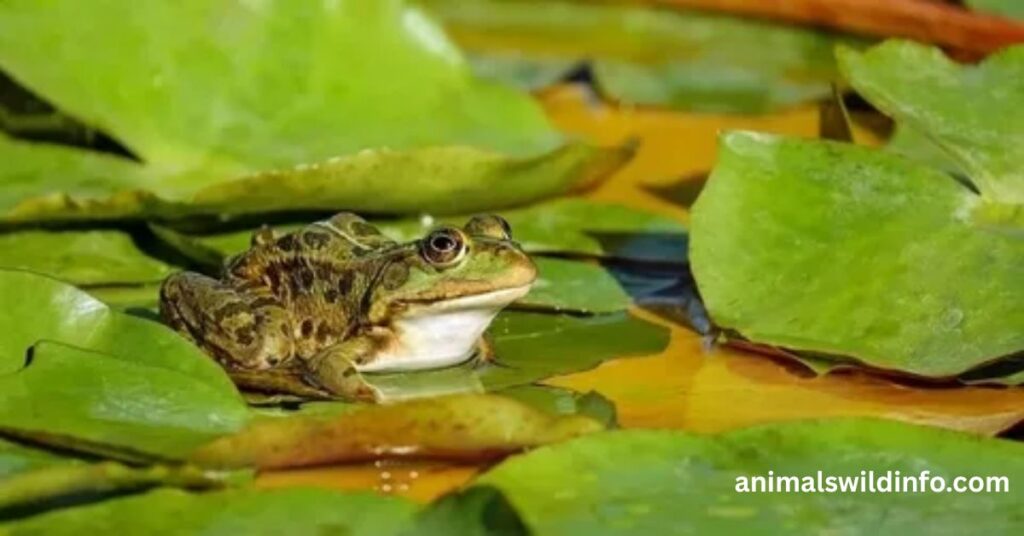
The river frog stands out as one of the largest frogs native to the southeastern United States, with adults reaching up to five inches in length. Its dark, greenish-black skin and rough texture help it blend into the shaded, swampy edges of rivers and blackwater streams. Rather than fleeing when threatened, this frog often stays perfectly still, relying on camouflage to avoid detection from predators overhead.
Breeding season brings large groups of river frogs together near quiet backwaters, where spawning takes place in shallow pools. The resulting tadpoles are unusually large and often travel in visible schools, an easy way to spot this species before it matures. As both predator and prey, the river frog plays a balancing role within the aquatic food web, feeding on insects while providing food for birds, snakes, and larger fish.
Freshwater Crab
Scientific Name: Eriocheir sinensis Class: Malacostraca Diet: Omnivore
The Chinese mitten crab gets its name from the dense, fur-like patches covering its claws. Native to East Asia, this species has spread into rivers across North America and Europe, where it now ranks among the more notable invasive freshwater crustaceans. It tolerates a wide range of conditions, moving between brackish water near river mouths and fully freshwater habitats further upstream during different stages of its life.
This crab plays a complicated role in its adopted river ecosystem. It burrows into riverbanks, which can weaken soil structure and increase erosion in already fragile habitats. At the same time, it feeds on algae, small invertebrates, and organic debris, filling a niche within the freshwater food chain. Wildlife managers in affected regions closely monitor its population, since unchecked growth can disrupt the balance of native river species.
Read More: Top 13 Animals That Live in Fields (With Pictures)
Crayfish
Scientific Name: Procambarus clarkii Class: Malacostraca Diet: Omnivore
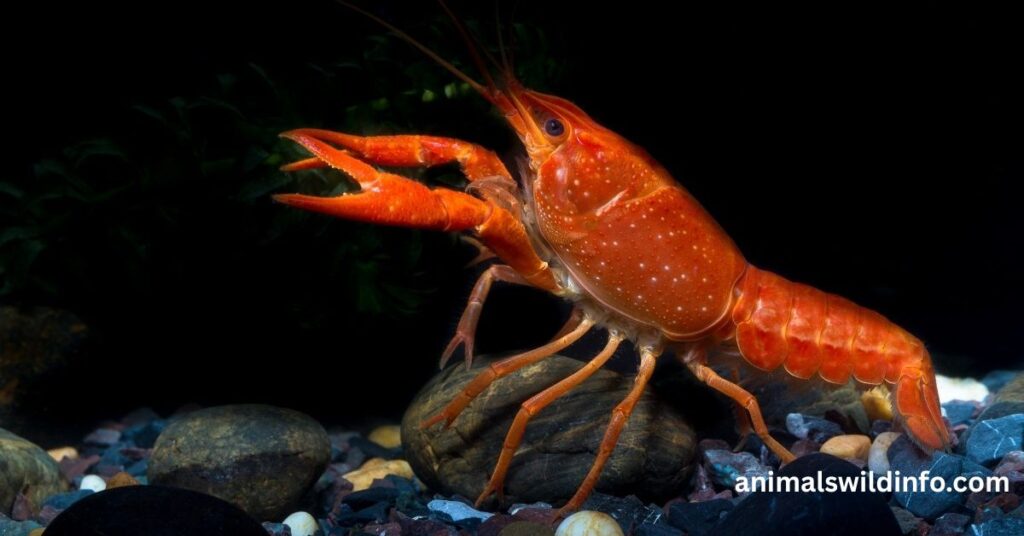
The red swamp crayfish is one of the most widespread freshwater crustaceans in the southern United States, recognizable by its reddish shell and prominent claws. It thrives in slow-moving rivers, ditches, and wetlands, often burrowing into muddy banks to escape predators or dry conditions. This burrowing behavior gives the species remarkable resilience, allowing it to survive even when a river temporarily dries up.
As both scavenger and predator, the crayfish feeds on algae, decaying plant matter, and small invertebrates found along the riverbed. This diet makes it a vital link in the aquatic food web, recycling nutrients back into the water while also serving as food for fish, birds, and mammals. Its adaptability and rapid reproduction have made it one of the most successful river-dwelling animals in its range.
Kingfisher
Scientific Name: Megaceryle alcyon Class: Aves Diet: Carnivore
The belted kingfisher ranks among the most skilled aquatic birds found along North American rivers. With a large head, sharp bill, and shaggy crest, this bird perches on branches overlooking the water, watching closely for movement below. When it spots a fish, the kingfisher dives headfirst at impressive speed, snatching its prey in a single, precise motion that rarely misses its mark.
Beyond hunting, kingfishers show fascinating nesting behavior. Rather than building nests in trees, they dig burrows directly into riverbank soil, sometimes tunneling several feet deep to protect their young from predators. This unusual nesting style connects the kingfisher directly to the health of the riverbank itself. Erosion or habitat loss along a river can quickly threaten local kingfisher populations, making this bird a useful indicator of overall river habitat quality.
Diving Bell Spider
Scientific Name: Argyroneta aquatica Class: Arachnida Diet: Carnivore
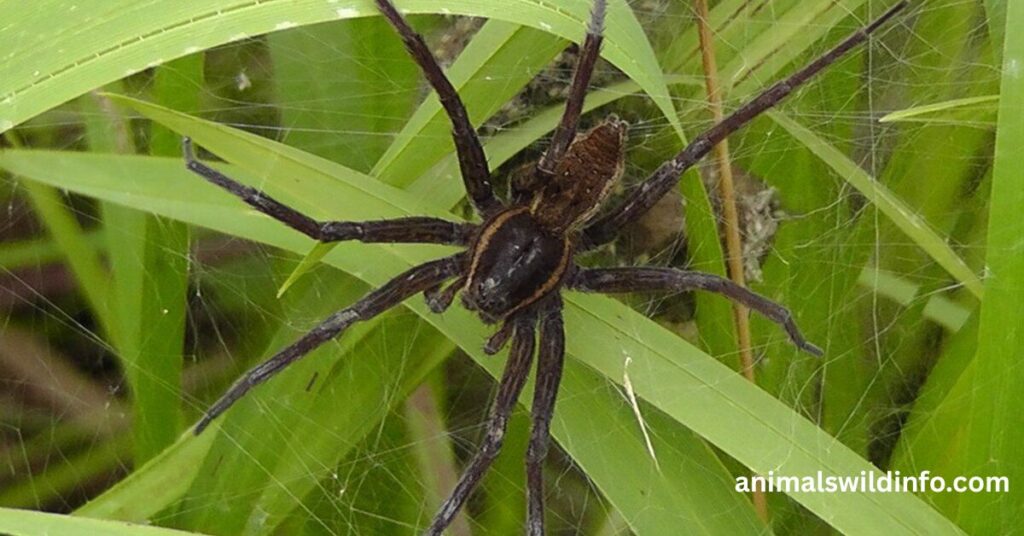
The diving bell spider is the only spider species known to spend nearly its entire life underwater. It builds a silk structure shaped like a bell, then fills it with air carried down from the surface on tiny hairs covering its body. This bubble acts as a personal oxygen tank, allowing the spider to breathe, rest, and even lay eggs while fully submerged in still water or slow-flowing streams.
From inside its air-filled bell, the spider waits and watches for passing prey. When an insect or small crustacean swims close enough, the spider darts out to attack before quickly retreating back to safety. This unusual hunting strategy makes the diving bell spider one of the most unusual examples of aquatic adaptation found among freshwater species, proving that even a creature built for dry land can master life underwater.
Water Vole
Scientific Name: Microtus richardsoni Class: Mammalia Diet: Herbivore
The water vole is a small, often overlooked mammal that plays a quiet but important role along riverbanks in western North America. With a stocky body and partially webbed feet, this rodent moves easily between land and water, digging burrows into soft riverbank soil close to the waterline. Its diet consists mostly of grasses, roots, and other submerged vegetation found near the water’s edge.
Despite its shy nature, the water vole shapes its surroundings in small but meaningful ways. Its burrowing helps aerate riverbank soil, while its grazing habits keep certain plant populations in check. As a prey species, the water vole also supports larger predators like otters, hawks, and foxes. Though rarely seen, this creature remains a steady, essential thread in the wider river food chain.
Northern Pike
Scientific Name: Esox lucius Class: Actinopterygii Diet: Carnivore
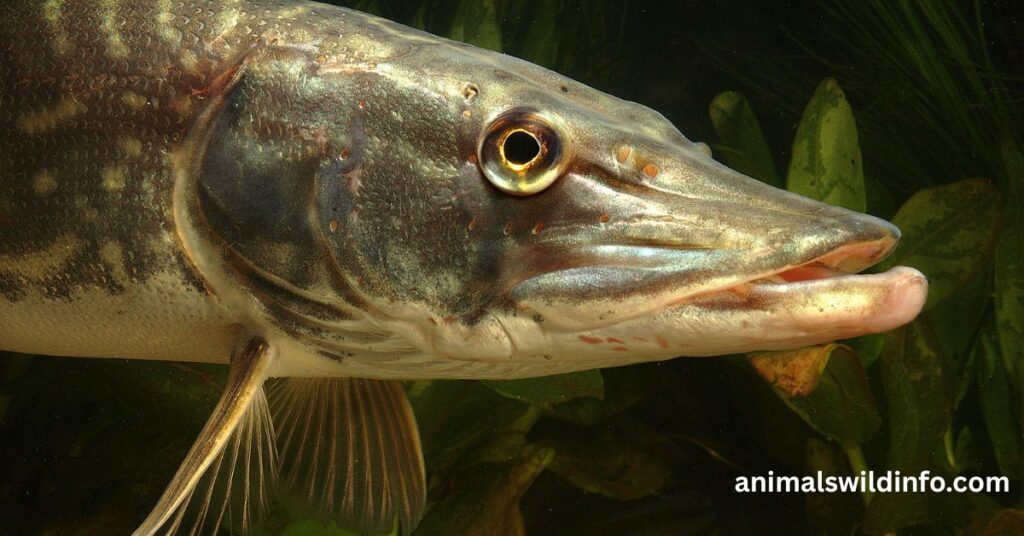
Few freshwater fish inspire as much respect among anglers as the northern pike. With a long, torpedo-shaped body and a mouth full of sharp teeth, this fish is built for one purpose: ambush hunting. It hides motionless among submerged vegetation, then strikes with explosive speed when prey swims too close, making it one of the most efficient river predators in lakes and slow rivers across the Northern Hemisphere.
Pike prefer cooler water and often patrol the same territory for years, defending prime hunting spots from rivals. Their diet includes smaller fish, frogs, and even small waterfowl, placing them near the top of the local aquatic food web. Because pike require healthy vegetation and clean water to thrive, their presence often signals a well-balanced freshwater ecosystem worth protecting.
Read More: 6 Types of Marmots in North America: Amazing Facts & Pictures
Piranha
Scientific Name: Pygocentrus nattereri Class: Actinopterygii Diet: Omnivore
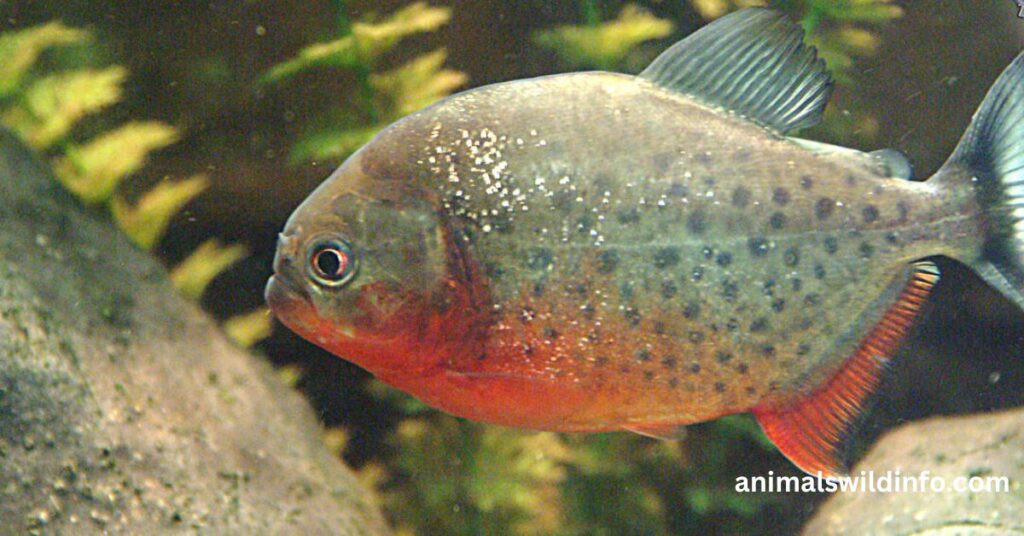
The red-bellied piranha has earned a fearsome reputation, though much of it is exaggerated. Found throughout South American rivers, this fish typically feeds on smaller fish, insects, and plant matter rather than large animals. Piranhas often travel in groups, a behavior once thought to reflect coordinated hunting but now understood mainly as a defense strategy against larger river predators like caimans and river dolphins.
Piranhas play a valuable cleanup role within their river ecosystem, feeding on dead or dying fish and helping prevent the spread of disease in the water. Their sharp teeth and powerful bite make quick work of tough prey, but most piranha attacks on humans are rare and usually linked to stressed, overcrowded water conditions. As scavengers and opportunists, piranhas remain one of the more misunderstood aquatic wildlife species in the Amazon system.
How Do Animals Survive in Rivers?
Life in a river demands constant adaptation. Water moves fast in some stretches and barely at all in others, so river species need flexible bodies and behaviors to cope. Many animals, like otters and beavers, rely on a streamlined body and webbed feet for efficient swimming. Others, like alligators and caimans, use camouflage and patience, blending into the water until the perfect hunting moment arrives. Breathing presents another challenge entirely; fish use gills, mammals surface for air, and creatures like the electric eel gulp oxygen directly from the surface when oxygen levels drop too low underwater.
Temperature control matters just as much as breathing. Reptiles such as turtles and caimans spend hours basking on logs or riverbanks to regulate their internal heat, since they cannot generate warmth internally. Seasonal changes push many species toward migration, moving upstream or downstream in search of better feeding or breeding grounds. Together, these strategies show just how varied survival in a river truly is, shaped by water temperature, current strength, and the constant pressure of finding food before becoming food.
What Do River Animals Eat?
Diet varies enormously across animals that live in freshwater, and that variety keeps the entire system running. Herbivores like the hippo and water vole graze on grasses and submerged vegetation near the water’s edge. Omnivores such as the red-eared slider and blue catfish eat almost anything available, switching between plants and small animals depending on the season. At the top sit true apex predators like the green anaconda and northern pike, which hunt fish, birds, and mammals with practiced precision.
Feeding strategies differ just as much as diets do. Some animals, like the caiman, act as an ambush predator, waiting motionless for prey to wander close. Others, like the kingfisher, rely on speed and sharp eyesight to strike from above the water’s surface. Scavengers such as the crayfish and freshwater crab recycle dead organic matter, quietly supporting the broader aquatic food web. Every feeding style, from grazing to ambush hunting, plays a part in keeping the river’s food chain balanced.
Where Do River Animals Live?
River habitats are far more varied than they first appear. Some animals prefer fast-moving flowing water, using strong currents to their advantage while hunting or traveling. Others seek out shallow water near the edges, where sunlight warms the riverbed and plant growth thrives. Deeper channels and quiet backwaters attract different species entirely, offering shelter from strong currents and a steady supply of settled food particles drifting along the bottom.
The riverbank itself supports just as much life as the water. Animals like the kingfisher and water vole dig burrows directly into the soil, while turtles and caimans use the banks for basking and nesting. Further from the main channel, wetlands and tributaries provide calmer waters ideal for breeding and raising young. Even areas with rocky substrates or dense submerged vegetation create specialized pockets of habitat, proving that a single river can support dozens of distinct freshwater habitats within just a few miles.
Why Are Rivers Important to Wildlife?
Rivers act as the circulatory system of the natural world, connecting mountains, forests, and wetlands into one continuous flow of life. They provide drinking water, breeding grounds, and travel corridors for countless species, many of which could not survive anywhere else. The role of animals in river ecosystems goes both directions too; wildlife shapes rivers just as much as rivers shape wildlife, through burrowing, grazing, and even dam-building behavior seen in species like the beaver.
Unfortunately, threats to river ecosystems continue to grow. Pollution in freshwater ecosystems, dam construction, and river habitat destruction all place pressure on species that depend entirely on clean, flowing water to survive. Protecting rivers means protecting an enormous web of life, from the smallest crayfish to the largest hippo. Freshwater wildlife conservation efforts around the world now focus heavily on restoring natural water flow and reducing pollution, since a healthy river almost always means healthy wildlife downstream.
Final Thoughts
Rivers hold far more life than most people ever notice from the surface. From the powerful hippo to the tiny diving bell spider, each species covered in this article plays a specific role within its river ecosystem. Mammals, reptiles, amphibians, fish, birds, and even spiders all depend on rivers for food, shelter, and safe passage through the seasons.
The biodiversity of freshwater ecosystems faces real challenges today, from pollution to habitat loss. Learning about these animals is a first step toward appreciating why rivers deserve protection. The next time you pass a river, take a moment to look closer. Somewhere beneath that current, an entire community of wildlife is quietly going about its day.
FAQ’s
What animals live in a river?
Rivers support an enormous range of wildlife, including mammals like otters and beavers, reptiles like alligators and turtles, amphibians like frogs, fish such as catfish and pike, and birds like kingfishers. Insects, crustaceans, and even spiders round out this diverse river ecosystem, each filling a specific role within the food chain.
Can you give me 20 examples of animals that live in water?
Yes. This article covers 20 examples in detail: hippopotamus, American alligator, river otter, beaver, pink river dolphin, freshwater eel, blue catfish, freshwater stingray, electric eel, caiman, green anaconda, freshwater turtle, river frog, freshwater crab, crayfish, kingfisher, diving bell spider, water vole, northern pike, and piranha.
What is the biggest animal in rivers?
The hippopotamus ranks among the largest animals found in rivers, with adults weighing up to 5,000 pounds. Other large river species include the green anaconda, which can grow over 17 feet long, and large fish like the blue catfish, which can reach five feet in length.
What are 10 animals that live in dams?
Beaver dams create wetland habitats that attract many species, including beavers themselves, river otters, freshwater turtles, frogs, herons, kingfishers, crayfish, ducks, muskrats, and various small fish. These calmer waters offer shelter and food, making dam-created ponds a hotspot for freshwater biodiversity.