Top 7 Animals That Are Deaf (With Pictures & Interesting Facts)
Did you know some animals live their whole lives without ever hearing a single sound? It sounds strange, but it’s true. Nature doesn’t always give every creature the same toolkit. Some species lost their hearing over time. Others never had it to begin with. Either way, these Animals That Are Deaf found other ways to survive, and honestly, their stories are pretty amazing.
This article looks at seven species that count among the most fascinating naturally deaf animals on Earth. You’ll learn how they hunt, how they find mates, and how they avoid predators without relying on sound. Some use smell. Some feel vibrations through the ground. Others lean hard on sight instead. By the end, you’ll have a whole new appreciation for how flexible evolution really is.
What Does It Mean for an Animal to Be Deaf?
Being deaf isn’t always simple. For some species, it means a total absence of hearing organs. For others, it’s more like animals with poor hearing, where the ability exists but barely functions. Scientists usually look at the structure of the inner ear and the auditory system to figure out where a species falls on that scale. If an animal lacks a working cochlea, or if it never developed external ears at all, it likely can’t process sound waves the way most mammals do.
This matters because deafness shapes everything else about how an animal lives. Animals without hearing need a backup plan, and evolution rarely leaves a gap unfilled. Some species swapped sound for touch. Others leaned into smell or sight. This kind of sensory adaptation shows up again and again throughout the animal kingdom, and it’s one reason biologists find hearing impaired animals so interesting to study.
Can Animals Survive Without Hearing?
Yes, and not just survive. Many animals that can’t hear actually thrive. Survival doesn’t hinge on one sense alone. It depends on how well an animal reads its environment, and hearing is just one input among many. Think about it this way: a fish doesn’t need legs to get around, and a mole doesn’t need sharp eyesight to dig a tunnel. Nature builds around what’s missing.
Wildlife with poor hearing often develops sharper senses elsewhere. Some species detect mechanoreceptors triggering from tiny vibrations in soil or water. Others rely almost entirely on chemical signals to communicate, mate, and hunt. This trade-off isn’t a flaw. It’s a survival strategy that’s worked for millions of years, and it shows just how creative biological adaptation can be when hearing isn’t part of the equation.
List of Animals That Are Deaf
Here’s a quick look at the seven species covered in this article, along with the primary sense each one leans on instead of hearing.
| Number | Animal | Class | Primary Sense Used |
| 1 | Salamanders | Amphibia | Smell & vibration |
| 2 | Naked Mole-Rats | Mammalia | Touch & chemical signals |
| 3 | Earless Seals | Mammalia | Vibration & body language |
| 4 | Spiders | Arachnida | Vibration detection |
| 5 | Armadillos | Mammalia | Smell & touch |
| 6 | Cephalopods | Cephalopoda | Vision & chemical cues |
| 7 | Squirrels | Mammalia | Sight & body language |
Salamanders
Scientific Name: Caudata Class: Amphibia Diet: Carnivorous
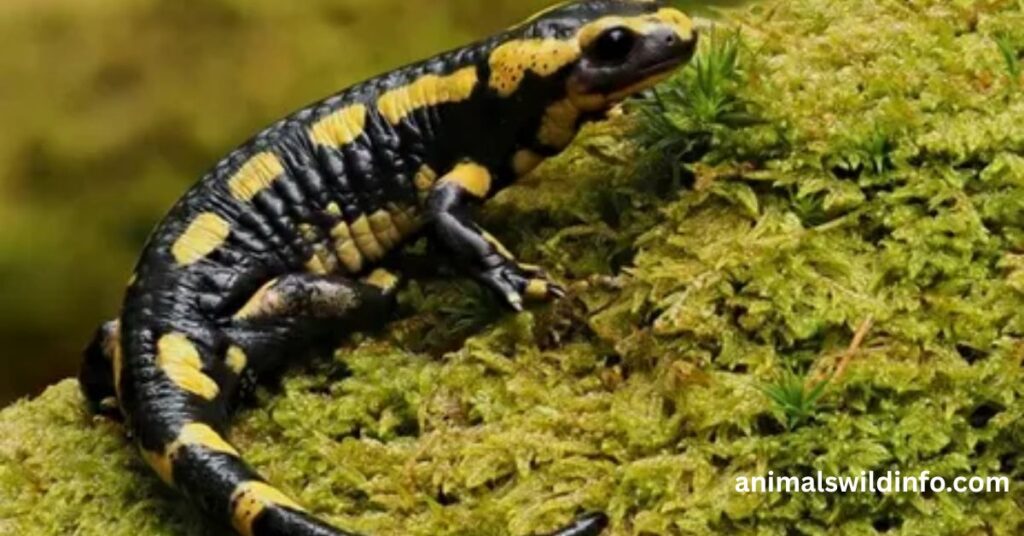
Salamanders don’t get much credit in conversations about animal senses, but they deserve it. These amphibians lack the ear structures most vertebrates depend on, so sound barely registers for them at all. Instead, they lean on smell and their skin’s sensitivity to vibrations. Their skin actually works like a built-in sensor, picking up the faintest tremor in the ground nearby. This might sound limiting, but it hasn’t slowed salamanders down one bit.
In damp forests and quiet streambeds, this setup works perfectly. Salamanders track prey through scent trails and detect danger through subtle shifts in their surroundings. Some species even use body posture to send signals to potential mates, a clever workaround for animals that communicate without hearing. It’s proof that a missing sense doesn’t have to mean a missing skill.
Read More: 9+ Amazing Animals That Are Not Mammals (With Pictures & Facts)
Naked Mole-Rats
Scientific Name: Heterocephalus glaber Class: Mammalia Diet: Herbivorous
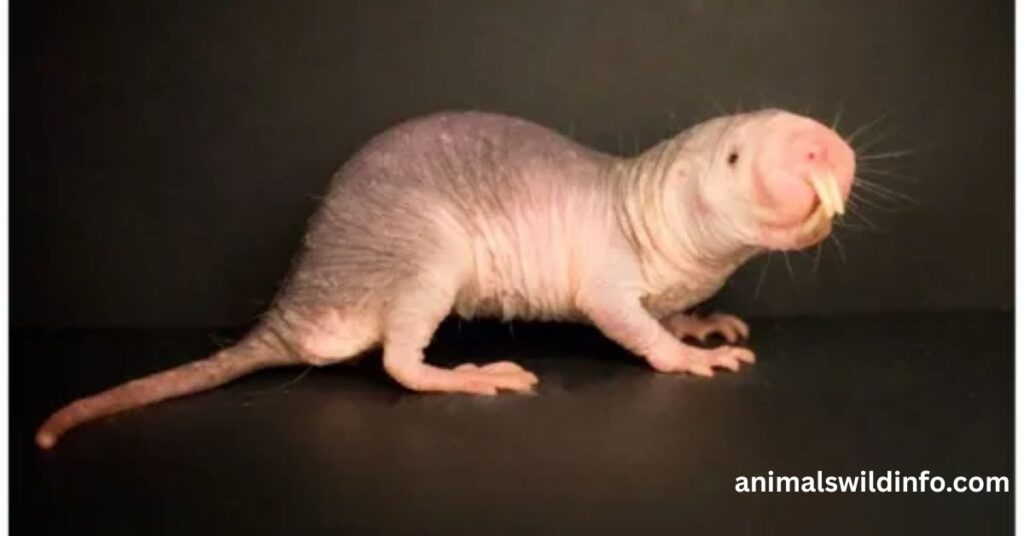
Naked mole-rats live almost their entire lives underground, and that lifestyle shaped everything about how they sense the world. These wrinkly little rodents from East Africa are practically animals lacking external ears, and in the pitch-black tunnels they call home, hearing wouldn’t help much anyway. Touch does the heavy lifting instead. Every graze against a tunnel wall, every brush against a colony mate, carries information.
What really stands out is their social structure. Colonies can include hundreds of individuals, all coordinating without relying on sound. Grooming, physical contact, and shared burrowing work replace spoken cues entirely. It’s a strong example of animal behavior built around touch receptors rather than ears, and it works so well that naked mole-rat colonies function almost like a single organism.
Earless Seals
Scientific Name: Phocidae Class: Mammalia Diet: Carnivorous

Earless seals, sometimes called true seals, ditched external ears somewhere along their evolutionary path, and it turned out to be a smart move. Water carries sound differently than air does, so a streamlined head without ear flaps actually improves how these marine mammals swim. Instead of tracking noise, they read vibrations in the water and pick up on subtle shifts in pressure around them.
This isn’t just a physical quirk either. It’s a real survival tool. A smooth head shape cuts drag, letting seals move fast and quiet, while their sensitivity to underwater movement helps them detect both predators and prey. For ocean animals facing constant threats, that’s a huge advantage. It also challenges the assumption that hearing is essential for life in the sea.
Spiders
Scientific Name: Araneae Class: Arachnida Diet: Carnivorous
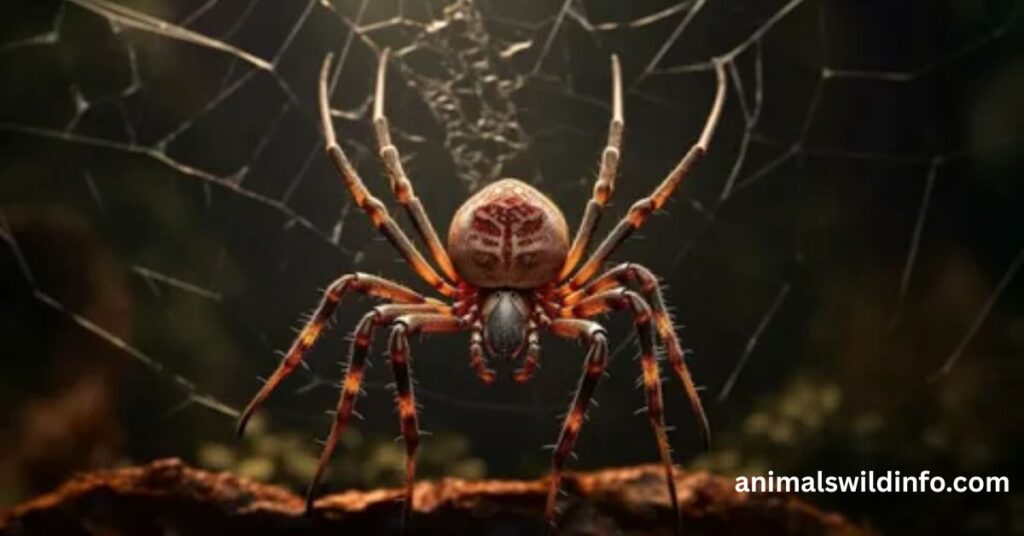
Spiders don’t have ears, full stop. But calling them deaf doesn’t mean they’re unaware of their surroundings. Far from it. Tiny hairs cover their legs, and those hairs act as incredibly precise mechanoreceptors, picking up the smallest tremor nearby. This spider sensory system lets them detect prey, danger, and even potential mates without needing sound waves at all.
Their webs take this a step further. An orb-weaver’s web isn’t just a trap. It’s practically a communication network. Vibrations moving through the silk can signal that a mate is nearby, or warn off a rival looking to steal territory. This reliance on animals that detect movement rather than sound shows just how adaptable evolution can be. Spiders prove that intelligence doesn’t require ears, just really good vibration sensing.
Read More: Top 20 Most Anxious Animals in the World (With Pictures & Amazing Facts)
Armadillos
Scientific Name: Dasypodidae Class: Mammalia Diet: Omnivorous
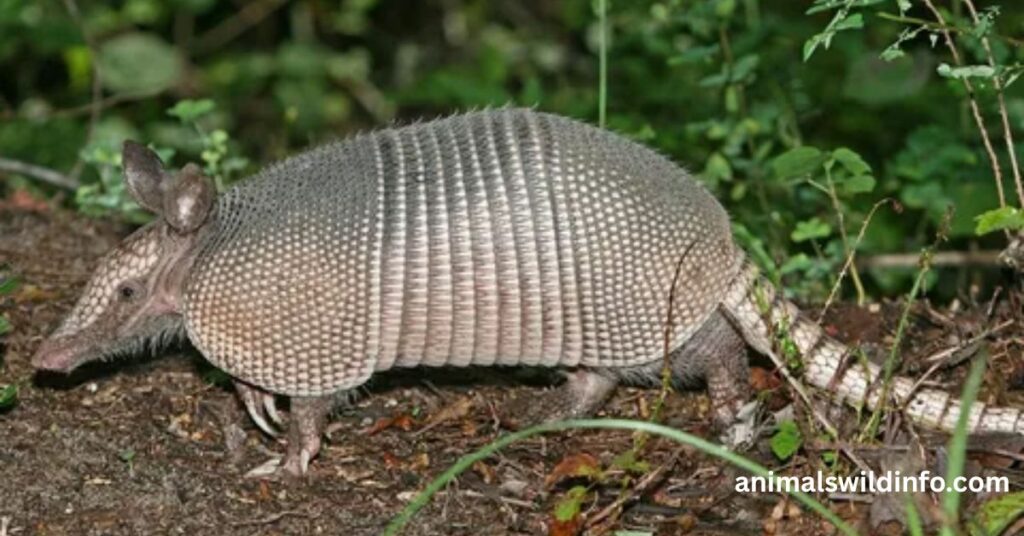
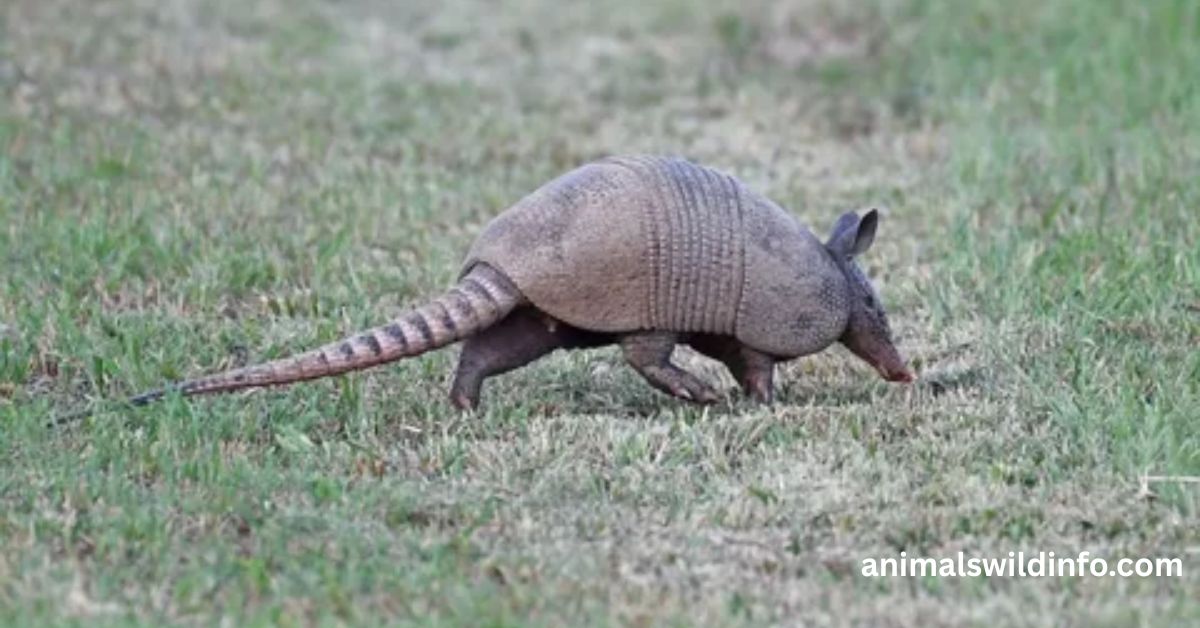
Armadillos look strange with their armored shells, but their hearing is arguably the more surprising trait. These aren’t fully deaf animals, technically speaking. They’re closer to animals with bad hearing, since their auditory range is limited and not very sharp. Living underground for much of the day means sound just isn’t that useful anyway, so smell and touch pick up the slack.
That trade-off actually works in their favor. When foraging for insects and grubs, an armadillo’s nose does most of the work, sniffing out food buried well below the surface. Their tough shells add another layer of protection, letting them focus energy on smell and touch instead of constantly scanning for danger through sound. What looks like a weakness turns out to be a smart evolutionary shortcut suited perfectly to their underground lifestyle.
Cephalopods
Scientific Name: Varies by species Class: Cephalopoda Diet: Carnivorous
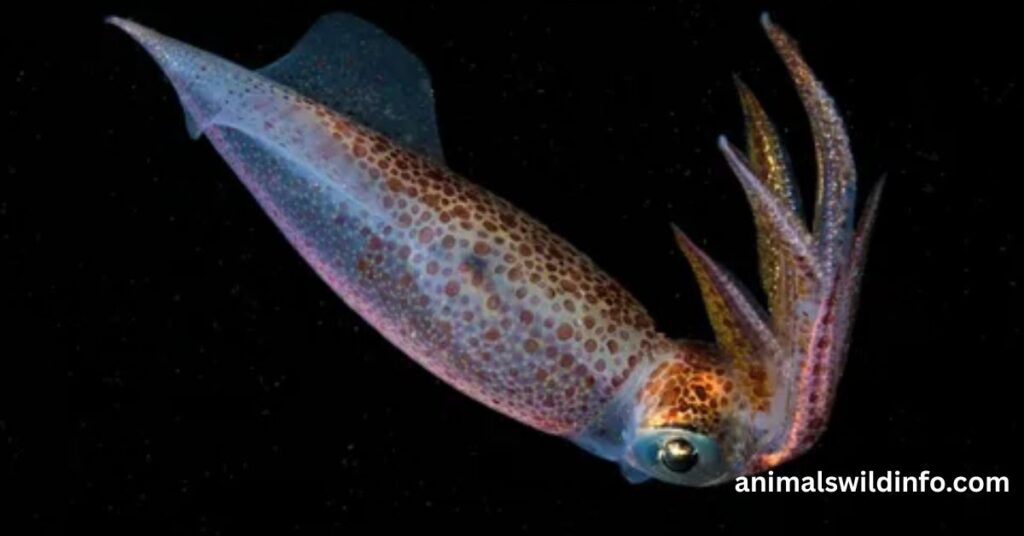
Cephalopods, which include octopuses, squids, and cuttlefish, are famous for their intelligence, but their sensory setup deserves just as much attention. These creatures don’t have working hearing organs in the traditional sense, so sound waves barely register. Instead, they built an entirely different system around vision and chemical signals, and it works remarkably well underwater.
Color plays a huge role here. Special cells called chromatophores let cephalopods shift their skin color almost instantly, which serves as a form of visual communication used for everything from warning off predators to attracting mates. On top of that, their arms are packed with sensitive receptors that let them explore and interact with their surroundings through touch alone. Between color-shifting skin and hyper-sensitive arms, octopus sensory abilities rank among the most advanced substitutes for hearing found anywhere in nature.
Squirrels
Scientific Name: Sciuridae Class: Mammalia Diet: Omnivorous

Squirrels seem like an odd addition to this list, given how alert and jumpy they always appear. But research suggests a real portion of squirrel populations deal with some degree of hearing loss. These are still very much animals with limited hearing in many cases, relying heavily on sight and smell to fill the gaps left by weaker auditory input.
What’s interesting is how much squirrels get done without needing sharp hearing. Tail flicks and posture changes act as visual alarms, warning nearby squirrels of danger or signaling dominance during a territorial dispute. This heavy use of animals using body language shows that squirrels aren’t just surviving with limited hearing. They’re adapting in ways that keep the whole group informed and safe.
Read More: Top 25 Scavenger Animals In The World (With Pictures & Facts)
How Deaf Animals Communicate and Survive
Across every species on this list, one pattern keeps showing up. When hearing disappears, another sense steps in to cover the gap. Vibrations, scent marking, and visual displays all show up repeatedly as substitutes, and together they form a kind of silent language shared across very different corners of the animal kingdom. It’s not random either. These substitutes tend to match the environment each species lives in, whether that’s underground, underwater, or in dense forest.
Take spiders and their webs, or naked mole-rats and their tunnels. Both rely on touch, yet they use it in completely different ways suited to their surroundings. Earless seals and cephalopods both live in water, yet one leans on vibration while the other leans on color. This variety proves there’s no single formula for silent communication in the wild. Each species built its own solution, shaped by millions of years of trial and error.
Amazing Adaptations of Deaf Animals
Some of these adaptations go beyond simple substitution and border on genuinely remarkable engineering. A spider’s leg hair can detect movement measured in fractions of a millimeter. An octopus can shift its entire skin pattern in under a second to match its surroundings, blending camouflage with communication in one move. These aren’t backup systems bolted on as an afterthought. They’re finely tuned tools shaped by real evolutionary pressure.
What ties all of this together is a bigger truth about wildlife adaptations in general. Missing a sense doesn’t automatically mean an animal falls behind. Sometimes it means the opposite. Without hearing pulling focus, other senses get sharper, more specialized, and more reliable. It’s a reminder that survival rarely depends on having every tool available. It depends on using the tools you’ve got extremely well.
Final Thoughts
The world of deaf creatures offers a genuinely fascinating look at how flexible life can be. Every species covered here found its own path around a missing sense, whether through smell, touch, vibration, or sight. None of them are worse off for it. If anything, their adaptations highlight just how creative evolution gets when survival is on the line.
Understanding how these animals live can shift how we think about hearing loss more broadly, both in wildlife and beyond. It’s worth remembering that limitations don’t have to define an animal’s story. For these seven species, deafness became just one more trait to build around, not a barrier standing in their way.
FAQ’s
Armadillos are a good example of animals with poor hearing. Their auditory range is fairly limited, and they lean far more on smell and touch to get through the day. Naked mole-rats and squirrels also fall into this category, depending on the individual and species.
Snakes can’t hear airborne sound the way humans do, since they lack external ears entirely. Instead, they pick up vibrations through their jawbones and the ground beneath them. This makes them highly sensitive to movement nearby, even without traditional hearing.
No, dolphins aren’t deaf at all. In fact, they have some of the sharpest hearing in the animal kingdom, and they use echolocation to navigate and hunt underwater. Their hearing works so well that it’s actually one of their most important survival tools.
Owls are often called the quietest hunters in the animal kingdom, thanks to specialized feathers that muffle sound during flight. While this trait relates to how owls hunt rather than how they hear, it’s a great example of how animal senses shape survival strategies across very different species.