Top 20 Animals Like Foxes (With Pictures & Fascinating Facts)
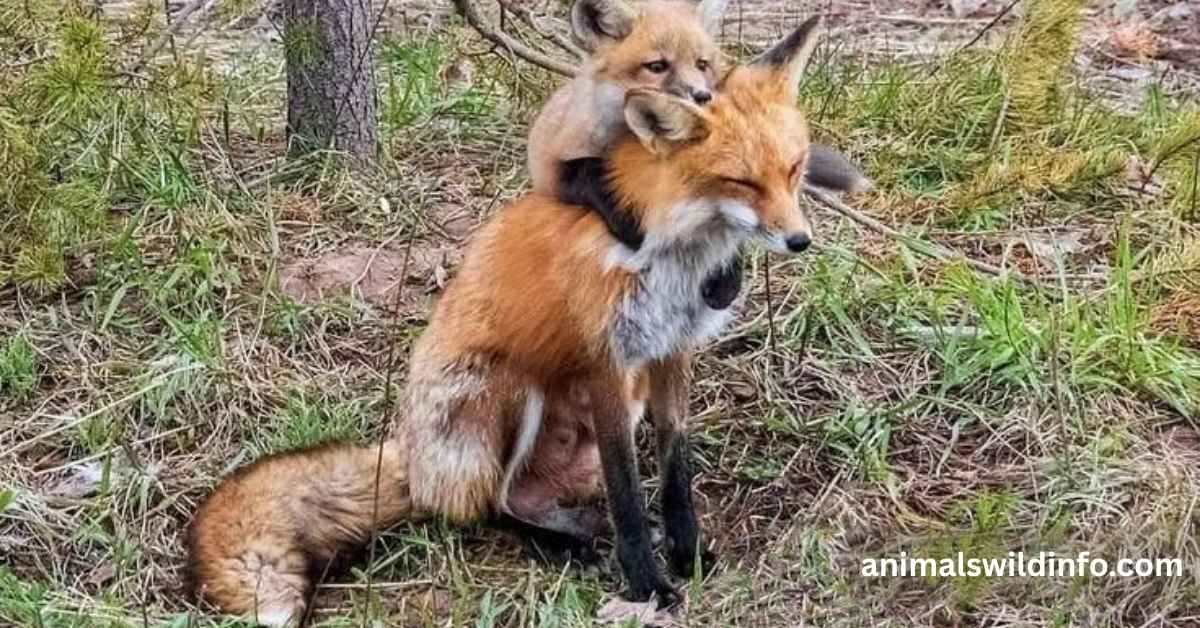
The red fox isn’t as one-of-a-kind as it looks. Walk through a forest, a desert, or even a city alley, and you’ll spot creatures that share its sharp eyes and sly moves. This guide rounds up the best animals like foxes, and it explains why nature keeps repeating this clever design.
You’ll meet true wild canines and a few surprise outsiders too. Some are close cousins. Others just borrowed the look through evolution’s odd sense of humor. Either way, you’re about to meet twenty fox-like animals worth knowing, complete with pictures, facts, and a full comparison table.
List of Animals Like Foxes
Foxes belong to the Canidae family, but plenty of animals similar to foxes come from totally different branches of the animal kingdom. Some share their genes. Some just share their habits. You’ll find both types below, and each one earns its spot for a real reason, not just a passing resemblance.
This list mixes true canid species with mammals like foxes from unrelated groups. Expect wild animals like foxes from deserts, forests, and even your neighbor’s backyard. Each entry includes the animal’s scientific name, class, and diet, so you get the full picture, not just a pretty face.
Coyotes
Scientific Name: Canis latrans Class: Mammalia Diet: Omnivore
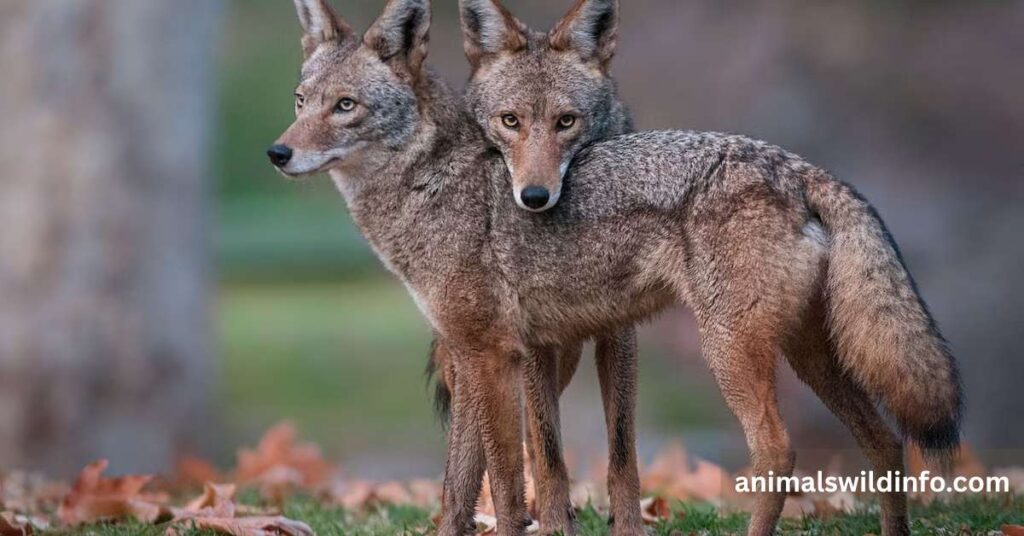
Coyotes are close fox relatives, and they prove it every time they slip through a suburban backyard at dusk. They belong to the same Canidae branch as foxes, and they share that lean build, upright ears, and quick trot. Unlike the solitary fox, though, coyotes often hunt in small family teams, using yips and howls to keep everyone in sync. That vocal range is wild. You can hear a coyote family from half a mile away on a quiet night.
What makes coyotes stand out is their nerve. They’ve moved into cities across the country, and they’ve learned to dodge cars, raid trash cans, and raise pups within sight of freeways. This kind of habitat adaptation rivals anything a fox pulls off, and honestly, it might beat it. Coyotes didn’t just survive next to humans. They figured out how to thrive there.
Jackals
Jackals roam Africa, the Middle East, and parts of Asia, and they look like a fox that skipped leg day. Their slim frame, pointed snout, and bushy tail put them firmly in fox-look-alike territory. But their family setup tells a different story. Jackals pair for life, and both parents raise the pups together, often with help from older siblings who stick around instead of striking out on their own.
That teamwork pays off. A jackal family can take down prey much bigger than one animal could handle alone, and their howls carry across open plains to mark territory. It’s a smart system, and it’s one reason jackals show up in folklore worldwide as tricksters, right alongside foxes themselves. Two animals, two continents, one shared reputation for cunning.
Read More: Top 15 Animals That Eat Rabbits (With Pictures & Fascinating Facts)
Wolves
Scientific Name: Canis lupus Class: Mammalia Diet: Carnivore
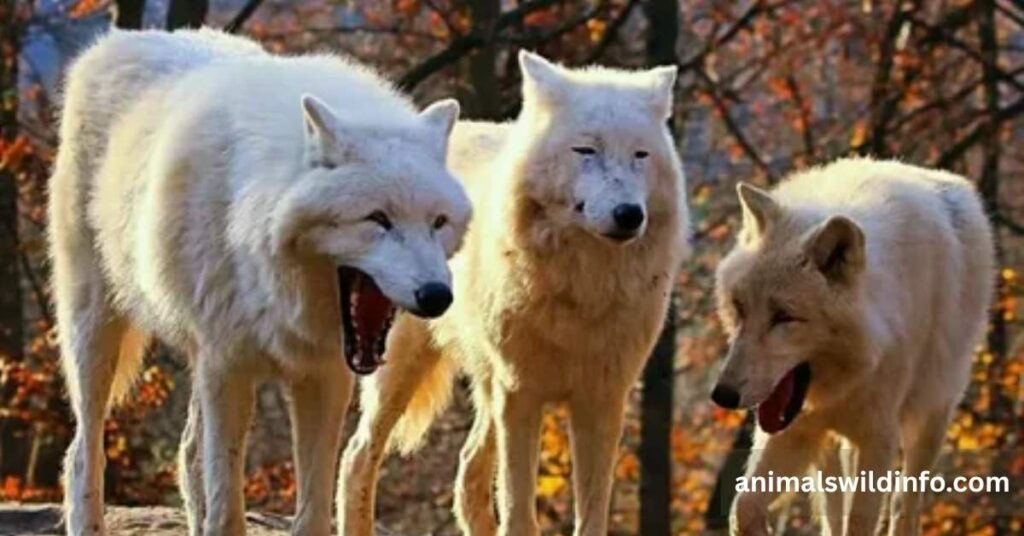
Wolves sit at the far end of the fox family spectrum. Same Canidae roots, wildly different lifestyle. Where a fox slips through the shadows alone, a wolf pack moves as one unit, using pack hunters tactics that read almost like a game plan. Body language, howls, even scent marking all keep the group tight and coordinated. It’s one of nature’s clearest examples of teamwork paying off in survival.
Still, the family resemblance is there if you look closely. The muzzle shape, the ear position, even some of the vocal patterns trace back to a shared ancestor. Wolves need way more room to roam than foxes do, though, and that single fact explains a lot about why wolf populations struggle in places where foxes do just fine. Space matters, and wolves need a lot of it.
Dingoes
Dingoes call Australia home, and they carry themselves with a fox-like grace that surprises a lot of first-time visitors. Sleek body, pointed ears, low-slung tail. It’s all there. But dingoes lean social, often forming loose packs that hunt together and split the workload. That’s a clear break from the fox’s usual go-it-alone approach.
Their howl is something else entirely. It rolls across the Australian bush like a warning and a greeting all at once, and it’s one of the most recognizable sounds in the outback. Dingoes also show serious wildlife adaptation skills, handling everything from scorching deserts to coastal scrublands without missing a beat. Not bad for an animal often mistaken for a stray dog at first glance.
Dholes
Scientific Name: Cuon alpinus Class: Mammalia Diet: Carnivore
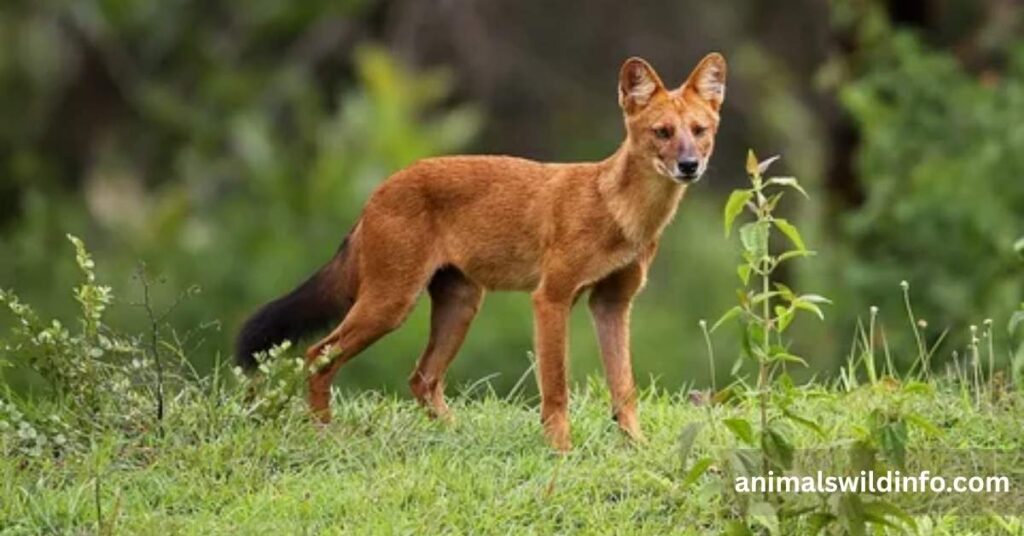
Dholes are sometimes called Asian wild dogs, and their reddish coat gives them an obvious fox connection. But watch one in the wild, and you’ll see behavior that looks nothing like a fox’s solo act. Dholes hunt in coordinated packs, and they’ll take down animals several times their size, including deer and wild boar. It’s teamwork at its sharpest.
Their whistles and yaps carry a strange, almost musical quality through dense forest, helping the pack stay connected even when the trees block their view of each other. Sadly, dholes face serious habitat loss across their range, and their numbers have dropped fast. That makes wildlife conservation efforts for this species more urgent every year.
Maned Wolf
The Maned Wolf looks like someone stretched a fox onto stilts, and honestly, that description isn’t far off. Long legs, reddish coat, giant ears. It practically screams fox at first glance, even though it’s actually its own unique lineage within the broader dog family. Locals in South America sometimes just call it the “fox on stilts,” and the nickname fits perfectly.
Despite the fox-like face, the maned wolf hunts alone, much like a real fox does. It stalks rodents and rabbits through tall grasslands, and it also eats a surprising amount of fruit, especially a tomato-like plant locals call “wolf apple.” That mixed diet makes it one of the more unusual omnivorous mammals on this entire list, straddling the line between predator and forager.
African Wild Dogs
Scientific Name: Lycaon pictus Class: Mammalia Diet: Carnivore
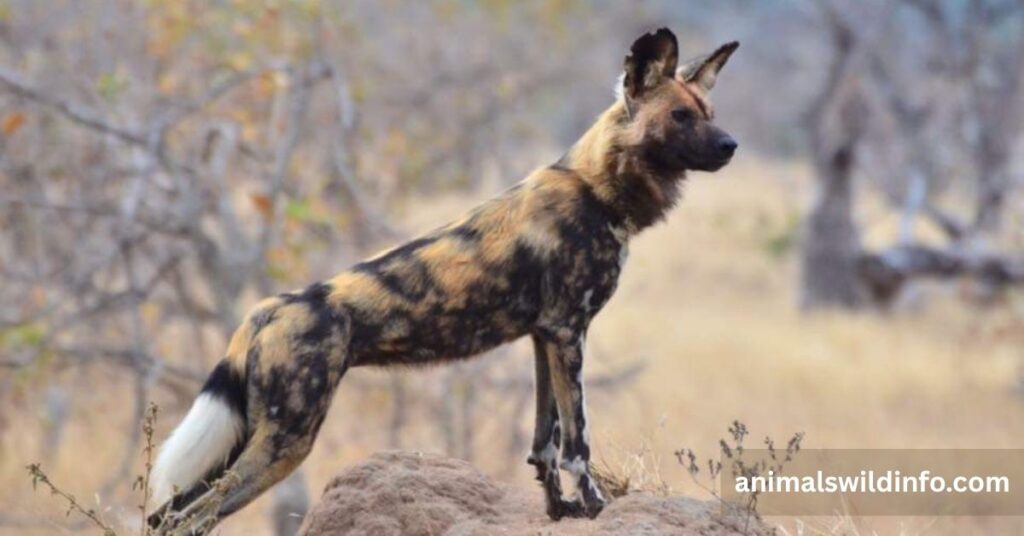
African Wild Dogs wear a wild patchwork coat that makes every individual look different from the next, but their lean build and big rounded ears still land them on the fox-resemblance radar. Unlike foxes, though, these animals live and hunt in packs that can top two dozen members, and their success rate on hunts beats almost every other predator in Africa.
What really sets them apart is their generosity. After a hunt, the pack returns to feed pups and injured members first, often regurgitating meat for anyone who couldn’t join the chase. That kind of cooperation shows a level of animal behavior most people don’t expect from a wild predator, and it’s a big reason researchers find this species so fascinating to study.
Domestic Dogs
Scientific Name: Canis lupus familiaris Class: Mammalia Diet: Omnivore
Domestic Dogs might live on your couch, but plenty of breeds still carry a strong fox resemblance. Shiba Inus, Pomeranians, and even some Corgis show that same pointed muzzle and upright ear shape that makes people do a double take. Breeders didn’t plan this on purpose, but centuries of selective breeding brought some dogs right back around to a fox-like look.
What separates dogs from foxes isn’t appearance at all. It’s the bond. Dogs read human emotions with startling accuracy, and they’ve built a partnership with people that goes back over ten thousand years. Foxes, even hand-raised ones, rarely reach that same level of trust. It’s a reminder that looks only tell part of the story.
Raccoon Dogs
Scientific Name: Nyctereutes procyonoides Class: Mammalia Diet: Omnivore
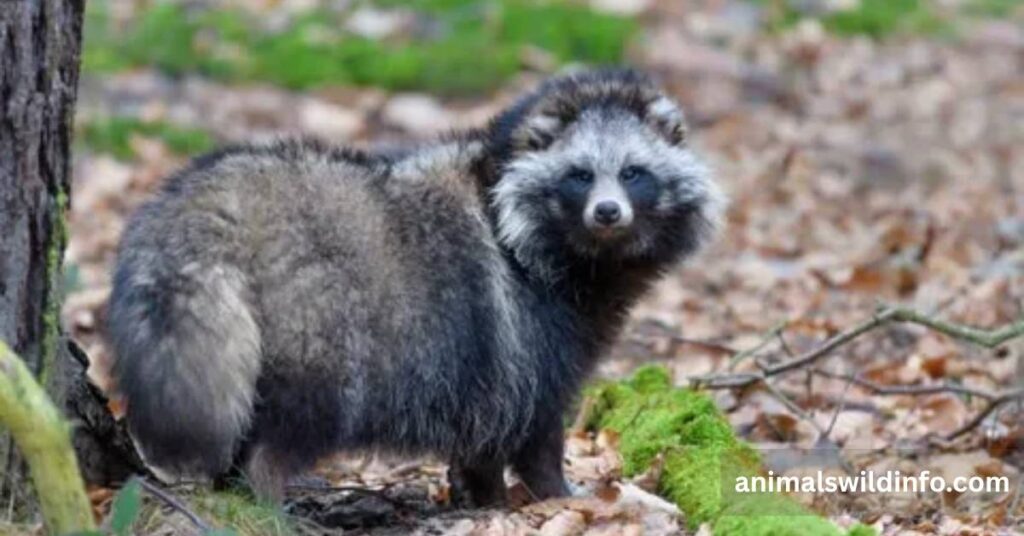
Raccoon Dogs, often called tanuki, wear a masked face that confuses people into thinking they’re related to raccoons. They’re not. They’re genuine canid species, and in fact, many scientists consider them one of the closest living relatives to true foxes outside the fox genus itself. That bushy tail and pointed snout aren’t a coincidence.
Raccoon dogs also do something almost no other canid does. They climb trees. This skill helps them dodge predators and reach food that ground-bound hunters can’t touch. They pair for life too, raising pups together as a team, which makes them one of the more devoted social animals on this list despite their otherwise quiet, nocturnal habits.
Culpeo
Scientific Name: Lycalopex culpaeus Class: Mammalia Diet: Omnivore
The Culpeo, sometimes called the Andean fox, lives high in the mountains of South America, and it earns its nickname honestly. This animal looks and acts enough like a true fox that locals just call it one, even though it belongs to a slightly different branch of the fox family tree. Reddish-gray fur, sharp muzzle, alert ears. It checks every box.
Culpeos eat almost anything they can catch or find, from rodents to fruit to the occasional unlucky lamb, which hasn’t won them many fans among farmers. Still, their role as an apex predator in their mountain ecosystem keeps rodent populations in check, and that job matters more than most people realize for keeping the whole food web balanced.
Read More: Top 20 Dirtiest Animals in the World (With Pictures & Surprising Facts)
Bat-Eared Fox
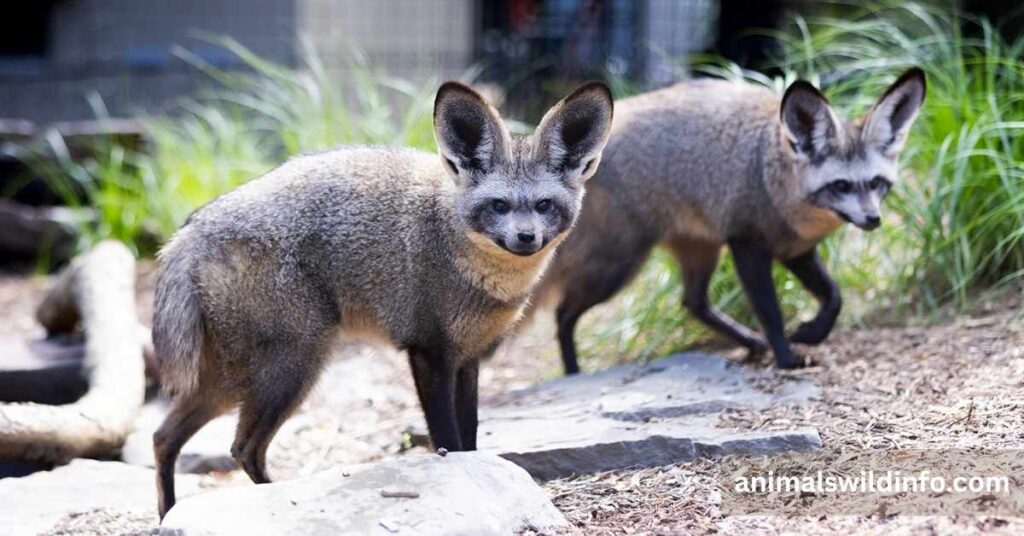
The Bat-Eared Fox is a real fox, not a look-alike, but its massive ears make it stand out even among its own relatives. Those ears aren’t just for show. They pick up the faint sounds of termites and beetles moving underground, which happen to make up most of this fox’s diet. That makes it one of the few genuine insectivore foxes on the planet.
Compare that diet to a fennec fox or an arctic fox, and you start to see how much variety exists within the fox genus itself. The fennec fox thrives in blistering desert heat, and the arctic fox handles brutal cold with a thick seasonal coat. The bat-eared fox splits the difference, living across African savannas and grasslands while keeping insect populations in check.
Red Pandas
Scientific Name: Ailurus fulgens Class: Mammalia Diet: Omnivore
Red Pandas confuse people constantly. The name says panda, but the look says fox, right down to the reddish coat and bushy ringed tail. These small, tree-dwelling mammals live in the mountain forests of the Himalayas, and they spend most of their time climbing rather than roaming the ground the way a red fox typically does.
Bamboo makes up most of their diet, but red pandas also snack on fruit, eggs, and small insects when they get the chance. Unlike the mostly solitary fox, red pandas get noticeably more social during mating season, communicating through a range of whistles and grunts. Their role as seed spreaders also makes them quiet but important players in ecosystem balance across their mountain home.
Mongooses
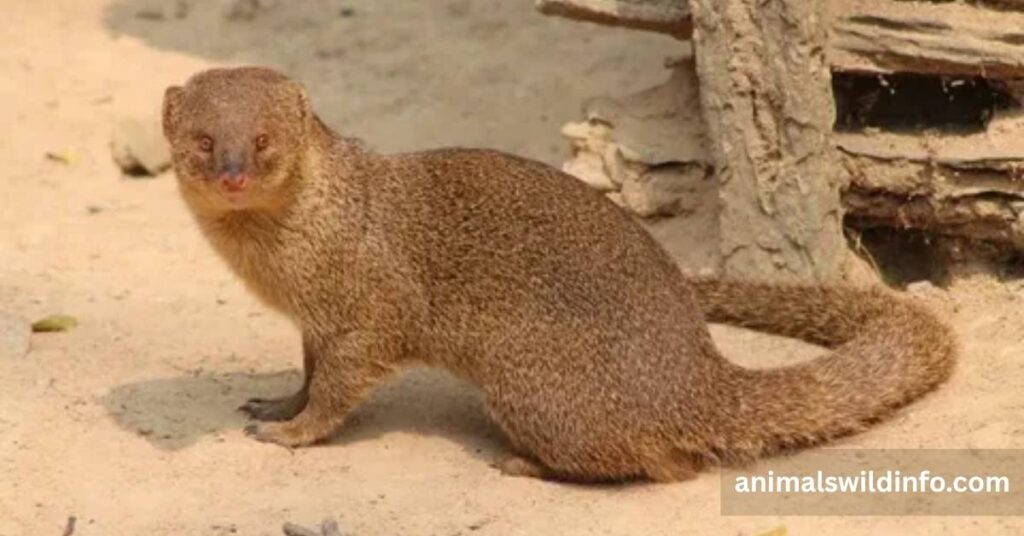
Mongooses move fast, think fast, and hunt with a level of nerve that rivals any fox. These small, agile mammals take on prey most animals avoid entirely, including venomous snakes, thanks to a natural resistance that blocks certain snake toxins from doing damage. That’s a survival trick most predators similar to foxes simply don’t have.
Some mongoose species, like meerkats, live in tight social groups and take turns standing guard while others forage. Others prefer a more solitary path, closer to how a fox operates. Either way, their sharp reflexes and opportunistic feeding style put them firmly among the cleverest small carnivorous mammals in the wild, and they’ve earned a reputation for outsmarting bigger, stronger animals more than once.
Weasels
Scientific Name: Mustela nivalis Class: Mammalia Diet: Carnivore
Weasels are tiny, but don’t let the size fool you. These sleek hunters squeeze through gaps that look impossibly small, and they take down prey far bigger than themselves using speed and surprise rather than brute strength. That stealthy approach puts them in the same cunning category as any fox, even though weasels belong to the separate Mustelidae family alongside otters and badgers.
Some weasel species swap their brown summer coat for pure white in winter, blending perfectly into snowy landscapes. That seasonal shift shows some serious habitat adaptation skill, and it’s one more reason these small predators survive in places where bigger animals struggle. Playful, quick, and endlessly curious, weasels bring their own twist to the fox-like hunting playbook.
Civets
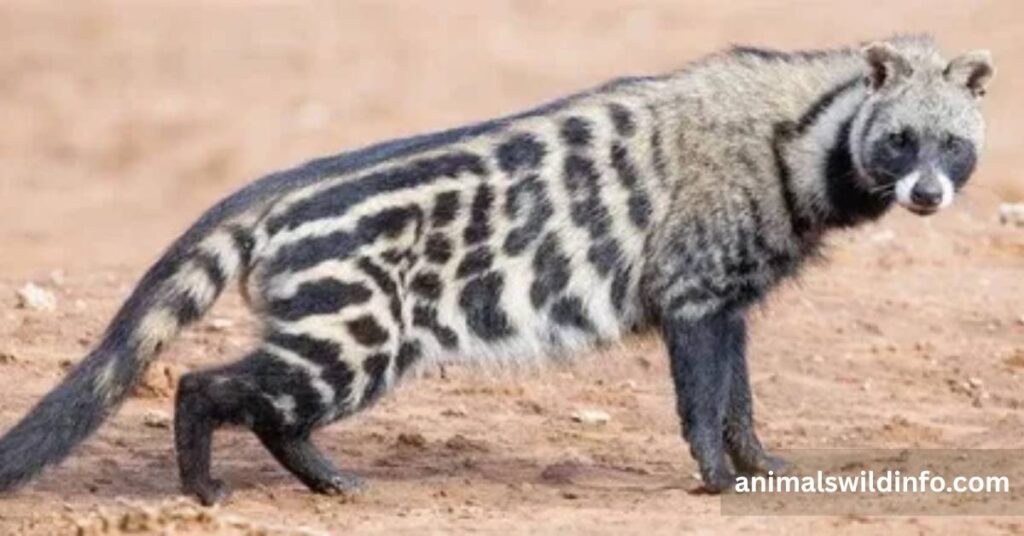
Civets slip through the night almost unnoticed, and their pointed face and ringed tail give them a fox-adjacent look at first glance. These nocturnal mammals belong to the Viverridae family, and they blend feline grace with weasel-like agility in a way that makes them tough to categorize neatly. Climbing comes naturally to them, and their sharp sense of smell helps them track food in total darkness.
Civets also play a surprising role in agriculture. In parts of Southeast Asia, they’re famous for a certain coffee bean connection that involves their digestive system, of all things. Beyond that odd claim to fame, civets help disperse seeds through their fruit-heavy diet, making them quiet but valuable forest carnivores wherever they roam.
Skunks
Scientific Name: Mephitis mephitis Class: Mammalia Diet: Omnivore
Skunks get overshadowed by their infamous smell, but there’s more going on beneath that reputation. Their body shape and foraging habits echo a fox’s adaptable lifestyle, and skunks handle a huge range of habitats, from forests to farmland to city parks, without much trouble. Their diet swings from fruit to insects to small rodents depending on what’s available.
Contrary to the loner stereotype, skunks often form small family groups, especially when raising young. They communicate through body language and low vocal sounds, building a social structure that’s more complex than most people assume. Add in their role as natural pest control, and skunks turn out to be far more interesting than their smell ever lets on.
Bobcats
Scientific Name: Lynx rufus Class: Mammalia Diet: Carnivore
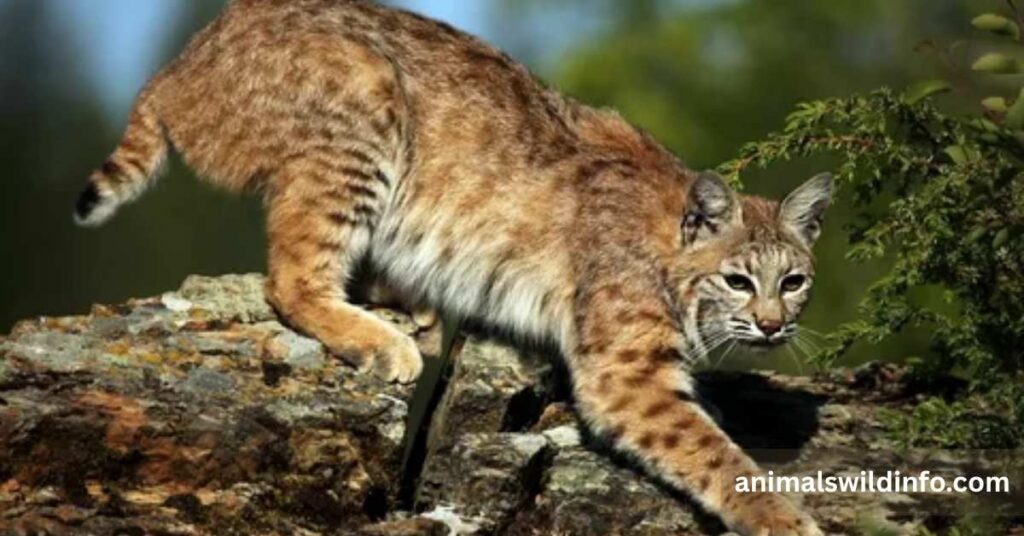
Bobcats hunt with the same patience and stealth that makes a fox so effective, even though they’re true wildcats through and through. Tufted ears, a short bobbed tail, and a knack for blending into forests, mountains, and even suburban edges make bobcats masters of staying unseen. Rabbits and rodents make up most of their diet, and they rely on ambush rather than a long chase.
Territorial behavior runs deep in bobcats. Each one marks and defends its range using scent and scratch marks, much like a fox patrols its own turf. That solitary, fiercely independent streak places bobcats among the more elusive woodland predators in North America, and spotting one in the wild counts as a genuine stroke of luck.
Margays
Scientific Name: Leopardus wiedii Class: Mammalia Diet: Carnivore
Margays live in the tropical forests of Central and South America, and their sleek, agile build gives them a fox-like grace, especially when they’re on the move. What truly sets margays apart, though, is their climbing ability. Flexible ankles let them descend trees headfirst, a trick almost no other cat can pull off, and it makes them true masters of life in the canopy.
Their hunting style relies on stealth and patience, stalking birds and small mammals through dense branches before striking. Margays also communicate using an unusual range of whistles and purrs, which helps them stay in contact in a forest where visual signals often get lost among the leaves. It’s a rare mix of agile predators and acrobat, all in one small cat.
Read More: Top 15 Animals That Look Like Capybaras (With Pictures & Fun Facts)
Wildcats (Domestic Cats)
Scientific Name: Felis catus Class: Mammalia Diet: Carnivore
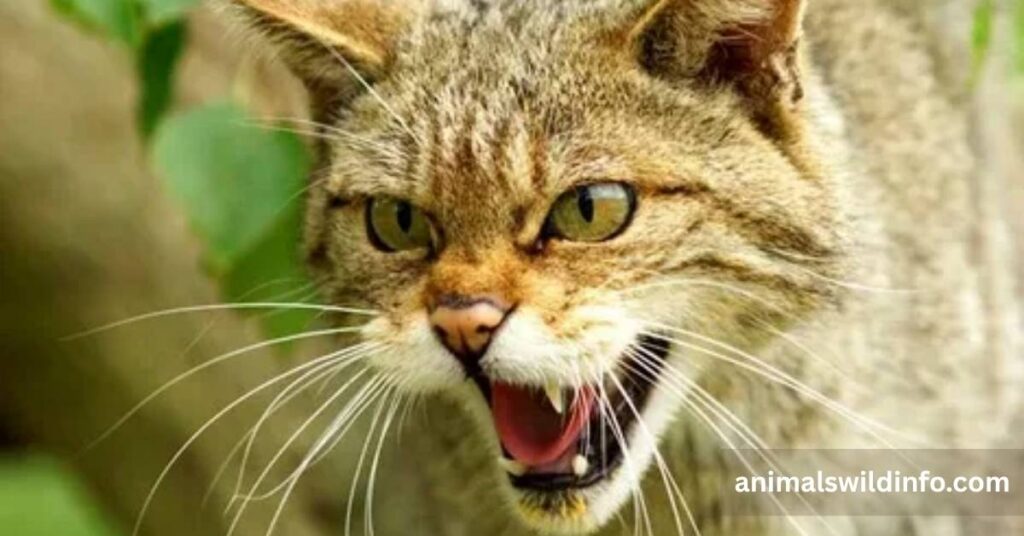
Wildcats, including the domestic cats curled up on your sofa, share a surprising number of traits with foxes. Both rely on stealth over speed, both prefer solo hunts, and both show that same patient, calculating stalk before they pounce. Watch a house cat creep up on a toy mouse, and you’re basically watching a scaled-down fox hunt play out in your living room.
Cats also build tighter social bonds than people expect from such independent animals. They recognize their humans, form real attachments, and communicate through a surprising range of sounds and body language. That blend of independence and connection makes cats one of the more relatable entries on this list, even if they’d never admit to needing anyone.
Mole Rats
Scientific Name: Heterocephalus glaber Class: Mammalia Diet: Omnivore
Mole Rats might seem like an odd fit here, but stick with it. These burrowing mammals show off a different kind of cleverness than a fox, one built around cooperation instead of solo cunning. Mole rat colonies function almost like a single organism, with members taking on specific roles to keep the whole underground network running smoothly.
Their powerful digging limbs and muted fur help them move through tunnel systems the same way a fox uses varied terrain to its advantage above ground. It’s not about looks with mole rats. It’s about survival strategy, and their tight-knit, highly organized colonies prove that adaptable mammals come in shapes nobody would expect at first glance.
Comparison Table: Animals Like Foxes at a Glance
| Animal | Scientific Name | Class | Diet | Region | Fox-Like Trait |
| Coyotes | Canis latrans | Mammalia | Omnivore | North America | Build, ears, vocal range |
| Jackals | Various | Mammalia | Omnivore | Africa, Asia | Slim frame, bushy tail |
| Wolves | Canis lupus | Mammalia | Carnivore | Global | Muzzle shape, family ties |
| Dingoes | Canis lupus dingo | Mammalia | Carnivore | Australia | Sleek body, low tail |
| Dholes | Cuon alpinus | Mammalia | Carnivore | Asia | Reddish coat |
| Maned Wolf | Chrysocyon brachyurus | Mammalia | Omnivore | South America | Long legs, fox-shaped head |
| African Wild Dogs | Lycaon pictus | Mammalia | Carnivore | Africa | Lean build, big ears |
| Domestic Dogs | Canis lupus familiaris | Mammalia | Omnivore | Global | Breed-specific looks |
| Raccoon Dogs | Nyctereutes procyonoides | Mammalia | Omnivore | Asia, Europe | Closest non-fox relative |
| Culpeo | Lycalopex culpaeus | Mammalia | Omnivore | South America | Coat, muzzle, ears |
| Bat-Eared Fox | Otocyon megalotis | Mammalia | Insectivore | Africa | True fox, unique diet |
| Red Pandas | Ailurus fulgens | Mammalia | Omnivore | Asia | Reddish, bushy tail |
| Mongooses | Various | Mammalia | Carnivore | Africa, Asia | Cunning, agility |
| Weasels | Mustela nivalis | Mammalia | Carnivore | Global | Stealth, sleek body |
| Civets | Various | Mammalia | Omnivore | Africa, Asia | Pointed face, night habits |
| Skunks | Mephitis mephitis | Mammalia | Omnivore | North America | Body shape, adaptability |
| Bobcats | Lynx rufus | Mammalia | Carnivore | North America | Stealth hunting |
| Margays | Leopardus wiedii | Mammalia | Carnivore | Central/South America | Sleekness, night hunting |
| Wildcats (Domestic Cats) | Felis catus | Mammalia | Carnivore | Global | Solo stalking style |
| Mole Rats | Heterocephalus glaber | Mammalia | Omnivore | Africa | Resourceful survival |
How Are These Animals Similar to Foxes?
Most animals resembling foxes share a few obvious traits. Think pointed ears, a sharp muzzle, and that signature bushy tail built for balance and warmth. Behavior matters just as much as looks, though. Many of these species share the fox’s nocturnal habits, its knack for slipping into human-edge environments, and its opportunistic approach to finding a meal wherever one turns up.
The real explanation behind all this overlap comes down to something scientists call convergent evolution. Unrelated species facing similar survival challenges often land on similar solutions, even without sharing recent ancestry. It’s a bit like how two inventors, working continents apart, sometimes stumble onto the same design for solving the same problem. Nature does this constantly, and it’s exactly why a fox look-alike can show up in a family tree that has nothing to do with foxes at all.
Which Animals Are Closest Relatives of Foxes?
If you want true fox relatives, stick close to the Canid family. Raccoon dogs top that list, and many researchers consider them the nearest living relative to foxes outside the fox genus itself. Coyotes, jackals, and the Culpeo also sit fairly close on the family tree, sharing recent common ancestors and plenty of overlapping hunting behavior.
The bat-eared fox deserves a special mention here too, since it’s a genuine fox species rather than just a look-alike. Compare it against a classic red fox or a snow-white arctic fox, and you’ll notice the whole fox genus covers an impressive range of adaptations. From blazing hot savannas to frozen tundras, foxes and their closest cousins have figured out how to make nearly every corner of the globe work for them.
Final Thoughts
This deep dive into animals like foxes shows just how wide wildlife diversity really runs. Some entries share DNA with foxes. Others just borrowed the look through millions of years of trial and error. Either way, every animal on this list earns its spot through smart survival strategies, sharp instincts, and a knack for making the most of whatever environment it calls home.
Next time you spot a bushy tail or a pair of pointed ears in the wild, take a second look. It might be a fox. Or it might be one of its many clever look-alikes, quietly proving that nature never runs out of ways to reuse a good idea.
FAQ’s
Coyotes, jackals, raccoon dogs, and the Culpeo rank among the animals that look most like foxes. Each one shares the classic pointed ears, sharp muzzle, and bushy tail that make foxes so recognizable at a glance.
The raccoon dog holds the closest relation to true foxes outside the fox genus itself. Despite its raccoon-style facial mask, it belongs firmly within the Canidae family alongside foxes, wolves, and dogs.
No, not all of them. Red pandas, civets, mole rats, and bobcats all resemble foxes in some way, yet none belong to the Canidae family. Their similarities come from shared habits or convergent evolution rather than close ancestry.
The Culpeo, often nicknamed the Andean fox, looks the most like a true fox among wild dog species. Its reddish-gray coat, sharp muzzle, and alert ears make it easy to mistake for a genuine fox at first glance.
Shared traits like a bushy tail, pointed ears, and nocturnal hunting habits usually explain the resemblance. In many cases, unrelated species develop these features independently through convergent evolution, since similar environments tend to reward similar physical and behavioral solutions.