12 Incredible Animals That Sleep a Lot You Need to Know
Did you know some animals spend almost their whole life asleep? It sounds strange, but it’s true. Some sleepy mammals nap for 20 hours a day. Others barely close their eyes at all. Nature works in strange ways, and sleep is one of its biggest mysteries.
In this guide, you’ll meet the world’s sleepiest animals. You’ll learn why they sleep so much, and how their sleep behavior helps them survive. We’ll also look at animals on the other end of the scale, the ones that barely rest at all. By the end, you’ll understand animal sleeping habits in a whole new way.
Sleep science in wildlife adaptation studies has grown fast over the past decade. Researchers now track wild animals with tiny sensors, recording every pause in their sleep cycle. What they’ve found often surprises even seasoned biologists. A koala’s rest looks nothing like a lion’s, for example. Yet both serve the same purpose: keeping the animal alive long enough to reproduce and thrive. That single goal ties every story in this article together.
List of Animals That Sleep a Lot
Some creatures don’t just nap. They practically hibernate through daily life. Below, you’ll find twelve of the sleepiest animals on Earth, ranked by how much they snooze. Each one has a unique reason for its long sleep requirement, tied closely to diet, habitat, and survival.
These long sleeping animals come from very different corners of the animal kingdom. Some are tiny. Some are massive predators. Yet they all share one thing: sleep plays a huge role in keeping them alive.
You’ll notice a pattern as you read through each one. Diet drives a lot of this behavior. Animals eating nutrient-poor diets, like leaves or bamboo, tend to sleep the longest. Meanwhile, hunters rest hard between meals, saving strength for short chases instead of wasting energy on constant movement. Each entry below includes the basics, scientific name, class, and diet, followed by a closer look at what makes that animal’s rest so unusual.
Koala
Scientific name: Phascolarctos cinereus Class: Mammalia Diet: Herbivore
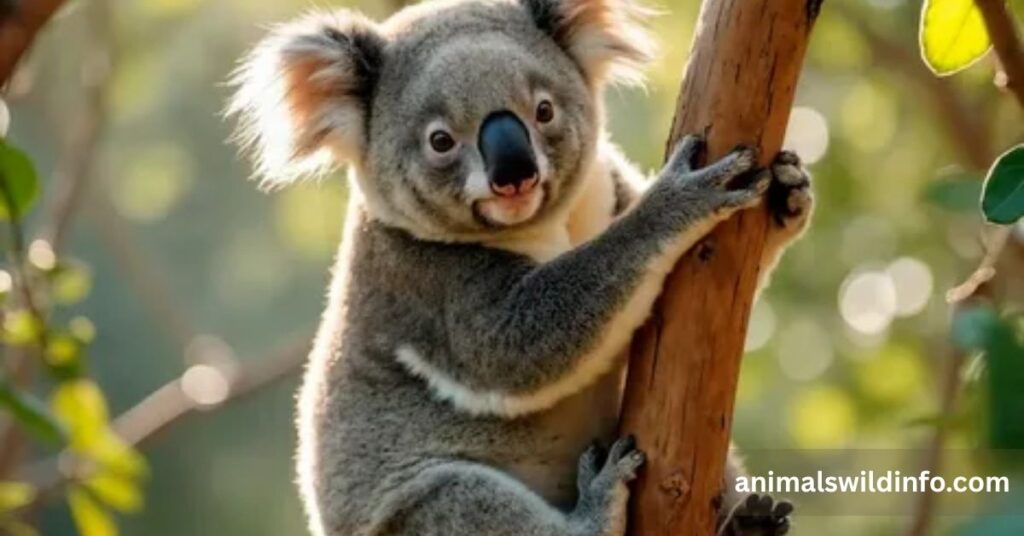
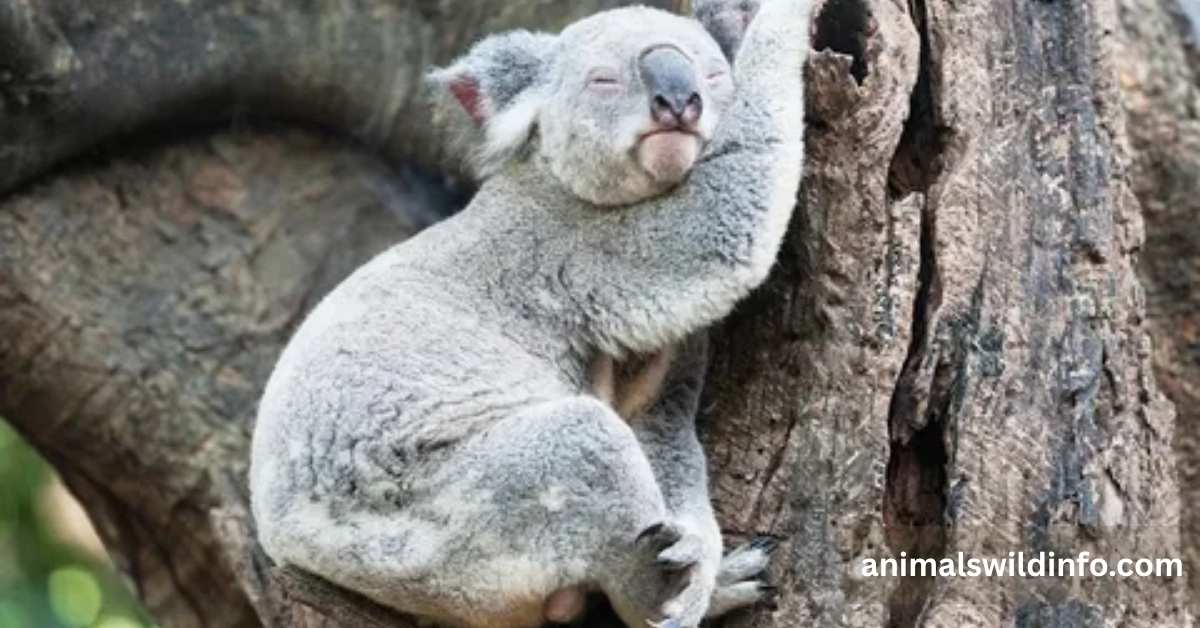
Koalas top the list of animals with the longest sleep. They snooze for 18 to 22 hours a day. Why so much? Their diet holds the answer. Koalas eat eucalyptus leaves, and this leafy food gives very little energy back. Digesting it also takes a lot of effort. So koalas save energy the smart way. They sleep it off.
This isn’t just laziness, though. It’s energy conservation at its finest. Their slow body metabolism matches their leafy diet perfectly. When koalas do wake up, they move slowly and carefully. Their biological clock keeps them mostly quiet during the day, saving their short bursts of energy for eating and, occasionally, climbing to a better branch.
Wild koalas rarely travel far from a favorite eucalyptus tree, sometimes staying in the same fork of branches for days at a time. They’ll wedge themselves into a comfortable notch, barely shifting position for hours. This tight bond between food, rest, and location shows how deeply koala sleep facts connect to their whole way of life.
Read More: Top 17 Thickest Skin Animals in the World (With Pictures & Amazing Facts)
Brown Bat
Scientific name: Myotis lucifugus Class: Mammalia Diet: Insectivore
Brown bats are true champions among long sleeping mammals. They can sleep close to 20 hours daily. As nocturnal animals, they save their energy all day so they can hunt insects at night. This pattern isn’t random. It’s built into their circadian rhythm, which tells their body exactly when to rest and when to fly.
During the day, bats often enter torpor. This is a deep, energy-saving state where their heart rate drops and body temperature falls. It’s a clever trick of wildlife adaptation. Torpor helps them survive when food gets scarce, and it explains why bats seem to vanish for hours at a time, tucked away in caves, attics, or tree hollows.
A single brown bat can eat hundreds of mosquitoes in one night. That kind of hunting takes sharp focus and quick wingwork, so the long daytime rest isn’t optional. It’s the price of admission for a successful night out. Without it, the bat simply wouldn’t have the stamina to keep hunting until dawn.
Lion
Scientific name: Panthera leo Class: Mammalia Diet: Carnivore
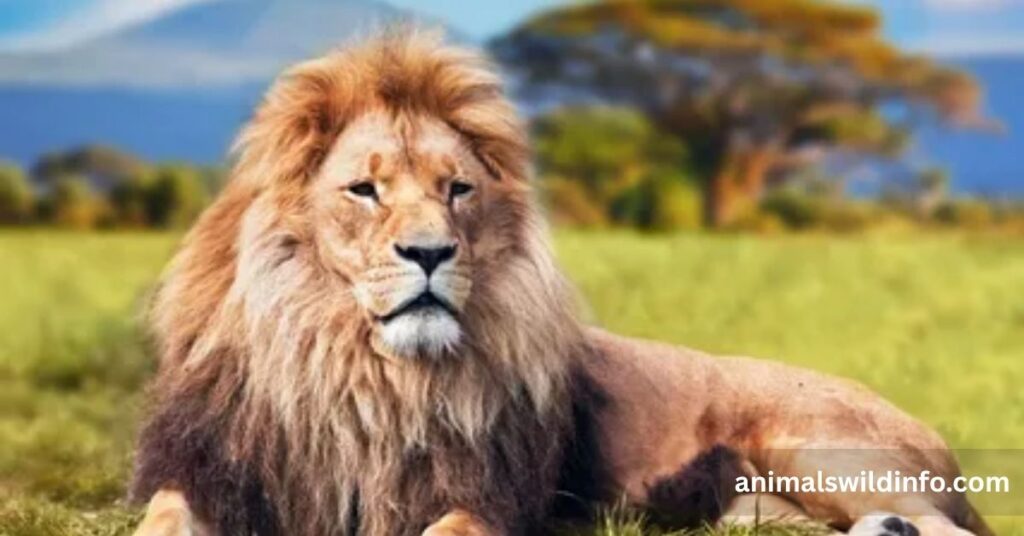
Lions might rule the savanna, but they also rule the nap game. These big cats sleep up to 20 hours a day. That’s one of the more surprising facts about lion sleeping hours, especially for an animal known as the king of the jungle. Hunting takes huge bursts of energy, so lions rest hard between meals.
Their hunting behavior explains a lot here. Since lionesses often do the hunting, the whole pride benefits from long rest periods beforehand. This downtime isn’t wasted time. It’s energy efficiency in action, letting lions save strength for short, intense chases rather than wearing themselves out with constant movement.
Heat plays a role too. In the African savanna, daytime temperatures soar, and moving around burns precious water and energy fast. So lions nap through the hottest hours, often piled together in a patch of shade, then wake as the sun drops. This shift toward evening activity lines up neatly with cooler air and better hunting conditions.
Virginia Opossum
Scientific name: Didelphis virginiana Class: Mammalia Diet: Omnivore
The Virginia opossum sleeps around 18 hours a day, making it one of North America’s most resting animals. Much of that time happens in hidden dens or burrows, safely tucked away from predators. This habit reflects a clear survival strategy, since staying hidden reduces the risk of an early demise.
Opossums also have a famous backup plan. When threatened, they play dead, sometimes for hours. This bizarre trick blurs the line between actual sleep and pure defense. Combined with their slow metabolism, this behavior shows how animal behavior can evolve in surprising, even theatrical, directions.
Opossums also thrive in cities as easily as forests. Their adaptable diet and low activity needs let them survive on scraps, insects, and small plants almost anywhere. This flexibility, paired with a body built for rest rather than speed, makes the opossum one of North America’s quiet survival success stories.
Owl Monkey
Class: Mammalia Diet: Omnivore
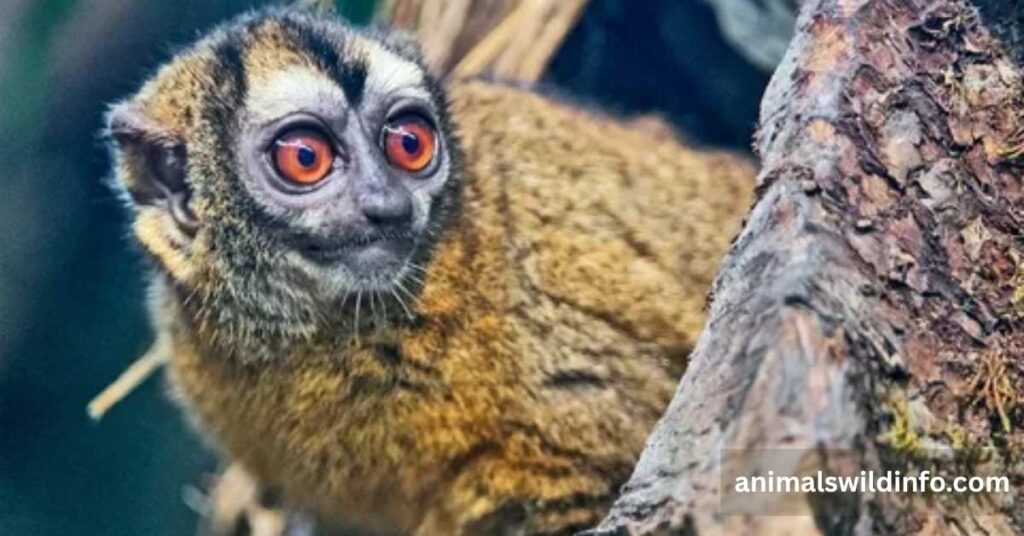
Owl monkeys, sometimes called night monkeys, sleep about 17 hours daily. As one of the few truly nocturnal primates, their whole sleep cycle runs opposite to ours. During the day, they curl up in tree hollows or thick branches, resting quietly until darkness falls.
This species shows fascinating wildlife sleep habits tied to their social bonds. Owl monkeys often huddle together while resting, which offers warmth and safety. Their large eyes, built for night vision, hint at just how much their entire biology has adapted around darkness and long daytime rest.
Unlike most monkeys, owl monkeys form tight family units that stay together for years. Parents share the job of carrying infants, and the whole group rests as a unit during the day. This cooperative style of living pairs naturally with their long resting period, since safety in numbers makes deep daytime sleep far less risky.
Sloth
Class: Mammalia Diet: Herbivore
Sloths are famous for one thing above all else: doing very little, very slowly. They sleep between 15 and 20 hours a day, and their pace even while awake barely counts as movement. Their diet of leaves offers poor nutrition, which forces a slow digestion process and an even slower lifestyle overall.
This connects directly to their evolutionary adaptation. Moving slowly and sleeping often helps sloths avoid detection in the rainforest canopy. Their fur even grows tiny algae, adding natural camouflage. So while sloths look lazy, their sluggish habits actually form a smart, quiet way to survive in a rainforest habitat full of predators.
Sloths only come down from the trees about once a week, usually to relieve themselves. This rare descent is actually one of the most dangerous moments in their life, since ground predators pose a far bigger threat than anything lurking in the branches above. Everything else about their routine, eating, sleeping, and moving, happens high in the canopy.
Giant Armadillo
Scientific name: Priodontes maximus Class: Mammalia Diet: Insectivore
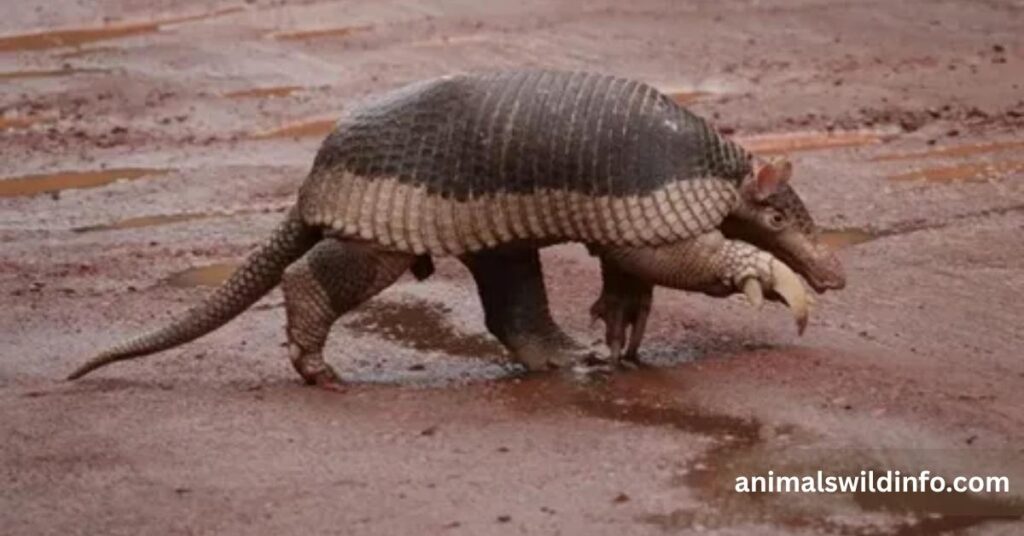
The giant armadillo sleeps 18 to 20 hours daily, mostly underground. It digs deep burrows with its powerful claws, creating a safe space to rest away from jaguars and other predators. This burrowing habit also benefits the wider ecosystem, since it helps aerate soil and support plant growth nearby.
As one of the more mysterious long sleeping animals, giant armadillos remain active only at night. Their nocturnal behavior keeps them hidden during risky daylight hours. Scientists still don’t know everything about this shy creature, but its sleep pattern clearly plays a huge role in its long-term survival.
Each armadillo digs several burrows across its territory, rotating between them like a set of safe houses. This habit reduces the risk of a predator learning its exact location. Combined with such long hours underground, it’s no surprise that wild sightings of this animal remain rare, even for researchers who study it closely.
Giant Panda
Scientific name: Ailuropoda melanoleuca Class: Mammalia Diet: Herbivore
Giant pandas sleep between 10 and 16 hours daily, and their diet explains why. Bamboo, their main food, offers very little nutrition. So pandas must eat constantly just to get enough energy, leaving limited hours for anything else. Long rest periods help balance this demanding bamboo diet.
Interestingly, pandas don’t follow a strict schedule. They mix short naps throughout the day and night rather than sleeping in one long block. This flexible sleep pattern helps them stay alert for danger, even during rest, showing how animal sleep duration can vary even within a single species.
A wild panda can spend up to fourteen hours a day just chewing bamboo, which leaves precious little time for anything else. Between feeding sessions, they’ll flop down for a quick nap, sometimes right where they were sitting. This eat-then-rest cycle repeats constantly, almost like clockwork, throughout both day and night.
Read More: Top 20 Clumsy Animals in the World (With Pictures & Surprising Facts)
Tiger
Scientific name: Panthera tigris Class: Mammalia Diet: Carnivore
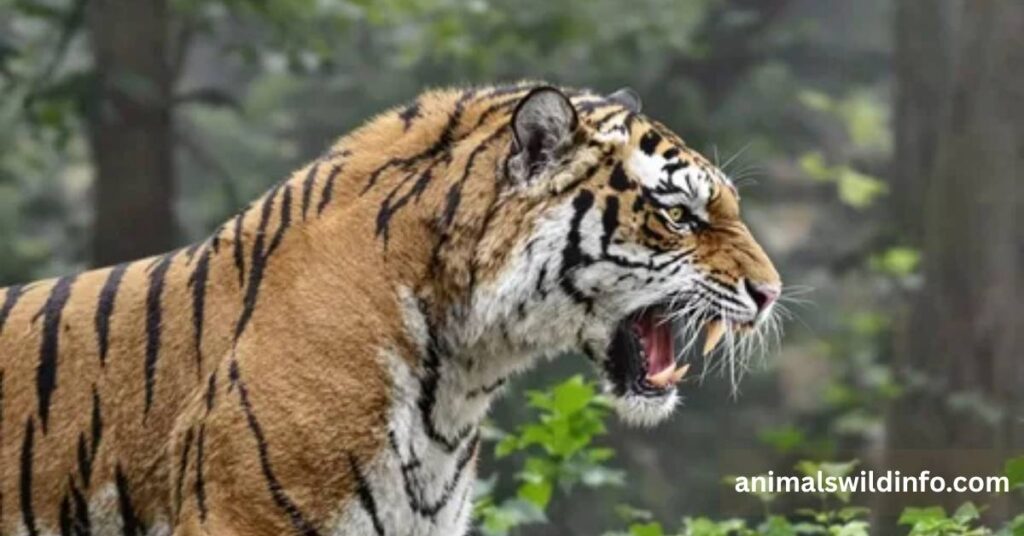
Tigers sleep 16 to 18 hours a day on average, following a tiger sleeping pattern built around conserving energy for intense hunts. As solitary hunters, tigers need short bursts of speed and power. Long rest periods, often in shaded, cool spots, help them recharge for those brief but demanding chases.
Unlike deep, uninterrupted sleep, a tiger’s rest often includes quick moments of alertness. They wake easily, scan their surroundings, then drift back off. This pattern reflects sharp predator avoidance instincts, even for an apex predator, since staying half-alert helps tigers react fast if a rival or threat comes near.
Territory disputes with other tigers happen often, so even top predators can’t afford total vulnerability while resting. That’s why you’ll rarely see a wild tiger sleeping in the open. They prefer dense cover, tall grass, or shaded rock ledges, spots that offer both comfort and a clear view of anything approaching.
Python
Class: Reptilia Diet: Carnivore
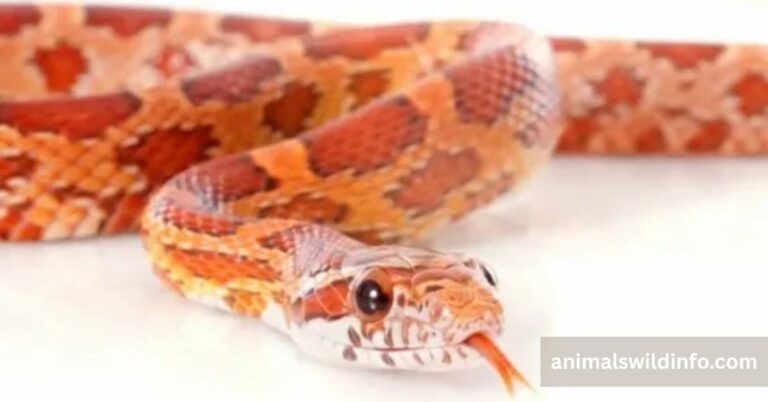
Pythons show one of the more unusual sleep behaviors in the reptile world. After a large meal, they can sleep up to 18 hours, since digestion demands enormous energy. Their metabolic rate actually rises during this time, even though the snake looks completely still and inactive.
This connects closely to broader python sleep behavior research. Snakes often choose tight, hidden spots like hollow logs for resting, since these spaces offer both safety and warmth. Even while resting, pythons can sense vibrations nearby, turning what looks like vulnerability into a quiet, watchful form of defense.
Being cold-blooded changes the whole equation for reptiles. A python’s body temperature depends heavily on its surroundings, so resting in a sun-warmed spot can actually speed up digestion. This is very different from warm-blooded mammals, whose bodies regulate temperature internally no matter where they choose to rest.
Treeshrew
Class: Mammalia Diet: Omnivore
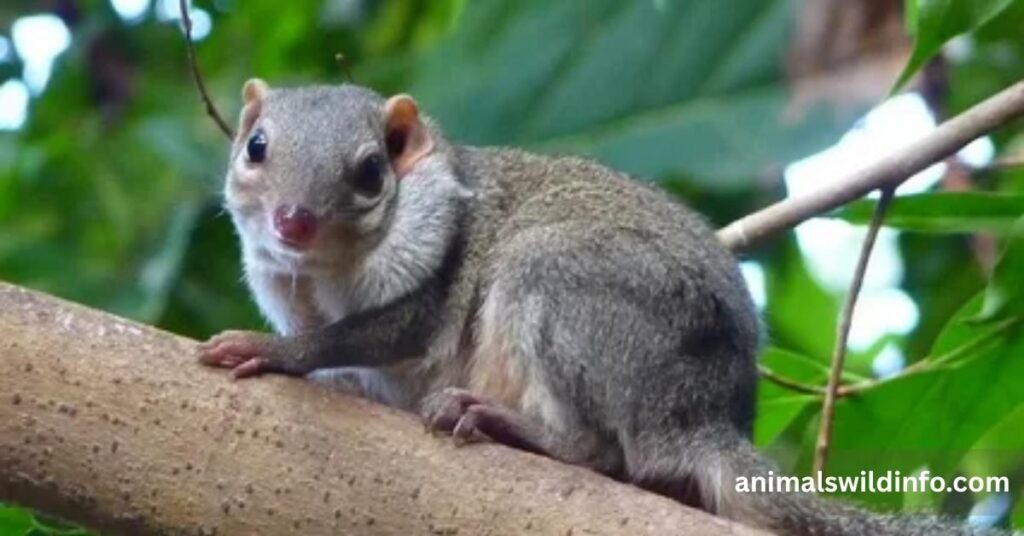
Treeshrews rest more than 14 hours daily, making them one of the more overlooked sleepy mammals in Southeast Asia’s forests. These small, quick creatures often enter light torpor, helping them conserve body heat and energy between nights of foraging through dense, humid jungle.
Their diet plays a role too. As insectivores with access to fruit and insects, treeshrews need sharp focus and quick reflexes at night. Long daytime rest ensures they stay agile when it matters most, striking a careful balance between food availability and the energy needed to find it.
Despite their small size, treeshrews have surprisingly fast metabolisms compared to many other mammals on this list. That means their long rest periods aren’t about slow digestion at all. Instead, they’re about recovery, giving tiny, high-energy bodies enough downtime to reset before another busy night of foraging begins.
Read More: Top 15 Animals That Eat Honey (With Pictures & Fascinating Facts)
Domestic Cat
Scientific name: Felis catus Class: Mammalia Diet: Carnivore
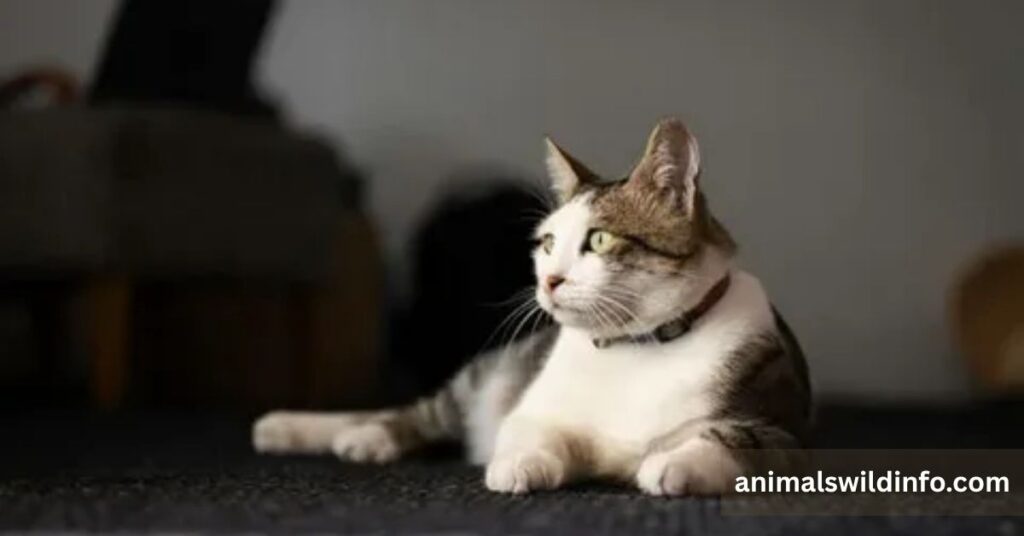
Domestic cats sleep 13 to 16 hours a day, carrying forward instincts from their wild ancestors. This isn’t pure laziness. Wild cats needed energy for short, explosive hunts, and house cats still carry that same biological wiring, even without a single mouse in sight.
Beyond energy conservation, sleep supports brain health too. During REM sleep, cats often twitch or move slightly, likely dreaming about chasing prey. This mental activity boosts memory and learning, proving that a cat’s nap isn’t just cute. It’s a small but important piece of wildlife adaptation at work.
Most cat owners notice their pets sleeping more during colder months or after a big meal. That’s not a coincidence. Cooler weather encourages rest to save body heat, while a full stomach triggers the same post-meal drowsiness seen in pythons and other predators. Even a pampered house cat still runs on ancient survival programming.
Why Do Some Animals Sleep So Much?
So why do some creatures nap through most of their lives? The answer usually comes down to diet and safety. Animals eating low-energy food, like leaves or bamboo, must rest often just to balance their body metabolism. Meanwhile, predators use sleep to save strength for short, demanding hunts rather than wasting energy wandering all day.
Safety matters just as much as energy. Many resting animals hide in burrows, tree hollows, or dense brush while sleeping, avoiding predator avoidance risks altogether. This mix of biology and behavior shows how deeply animal sleep duration connects to survival, shaped over thousands of years through evolutionary adaptation.
Diet type also splits animals into rough sleep categories. Herbivores eating leaves or bamboo often sleep the longest, since their food takes forever to digest and offers little payoff. Carnivores, on the other hand, sleep hard between hunts rather than throughout the whole day. Omnivores and insectivores usually land somewhere in between, adjusting their rest around whatever food happens to be available. This connection between animal sleeping habits and diet appears again and again throughout the animal kingdom, proving it’s far more than coincidence.
Which Animal Sleeps the Most?
Among all the creatures we’ve covered, koalas and brown bats sit near the very top, both resting close to 20 to 22 hours daily. Giant armadillos and lions aren’t far behind, often clocking similar hours depending on food availability and season.
What makes these animals stand out isn’t just the number of hours. It’s how their entire lifestyle bends around sleep. From eucalyptus leaves that barely offer energy, to hunting styles built on short bursts of power, each of these creatures that sleep a lot shows a different path toward the same goal: surviving efficiently.
It’s worth noting that sleep hours can shift with age, health, and season too. A young koala or cub may sleep even more than an adult, since growth itself demands huge amounts of energy. Zoo animals also sometimes sleep differently than their wild counterparts, since a steady food supply and safety from predators can change the whole equation. This is why most figures in this article appear as ranges rather than exact numbers.
How Many Hours Do These Animals Sleep?
Numbers help paint a clearer picture here. Below, you’ll find a simple comparison of animal sleep duration across all twelve species from our list. This table makes it easy to compare sleeping animals at a glance, without digging through long paragraphs.
Look closely, and you’ll notice a pattern. Herbivores eating poor-nutrition plants, like koalas and pandas, often sleep longest. Predators like lions and tigers follow close behind, resting hard between hunts rather than staying constantly active.
Diet isn’t the only factor at play here, though. Body size, habitat, and threat level all shape animal sleep duration too. Smaller animals often burn energy faster relative to their size, which can push their sleep requirement higher than you’d expect. Meanwhile, animals with fewer natural predators, like lions sitting at the top of the food chain, can afford longer, deeper rest without much risk.
| Animal | Average Sleep (Hours/Day) | Diet Type |
| Koala | 18–22 | Herbivore |
| Brown Bat | ~20 | Insectivore |
| Lion | Up to 20 | Carnivore |
| Giant Armadillo | 18–20 | Insectivore |
| Sloth | 15–20 | Herbivore |
| Virginia Opossum | ~18 | Omnivore |
| Python | Up to 18 | Carnivore |
| Tiger | 16–18 | Carnivore |
| Owl Monkey | ~17 | Omnivore |
| Domestic Cat | 13–16 | Carnivore |
| Giant Panda | 10–16 | Herbivore |
| Treeshrew | 14+ | Omnivore |
Animals That Sleep the Least (Comparison)
Not every creature loves a good nap. Some animals barely sleep at all, staying alert almost around the clock. Below, you’ll meet five animals known for their short sleep requirement, offering a striking contrast to the long sleeping animals covered earlier.
These low-sleep species usually share one trait: constant vigilance. Whether grazing in open fields or watching for predators near water, their biology simply doesn’t allow for long rest periods, showing just how varied wildlife sleep patterns can be across the animal kingdom.
African Elephant
Scientific name: Loxodonta africana Diet: Herbivore
African elephants sleep as little as two hours a day, one of the shortest sleep requirements in the entire animal kingdom. Constant grazing takes up most of their day, since their massive bodies demand huge amounts of food just to function properly. Herds also move frequently, and a sleeping elephant left behind would face real danger from predators or separation from the group.
Donkey
Scientific name: Equus asinus Diet: Herbivore
Donkeys rest around three hours daily, often standing while dozing lightly. This habit lets them stay alert for predators, since lying down fully would leave them dangerously exposed in open terrain. Standing sleep also lets a donkey bolt instantly if danger appears nearby.
Giraffe
Scientific name: Giraffa camelopardalis Diet: Herbivore
Giraffes sleep less than two hours a day, often in short bursts of just a few minutes at a time. Their long legs and open habitat make deep sleep risky, so light, brief rest works far better for survival. Some giraffes barely lie down at all, catching micro-naps while standing tall above the grass.
Domestic Goat
Scientific name: Capra hircus Diet: Herbivore
Domestic goats sleep around five hours daily, balancing rest with near-constant grazing. Their strong herd instincts also mean they rarely relax fully, staying alert to protect the group from nearby threats. Even a resting goat tends to keep one ear turned toward any unfamiliar sound.
Grey Seal
Scientific name: Halichoerus grypus Diet: Carnivore
Grey seals sleep roughly six hours a day, though they can nap while floating in water. This unusual skill allows partial rest even while staying somewhat aware of their surroundings, a clever trick suited to ocean life. On land, seals sleep more deeply, since beaches and rocky shores offer far fewer predators than open water.
Final Thoughts
From koalas snoozing nearly all day to giraffes barely resting at all, sleep tells a fascinating story about survival. Every yawn, nap, or long slumber connects back to diet, safety, and energy needs, shaped carefully by millions of years of evolutionary adaptation.
Next time you spot a sleepy cat curled up in the sun, remember there’s real science behind it. Sleep isn’t laziness. It’s one of nature’s smartest survival tools, quietly shaping life across the entire animal kingdom.
FAQ’s
Koalas and brown bats sleep the most, often resting between 18 and 22 hours daily. Their low-energy diets and nocturnal habits explain this extreme need for rest.
Giraffes and African elephants sleep the least, often getting under two hours daily. Their size and open habitats make short, light rest the safest option.
Koalas come close to this mark, spending roughly 75 to 90 percent of their life asleep. Their eucalyptus-based diet demands constant energy conservation.
Sloths are often called the laziest animals, sleeping 15 to 20 hours daily. Their slow movement and long naps come from a nutrient-poor plant diet.
Domestic cats and giant pandas often sleep close to this range, balancing rest with feeding and light activity throughout the day.
Koalas fit this description well, spending about three-quarters of their entire life sleeping due to their low-energy eucalyptus diet.