Top 30 Greedy Animals in the World (With Pictures & Fascinating Facts)
Have you ever watched a squirrel bury the same acorn three times in one afternoon? Nature runs on hunger, and some species take that hunger to extreme levels. This guide digs into the greediest animal in the world debate, and it names the top 30 contenders you’ll find across forests, oceans, and even your own backyard.
You’ll learn why these creatures eat so much, hoard so much, and fight so hard for every last bite. By the end, you’ll know exactly what animal is the greediest and why that label might not be fair at all.
What Are Greedy Animals?
Greedy animals are species that eat far more than they seem to need, or that stash away food long after their hunger fades. This isn’t laziness or bad manners. It’s animal feeding behavior shaped by millions of years of trial and error. A creature that grabs every meal it can get often survives a lean season that kills its more cautious neighbors.
Scientists rarely use the word “greedy” themselves. Instead, they talk about resource acquisition and survival instinct. But for readers who want a fun, relatable way to understand wildlife, “greedy” captures something real. These are the animals that eat the most relative to their size, and the ones that turn ordinary meals into full-blown feeding frenzies.
Why Do Some Animals Eat or Hoard More Than They Need?
Food doesn’t show up on a schedule in the wild. Winters get harsh, droughts hit hard, and prey scatters without warning. Animals that developed food caching behavior or a habit of overeating gained a real edge, because stored fat or a hidden stash means survival when the next meal is nowhere in sight. This is why animals that hoard food tend to live in places with sharp seasonal swings, like squirrels in snowy forests or hamsters on dry grasslands. Their bodies and brains evolved around one simple rule: grab it now, because tomorrow isn’t guaranteed.
Are Animals Really Greedy or Just Following Survival Instincts?
Calling an animal greedy sounds like a moral judgment, but nature doesn’t work that way. Every extra bite a bear takes before winter, or every seed a squirrel buries in October, points back to survival adaptations built over countless generations. So when you ask why are some animals greedy, the honest answer is that they aren’t, not really. They’re just really, really good at staying alive.
Quick List of the Greediest Animals in the World
Here’s the full lineup of animals you’ll meet in this guide, ranked roughly by how extreme their feeding habits get.
- Honey Badger
- Hyena
- Tasmanian Devil
- Wolverine
- Brown Bear (Grizzly Bear)
- Chimpanzee
- Gorilla
- Lion
- Wild Boar
- Pig
- Raccoon
- Squirrel
- Hamster
- Rat
- American Pygmy Shrew
- Fox
- Coyote
- Weasel
- Baboon
- Vulture
- Seagull
- Magpie
- Blue Jay
- Pigeon
- Crocodile
- Burmese Python
- Tiger Shark
- Pufferfish
- Komodo Dragon
- Octopus
Top 30 Greedy Animals in the World
Below, you’ll find a closer look at each animal on this list of greedy animals in the world. Every entry covers what the animal eats, how it hunts or forages, and why its appetite earns it a spot among nature’s most efficient predators and scavengers.
Honey Badger
Scientific name: Mellivora capensis | Class: Mammalia | Diet: Omnivore
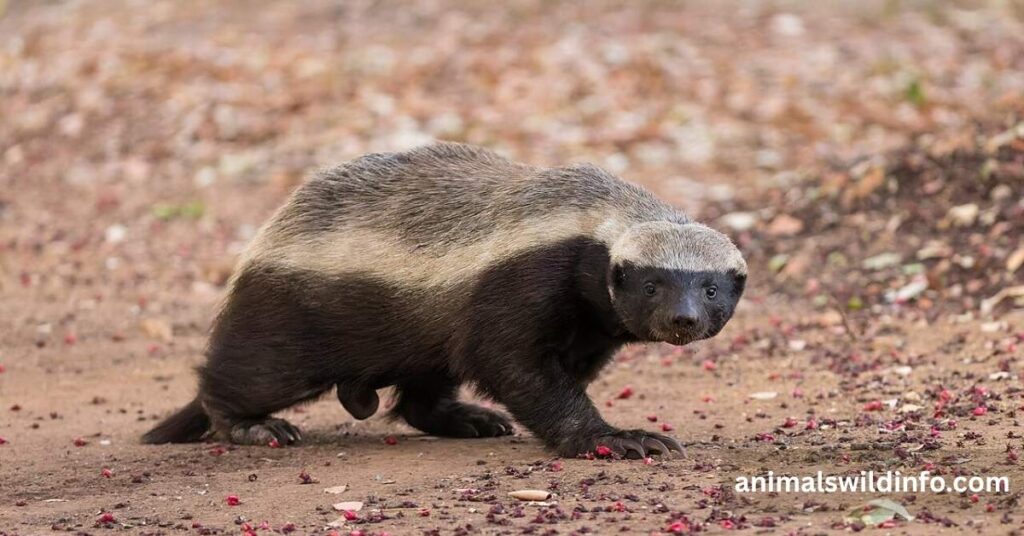
The honey badger might be small, but its appetite and nerve are anything but. This animal shows one of the boldest examples of aggressive feeding habits in the wild, raiding beehives despite painful stings and even chasing off jackals or hyenas to steal a meal. Its thick skin and fearless attitude make it one of the true greedy mammals, willing to fight animals twice its size just to protect a fresh kill.
Hyena
Scientific name: Crocuta crocuta | Class: Mammalia | Diet: Carnivore
Hyenas get a bad reputation as scavengers, but they’re skilled hunters too, and their feeding style blends both roles into one relentless strategy. Clans compete fiercely at a carcass, and this food competition often turns into a chaotic scramble where the strongest females eat first. Their bone-crushing jaws let them consume nearly every part of a kill, leaving almost nothing behind for other scavenger animals.
Read More: Top 18 Animals With Sharp Claws (With Pictures & Amazing Facts)
Tasmanian Devil
Scientific name: Sarcophilus harrisii | Class: Mammalia | Diet: Carnivore
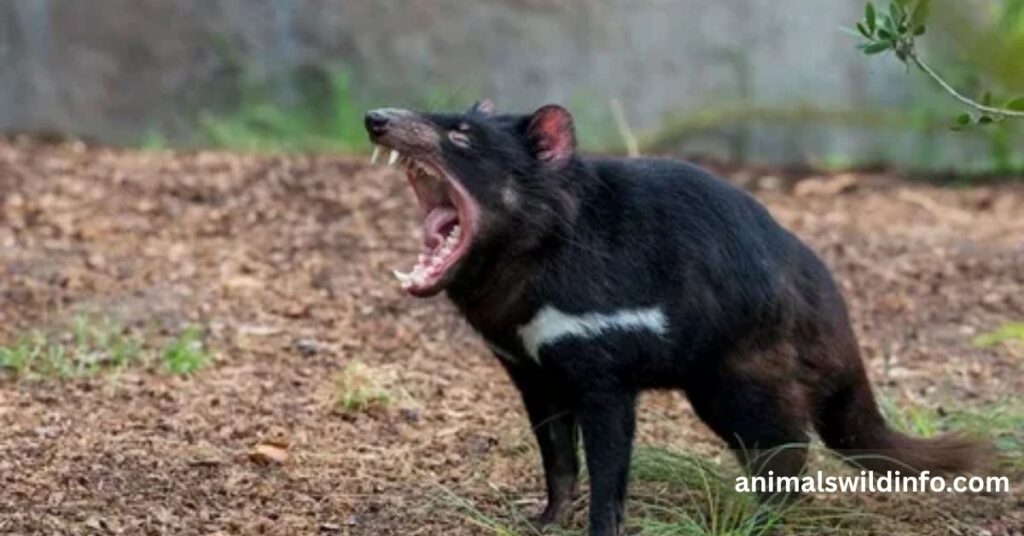
Tasmanian devils eat with a ferocity that matches their name, tearing through fur, bone, and organs alike during a single feeding session. Their jaws deliver one of the strongest bites relative to body size of any mammal, a trait built for pure carrion consumption and efficiency. This intense feeding style plays a real role in ecosystem balance, since devils clean up carcasses faster than almost any other Australian predator.
Wolverine
Scientific name: Gulo gulo | Class: Mammalia | Diet: Carnivore
Wolverines roam huge territories in search of food, and they’ll travel for miles just to steal a meal from a much bigger predator. This bold, opportunistic habit places them firmly among greedy mammals with serious attitude. They also bury extra food in snow for later, a clear case of natural food storage that helps them survive brutal winters in the far north.
Brown Bear (Grizzly Bear)
Scientific name: Ursus arctos | Class: Mammalia | Diet: Omnivore
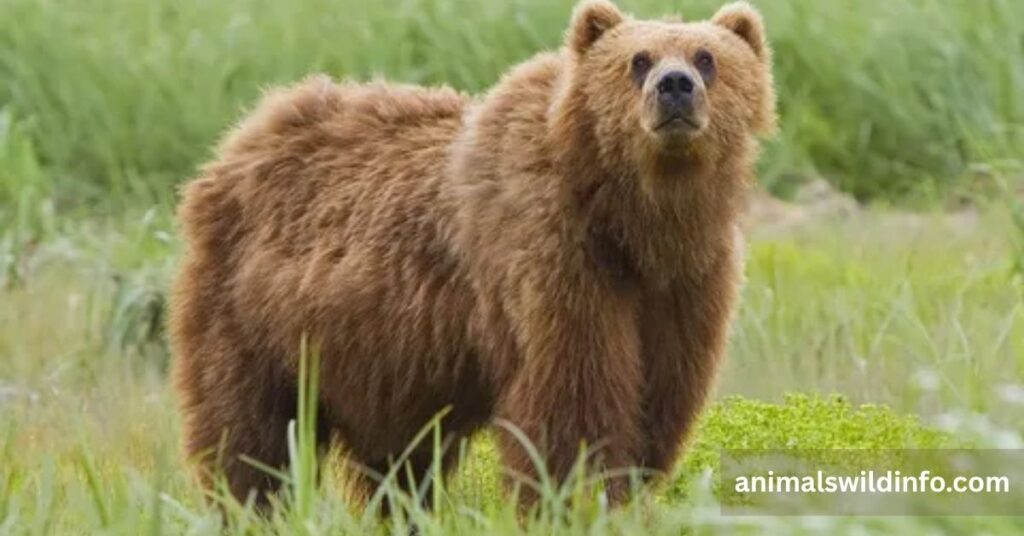
Grizzly bears pack on hundreds of pounds before hibernation, and their feast or famine behavior is one of the clearest examples in the animal kingdom. During salmon runs, dominant bears claim the best fishing spots, pushing weaker bears and cubs to the edges in a display of pure food dominance. This drive isn’t about greed for its own sake; it’s a survival mechanism that determines whether a bear makes it through winter at all.
Chimpanzee
Scientific name: Pan troglodytes | Class: Mammalia | Diet: Omnivore
Chimpanzees show real animal intelligence when it comes to food, using tools to fish termites out of mounds and forming alliances to control fruit trees. Dominant males often eat first, but researchers have also documented surprising generosity toward hungry group members. This mix of self-interest and sharing makes chimps a fascinating case study in dominance hierarchy and cooperation existing side by side.
Gorilla
Scientific name: Gorilla gorilla | Class: Mammalia | Diet: Herbivore
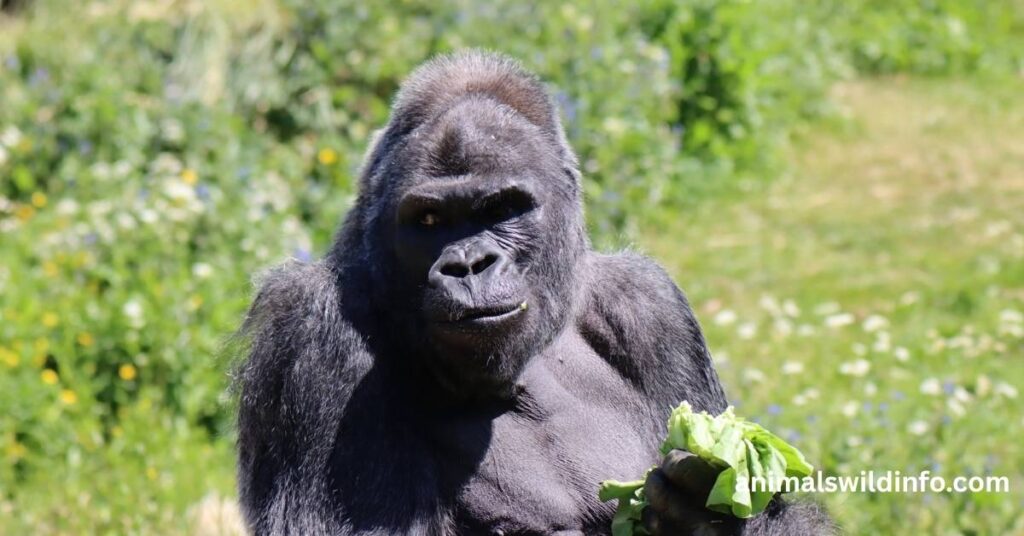
Gorillas spend most of their waking hours eating, working through massive amounts of leaves, stems, and fruit every single day. Despite a plant-based diet, silverbacks still enforce a clear social hierarchy at feeding time, eating first while others wait their turn. Their foraging behavior is surprisingly strategic, and they even use simple tools to reach food that’s otherwise out of grasp.
Lion
Scientific name: Panthera leo | Class: Mammalia | Diet: Carnivore
Lions built their reputation on raw predator feeding habits, but the real drama happens after the kill. Dominant males eat first, cubs and females wait, and the whole pride operates on a strict territorial feeding system that avoids chaos. This structure reflects a deeper truth about predator-prey relationship dynamics, where the strongest hunters don’t always do the most work, but they always eat the best cuts.
Wild Boar
Scientific name: Sus scrofa | Class: Mammalia | Diet: Omnivore
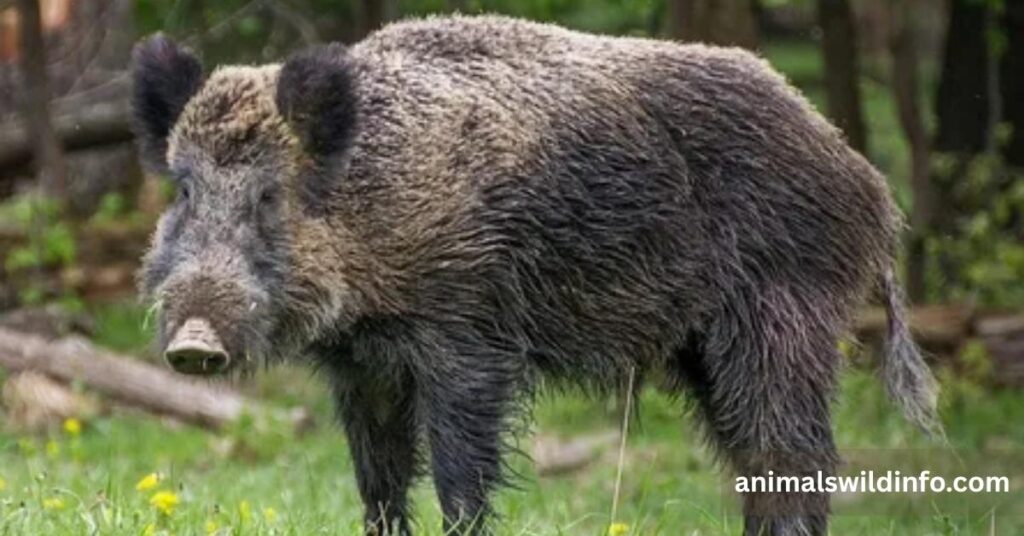
Wild boars root through soil constantly, and their opportunistic feeding style covers everything from roots and acorns to small animals and carrion. This constant digging actually helps the land, aerating soil and spreading seeds as boars search for their next meal. Sows lead tight family groups, sharing information about food sources through a form of cooperative hunting that boosts the whole group’s odds of survival.
Pig
Scientific name: Sus scrofa domesticus | Class: Mammalia | Diet: Omnivore
Pigs carry an unfair reputation as mindless gluttons, but their feeding habits actually reveal sharp problem-solving skills. In the wild, pigs practice competitive foraging, tracking down roots, fruit, and small prey across wide territories. Their strong sense of smell and steady nutrient intake needs explain why they always seem to be searching for the next bite, whether they’re wild boars or backyard farm animals.
Raccoon
Scientific name: Procyon lotor | Class: Mammalia | Diet: Omnivore
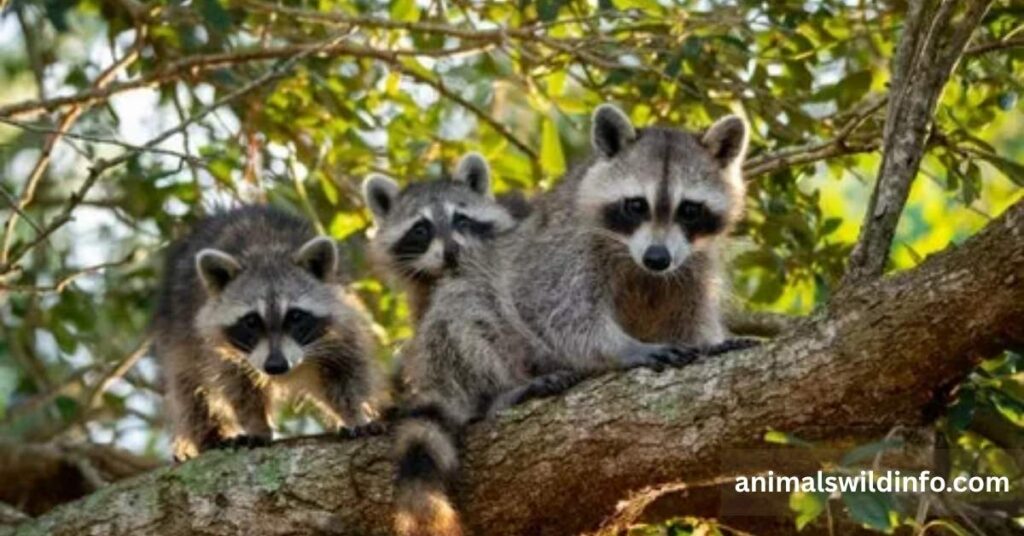
Raccoons thrive because they’ll eat almost anything, and their dexterous paws let them raid trash cans, gardens, and bird feeders with ease. This adaptability makes them classic opportunistic animal species, thriving in cities just as well as forests. Their nighttime raids and quick problem-solving prove that animal cognition plays a bigger role in “greedy” behavior than most people assume.
Squirrel
Scientific name: Sciurus carolinensis | Class: Mammalia | Diet: Omnivore
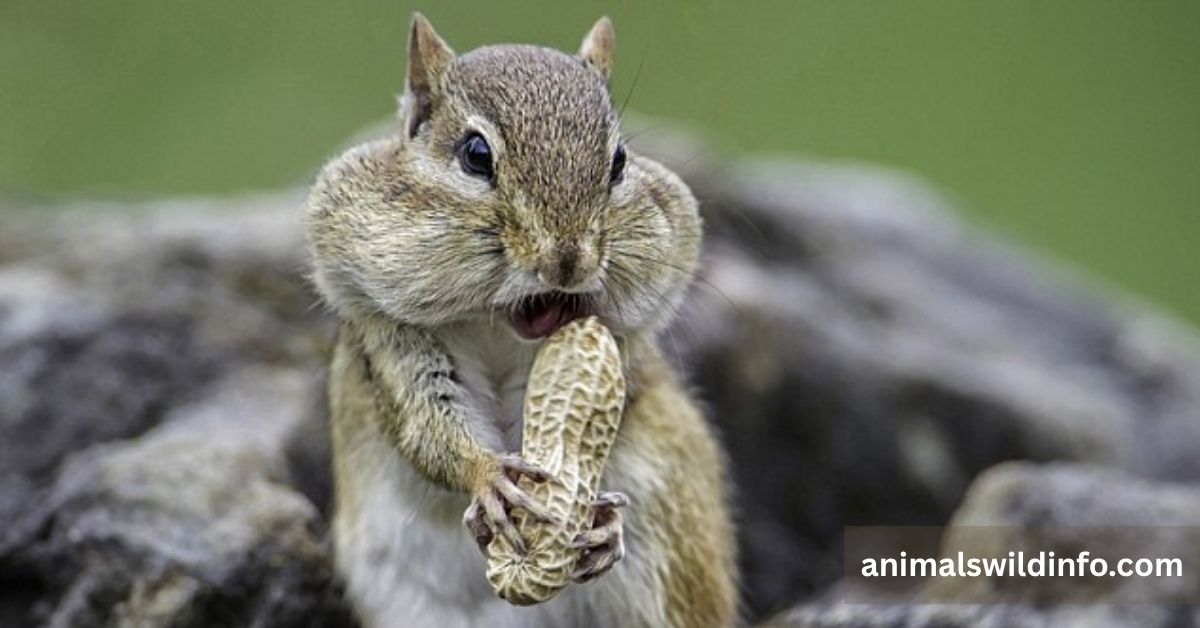
Squirrels are famous food storing animals, burying thousands of nuts and seeds every fall to survive winter. Interestingly, they sometimes practice deceptive caching, pretending to bury food to fool watching rivals. This clever food hoarding strategy not only keeps squirrels alive, it also plants countless trees each year, making these small foragers unlikely champions of forest growth.
Read More: Top 30 Most Shy Animals in the World (With Pictures & Fascinating Facts)
Hamster
Scientific name: Cricetus cricetus | Class: Mammalia | Diet: Omnivore

Hamsters stuff food into stretchy cheek pouches, hauling grain and seeds back to underground burrows for later. This habit reflects a strong food caching instinct built for surviving harsh, unpredictable seasons in the wild. Even in captivity, pet hamsters keep this behavior alive, stashing snacks around their cage long after regular meals are guaranteed.
Rat
Scientific name: Rattus norvegicus | Class: Mammalia | Diet: Omnivore
Rats succeed almost everywhere humans live, thanks to sharp instincts and a willingness to eat nearly anything available. Their wildlife feeding habits include sharing information about food sources with other rats, a cooperative trait that boosts the whole colony’s survival. This mix of animal intelligence and adaptability explains why rats remain one of the most successful mammals on the planet, despite their reputation.
American Pygmy Shrew
Scientific name: Sorex hoyi | Class: Mammalia | Diet: Insectivore
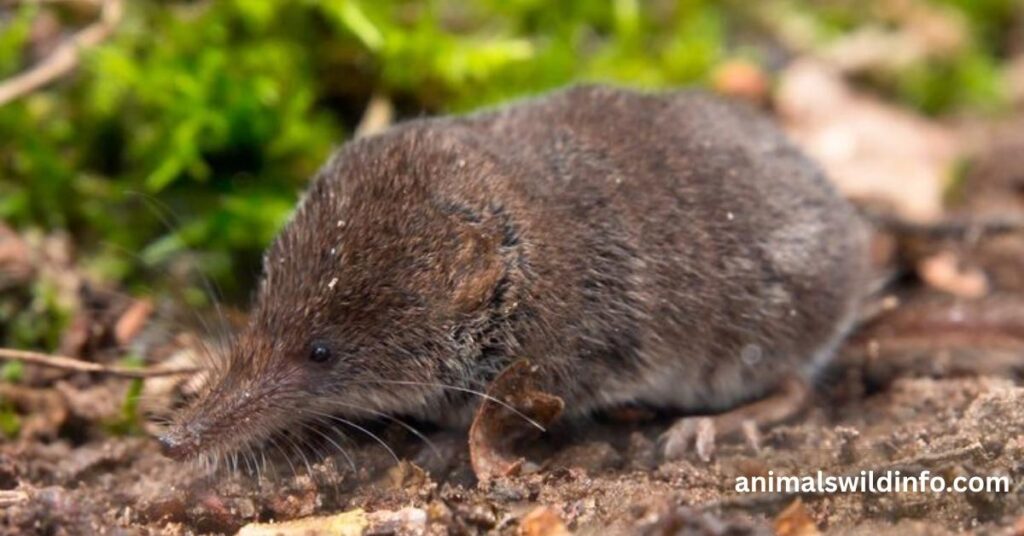
This tiny mammal has one of the highest metabolic rates in the animal kingdom, and it must eat almost constantly just to stay alive. As one of the most extreme high metabolism animals on Earth, the pygmy shrew can consume more than its own body weight in food daily. Its nonstop hunting for insects and worms shows just how tightly energy requirements and survival can be linked in small creatures.
Fox
Scientific name: Vulpes vulpes | Class: Mammalia | Diet: Omnivore
Foxes hunt small mammals, but they’ll just as happily raid bird nests, steal eggs, or scavenge carrion when the chance arises. This flexible approach counts as opportunistic scavenger behavior at its finest, letting foxes thrive in forests, farmland, and cities alike. Their playful pouncing often doubles as hunting practice, sharpening the skills they need for hunting efficiency later in life.
Coyote
Scientific name: Canis latrans | Class: Mammalia | Diet: Omnivore
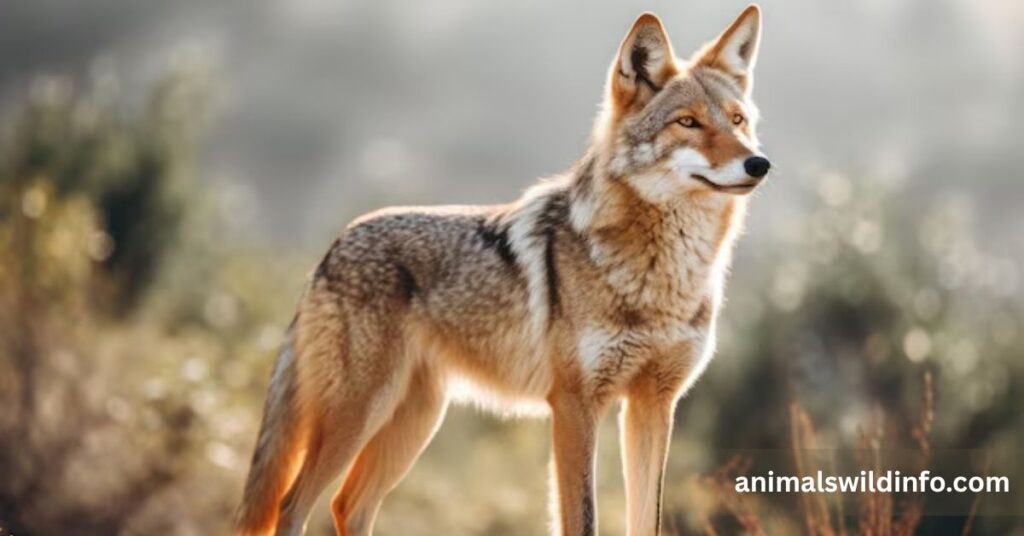
Coyotes have expanded across nearly every U.S. state, and their success comes down to a willingness to eat whatever’s available. From rodents and rabbits to garbage and garden vegetables, coyotes show textbook feeding adaptations for surviving alongside people. Packs sometimes cooperate to bring down larger prey, but lone coyotes are just as comfortable scavenging a roadside carcass without any help at all.
Weasel
Scientific name: Mustela nivalis | Class: Mammalia | Diet: Carnivore
Weasels are small, but their appetite is enormous compared to their tiny frame, and they often kill more prey than they can eat in one sitting. This surplus killing links directly to energy conservation needs, since their slim bodies lose heat fast and demand constant fuel. Weasels will also cache extra kills nearby, turning their hunting strategies into a smart backup plan for leaner days ahead.
Baboon
Scientific name: Papio anubis | Class: Mammalia | Diet: Omnivore
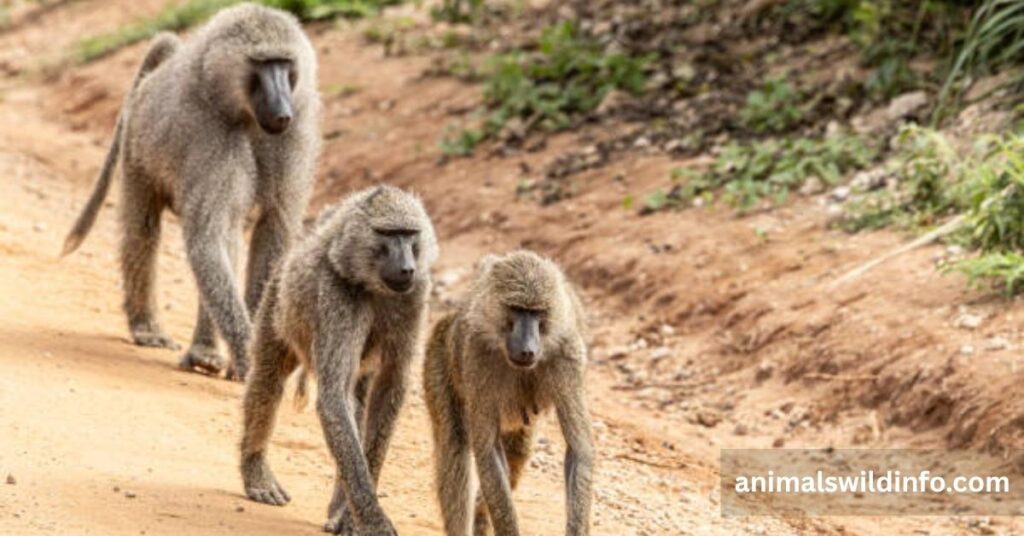
Baboons travel in large troops, and food often becomes a battleground where dominance hierarchy decides who eats first and who eats last. These primates raid farms, dig for roots, and hunt small animals, showing off some of the most varied wildlife eating habits among primates. Their boldness around humans, especially in parts of Africa, has made them notorious for snatching food right out of people’s hands.
Vulture
Scientific name: Cathartes aura | Class: Aves | Diet: Carnivore/Scavenger
Vultures rule the skies as nature’s cleanup crew, using their sharp eyesight to spot carcasses from remarkable heights. As classic carrion feeders, they help stop the spread of disease by clearing dead animals quickly and efficiently. Their stomach acid is strong enough to neutralize dangerous bacteria, a digestive adaptation that lets vultures safely eat meat other animals wouldn’t dare touch.
Seagull
Scientific name: Larus argentatus | Class: Aves | Diet: Omnivore
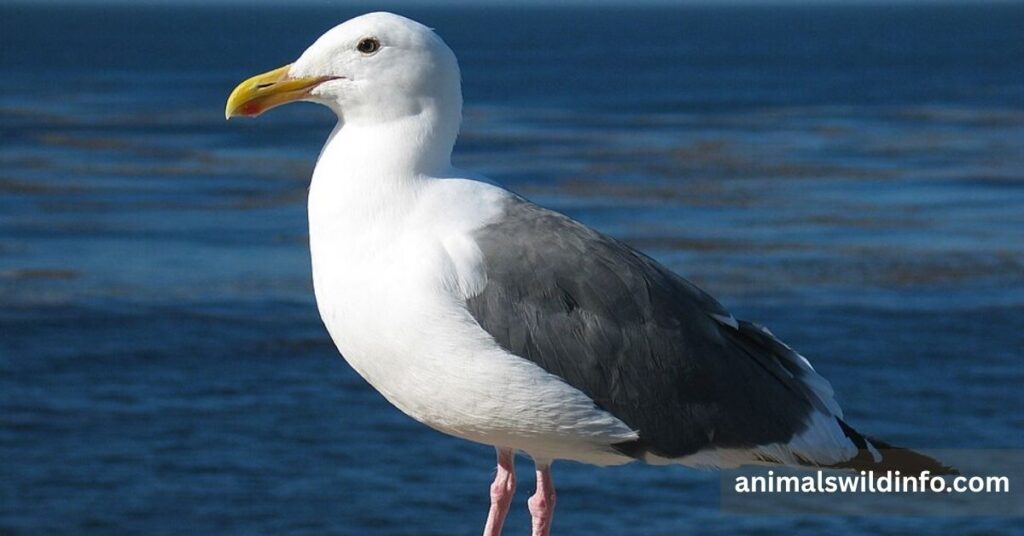
Seagulls have mastered the art of stealing food right off a beachgoer’s plate, working in groups to distract people while a partner swoops in for the grab. This teamwork makes them some of the boldest food stealing animals you’ll find near any coastline. Their sharp memory for human patterns, like the sound of a crinkling snack bag, shows real skill hiding behind their scrappy reputation.
Magpie
Scientific name: Pica hudsonia | Class: Aves | Diet: Omnivore
Magpies are famous for grabbing shiny objects, but their real skill lies in competitive foraging for insects, seeds, and scraps. These clever birds cache food in multiple hidden spots and even remember which stashes other magpies watched them fill, moving items later to avoid theft. That level of planning places magpies among the smartest greedy birds in the animal kingdom.
Read More: Top 23 Animals With Long Tails (With Pictures & Amazing Facts)
Blue Jay
Scientific name: Cyanocitta cristata | Class: Aves | Diet: Omnivore
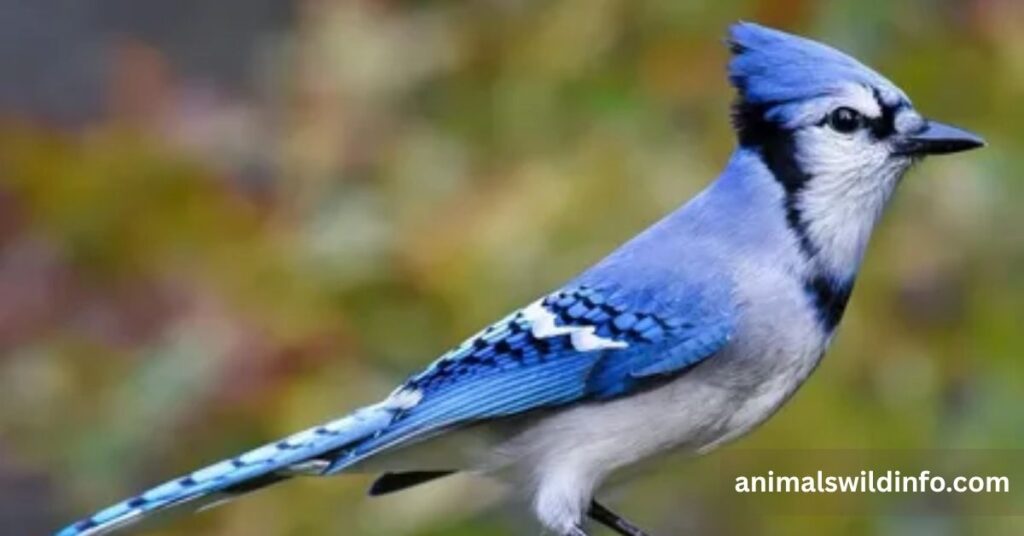
Blue jays store thousands of acorns each fall, burying them across wide areas and remembering most locations months later. This habit supports both the bird’s survival and forest growth, since forgotten acorns often sprout into new oak trees. Blue jays also mimic hawk calls to scare other birds away from feeders, a clever trick that boosts their odds in any animal feeding competition.
Pigeon
Scientific name: Columba livia | Class: Aves | Diet: Herbivore/Granivore
Pigeons thrive in cities because they’ll eat almost any scrap of food humans leave behind, adapting fast to urban environments. Flocks develop a rough social hierarchy around food, where the boldest birds claim the largest share of scattered crumbs. Their memory for landmarks and food locations reveals a level of animal cognition that researchers still find surprising in such a common city bird.
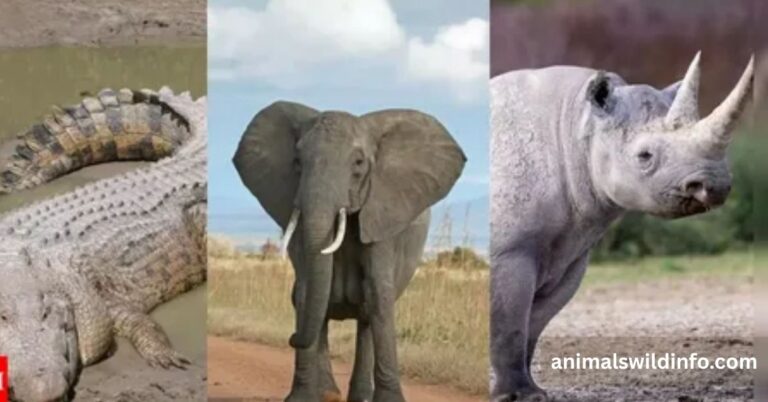
Crocodile
Scientific name: Crocodylus niloticus | Class: Reptilia | Diet: Carnivore
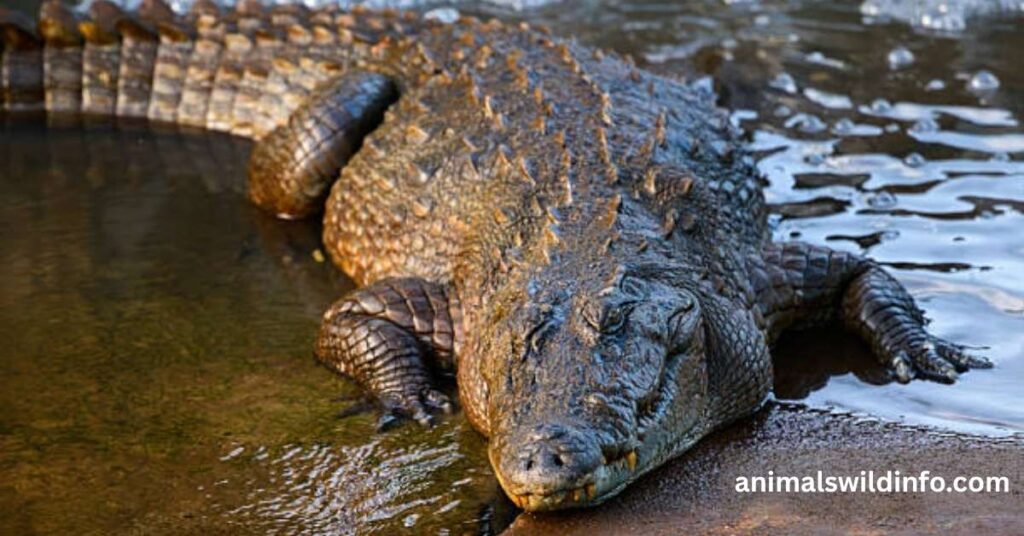
Crocodiles combine patience with sudden bursts of power, waiting motionless for hours before striking with incredible force. This ambush style reflects world-class hunting efficiency, letting them take down prey many times their own size. Crocodiles also guard prime territory fiercely, since better hunting grounds mean easier access to food, making territorial feeding a constant theme in their daily lives.
Burmese Python
Scientific name: Python bivittatus | Class: Reptilia | Diet: Carnivore
Burmese pythons can unhinge their jaws to swallow prey far wider than their own bodies, sometimes eating animals as large as deer. This extreme capacity supports a feast or famine behavior pattern, since pythons may go weeks or months between meals. When food is plentiful, they eat far more than immediately necessary, storing energy reserves for the inevitable lean stretches ahead.
Tiger Shark
Scientific name: Galeocerdo cuvier | Class: Chondrichthyes | Diet: Carnivore
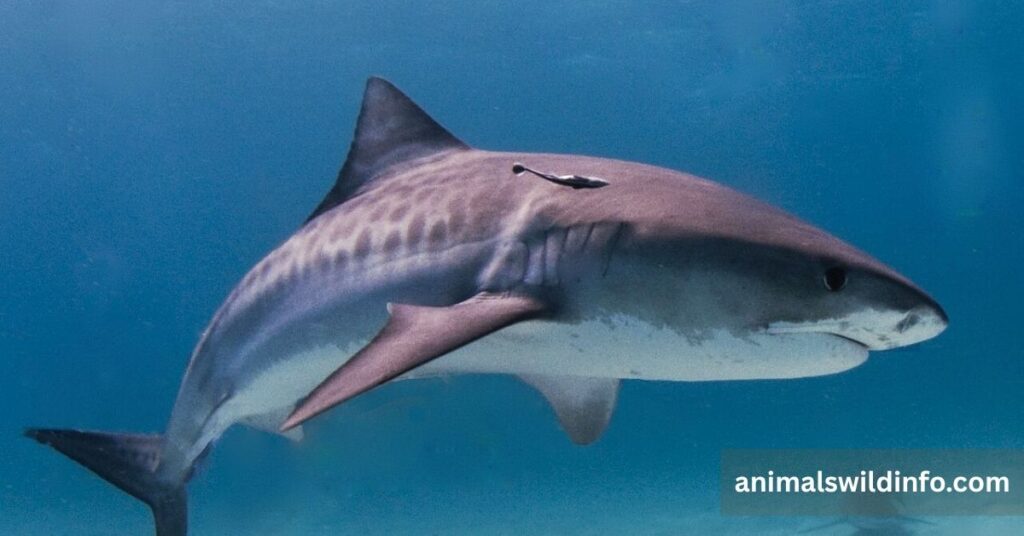
Tiger sharks earn the nickname “garbage cans of the sea” because they’ll eat almost anything, from sea turtles to floating debris. This unusual range makes them one of the most striking greedy marine animals, with a voracious appetite that rarely turns down a meal. Their sharp sense of smell lets them detect food from miles away, giving them a serious edge in the constant habitat competition of open ocean waters.
Pufferfish
Scientific name: Tetraodon fluviatilis | Class: Actinopterygii | Diet: Carnivore
Pufferfish use sharp, beak-like teeth to crack through the tough shells of crustaceans and mollusks with ease. Some species even hunt in pairs, cornering prey together in a rare display of coordinated cooperative hunting among fish. Beyond their inflatable defense trick, pufferfish play a real role in reef health by keeping invertebrate populations in check.
Read More: Top 18 Striped Animals in the World (With Pictures & Amazing Facts)
Komodo Dragon
Scientific name: Varanus komodoensis | Class: Reptilia | Diet: Carnivore
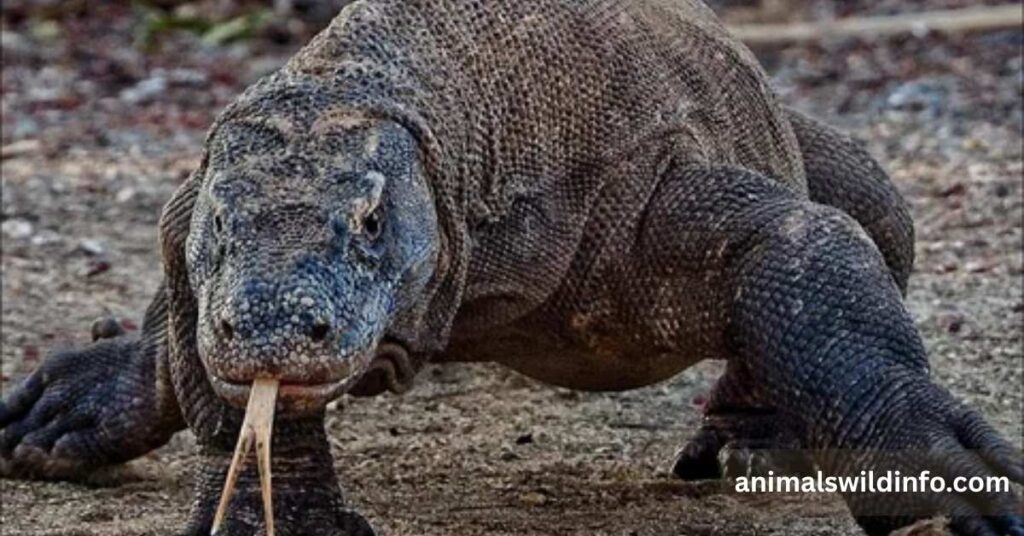
Komodo dragons can eat up to 80 percent of their own body weight in a single massive meal, an almost unbelievable feat among land predators. Their venomous bite weakens prey over time, letting these reptiles track wounded animals for miles before the final kill. This patient, calculated approach makes Komodo dragons one of the most feared greedy reptiles on the planet.
Octopus
Scientific name: Octopus vulgaris | Class: Cephalopoda | Diet: Carnivore
Octopuses hunt with striking precision, using arms covered in taste receptors to explore, test, and grab prey with real finesse. Some individuals have been observed hoarding extra food in their dens, a rare form of resource hoarding among marine invertebrates. Their ability to remember hiding spots and outsmart other predators makes the octopus one of the most intelligent greedy marine animals in any ocean.
Common Traits of Greedy Animals
Across all 30 species, a few patterns keep showing up again and again. Most greedy animals share a flexible diet, a sharp memory for food sources, and a willingness to compete hard when resources run thin, a trait tied closely to omnivorous feeding and general adaptability.
| Trait | Example Animals | Why It Helps |
| High metabolism | American Pygmy Shrew, Hamster | Forces near-constant eating for energy |
| Food caching | Squirrel, Blue Jay, Magpie | Builds a backup supply for lean seasons |
| Opportunistic diet | Raccoon, Coyote, Rat | Allows survival in almost any environment |
| Dominance-based feeding | Lion, Baboon, Brown Bear | Reduces conflict within social groups |
| Extreme single meals | Komodo Dragon, Burmese Python | Supports long gaps between feedings |
These shared traits point to something deeper than simple hunger. They reflect real ecological adaptation, shaped by habitat, competition, and the ever-present risk of food scarcity adaptation challenges.
Why Some Animals Hoard Food
Hoarding looks wasteful on the surface, but it’s actually a smart bet against an uncertain future. Squirrels, hamsters, and jays all rely on food caching mammals or bird strategies to survive winters when fresh food disappears completely. Burying or stashing extra meals spreads risk across many hidden spots, so even if predators or rivals find a few stashes, plenty remain untouched.
This behavior also connects to brain development in surprising ways. Species that cache food tend to have sharper spatial memory, since they need to recall dozens or even thousands of hiding spots months later. Researchers see this as strong evidence that animal ecology and cognition evolve together, with smarter foragers gaining a real survival edge over less organized rivals.
Are Greedy Animals More Aggressive?
Not always, but there’s a clear link between food pressure and aggressive feeding habits in many species. Animals that face regular resource competition, like hyenas at a carcass or gulls on a crowded beach, often show sharper aggression right at feeding time, even if they’re calm the rest of the day.
That said, plenty of greedy animals stay peaceful most of the time. Gorillas share food generously within family groups, and pigeons mostly avoid real fights over crumbs. The takeaway is simple: wildlife competition drives aggression only when food is genuinely scarce or highly prized, not as some fixed personality trait across the animal kingdom.
Conclusion
Greedy animals aren’t villains of the natural world. They’re survivors, shaped by hunger, competition, and the constant unpredictability of life outside a controlled environment. Whether it’s a squirrel burying acorns or a Komodo dragon devouring most of its body weight in one sitting, every behavior on this list ties back to one goal: staying alive long enough to pass those instincts on. Next time you spot a raccoon raiding a trash can or a seagull stealing a fry, remember there’s real strategy behind the scene, not just simple gluttony.
Frequently Asked Questions
Most experts point to the honey badger or the Komodo dragon as the greediest animal in the world, thanks to their fearless feeding style and massive single-meal capacity.
Squirrels, hamsters, and blue jays rank among the top animals that hoard food, burying or storing thousands of seeds and nuts each year for winter survival.
Many species evolved to overeat during periods of abundance, building fat reserves as a survival mechanism against future food shortages or harsh seasons.
Sometimes, especially during direct food competition, though many greedy species stay calm and cooperative outside of feeding situations.
The Komodo dragon holds one of nature’s most extreme records, capable of eating up to 80 percent of its body weight in one massive meal.