15 Animals That Eat Seeds: Fascinating Seed-Eating Animals
Did you know more than half of the world’s bird species rely on seeds as their main food source? That single fact opens a door into a hidden world. Seed-eating animals shape forests, feed whole food chains, and quietly rebuild the woods around us. You’ll meet squirrels, insects, birds, and even a bear in this guide.
Each one has its own trick for finding, cracking, and storing its favorite meal. By the end, you’ll understand why animals that eat seeds matter far more than most people realize. Whether they’re animals that consume seeds by the handful or animals that feed on seeds one bite at a time, every creature on this list earns its place in the story.
List of Animals That Eat Seeds
Seeds pack a serious nutritional punch. That’s why so many creatures, big and small, build their whole lives around finding them. From tiny insects to full-grown bears, animals that like to eat seeds show up in nearly every corner of the animal kingdom. Below is your quick-reference list before we dig into each animal one by one.
| # | Animal |
| 1 | Red Squirrel |
| 2 | Chipmunk |
| 3 | Capuchin Monkey |
| 4 | Deer |
| 5 | Bean Weevil |
| 6 | Pigeon |
| 7 | Rabbit |
| 8 | Parrot |
| 9 | Woodpecker |
| 10 | Hamster |
| 11 | Black Bear |
| 12 | Ant |
| 13 | Mouse |
| 14 | Cricket |
| 15 | Blackbird |
Red Squirrel
Scientific Name: Sciurus vulgaris Class: Mammalia Diet: Conifer seeds, nuts, fungi
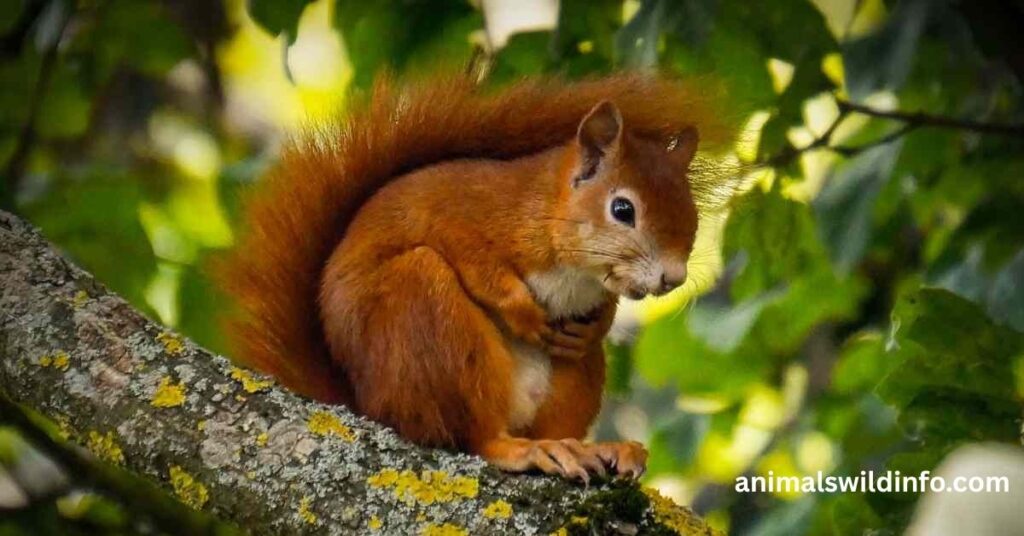
Red squirrels are true seed specialists. They race up pine and spruce trees, pull cones apart, and pocket the seeds inside within seconds. Their memory is wild. A single squirrel can bury thousands of seeds across its territory and still recall most of the hiding spots months later. This habit, known as caching, doubles as free tree-planting whenever a hidden seed gets forgotten.
Winter is where this pays off. Cold months strip the forest of easy food sources, so squirrels lean hard on their buried stash. Some seeds sprout instead of getting eaten, which quietly restocks the forest. It’s a small daily habit with a massive long-term effect on forest regeneration, and it’s part of why red squirrels rank among the most reliable animals that eat pine seeds in any northern forest.
Read More: Top 14 Strongest Birds in the World (Ranked by Power & Strength)
Chipmunk
Scientific Name: Tamias Class: Mammalia Diet: Seeds, nuts, berries, insects
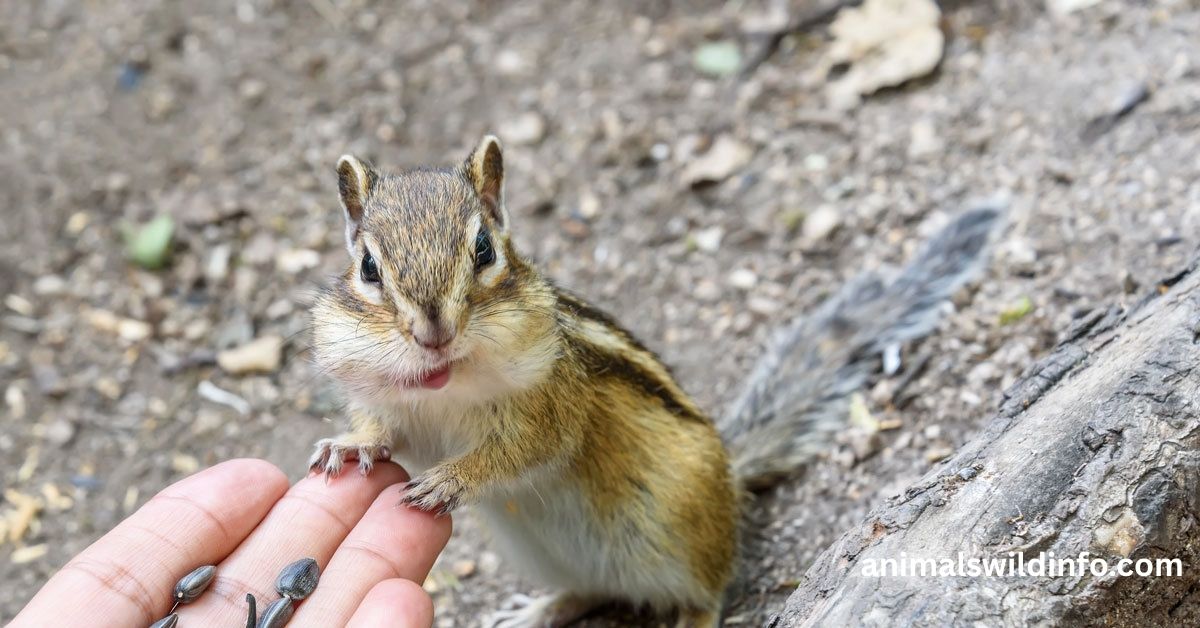
Chipmunks stuff their cheek pouches like tiny grocery bags. They dash between plants, gathering plant seeds faster than most predators can react. This constant motion isn’t just about survival. It also spreads seeds across wide areas, giving many plant species a real shot at new ground.
Not every seed makes the cut, though. Chipmunks show clear selective feeding, favoring fat-rich options like sunflower seeds and acorns. That preference fuels their energetic, always-on lifestyle. It also means certain plants get an unfair advantage simply because chipmunks like the taste.
Capuchin Monkey
Scientific Name: Cebus capucinus Class: Mammalia Diet: Fruit, seeds, nuts, insects
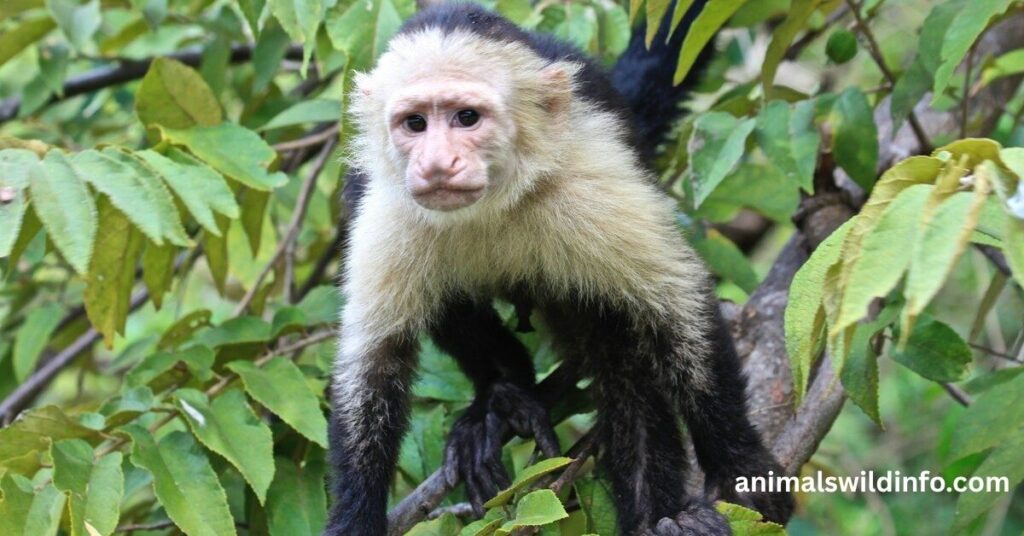
Capuchin monkeys don’t just eat seeds. They work for them. Using rocks as tools, these primates crack open shells that would defeat most other foragers. That kind of problem-solving takes real brainpower, and it shows how much nutritional value these animals place on a good seed.
Their foraging habits ripple outward, too. As capuchins move through the canopy and drop half-eaten fruit, they scatter seeds far from the parent tree. Readmore: Top 8 Animals That Eat Oranges. Because their menu spans fruit pits, hard shells, and softer kernels, capuchins count among the more versatile animals that eat nuts and seeds in the primate world, and this everyday behavior links directly to plant propagation, keeping the forest canopy diverse and healthy.
Deer
Scientific Name: Odocoileus virginianus Class: Mammalia Diet: Foliage, acorns, seeds, fruit
Deer look like simple grazers, but their diet shifts hard in late summer. Suddenly acorns, wildflower seeds, and fallen fruit take over the menu. This switch helps deer pack on fat before winter arrives, and it turns them into unexpected animals that eat acorns in a big way.
Because deer roam so widely, they carry seeds far from where they ate them. Digestion doesn’t destroy every seed, so droppings often contain viable ones ready to sprout. As some of the most far-ranging animals that eat plant seeds, deer link animal diet directly to forest layout, and that connection is one of the quiet forces behind where new trees pop up.
Bean Weevil
Scientific Name: Acanthoscelides obtectus Class: Insecta Diet: Legume seeds, primarily beans
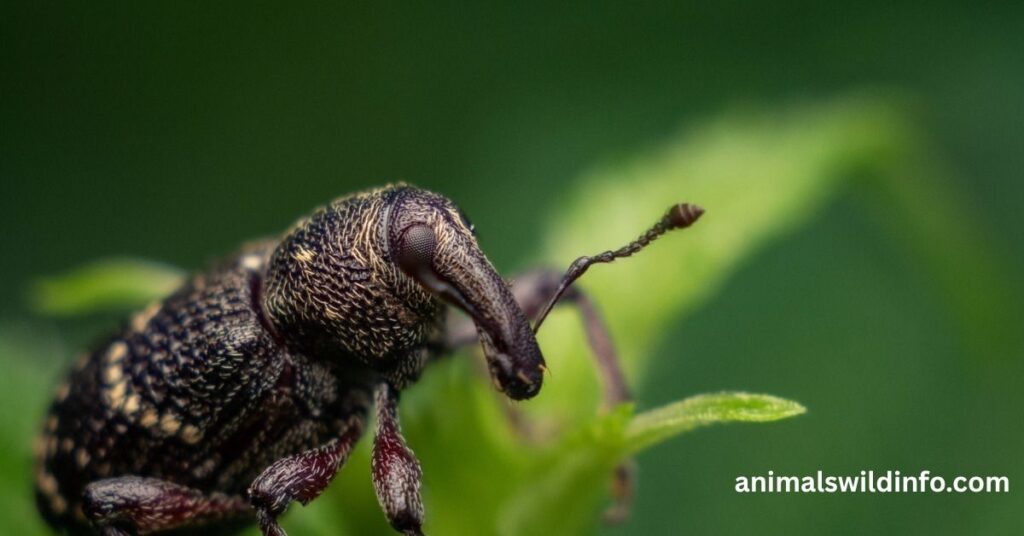
Bean weevils are proof that size means nothing when it comes to appetite. These tiny beetles burrow straight into bean seeds and eat from the inside out. They’re one of the most focused seed-eating insects around, targeting legumes almost exclusively.
Their reproduction strategy is just as direct. Females lay eggs inside the seed itself, so larvae hatch with a built-in meal waiting for them. It sounds destructive, and for stored grain it often is. But in the wild, this cycle is just one more thread in a much larger food web.
Pigeon
Scientific Name: Columba livia Class: Aves Diet: Seeds, grains, plant matter
Pigeons get overlooked because they’re everywhere, but they’re skilled seed eaters with sharp instincts. Grasses, grains, and roadside plants make up most of their meals. As they move through cities and fields, their droppings scatter viable seeds without any effort at all.
Their memory deserves more credit, too. Pigeons can recall exact food caches and return to them days later. Studies even show they can tell seeds apart by size and color before eating them. That’s a level of judgment most people never expect from a bird pecking at sidewalk crumbs.
Rabbit
Scientific Name: Oryctolagus cuniculus Class: Mammalia Diet: Grasses, seeds, clover, bark
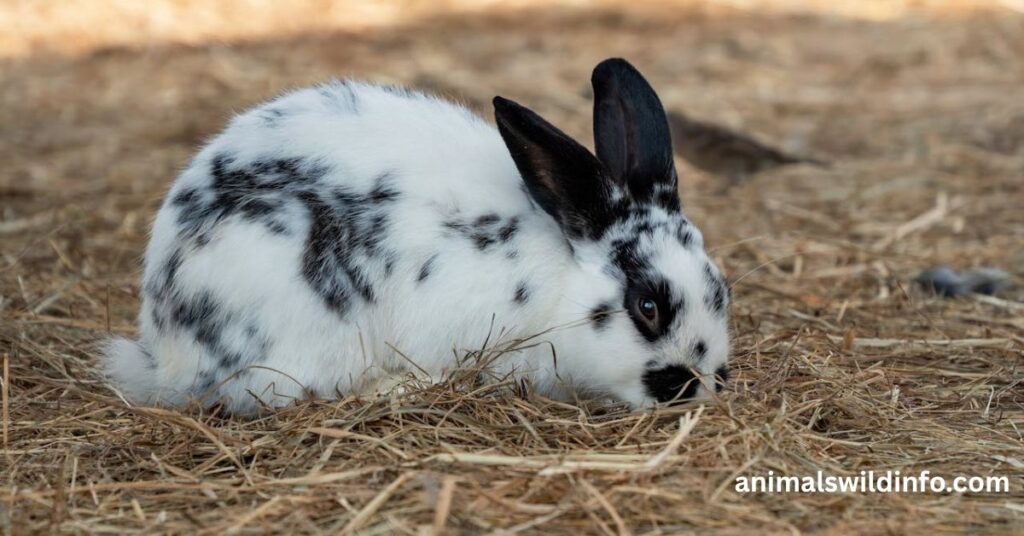
Rabbits are famous for grass, but seeds play a bigger role than most people assume. As they nibble through fields, seeds pass through their digestive tract mostly intact. Later, when rabbits move on and leave droppings behind, those seeds get a fresh start in new soil.
This isn’t random grazing, either. Rabbits show real selective feeding, going for protein-rich seeds whenever they’re available. Season and availability shape these choices constantly, which says a lot about how adaptable rabbits really are underneath that harmless reputation.
Parrot
Scientific Name: Psittacus erithacus Class: Aves Diet: Seeds, nuts, fruit
Parrots are seed specialists with the tools to prove it. Their curved, powerful beaks crack hard seed shells that would stop most other birds cold. This one adaptation lets parrots thrive everywhere from dense rainforests to dry savannas.
Feeding rarely happens alone, either. Parrots forage in flocks, splitting attention between eating and watching for predators. That teamwork isn’t just practical. It builds strong social bonds while making sure every bird gets its share of the day’s seed haul.
Read More: Top 19 Dirtiest Animals in the World (With Pictures)
Woodpecker
Scientific Name: Dryocopus pileatus Class: Aves Diet: Insects, seeds, nuts
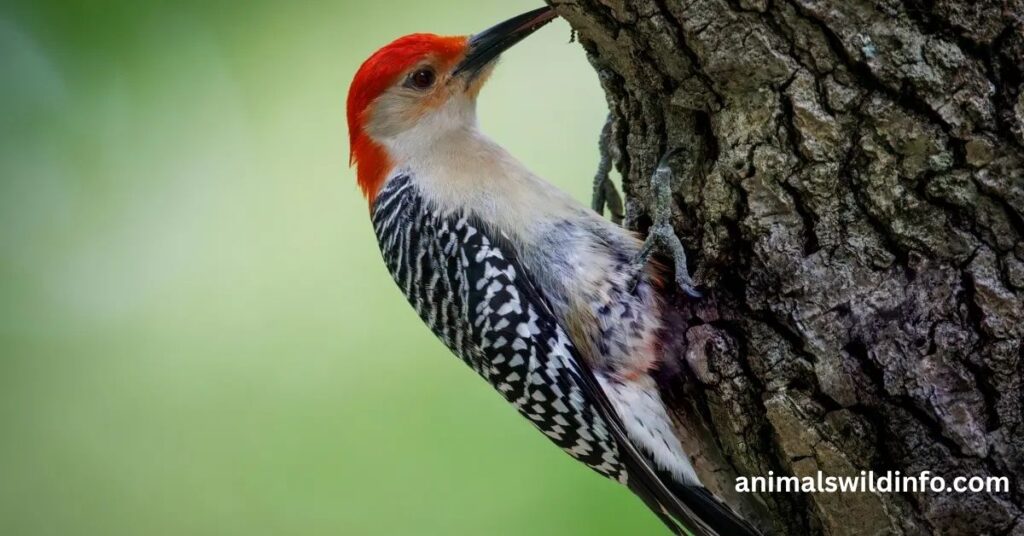
Woodpeckers are known for hammering bark, but many species also count as seed-eating birds when insects run low. Their chisel-shaped beaks work just as well on tough seed coats as they do on wood. That flexibility keeps them fed across every season.
Some woodpeckers plan ahead better than you’d expect. They wedge seeds into bark crevices or drill small storage holes, building a private pantry for leaner months. This kind of food hoarding doesn’t just help the bird. Forgotten seeds sometimes sprout right where they were tucked away.
Hamster
Scientific Name: Cricetus cricetus Class: Mammalia Diet: Seeds, grains, vegetables
Hamsters take seed storage to an extreme. In the wild, they haul seeds back to burrows using stretchy cheek pouches, building reserves that can last for weeks. This instinct isn’t just about hunger. It’s baked into their natural diet and their entire approach to survival.
Not all seeds are equal in a hamster’s eyes. Sunflower seeds bring high-fat seeds energy, while millet and pumpkin seeds round out the mix. For pet owners, mixing seed types mimics natural foraging behavior and keeps hamsters mentally engaged, not just physically fed.
Black Bear
Scientific Name: Ursus americanus Class: Mammalia Diet: Berries, acorns, seeds, insects, fish
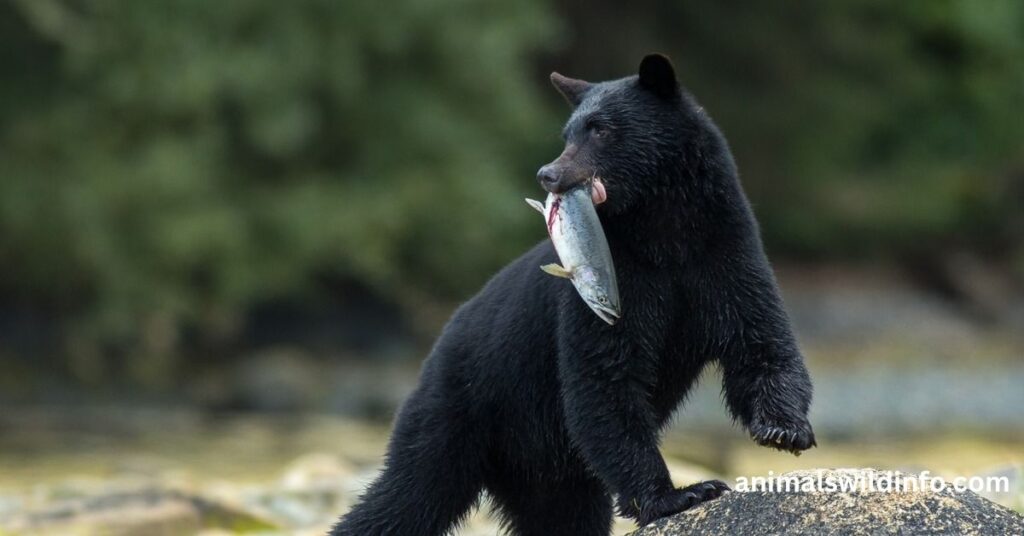
Black bears surprise people with how much of their diet is seed-based. Come late summer, they target acorns, pine nuts, and berry seeds with real focus. This shift lines up perfectly with their biggest yearly project: packing on fat before hibernation.
High-fat seeds from conifers deliver the dense calories bears need most. And because bears travel huge distances while foraging, they end up spreading seeds across entire mountainsides through their droppings. Few animals connect seed consumption and large-scale seed dispersal as dramatically as a black bear does.
Ant
Scientific Name: Formicidae (harvester ant species) Class: Insecta Diet: Seeds, insects, plant matter
Ants rarely get credit as seed-eating mammals‘ insect counterpart, but harvester ants build entire colonies around seed collection. Long trails of ants haul seeds back to underground stores, feeding whole colonies for weeks at a time. That kind of coordinated seed foraging is hard to match anywhere else in nature.
Some plants have evolved just to exploit this behavior. Certain seeds grow a fatty structure called an elaiosome purely to attract ants. In exchange for that snack, ants carry the seed away from the parent plant, which lowers competition and boosts germination odds. It’s a textbook example of a mutualistic relationship built entirely around seeds.
Mouse
Scientific Name: Mus musculus Class: Mammalia Diet: Seeds, grains, insects, fruit
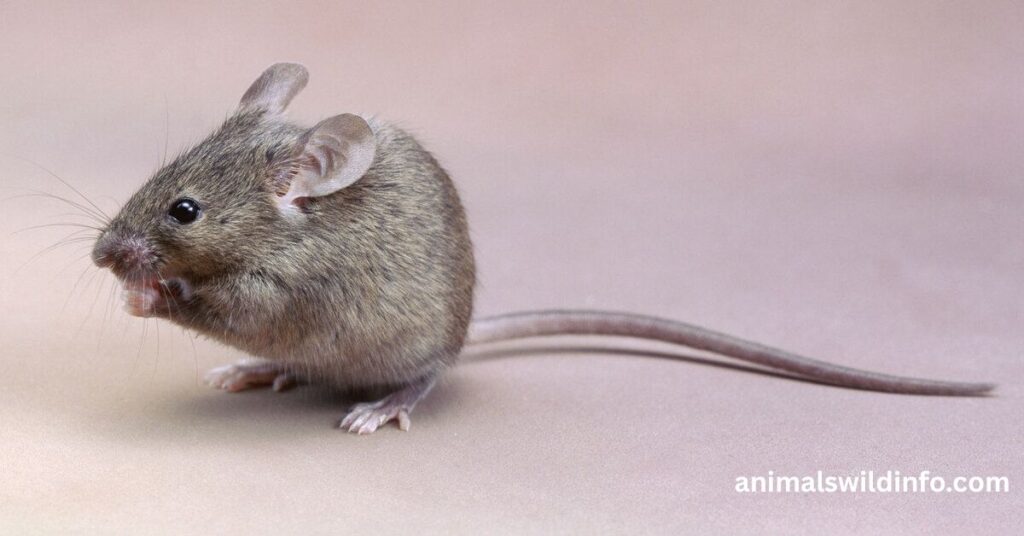
Mice squeeze into gaps no larger animal could reach, which gives them access to seeds hidden in cracks and under leaf litter. This constant, low-key seed foraging adds up fast across a whole population, making mice quiet but powerful agents of plant diversity.
Their teeth force the issue, too. A mouse’s incisors never stop growing, so gnawing on hard seed shells keeps them worn down naturally. Sharp smell and hearing round out the package, letting mice track down buried seeds that would stay hidden from almost anything else.
Cricket
Scientific Name: Gryllus assimilis Class: Insecta Diet: Seeds, plant matter, decaying organic material
Crickets don’t look like major players, but they’re steady seed-eating insects with a real appetite for small, soft seeds. Their feeding habits favor easily digestible options, which quietly shapes which plants get an edge in a given patch of ground.
There’s a hidden benefit here, too. When crickets chew through tough seed coats, they sometimes make it easier for the remaining seed to sprout. That small mechanical assist can shift germination rates in ways scientists are still studying closely.
Read More: Top 15 Animals With the Biggest Brains (With Pictures)
Blackbird
Scientific Name: Turdus merula Class: Aves Diet: Insects, worms, fruit, seeds
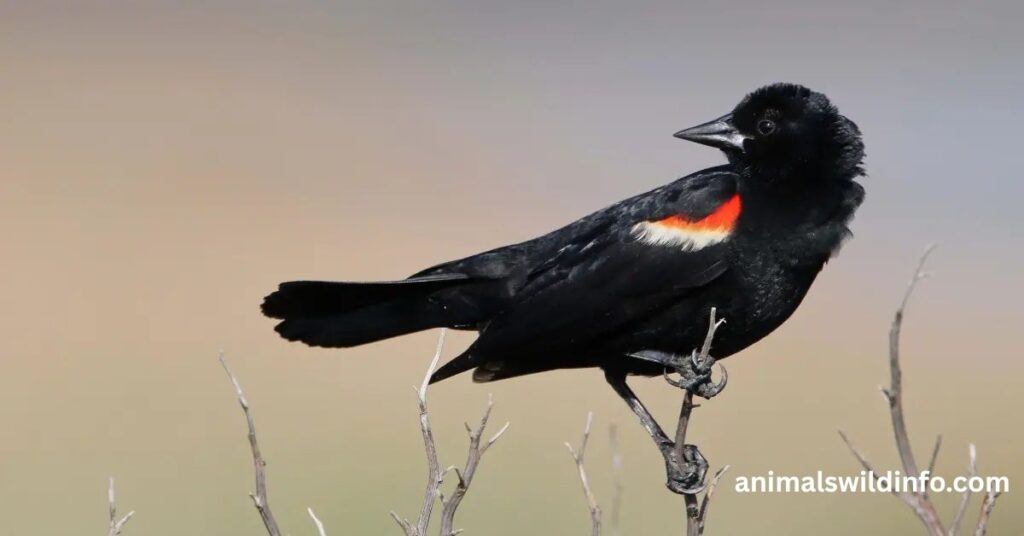
Blackbirds split their year between insects and seeds, leaning hard into seed consumption once spring and summer bring plants into full bloom. Their curved beaks pry open seed pods and crack sunflower shells with equal ease, showing off some real dietary flexibility.
Gardens and parks give blackbirds endless practice at this. Watch one closely and you’ll see it test several seeds before settling on one, a habit rooted in sharp feeding behavior and instinct. That patience, more than anything, is what makes blackbirds such reliable seed foragers.
How Do Animals Eat and Digest Seeds?
Cracking a seed open is only step one. Birds rely on a muscular gizzard packed with tiny stones to grind seeds down, since they have no teeth to do the job. Mammals go a different route, using flat molars or ever-growing incisors to break through seed coats before digestion even starts.
Once inside, the digestive system extracts fats, proteins, and starches locked inside the seed. Insects like bean weevils skip external grinding entirely, tunneling straight into the seed and digesting it from within. Every method looks different, but they all chase the same prize: the dense energy packed into something no bigger than a fingernail.
Why Do Animals Eat Seeds?
Seeds are nature’s power bars. They’re loaded with protein, fats, and nutrients, all packed into a tiny, portable package that survives storage far better than fruit or leaves. That durability matters most when food gets scarce, which is exactly why seeds show up so often in seasonal food strategies.
Energy demands drive most of this behavior. Animals preparing for winter, migration, or a growth spurt all need calories fast, and seeds deliver them efficiently. It’s not a coincidence that so many unrelated species, from ants to bears, arrived at the same solution through survival pressure alone.
What Are Seed-Eating Animals Called?
The scientific term is simple: granivores. That label covers any animal whose diet leans mainly on seeds, whether it’s a finch, a mouse, or a beetle. It sits alongside terms like herbivore and omnivore but points specifically at this one food category.
Not every granivore eats seeds exclusively, though. Many, like blackbirds and black bears, mix seeds with insects, fruit, or meat depending on the season. That flexibility is part of why wildlife built around seeds turns out to be so resilient across changing environments.
The Role of Seed-Eating Animals in Nature
Every bite taken by common seed-eating animals carries hidden consequences. Squirrels and jays that forget buried seeds are quietly planting new trees. Ants dragging elaiosome-coated seeds underground are shrinking competition for parent plants. None of this is intentional, yet it adds up to real ecological role across entire landscapes.
The table below breaks down how a few key species contribute differently to this cycle.
| Animal | Preferred Seeds | Main Ecological Contribution |
| Red Squirrel | Pine, spruce cones | Forest regeneration through forgotten caches |
| Ant | Elaiosome-coated seeds | Seed transport and reduced plant competition |
| Black Bear | Acorns, pine nuts | Long-distance seed dispersal via droppings |
| Deer | Acorns, wildflower seeds | Seed spread across grazing range |
| Pigeon | Grasses, grains | Urban seed dispersal |
This mix of seed dispersal, plant reproduction, and forest ecology keeps entire habitats in balance. Without seed-eating animals doing this unpaid work daily, plant diversity would shrink and ecological balance would tilt in ways few ecosystems could absorb quietly.
Final Thoughts
From tiny bean weevils to full-grown black bears, seed-eating creatures come in every size and shape imaginable. Each one solved the same puzzle, finding, cracking, and storing seeds, using completely different tools and strategies. That variety alone says something about how valuable a single seed can be.
Beyond survival, these animals quietly hold ecosystems together. Every buried acorn, every dropped seed, every underground ant trail adds up to healthier forests and richer biodiversity. Whether they count as animals that eat seeds and grains or stick to one type exclusively, next time you spot a squirrel burying something in your yard, you’re watching an ecosystem engineer at work.
FAQ’s
What Kind of Animals Eat Seeds?
Mammals, birds, and insects all eat seeds regularly. Squirrels, mice, and bears represent seed-eating mammals, while parrots and pigeons cover seed-eating birds. Ants and crickets round things out among seed-eating insects, proving this diet spans nearly every branch of the animal kingdom.
Which Animals Eat Seeds and Grains?
Rodents like hamsters and mice are classic grain-eating animals, often stockpiling grains alongside seeds in hidden burrows. Birds such as pigeons and blackbirds also fit here, since animals that eat grains frequently overlap with pure seed eaters in the wild.
Can All Animals Eat Seeds?
No, not every animal can safely handle seeds. Strict carnivores like big cats lack the digestive setup to process plant seeds at all. Even among organisms that eat seeds, some species need specific adaptations, like a gizzard or strong molars, before seeds become a viable food source.
What Animals Help Disperse Seeds?
Squirrels, ants, deer, and birds all rank among the most effective seed spreaders in nature. Their combined habits, burying, carrying, and excreting seeds, drive seed germination across huge areas. Without these wild animals that eat seeds doing this daily work, many plant species would struggle to spread at all.
Are Seeds Safe for Animals to Eat?
Most natural seeds are safe and nutritious for the animals built to eat them, though a few plant seeds contain toxins as a defense mechanism. Animals that eat sunflower seeds or pine seeds have typically evolved alongside those specific plants, giving them natural tolerance most other species simply don’t share.