Top 17 Strongest Animals in the World (With Pictures)
The animal kingdom is full of raw power. Some creatures crush bone with one bite. Others carry loads far bigger than their own body. This guide covers the top strongest animals in the world, and it looks at every kind of strength, not just size. You will meet muscular giants, powerful predators, and tiny insects with shocking pulling strength.
By the end, you will know exactly what makes each animal one of the strongest animals in the world, and why size alone never tells the full story. You will also learn how scientists actually measure strength, since the tests used for a crocodile look nothing like the tests used for a beetle.
What Makes an Animal Strong?
Animal strength is not just about muscle size. It also includes bite force, lifting strength, and how well an animal survives in its habitat. A tiger has strong legs and a powerful jaw built for the hunt. A dung beetle has almost no size at all, yet it pulls objects far heavier than itself with total ease. Both count as powerful creatures, just in very different ways. Strength can even show up as patience, like a crocodile waiting motionless for hours before it strikes.
Scientists look at physical strength in animals from many angles. They study strongest predators, strongest mammals, strongest birds, strongest reptiles, and even strongest insects. This mix shows that incredible animal strength comes in many shapes, and no single number can ever capture it fully. A creature does not need to be huge to earn a spot among the strongest wild animals on Earth. Sometimes the smallest bodies hide the biggest surprises, and this article will prove that point again and again.
List of the Strongest Animals in the World
Below is the full list of powerful animal species covered in this guide. Each one earned its place through animal power, whether that means a crushing bite, a heavy pull, or a massive frame built for survival. Some rank high because of size. Others rank high purely because of what they can do relative to their own weight.
| Number | Strongest Animals in the World |
| 1 | African Elephant |
| 2 | Dung Beetle |
| 3 | Gorilla |
| 4 | White Rhinoceros |
| 5 | Musk Ox |
| 6 | Tiger |
| 7 | Grizzly Bear |
| 8 | Hippopotamus |
| 9 | Saltwater Crocodile |
| 10 | Lion |
| 11 | Leopard |
| 12 | Anaconda |
| 13 | Harpy Eagle |
| 14 | American Bison |
| 15 | Polar Bear |
| 16 | Leafcutter Ant |
| 17 | Nile Crocodile |
African Elephant
Scientific Name: Loxodonta africana Class: Mammalia Diet: Herbivore
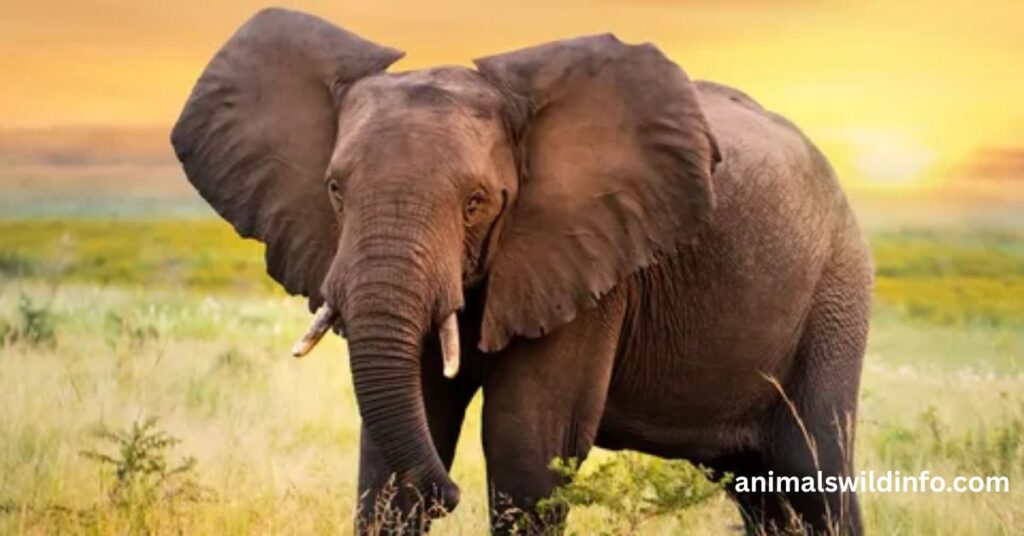
The African elephant is the largest land animal alive today. It has a massive body, and its powerful trunk can lift heavy logs with ease. This trunk holds thousands of small muscles, and it works like a hand, a hose, and a voice all at once. The African bush elephant, the biggest subspecies, can push down full-grown trees just to reach fresh leaves near the top. That kind of physical power is rare anywhere in the animal kingdom, and few other creatures can reshape their own environment so easily.
Strength here goes beyond muscle. Elephants live in family groups led by older females, and these elders guide the herd to water during long dry seasons. Young elephants learn survival skills by watching this social behavior for years before they lead on their own. This blend of muscular build and long memory makes the elephant one of the most complete powerful creatures in the wild. Few animals combine brute force with this level of patience and family loyalty.
Dung Beetle
Scientific Name: Onthophagus taurus Class: Insecta Diet: Detritivore
The dung beetle may be tiny, but it holds a huge title. It is one of the strongest insects on Earth, relative to its own size. This little beetle can pull over 1,000 times its own body weight, a number confirmed through lab testing. That is like a person dragging six loaded buses down a city street without stopping. Its powerful legs make this possible, working like tiny levers built for extreme, focused force.
This strength serves a real purpose in the wild. Male beetles use it to guard narrow tunnels where eggs are laid safely underground. They push rival males away using pure brute strength, sometimes for hours at a time. Beyond fighting, dung beetles help clean the land by breaking down animal waste and returning nutrients to the soil. Small as they are, their pulling strength proves that size means very little in the world of animal strength and endurance.
Gorilla
Scientific Name: Gorilla gorilla Class: Mammalia Diet: Herbivore
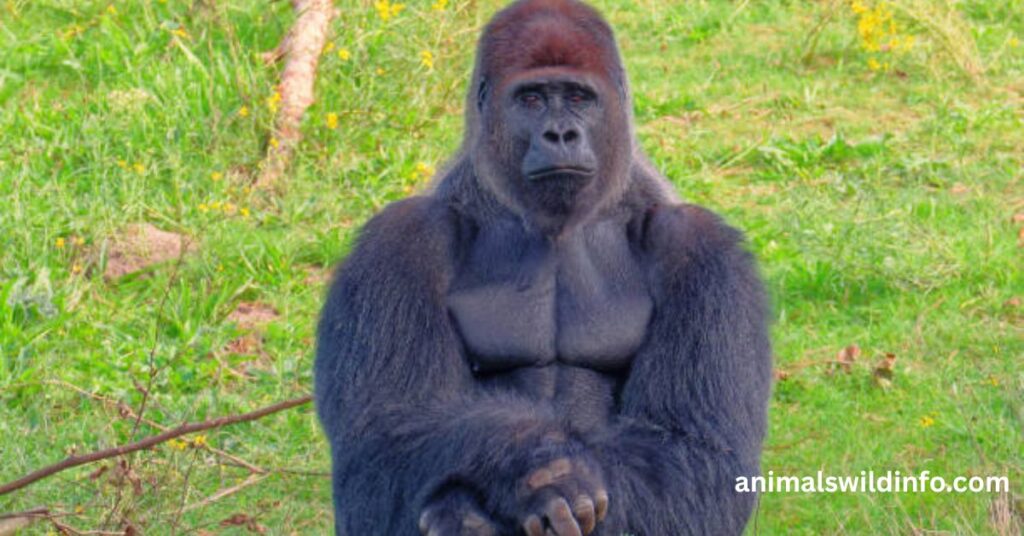
The gorilla is one of the most muscular animals in the primate world. A male silverback gorilla can weigh over 400 pounds, with shoulders built for serious force. Its arms carry the kind of upper-body power that can bend thick branches with ease and strip bark in seconds. This muscular build helps the gorilla defend its group from threats in the dense forest habitat it calls home.
Yet gorillas rarely use this power for violence. Most of their day involves grooming, resting, and caring for young family members. This calm social behavior balances out their raw physical force in a surprising way. A silverback’s real job is protection, not attack, and most conflicts end with loud displays rather than actual fighting. That mix of strength and patience makes the gorilla stand out among strongest mammals across the globe.
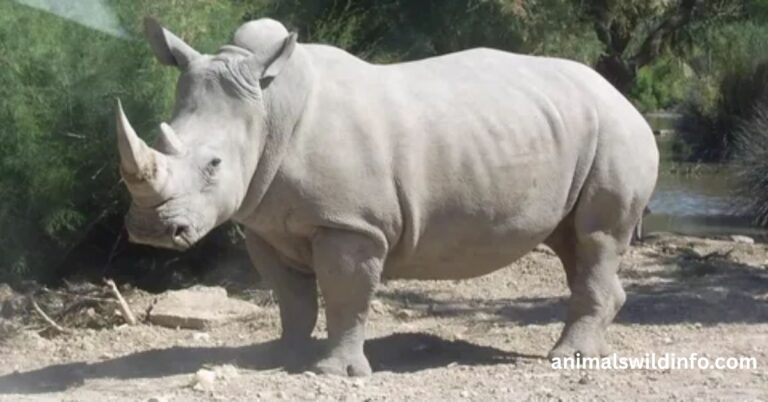
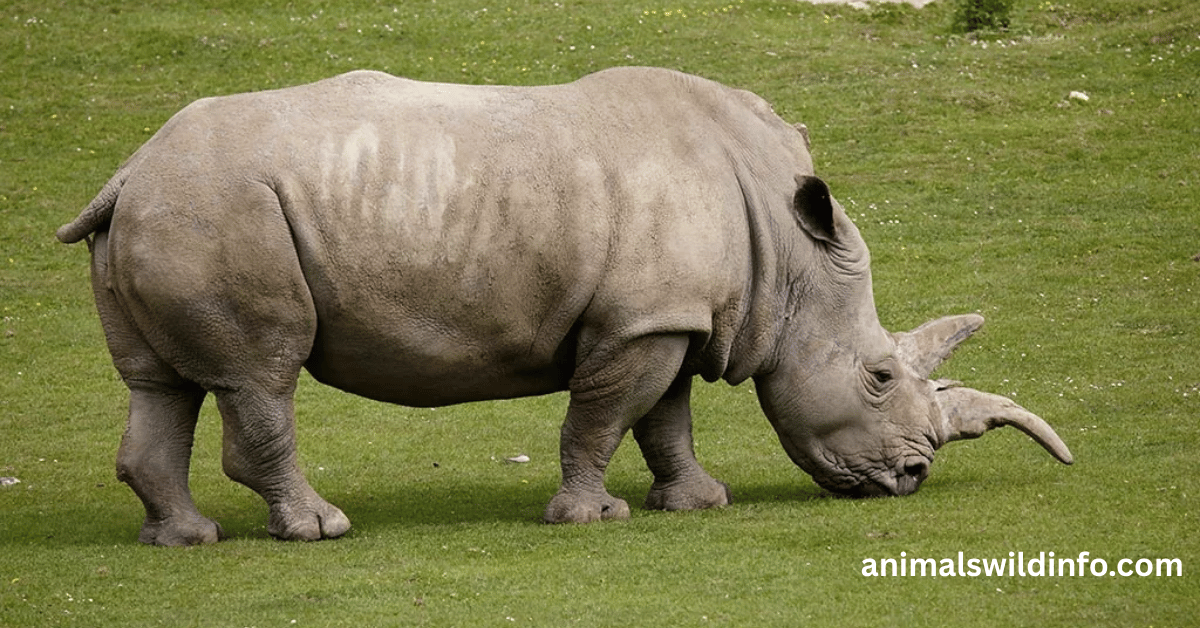
White Rhinoceros
Scientific Name: Ceratotherium simum Class: Mammalia Diet: Herbivore
The white rhinoceros carries a massive body, often close to 5,000 pounds on a full-grown male. Few animals in Africa dare to challenge one directly, and even lions usually keep their distance. Its thick skin acts like natural armor, protecting it during fights or while pushing through rough, thorny terrain. This powerful body helps it move through dense brush without slowing down at all.
A charging rhino is a serious force to reckon with. It can reach fast speeds despite its size, using strong legs to close distance in just a few seconds. Sadly, poaching still threatens this species, even with all its natural strength working against most predators. Protecting the white rhinoceros means protecting one of the true strongest land animals left in the wild today.
Musk Ox
Scientific Name: Ovibos moschatus Class: Mammalia Diet: Herbivore
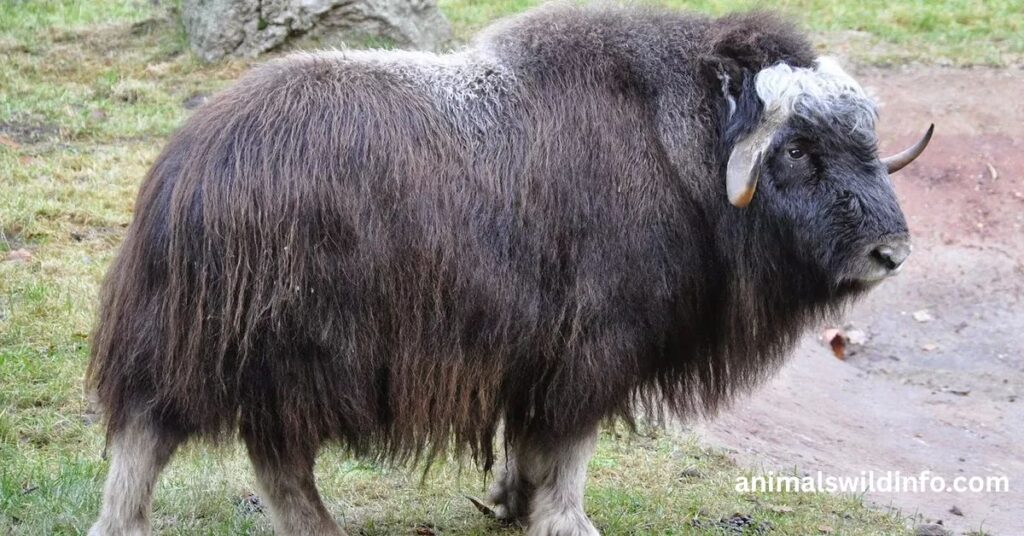
The musk ox survives in one of the coldest places on Earth, far above the Arctic Circle. Its thick coat blocks freezing wind better than most fur found anywhere else in nature. Strong horns curve across its head, built for both defense and dominance fights among rival males. This combination shows real powerful animal adaptations shaped by thousands of years in extreme cold.
When wolves approach, musk oxen do not run away in panic. The herd forms a tight circle instead, horns facing outward, with calves kept safe in the middle. This is defensive behavior at its very best, turning many separate animals into one solid wall of horns. It proves that natural strength often works better as a team effort than as a lone fight against danger.
Tiger
Scientific Name: Panthera tigris Class: Mammalia Diet: Carnivore
The tiger is a muscular predator built for sudden bursts of raw speed. Its strong legs can launch it forward at nearly 30 miles per hour during a short chase. As an apex predator, the tiger relies on stealth first and power second, saving its energy for the final, decisive moment. It creeps close through cover before using explosive force to strike.
This hunting strategy takes patience as much as it takes muscle. Tigers often trail prey for a long time before committing to any attack at all. Their striped coat hides them well in tall grass and shifting forest light. That mix of stealth and raw force places the tiger among the strongest predators anywhere in the wild.
Read More: Dangerous Animals in Puerto Rico: 14 Wildlife Species to Watch For
Grizzly Bear
Scientific Name: Ursus arctos horribilis Class: Mammalia Diet: Omnivore
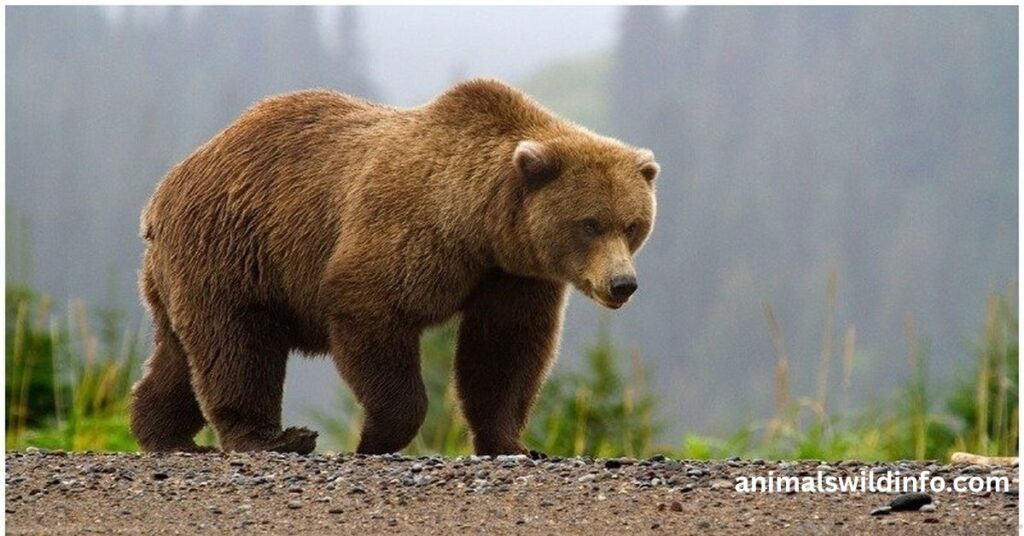
The grizzly bear shows off serious physical power through its huge frame and thick layers of muscle. Some grizzlies weigh close to 800 pounds, especially those living along salmon-rich coastlines. Its muscular build allows it to dig through frozen ground in search of buried food sources. Strong claws rip apart fallen logs and turn over heavy rocks without much visible effort.
This bear also shows smart survival skills that go beyond raw force. It remembers berry patches from year to year, returning to the same hillsides each season. Mothers protect their cubs fiercely, even standing their ground against much larger male bears nearby. This blend of digging strength and sharp memory makes the grizzly bear a true powerhouse of North American wildlife.
Hippopotamus
Scientific Name: Hippopotamus amphibius Class: Mammalia Diet: Herbivore
The hippopotamus looks slow and lazy, but its power is no joke at all. This aquatic mammal carries a massive body, often close to 9,000 pounds on the largest bulls. Its powerful jaws can deliver a bite force higher than a lion’s, easily crushing solid bone in an instant. Few animals in Africa would risk a direct fight with one of these giants.
Hippos are also fiercely territorial once night falls. They patrol riverbanks after dark and defend their space from any intruder that gets too close. Loud calls travel far underwater, warning other hippos to keep their distance. This defensive behavior shows that strength is not only about attack; sometimes it means guarding territory with total, unwavering commitment.
Saltwater Crocodile
Scientific Name: Crocodylus porosus Class: Reptilia Diet: Carnivore
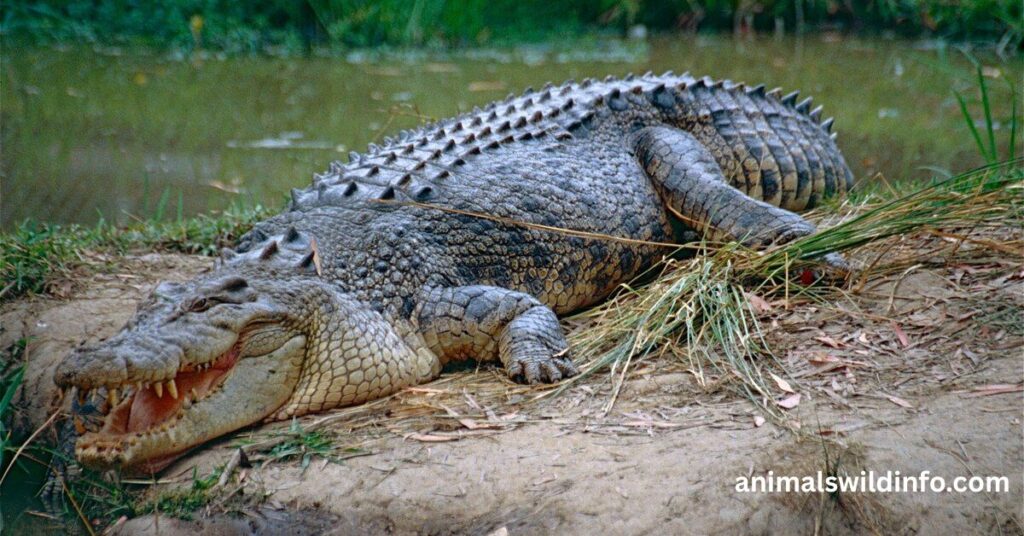
The saltwater crocodile holds the record for the strongest bite on the entire planet. Its jaws can crush down with more than 3,700 PSI of raw pressure, based on documented research. That kind of powerful bite can snap turtle shells and crack heavy bone in a single instant. As one of the strongest reptiles alive today, this crocodile shows raw predatory strength at its absolute peak.
This animal also hunts through pure, quiet patience. It floats almost perfectly still in the water for hours, waiting for prey to wander close enough. Then it strikes with sudden, crushing force that leaves little chance of escape. Its armored skin and ancient body design make the saltwater crocodile one of the most feared ambush predators found anywhere in nature.
Lion
Scientific Name: Panthera leo Class: Mammalia Diet: Carnivore
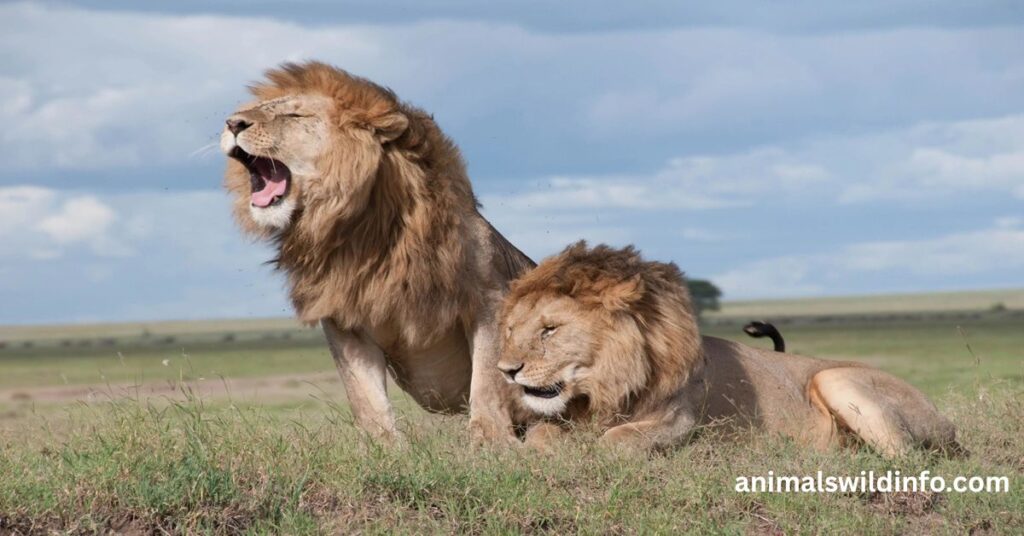
The lion earns its royal title through teamwork and strength combined. As an apex predator, it relies heavily on the pride’s social behavior to bring down large prey successfully. Female lions coordinate their movements carefully, closing in on prey from several sides at once. A male lion, meanwhile, guards the group’s territory using both size and raw force.
Physically, a lion carries a strong bite force, capable of breaking the spine of large animals in one clean strike. Its roar travels for miles across open land, warning rivals long before any real fight even begins. This mix of raw muscle and smart hunting ability keeps the lion among the top strongest predators across the African plains.
Leopard
Scientific Name: Panthera pardus Class: Mammalia Diet: Carnivore
The leopard thrives through adaptation more than pure brute force. It survives comfortably in forests, deserts, and mountains alike, unlike many other big cats. Spotted fur helps it blend into shifting light patterns, making it nearly invisible right before a strike. This muscular body allows fast, silent movement through almost any type of habitat on Earth.
What makes the leopard truly special is its climbing power. It can drag prey twice its own body weight straight up into the branches of a tree. This keeps meals safely away from scavengers waiting on the ground below. That level of agility, paired with sharp claws and strong legs, makes the leopard one of the most complete hunters in the wild.
Read More: Why Do Foxes Laugh? 7 Surprising Facts Behind Their Sounds
Anaconda
Scientific Name: Eunectes murinus Class: Reptilia Diet: Carnivore
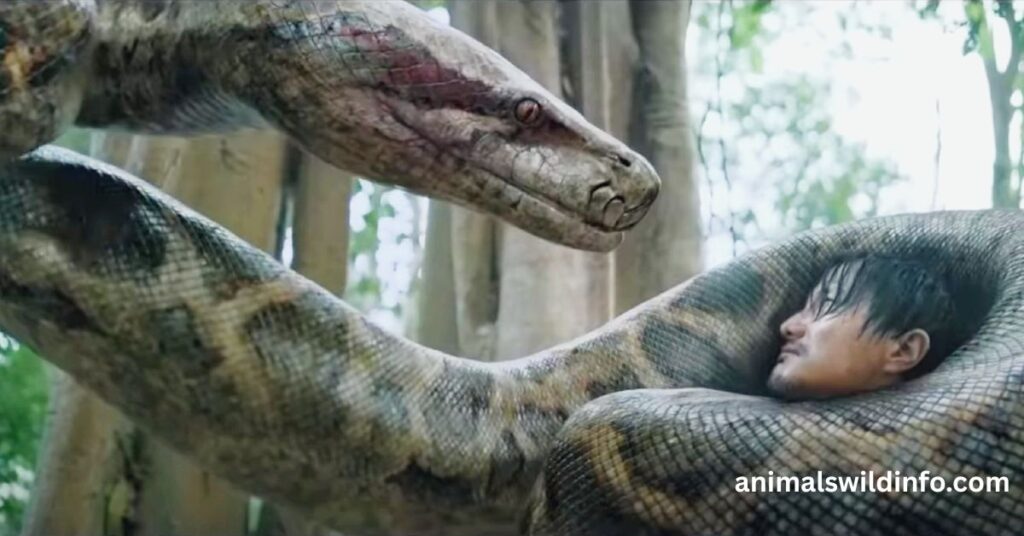
The anaconda does not need venom to kill its prey. This giant snake relies entirely on constriction, wrapping its long, muscular body around prey and squeezing tighter with every single breath the animal takes. Living deep in the wetlands of the Amazon, it can grow past 17 feet long and weigh well over 500 pounds.
Patience drives this predator’s success more than speed ever could. It waits low in murky water, barely visible, until an animal comes too close for comfort. Once it strikes, escape becomes almost completely impossible for the prey. This slow, steady form of predatory strength shows that raw power does not always need speed to become deadly.
Harpy Eagle
Scientific Name: Harpia harpyja Class: Aves Diet: Carnivore
The harpy eagle ranks among the strongest birds found anywhere on Earth. Its talons, or sharp claws, can grip with enough force to lift a monkey straight out of a tall tree. A wingspan close to seven feet lets it move through the dense rainforest canopy with total precision and control.
This bird hunts with real intelligence, not just raw muscle power. It reads small gaps between trees and predicts exactly where prey will move next. That sharp hunting ability makes every single strike count toward a successful catch. Between its grip strength and its careful thinking, the harpy eagle stands as one of nature’s most skilled aerial hunters.
American Bison
Scientific Name: Bison bison Class: Mammalia Diet: Herbivore
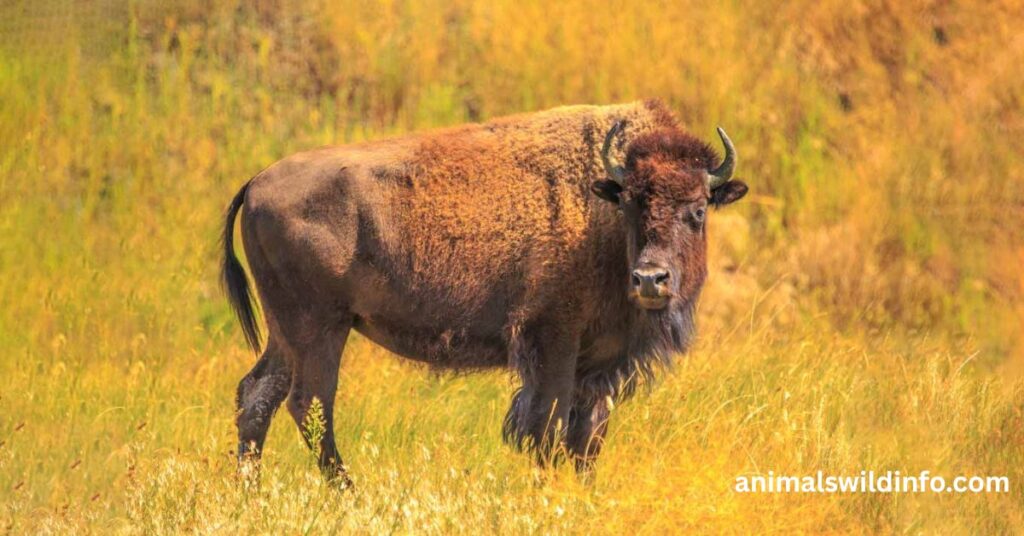
The bison once roamed North America in the tens of millions before near extinction in the 1800s. Its massive body, often near 2,000 pounds, carries enough force to plow straight through deep winter snow. Strong legs drive each heavy step, letting it reach grass buried under harsh seasonal storms.
Herd life shapes bison behavior in a very big way. Older females lead the group toward safer land, and the whole herd moves as one tight unit during long migrations. This shared endurance helps protect weaker members from predators and rough weather alike. Watching a bison herd cross open plains is a clear reminder of true, untamed wild power.
Polar Bear
Scientific Name: Ursus maritimus Class: Mammalia Diet: Carnivore
The polar bear survives in one of the harshest places on Earth, far above the Arctic Circle. As a large carnivore, it can weigh up to 1,500 pounds, and it swims for long distances across freezing open water. A sharp sense of smell helps it detect seals hidden far beneath thick layers of ice.
Its thick fur and heavy fat layer support long-term survival, even when food stays scarce for weeks. Climate change now threatens the sea ice this bear depends on for most of its hunting. Even with this growing challenge, the polar bear remains one of the most powerful and remarkable strength-driven hunters in the animal world today.
Leafcutter Ant
Scientific Name: Atta cephalotes Class: Insecta Diet: Fungivore
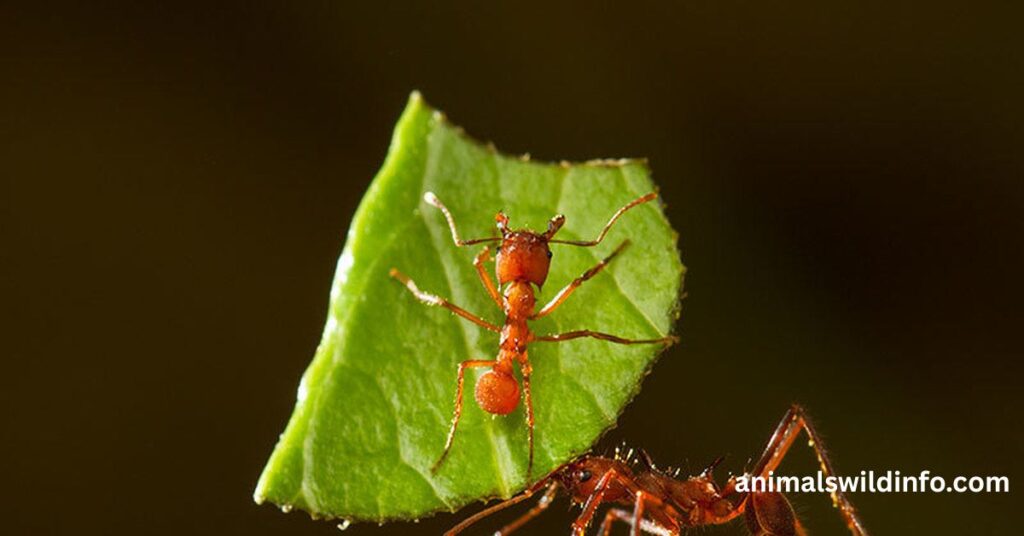
The leafcutter ant proves that size has very little to do with real strength. It carries leaf pieces nearly 50 times its own body weight, holding them high overhead while marching for long distances. This is one of the clearest cases of incredible animal strength found anywhere among the strongest insects.
These leaves are not actually food for the ants themselves. They feed a fungus grown deep inside the colony, and that fungus becomes the real meal source. Thousands of ants divide the work between cutting, carrying, and farming this fungus. This teamwork multiplies each ant’s small strength into something far bigger for the entire colony.
Read More: Can Turtles Climb? 7 Surprising Facts About Turtle Climbing
Nile Crocodile
Scientific Name: Crocodylus niloticus Class: Reptilia Diet: Carnivore
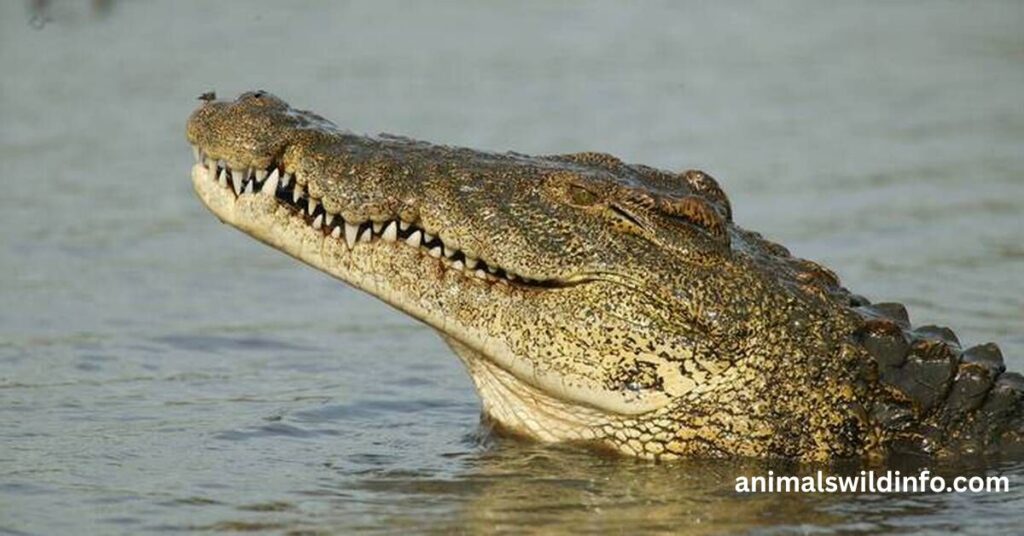
The Nile crocodile is one of Africa’s most feared river predators. Like its saltwater cousin, this crocodile uses crushing jaws to take down prey with a single, sudden bite. Its bite force, while slightly lower than the saltwater crocodile’s, still ranks among the strongest of any living reptile species today.
This animal hunts through pure ambush skill built over millions of years of evolution. It waits near the water’s edge, almost fully hidden from view, until an animal comes to drink. Armored skin protects it from injury during any struggle with larger prey. The Nile crocodile’s mix of patience and force keeps it firmly at the top of Africa’s river food chain.
How Do Scientists Measure Animal Strength?
Researchers do not judge animal power with just one simple test. They study different traits, since strength shows up in different ways across the entire animal kingdom. A crocodile’s power comes mostly from its jaw. An elephant’s power comes from its trunk and legs working together. Each method below helps explain how scientists actually rank the strongest creatures on Earth.
This section breaks down the four main tools used to compare strength fairly across very different species. Together, they explain why a small beetle can outrank a bear in one category, while losing badly in another test entirely.
Muscle Strength and Physical Power
Muscle strength looks at raw force output from an animal’s entire body. Muscular animals, like gorillas and grizzly bears, show this clearly through thick limbs and dense muscle tissue. Scientists study muscle fiber type and overall size to understand physical strength in animals more accurately. This method reveals animal physical power in its most direct and measurable form.
Bite Force
Bite force measures jaw pressure, usually recorded in PSI, or pounds per square inch. Crocodiles and hippos rank near the top of this list, thanks to their extremely powerful jaws. Researchers use special bite-force sensors placed inside the mouth to record exact numbers safely. This test shows a very different kind of predatory strength than muscle size alone can ever explain.
Lifting and Pulling Strength
This measures how much weight an animal can actually move against resistance. Elephants use their lifting strength to push over full-grown trees when foraging. Dung beetles use their pulling strength to drag objects far heavier than their own tiny bodies. Both tests focus on raw force applied to an outside object, not just internal body strength.
Strength-to-Body-Weight Ratio
This ratio compares an animal’s strength directly to its own size and weight. It explains why tiny insects often outrank much larger animals in relative power tests. A dung beetle pulling 1,000 times its own weight easily beats an elephant in this specific category. This method proves that extraordinary animal abilities often hide inside the very smallest bodies in nature.
Strongest Animals by Different Types of Strength
Different tests naturally create different winners across the animal world. This quick reference section sums up the results already covered above, based on each strength category discussed throughout this guide.
Strongest Animal by Body Strength
The African elephant leads this category by a wide margin, thanks to its huge size and its ability to push down full-grown trees using raw physical force alone.
Strongest Animal by Bite Force
The saltwater crocodile takes the top spot here, with a bite force over 3,700 PSI, the strongest ever officially recorded in a living animal.
Strongest Animal Relative to Body Weight
The dung beetle wins this category by a very wide margin, pulling more than 1,000 times its own body weight during controlled lab tests.
Strongest Land Animal
The African elephant also holds this specific title, since it remains the largest and most powerful animal living entirely on land today.
Final Thoughts
Strength shows up in many different forms across the wild. Some animals rely on a massive body built for raw power alone. Others rely on speed, patience, or teamwork instead of size. This list of powerful wildlife proves that there is no single formula for real power in nature.
From the tiny dung beetle to the giant African elephant, each animal on this list earned its spot through remarkable strength built for pure survival over thousands of years. These powerful animal adaptations remind us how varied and creative strength really is across different species. Protecting these creatures also means protecting the balance of the wild places they call home, since every strong species plays a role in its own ecosystem.
Frequently Asked Questions
What is the top 10 strongest animal?
The top ten usually includes the African elephant, saltwater crocodile, gorilla, tiger, lion, grizzly bear, hippopotamus, polar bear, musk ox, and American bison, based on size, bite force, and raw physical power combined.
Which animal is the most strong in the world?
The African elephant is often named the strongest animal overall, thanks to its massive body and its ability to move huge obstacles using pure physical strength alone.
What are the top 5 toughest animals?
Many experts point to the saltwater crocodile, grizzly bear, musk ox, tiger, and gorilla as the toughest, based on their bite force, muscle power, and survival skills in harsh, unforgiving conditions.
Who is the real king of animals?
The lion holds this title in most cultures, thanks to its strong bite force, its pride-based social behavior, and its position as a leading apex predator across the African plains.