Top 18 Animals That Eat Corn (With Pictures & Feeding Facts)
Corn grows in almost every state in America. It sits in barns, backyard feeders, and wide open fields. And it turns out a huge number of creatures can’t resist it. From barnyard favorites to sneaky forest visitors, animals that eat corn show up in more places than you’d expect.
This guide walks you through all 18 of them. You’ll learn which farm animals that eat corn rely on it daily, which wild animals that eat corn raid fields at night, and how to feed corn safely without causing harm. Grab a coffee. Let’s dig in.
List of Animals That Eat Corn
Corn packs in sugar, starch, and easy calories. That’s exactly why so many species chase it down. Whether it’s corn kernels, a whole cob, or leftover stalks in a harvested field, this grain pulls in everything from horses to crows.
Below is the full lineup. Each entry covers the animal’s basic facts, plus how and why it eats corn. You’ll notice a mix of mammals that eat corn, birds that eat corn, and a few rodents that just can’t stay away.
| Number | Animal |
| 1 | Horses |
| 2 | Pigs |
| 3 | Chickens |
| 4 | Cows |
| 5 | Goats |
| 6 | Buffalo |
| 7 | Deer |
| 8 | Rabbits |
| 9 | Squirrels |
| 10 | Chipmunks |
| 11 | Raccoons |
| 12 | Black Rats |
| 13 | Deer Mice |
| 14 | American Crows |
| 15 | Common Ravens |
| 16 | Quail |
| 17 | Wild Turkeys |
| 18 | Bears |
Horses
Scientific Name: Equus ferus caballus Class: Mammalia Diet: Herbivore
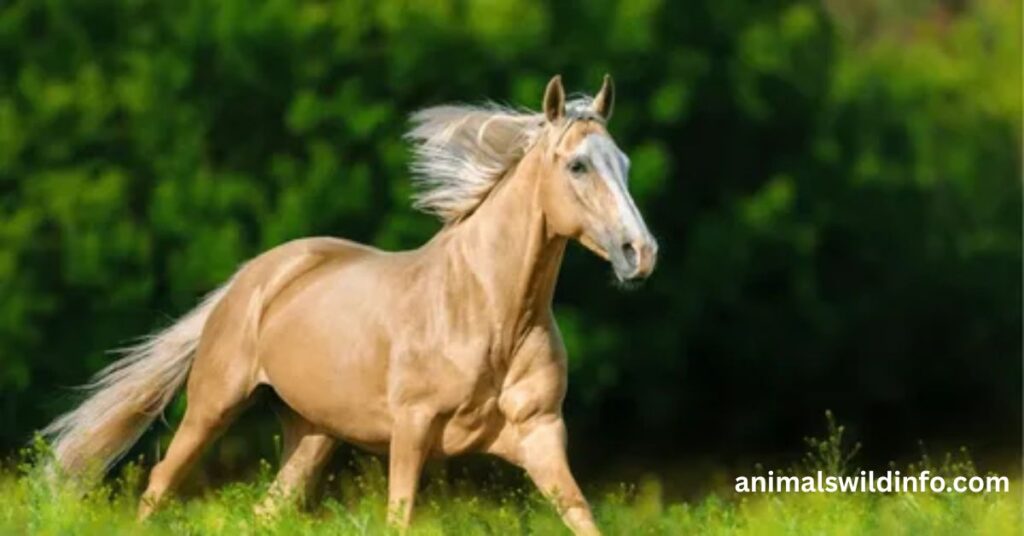
Horses eat corn as a high-energy boost, especially when they work hard or compete. It’s not their main food. Grass and hay still come first. But a scoop of whole corn for animals like these gives them fast fuel for long rides or heavy farm work.
Can horses eat corn safely every day? Yes, in small amounts. Too much, though, and you risk digestive trouble or laminitis, a painful hoof condition. Most horse owners mix corn with fiber-rich hay to keep things balanced. That crunchy texture also gets a horse chewing longer, which is good for its teeth and keeps it entertained in the paddock.
Pigs
Scientific Name: Sus domesticus Class: Mammalia Diet: Omnivore
Pigs eat corn more than almost any other farm feed. It’s cheap, easy to grow, and packed with energy. Farmers rely on it heavily because pigs pack on weight fast when corn makes up a big chunk of their diet. That’s part of why it’s such a staple in American hog farming.
Do pigs eat corn raw off the cob, or does it need processing? Both work. Whole kernels, cracked corn, or ground meal all suit a pig’s stomach just fine. Pigs are smart eaters too. They’ll often sniff out the sweetest kernels first before finishing the rest. This natural preference makes corn one of the most efficient livestock feed options around.
Chickens
Scientific Name: Gallus gallus domesticus Class: Aves Diet: Omnivore
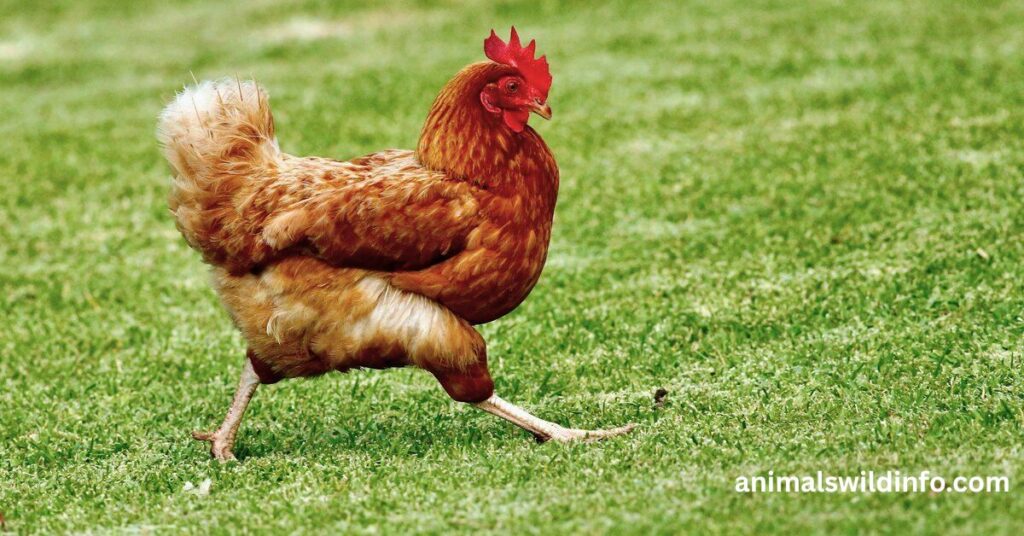
Chickens eat corn with real enthusiasm. Toss a handful of cracked corn for animals like backyard hens, and you’ll see them come running. It gives them quick carbs for scratching, foraging, and staying warm through colder months.
Chickens are picky in a clever way. They’ll peck through mixed feed to find corn first, leaving less appealing bits behind. That’s not laziness. It’s instinct guiding them toward the most calorie-dense option. Feeding corn also strengthens the bond between owner and flock, since chickens gather eagerly whenever feeding time rolls around.
Cows
Scientific Name: Bos taurus Class: Mammalia Diet: Herbivore
Cows eat corn in massive quantities across the U.S., especially in feedlots. It fattens cattle quickly and improves meat marbling, which is why beef producers depend on it so much. Dairy cows benefit too, since corn’s starch content helps boost milk output.
Do cows eat corn the same way they eat grass? Not quite. Cows are ruminants, meaning they have a four-chambered stomach built to ferment tough plant material. Corn digests differently, and too much too fast can throw off that fermentation process. Farmers usually introduce it gradually, mixing it with hay or silage to keep a cow’s gut running smoothly.
Goats
Scientific Name: Capra aegagrus hircus Class: Mammalia Diet: Herbivore
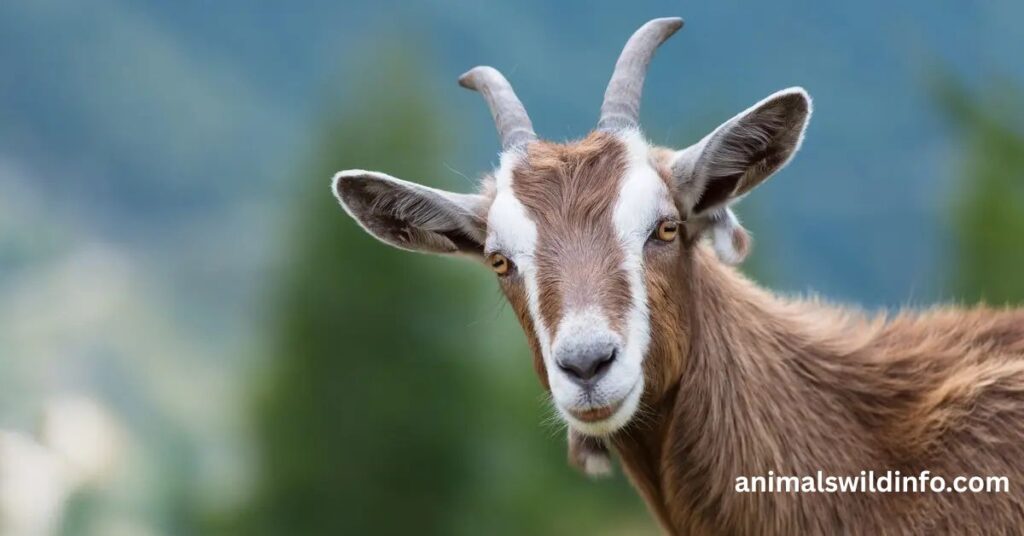
Goats eat corn whenever they get the chance, whether it’s fresh off the cob or dried as grain. Goats are famously curious eaters, and corn’s crunch and sweetness make it an easy favorite. It also gives them a fast energy boost during colder seasons.
Corn works well as a supplement, not a full diet. Goats need fiber from hay and browse to stay healthy, but a little corn helps with lactation and growth spurts. Overdo it, though, and you’ll run into bloating or digestive upset. Moderation keeps these animals thriving without health setbacks.
Buffalo
Scientific Name: Bison bison Class: Mammalia Diet: Herbivore
Buffalo eat corn much like cattle do, particularly on ranches where grazing land runs thin in winter. These massive grazers need serious calories to maintain their size, and corn delivers a dense energy source that grass alone can’t always match.
Wild bison historically stuck to prairie grasses, but modern herds near farmland often wander into cornfields. Ranchers sometimes feed corn deliberately to supplement natural forage, especially during droughts. Buffalo handle corn reasonably well thanks to a digestive system similar to cattle, though ranchers still watch portions carefully to avoid overloading their rumen.
Read More: Top 15 Animals That Waddle Amazing Waddling Animals With Pictures
Deer
Scientific Name: Odocoileus virginianus Class: Mammalia Diet: Herbivore
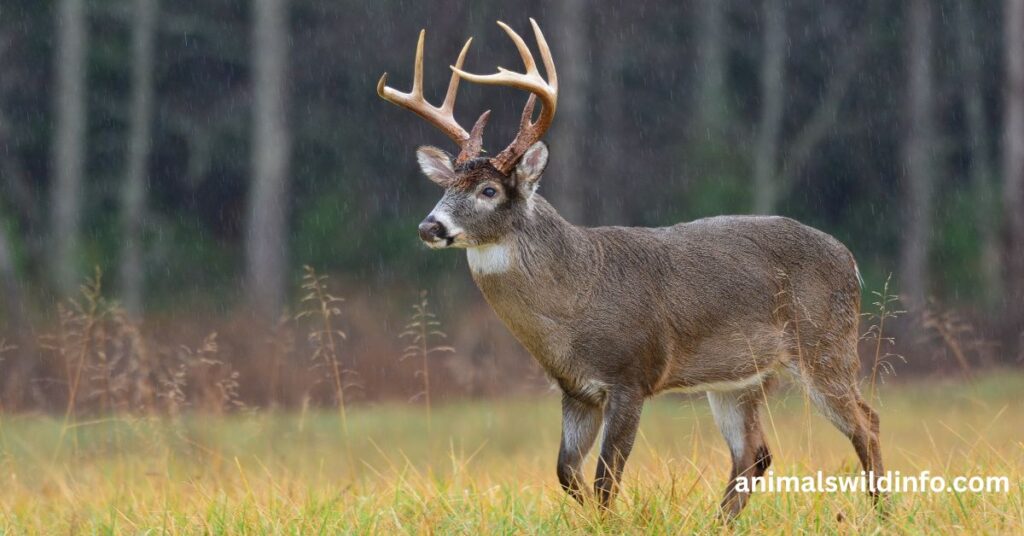
Deer eat corn constantly near farmland, and it’s one of the biggest reasons you’ll spot them lingering by fields at dusk. Do deer eat corn even when other food sources are around? Absolutely. They’ll often choose corn over less calorie-dense plants whenever it’s available.
This habit peaks in fall and winter, when natural vegetation thins out. Deer feeding near corn silos or leftover crop rows has become such a common sight that hunters use corn piles as bait in many states. That said, this practice draws controversy since it can spread disease between deer that gather in tight groups around a single food source.
Rabbits
Scientific Name: Sylvilagus floridanus Class: Mammalia Diet: Herbivore
Rabbits eat corn, particularly the tender kernels and young shoots that pop up early in the growing season. Can rabbits eat corn without any risk? Mostly yes, though corn shouldn’t replace their usual diet of grasses, greens, and hay.
Wild cottontails often sneak into gardens at dawn or dusk, nibbling on corn before farmers even notice. Their feeding habits can indicate a healthy surrounding ecosystem, since rabbits usually thrive where food diversity is high. Still, gardeners tend to see them as pests once corn stalks start disappearing overnight.
Squirrels
Scientific Name: Sciuridae Class: Mammalia Diet: Omnivore
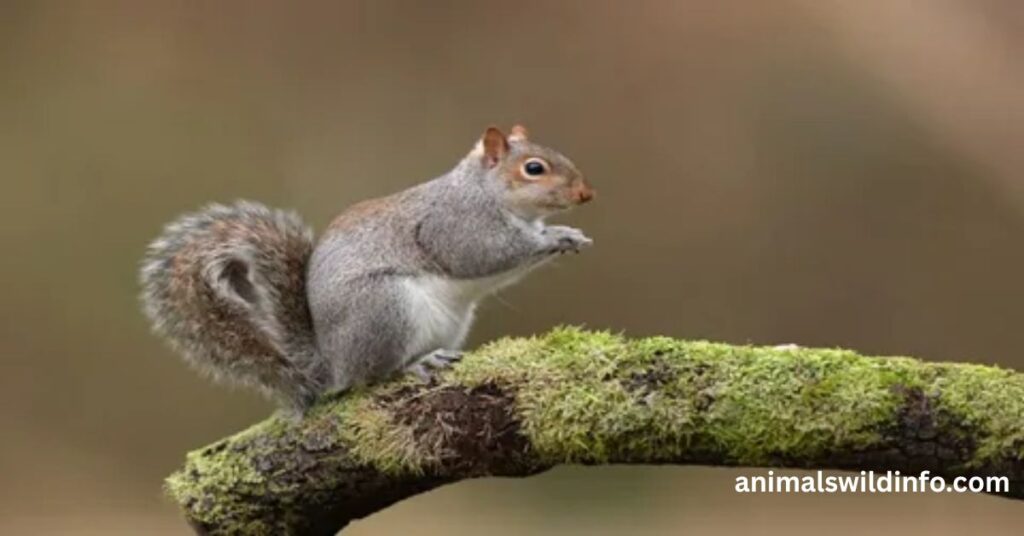
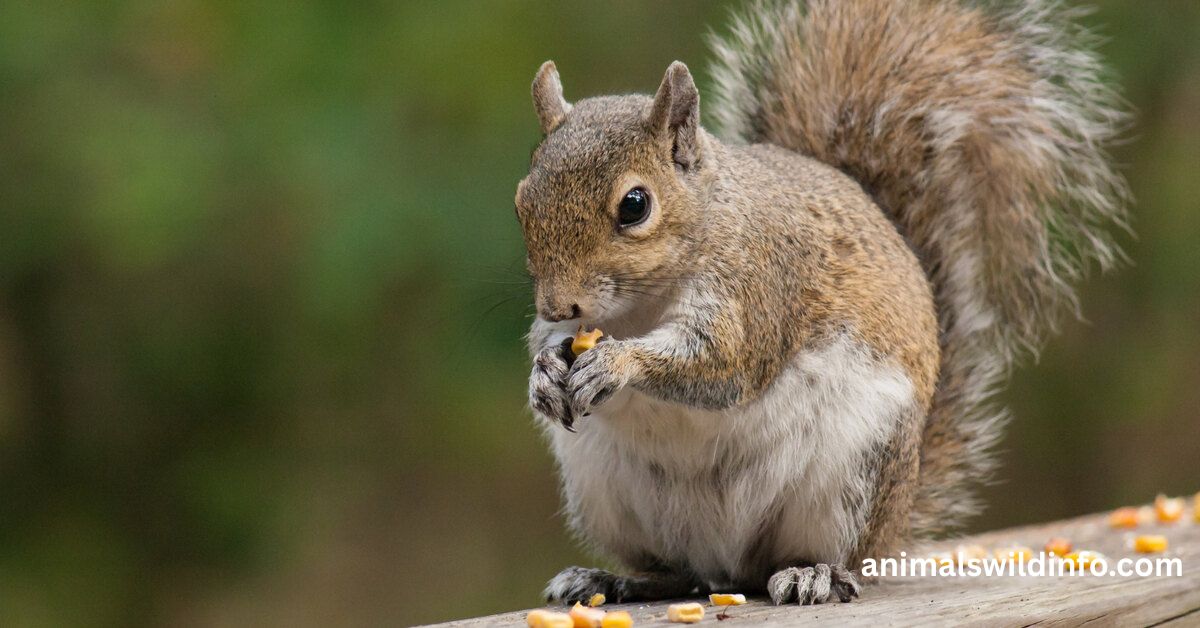
Squirrels eat corn with impressive speed and precision. Do squirrels eat corn straight from bird feeders? Constantly. That bright yellow color and sweet smell practically calls out to them from yards away.
These agile foragers use sharp teeth and dexterous paws to strip kernels clean off a cob in minutes. Squirrels also bury extra corn for later, which accidentally helps spread seeds around their territory. It’s a small but real contribution to local plant growth, even if most gardeners just see it as squirrels raiding their sweet corn patch.
Chipmunks
Scientific Name: Tamias striatus Class: Mammalia Diet: Omnivore
Chipmunks eat corn whenever they stumble across it, stuffing kernels into cheek pouches that stretch to nearly double their head size. It’s a funny sight, but it’s also smart survival behavior, letting them haul away as much food as possible in one trip.
These small rodents thrive near human gardens and farms, where corn cobs offer an easy, reliable meal. Their foraging trips often help disperse seeds nearby, quietly supporting new plant growth. Chipmunks may be tiny, but their appetite for corn plays a small role in shaping the ecosystems around backyard gardens and farm edges.
Raccoons
Scientific Name: Procyon lotor Class: Mammalia Diet: Omnivore
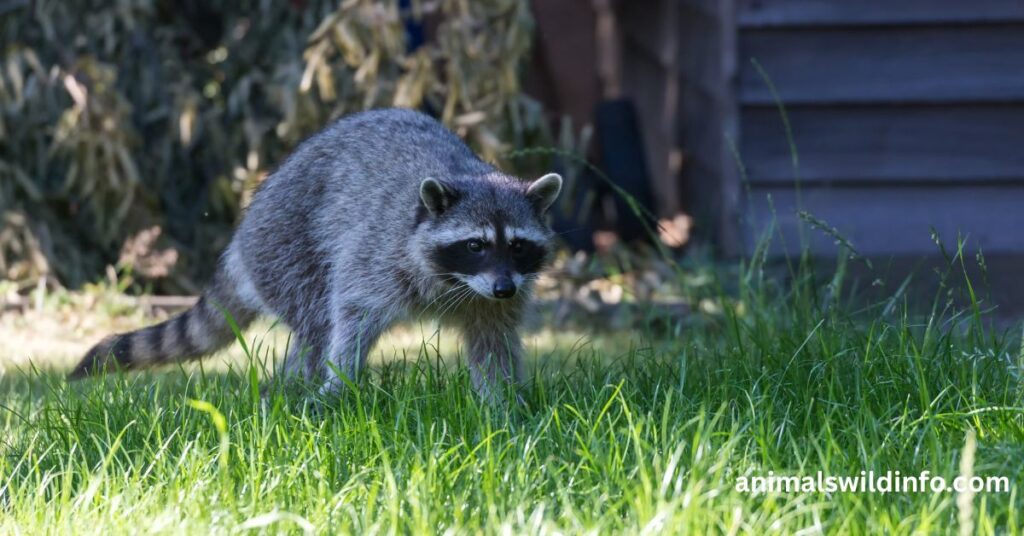
Raccoons eat corn with real skill, using their dexterous front paws to peel back husks like tiny hands. This nighttime forager can strip an entire row of cornstalks before sunrise, which makes it one of the most frustrating wildlife that eats corn for farmers to deal with.
Raccoons often feed in groups once one animal finds a good patch. Word seems to spread fast among local raccoon populations, drawing multiple visitors to the same field night after night. Their clever paws and nocturnal habits make them tough to keep out, and many farmers resort to fencing or motion-activated lights to slow them down.
Black Rats
Scientific Name: Rattus rattus Class: Mammalia Diet: Omnivore
Rats eat corn in both urban settings and open farmland, making them one of the most adaptable corn-eating animals on this list. Black rats squeeze through dense cornstalks with ease, nibbling both kernels and tender young shoots along the way.
Their high-energy diet supports fast reproduction, which is exactly why rat populations can explode near unprotected grain storage. Farmers see them as serious pests since a small group can damage a surprising amount of crop overnight. Still, understanding their feeding patterns helps growers set up better barriers and storage solutions to keep losses down.
Read More: Are Kangaroos Smart? Interesting Facts About Kangaroo Intelligence
Deer Mice
Scientific Name: Peromyscus maniculatus Class: Mammalia Diet: Omnivore
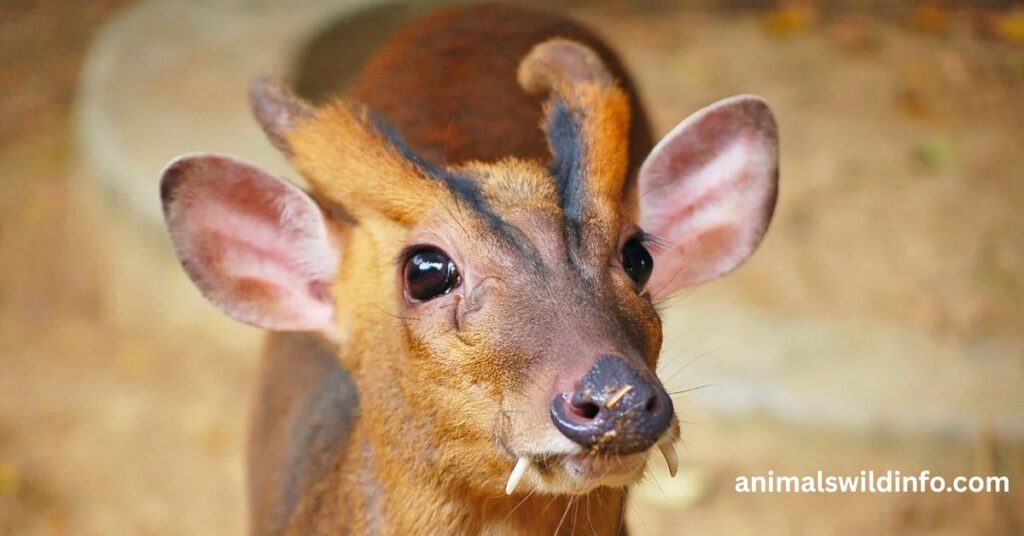
Mice eat corn just as eagerly as their larger rodent cousins, and deer mice are especially good at finding it. These small foragers use sharp senses of smell to track down corn in fields, barns, and even abandoned farmland.
Deer mice contribute to seed dispersal as they nibble and carry kernels to new spots. This small habit supports biodiversity, helping new plants sprout in areas the mice pass through. Their compact size lets them squeeze into tight spaces that bigger animals can’t reach, giving them access to grain stores that might otherwise stay untouched.
American Crows
Scientific Name: Corvus brachyrhynchos Class: Aves Diet: Omnivore
Crows eat corn with a level of intelligence that surprises most people. Do birds eat corn as strategically as crows do? Rarely. These birds recognize patterns in farming schedules and time their visits around harvest or planting season.
American crows often work in groups, sharing information about good feeding spots through calls and body language. This teamwork boosts their foraging success significantly. Interestingly, crows also eat insects that damage crops, which means their presence in a cornfield isn’t purely a loss for farmers. It’s a bit of a trade-off between pest control and crop theft.
Common Ravens
Scientific Name: Corvus corax Class: Aves Diet: Omnivore
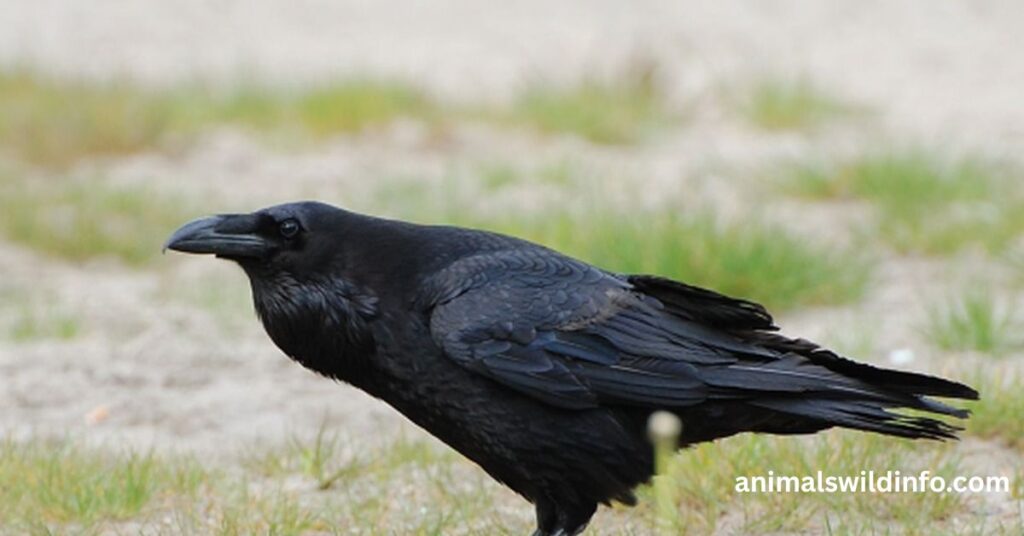
Ravens eat corn using some of the sharpest problem-solving skills in the bird world. These large, intelligent birds study farmer routines closely, learning exactly when fields get the least attention. That pattern recognition helps them time their raids for maximum success.
When one raven finds a solid food source, it often calls others over with loud vocal displays. This communal discovery strengthens social bonds within the flock while also improving everyone’s odds of a good meal. Ravens sometimes even steal corn scraps left behind by deer or smaller birds, showing off the cunning reputation they’re known for.
Quail
Scientific Name: Colinus virginianus Class: Aves Diet: Omnivore
Quail eat corn as a key part of their ground-foraging routine, especially in open fields and grasslands. Corn for wildlife management programs often use it specifically to support quail populations, since it’s an easy, dependable food source through colder months.
These birds tend to feed in groups, staying alert for predators while pecking at scattered kernels. Their diet isn’t limited to corn alone. Quail also eat insects and seeds, keeping their nutrition varied. Large flocks can strip a field bare surprisingly fast, which sometimes puts them at odds with farmers trying to protect a fresh crop.
Wild Turkeys
Scientific Name: Meleagris gallopavo Class: Aves Diet: Omnivore
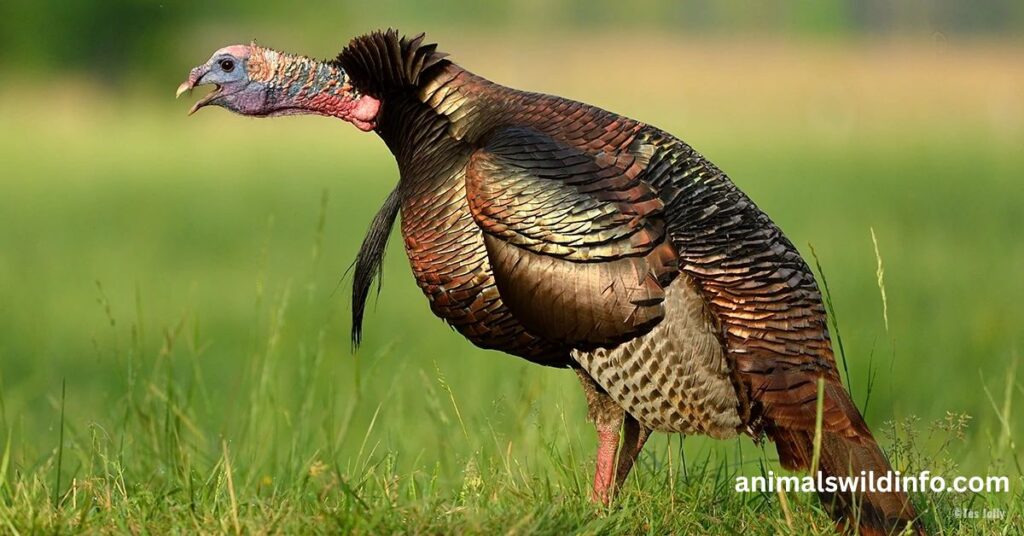
Wild turkeys eat corn enthusiastically, particularly right after harvest season when scattered kernels cover open fields. Their sharp eyesight helps them spot even small amounts of leftover grain from a distance, making post-harvest fields a reliable feeding ground each fall.
Turkeys often gather in flocks during this season, combining feeding with social bonding. Their loud clucks and gobbles fill the air as they scratch through soil looking for kernels. This communal feeding strengthens flock structure and boosts each bird’s odds of finding enough food before winter sets in.
Read More: Top 8 Dangerous Animals in Aruba: Some Can Be Deadly
Bears
Scientific Name: Ursidae (family) Class: Mammalia Diet: Omnivore

Bears eat corn when it’s ripe and plentiful, usually in late summer or early fall. Their powerful noses can detect a cornfield from miles away, which sometimes pulls them dangerously close to human neighborhoods near farmland.
Corn’s high carbohydrate content makes it especially appealing before hibernation. Bears need to pack on fat reserves fast, and a cornfield offers an easy, calorie-dense meal without much effort. This seasonal habit is one reason wildlife agencies encourage secure fencing and proper waste storage in bear-prone farming regions.
What Farm Animals Eat Corn?
Farm animals that eat corn make up a huge part of American agriculture. Horses, pigs, chickens, cows, goats, and buffalo all rely on it in different ways, whether as a main feed or a helpful supplement. It’s cheap to grow, easy to store, and packed with the energy livestock need to grow, work, and produce.
Corn as animal feed dominates the livestock industry because it’s simply efficient. Farmers can grow massive amounts on relatively little land, and the nutritional value holds up well across species. That efficiency is exactly why corn remains a cornerstone (pun intended) of modern farming, from small backyard coops to massive feedlots.
Do Cows Eat Corn?
Yes, cows eat corn regularly, especially in commercial feedlots where fast weight gain matters most. It boosts energy and improves meat marbling. Farmers usually mix it with hay or silage, though, since a cow’s rumen needs fiber to keep functioning properly.
Do Pigs Eat Corn?
Yes, pigs eat corn as one of their primary feed sources. It’s affordable, calorie-rich, and easy for a pig’s digestive system to process. Most commercial pig diets include a significant percentage of corn, whether cracked, ground, or whole.
Is Corn Safe for Animals?
Safe corn for wildlife and livestock generally comes down to moderation. Most animals handle corn just fine in reasonable amounts, whether that’s whole corn for animals like horses or cracked corn for animals like backyard chickens. Problems tend to show up only when corn replaces too much of an animal’s natural diet.
Every species has different tolerance levels, though. A goat can handle more variety than a horse prone to digestive sensitivity. Generally speaking, corn works best as a supplement rather than the sole food source. Pairing it with fiber-rich hay, grass, or natural forage keeps most animals healthy and their digestion running smoothly.
Benefits of Corn for Animals
Corn’s biggest strength lies in its energy density. High carbohydrates mean animals get fast fuel for growth, work, or simply staying warm through cold weather. This makes it especially valuable for livestock feed during winter months when natural forage runs scarce.
Beyond raw energy, corn also supports muscle development and recovery thanks to its vitamin and mineral content. There’s a behavioral bonus too. Chewing on whole kernels or corn on the cob gives animals like horses and chickens mental stimulation, encouraging natural foraging instincts. That combination of nutrition and enrichment is hard to beat for the price.
How Much Corn Can Animals Eat?
Corn feeding guidelines vary a lot depending on the animal’s size, species, and activity level. A large horse in heavy training can handle noticeably more than a small backyard chicken. As a general rule, corn should make up a portion of the diet, not the whole thing.
| Animal | Suggested Corn Portion |
| Horses | Small daily supplement, paired with hay |
| Cows | Moderate amount, mixed with silage or hay |
| Pigs | Can form a large percentage of daily feed |
| Goats | Small treat portions, several times weekly |
| Chickens | Handful mixed into regular feed |
| Wild deer and birds | Occasional, not a daily reliance |
These numbers shift based on climate, activity, and overall health. Always adjust portions gradually rather than making sudden changes, since a sudden shift in animal nutrition can upset digestion fast.
Can Animals Eat Corn Cobs?
Animals that eat corn cobs include goats, cows, and some larger livestock with strong jaws built for tough chewing. What animal will eat a corn cob whole without trouble? Cows manage it reasonably well thanks to their multi-chambered stomachs, though even they benefit from cobs being chopped first.
Smaller animals face real risk here. A whole cob can cause choking or intestinal blockage in dogs, rabbits, or smaller pets. It’s smart to chop cobs into manageable pieces before offering them to any animal that isn’t specifically built for tough, fibrous chewing. When in doubt, smaller portions always beat a whole cob.
Moldy Corn and Aflatoxin Risks
Moldy corn poses a serious health threat, and it’s something every farmer needs to watch closely. Aflatoxin in corn comes from a specific mold that thrives in warm, damp storage conditions. This toxin can cause liver damage, and in severe cases, it’s fatal for livestock.
Symptoms of aflatoxin exposure include reduced appetite, lethargy, and poor growth rates. Prevention matters more than treatment here. Proper storage in cool, dry conditions keeps mold from developing in the first place. Regularly checking stored corn for discoloration or a musty smell can catch problems before they turn into a full mold contamination crisis.
Risks of Feeding Too Much Corn
Corn feeding risks climb fast once corn takes over too much of an animal’s diet. Horses face laminitis, a painful and sometimes permanent hoof condition linked to excess starch. Cattle can develop bloating or acidosis if their rumen doesn’t get enough fiber to balance things out.
Overfeeding isn’t just a livestock problem either. Wild animals that grow dependent on human-supplied corn can lose some natural foraging instinct over time. This shift sometimes disrupts local wildlife management efforts, since animals cluster unnaturally around easy food sources instead of spreading across their normal range. Balance really does matter here, for both farm and wild populations.
How to Feed Corn Safely to Animals
Safe feeding starts with moderation and gradual introduction. Never switch an animal’s diet overnight. Mix small amounts of corn into their regular feed first, then slowly increase the portion while watching for any signs of digestive trouble.
Storage matters just as much as portion size. Keep dried corn in a cool, dry spot away from moisture to prevent mold growth. Fresh corn spoils faster, so use it up quickly once harvested. And always pair corn with fiber-rich food like hay or pasture grass, since that combination supports a healthy digestive system across almost every species on this list.
Frequently Asked Questions
Which animal eats the most corn?
Pigs typically eat the most corn relative to their diet, since it can make up a large percentage of commercial hog feed. Cows in feedlots come close behind, especially when corn drives their weight gain before market.
What wild animal likes corn?
Deer stand out as one of the most consistent wild corn lovers. They gather near fields constantly, especially in fall and winter when natural food sources thin out.
What animal will eat a corn cob?
Goats and cows handle whole corn cobs well thanks to strong jaws and multi-chambered stomachs built for tough plant material. Smaller animals need chopped pieces to avoid choking risks.
What animal loves corn on the cob?
Squirrels and raccoons both show a strong preference for corn on the cob, often stripping kernels clean within minutes using sharp teeth and dexterous paws.
Final Thoughts
Animals that eat corn span an incredibly wide range, from barnyard staples like cows and pigs to wild visitors like bears and ravens. This single crop plays a massive role in animal nutrition across the country, supporting everything from dairy production to seasonal bird migrations.
Feeding corn safely comes down to a few simple habits: moderation, proper storage, and pairing it with fiber-rich food. Whether you’re managing a farm or just enjoying backyard wildlife near a cornfield, understanding how different species interact with this crop helps you make smarter, safer feeding choices for the animals in your care.