Top 25 Animals With the Lowest IQ (With Pictures)
Ever wonder why a goldfish keeps swimming into the same glass wall? Or why a turkey looks straight up during a rainstorm until it nearly drowns? Nature is full of creatures like this. Some species just don’t need a big brain to survive. This list dives into the lowest IQ animals on the planet, the ones science and folklore both call dumbest animals, and why that label doesn’t tell the whole story.
You’ll meet koalas who sleep their lives away, jellyfish with no brain at all, and pandas who can barely be bothered to find a new food source. Some of these low IQ animals get by on pure instinct. Others rely on brute force, camouflage, or sheer numbers. By the end, you’ll understand what “smart” even means in the wild, and why it doesn’t always matter for survival.
Quick Reference Table
| Animal | Class | Diet | |
| 1 | Koalas | Mammalia | Herbivore |
| 2 | Jellyfish | Scyphozoa | Carnivore |
| 3 | Giant Pandas | Mammalia | Herbivore |
| 4 | Kakapos | Aves | Herbivore |
| 5 | Flamingos | Aves | Omnivore |
| 6 | Killdeer | Aves | Omnivore |
| 7 | Norwegian Lemmings | Mammalia | Herbivore |
| 8 | Starfish | Asteroidea | Carnivore |
| 9 | Sloths | Mammalia | Herbivore |
| 10 | Snails | Gastropoda | Herbivore |
| 11 | Turkeys | Aves | Omnivore |
| 12 | Jerboas | Mammalia | Omnivore |
| 13 | Sea Cucumbers | Holothuroidea | Detritivore |
| 14 | Oysters | Bivalvia | Filter feeder |
| 15 | Sea Sponges | Porifera | Filter feeder |
| 16 | Flatworms | Platyhelminthes | Carnivore |
| 17 | Secretary Birds | Aves | Carnivore |
| 18 | Corals | Anthozoa | Filter feeder |
| 19 | Komodo Dragons | Reptilia | Carnivore |
| 20 | Cane Toads | Amphibia | Omnivore |
| 21 | Slugs | Gastropoda | Herbivore |
| 22 | Ostriches | Aves | Herbivore |
| 23 | Horned Lizards | Reptilia | Carnivore |
| 24 | Slow Lorises | Mammalia | Omnivore |
| 25 | Goldfish | Actinopterygii | Omnivore |
What Does “Lowest IQ” Mean in Animals?
Here’s the thing: animals don’t take IQ tests. So when we talk about the animal with the lowest IQ, we’re really talking about something else. We mean cognitive abilities like memory, learning speed, and problem-solving skills. Scientists often look at brain-to-body ratio instead of raw brain size. A whale has a huge brain, but so does its body, so the ratio matters more than the number alone. This measurement, called the encephalization quotient, gives researchers a rough guide to compare animal intelligence across very different species.
Most creatures on this list don’t lack awareness. They just run on instinct-driven behavior instead of learned behavior. A decentralized nervous system, or in some cases just a nerve net, handles basic reactions without any real thinking involved. That’s a totally different strategy than a mammal using a centralized brain to plan ahead. Neither approach is “wrong.” Each one fits the animal’s ecological niche, and honestly, that’s the whole point of this list.
List of Animals With the Lowest IQ
Below, you’ll find 25 creatures that regularly top lists of the least intelligent species on Earth. Some are cute. Some are slimy. All of them prove that survival doesn’t always require a sharp mind.
Koalas
Scientific Name: Phascolarctos cinereus Class: Mammalia Diet: Herbivore
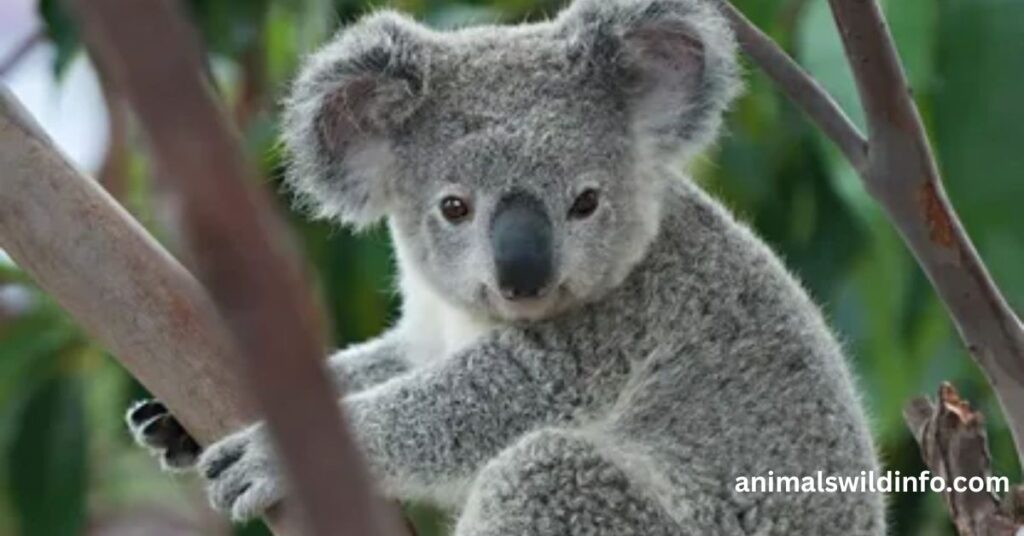
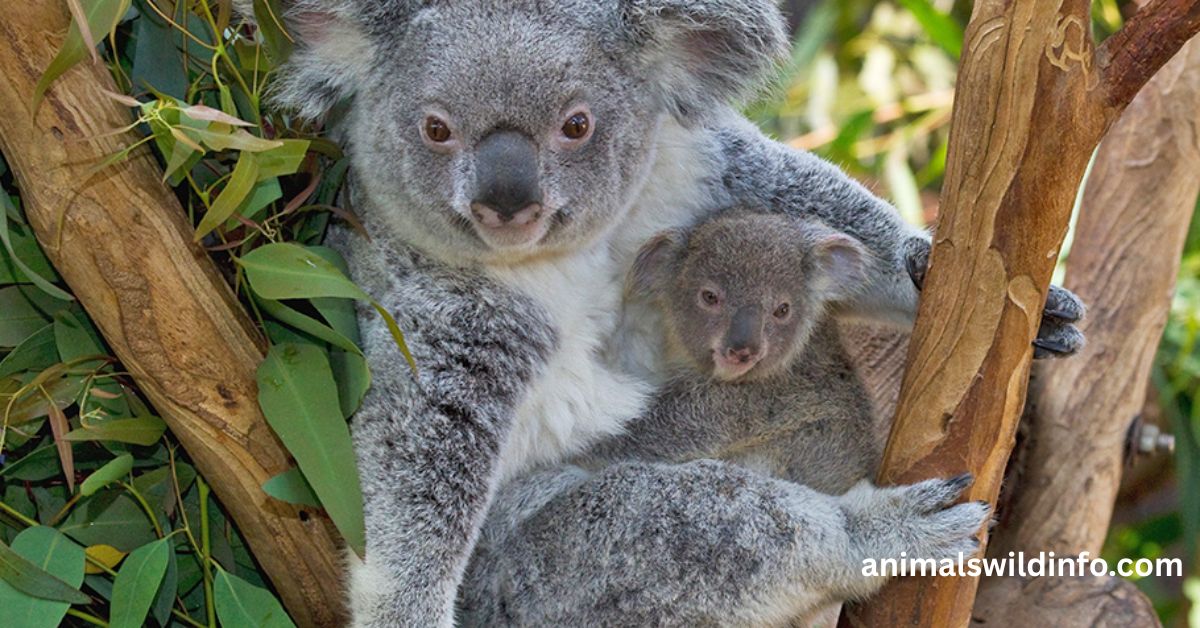
Koalas look cuddly, but their brains tell a different story. Their skulls are mostly filled with fluid, not tissue. That’s rare among mammals, and it explains a lot about their cognitive function. Eucalyptus leaves make up almost their entire diet, and these leaves carry very little energy. So koalas sleep up to 20 hours a day just to conserve fuel. There’s barely any room left for learning ability or curiosity.
This narrow diet also limits their adaptive behavior. If you moved a koala’s food dish six inches away, some individuals wouldn’t figure out how to reach it. Their whole survival strategy depends on staying still, staying quiet, and letting their gut bacteria do the hard work of breaking down toxic leaves. It’s a smart trick evolution came up with, even if the koala itself isn’t doing much thinking.
Jellyfish
Scientific Name: Cnidaria Class: Scyphozoa Diet: Carnivore
Jellyfish have no brain. None. Instead, they run on a nerve net, a loose web of nerve cells spread through their bodies. This setup allows basic movement and feeding responses without any central control. It’s one of the oldest biological adaptation strategies in the animal kingdom, dating back more than 500 million years.
Despite the missing brain, jellyfish thrive. They drift through oceans worldwide, sting prey on contact, and reproduce in massive numbers. Their reproductive strategy, mass spawning, guarantees enough offspring survive even without any parental care. It’s a strange kind of success story: simple animals with almost no nervous system outlasting far more complex species.
Giant Pandas
Scientific Name: Ailuropoda melanoleuca Class: Mammalia Diet: Herbivore
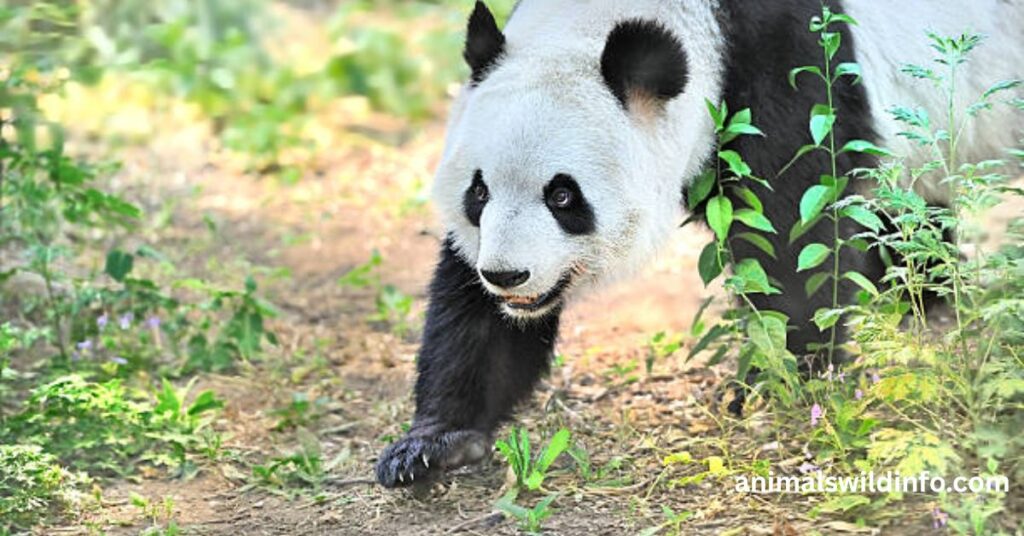
Pandas are famous for looking clumsy, and that reputation isn’t entirely unfair. Their problem-solving skills rank low compared to other bears. Part of the issue traces back to diet. Bamboo takes hours to chew and digest, yet gives back very little energy. So pandas spend most of their day eating just to break even, leaving little time or energy for exploring new food sources.
Their reproductive strategy doesn’t help either. Female pandas ovulate only once a year, for a very short window. Combine that with a low birth rate and picky mating behavior, and you get a species that survives mostly through habitat protection rather than clever behavioral adaptations. Pandas aren’t dumb exactly. They’re just built for one very specific life.
Kakapos
Scientific Name: Strigops habroptilus Class: Aves Diet: Herbivore
New Zealand’s kakapo is a flightless, nocturnal parrot, and it might be one of the most instinct-bound birds alive. For millions of years, it evolved without any major predators. That freedom shaped its evolutionary traits in a strange way. Instead of developing quick escape reflexes, kakapos often freeze in place when threatened, a leftover response from a predator-free past.
This bird also has an unusual mating ritual. Males dig bowl-shaped pits and boom loudly for weeks to attract mates, sometimes without success for an entire breeding season. It’s a fascinating example of species adaptation gone slightly sideways once humans introduced new predators like cats and stoats. The kakapo’s survival instincts just weren’t built for that kind of threat.
Flamingos
Scientific Name: Phoenicopteridae Class: Aves Diet: Omnivore
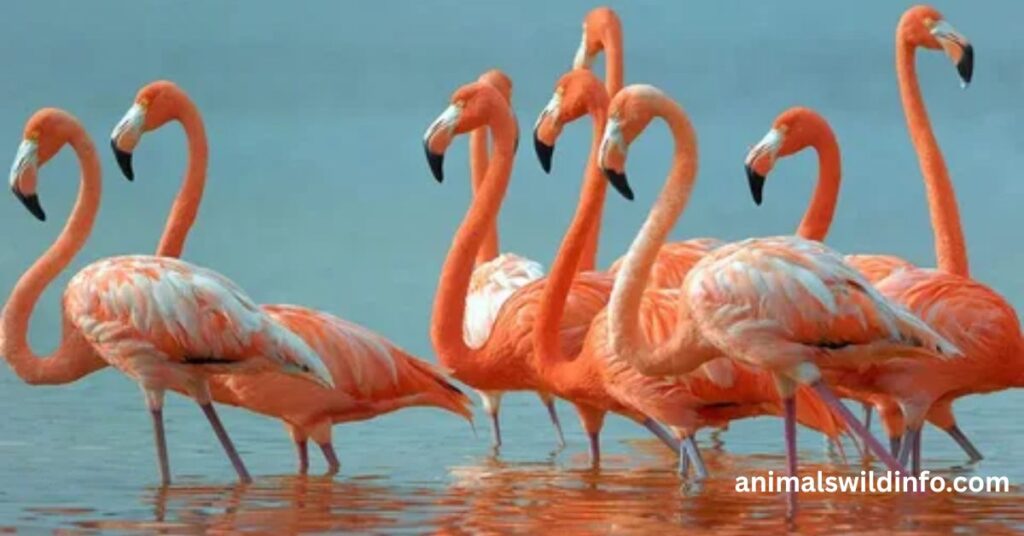
Flamingos look elegant standing on one leg, but their behavior leans heavily on the group rather than the individual. These birds rely on flock dynamics for almost everything, including feeding, defense, and even walking direction. Ask a flamingo to solve a new problem alone, and you likely won’t see much creativity.
Their pink color comes from pigments in the algae and shrimp they filter from shallow water, which shows a neat bit of environmental adaptation. But intelligence-wise, flamingos coast on social behavior instead of brainpower. Thousands of birds moving as one unit reduces the need for any single flamingo to think for itself.
Killdeer
Scientific Name: Charadrius vociferus Class: Aves Diet: Omnivore
The killdeer is a small shorebird with one seriously clever-looking trick: the broken-wing act. When a predator gets close to its nest, the killdeer fakes an injury and hobbles away, luring the threat off track. It looks like genius. It’s actually pure instinctive behavior, hardwired rather than learned.
Outside of that one trick, killdeer don’t show much flexibility. They nest right out in the open on gravel, which seems like a poor choice, yet it works well enough that the species thrives across North America. Sometimes a single good survival strategy covers for a lot of missing brainpower elsewhere.
Read More: 9+ Amazing Animals That Are Not Mammals (With Pictures & Facts)
Norwegian Lemmings
Scientific Name: Lemmus lemmus Class: Mammalia Diet: Herbivore
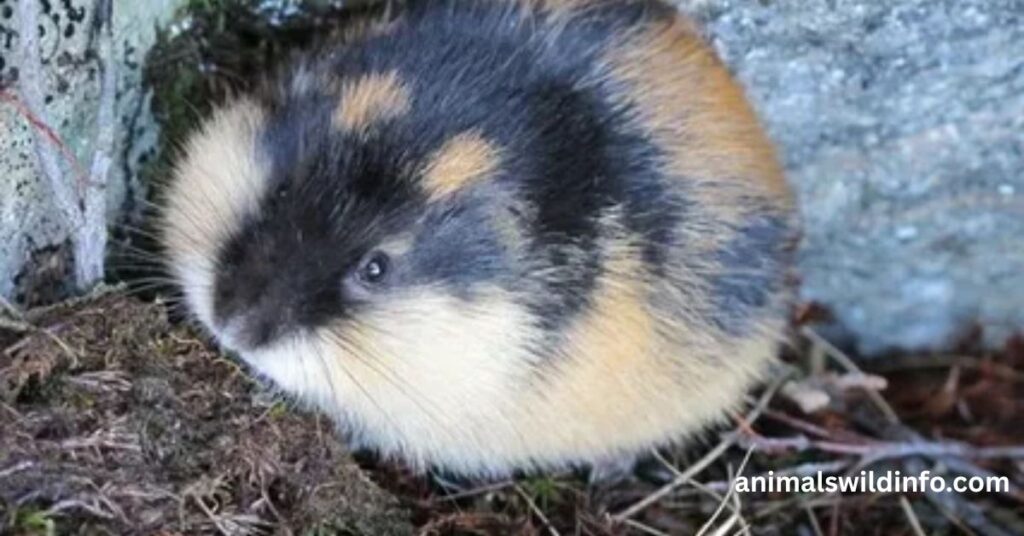
Lemmings got a bad reputation from an old myth about mass suicide, which simply isn’t true. What actually happens involves population booms and crashes tied to food supply. When numbers spike too high, lemmings migrate in large groups searching for new territory, and many die along the way from exhaustion or predators.
This isn’t about cognitive abilities at all. It’s a survival mechanism driven by instinct and environmental pressure. Lemmings don’t plan these migrations. Their bodies and hormones respond automatically once population density crosses a certain threshold, a pattern more about biology than brains.
Starfish
Scientific Name: Asteroidea Class: Asteroidea Diet: Carnivore
Starfish don’t have a brain, and they don’t really need one. Instead, they use a decentralized nervous system spread across each arm. Every arm can sense light, detect food, and react to touch on its own. Cut off an arm, and in many species, a whole new starfish can regrow from it.
That regenerative ability makes up for a total lack of higher thinking. Starfish hunt by slowly prying open shellfish and pushing their stomach outside their body to digest prey externally. It’s a strange but effective survival strategy that doesn’t require a single ounce of what we’d call intelligence.
Sloths
Scientific Name: Bradypus spp. / Choloepus spp. Class: Mammalia Diet: Herbivore
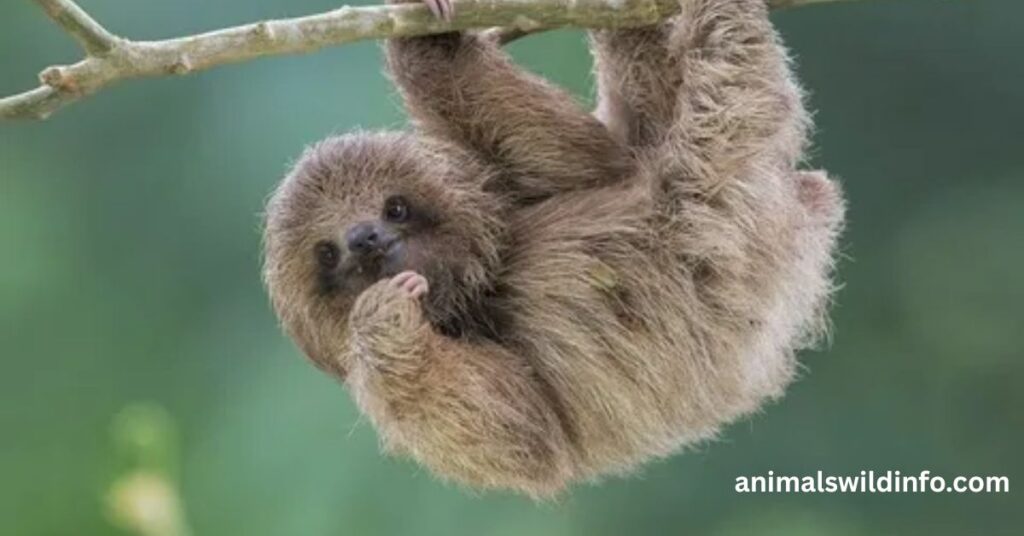
Sloths move so slowly that algae grows on their fur, which actually helps them blend into the trees. Their sluggish pace comes from an incredibly slow metabolism, one of the lowest among mammals. This leaves little energy for learning ability or fast reactions, which is exactly why sloths rarely react quickly to danger.
Yet this laziness is a clever trade-off. Predators like harpy eagles rely on movement to spot prey, so staying still and quiet works as camouflage. Sloths prove that sometimes environmental adaptation favors doing less, not more. Their whole existence runs on patience instead of brainpower.
Snails
Scientific Name: Gastropoda Class: Gastropoda Diet: Herbivore
Snails carry a simple nervous system with a small cluster of nerve cells instead of a true brain. Their pace of life matches their pace of movement: slow, steady, and almost entirely reactive. Touch a snail’s antenna, and it retracts instantly. That’s about as complex as their thinking gets.
Even so, snails survive incredibly well. Their shells offer physical protection, and their slime trail helps them glide over rough surfaces while staying moist. It’s a great example of biological adaptation doing the heavy lifting instead of any kind of problem-solving skills.
Turkeys
Scientific Name: Meleagris gallopavo Class: Aves Diet: Omnivore
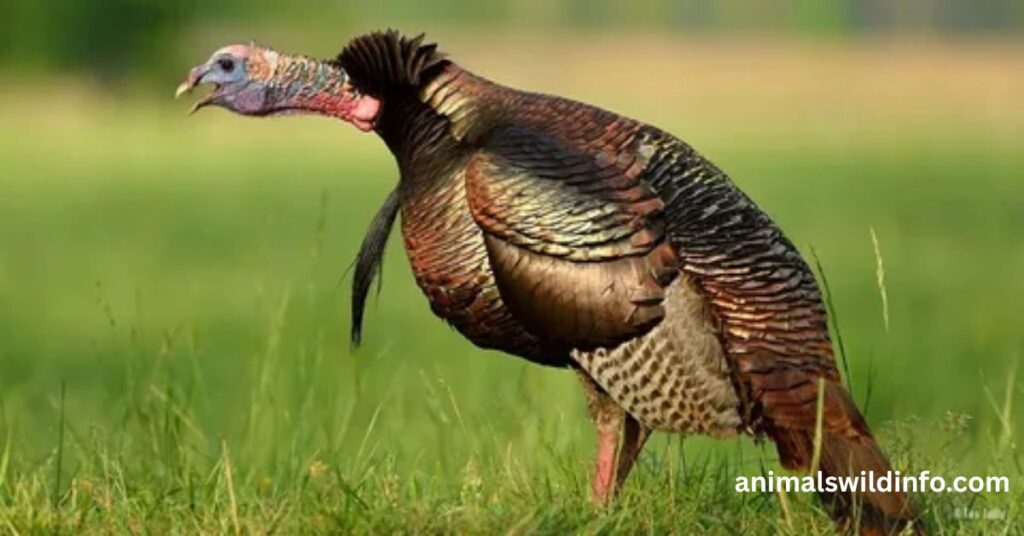
Turkeys have earned a reputation as one of the dumbest animals around, partly thanks to a myth about them staring at the sky and drowning in rainstorms. That story isn’t fully accurate, but turkeys do have limited problem-solving skills compared to birds like crows.
Still, turkeys aren’t hopeless. They use sharp eyesight for predator avoidance and communicate through a range of calls within the flock. Their social behavior shows more complexity than people give them credit for, even if their reputation as a low-IQ bird sticks around every Thanksgiving.
Jerboas
Scientific Name: Dipodidae Class: Mammalia Diet: Omnivore
Jerboas are tiny desert rodents built for jumping, not thinking. Their long hind legs let them leap several feet in a single bound, an escape trick that beats any clever strategy a predator might use. This behavioral adaptation works so well that jerboas rarely need to outsmart a threat.
Living in the desert also shapes their brain development in a minimal-energy direction. Food and water are scarce, so jerboas conserve resources by keeping their cognitive function basic and their instincts sharp. It’s efficiency over intellect, and in a harsh ecological niche, that trade-off makes sense.
Read More: Top 20 Most Anxious Animals in the World (With Pictures & Amazing Facts)
Sea Cucumbers
Scientific Name: Holothuroidea Class: Holothuroidea Diet: Detritivore
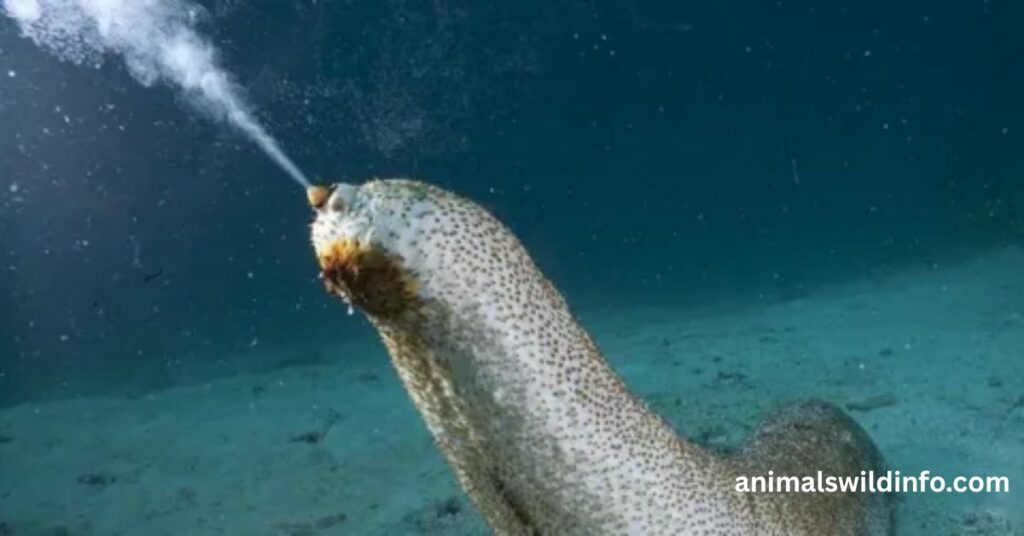
Sea cucumbers crawl along the ocean floor recycling nutrients, and they do it without a centralized brain. A loose network of nerves handles their basic movements and feeding. As detritivores, they break down organic waste, playing a quiet but important role in ocean ecosystem health.
Their defense mechanism is genuinely bizarre. When threatened, some sea cucumbers expel their internal organs at the attacker, then regrow them later. It’s not clever strategy, just automatic instinctual responses built through natural selection over millions of years. Sometimes gross beats smart when it comes to survival.
Oysters
Scientific Name: Ostreidae Class: Bivalvia Diet: Filter feeder
Oysters sit near the very bottom of any animal intelligence ranking. They have no brain, no centralized nervous system, and barely react to their surroundings beyond opening and closing their shells. As filter feeders, they pull nutrients straight from the water around them, requiring almost no decision-making at all.
Despite this, oysters matter a lot to their ecosystem. A single oyster filters dozens of gallons of water a day, improving water clarity and supporting other marine life. They prove that species survival doesn’t always need intelligence. Sometimes it just needs a good filtering system and a strong shell.
Sea Sponges
Scientific Name: Porifera Class: Porifera (multiple classes) Diet: Filter feeder
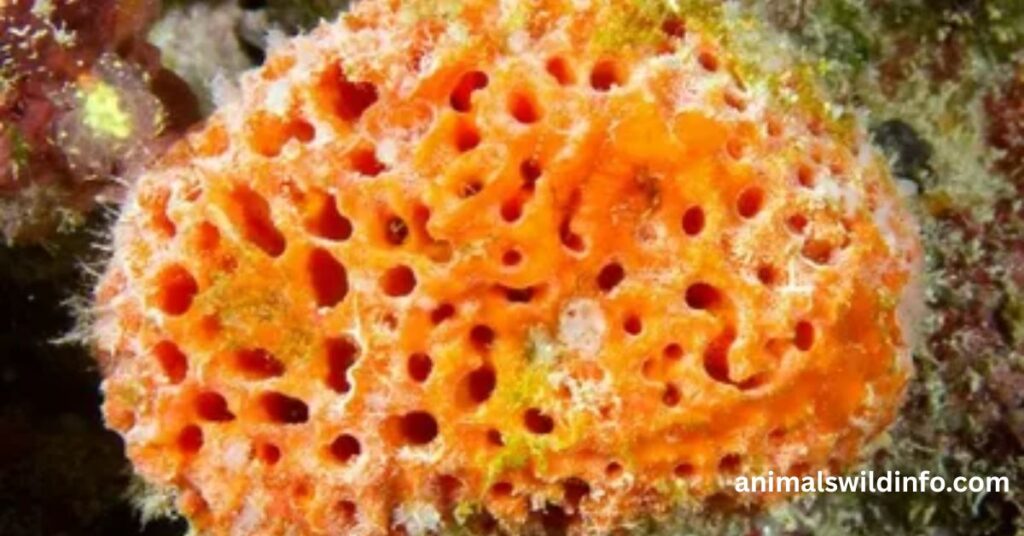
Sea sponges might be the simplest animals alive. They have no brain, no nerves, and no muscles at all. Water flows through tiny pores in their bodies, and they extract food particles as it passes. That’s the entire game plan for these ancient invertebrates, and it’s worked for over 600 million years.
Sponges also have a wild regenerative ability. Break one into pieces, and each piece can potentially regrow into a whole new sponge. This kind of biological adaptation shows that survival doesn’t require thought at all, just a body built to filter, absorb, and rebuild whenever needed.
Flatworms
Scientific Name: Platyhelminthes Class: Turbellaria (and others) Diet: Carnivore
Flatworms sit at an interesting point in evolution. They have one of the simplest true nervous systems around, sometimes called a basic neural network, with a small cluster of nerve cells up front acting like a primitive brain. It’s more advanced than a jellyfish’s nerve net, but still extremely limited.
What makes flatworms notable is their regeneration. Cut one in half, and both halves can regrow into complete worms. Some research even suggests flatworms retain basic memory capacity after regeneration, which surprised scientists. Still, compared to most animals on this list, their cognitive function stays pretty minimal.
Secretary Birds
Scientific Name: Sagittarius serpentarius Class: Aves Diet: Carnivore
Secretary birds hunt by stomping snakes and small animals to death with powerful kicks. It’s an effective technique, but it relies almost entirely on repetitive instinctive behavior rather than any real strategy. These African raptors don’t hunt with the kind of planning seen in crows or falcons.
Still, their hunting method gets results. A secretary bird can deliver a kick with enough force to kill a venomous snake in seconds. This survival strategy shows that raw physical adaptation can outperform clever thinking, especially in open grassland where speed and power matter more than problem-solving.
Corals
Scientific Name: Anthozoa Class: Anthozoa Diet: Filter feeder
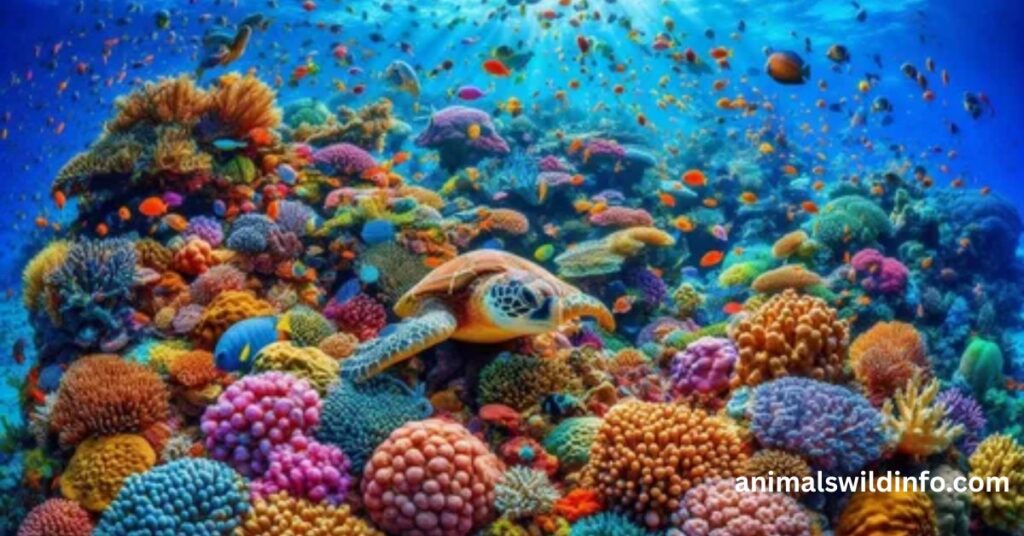
Corals are animals, not plants, even though many people assume otherwise. Each coral polyp has a simple nerve net and no brain whatsoever. They filter feed on tiny organisms drifting through ocean currents, and many species also host algae that provide extra energy through photosynthesis.
What corals lack in intelligence, they make up for in ecosystem impact. Reefs built by countless coral colonies support roughly a quarter of all marine species at some point in their lives. It’s one of the best examples of biodiversity built entirely without any thinking involved on the coral’s part.
Komodo Dragons
Scientific Name: Varanus komodoensis Class: Reptilia Diet: Carnivore
Komodo dragons are the largest lizards on Earth, and their size does most of the work that intelligence would otherwise handle. These solitary hunters use a mix of stealth, patience, and a bite loaded with bacteria and mild venom, rather than any complex hunting strategy.
Their limited social behavior also stands out. Komodo dragons don’t form groups or cooperate while hunting, and they’ll even eat their own young if given the chance. Brute strength and a strong sense of smell cover for what they lack in problem-solving skills, making them apex predators despite a fairly basic brain.
Read More: Top 25 Scavenger Animals In The World (With Pictures & Facts)
Cane Toads
Scientific Name: Rhinella marina Class: Amphibia Diet: Omnivore
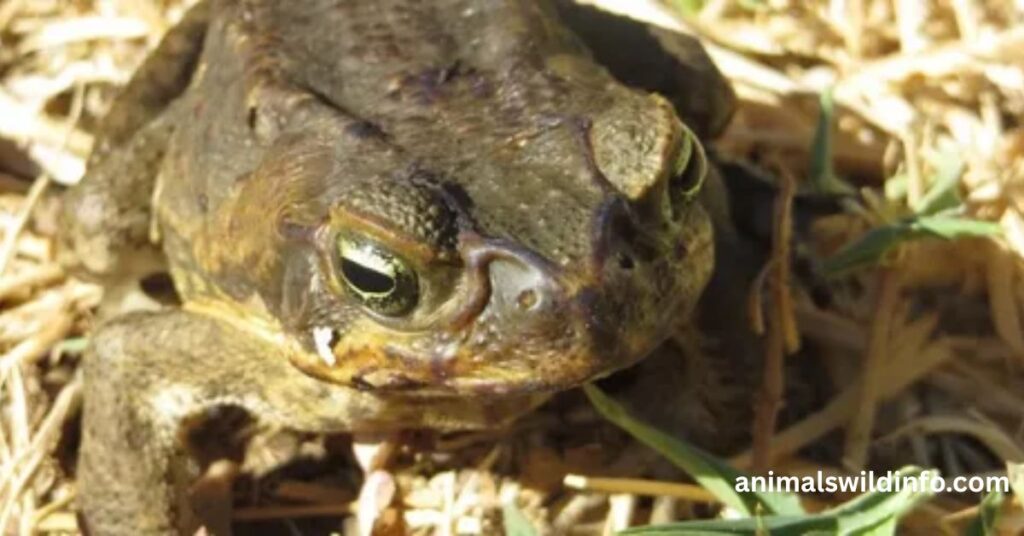
Cane toads became infamous after being introduced to Australia to control pests, only to become a massive invasive problem themselves. Their success has nothing to do with cleverness. It comes down to a brutal reproductive strategy: a single female can lay up to 30,000 eggs in one go.
Toxic skin secretions add another layer of defense, killing predators that try to eat them. This combination of high reproduction and built-in poison shows how natural selection can favor numbers and chemistry over brainpower. Cane toads didn’t outsmart Australia’s ecosystem. They simply overwhelmed it.
Slugs
Scientific Name: Gastropoda Class: Gastropoda Diet: Herbivore
Slugs rely on a basic decentralized nervous system to move, sense their surroundings, and find food. Without a shell for protection, they lean on other tricks instead, including a slimy coating that deters some predators and helps them survive dry conditions.
Their slow pace actually works in their favor. Moving quietly through gardens at night lets slugs avoid many daytime predators entirely. Some species can even regenerate damaged tissue, another form of biological adaptation that helps make up for their almost total lack of higher-level thinking.
Ostriches
Scientific Name: Struthio camelus Class: Aves Diet: Herbivore
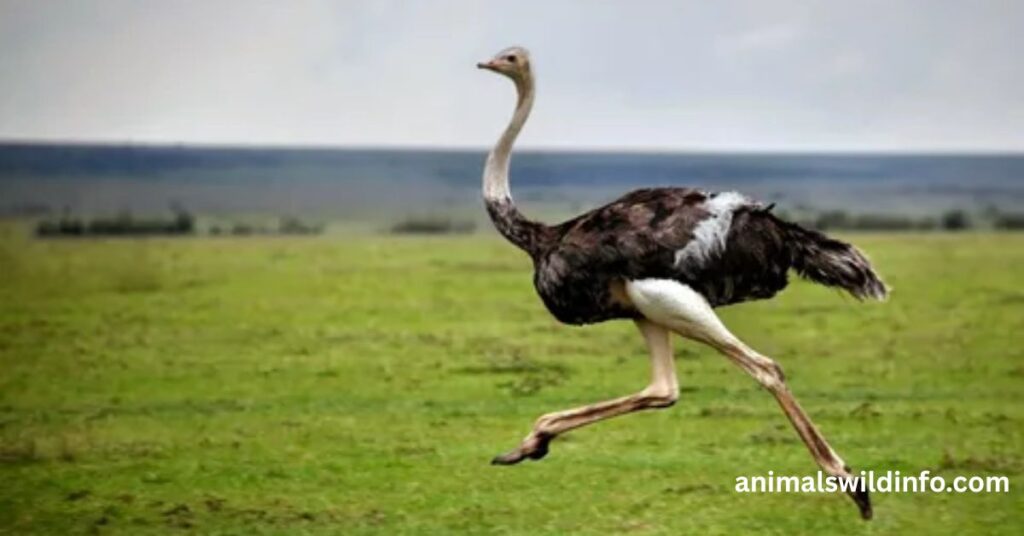
Ostriches are the fastest running birds alive, reaching speeds up to 45 miles per hour. That speed matters a lot because their cognitive function doesn’t offer much backup. Ostrich brains are surprisingly small for such a large bird, smaller even than one of their own eyes.
Their famous head-in-the-sand myth isn’t accurate. Ostriches actually lower their heads to check on eggs buried in ground nests, which looks like hiding from a distance. This misunderstood behavior aside, ostriches survive through speed and size rather than sharp thinking or clever predator avoidance tactics.
Horned Lizards
Scientific Name: Phrynosoma Class: Reptilia Diet: Carnivore
Horned lizards, sometimes called horny toads, defend themselves in one of the strangest ways in the animal kingdom. When threatened, some species can shoot a stream of blood from their eyes, aimed directly at a predator’s face. It’s a purely instinct-driven reaction, not a calculated defense.
Camouflage does most of their daily survival work. These lizards blend into desert sand and rock so well that predators often walk right past them. Combined with their spiky armor, this sensory adaptation covers for a fairly limited set of problem-solving skills.
Slow Lorises
Scientific Name: Nycticebus Class: Mammalia Diet: Omnivore
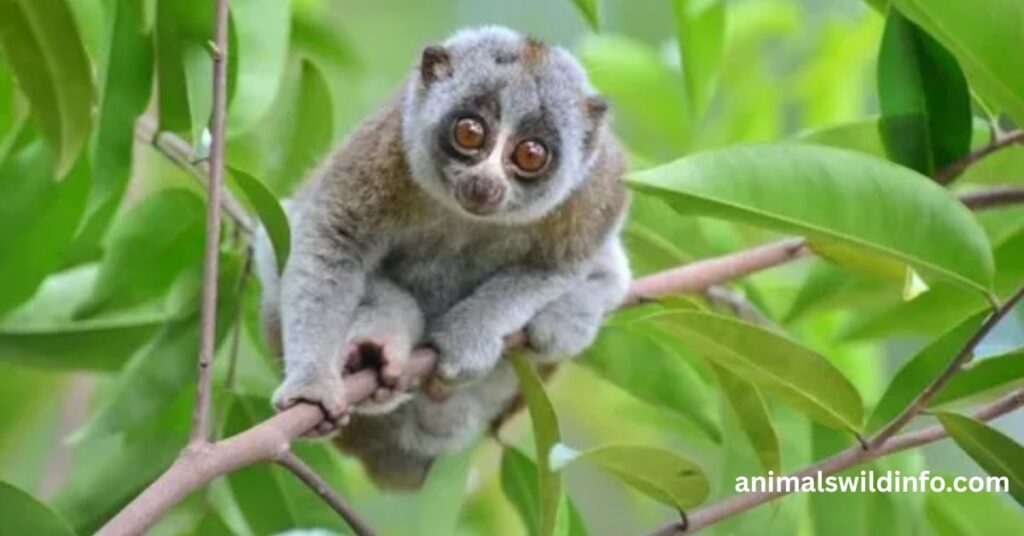
Slow lorises move at a careful, deliberate pace through trees at night, and they’re one of the only venomous mammals in the world. They produce toxin from a gland near their elbow, then mix it with saliva to deliver a painful, sometimes dangerous bite.
This slow, quiet lifestyle limits opportunities for complex learning ability. Instead, slow lorises depend on camouflage, nocturnal habits, and that venomous bite for protection. It’s another case of evolutionary adaptation favoring a defensive trick over quick thinking or sharp reflexes.
Read More: Top 7 Animals That Are Deaf (With Pictures & Interesting Facts)
Goldfish
Scientific Name: Carassius auratus Class: Actinopterygii Diet: Omnivore
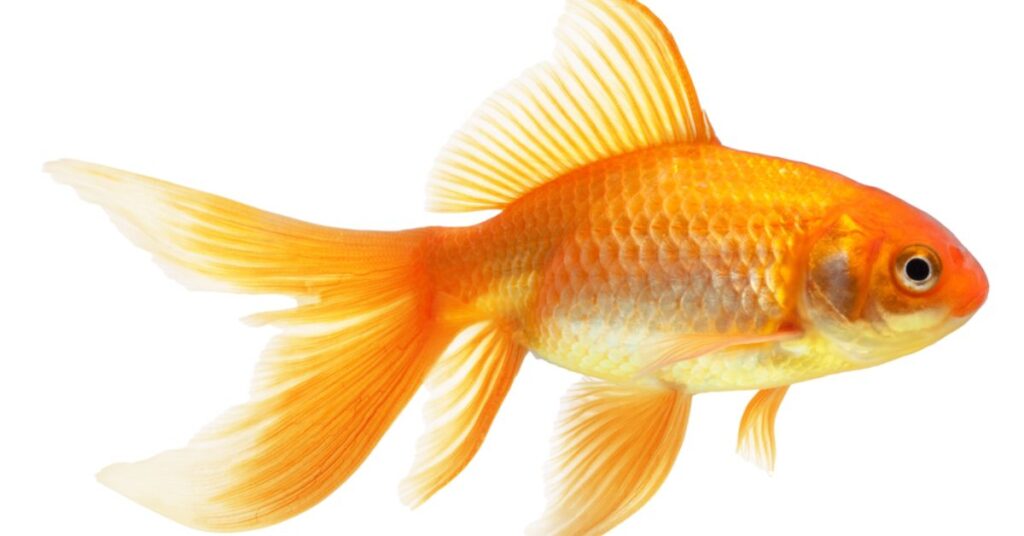
Goldfish get mocked constantly for supposedly having a three-second memory, but that claim is actually a myth. Real research shows goldfish can retain memory capacity for months in some cases. Still, compared to smarter fish like cichlids, goldfish rank fairly low on most animal intelligence scales.
Their brains process the world in a very immediate, reactive way. Goldfish respond well to light, food cues, and simple training, but they don’t show the kind of long-term planning seen in dolphins or octopuses. They’re a solid middle case: not brainless, but definitely not sharp either.
Why Some Animals Appear Less Intelligent
A lot of this comes down to trade-offs. Animals with a specialized diet, like koalas or pandas, don’t need flexible thinking because their food source rarely changes. Their ecological niche is narrow, so their brains stayed narrow too. Evolution doesn’t reward extra brainpower unless it actually improves species survival in some way.
Environment plays a huge role as well. Creatures that evolved without natural predators, like the kakapo, never developed strong predator avoidance instincts. Others, like jellyfish or sea sponges, never needed a brain at all because their survival mechanisms rely on filtering, drifting, or regenerating instead of reacting to complex threats. Low intelligence isn’t a flaw here. It’s just one more evolutionary tool among many.
How Animal Intelligence Is Measured
Researchers use several methods to study wildlife intelligence, and none of them are perfect. The mirror test checks if an animal recognizes its own reflection, which works well for great apes and elephants but poorly for animals without strong eyesight. Puzzle-solving tasks measure learning ability by timing how fast an animal figures out a food reward, often used with crows, rats, and octopuses.
Brain-to-body ratio remains one of the most common comparison tools, since it accounts for the fact that larger animals need bigger brains just to run their bodies. Scientists also study social behavior, tool use, and communication behavior as indirect signs of intelligence. None of these methods capture everything, though, which is exactly why comparing something like a jellyfish to a chimpanzee gets tricky fast.
Final Thoughts
Intelligence isn’t one single scale with humans at the top and jellyfish at the bottom. It’s more like a toolbox, and every species grabs whatever tools help it survive best. Some animals lean on quick thinking. Others lean on speed, camouflage, poison, or sheer numbers. Every single one of these stupid animals, if you want to call them that, has stuck around for thousands or even millions of years.
So next time someone calls koalas or ostriches “dumb,” remember there’s more to the story. Nature doesn’t grade on IQ tests. It grades on results, and every animal on this list is still here, still surviving, and still doing exactly what it evolved to do.
FAQ’s
An IQ of 85 falls below the human average of 100, but it’s still within a normal range for many people. It doesn’t indicate a disorder on its own. This question usually comes up in human psychology rather than animal comparisons, since animals aren’t tested with human IQ scales at all.
Koalas often top this list among mammals, mainly due to their extremely limited diet and low energy lifestyle. Their brain also has an unusually high amount of fluid relative to actual brain tissue, which likely limits their cognitive function compared to other mammals of similar size.
Sea sponges and jellyfish are usually named the most unintelligent animals since they have no brain and no centralized nervous system at all. They react to stimuli through basic nerve nets rather than any form of conscious thought or decision-making process.
Sea sponges are often cited as the creature with the lowest IQ because they lack neurons entirely in most species. They survive purely through filter feeding and passive response to their environment, making them one of the simplest true animals alive today.
Depending on the source, either sea sponges or jellyfish take this title, since both lack a true brain. Some lists also include oysters and corals in this category, as all these species rely on basic reflexes instead of learned or reasoned behavior.
Turkeys and ostriches frequently get called the dumbest animal in the world, largely due to myths about their behavior. In reality, both birds show decent predator avoidance instincts and social coordination, even if their problem-solving skills don’t match birds like crows or parrots.