Top 25 Fascinating Animals That Eat a Lot You Should Know
In this article, you’ll meet the animals that eat a lot and learn why. You’ll see the biggest eaters in the animal kingdom, from tiny shrews to giant whales. You’ll also find out which animal with the biggest appetite wins the title, and why some creatures are simply animals with huge appetites no matter their size.
By the end, you’ll understand the science behind big hunger. You’ll also get a handy table that ranks the animals that consume the most food side by side. Let’s dig in.
List of Animals That Eat a Lot
Some animals eat a little every day. Others eat like there’s no tomorrow. This list covers 25 creatures known for their massive appetites, and each one has its own reason for eating so much.
You’ll find land giants, ocean hunters, tiny insects, and even birds on this list. Every entry includes the animal’s scientific name, class, and diet. Let’s start with a bird that eats more than its own body weight daily.
Hummingbirds
Scientific Name: Trochilidae Class: Aves Diet: Nectar, small insects, spiders
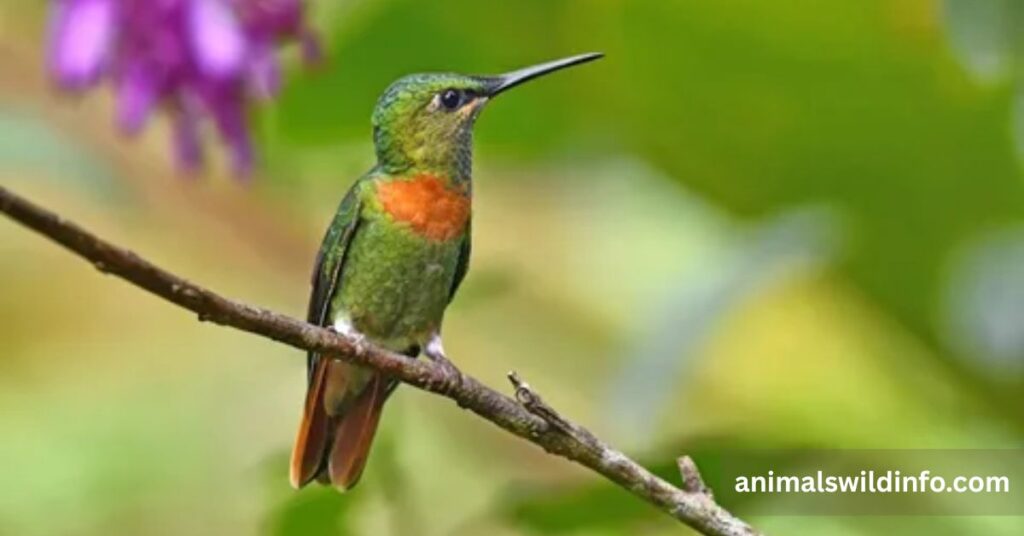
Hummingbird metabolism runs incredibly fast. These birds beat their wings dozens of times per second, and that burns huge energy. So, they eat nearly twice their body weight in nectar every single day. You’ll often see them visiting hundreds of flowers just to keep going. During migration, they also eat insects for protein. That’s a smart survival trick for such a tiny flyer.
Great White Shark
Scientific Name: Carcharodon carcharias Class: Chondrichthyes Diet: Seals, sea lions, fish
Great white shark prey usually includes seals, sea lions, and other marine mammals. A single meal can weigh several hundred pounds. This shark often ambushes prey from below, then breaches the surface in a powerful strike. That hunting style takes serious energy, so the shark needs large meals to keep up. Its appetite makes it one of the true giant carnivores of the ocean.
Blue Whale
Scientific Name: Balaenoptera musculus Class: Mammalia Diet: Krill
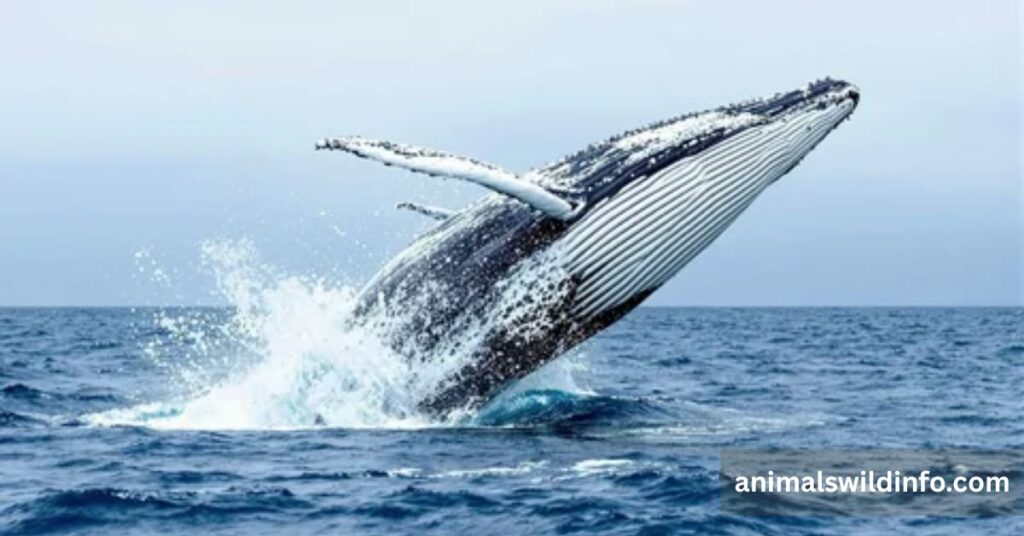
Blue whale food intake is almost hard to believe. This massive mammal can eat up to 4 tons of krill in a single day during feeding season. It uses lunge-feeding, gulping huge volumes of water, then filtering out prey through its baleen plates. As one of the largest filter-feeding animals on Earth, the blue whale shows just how much size can drive hunger. Its feeding pattern also shifts with ocean temperature and krill supply.
Burmese Python
Scientific Name: Python bivittatus Class: Reptilia Diet: Deer, pigs, birds, small mammals
Burmese python feeding habits are wild by any standard. This snake can swallow prey much bigger than its own head thanks to its stretchy jaw. After a huge meal, its metabolism slows down, and it may not eat again for weeks. That’s efficient, but it’s also a growing problem in Florida, where these snakes now threaten local wildlife. Their appetite says a lot about how invasive species can disrupt an ecosystem.
Read More: Top 15 Animals That Eat Honey (With Pictures & Fascinating Facts)
Grizzly Bear
Scientific Name: Ursus arctos horribilis Class: Mammalia Diet: Salmon, berries, vegetation
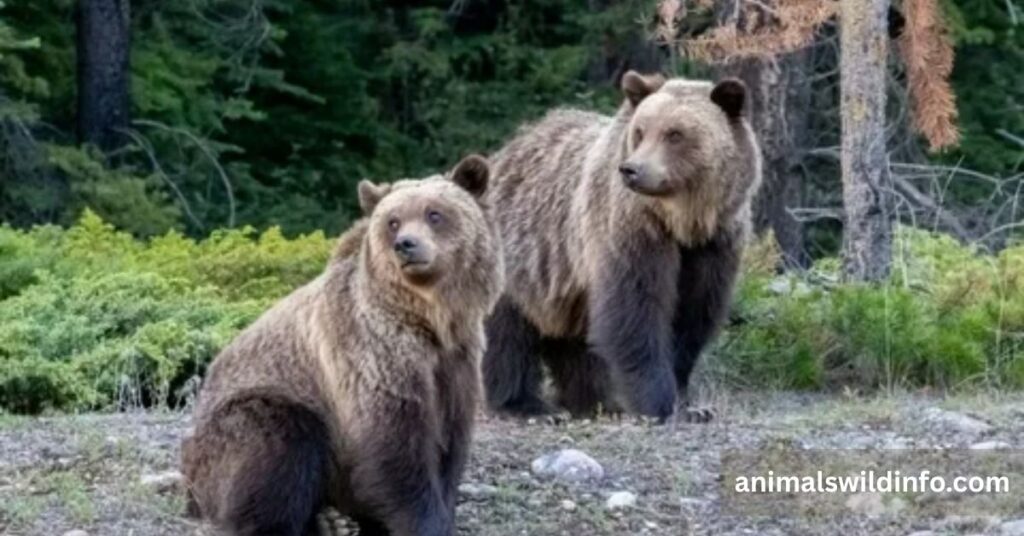
Grizzly bear hyperphagia kicks in every late summer and fall. During this phase, a grizzly can eat up to 30,000 calories a day. That’s not greed, it’s survival. The bear needs fat reserves to make it through winter hibernation. Its diet shifts with the seasons, moving from roots in spring to salmon and berries later in the year. This adaptability helps the bear thrive across very different habitats.
Giant Panda
Scientific Name: Ailuropoda melanoleuca Class: Mammalia Diet: Bamboo
Giant panda bamboo diet takes up most of the panda’s day. These bears chew bamboo for up to 12 hours, eating 20 to 40 pounds daily. Bamboo isn’t very nutritious, so pandas must eat constantly just to get enough energy. Their strong jaw muscles and an extra wrist bone, sometimes called a “thumb,” help them grip and crush tough stalks. Climate change now threatens bamboo forests, which puts real pressure on panda survival.
Sperm Whale
Scientific Name: Physeter macrocephalus Class: Mammalia Diet: Squid, deep-sea fish
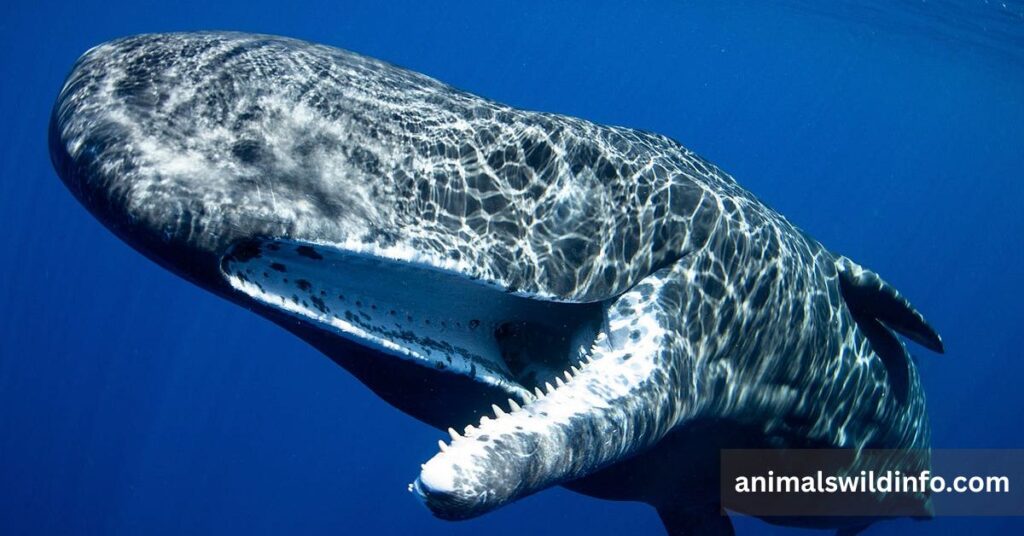
Sperm whale diet centers around squid, including the elusive giant squid. This whale dives up to 2,000 meters and can stay underwater for over an hour while hunting. It eats more than a ton of food daily to fuel these long, deep dives. Interestingly, sperm whales help the ocean’s carbon cycle too. Their waste feeds surface plankton, which locks away carbon and supports the wider marine food chain.
Elephant
Scientific Name: Loxodonta africana Class: Mammalia Diet: Grass, bark, roots, fruit
Elephant daily food consumption reaches roughly 300 pounds of vegetation. As one of the largest large herbivores on land, the elephant needs constant grazing to fuel its massive body. While foraging, elephants often knock down trees and clear brush. That behavior actually helps other species by opening up new habitats. Elephants also forage together, sharing food sources in a way that shows real social cooperation.
Hippopotamus
Scientific Name: Hippopotamus amphibius Class: Mammalia Diet: Grasses
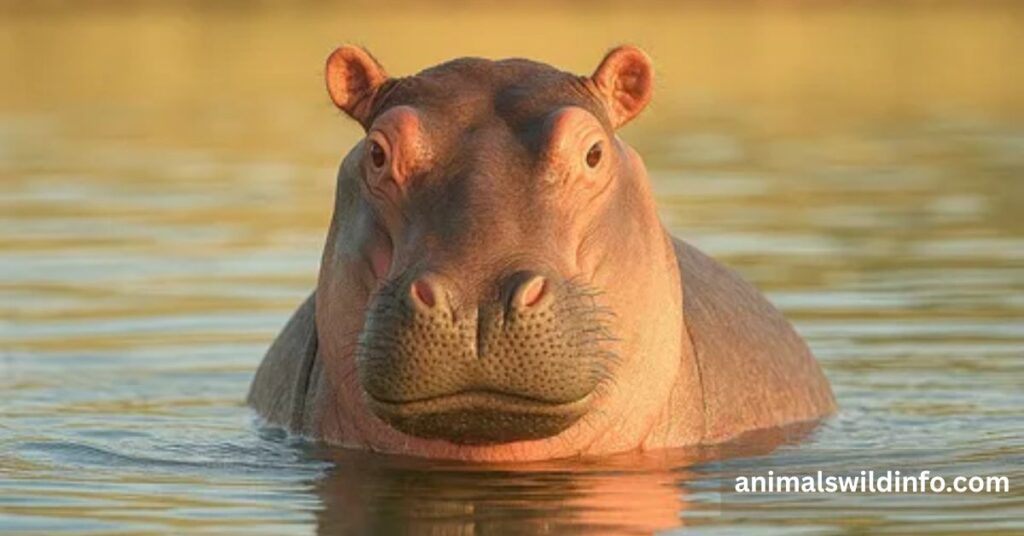
Hippopotamus eating habits happen mostly at night. This semi-aquatic giant can eat 80 pounds of grass in one night alone. Despite its bulk, weighing up to 4,000 pounds, the hippo sticks to a herbivore diet. During the day, hippos gather in water for safety, then head out to graze once it cools down. Their waste also enriches rivers, feeding fish and plants downstream in a surprising ecological loop.
Crocodile
Scientific Name: Crocodylidae Class: Reptilia Diet: Fish, birds, mammals
Crocodile feeding behavior relies on patience and ambush. A crocodile can eat up to half its body weight in one sitting, then go weeks without another meal. It hides among reeds or underwater, waiting for the right moment to strike. This slow-burn strategy fits its equally slow metabolism. Few predators combine stillness and sudden power quite like the crocodile does.
Star-Nosed Mole
Scientific Name: Condylura cristata Class: Mammalia Diet: Earthworms, insects, small invertebrates
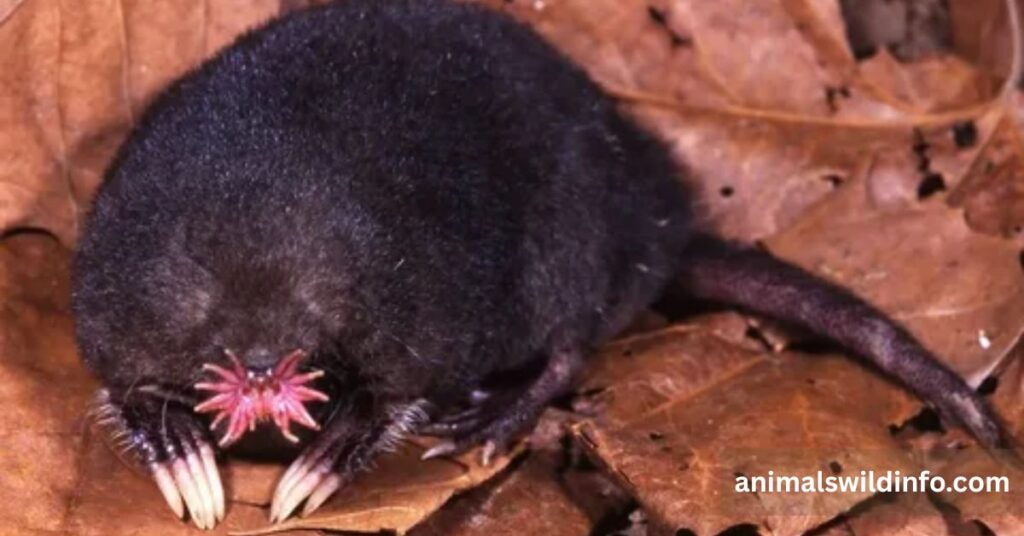
Star-nosed mole diet consists of tiny prey found underground and underwater. This small mammal eats more than its own body weight daily, driven by a high metabolic rate. Its strange, star-shaped nose helps it detect food in total darkness within seconds. In fact, it can identify and eat prey faster than any other mammal known so far. That speed matters, since these animals that are always hungry need constant fuel just to survive.
American Pygmy Shrew
Scientific Name: Sorex hoyi Class: Mammalia Diet: Insects, invertebrates
Pygmy shrew eating habits are extreme for such a tiny body. Weighing only 2 to 4 grams, this shrew eats up to twice its body weight every day. Unlike larger mammals, it can’t skip meals without risking its life. Its rapid heartbeat and constant motion demand endless calories. As one of the smallest predators around, the shrew still plays a big role in controlling insect populations.
Giraffe
Scientific Name: Giraffa camelopardalis Class: Mammalia Diet: Acacia leaves, foliage
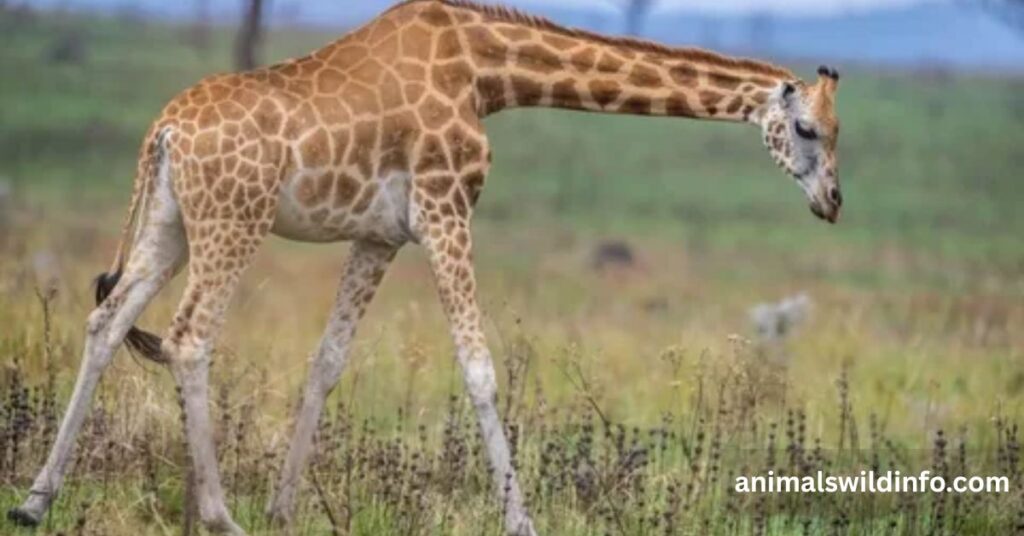
Giraffe feeding behavior takes advantage of its long neck. This animal eats about 75 pounds of leaves daily, mostly from acacia trees. By reaching high branches, giraffes avoid competing with other grazers below. As one of nature’s tallest browsing animals, the giraffe also helps trees grow by pruning them as it feeds. Its height gives it a food advantage that few other species can match.
Bar-Tailed Godwit
Scientific Name: Limosa lapponica Class: Aves Diet: Mollusks, worms, crabs
Bar-tailed godwit migration feeding is one of nature’s great feats. This bird flies over 7,000 miles from Alaska to New Zealand without stopping. Before that journey, it doubles its body weight by gorging on mollusks and worms. That stored fat becomes fuel for the long flight ahead. Few migration stories showcase raw migration energy better than this small shorebird’s epic trip.
Horse
Scientific Name: Equus ferus caballus Class: Mammalia Diet: Grass, hay, grains
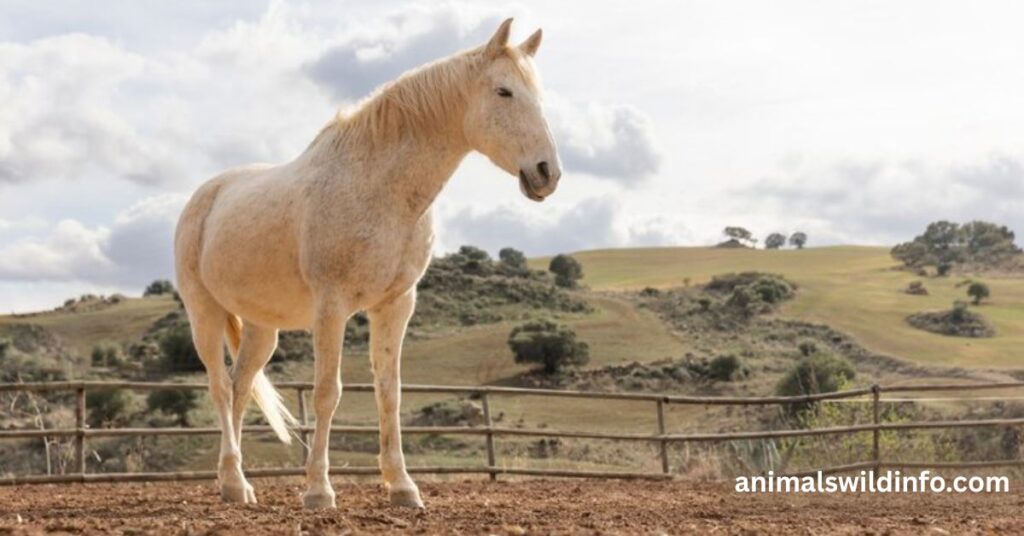
Horse grazing habits follow a steady, near-constant pattern. A horse eats about 1.5 to 2.5% of its body weight in forage every day. Its digestive system works continuously, breaking down roughage bit by bit. In the wild, horses often graze in herds, which helps them stay alert to predators. This social grazing style also helps maintain healthy grassland ecosystems over time.
Tasmanian Devil
Scientific Name: Sarcophilus harrisii Class: Mammalia Diet: Carrion, small animals
Tasmanian devil scavenger behavior sets it apart from typical hunters. This nocturnal marsupial can eat up to 40% of its body weight in one sitting. Its powerful jaws crush bone easily, letting it eat parts other scavengers skip. By cleaning up carcasses, it also helps stop disease from spreading. Its loud growls and fierce feeding style have earned it quite the reputation.
Read More: 12 Incredible Animals That Sleep a Lot You Need to Know
Tiger
Scientific Name: Panthera tigris Class: Mammalia Diet: Deer, wild boar, large mammals
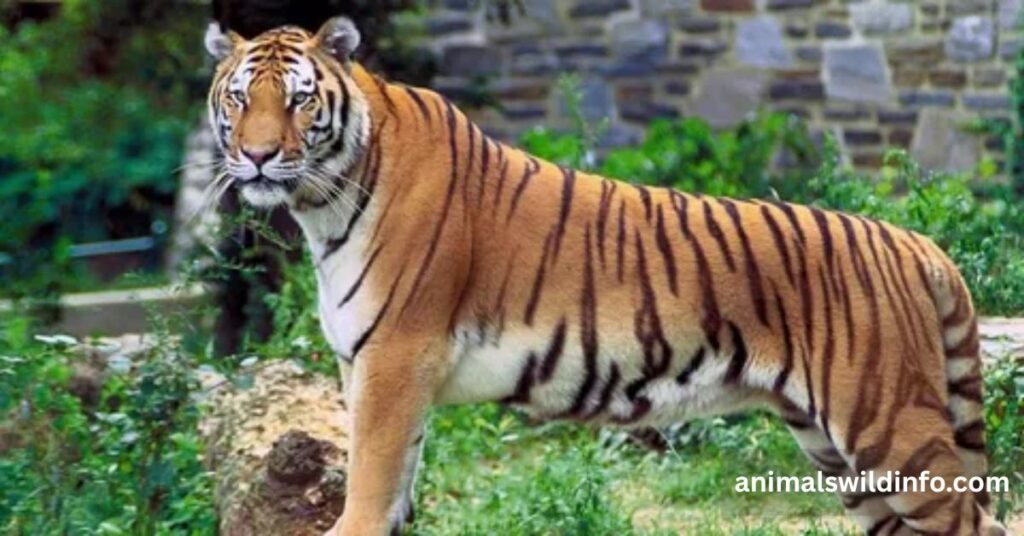
Tiger feeding habits show real strategy behind the power. A tiger can eat up to 100 pounds of meat in one sitting after a successful hunt. That stored energy helps it survive days, even weeks, between meals. Tigers hunt selectively, avoiding prey that would cost too much energy to catch. This balance of patience and strength keeps the tiger at the top of its food chain.
Komodo Dragon
Scientific Name: Varanus komodoensis Class: Reptilia Diet: Deer, wild boar, carrion
Komodo dragon diet includes both hunted prey and scavenged carcasses. This giant lizard can eat up to 80% of its body weight in a single feeding. Its Jacobson’s organ detects the smell of carrion from miles away. After eating, it often rests for hours while its gut breaks down the meal. Few reptiles combine size, patience, and appetite quite like this island predator.
Rhinoceros
Scientific Name: Rhinocerotidae Class: Mammalia Diet: Grasses, leaves, branches
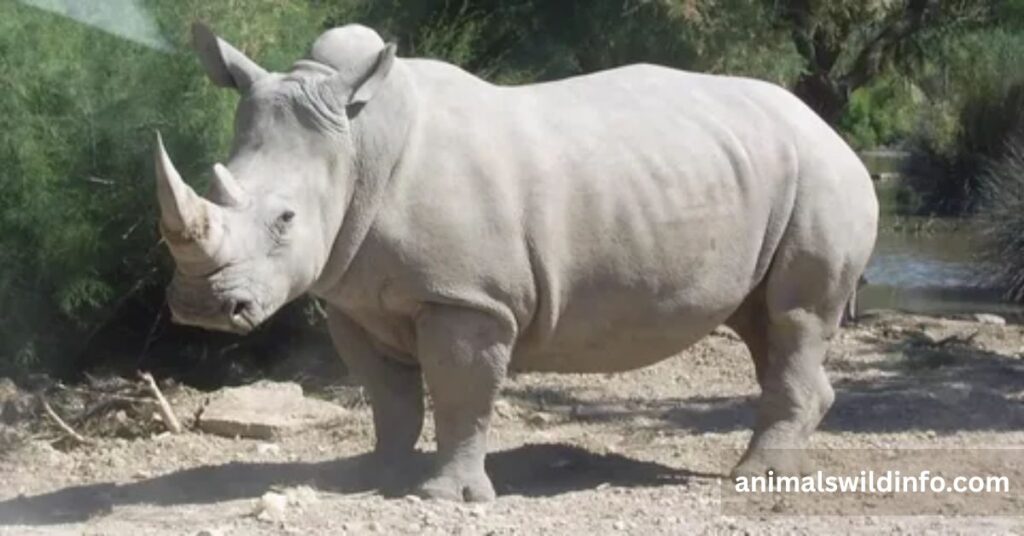
Rhinoceros grazing habits require huge daily effort. This animal eats around 120 pounds of vegetation every day to fuel its massive frame. Despite its size, the rhino faces serious threats from poaching and habitat loss. Its grazing shapes grasslands, helping maintain balance for other species nearby. Protecting rhinos also means protecting the food sources and land they depend on.
Gorilla
Scientific Name: Gorilla gorilla Class: Mammalia Diet: Fruits, leaves, stems
Gorilla diet includes a surprising variety of plants each day. An adult gorilla eats around 40 pounds of food daily, led often by a matriarch during group foraging. Despite eating so much, gorillas are picky about what they choose. That selectiveness helps them get the right nutrients while keeping their habitat balanced. Feeding together also strengthens social bonds within the troop.
Green Anaconda
Scientific Name: Eunectes murinus Class: Reptilia Diet: Capybaras, deer, caimans
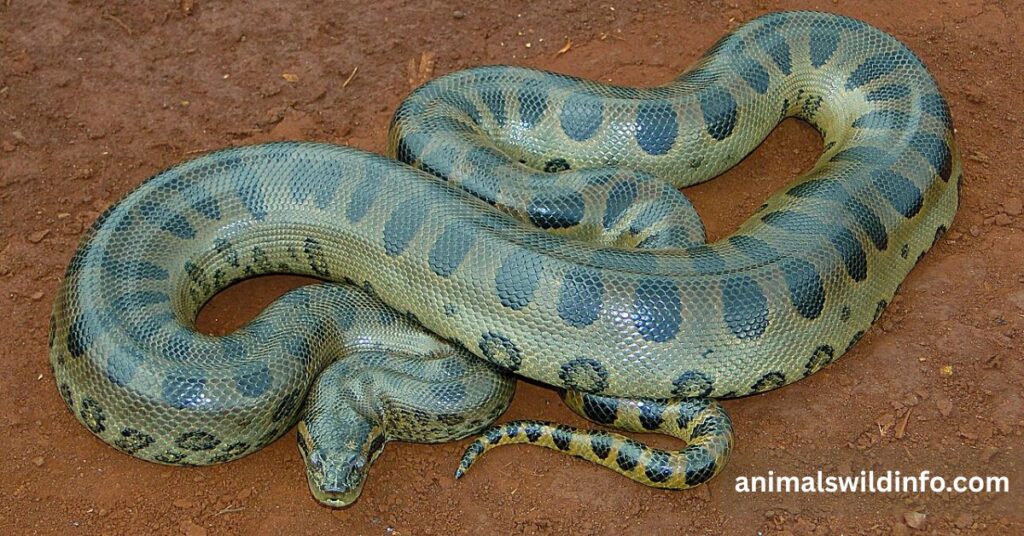
Green anaconda diet includes prey far bigger than you’d expect. This massive snake constricts and swallows animals whole, then can go months without eating again. Its jaw stretches wide enough to take down capybaras and even caimans. That extreme feeding strategy fits its slow, ambush-based lifestyle. The anaconda proves that a rare, massive meal can outweigh frequent small ones.
Giant Weta
Class: Insecta Diet: Leaves, flowers, fruit
Giant weta diet is impressive for an insect its size. This New Zealand native can weigh over 70 grams and eat its own body weight in food daily. It mostly eats leaves and fruit, breaking down tough plant material with ease. As it forages, the weta also disperses seeds and returns nutrients to the soil. That makes it a small but mighty contributor to local biodiversity.
Cow
Scientific Name: Bos taurus Class: Mammalia Diet: Grass, hay, silage
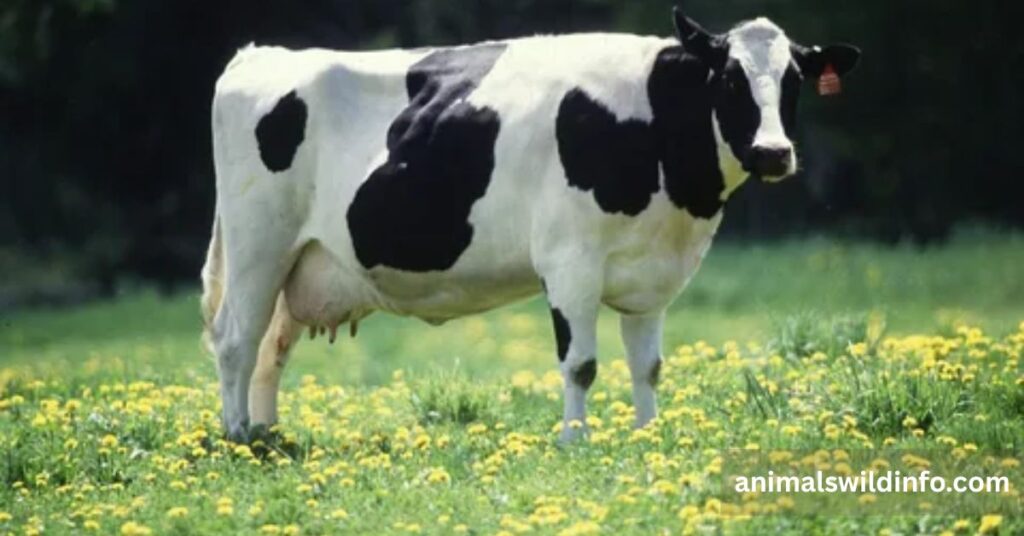
Cow digestive system design explains its huge appetite. An adult cow eats between 100 and 150 pounds of feed every day. Its four-chambered stomach breaks down tough plant fibers step by step. This process, called rumination, turns grass into steady energy for the animal’s large body. As one of the most common grazing animals worldwide, the cow plays a key role in agriculture too.
Desert Locust
Class: Insecta Diet: Crops, leaves, grasses
Desert locust swarms can strip entire fields bare within hours. A single locust eats roughly its own body weight in food each day, but the real danger comes in numbers. Swarms multiply fast, and females lay thousands of eggs in nutrient-rich soil. That rapid reproduction fuels even bigger swarms down the line. Locust outbreaks show how food consumption and population growth are deeply connected.
Read More: Top 18 Animals With Long Horns (With Pictures & Amazing Facts)
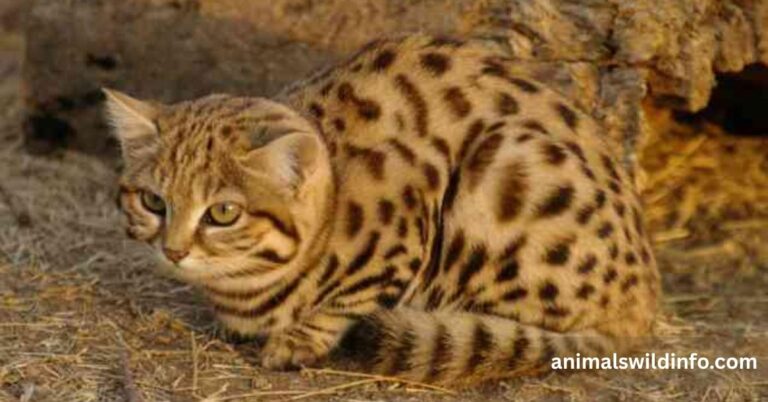
Black-Footed Cat
Scientific Name: Felis nigripes Class: Mammalia Diet: Rodents, birds, insects
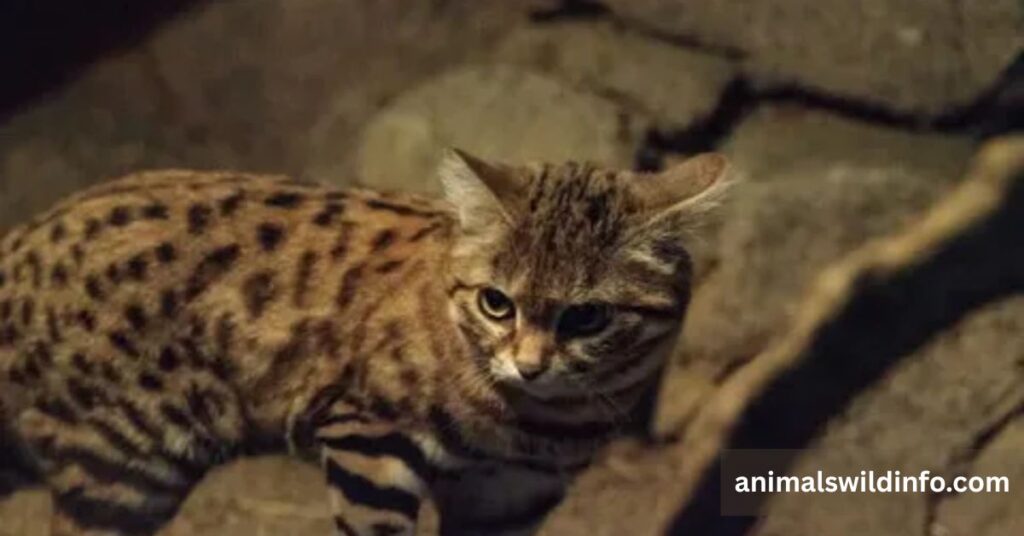
Black-footed cat hunting relies on stealth rather than size. Weighing only 2 to 5 pounds, this small predator can catch and eat up to 14 rodents in a single night. Its high metabolic rate demands constant hunting across dry, harsh terrain. Rather than brute force, it uses a stalk-and-pounce technique to catch fast-moving prey. Pound for pound, few predators hunt as efficiently as this tiny cat.
Which Animal Eats the Most?
So, which animal eats the most? The answer depends on how you measure it. Total weight, body size ratio, and single-meal capacity all give different winners.
Each measure reveals something different about survival. Some animals need bulk calories daily, while others load up rarely but massively. Let’s break down each category one by one.
The Animal That Eats the Most by Total Weight
The blue whale wins this category easily. Eating up to 4 tons of krill daily, no land animal comes close. Its sheer size demands an equally massive food supply.
The Animal That Eats the Most Relative to Its Body Size
Here, tiny creatures take the lead. The American pygmy shrew and star-nosed mole both eat close to their own body weight daily. Their fast metabolism leaves no room for skipping meals.
Which Animal Can Eat the Largest Meal at Once?
The Komodo dragon takes this title, consuming up to 80% of its body weight in one sitting. The green anaconda and Burmese python follow close behind. These reptiles store huge meals, then rest for weeks while digesting.
Why Do Some Animals Eat So Much?
Big appetites don’t happen by accident. Animal feeding strategies connect directly to body size, metabolism, and environment. Every creature on this list eats the way it does for a clear survival reason.
Understanding these reasons helps explain the wider food chain too. From predator and prey relationships to seasonal changes, appetite drives behavior across the animal kingdom. Let’s look at the four biggest reasons behind big hunger.
Fast Metabolism
Animals with fast metabolism, like shrews and hummingbirds, burn energy incredibly quickly. Their metabolic rate stays high nearly all day. That means they must eat constantly just to stay alive.
Massive Body Size
Larger animals need bigger fuel tanks. Elephants, whales, and rhinos all require huge energy requirements to move and function. Their calorie intake simply scales with their size.
Seasonal Feeding Habits
Some animals eat more during specific times of year. Grizzly bears enter hyperphagia before winter, packing on fat for hibernation. This kind of hibernation feeding ensures survival through food-scarce months.
Energy Needed for Migration and Hunting
Long journeys and tough hunts both burn serious energy. The bar-tailed godwit doubles its weight before migrating thousands of miles. Predators like tigers and sharks also need extra fuel for hunting techniques that demand bursts of power.
Animals That Eat the Most in Zoos
Zoos across the United States feed some seriously hungry animals every day. Elephants often eat hundreds of pounds of hay, produce, and grains daily, even in captivity. Big cats like tigers and lions need regular meat portions to stay healthy and active.
Gorillas at zoos eat large amounts of fruits and vegetables, mirroring their diet in the wild. Zookeepers carefully track each animal’s nutritional needs to match natural feeding patterns. These wildlife feeding habits show that even without hunting or foraging, big appetites don’t shrink one bit.
Quick Comparison of Animals With the Biggest Appetites
Here’s a simple table showing animals with high food intake, comparing their daily food intake of animals side by side.
| Animal | Daily Food Intake | % of Body Weight | Diet Type |
| Blue Whale | Up to 4 tons (krill) | Varies by season | Filter feeder |
| Elephant | ~300 lbs | Small % (large body) | Herbivore |
| Grizzly Bear | Up to 30,000 calories | High (seasonal) | Omnivore |
| Komodo Dragon | Single large meal | Up to 80% | Carnivore |
| Star-Nosed Mole | Body weight or more | 100%+ | Insectivore |
| American Pygmy Shrew | Twice body weight | 200% | Insectivore |
| Tasmanian Devil | Large single meal | Up to 40% | Scavenger |
| Cow | 100–150 lbs | Small % (large body) | Grazer |
| Giant Panda | 20–40 lbs bamboo | Moderate | Herbivore |
| Black-Footed Cat | Up to 14 rodents/night | High for its size | Carnivore |
This table makes it easy to compare biggest feeders in nature at a glance. Notice how small animals often beat large ones when you measure by body weight percentage.
Final Thoughts
From the towering blue whale to the tiny pygmy shrew, big appetites tell a bigger story. Each of these animal diet facts connects to survival, energy, and habitat. Whether an animal grazes all day or eats one massive meal, its hunger reflects millions of years of adaptation.
Protecting these species means protecting their food sources too. Habitat loss and climate change threaten the ecological balance that lets these hungry creatures thrive. By understanding their ecosystem roles, you gain a deeper appreciation for how much appetite shapes the natural world.
Frequently Asked Questions
Blue whales, elephants, grizzly bears, and Komodo dragons all eat massive amounts of food. Small mammals like shrews and moles also eat constantly due to their fast metabolism. Appetite size often depends on body weight, diet type, and season.
The American pygmy shrew and star-nosed mole both need to eat almost nonstop. Their high metabolic rate means they can’t survive long without food. Hummingbirds also feed frequently throughout the day to fuel their fast wingbeats.
By total weight, the blue whale eats the most food daily. By body size ratio, tiny shrews and moles top the list. The Komodo dragon wins for the biggest single meal, eating up to 80% of its body weight at once.
Animals eat a lot to match their energy needs, body size, or seasonal demands. Fast metabolism, migration, hibernation prep, and hunting all require extra fuel. Big appetites are simply nature’s way of supporting animal survival and long-term survival adaptations.